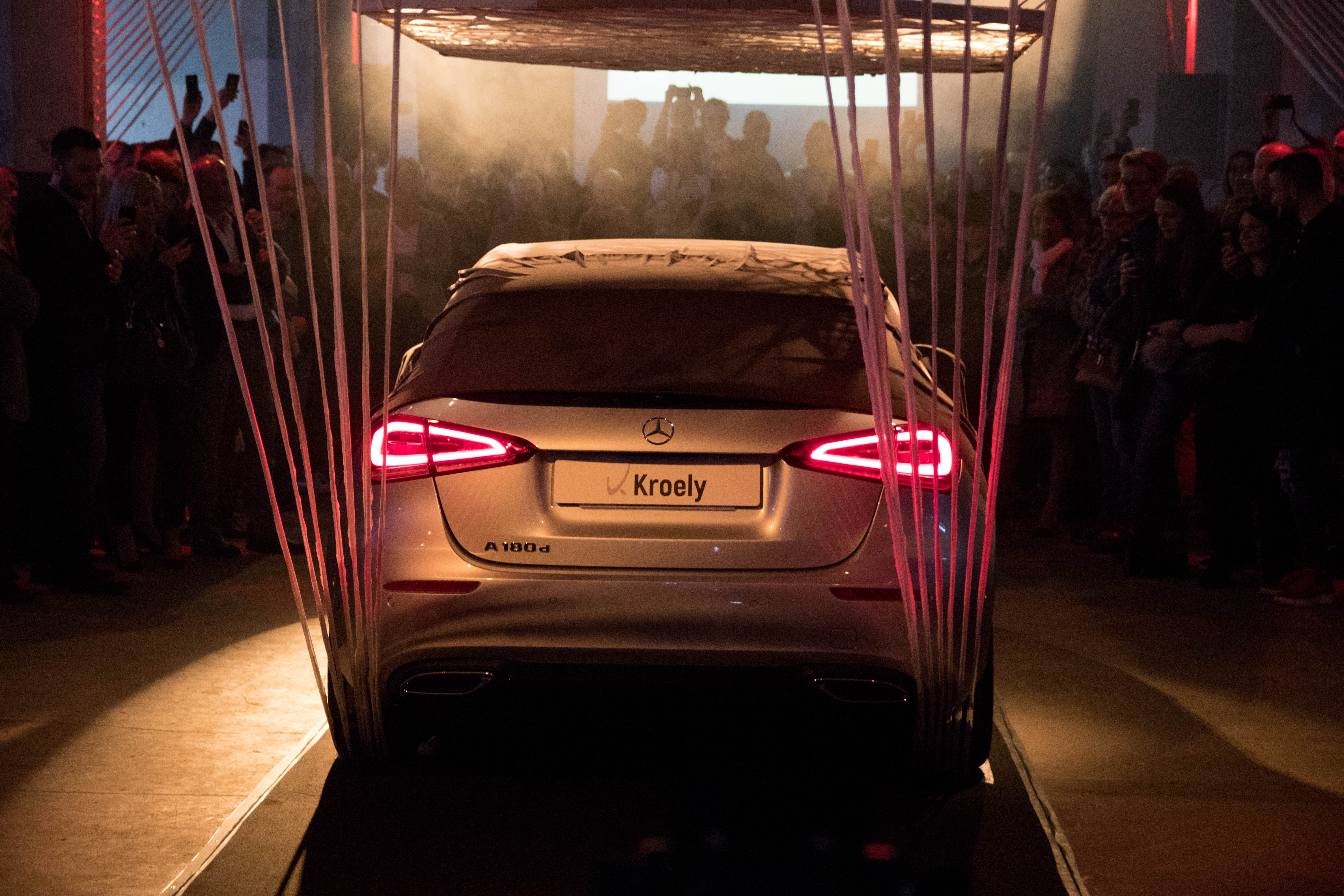
Product Launch in Barcelona that protects your brand and drives adoption
INNOV'events is a corporate event agency managing Product Launch operations in Barcelona, from executive messaging to on-site run-of-show. We typically deliver formats for 40 to 800 attendees, including press, partners, clients, and internal teams. We handle venue, technical production, guest management, content, entertainment, and vendor coordination—so your leadership can focus on product story and stakeholder relations.
Table of contents
In a Product Launch, entertainment is not “extra”: it is a tool to control attention, pace product discovery, and keep decision-makers in the room long enough to absorb the value proposition. In Barcelona, where audiences are exposed to high-quality events year-round, the bar is operational precision and relevance—not noise.
Local organizations expect a smooth guest journey (registration, seating, demos, catering), disciplined timing, and flawless technical delivery for live and hybrid moments. Comms and HR teams also need content that is reusable after the event: video snippets, leadership soundbites, and employee advocacy assets that can be deployed within 24–72 hours.
We operate with a local production mindset: realistic load-in schedules, supplier lead times, and venue constraints typical to the city. INNOV'events brings hands-on expertise in showcalling, AV direction, and stakeholder management to secure a Product Launch in Barcelona that looks premium and runs predictably.
Key figures teams use to assess INNOV'events in Barcelona
10+ years delivering corporate events in Spain, with repeat accounts across tech, pharma, mobility, and consumer brands.
150+ corporate projects/year across our network (launches, conventions, leadership offsites, internal comms).
40–800 attendees is our most frequent launch range; we also support board-level unveilings (20–40) and public-facing reveals (1,000+) with phased access.
2–12 weeks typical planning cycles depending on venue availability and build complexity; we can compress timelines with pre-qualified suppliers.
1 run-of-show owner (showcaller) + dedicated producer and technical lead on-site for decision clarity during showtime.
How to organize a professional event in Barcelona?
- Define the objective (cohesion, announcement, fidelity, performance).
- Set date, format and size (20–1 000 people).
- Secure the venue and accommodation according to seasonality.
- Lock down technical, suppliers and logistics.
- Drive the day J (timing, scene, entrance, flow).
Who we support year after year in Barcelona
In Barcelona, we work with regional headquarters, innovation hubs, and sales organizations that need launches aligned with global brand standards while staying pragmatic locally. Our projects often involve cross-functional steering committees (Marketing, Comms, HR, Sales, Product, IT, Legal), where speed of decision and stakeholder alignment matter as much as creativity.
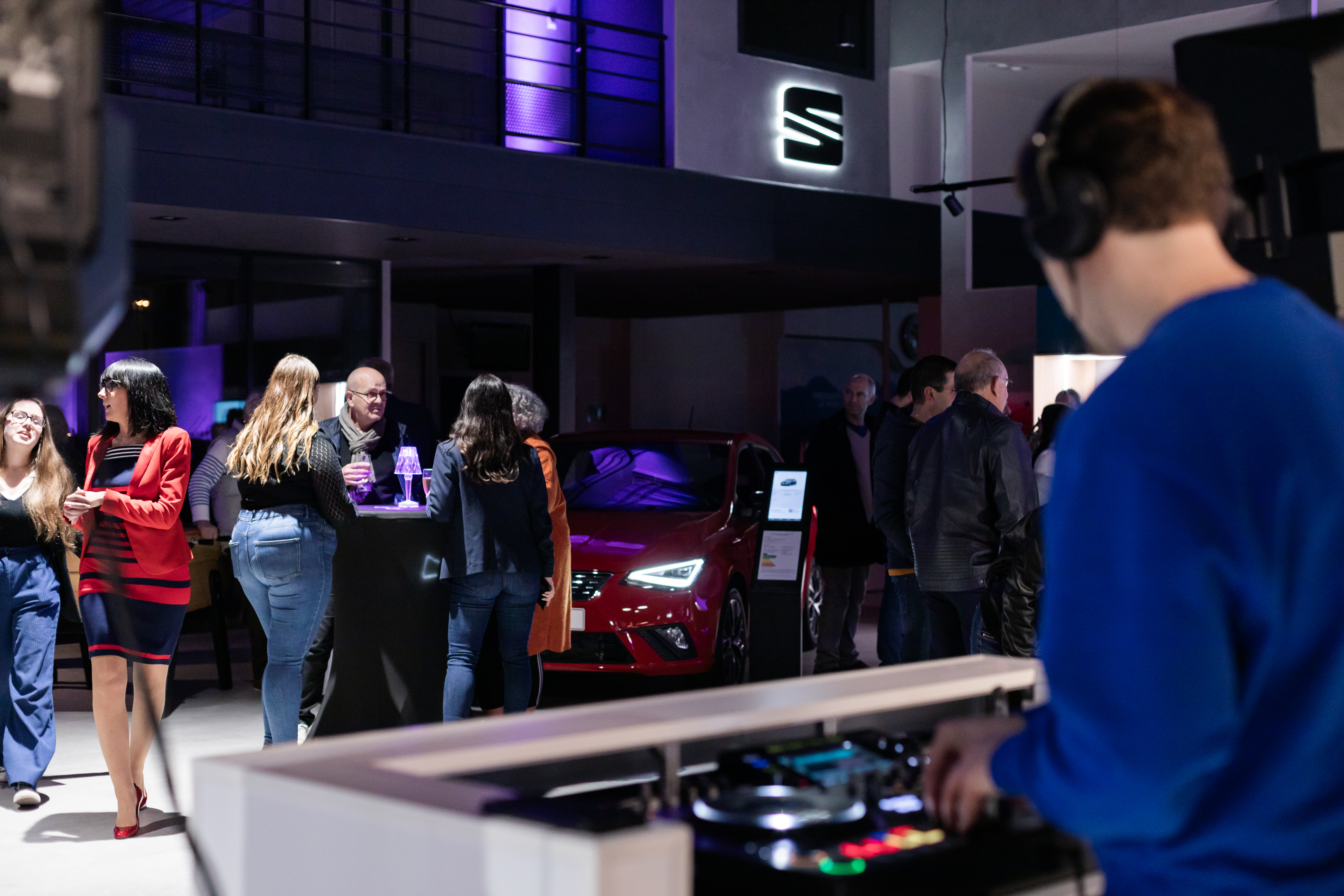
We frequently support brands and teams such as SEAT/CUPRA, Grifols, Cellnex, Mango, and CaixaBank ecosystems through partner events and corporate formats. Several teams collaborate with us year after year because we protect their time: we anticipate approvals, keep vendors accountable, and reduce last-minute escalation on the event day.
If you need references aligned to your sector (SaaS, medical devices, consumer electronics, automotive), we can share comparable use cases under NDA, including run-of-show structure, technical architecture, and budget envelope.
We send you a first proposal within 24h.
Why a Product Launch in Barcelona is a managerial lever
A launch is a leadership moment: you are not only presenting features—you are aligning sales narrative, validating credibility with stakeholders, and setting internal execution speed. In Barcelona, where international audiences and press are common, the event also signals operational maturity: how you welcome, brief, and guide guests becomes part of your product story.
Faster stakeholder alignment: executives can anchor the storyline in one moment (vision, roadmap, proof points), reducing message drift across sales and partners.
Sales enablement with real proof: structured demo lanes, controlled Q&A, and customer quotes give your commercial team materials they can reuse immediately (talk tracks, objection handling, recorded segments).
Credibility with press and analysts: an embargo-friendly schedule, proper media handling, and a quiet interview area help avoid “soundbite chaos” and inconsistent messaging.
Internal mobilization: for HR and internal comms, a launch becomes a rallying point—especially when you formalize recognition moments (R&D, customer success, manufacturing) without turning it into a generic awards night.
Risk control: rehearsals, failover plans, and a disciplined run-of-show reduce the probability of brand-damaging issues (dead mics, demo crashes, overcrowded networking, VIP dissatisfaction).
Employer brand in a competitive talent market: Barcelona’s hiring environment rewards companies that show product momentum and clear leadership—without overspending or appearing superficial.
Barcelona’s economic culture values design, innovation, and international standards, but it also rewards pragmatism. A well-run Product Launch here is measured by clarity of message, controlled guest experience, and the quality of follow-up—more than by spectacle.
What decision-makers in Barcelona typically require from a launch event
Directors in Barcelona usually ask for three things: brand-level finish, operational predictability, and measurable outcomes. The city hosts many high-end conferences and corporate gatherings; your guests have context and will compare you—often unconsciously—against global standards they saw last month at a tech event or an industry congress.
Operational constraints are real. Many venues have strict load-in windows, neighborhood noise limitations, and limited back-of-house space. Add to that traffic variability, taxi availability spikes, and the need for accessible routes for VIPs and executives. If you are inviting international teams, you also have to account for flight variability and last-minute speaker changes—meaning the show must be resilient, not fragile.
Local expectations on food and hospitality are high. A “standard” coffee break will be judged quickly; the solution is not necessarily higher spend, but better flow: sufficient service points, clear timing, and thoughtful dietary labeling to avoid queue bottlenecks. When done properly, hospitality supports demo time and networking rather than competing with it.
Comms teams also expect content governance: who can film, which angles are approved, what is shared on social, and how you manage press access. We regularly design a practical media protocol (badges, embargo reminders, photo call timing, spokesperson availability) so the product message remains consistent.
What entertainment formats work for a Product Launch in Barcelona
Entertainment works when it supports the product narrative: it creates energy between content blocks, improves networking density, and increases demo participation. In a Product Launch in Barcelona, we aim for formats that are logistically compatible with venues, respectful of executive time, and aligned with your audience profile (C-level, distributors, clients, employees, press).
Interactive animations in Barcelona
Guided demo routes with appointment slots: QR-based time slots prevent overcrowding and guarantee each key account gets real attention. We often set up 3–6 demo stations with a clear “start here” briefing so the story is consistent.
Live polling integrated into the keynote: not for gimmicks—used to surface priorities (security, ROI, sustainability) and pivot the talk track. Works well with sales audiences and internal teams.
Executive AMA with moderated questions: curated questions collected pre-event and on-site, then screened to avoid off-message surprises while remaining authentic. Particularly useful when your product impacts regulated environments.
Art animations in Barcelona
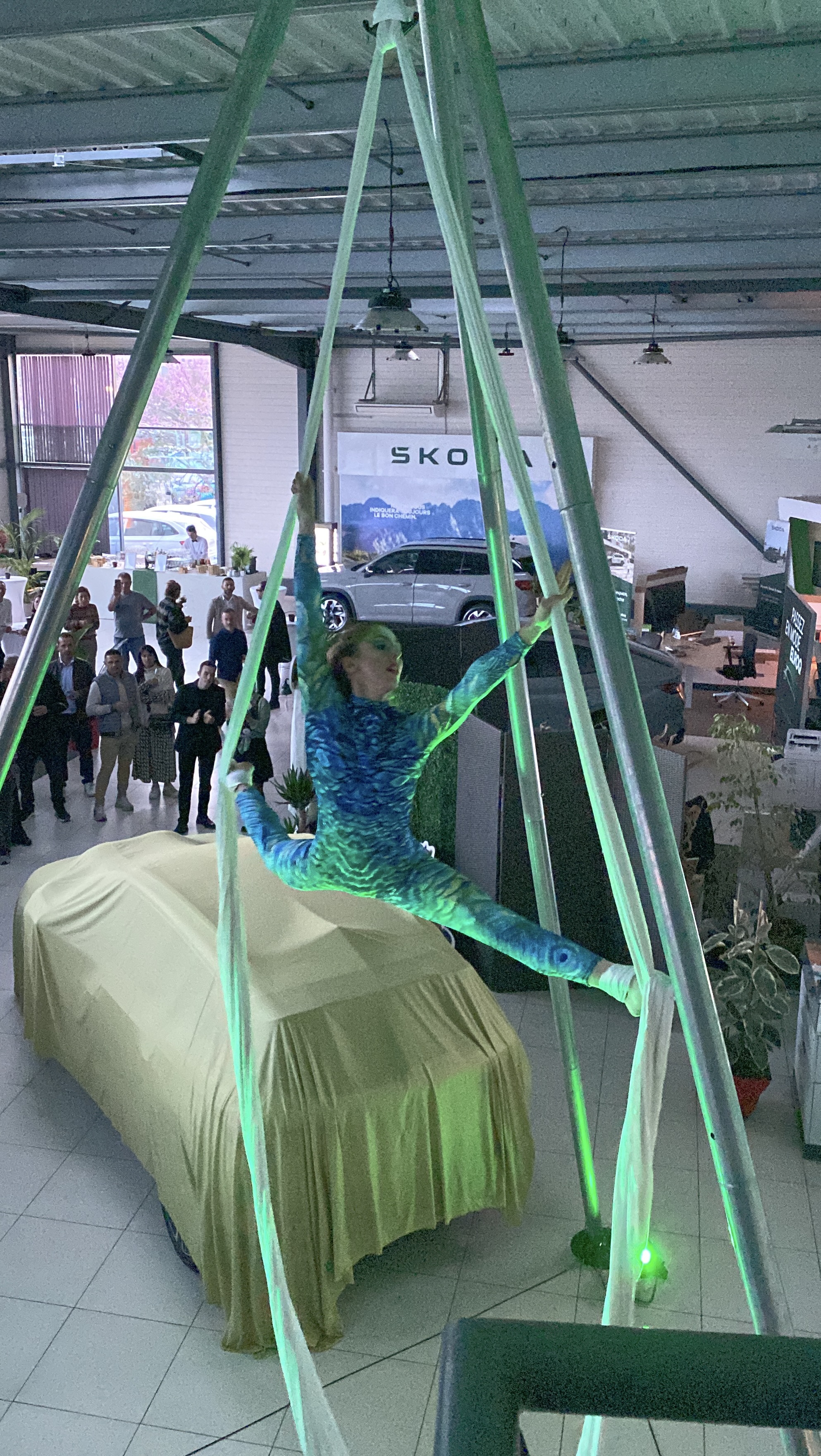
Short-format live performance as a transition tool: a 3–6 minute act between the keynote and demos to reset attention and manage room turnover. The key is timing discipline and sound levels that protect conversation.
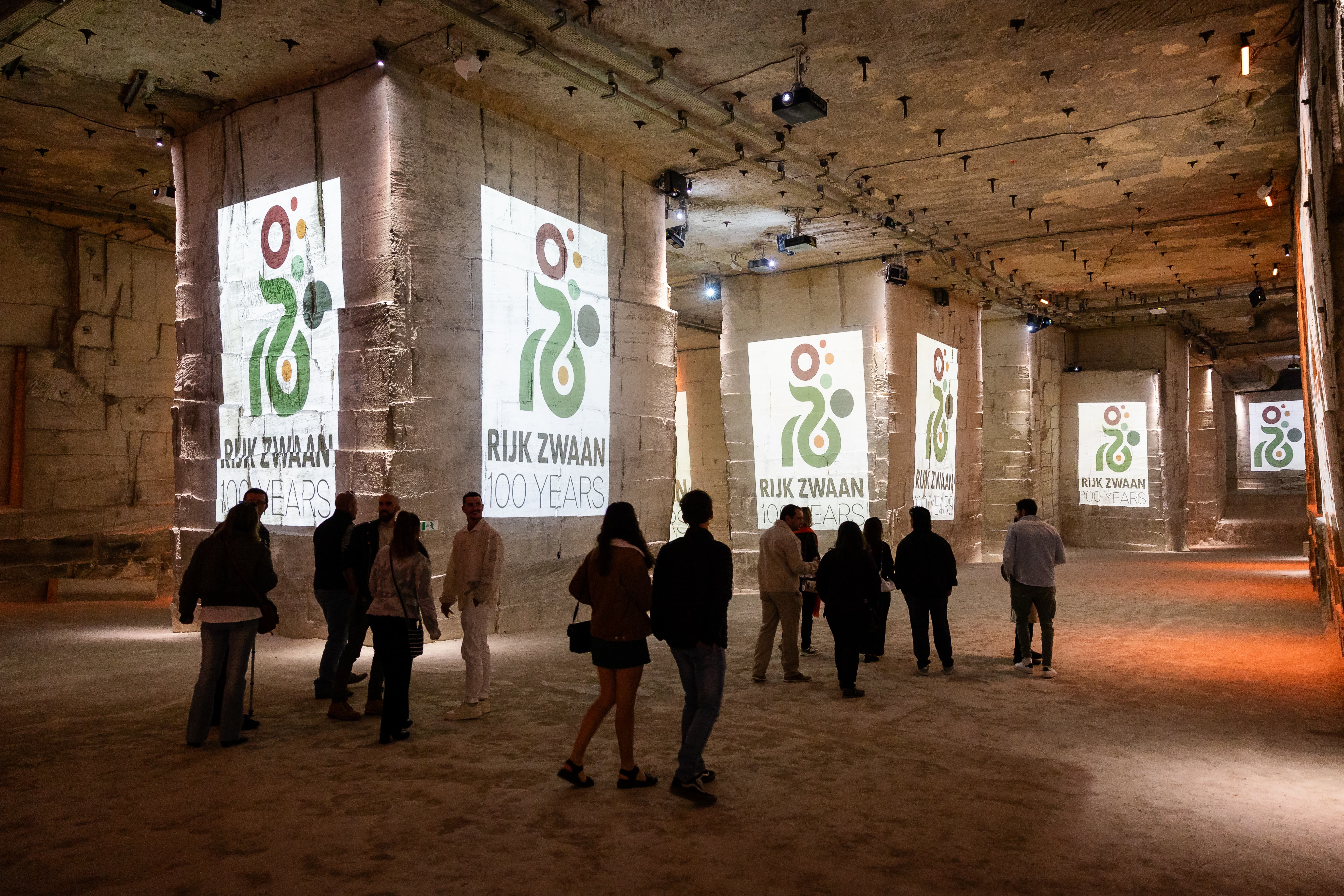
Brand-coded visual moments: LED or projection-based reveals that support the product’s design language (colors, typography, motion) rather than generic visuals. Useful when your product has a strong industrial or UX component.
Innovative animations in Barcelona
Station-based catering designed for flow: multiple identical stations reduce queues and keep networking balanced across the room. In Barcelona, we often recommend a mix of local-inspired items and international safe choices for diverse audiences.
Product-linked tasting concept: only when there is a logical connection (e.g., sustainability story with seasonal sourcing, precision/quality story with a chef-led plating demonstration). The concept must reinforce your message, not distract from it.
Gourmand animations in Barcelona
Immersive product story room: a controlled environment where groups rotate every 8–12 minutes, combining sound, visuals, and hands-on interaction. Works well for complex products that need narrative scaffolding.
Hybrid-ready capture for internal rollout: multi-camera capture with clean audio and branded lower thirds, producing usable assets for teams who could not attend. This is “innovation” that directly supports internal adoption.
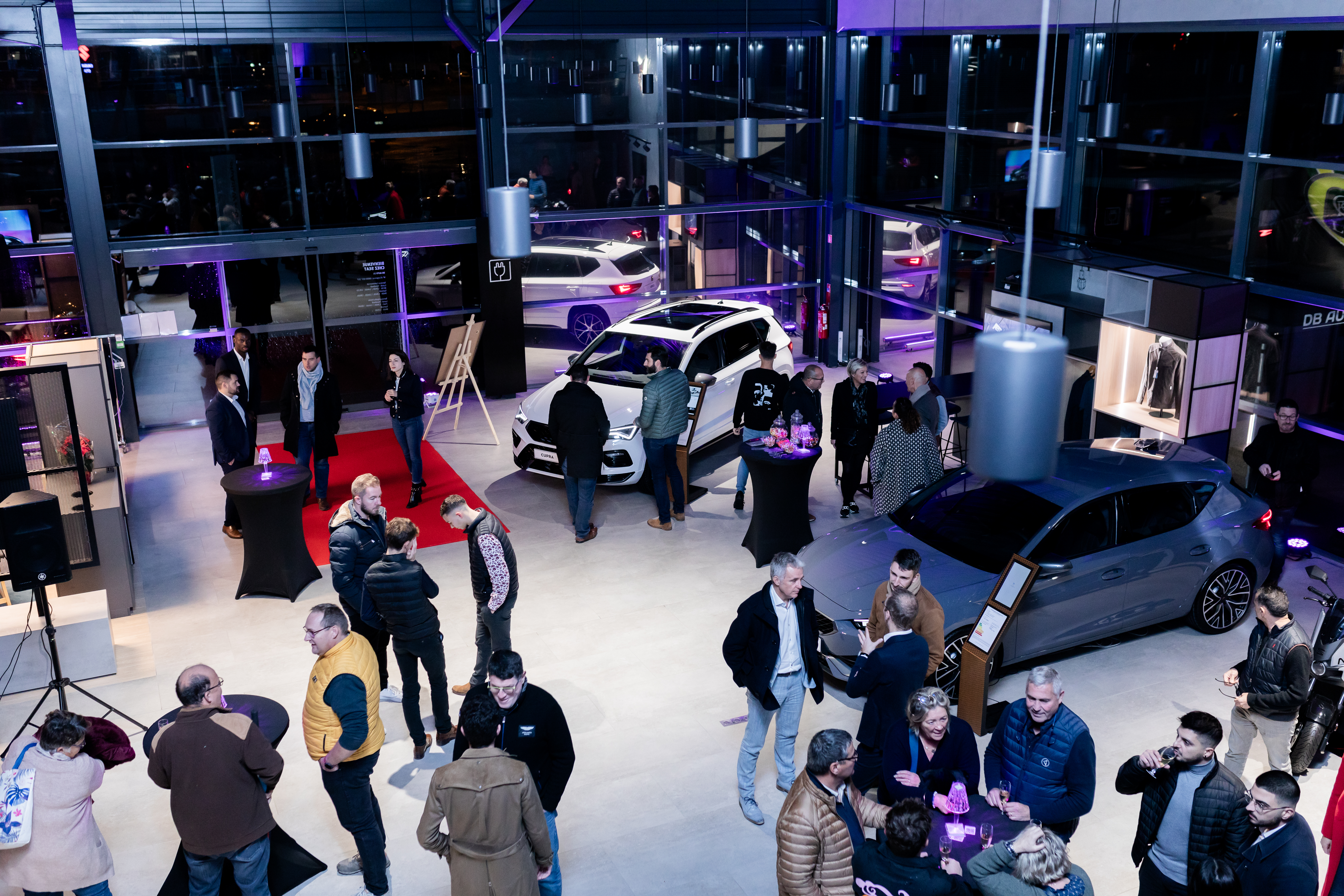
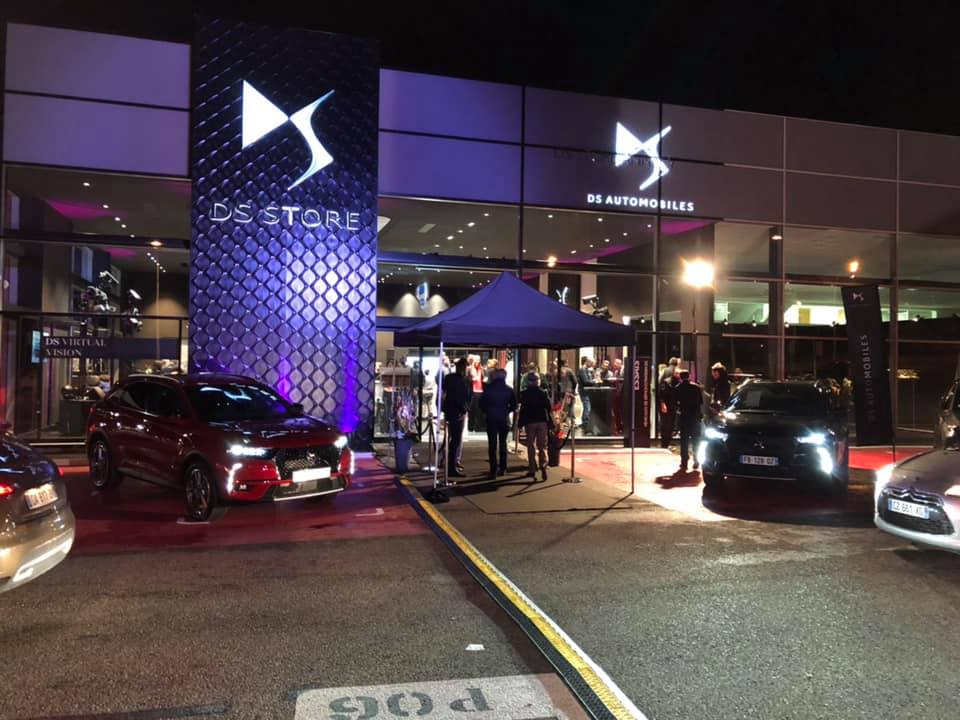
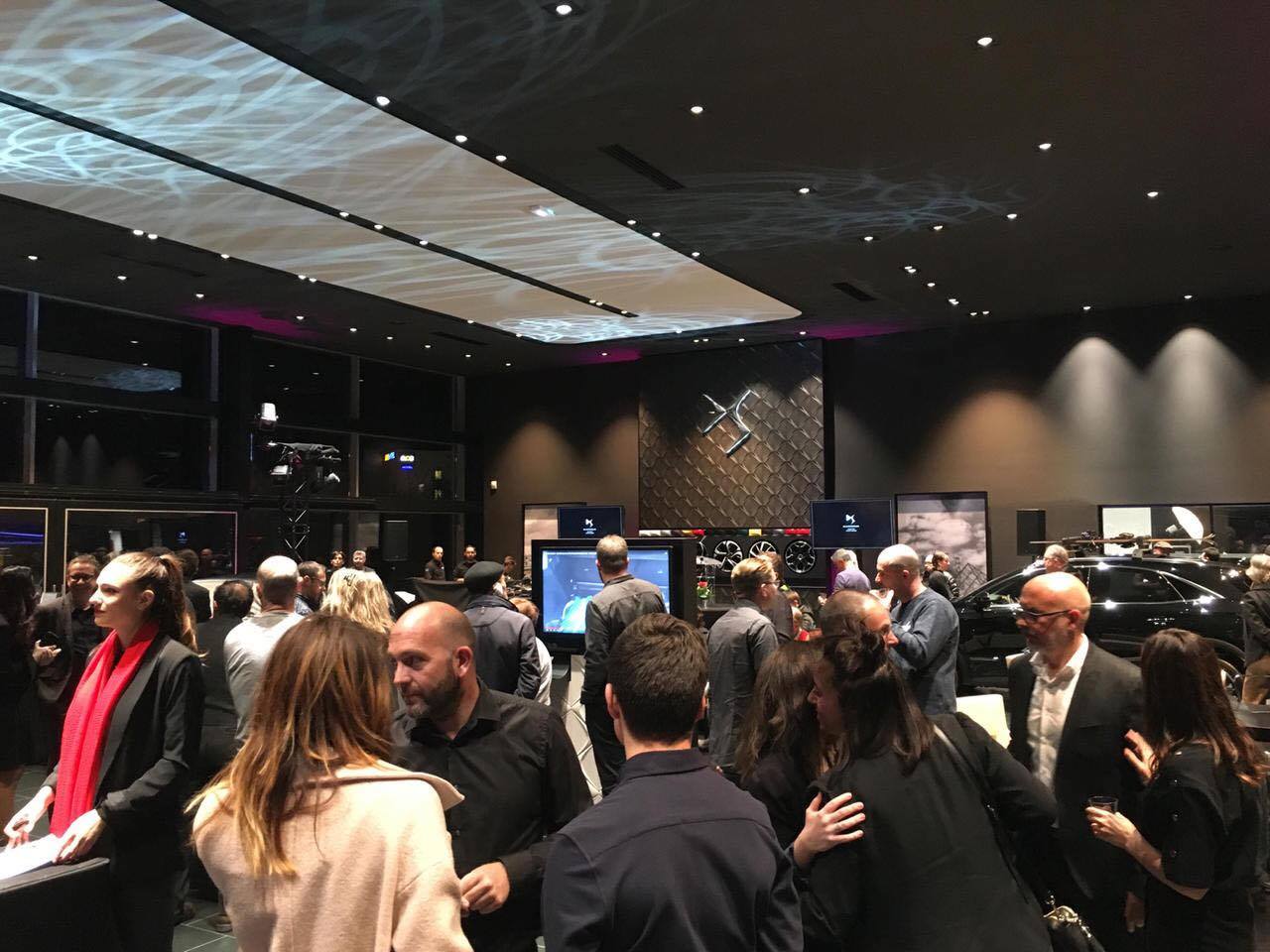
Whatever the format, the standard is alignment with brand image and audience. We pressure-test every entertainment element against three criteria: does it support the Product Launch message, does it respect venue and timing constraints in Barcelona, and can we execute it safely with clear responsibilities?
Which Barcelona venues fit a corporate product launch format
The venue is not a backdrop; it defines acoustics, sightlines, guest flow, and the feasibility of demos. For a Product Launch in Barcelona, we shortlist venues based on technical capacity (rigging points, power, loading access), guest experience (arrival, comfort, networking space), and brand compatibility (design language and perceived level).
| Venue type | For which objective? | Main strengths | Possible constraints |
|---|---|---|---|
Design-led hotel ballroom or conference floor | Efficient keynote + controlled demo areas with strong hospitality. | Reliable infrastructure (HVAC, power), easy guest access, strong F&B operations, good for 40–400 attendees. | Branding restrictions, limited load-in time, higher F&B minimums and service rules. |
Industrial/creative venue (warehouse, gallery-style space) | Premium reveal with strong visual impact and flexible layout. | High perceived value, adaptable staging, excellent for product reveal moments and immersive zones. | More production required (sound treatment, furniture, power distribution), strict neighbor noise limits in some areas. |
Auditorium or theatre | Message-first keynote, press-friendly presentation, disciplined timing. | Best sightlines and acoustics, professional stage management, effective for executive presentations. | Less flexible for demos/networking; you often need a second space for exhibition and catering. |
We strongly recommend site visits with your technical lead: in Barcelona, two venues with similar capacity can differ drastically in loading access, rigging permissions, and FOH/BOH separation. A one-hour visit often prevents costly last-minute rentals and layout compromises.
What a Product Launch budget looks like in Barcelona
Budget for a Product Launch in Barcelona depends on guest count, venue type, technical complexity, and content requirements (especially video and multi-camera). The most expensive launches are not the ones with “nice décor”; they are the ones with heavy technical builds, tight timelines, and ambitious demo environments.
Venue and F&B minimums: in many Barcelona venues, catering is a major line item and also drives guest flow quality (number of service points, staffing ratios, dietary needs).
AV and staging: screens/LED, sound reinforcement, lighting design, show control, intercom, comms headsets, and backline for speakers. In practical terms, clarity of audio and screen visibility are non-negotiable.
Content production: keynote decks polishing, motion graphics, reveal videos, music licensing, speaker coaching, teleprompter if required, and rehearsal time. This is where many internal teams underestimate workload.
Demo build: counters, power/data distribution, security for devices, staffing, and redundancy (backup units, offline modes). If the product requires connectivity, we budget for dedicated network solutions.
Guest management: registration platform, badge printing, hostesses, VIP protocol, security, and sometimes transport coordination for key guests.
Compliance and risk: insurance, safety documentation, fire regulations, and depending on the activity, permits and certified technicians.
We frame budget with an ROI lens: which costs directly protect brand risk, which improve stakeholder conversion (demos, meetings, partner commitment), and which create reusable assets for comms and HR. For leadership teams, this is the difference between “an event cost” and a launch that accelerates adoption.
Why hiring a Barcelona-based event agency reduces risk
For a launch, proximity is not a comfort—it's a risk-control mechanism. A local team knows realistic supplier lead times, venue operating rules, and what can go wrong on a show day in Barcelona (traffic patterns, loading constraints, last-minute staffing issues, and venue-by-venue technical limitations).
As an event agency in Barcelona, we can do fast venue re-checks, coordinate on-site technical inspections, and resolve vendor issues without “remote management”. This matters when you have executives flying in, a press window to respect, and a product demo that cannot fail.
We also help you navigate local production culture: clear contracts, realistic schedules, and accountability across vendors. The outcome is simple: fewer unknowns and a calmer leadership team on the day.
- Faster decision cycles through in-person site visits and technical walk-throughs.
- Supplier control: tested AV partners, staging providers, and staffing with predictable service levels.
- More accurate budgeting thanks to local benchmarks for F&B, technicians, and logistics.
- Better contingency handling: quick replacement of equipment, staffing reinforcement, and venue coordination.
We frame budget with an ROI lens: which costs directly protect brand risk, which improve stakeholder conversion (demos, meetings, partner commitment), and which create reusable assets for comms and HR. For leadership teams, this is the difference between “an event cost” and a launch that accelerates adoption.








What we have delivered in Barcelona: formats and operational realities
Our launch projects in Barcelona range from discreet executive unveilings to multi-stakeholder reveals with partners and press. The common denominator is operational discipline: clear governance, controlled messaging, and technical reliability.
Examples of situations we routinely handle:
Global leadership wants a “tight keynote” while local sales requests more demo time: we structure a 20–30 minute keynote, then split guests into rotating demo groups with time slots, so both objectives are met.
Product demo is unstable due to connectivity or pre-release software: we build a demo redundancy plan (offline mode, mirrored devices, pre-recorded fallback, and a “demo freeze” deadline) and brief staff on escalation.
Press and partners arrive together but need different access: we implement badge logic, controlled photo call timing, and a separate interview area to avoid disrupting commercial conversations.
Executive schedule shifts by 20 minutes due to travel: our showcaller adjusts blocks (networking extension, demo rotation swap) without exposing the change to the room.
These are the operational details that protect brand reputation and create a launch your internal stakeholders consider “safe” to repeat.
Common launch mistakes we prevent in Barcelona
Overloading the agenda and forcing demos to compete with speeches, causing guests to leave before conversion moments.
Underestimating audio: poor intelligibility is the fastest way to kill message retention, especially in high-ceiling Barcelona venues.
No demo governance: unclear staffing, missing backup units, and last-minute software changes leading to public failures.
Single-point-of-failure run-of-show: no showcaller, no intercom discipline, and too many decision-makers giving conflicting directions.
Queue blindness: registration and catering bottlenecks that create visible friction and harm perceived brand quality.
Uncontrolled filming and social posting: leaking confidential product elements or capturing off-brand angles without approval.
Venue mismatch: selecting a beautiful space that cannot support loading, power, or acoustics required for a professional Product Launch.
Our role is to design the event so these risks are engineered out early—through planning, technical decisions, and clear on-site governance—rather than “managed” under pressure on the day.
Why Barcelona clients keep INNOV'events as their launch partner
Repeat collaboration is rarely about “creativity.” It is about trust under pressure: you need a partner that can protect the brand, defend timelines, and give executives confidence that the room will run on time.
We build long-term relationships by documenting what works (run-of-show patterns, vendor lists, content templates, demo checklists) and improving each edition. For HR and Comms, this continuity reduces internal workload because fewer decisions need to be reinvented.
60–70% of our corporate work comes from repeat clients and referrals (varies by year), which reflects operational satisfaction more than one-off excitement.
24–72 hours post-event: we deliver prioritized follow-up assets (photo selects, highlight edit briefs, key quotes) so teams can move while momentum is still high.
1 playbook per client: we maintain a living document (vendor preferences, brand rules, approval paths) to speed up future launches.

Loyalty is a practical proof point: teams come back when the agency reduces risk, saves internal time, and delivers consistent quality in front of leadership.
Our Product Launch delivery process in Barcelona
👉 Step 1 (Barcelona): Define success metrics and decision governance
We start with a working session with Marketing/Comms/HR and the business owner (Product or GM). We align on: audience segments, the 3 key messages, required proof points, success KPIs (pipeline targets, press coverage goals, internal adoption), and who approves what. We also define a decision cadence so the project does not stall in stakeholder loops.
👉 Step 2 (08): Venue shortlist and technical feasibility check
We create a shortlist based on capacity, accessibility, technical constraints, and brand fit. Then we validate feasibility: loading access, ceiling height, rigging permissions, power, acoustics, Wi-Fi/network options for demos, and FOH/BOH separation. This is where many budgets are won or lost, so we document assumptions clearly.
👉 Step 3 (Barcelona): Build the run-of-show and content architecture
We write a run-of-show that includes cue-by-cue timing, speaker call times, holding slides, demo rotation logic, and contingency blocks. On the content side, we define deck structure, reveal moments, video needs, music cues, and spokesperson talking points. Comms teams get a practical media protocol (access rules, interview plan, filming angles, social guidelines).
👉 Step 4 (08): Source and manage suppliers with clear accountability
We contract and coordinate AV, staging, lighting, catering, host staff, security, photographers/videographers, and any entertainment elements. Each vendor receives a production brief, timelines, and a single point of contact. We run production meetings to validate dependencies (power, delivery windows, rehearsal time, staffing ratios).
👉 Step 5 (Barcelona): Rehearsals, showcalling, and on-site control
We execute technical rehearsal and speaker run-throughs, then manage the event with a showcaller, intercom discipline, and escalation paths. We monitor guest flow, noise levels, and demo performance in real time. If leadership timing shifts, we adjust the room without exposing stress.
👉 Step 6 (08): Post-event debrief and activation deliverables
Within days, we deliver a debrief: what worked, what to improve, and what the data suggests (attendance rate, demo participation, Q&A volume, content performance if tracked). We also coordinate delivery of approved assets for sales enablement and internal comms so your investment continues to generate value.
FAQ sobre la organización Product Launch en Barcelona
How far in advance should we plan in Barcelona?
For a mid-size Product Launch in Barcelona (100–300 guests), plan 6–10 weeks for venue availability, AV design, and content production. For complex builds (LED wall, multiple demo zones, multi-camera capture), allow 10–14 weeks. We can work faster, but costs and risk typically increase.
What budget range is realistic for Barcelona corporate launches?
As a working range, many corporate launches in Barcelona land between €25,000 and €120,000 depending on guest count, venue/F&B minimums, AV complexity, and content capture. Smaller executive unveilings can be below €20,000; larger public-facing reveals with heavy production can exceed €150,000.
Which venue type works best for a Product Launch in 08?
If your priority is message clarity and timing, an auditorium/theatre is often best. If you need high-touch demos and partner meetings, a design-led hotel conference space offers strong logistics. If the reveal must signal innovation and design, an industrial/creative venue can work—provided you budget for additional production and sound control.
How do you keep demos stable during a Barcelona launch?
We implement a demo reliability plan: backup devices, a demo freeze deadline (often 72–96 hours pre-event), dedicated connectivity (when required), and a fallback scenario (pre-recorded demo segment or offline mode). We also assign one demo owner per station and an escalation path to technical support.
Can you support press and internal comms in Barcelona?
Yes. We set a practical media protocol (badges, access rules, photo call timing, interview corner, spokesperson schedule) and align it with your comms approvals. For internal comms, we can produce clean recordings and short clips for distribution within 24–72 hours, so the launch accelerates adoption rather than ending at the venue.
Request a Barcelona quote and lock the critical dates early
If you are comparing agencies for a Product Launch, we can quickly evaluate feasibility and budget realism based on your audience, product maturity, and stakeholder constraints. Share your target date range, expected attendance, and the level of demo complexity; we will respond with a structured proposal (venue approach, production architecture, staffing plan, and a transparent cost model).
In Barcelona, venues and senior technicians book early during peak months. The sooner we validate the run-of-show and technical needs, the more we can protect quality while keeping spend controlled. Contact INNOV'events to schedule a working call and receive an initial plan within a few days.
INNOV'events Barcelona Agency
Cyril Azevedo is the manager of the INNOV'events Barcelona office. Reach out directly by email at cyril@innov-events.es or via the contact form.
Contact the Barcelona agencyAll our services & entertainment Barcelona
Discover our event services
Discover our event entertainment available in the España
- Event Hostess Barcelona
- Escape Game Barcelona
- MasterChef Cooking Workshop Barcelona
- Magician Barcelona
- Marquee Rental Barcelona
- Color Analysis Workshop Barcelona
- Inflatable Games Barcelona
- Valet Parking Service Barcelona
- Football Simulator Barcelona
- LED Furniture Rental Barcelona
- Light Branding Barcelona
- Unique Dining Experience Barcelona
- Light Painting Barcelona
- Murder Mystery Party Barcelona
- Prize Contest Barcelona
- Promotional Displays (POS) Barcelona
- Virtual Reality Barcelona
- Molecular Gastronomy Workshop Barcelona
- Halloween Entertainment Barcelona
- Fireworks Show Barcelona
- Giant Games Challenge Barcelona
- Event Host / MC Barcelona
- Photo Booth Animation Barcelona
- Santa Claus Entertainment Barcelona
- Kids Entertainment Barcelona
- Guided Tour Barcelona
- Urban Rally Barcelona
- Ball Pit Barcelona
- Flight Simulator Barcelona
- Food Truck Rental Barcelona
- World Record Challenge Barcelona
- Surf Simulator Barcelona
- Wine Casino Barcelona
- Makeover Workshop Barcelona
- Perfume Creation Workshop Barcelona
- Acting Workshop Barcelona
- CSR Activities Barcelona
- Archery Barcelona
- Security Staff Barcelona
- Wine Tasting Barcelona
- Mime Performer Barcelona
- TV Game Show Barcelona
- Funfair Barcelona
- Crisis Management Workshop Barcelona
- Crisis Negotiation Workshop Barcelona
- Arcade Games Barcelona
- Indoor Skydiving Simulator Barcelona
- Ski Simulator Barcelona
- Racing Circuit Experience Barcelona
- Introductory Flight Experience Barcelona
- Tasting Experience Barcelona
- Build Your Own Foosball Workshop Barcelona
- 2CV Rally Barcelona
- LEGO Challenge Barcelona
- Casino Night Barcelona
- Interpreter / Translator Barcelona
- Promotional Giveaways Barcelona
- Shuttle Transport Barcelona