
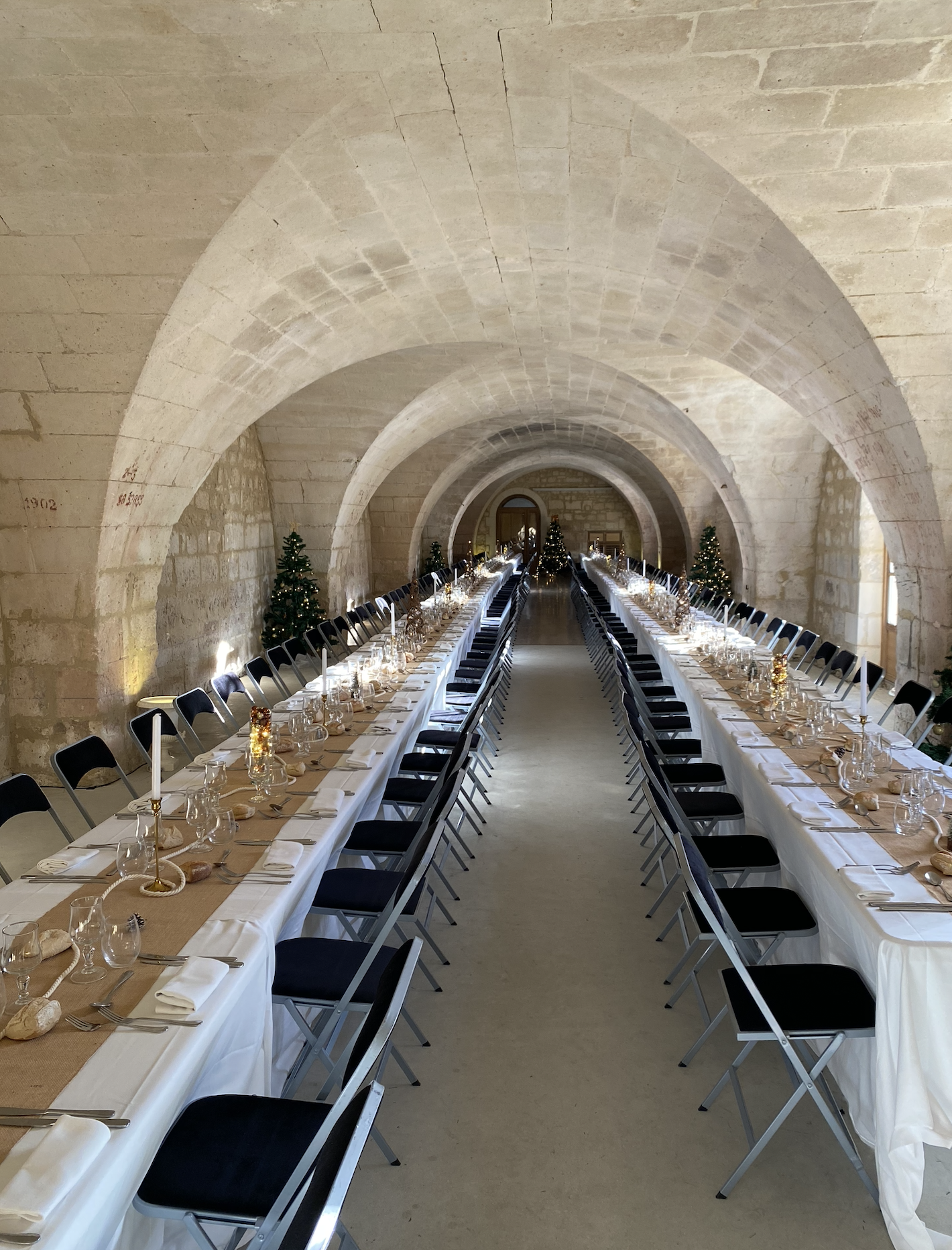
Event Venue Rental in Barcelona that protects your agenda, budget and brand
INNOV'events supports executives, HR and communication teams with Event Venue Rental for corporate events in Barcelona, from 30 to 2,000+ attendees. We shortlist venues, secure dates, manage contracts and technical constraints, and coordinate suppliers so your internal team stays focused on content and stakeholders.
Whether you are planning a leadership offsite, town hall, product reveal or client summit, we structure the venue decision around operational reality: access, acoustics, load-in, safety, permits, and attendee experience.
Table of contents
In a corporate context, the venue is not “just a place”: it dictates arrival flow, timing discipline, sound quality, privacy, and how your message lands. A well-chosen setting reduces on-the-day friction (queues, delays, AV issues) and gives leadership a controlled environment to deliver strategy, recognition or change.
Organizations in Barcelona typically expect precision: predictable budgets, clear run-of-show, strong vendor reliability, and a venue that supports bilingual content (Catalan/Spanish/English) without technical compromise. They also expect pragmatic solutions for mobility, late confirmations, and strict brand guidelines.
INNOV'events works locally with a field team used to Barcelona logistics (restricted access areas, hotel loading rules, evening noise limits, unionized AV crews in some spaces). We handle Event Venue Rental in Barcelona end-to-end with documentation, negotiation and operational planning.
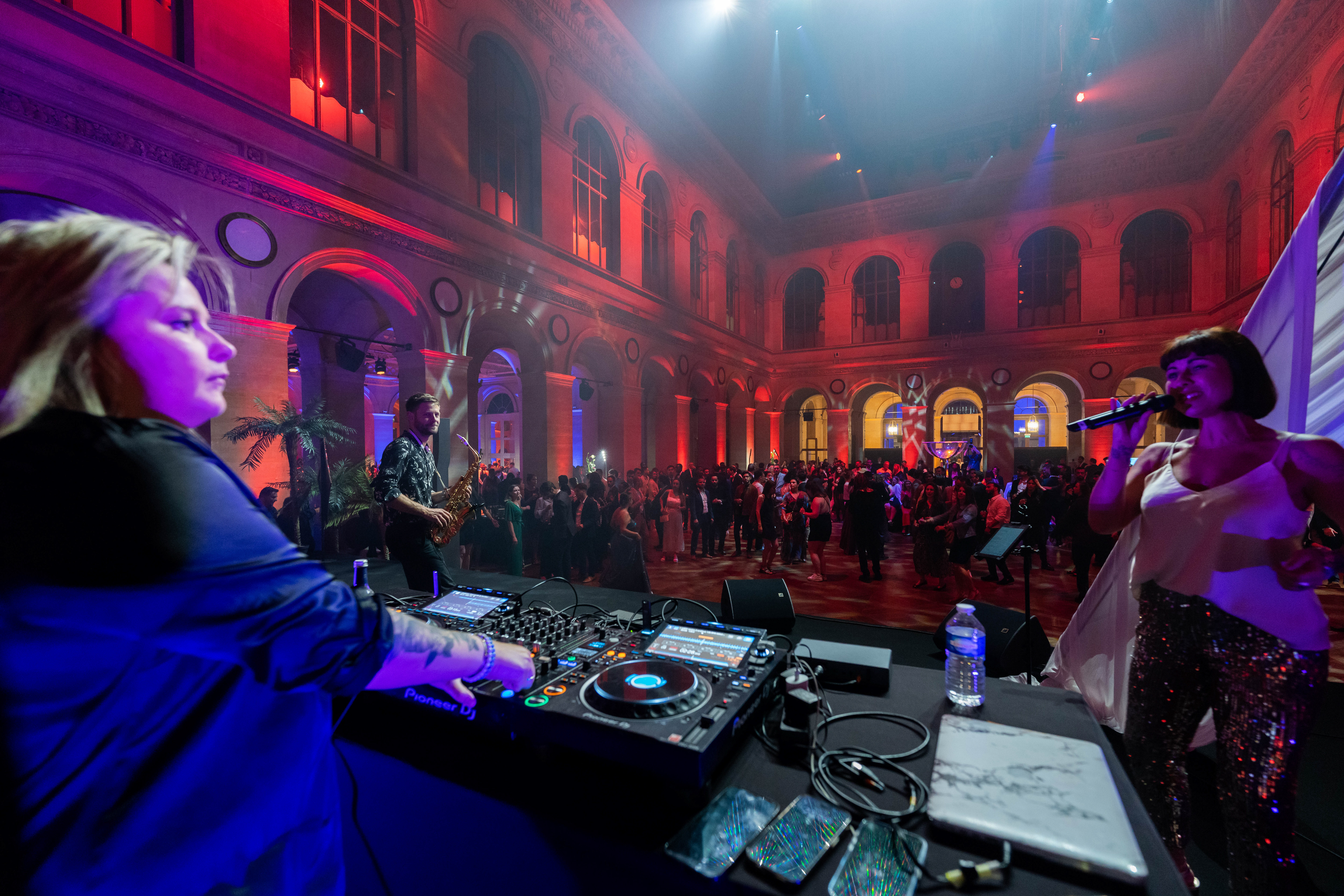
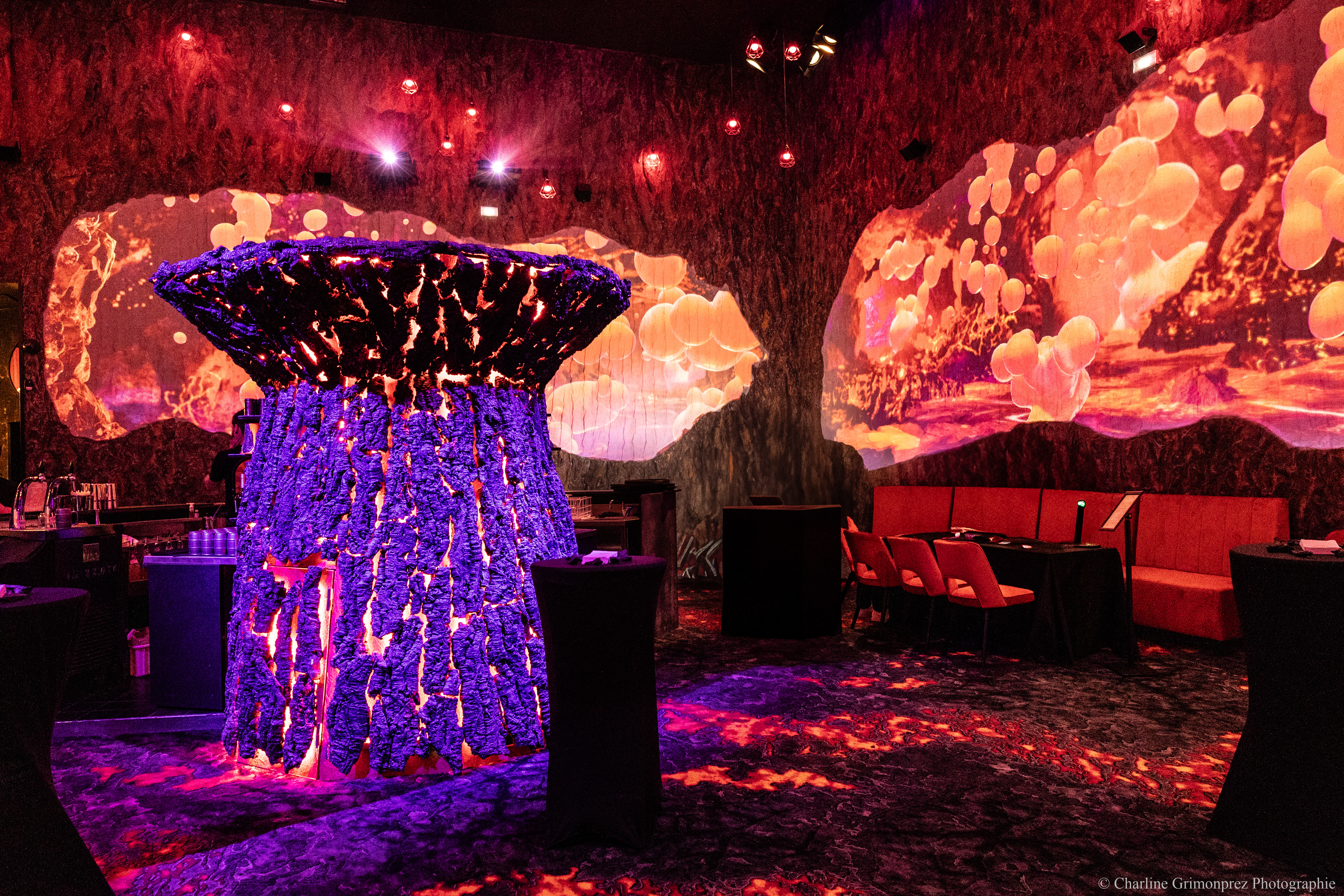
What decision-makers usually ask us in Barcelona: proof points
10+ years delivering corporate events across Spain, with recurring clients and multi-site programs.
150+ corporate events/year coordinated within our network (team offsites, conferences, kick-offs, product launches, executive dinners).
48–72h to deliver a first venue shortlist in Barcelona for standard briefs (availability permitting), including budget ranges and constraint notes.
30 to 2,000+ attendees: we adapt the venue strategy to format (plenary, breakouts, cocktail flow, exhibition corners, filming).
How to organize a professional event in Barcelona?
- Define the objective (cohesion, announcement, fidelity, performance).
- Set date, format and size (20–1 000 people).
- Secure the venue and accommodation according to seasonality.
- Lock down technical, suppliers and logistics.
- Drive the day J (timing, scene, entrance, flow).
Barcelona references and recurring collaboration in the territory
In Barcelona, we typically support international groups with local teams, fast-scaling tech companies, industrial firms hosting distributor meetings, and HQ departments running internal communications cycles. Many of these organizations come back year after year because they need a partner who can secure the right venue windows (often mid-week), keep supplier performance consistent, and document decisions for procurement.
You mentioned providing company names as references; once you share them, we will integrate them here exactly as requested (and only if you confirm we can publish them). In practice, we often operate under NDA: we can still demonstrate credibility through anonymized case patterns, budget ranges, and operational details during a call.
If your stakeholders require proof before engaging, we can provide: a recent venue comparison matrix, a sample risk register (crowd flow, AV redundancy, weather contingencies), and a procurement-friendly scope of work for Event Venue Rental projects in Barcelona.
We send you a first proposal within 24h.
Why book an event venue in Barcelona for leadership priorities
Venue rental is a management decision, not a cosmetic one. The right setting supports clarity, pace and authority—especially when the agenda includes change management, performance reviews, or cross-country alignment. In Barcelona, where many teams are hybrid and international, the venue becomes your “temporary headquarters” for a day.
Executive control of narrative: a venue with the right acoustics, staging sightlines and backstage areas allows leaders to deliver key messages without distractions (late arrivals, AV noise, external foot traffic).
HR outcomes you can measure: spaces that support workshops and breakouts increase participation quality—less passive listening, more structured feedback, better post-event action plans.
Brand protection for Communication teams: controlled lighting, clean backgrounds and appropriate signage points make internal and external content usable (photos, short videos, press packs) without heavy post-production fixes.
Operational predictability: venues with clear loading schedules, in-house technicians, and reliable Wi-Fi reduce last-minute spend and escalation to senior sponsors.
Stakeholder accessibility: choosing venues with the right transport and hotel ecosystem prevents “silent attrition” (no-shows from clients, distributors or remote employees).
Barcelona has a strong business culture around design, innovation and international trade. When the venue selection matches that reality—efficient, well-connected, and professionally operated—you gain credibility with both local teams and visiting stakeholders.
What companies expect from venue rental in Barcelona today
Barcelona is highly competitive for corporate space, and that reality shows up in three ways: availability, operating rules, and stakeholder expectations. We structure our approach accordingly.
Availability and seasonality: September–November and April–June are peak months. If you need a premium venue and hotel blocks, we recommend locking key dates 8–16 weeks ahead for medium formats (100–300 pax) and 4–8 months ahead for conference-style events or complex builds.
Urban constraints: many central venues operate with strict load-in windows, limited truck access, and noise policies after certain hours. We validate these constraints before you approve the venue, not after the contract is signed.
International attendee mix: for Barcelona, it is common to host teams from France, Germany, UK, US and LATAM. This impacts registration timing, signage language, catering labels (allergens), and session formats. We plan for bilingual or trilingual delivery and ensure the venue can support interpretation booths if needed.
Procurement requirements: larger organizations need transparent comparisons. We deliver a venue matrix with comparable line items: rental, mandatory in-house AV, security, cleaning, staffing, overtime, corkage, and cancellation terms.
Which corporate entertainment options work best in Barcelona venues
Entertainment is effective when it supports your objective: energize a team after a demanding quarter, create structured networking for clients, or keep attention high during content-heavy programs. In Barcelona, the best results come from formats that respect time discipline, sound constraints, and the diversity of attendee profiles.
Interactive animations in Barcelona
Data-driven icebreakers: short, facilitated activities tied to your KPI themes (customer satisfaction, safety, innovation pipeline). Works well before a town hall or after lunch to reset attention.
Guided networking formats: curated rotations (6–8 minutes) with prompt cards aligned to your business topics. This is a practical solution when executives want “real connections,” not random mingling.
Live polling + decision moments: we integrate Slido-style Q&A, moderated questions, and “commitment prompts” to turn a presentation into an actionable internal contract.
Art animations in Barcelona
Acoustic sets and controlled-volume music: ideal for central Barcelona venues with noise constraints; keeps atmosphere professional while allowing conversation.
Contemporary performance interludes: 5–7 minute segments between agenda blocks to manage energy without extending the schedule. We adapt staging to venue rigging and sightlines.
Executive-friendly MC: a bilingual host who keeps timing tight, transitions clean, and brand tone consistent—especially valuable when leadership is time-constrained.
Innovative animations in Barcelona
Format-driven catering: rather than “more food,” we design service to avoid queues: dual-sided buffets, timed stations, and coffee points placed away from registration.
Allergen and dietary governance: we implement labeling, separate prep when required, and a service briefing so HR doesn’t manage incident risk on the day.
Client-hosting menus: when the goal is relationship-building, we choose dishes that are easy to eat standing, reduce spills, and keep hands free for networking.
Gourmand animations in Barcelona
Content capture studios: a small on-site setup for leadership interviews and team testimonials. Useful for internal comms campaigns; requires venue permission, acoustic planning and a controlled background.
Immersive brand corners: compact experiences (product demo pods, innovation wall) designed to fit Barcelona venue constraints (power, footfall, safety distances).
Hybrid-ready show calling: when remote teams join, we plan camera positions, stage blocking, confidence monitors and bandwidth testing to keep remote attendees engaged.
Entertainment should never fight your brand. We validate volume limits, sightlines, and schedule impact so corporate event entertainment in Barcelona feels intentional: aligned with your tone of voice, your audience seniority, and the venue’s operational rules.
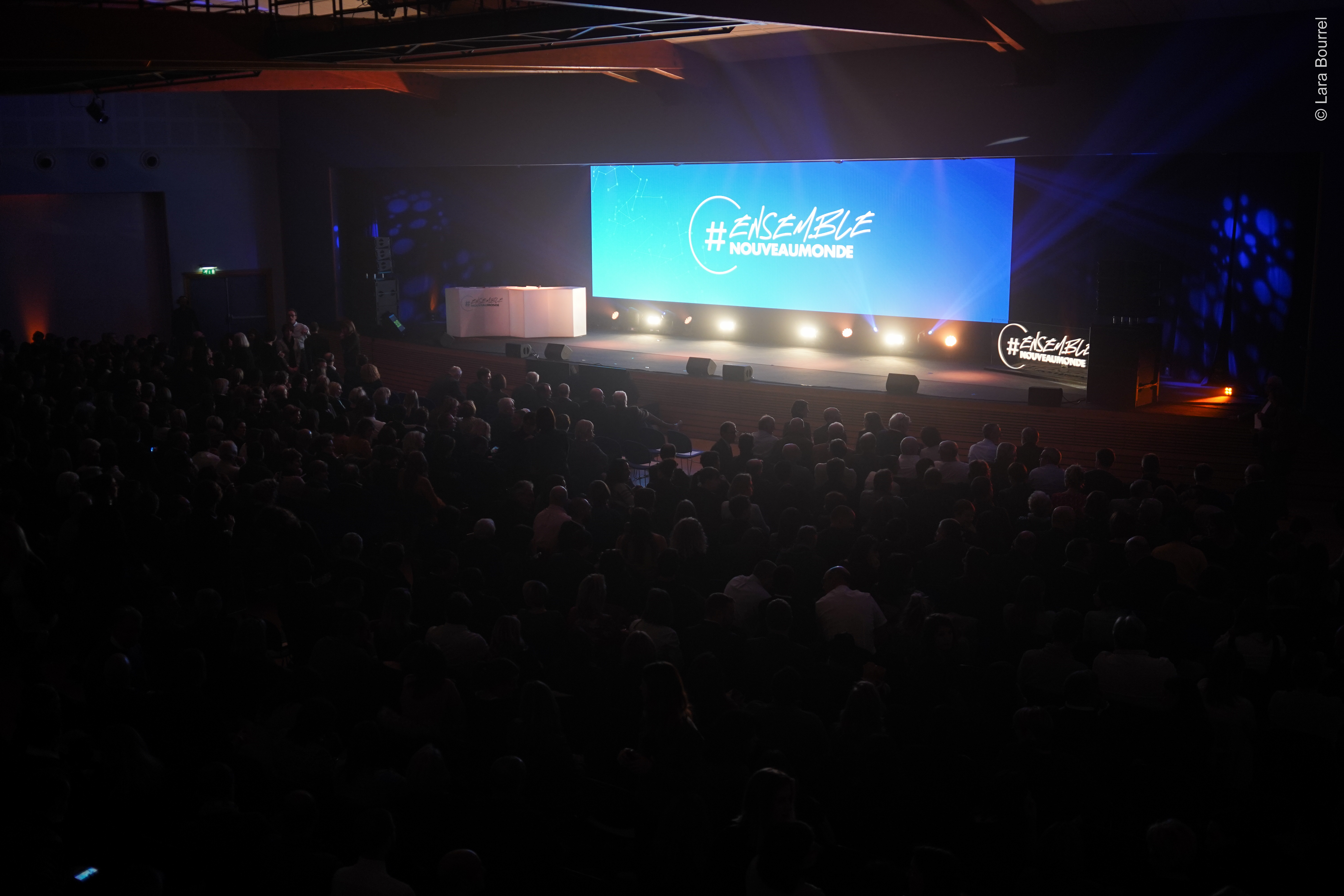
How to choose the right venue type in Barcelona for your event
The venue shapes perception before a single slide is shown. In Barcelona, a central address may help attendance, but it can introduce access constraints; a more spacious venue may improve production and networking flow. We guide the choice based on your objective, not on aesthetics alone.
| Venue type | For which objective? | Main strengths | Possible constraints |
|---|---|---|---|
Business hotels with conference floors | Town halls, training days, executive offsites with accommodation | Predictable operations, on-site catering, easier agenda pacing, guestroom blocks | Mandatory packages, limited branding in some common areas, AV sometimes in-house only |
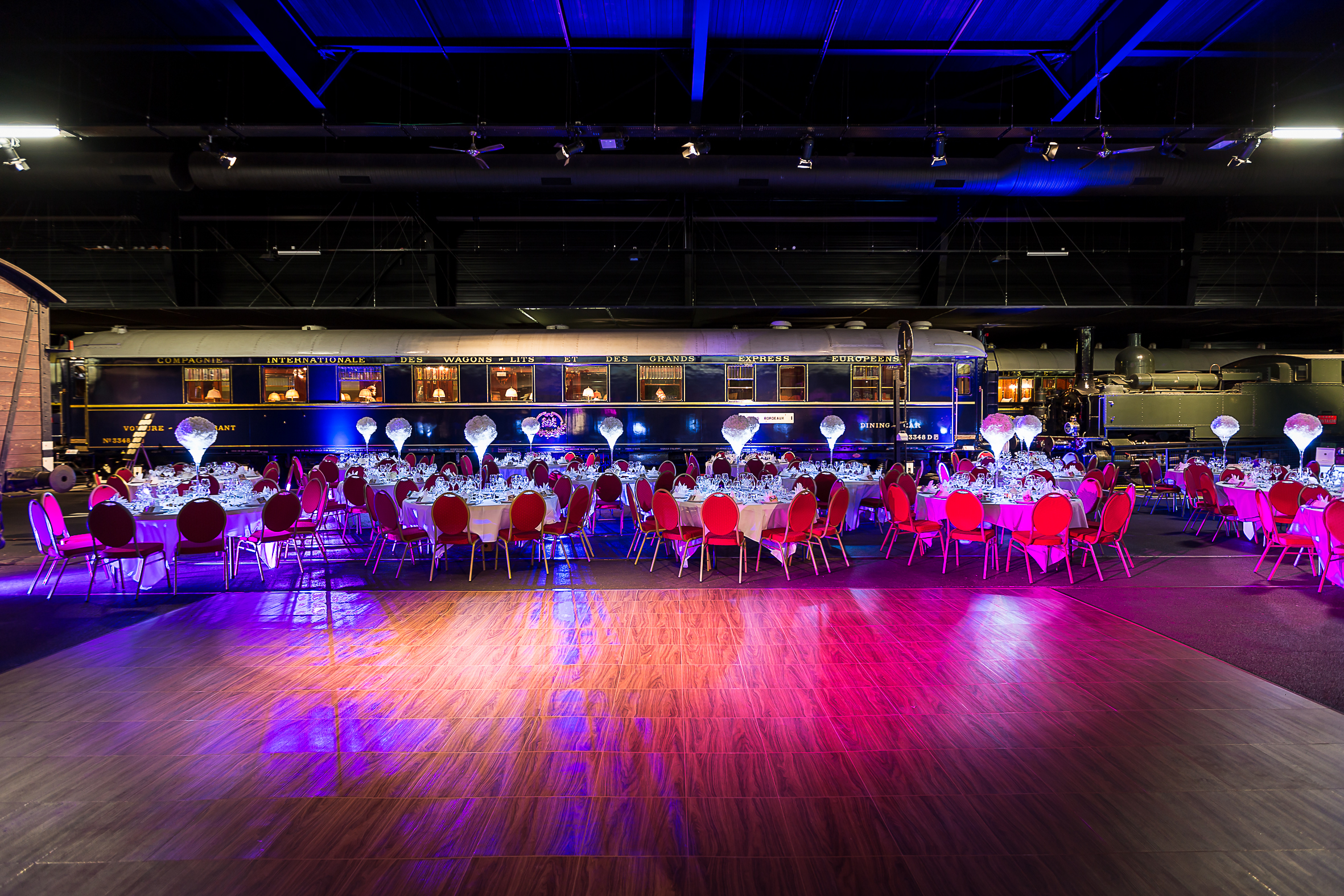
Converted industrial spaces / loft venues | Product reveals, brand moments, client networking with a “non-hotel” feel | Strong visual identity, flexible layouts, good for content capture | Load-in complexity, acoustic challenges, additional rentals (furniture, rigging, HVAC) often required |
Auditoriums and cultural venues | Keynotes, conferences, leadership announcements with stage authority | Professional seating and sightlines, built-in stage, strong technical baseline | Fixed seating limits interaction, strict rehearsal windows, branding and catering restrictions |
Rooftops and terrace venues | Executive cocktails, client receptions, end-of-day networking | High perceived value, strong Barcelona skyline context, natural flow for mingling | Weather risk, noise/time restrictions, capacity and safety limits, backup space needed |
We strongly recommend at least one on-site visit (or a technical recce) before signature, especially in Barcelona where access rules, elevators, and neighborhood constraints can materially impact production cost and schedule.
What does Event Venue Rental cost in Barcelona (08)?
Venue cost in Barcelona depends less on the “beauty” of the room and more on what the venue forces you to buy in addition to the rental. We provide a full-cost view so Finance and Procurement can compare like for like.
Day and season: mid-week is standard for corporate; peak periods (spring and autumn) increase rates and reduce negotiation leverage.
Hours and overtime: many venues price a base window (e.g., 8–10 hours). Early load-in, rehearsals, or late dismantle can add meaningful overtime.
Mandatory in-house services: some venues require their own AV team, security, or cleaning. We flag these as fixed costs.
Room set and capacity reality: “200 pax capacity” may drop to 140 with a stage, camera platform, or classroom seating. That affects whether you need a larger (and more expensive) space.
Catering model: per-person menus vs minimum spend, corkage rules, staffing ratios for cocktails, and late service surcharges.
Branding and build: truss, lighting, scenic elements, and print installations. Great impact, but they require rigging approvals and added labor.
Compliance and insurance: public liability levels, fire safety plans, and any permits for special use (especially for outdoor or high-traffic locations).
We frame budget decisions around ROI: reducing executive time lost to operational issues, protecting brand image, and improving participation quality. In many cases, a slightly higher venue fee is offset by lower production risk and fewer “emergency purchases” during build and show.
Why a local event agency in Barcelona changes the venue outcome
When venue availability is tight and decision cycles are complex, local execution is not a comfort—it is a performance lever. A team on the ground can visit quickly, verify constraints, and solve issues before they reach your steering committee.
As an event agency in Barcelona, INNOV'events maintains working routines with venue managers, AV houses, caterers and host staffing. This improves responsiveness on holds, tech questions and last-minute adjustments (headcount changes, security needs, VIP routing).
It also reduces risk on event week: if the venue changes a load-in slot, the city restricts access, or a supplier under-delivers, we can intervene immediately with alternatives and additional crew.
- Faster venue validation: rapid site visits and technical checks within the same week when needed.
- Sharper negotiation: realistic benchmark rates and visibility on what is negotiable (deposits, cancellation, included services).
- Supplier accountability: local partners who know they will work with us again tend to respect processes and reporting.
- Operational contingency: backup suppliers and rapid crew reinforcement for AV, staffing and transport.
We frame budget decisions around ROI: reducing executive time lost to operational issues, protecting brand image, and improving participation quality. In many cases, a slightly higher venue fee is offset by lower production risk and fewer “emergency purchases” during build and show.













What we have delivered around Barcelona: formats and constraints handled
Our venue rental projects in Barcelona cover a wide spread of corporate realities: leadership meetings that require confidentiality and tight scheduling; client events where brand presentation and service levels are scrutinized; and internal events where HR must protect inclusivity, safety, and participation.
Typical examples we handle (without relying on generic promises):
Executive offsite with board-style rhythm: arrival windows aligned to flight schedules, private meeting rooms with secure Wi-Fi, discreet service, and a rehearsal slot to protect the CEO’s keynote timing.
Town hall with hybrid layer: camera and audio plan that serves in-room and remote audiences, with redundant microphones and a defined Q&A governance to avoid uncontrolled messaging.
Client summit with multiple breakouts: traffic flow design (signage, host routing), catering placement to prevent corridor congestion, and room adjacency planning so sessions start on time.
Product moment under strict brand rules: controlled lighting and scenic environment, dedicated content capture, and careful vendor management to keep the run-of-show stable.
Across these projects, the constant is our venue-first rigor: we map constraints early so your internal stakeholders are not exposed to avoidable last-minute decisions.
Common venue rental mistakes we prevent in Barcelona
Approving a venue on photos alone: without checking pillars, ceiling height, daylight control and backstage space, you risk paying for fixes (extra screens, drapes, added lighting).
Underestimating access and load-in: central Barcelona locations can have narrow streets, time-limited access, and strict dock rules that affect build time and labor cost.
Ignoring Wi-Fi and bandwidth requirements: hybrid events, live demos and large polling sessions need tested capacity; “high-speed Wi-Fi” is not a specification.
Signing without a clear cost perimeter: mandatory in-house AV, security, cleaning, and overtime can change the total by 20–40% if not controlled.
Mismatch between agenda and room set: workshop-heavy programs fail in fixed-seat auditoriums; keynote-heavy programs lose impact in flat rooms without staging solutions.
No contingency for weather: terraces are valuable in Barcelona, but only when you have a documented indoor backup plan and a switch decision time.
Our role is to anticipate these risks, document them, and propose solutions with cost and operational impact—so you are never forced into stressful trade-offs the week of the event.
Why Barcelona clients renew with INNOV'events
Recurring collaboration happens when internal teams feel protected: fewer escalations, cleaner approvals, and no surprises on event day. Loyalty is usually built on process discipline and transparent reporting, not on “big ideas”.
Multi-year programs: many corporate clients rebook because we keep venue and supplier knowledge in a live file, reducing sourcing time each year.
Single point of accountability: one project lead coordinates venue, AV, catering, staffing and timings—avoiding the common “vendor blame loop”.
Documentation for stakeholders: venue matrix, risk register, run-of-show, and budget tracking that Procurement and leadership can audit.

In practice, loyalty is proof that we deliver consistent execution under pressure—especially in Barcelona, where availability and operating constraints can test even experienced internal teams.
Our Barcelona venue rental process from brief to show day
👉 Confirm your brief and decision constraints in Barcelona
We start with a 30–45 minute working call with HR/Comms/EA/Procurement to confirm: date windows, attendee profile, confidentiality level, agenda blocks, accessibility needs, brand constraints, and budget guardrails. We also identify who signs off and when, because timelines often fail due to internal approvals—not vendor delays.
👉 Deliver a venue shortlist with operational notes and budget ranges
Within the agreed timeframe, we deliver 3–6 options in Barcelona with comparable information: estimated total venue cost (not just room hire), included services, key constraints, and our recommendation based on your objective. This is formatted to be forwarded internally without rewriting.
👉 Organize site visits and technical recce before you commit
We schedule visits with venue managers and, when needed, AV leads. We validate: load-in routes, power, rigging points, backstage, storage, catering logistics, noise rules, Wi-Fi specs, and emergency exits. Any “deal breakers” are identified before contracting.
👉 Negotiate and secure the contract with clear cost perimeter
We manage holds, deposits, cancellation/attrition clauses, and included vs mandatory services. We push for clarity on overtime, staffing ratios, and any exclusivity (AV/catering). The goal is a contract that Finance can predict and Operations can execute.
👉 Align all suppliers to a single production plan
Once the venue is confirmed, we integrate catering, AV, staffing, signage and security into one run-of-show. We issue a production schedule, contact sheet, and a shared escalation path so decisions are made quickly during build and show.
👉 Run the event on-site and close with measurable reporting
On the day, we manage check-in flow, room turns, speaker handling, and timing discipline. After the event, we close with a short report: budget reconciliation, incident log (if any), supplier feedback, and recommendations for the next edition in Barcelona.
FAQ sobre la organización Event Venue Rental en Barcelona
How far ahead should we book a venue in Barcelona?
For Barcelona, plan 8–16 weeks ahead for 80–250 attendees in typical corporate formats. For conference-style events, peak-season dates, or multi-room programs, budget 4–8 months. If you have flexibility on weekdays and venue type, we can sometimes secure options within 2–4 weeks, but choices will be narrower.
What is included in Event Venue Rental in Barcelona contracts?
It varies widely. Some venues include basic furniture and standard staffing; others charge separately for AV, security, cleaning, and even cloakroom. Expect to clarify: rental window, set-up/breakdown hours, in-house technician requirements, Wi-Fi specs, and overtime rates. We always provide a “total venue cost” view to avoid hidden add-ons.
Which Barcelona areas work best for corporate attendance?
For ease of attendance, central and well-connected zones typically perform best, especially near major transport nodes. The right area depends on your audience: local employees vs international guests, and whether you need hotel blocks. We advise based on arrival patterns, not trends, and we validate access rules for loading and taxis.
Can you handle a venue plus AV and catering in Barcelona?
Yes. For Event Venue Rental in Barcelona, we can manage the venue contract and coordinate AV, staging, catering, staffing, signage and security under one production plan. This reduces interface risk (e.g., AV blaming venue power, catering blaming room turns) and improves timing discipline on the day.
What budget range should we expect for a 150-person venue in Barcelona?
As a working range in Barcelona, venue-related costs for 150 attendees often land between €3,000 and €12,000+ depending on venue type, hours, season, and mandatory services (in-house AV/security). Catering is usually priced separately and can significantly exceed the room hire. We confirm ranges only after defining your schedule, room set and service level.
Request a Barcelona venue shortlist with real costs and constraints
If you are comparing options for Event Venue Rental in Barcelona, send us your date window, estimated headcount, event objective, and any non-negotiables (confidentiality, filming, plenary + breakouts, accessibility, brand constraints). We will respond with a structured shortlist, budget ranges, and a clear view of operational risks—so you can make a defensible decision internally.
Early planning is the simplest way to protect budget and availability in Barcelona. Contact INNOV'events to schedule a working call and start venue sourcing.
INNOV'events Barcelona Agency
Cyril Azevedo is the manager of the INNOV'events Barcelona office. Reach out directly by email at cyril@innov-events.es or via the contact form.
Contact the Barcelona agencyAll our services & entertainment Barcelona
Discover our event services
Discover our event entertainment available in the España
- Event Hostess Barcelona
- Escape Game Barcelona
- MasterChef Cooking Workshop Barcelona
- Magician Barcelona
- Marquee Rental Barcelona
- Color Analysis Workshop Barcelona
- Inflatable Games Barcelona
- Valet Parking Service Barcelona
- Football Simulator Barcelona
- LED Furniture Rental Barcelona
- Light Branding Barcelona
- Unique Dining Experience Barcelona
- Light Painting Barcelona
- Murder Mystery Party Barcelona
- Prize Contest Barcelona
- Promotional Displays (POS) Barcelona
- Virtual Reality Barcelona
- Molecular Gastronomy Workshop Barcelona
- Halloween Entertainment Barcelona
- Fireworks Show Barcelona
- Giant Games Challenge Barcelona
- Event Host / MC Barcelona
- Photo Booth Animation Barcelona
- Santa Claus Entertainment Barcelona
- Kids Entertainment Barcelona
- Guided Tour Barcelona
- Urban Rally Barcelona
- Ball Pit Barcelona
- Flight Simulator Barcelona
- Food Truck Rental Barcelona
- World Record Challenge Barcelona
- Surf Simulator Barcelona
- Wine Casino Barcelona
- Makeover Workshop Barcelona
- Perfume Creation Workshop Barcelona
- Acting Workshop Barcelona
- CSR Activities Barcelona
- Archery Barcelona
- Security Staff Barcelona
- Wine Tasting Barcelona
- Mime Performer Barcelona
- TV Game Show Barcelona
- Funfair Barcelona
- Crisis Management Workshop Barcelona
- Crisis Negotiation Workshop Barcelona
- Arcade Games Barcelona
- Indoor Skydiving Simulator Barcelona
- Ski Simulator Barcelona
- Racing Circuit Experience Barcelona
- Introductory Flight Experience Barcelona
- Tasting Experience Barcelona
- Build Your Own Foosball Workshop Barcelona
- 2CV Rally Barcelona
- LEGO Challenge Barcelona
- Casino Night Barcelona
- Interpreter / Translator Barcelona
- Promotional Giveaways Barcelona
- Shuttle Transport Barcelona