
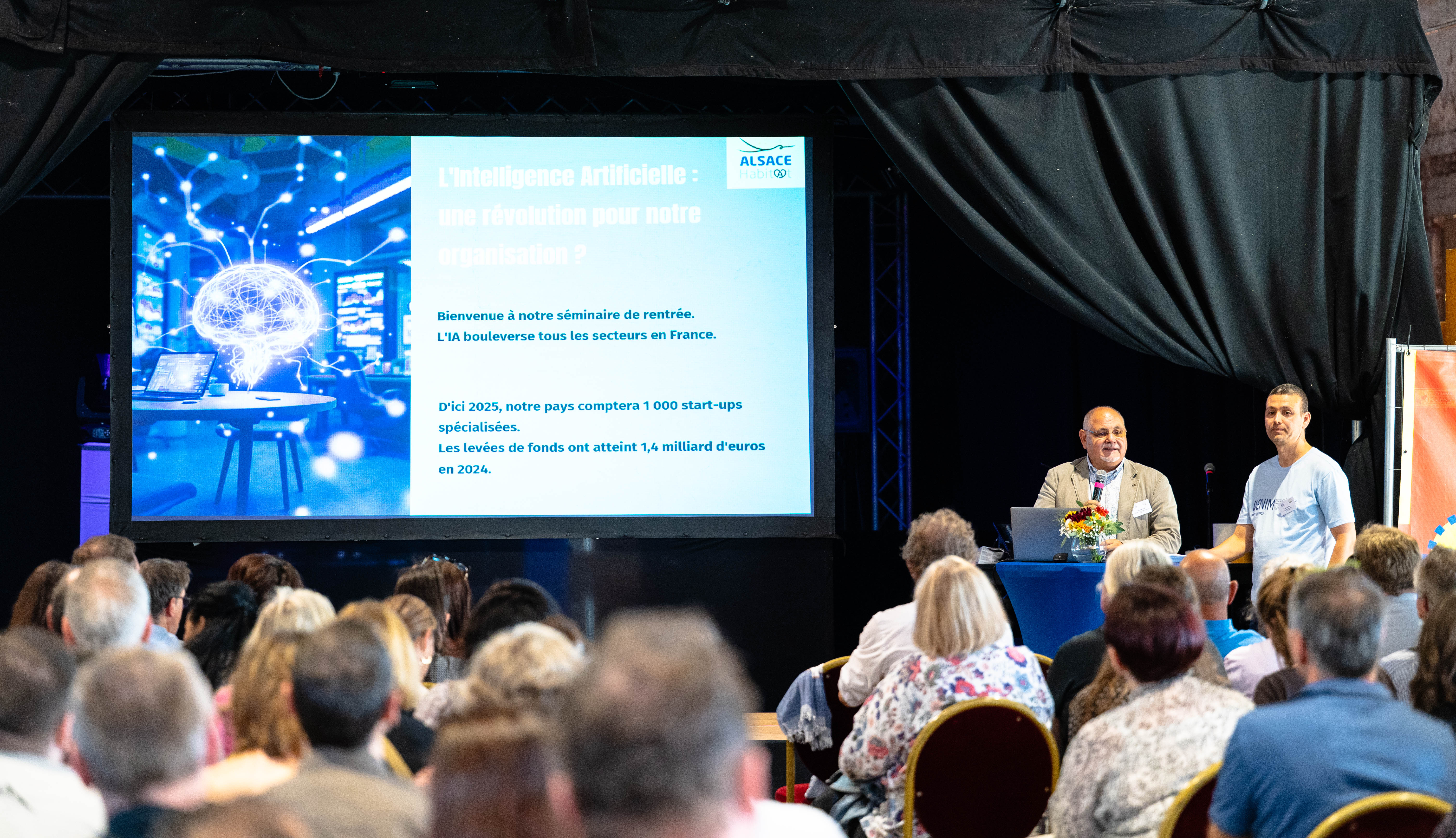
Seminar organisation in Spain that protects your time, message and brand
INNOV'events is an international event agency delivering corporate Seminar organisation across Spain, typically from 30 to 600 participants. We manage venue sourcing, registration, AV production, speaker support, agenda design, catering, and on-site operations—so your executives can focus on content and outcomes.
Table of contents
A well-run Seminar is a working tool: it aligns leadership, accelerates decision-making, and reduces the rework that comes from unclear priorities. When you gather people in the same room—especially across business units—you gain speed, accountability, and a shared language.
Executives, HR and Communications teams expect punctual start times, reliable sound and screens, frictionless check-in, and a program that respects attention spans. They also need measurable outputs: decisions captured, action plans owned, and a message that lands consistently across levels.
From Madrid to Barcelona, Valencia, Seville and Málaga, we deliver Seminar organisation with operational discipline: detailed run-of-show, risk planning, supplier control and senior-level event direction. We are the event management company your stakeholders trust when the room matters.
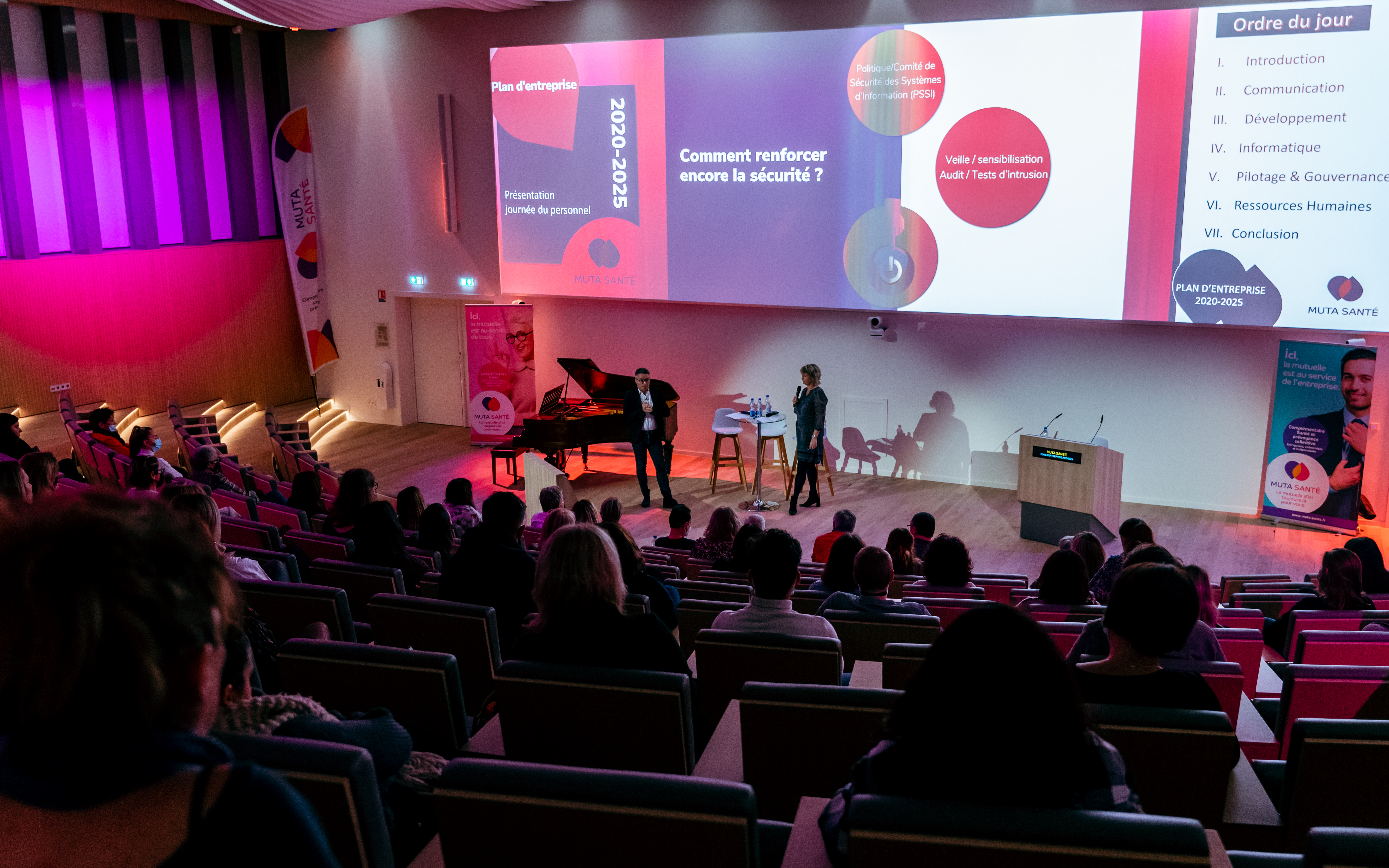
INNOV'events in Spain: numbers that reduce your risk
5 key Spanish hubs covered (Madrid, Barcelona, Valencia, Seville, Málaga) with vetted venue and production partners to keep delivery consistent across regions.
30–600 participants is our most common range for professional seminar event formats; we scale teams, registration flows and AV accordingly.
Typical planning cycles: 3–10 weeks depending on venue availability, speaker complexity and branding requirements—shorter timelines possible with scope control.
Single point of contact plus an on-site event director and production lead: clear accountability, faster decisions, fewer misunderstandings.
How to organize a professional event ?
- Define the objective (cohesion, announcement, fidelity, performance).
- Set date, format and size (20–1 000 people).
- Secure the venue and accommodation according to seasonality.
- Lock down technical, suppliers and logistics.
- Drive the day J (timing, scene, entrance, flow).
We send you a first proposal within 24h.
Why organise a corporate Seminar instead of another online meeting?
Digital communication is efficient for information, but not for alignment. A Seminar creates a controlled environment where people can clarify priorities, confront trade-offs and commit—without the distraction of daily operations. For executives, the value is less about “attendance” and more about the quality of decisions made in the room.
In Spain, we often see seminars used as a practical bridge between strategy and execution: leadership announces a direction, managers translate it into operating plans, and cross-functional teams resolve dependencies while everyone is present.
Faster alignment on priorities: when a leadership message is delivered with the right staging, audio, visuals and timing, it prevents contradictory interpretations across departments.
Better change management: HR-led seminars are effective for rollouts (new performance frameworks, policy updates, wellbeing programs) because they allow Q&A, scenario work and objections handling in real time.
Stronger management cadence: a quarterly or biannual corporate seminar organization rhythm reduces drift; people know when decisions will be reviewed and who is accountable.
Cross-functional problem solving: workshops and breakouts unlock operational clarity: responsibilities, handovers, service-level expectations, and “what happens if” contingencies.
Employer brand and retention: when done properly, a seminar signals professionalism and care—logistics, accessibility, and respect for time directly influence perception of leadership.
Commercial impact: sales kick-off seminars that combine product training, role-play and pipeline discipline typically produce more consistent execution than scattered webinars.
In a business culture where speed and accountability matter, a Seminar is an investment in operational clarity. The goal is not to “gather people”; it is to leave the room with decisions, owners, dates and a message that survives beyond the closing slide.
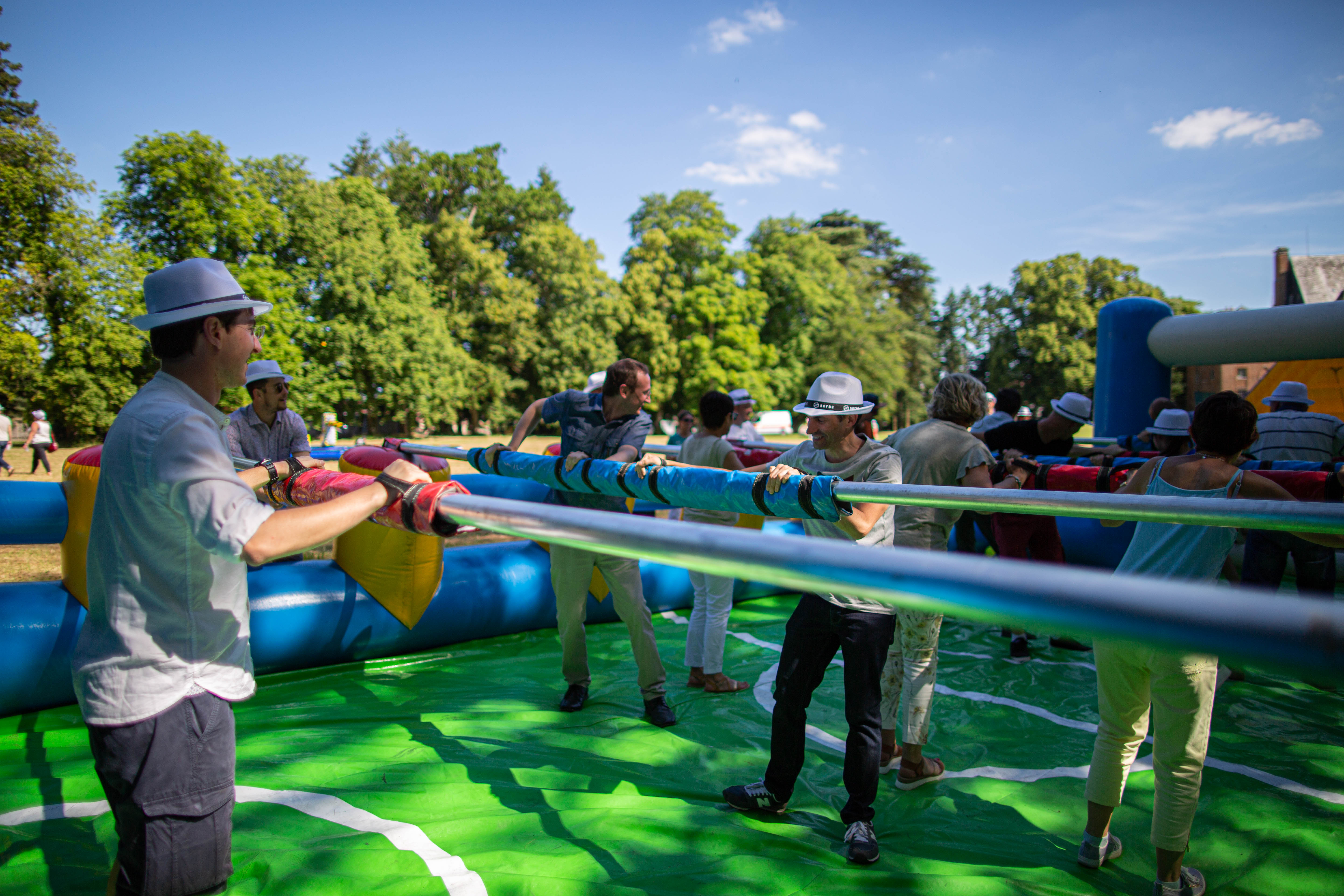
Which seminar formats and activities actually increase engagement?
Engagement is not about adding entertainment; it is about creating the right level of interaction for the objective. In a corporate Seminar, activities must reinforce comprehension, commitment and collaboration—without derailing the agenda or diluting the message. We select formats that fit senior attention spans, risk tolerance and brand positioning.
Interactive animations
Executive Q&A with structured moderation: we collect questions via app or cards, cluster themes, and protect time—useful when leadership expects tough questions but wants a controlled format.
Breakout workshops with deliverables: each room has a facilitator, template and output owner (e.g., top 5 risks, 90-day plan). This prevents “nice discussions” with no follow-up.
Live polling for decision checkpoints: quick votes surface misalignment (e.g., priority trade-offs) and make the room’s position visible to leadership.
Scenario simulations: for crisis comms, cybersecurity or customer escalation processes, we run timed scenarios that reveal gaps in escalation paths.
Art animations
Data-driven storytelling support: not art for art’s sake—visual facilitation or graphic recording can help teams retain complex strategy maps or operating models.
Minimalist stage design aligned to brand: clean set pieces, consistent lighting temperature and disciplined visuals help senior messaging feel credible rather than “showy”.
Innovative animations
Break timing engineered around catering: we avoid peak congestion by staggering breaks or setting multiple stations; this improves punctuality more than any reminder from the stage.
Dietary and allergen control: badge flags, labelled stations and pre-ordered special meals reduce risk—especially in seminars with international attendees.
Gourmand animations
Hybrid add-on with purpose: when remote participation is necessary, we design it properly: dedicated camera positions, moderated remote Q&A, and content rights clearance. Hybrid is a production format, not a laptop on a table.
Micro-learning capture: after key sessions, we record short “key takeaways” videos for internal comms—useful for cascading the message to teams who did not attend.
Smart registration and access control: QR check-in, real-time attendance dashboards and session tracking for compliance-heavy training seminars.
The best activity is the one that supports your message and respects your brand. We recommend formats based on audience profile (executives, managers, mixed levels), risk sensitivity (regulated sectors), and how decisions are made in your company—so the energy in the room converts into action.
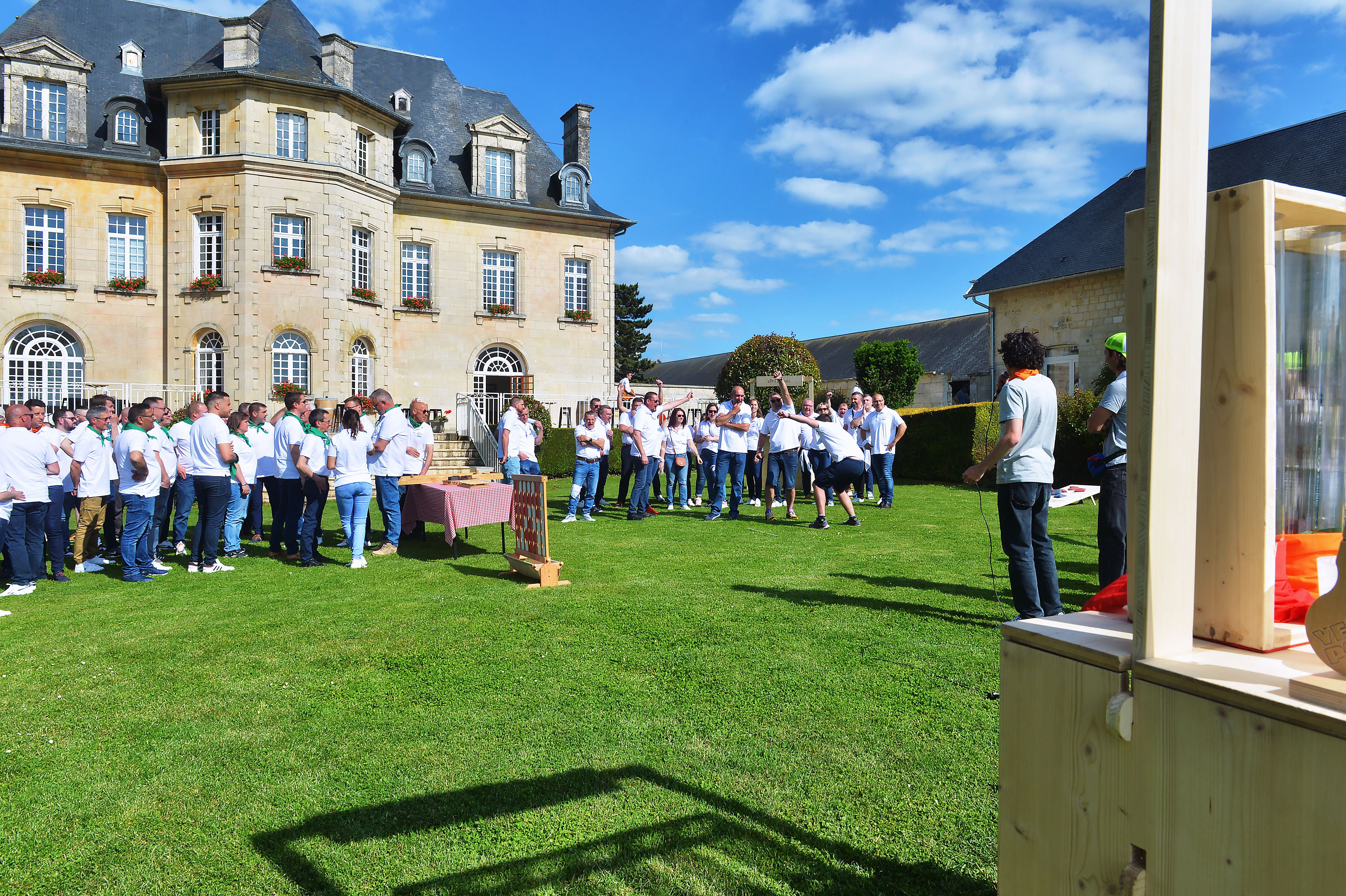
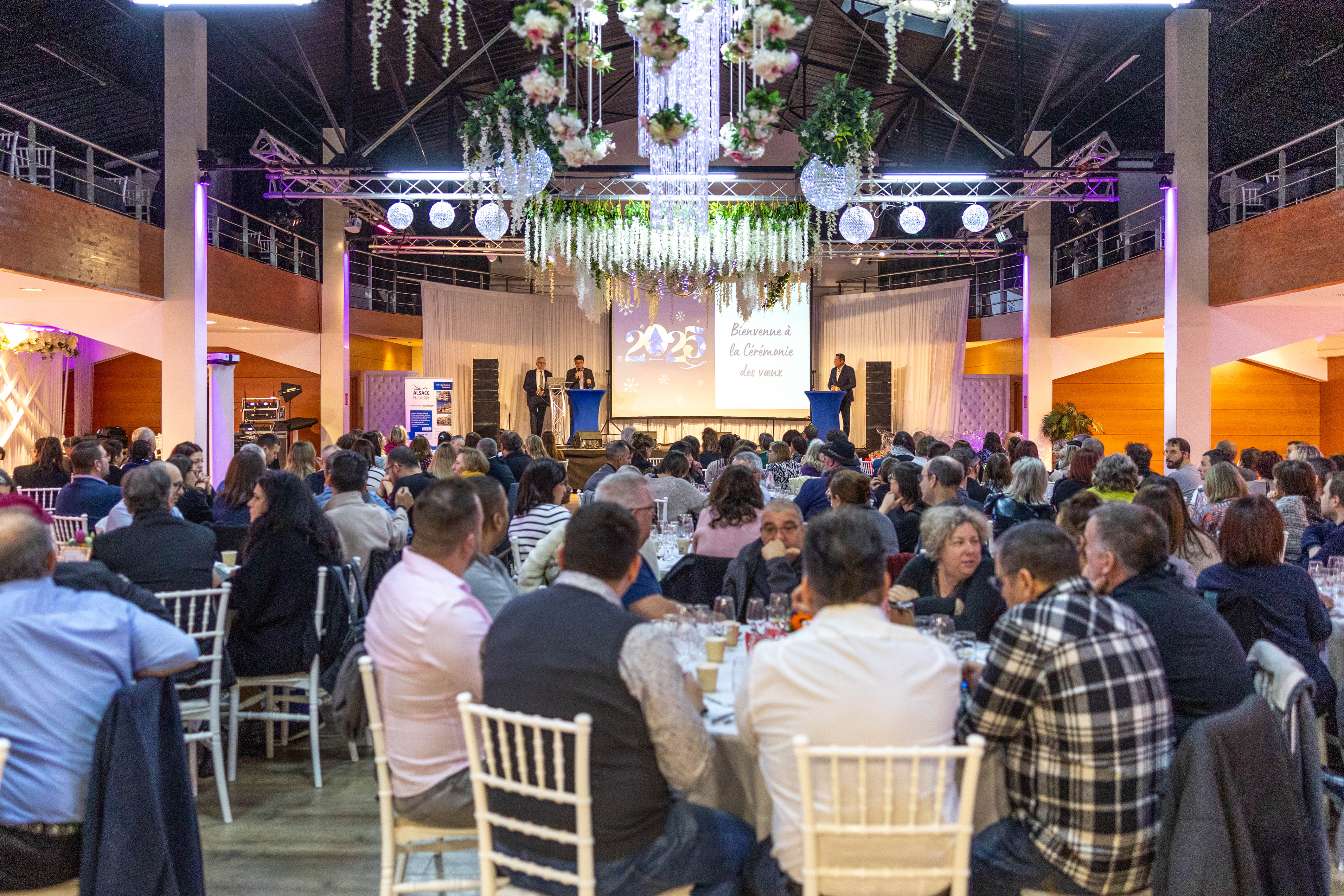
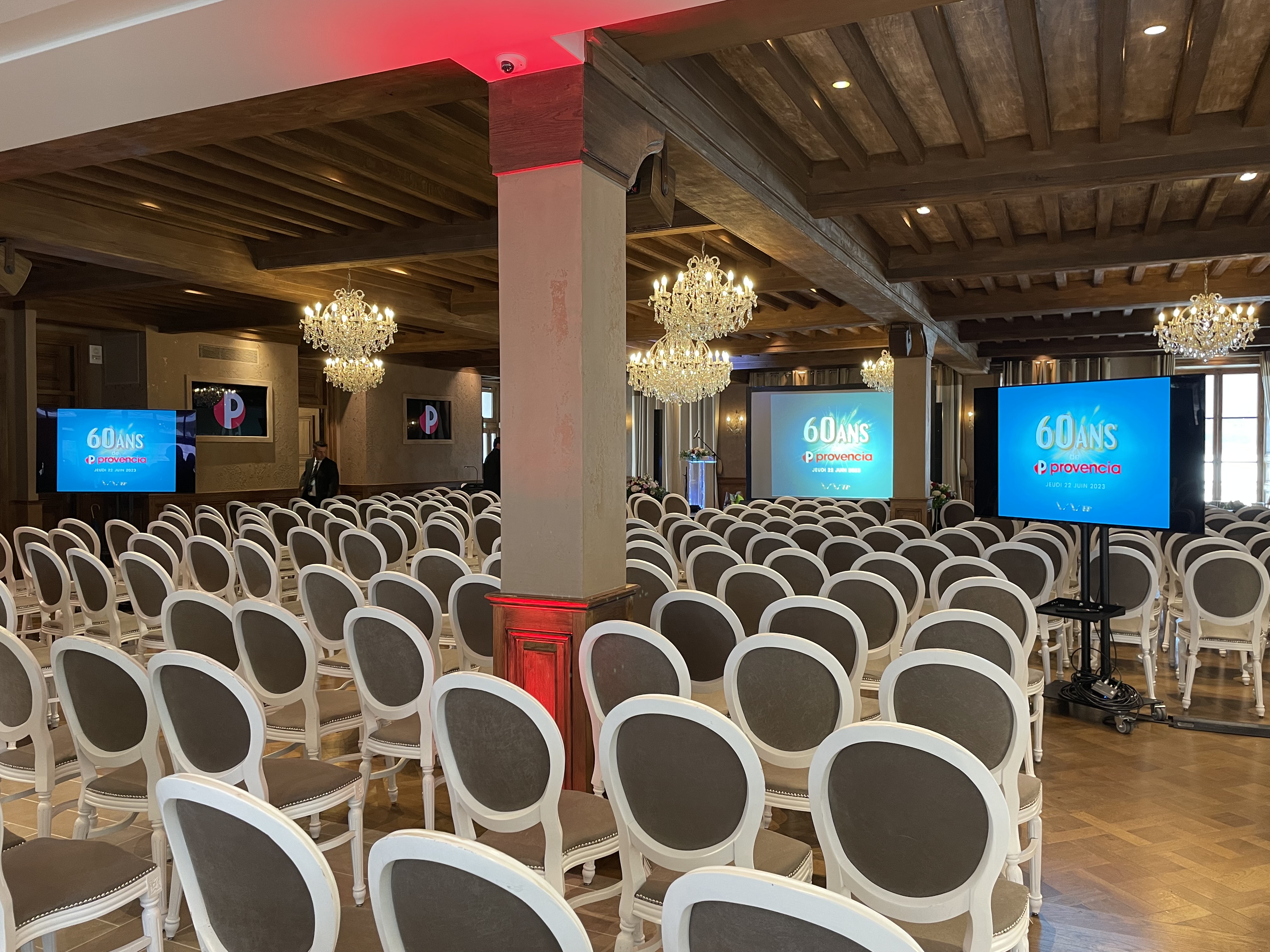
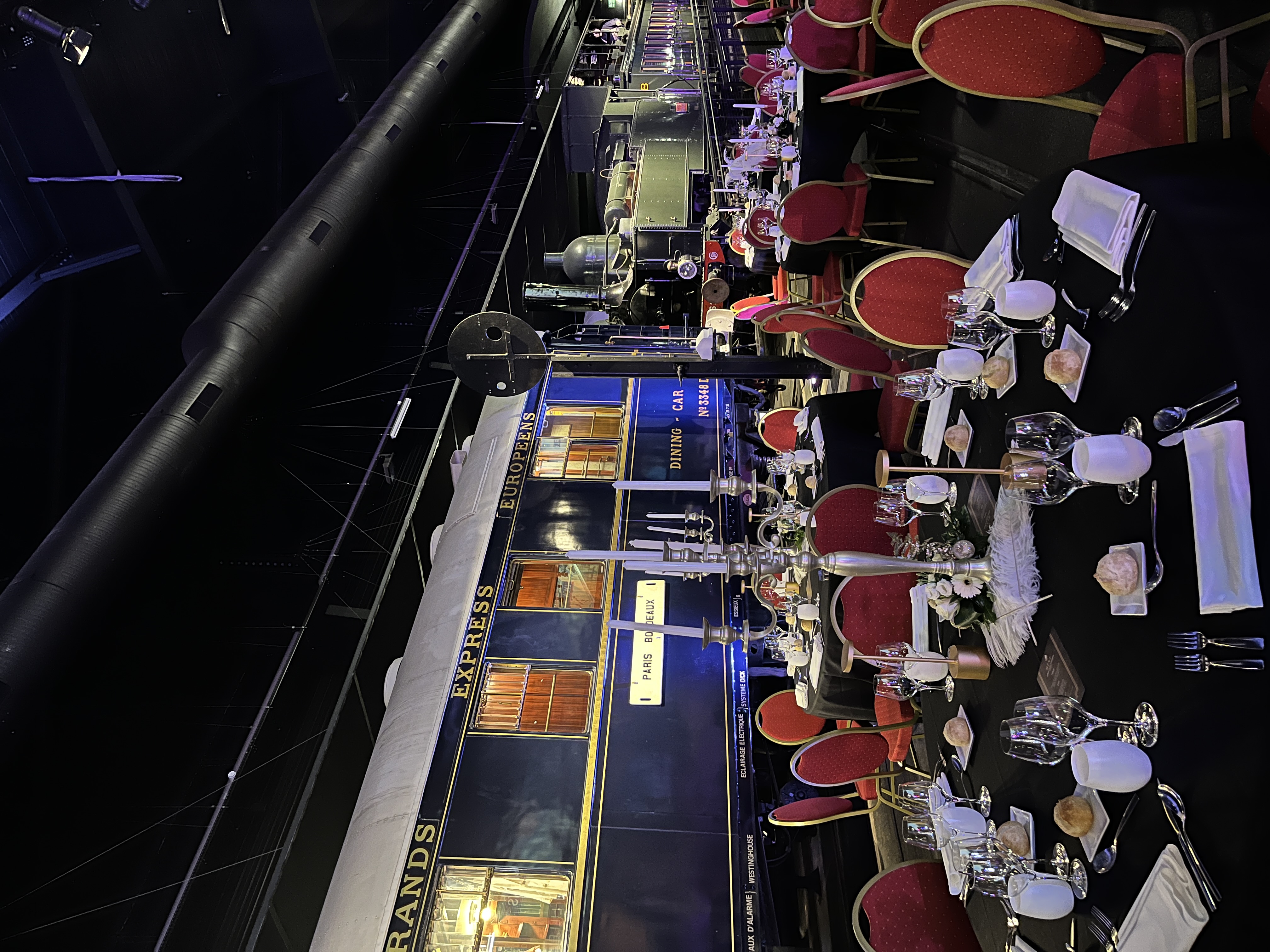
Where should you host a Seminar in Spain: Madrid, Barcelona, Valencia, Seville or Málaga?
Venue choice influences attendance, punctuality, technical quality and cost. We advise clients based on participant origin (local vs national vs international), the format (plenary-heavy vs workshops), and the production level required. In practice, the “best” city is often the one that reduces friction: direct transport links, predictable logistics, and the right venue inventory for your agenda.
Madrid: Best for national attendance and international connections; strong inventory of business hotels and conference spaces. Consider traffic buffers and schedule check-in accordingly. Ideal for leadership seminars, multi-country meetings, and high-stakes internal announcements.
Barcelona: Excellent for global teams and brand-led events; wide choice of modern venues. Pay attention to loading access and city logistics for larger productions. Works well for product or innovation seminars where experience and setting support the narrative.
Valencia: Strong value proposition on venue cost vs quality, with modern spaces and good connectivity. Often a smart pick for mid-size corporate seminars needing professional production without “capital-city” pricing.
Seville: Powerful for internal culture, leadership retreats and regional gatherings; venue character can support storytelling. We plan carefully for seasonal heat and ensure indoor comfort and transport coordination.
Málaga: Attractive for combining training with leadership time; convenient for teams based in the south and for certain international routes. Works well for a corporate retreat seminar style program—provided the agenda remains business-first and time-protected.
We shortlist venues based on non-negotiables: room acoustics, ceiling height and rigging options, breakout proximity, Wi-Fi reliability, catering capacity, accessibility, and clear commercial terms. A beautiful space that cannot deliver stable audio or smooth participant flow will damage your credibility—so we prioritise function before aesthetics.
How much does a corporate Seminar cost in Spain?
Seminar budgets vary widely because the cost drivers are structural: city, season, venue model, production level, and how much content support you need. A realistic budget discussion starts with participant volume, format complexity, and the standards expected by your leadership team.
As a reference for Spain, many corporate seminars fall between €180 and €650 per participant for venue, catering and core production, with additional lines for content creation, speakers, travel, branding and digital tools. We build budgets transparently so you can defend the investment internally.
City and timing: Madrid and Barcelona typically price higher; peak periods (spring and autumn) reduce negotiating power and increase AV and staffing costs.
Venue package vs dry hire: hotel conference packages simplify F&B and room blocks; “dry hire” venues can be efficient for production-heavy seminars but require more coordination and supplier management.
Production level: screens, cameras, microphones, lighting, translation booths, and crew hours drive cost. A CEO-facing seminar with multi-screen content and hybrid streaming is a different budget from a classroom training day.
Agenda structure: breakouts increase room requirements, staffing and signage. More rooms also increases the risk of technical issues without proper support.
Branding and scenic: stage backdrops, lecterns, directional signage, and printed materials. We often recommend focusing spend on legibility and navigation before decorative elements.
Registration and data: privacy-compliant registration systems, badge printing, access levels, and reporting—especially relevant for compliance training seminars.
Speaker management: travel, accommodation, contracts, rehearsal time, and technical requirements. External keynote fees can range from €2,000 to €20,000+ depending on profile and usage rights.
Risk buffers: contingency for last-minute room changes, additional headsets, extra security, or schedule extensions. We plan this explicitly rather than hiding it.
Return on investment comes from outcomes: decisions made faster, fewer misalignments, improved adoption of change, and higher management discipline. We help you define what “success” looks like (action-plan completion, training assessments, comms reach, leadership confidence) so the budget is connected to measurable value—not just logistics.














Seminar projects we deliver: breadth of formats, same operational standards
Our portfolio covers the realities of corporate life in Spain: leadership seminars in Madrid with tight security and sensitive comms; sales training seminars in Barcelona combining plenary content with role-play breakouts; regional management seminars in Valencia focused on operating cadence; internal culture and HR seminars in Seville designed around change adoption; and retreat-style strategy sessions in Málaga where the priority is decision quality, not entertainment.
Across these formats, the recurring challenges are consistent: late speaker changes, last-minute compliance requests, dietary complexity, and the need to keep a room of managers engaged without losing control of time. We plan for these pressures with clear governance (who approves what, by when), realistic agendas, and a production plan that includes redundancy for critical elements such as audio playback and presentation control.
We adapt delivery to your internal maturity. Some clients arrive with a complete content plan and need flawless execution; others need support shaping the agenda and creating participant journeys that achieve outcomes. In both cases, the deliverable is the same: a professional seminar that reflects well on leadership and produces documented next steps.
Common Seminar risks we prevent (and how we do it)
Agenda overload that creates delays: we build a timed run-of-show with buffers, enforce speaker time discipline, and schedule breaks that match catering capacity.
Poor audio and unclear visuals: we specify microphone types, speaker coverage, screen sizes, and conduct technical rehearsals—because content is worthless if people cannot hear or read it.
Registration bottlenecks: we design check-in flows, staffing ratios, badge logic and arrival waves; we also prepare a manual fallback if technology fails.
Breakouts with no outputs: we provide templates, facilitators or briefing packs, and define deliverables and owners for each session.
Hybrid done as an afterthought: we treat hybrid as a production format, with dedicated crew, camera plan, audio mix, and moderated remote participation.
Budget surprises late in the project: we validate quotes early, clarify what is included, and flag cost drivers (crew hours, rigging, additional rooms) before commitments.
Brand inconsistency: we apply brand guidelines to stage visuals, slides, signage and digital touchpoints to protect corporate image.
Our job is to anticipate where corporate seminars fail and remove those failure points before they become visible. That is what clients are buying: predictable delivery under real-world pressure.
Why clients return to INNOV'events for annual Seminar management
Repeat business is earned when the experience for stakeholders improves year after year: fewer escalations, cleaner internal reporting, smoother approvals and a consistently professional delivery on site. Many clients come back because we reduce the cognitive load on their teams and make planning predictable.
Planning time reduced: recurring clients typically shorten decision cycles by 20–30% because venue preferences, brand assets and supplier standards are already documented.
On-site issue reduction: with stable technical specs and rehearsals, we aim for “no-surprise” delivery—fewer last-minute room swaps, fewer AV incidents, and clearer staff coordination.
Reusable assets: registration templates, signage systems, run-of-show frameworks and workshop deliverables can be re-used and improved instead of recreated.

Loyalty is practical proof: when an agency repeatedly delivers under executive scrutiny, the organisation stops treating seminars as a one-off project and starts using them as a reliable management tool.
Our Seminar organisation process: decision-ready planning and disciplined execution
👉 Step 1: Brief, constraints and success metrics
We start with a structured working session with HR, Communications and the business owner. We confirm objectives, audience profile, decision points, compliance constraints, brand guidelines, and how success will be measured (e.g., action-plan completion, training assessment, comms reach). We also identify non-negotiables: start/end times, VIP handling, confidentiality, accessibility and language needs.
👉 Step 2: Format and agenda architecture
We propose 2–3 agenda structures with trade-offs: plenary-heavy vs workshop-heavy, single track vs multi-track, internal-only vs mixed with external speakers. We validate session durations, Q&A approach, breakout outputs and facilitation needs. This is where we prevent common failures like unrealistic timings and unclear ownership of workshop deliverables.
👉 Step 3: Venue sourcing and technical feasibility
We shortlist venues in Madrid, Barcelona, Valencia, Seville or Málaga based on room functionality: acoustics, sightlines, breakout proximity, ceiling height, loading access, catering capacity, and Wi-Fi. We request detailed offers, clarify inclusions, and check technical constraints early (rigging, power, screen positions). We present options in a decision-friendly comparison.
👉 Step 4: Budget build and scope control
We build a transparent budget with clear line items and options (e.g., two levels of AV, different catering formats, optional recording). We flag the real cost drivers—crew hours, extra rooms, hybrid requirements—and propose scope adjustments that protect what participants will notice. This enables fast internal approvals and reduces last-minute cutbacks.
👉 Step 5: Supplier coordination and production planning
We coordinate venue, AV, staging, catering, registration, signage, photographers/videographers and any speakers. We produce the operational pack: floorplans, staffing plan, call times, loading schedule, risk register, and a timed run-of-show. For complex seminars, we schedule a technical recce and define redundancy for critical systems.
👉 Step 6: Speaker support and content readiness
We run a content-readiness workflow: slide checks for readability and brand compliance, video testing, speaker briefings, rehearsal planning and timing. For leadership speakers, we can support notes formatting, confidence monitors, and stage entry/exit choreography to keep transitions smooth and professional.
👉 Step 7: On-site delivery and stakeholder reporting
On the day, we manage check-in, room turnovers, stage management, cueing, timekeeping and issue escalation. After the seminar, we provide a wrap-up: attendance figures, budget reconciliation, incident log (if any), survey results and recommendations for the next edition. This closes the loop and supports continuous improvement.
FAQ sobre la organización Seminar
How far in advance should we book a Seminar venue in Madrid or Barcelona?
For 100–300 participants, plan 6–12 weeks ahead in many cases; for peak months and larger plenaries, 3–6 months is safer. If the seminar needs multiple breakouts, complex AV or a specific venue, availability becomes the limiting factor more than production.
What participant size is realistic for a one-day corporate Seminar?
Common ranges are 30–200 for training or leadership alignment and 200–600 for all-hands or multi-team updates. Above 300, you need stronger flow design (registration, breaks) and a more robust audio plan for Q&A, otherwise punctuality and engagement drop quickly.
How do you keep a Seminar on time when executives change content at the last minute?
We protect timing with a timed run-of-show, stage management, and pre-defined buffers. If an executive adds content, we propose immediate trade-offs (shorten Q&A, reduce transitions, adjust break timing) and we brief speakers on hard stop cues. We also keep playback and slide control centralised to avoid delays.
What are the must-have technical elements for a professional Seminar event?
At minimum: reliable sound (headset for main speaker, handhelds for Q&A), screens sized to room depth, a dedicated AV tech team, and a tested presentation playback setup with backups. For hybrid or recorded seminars, add camera positions, a proper audio mix for stream, and a moderated remote Q&A channel.
Can you manage registration and data privacy for our company seminar management needs?
Yes. We can provide registration pages, consent flows, attendance tracking and badge printing. We align the setup with your internal privacy requirements and define data retention rules. For compliance-driven seminars, we also support session check-in and reporting so HR can document participation.
Request your presupuesto gratuito for Seminar organisation in Spain
If you are planning a Seminar in Madrid, Barcelona, Valencia, Seville or Málaga, contact INNOV'events early to secure the right venue and technical resources. Share your date window, city preference, participant estimate and objectives—we will respond with a clear proposal, practical options and a transparent budget structure. The earlier we align on outcomes and constraints, the more we can protect timing, message quality and cost control.