
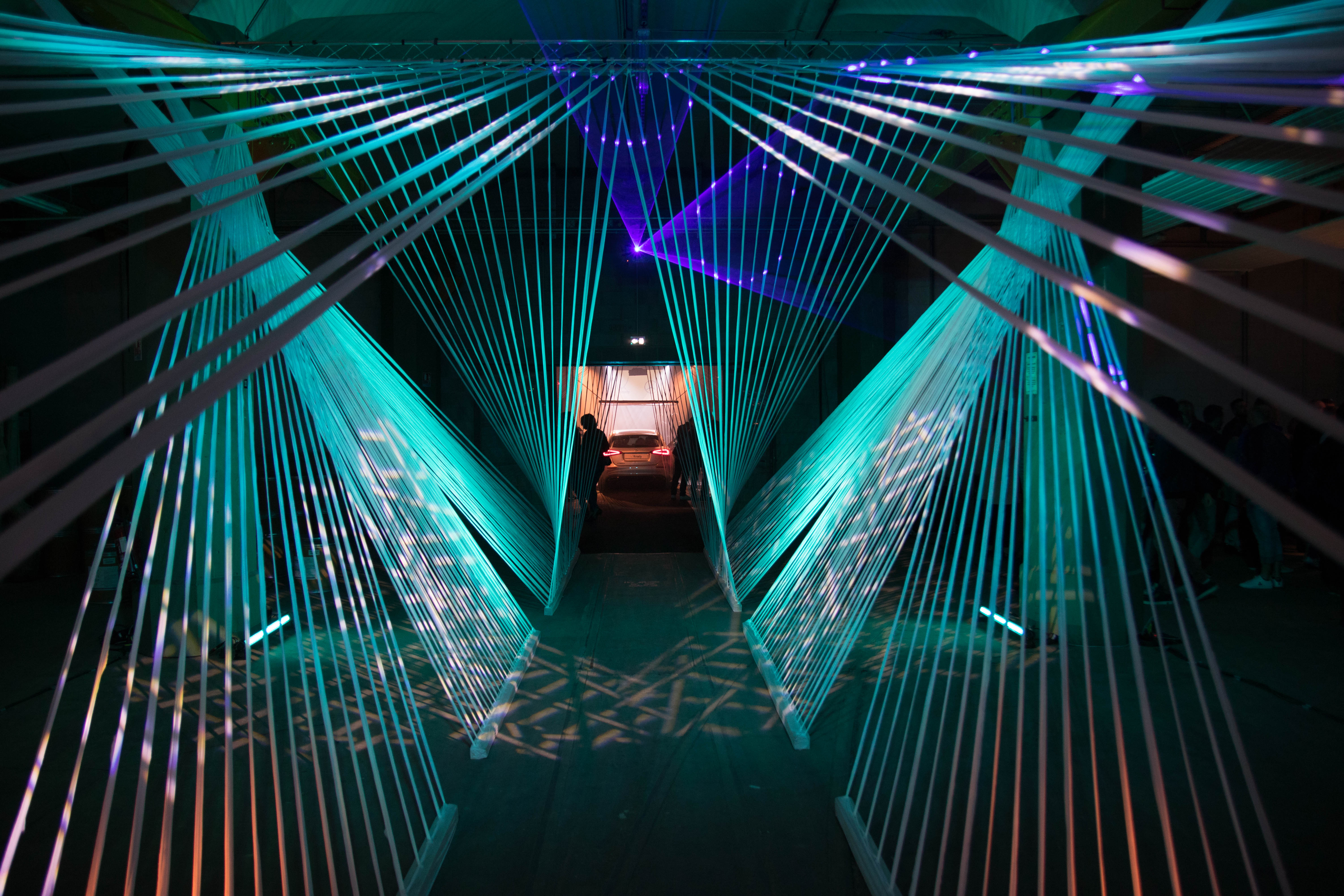
Event Scenography in Barcelona that protects your brand and your agenda
Table of contents
In a corporate setting, scenography is not “decoration”: it is the operational tool that controls what people see, hear, and remember. When executives have one hour to align teams or reassure partners, a well-designed stage, screen, lighting and room flow reduces friction and makes messages land clearly—especially in hybrid or multilingual formats common in Barcelona.
Local organizations expect punctuality, clean builds, and venues that can host demanding audiences without improvisation. In Barcelona, many events happen in tight schedules (venue curfews, unionized load-in windows, neighborhood noise constraints), so production discipline and pre-approval with the venue are as important as creative.
We are a Spanish agency used to delivering in the city week after week, with local technical partners, tested supplier networks and on-site producers who know how Barcelona venues actually operate. Our job is to anticipate the “event day pressure” and keep your leadership, HR and Comms teams out of fire-fighting mode.
INNOV'events delivery strength in Barcelona you can audit quickly
12+ years coordinating corporate events across Spain, with recurring deliveries in Barcelona and Catalonia.
150+ corporate events/year across our network (executive town halls, conventions, awards, product launches, internal culture events).
Operational capacity from 50 to 2,000+ attendees, including hybrid set-ups with broadcast-grade audio and camera plans.
On every scenography project: a named producer, a technical director, and a written run-of-show with cue list and responsibility matrix.
Compliance mindset: risk assessment, load calculations when needed, cable management, emergency exits kept clear, and documented handovers with the venue.
How to organize a professional event in Barcelona?
- Define the objective (cohesion, announcement, fidelity, performance).
- Set date, format and size (20–1 000 people).
- Secure the venue and accommodation according to seasonality.
- Lock down technical, suppliers and logistics.
- Drive the day J (timing, scene, entrance, flow).
Barcelona references and recurring clients
We support companies that operate in Barcelona and the wider metropolitan area, including headquarters teams, local subsidiaries and regional sales organizations. Many clients renew year after year because they need a partner who can repeat quality under changing constraints: new venues, new leadership expectations, new product narratives, and sometimes new compliance requirements.
If you share the company names you want us to use as references, we will integrate them here in a professional, factual way (scope delivered, type of event, attendance range, and what was solved). We typically highlight situations decision-makers recognize: last-minute agenda changes, multilingual plenaries, leadership stage presence coaching, brand guidelines enforcement, and venue restrictions negotiated upstream.
Our approach in Barcelona is built on continuity: we document your standards (fonts, screen ratios, color profiles, microphone preferences, staging heights, accessibility requirements) so each edition becomes easier, faster to validate, and more predictable for your internal teams.
We send you a first proposal within 24h.
What Barcelona leadership teams gain from professional scenography
Scenography becomes strategic when the audience is demanding: executives, managers, partners, or high-performing employees who have seen many events and can quickly sense when something is improvised. In Barcelona, where international teams and visitors are common, the room must communicate credibility before the first slide appears.
Sharper message retention: controlled sightlines, correct screen sizing, and lighting designed for faces (not only “ambience”) improves attention and understanding—especially during long plenaries.
Reduced reputational risk: brand assets displayed correctly, consistent color temperature, clean cable routing, and safe staging avoid “small mistakes” that senior stakeholders notice immediately.
Time discipline for executives: a technical cue list (walk-in, video rolls, speaker mic handovers, transitions) prevents delays that cascade into agenda cuts or missed networking.
Better employee engagement: when the room feels intentional, teams perceive the message as important; this directly supports HR goals (culture, change adoption, retention) without needing gimmicks.
Higher sponsor/partner confidence (when relevant): controlled brand exposure areas (photocall, screen loops, signage hierarchy) and clean traffic flow create measurable visibility without clutter.
This is aligned with the city’s economic culture: Barcelona combines creativity with high operational expectations from international business. The scenography has to look sharp, but also behave like a well-run production.
How Barcelona constraints change event scenography decisions
In Barcelona, many venues are premium but operationally strict: limited truck access, specific load-in hours, and fixed rigging points that dictate what you can hang or how you distribute weight. A scenography concept that ignores these realities forces last-minute compromises (smaller screens, rushed builds, or unsafe solutions), which is exactly what corporate directors want to avoid.
We design from constraints upward: we start with venue technical sheets, ceiling heights, rigging permissions, power availability (and where it is located), and audience circulation. Then we translate that into a design that looks intentional and can be installed predictably. This matters in Barcelona because you may be sharing loading docks with other events, working under neighborhood noise limits, or dealing with tight turnaround between daytime plenaries and evening receptions.
Another local expectation is multilingual delivery: Spanish, Catalan and English content can coexist. That impacts screen layouts, captioning, lectern monitor prompts, and how you place interpreters or translation equipment without visually “breaking” the stage. We plan this early so your Communications team does not discover on rehearsal day that the stage blocks the interpreter view or the screen format is wrong for bilingual lower-thirds.
Which scenographic activations work best in Barcelona corporate events
Entertainment and engagement should support your message, not compete with it. In Barcelona, we see the best results when “animations” are integrated into the scenography: they help people interact with the brand narrative, improve networking flow, and create content your Comms team can actually use (photos, short clips, quotes) without disrupting the agenda.
Interactive animations in Barcelona
Audience-driven plenary moments: live polls displayed on the main screen with a dedicated graphic template that matches brand guidelines; we design it so results are readable from the back rows and can be filmed cleanly.
Leadership Q&A with stage-managed microphones: roaming mics with clear handover rules, a moderator monitor, and a timed queue to prevent “open mic chaos” while keeping authenticity.
Interactive brand wall: a structured photo/backdrop area with correct lighting, distance markers, and an operator to keep the line moving—useful for internal awards or partner days.
Art animations in Barcelona
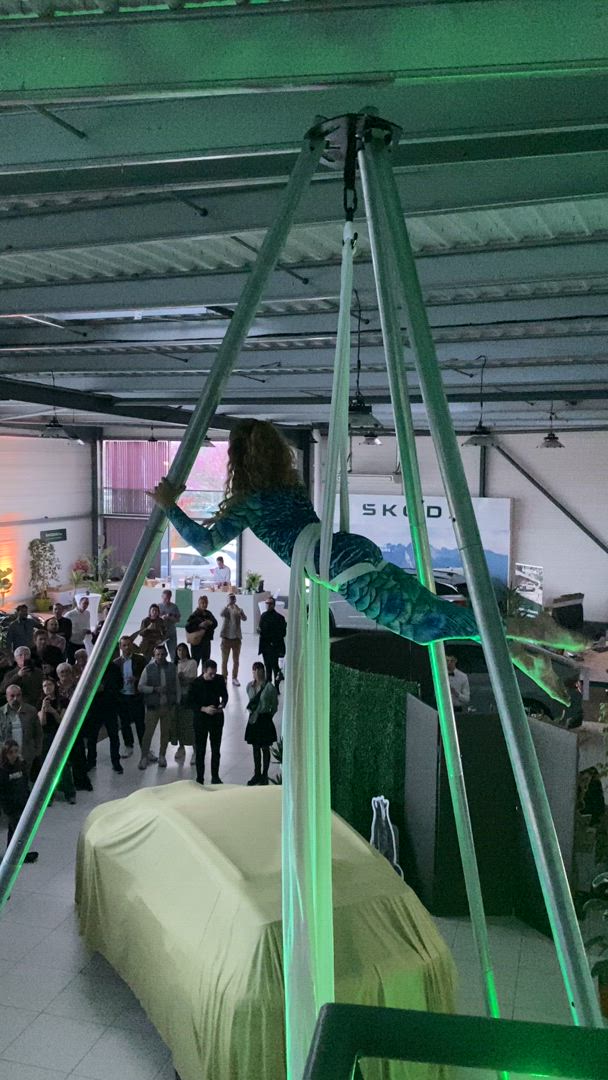
Short-format opening acts (3–6 minutes): curated performances aligned to brand tone, planned with blackouts, sound checks and safe stage zones. The goal is to open attention, not extend the show.
Sound design and stage transitions: stings, walk-on music, and timed video cues that make agenda changes feel intentional—even when leadership adjusts the order last minute.
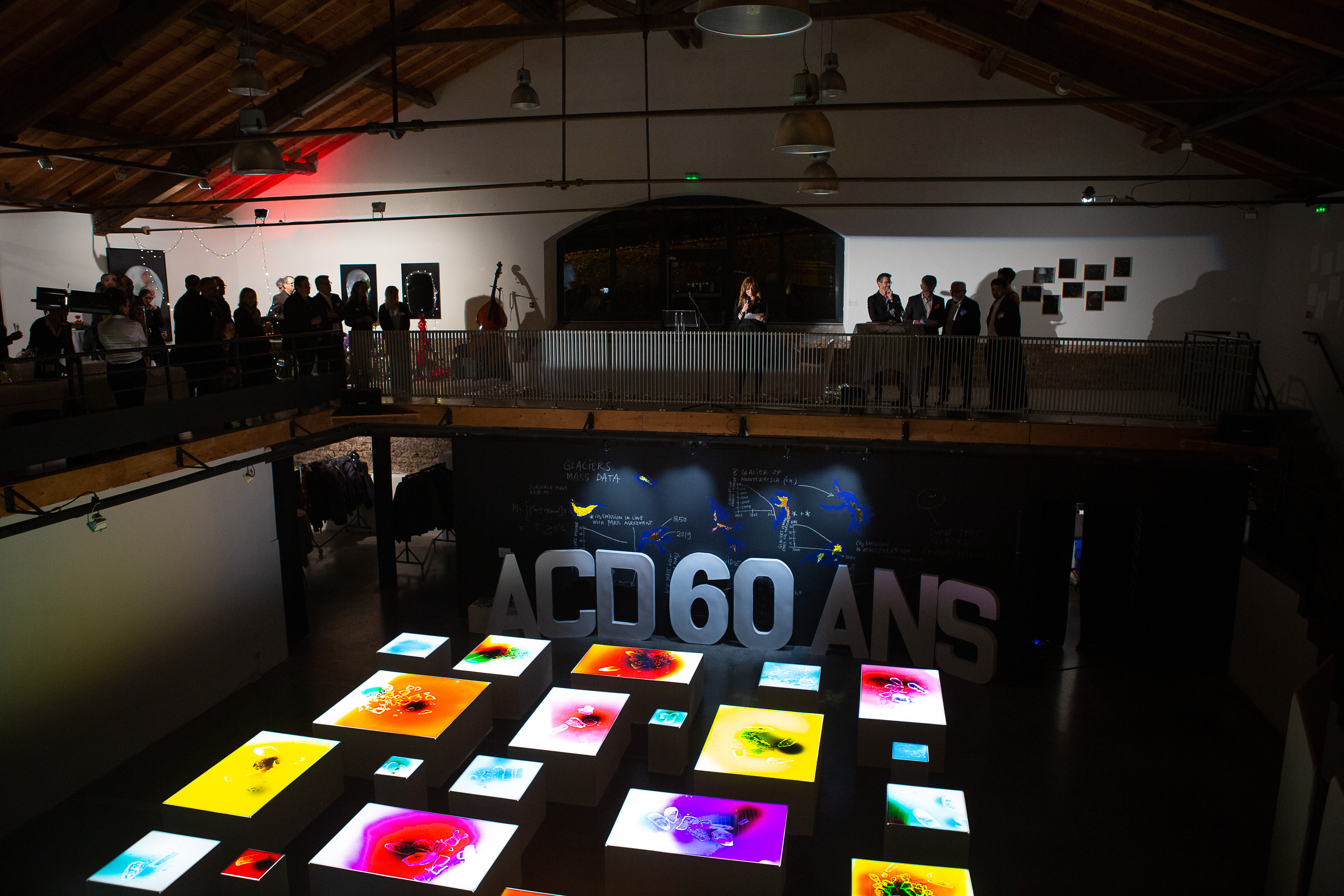
Scenic elements with purpose: lectern alternatives, modular scenic frames, or textured backdrops that improve depth on camera and reduce “flat stage” visuals.
Innovative animations in Barcelona
Scenographed tasting stations: instead of generic catering, we design zones with clear signage, lighting and queue flow—critical in Barcelona where networking and food moments are often part of stakeholder management.
Timed service aligned to program: coffee breaks staged to avoid corridor bottlenecks; we plan circulation and staffing to keep the return to plenary punctual.
Gourmand animations in Barcelona
LED scenography with controlled pixel pitch: we select specifications based on viewing distance and camera needs, not trends; this avoids moiré on streaming and keeps graphics sharp.
Hybrid-ready stage kits: dedicated camera sightlines, presenter lighting, backup audio paths, and a control position that does not block guest experience.
Content-first motion graphics: we build screen templates (lower-thirds, agenda slates, speaker IDs) that your Comms team can validate quickly and reuse across sessions.
The rule we apply: every animation must protect brand image, timing, and stakeholder comfort. If an idea creates risk (noise, delays, unclear messaging), we either redesign it or remove it—because your executive credibility is the priority.
How to choose a Barcelona venue for event scenography
The venue dictates what can be built safely and what will look premium on camera and in the room. In Barcelona, the difference between a smooth show and a stressful one often comes down to ceiling height, rigging permissions, loading access, and whether the venue’s acoustic environment can support clear speech.
| Venue type | For which objective? | Main strengths | Possible constraints |
|---|---|---|---|
Conference hotels in Barcelona | Executive meetings, sales kick-offs, internal conventions with breakouts | Integrated services, predictable operations, easy guest logistics, built-in AV options | Rigging limits, ballroom acoustics, brand customization sometimes restricted |
Industrial / creative spaces (converted warehouses) | Product launches, employer branding events, partner showcases | High ceilings, strong “creative” perception, flexible floor plans for scenic builds | More technical build required (power, acoustics, climate), stricter safety engineering |
Convention centers / large auditoriums | Large-scale plenaries, hybrid broadcasts, multi-session conferences | Professional loading docks, large capacities, advanced technical infrastructure | Scheduling rigidity, complex approvals, higher staffing and union/operational requirements |
We recommend a site visit with your internal owner and our technical director before you lock the design. In Barcelona, details like access routes, ceiling points, backstage storage and noise spill can materially change your scenography budget and feasibility.
What does Event Scenography cost in Barcelona
Pricing for Event Scenography in Barcelona depends on technical scope, venue constraints, build complexity, and rehearsal requirements—not on vague “packaged” promises. For executives and procurement, the most useful approach is to map costs to decisions: what increases quality and safety, and what is optional.
Stage and scenic build: dimensions, finish level, stairs/ramps for accessibility, backstage masking, and whether the design is modular or custom-built.
Screening and video: projector vs LED wall; LED pixel pitch; number of displays (main screen, comfort monitors, backstage preview); media server requirements.
Lighting design: “room lighting” vs stage lighting vs broadcast lighting; number of fixtures; truss requirements; rigging permissions in the Barcelona venue.
Audio intelligibility: PA system sizing to the room, microphone plan (handhelds, lavs, headsets), RF coordination, and backup paths for critical sessions.
Labor and scheduling: load-in window length, night work, number of technicians, rehearsals, show calling, and strike constraints.
Branding assets: printed elements, vinyls, wayfinding, photocall structures, and compliance with corporate brand guidelines.
Risk and compliance: engineering validations when needed, safety signage, security coordination, and venue approval time.
Transport and storage in the Barcelona area: truck access, parking restrictions, and whether materials must be staged off-site.
As a practical reference, many corporate scenography projects in Barcelona fall between €12,000 and €80,000+ depending on scale and technical ambition. The ROI is not abstract: it shows up in fewer agenda overruns, fewer last-minute technical fixes, better content capture for internal/external communications, and a brand perception consistent with leadership expectations.
Why hiring a Barcelona scenography agency reduces delivery risk
When the event is in Barcelona, local execution is not a “nice to have”: it is a risk-control lever. A scenography plan that looks good on a deck can fail because of venue rules, access limitations, or supplier availability. A local agency knows what is realistic and can confirm details early with the venue and technical partners.
At INNOV'events, we manage scenography as part of end-to-end delivery. If you also need broader support (program flow, guest management, vendor coordination), our event agency in Barcelona team can integrate these workstreams so the scenography decisions match the full event logic (timings, guest journeys, security, and brand moments).
For executive teams, the most concrete advantage is response time: when something changes—speaker order, video format, seating plan—we can adjust quickly with people who are already on the ground and who can negotiate directly with the venue rather than through long chains.
- Faster venue approvals thanks to established working habits with local technical teams and clear documentation.
- More reliable supplier orchestration: tested technicians, backup equipment options, and realistic build schedules.
- Better cost control by avoiding redesigns caused by overlooked constraints (rigging, power, access, curfews).
- On-site accountability: a single point of contact who can make decisions in real time and protect your internal stakeholders.
As a practical reference, many corporate scenography projects in Barcelona fall between €12,000 and €80,000+ depending on scale and technical ambition. The ROI is not abstract: it shows up in fewer agenda overruns, fewer last-minute technical fixes, better content capture for internal/external communications, and a brand perception consistent with leadership expectations.










What we have delivered in Barcelona across different formats
Our scenography work in Barcelona covers a wide spectrum, because corporate reality is diverse. We deliver executive town halls where clarity and credibility matter more than spectacle, and we also deliver product or partner events where the stage must be camera-ready, brand-consistent, and built to handle fast transitions.
Typical projects include: a leadership convention with a main plenary plus breakouts (requiring consistent screen templates, replicated stage kits, and strict timing); an internal change program kickoff where the scenography must support sensitive messaging (comfortable lighting, clear sightlines, controlled Q&A); or an awards evening where we need a strong visual identity with safe stage movement and reliable audio for multiple presenters.
We adapt without compromising fundamentals. For example, when a client asks for a “more premium look” but the venue has limited rigging, we design scenic depth with ground-supported structures, textured backdrops, and lighting angles that create dimension. When a client requires hybrid broadcast, we prioritize camera positions, presenter lighting, and a control area that remains discreet yet operationally correct.
Common scenography mistakes we prevent in Barcelona
Designing before confirming venue constraints: concepts that ignore ceiling height, rigging points, power distribution or loading access often lead to last-minute downgrades.
Underestimating rehearsal needs: without a technical run-through, small issues (audio handovers, video timing, walk-on cues) become visible failures in front of leadership.
Screen formats that do not match content: wrong aspect ratios, unreadable fonts from the back rows, or graphics that look fine on a laptop but fail on a large LED wall.
Audio that is “loud enough” but not intelligible: echo-prone rooms require tuning, microphone discipline, and speaker coaching.
Backstage logistics ignored: no clear backstage path for speakers, missing water points, or cables crossing walkways—these create stress and safety risks.
Branding clutter: too many messages compete; senior audiences perceive it as disorganized. We apply hierarchy so the brand reads cleanly.
Our role is to remove uncertainty: we translate your objectives into a scenography plan that is installable, safe, and predictable in Barcelona, with enough redundancy to absorb inevitable last-minute changes.
Why Barcelona clients keep INNOV'events as their scenography partner
Long-term clients are rarely loyal because of “creativity” alone. They return because delivery becomes easier: fewer internal validations, fewer supplier issues, and consistent quality even when the agenda, venue or leadership team changes. This is especially valuable in Barcelona, where event calendars are dense and internal teams do not have time to rebuild processes every year.
60–70% of our annual activity comes from returning clients and recommendations (network-wide figure).
For recurring events, we typically reduce pre-production time by 15–25% from edition 2 by reusing validated templates, technical riders, and operating routines.
We build redundancy into critical paths (audio, playback, cueing), which measurably reduces show-day incident rates on high-stakes plenaries.

Client loyalty is the most practical proof: it means the agency performed under pressure, protected brand standards, and behaved like a reliable extension of the internal team—not an additional variable.
Our Barcelona scenography process from brief to show calling
👉 Barcelona discovery call and stakeholder mapping
We start with a structured call with the event owner (HR, Comms, Exec Office, Marketing) to clarify: objective, audience profile, internal sensitivities, brand constraints, languages, and decision timeline. We also identify who will sign off on creative, technical, and budget lines—so approvals do not stall late in the process.
👉 Venue feasibility in Barcelona and technical audit
Before any design is “sold”, we confirm feasibility: venue technical sheet, loading access, rigging permissions, power, acoustics, and curfews. When needed, we schedule a site visit with the venue’s technical manager. This step prevents the classic show-day surprises (no rigging allowed, limited load-in, or power not where you assumed).
👉 Scenography concept with buildable options
We present 1–2 concepts with clear trade-offs: what changes the look, what changes the operational risk, and what changes the cost. We specify stage dimensions, screen format, lighting mood references, branding placements, and how the audience journey works from entrance to plenary to networking.
👉 Technical design pack and supplier alignment
Once approved, we produce a technical pack: floor plan, elevations when relevant, equipment lists, cable routes principles, cue list structure, and build schedule. We align AV, scenic builders, and venue requirements to avoid scope gaps (for example: who provides motors, who is responsible for truss certification, who patches audio lines).
👉 Content integration and rehearsal planning
We coordinate with your Comms team on slide templates, video specs, and screen layouts, including bilingual lower-thirds if required. We define a rehearsal plan (speakers, microphones, walk-on cues, video rolls) and protect the rehearsal time in the agenda—because this is where reliability is won.
👉 Build, show calling, and post-event debrief in Barcelona
On site, a producer manages venue relationships and timing, while the technical director secures execution quality. We run the show with a caller and cue list, manage last-minute changes without destabilizing the program, and close with a debrief: what worked, what to improve, and what to standardize for the next edition in Barcelona.
FAQ sobre la organización Event Scenography en Barcelona
How early should we book event scenography in Barcelona?
For 100–300 guests, plan 6–10 weeks. For large plenaries, LED walls or complex builds, plan 10–16 weeks. If your date is during peak seasons in Barcelona, earlier is safer to secure crew and venue-approved rigging slots.
What budget range is typical for scenography in Barcelona?
Most corporate projects fall between €12,000 and €80,000+. A small stage with screen and basic lighting can sit at the lower end; LED walls, broadcast lighting, custom scenic builds and extended rehearsals move the number up.
Can you deliver bilingual Spanish-Catalan events in Barcelona?
Yes. We plan screen layouts, speaker prompts, and interpretation needs early. Practically, that means validated templates (titles, lower-thirds), correct screen ratios, and stage positioning so interpreters and technical positions do not compromise sightlines.
Do Barcelona venues allow rigging and hanging LED walls?
It depends on the venue. Some allow rigging only from approved points with documented loads; others require ground-supported structures. We confirm this during the technical audit and propose solutions that meet safety and venue rules without downgrading the visual result.
Who is on site on event day in Barcelona?
Typically: a producer (client & venue interface), a technical director (AV/scenic execution), key technicians (audio, video, lighting), and—when the agenda is dense—a show caller. Team size scales with complexity and usually ranges from 4 to 20+ staff.
Request a scenography quote in Barcelona with a clear delivery plan
If you are comparing agencies, we can make your decision easier with a concrete proposal: feasibility checks, a buildable concept, a transparent budget structure, and an execution plan that protects timing and brand standards in Barcelona.
Send us your date range, estimated attendance, venue (if known), and your agenda draft. We will respond with the right level of detail for executive validation: what is essential, what is optional, and what risks we see early—before they become show-day issues.
INNOV'events Barcelona Agency
Cyril Azevedo is the manager of the INNOV'events Barcelona office. Reach out directly by email at cyril@innov-events.es or via the contact form.
Contact the Barcelona agencyAll our services & entertainment Barcelona
Discover our event services
Discover our event entertainment available in the España
- Event Hostess Barcelona
- Escape Game Barcelona
- MasterChef Cooking Workshop Barcelona
- Magician Barcelona
- Marquee Rental Barcelona
- Color Analysis Workshop Barcelona
- Inflatable Games Barcelona
- Valet Parking Service Barcelona
- Football Simulator Barcelona
- LED Furniture Rental Barcelona
- Light Branding Barcelona
- Unique Dining Experience Barcelona
- Light Painting Barcelona
- Murder Mystery Party Barcelona
- Prize Contest Barcelona
- Promotional Displays (POS) Barcelona
- Virtual Reality Barcelona
- Molecular Gastronomy Workshop Barcelona
- Halloween Entertainment Barcelona
- Fireworks Show Barcelona
- Giant Games Challenge Barcelona
- Event Host / MC Barcelona
- Photo Booth Animation Barcelona
- Santa Claus Entertainment Barcelona
- Kids Entertainment Barcelona
- Guided Tour Barcelona
- Urban Rally Barcelona
- Ball Pit Barcelona
- Flight Simulator Barcelona
- Food Truck Rental Barcelona
- World Record Challenge Barcelona
- Surf Simulator Barcelona
- Wine Casino Barcelona
- Makeover Workshop Barcelona
- Perfume Creation Workshop Barcelona
- Acting Workshop Barcelona
- CSR Activities Barcelona
- Archery Barcelona
- Security Staff Barcelona
- Wine Tasting Barcelona
- Mime Performer Barcelona
- TV Game Show Barcelona
- Funfair Barcelona
- Crisis Management Workshop Barcelona
- Crisis Negotiation Workshop Barcelona
- Arcade Games Barcelona
- Indoor Skydiving Simulator Barcelona
- Ski Simulator Barcelona
- Racing Circuit Experience Barcelona
- Introductory Flight Experience Barcelona
- Tasting Experience Barcelona
- Build Your Own Foosball Workshop Barcelona
- 2CV Rally Barcelona
- LEGO Challenge Barcelona
- Casino Night Barcelona
- Interpreter / Translator Barcelona
- Promotional Giveaways Barcelona
- Shuttle Transport Barcelona