
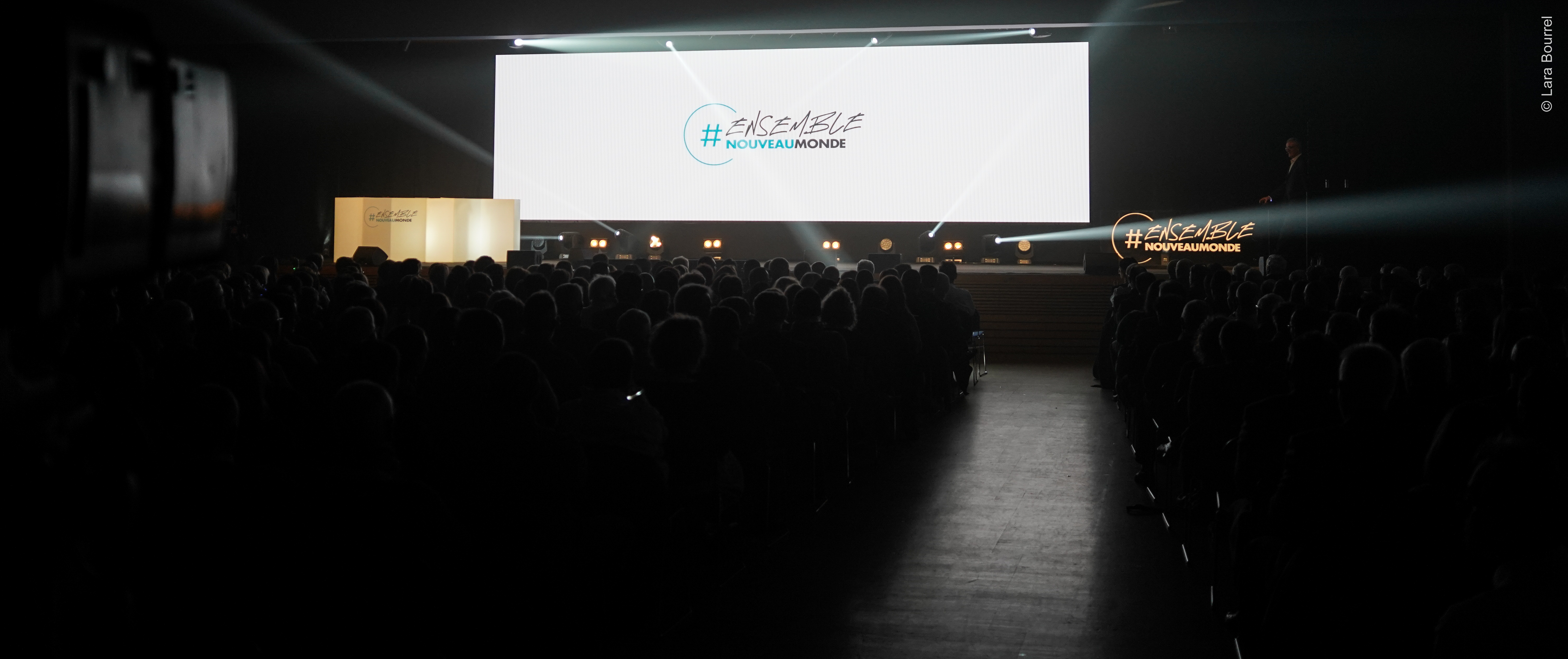
Annual General Meeting in Barcelona with full operational control
INNOV'events supports executive teams, HR and Corporate Communications to deliver a compliant, structured and engaging Annual General Meeting—from 50 to 2,000+ attendees. We manage venue sourcing, shareholder journey, registration, AV, translation, voting tech and on-site governance.
In Barcelona, we work with listed groups, family-owned businesses, and subsidiaries that need a rigorous run-of-show, reliable suppliers, and a calm event day—without surprises.
Table of contents
In an Annual General Meeting, “entertainment” is not a gimmick: it is a controlled engagement layer that protects attention, reduces friction and supports the narrative between statutory sequences. When shareholders wait, when a vote is being consolidated, or when executives need to reset the room after a tense Q&A, the right format avoids noise and keeps the audience aligned.
Organizations in Barcelona expect precision and pace: start and finish on time, crystal-clear audio in large rooms, multilingual accessibility, and a shareholder experience that feels corporate—not improvised. They also expect discretion: brand-sensitive staging, secure entrances, and a protocol that matches the governance standards of the company.
At INNOV'events we operate locally with a field team used to executive pressure and legal constraints. We coordinate venues, AV, interpretation and voting partners across the city, and we build a production plan that your legal counsel, CFO and comms team can validate early—so the event day runs like a board meeting, not a show.
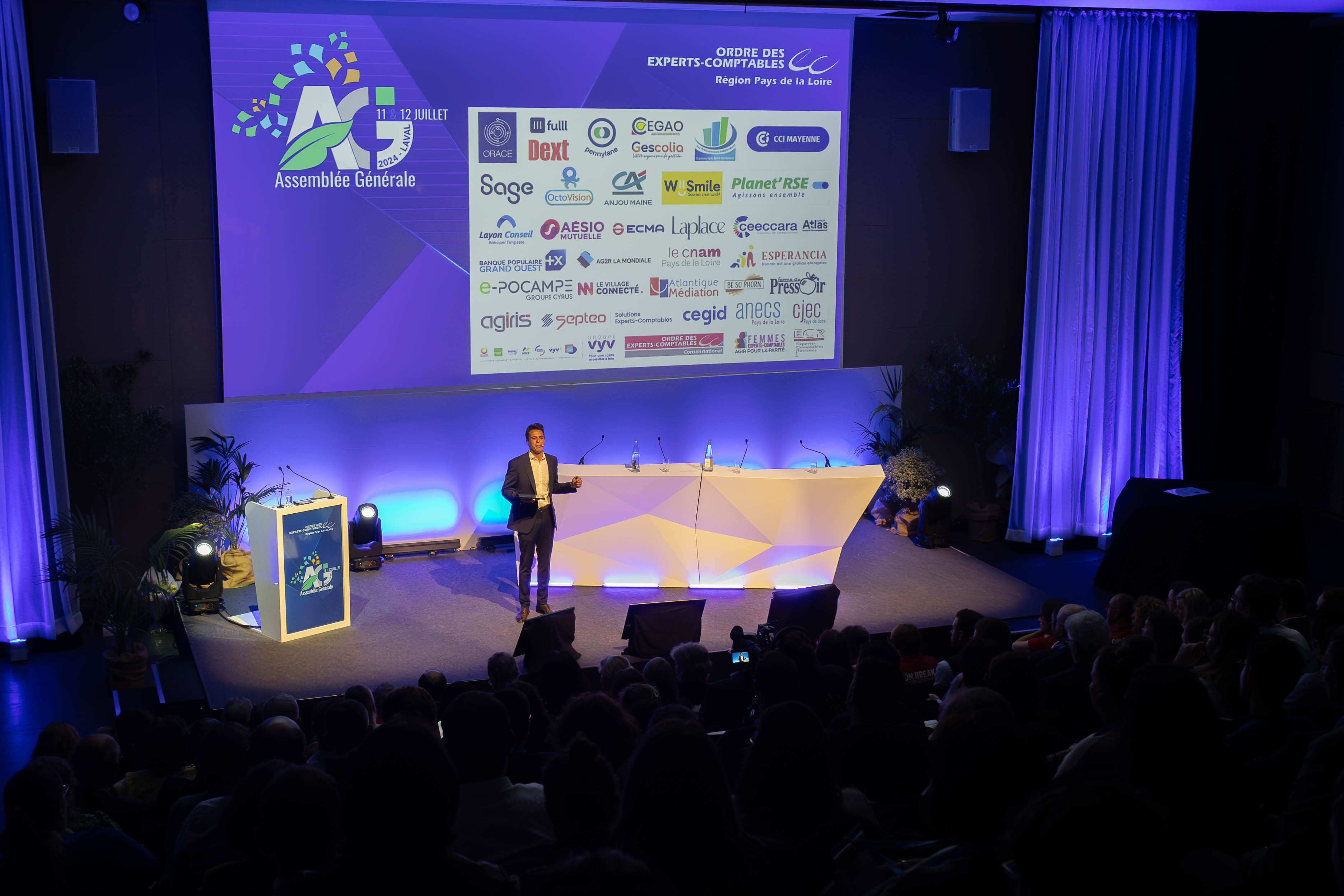
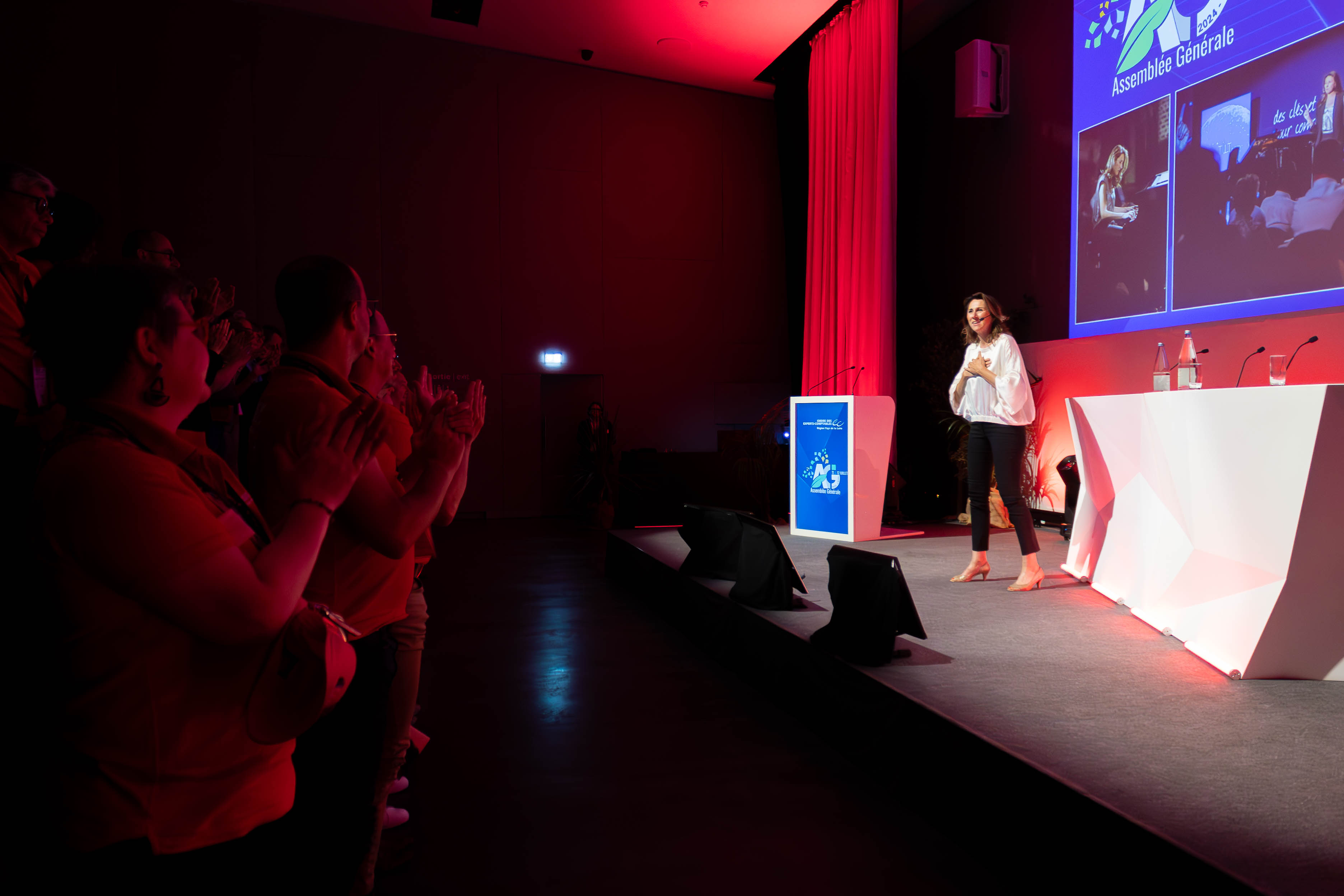
Operational credibility for Barcelona AGM projects
12+ years delivering corporate governance events (AGMs, investor days, leadership conventions) across Spain.
200+ corporate events/year coordinated with audited supplier processes and documented run-of-show standards.
50–2,000+ attendees managed with scalable registration, access control and room flow design.
2–3 languages typically supported (ES/EN/CAT) with professional interpreters and tested receiver inventory.
Single point of contact plus on-site production lead, AV lead and venue liaison for clear accountability.
How to organize a professional event in Barcelona?
- Define the objective (cohesion, announcement, fidelity, performance).
- Set date, format and size (20–1 000 people).
- Secure the venue and accommodation according to seasonality.
- Lock down technical, suppliers and logistics.
- Drive the day J (timing, scene, entrance, flow).
Barcelona references that reflect repeat collaboration
We regularly support companies active in Barcelona and its business ecosystem—headquarters, regional entities, and European hubs. Many projects repeat year after year because an Annual General Meeting is not “a one-off”: it is a recurring governance deadline with a reputation impact for the Board and the organization.
To keep this page accurate and compliant, we only publish client names when we have explicit authorization. In practice, our references in the city include groups in industry, services, retail, logistics and tech, often with complex stakeholder mixes: employees, minority shareholders, proxy representatives, media observers and institutional partners.
If you share your sector and expected attendance, we can provide a short selection of comparable Barcelona-based case examples (scope, constraints, set-up time, AV footprint, staffing ratios) during a call, without disclosing sensitive information.
We send you a first proposal within 24h.
What an Annual General Meeting secures for Barcelona leadership teams
An Annual General Meeting is a statutory moment, but it is also a management tool. In Barcelona, where many organizations operate with international shareholders and multilingual teams, the AGM is often the only annual touchpoint where governance, performance, and strategy must be understood quickly by a diverse room.
When it is designed and produced with discipline, the AGM reduces legal and reputational risk while helping executives control the narrative and keep the room constructive—especially when questions become technical or emotionally charged.
Protect the Board’s credibility: clean staging, disciplined timing, and flawless sound reinforce governance seriousness—especially for listed groups or regulated sectors.
Reduce “event day” risk: access control, registration redundancy, pre-tested voting flows and documented contingencies prevent last-minute escalations to the CEO, CFO or General Counsel.
Enable better Q&A: a moderated microphone plan, clear speaking rules, and timeboxing keep discussion substantive without turning into a public grievance session.
Make financial content digestible: screen layout, camera framing, and slide discipline help the CFO land the key numbers without losing non-expert shareholders.
Strengthen internal alignment: employees and managers attending the AGM see leadership operating with consistency; it reduces corridor noise afterwards.
Support international audiences: interpretation, bilingual on-screen messaging and signage reduce friction for non-Spanish speakers—common for Barcelona-based European operations.
Preserve brand and employer image: a structured welcome, thoughtful hospitality and calm transitions show respect for stakeholders without overspending.
Barcelona is a city where business culture values professionalism, efficiency and understated quality. An AGM that runs precisely—without theatrics—matches that expectation and signals that the company manages its governance with the same rigor as its operations.
Barcelona constraints and expectations we plan for early
Running an Annual General Meeting in Barcelona is rarely “just booking a room.” The city has a dense calendar (trade fairs, congresses, product launches) that affects venue availability, hotel rates, and supplier load. We plan around real operational constraints so your AGM does not compete with city-wide peaks.
Mobility and access are a recurring theme. Many attendees arrive by taxi, public transport or on foot from offices; others come from outside Catalonia. We design the arrival pattern: early registration windows, clear signage, queue management, and separate flows for Board/management, shareholders, and service providers. Where required, we implement bag checks and credential logic that does not create a “security theatre” atmosphere.
Multilingual reality matters in Barcelona. Even when the statutory language is Spanish, it is common to need Catalan presence and English support (Board members, foreign shareholders, group reporting). We advise on a practical approach: what must be interpreted live, what can be bilingual on screen, and how to avoid delays caused by improvised translation decisions on stage.
Venue acoustics and AV expectations are also specific. Many Barcelona venues are designed for conferences; AGMs require a different audio discipline: crisp speech intelligibility, controlled room mics for Q&A, echo management, and a screen plan that ensures every shareholder sees the vote results and resolutions without ambiguity.
Finally, discretion is often requested. Some AGMs are open and visible; others require minimal exposure due to corporate context. We align with your comms strategy: what is visible in the lobby, how press handling is managed (if applicable), and what content can be filmed, streamed or kept internal.
Which Barcelona entertainment formats work in an AGM setting?
In an Annual General Meeting, engagement is about attention and perceived fairness—not applause. The best “entertainment” formats are those that keep the room comfortable, reinforce corporate tone, and fill operational gaps (registration peaks, vote counting, transition between agenda items) without competing with the Board’s authority.
In Barcelona, we often see success with formats that are culturally appropriate: elegant, efficient, and aligned with brand positioning. Below are options we propose when they serve a clear purpose.
Interactive animations in Barcelona
Structured Q&A moderation with a visible queue system: not entertainment in the traditional sense, but it changes the energy of the room. We can implement a mic runner plan plus a numbered queue display so shareholders feel the process is transparent and time is respected.
Digital pulse check (pre-AGM or during breaks): short, non-binding questions (e.g., “What topic do you want clarified: dividend policy, ESG roadmap, guidance?”). It helps the Chair steer explanations without turning the AGM into a marketing exercise.
Lobby information points: staffed stations for dividend calendar, proxy procedure clarifications, or ESG highlights. This reduces repetitive questions on stage and improves perceived service quality.
Art animations in Barcelona
Low-profile live music for arrival: solo piano, jazz trio or acoustic duo set at controlled volume, used specifically to reduce lobby noise and shorten perceived waiting time during registration peaks.
Short institutional video with disciplined scripting: we recommend 60–120 seconds max, with subtitles (ES/EN and optionally CAT). The goal is to set context before the Chair opens the meeting, not to sell.
Stagecraft that supports authority: lighting that flatters speakers, consistent camera framing, and a clean backdrop. It is “artistic” in execution, but the benefit is credibility and reduced fatigue for the audience.
Innovative animations in Barcelona
Efficient coffee service designed for shareholder flow: Barcelona attendees expect quality, but above all speed. We plan service points, queuing, and replenishment timing to avoid a crowded foyer and late re-entry.
Local touches without turning into a festival: a curated pastry selection or a discreet Catalan-inspired option works when it reflects the company’s local roots. We keep it proportional to the AGM’s tone and budget.
Gourmand animations in Barcelona
Hybrid-ready capture without “broadcast complexity”: for companies that need remote viewing for international shareholders, we design a minimal-risk setup (single camera + clean audio feed + branded holding slide) rather than an overbuilt studio. The focus is reliability and data privacy.
Voting technology with audited process: where electronic voting is used, we integrate a provider with clear reporting, tested devices, and an on-site support desk. We plan fallback to paper or manual counting according to governance decisions.
Acoustic and intelligibility improvements: in challenging rooms, we use measurement-led speaker placement and dedicated Q&A mics to avoid the classic AGM problem: “We can’t hear the shareholder,” which increases tension and perceived unfairness.
Whatever the format, we align it with brand image and governance posture. The test is simple: does it make the meeting clearer, calmer and more credible? If it does, it belongs in the Annual General Meeting in Barcelona. If it distracts or adds risk, we advise against it.
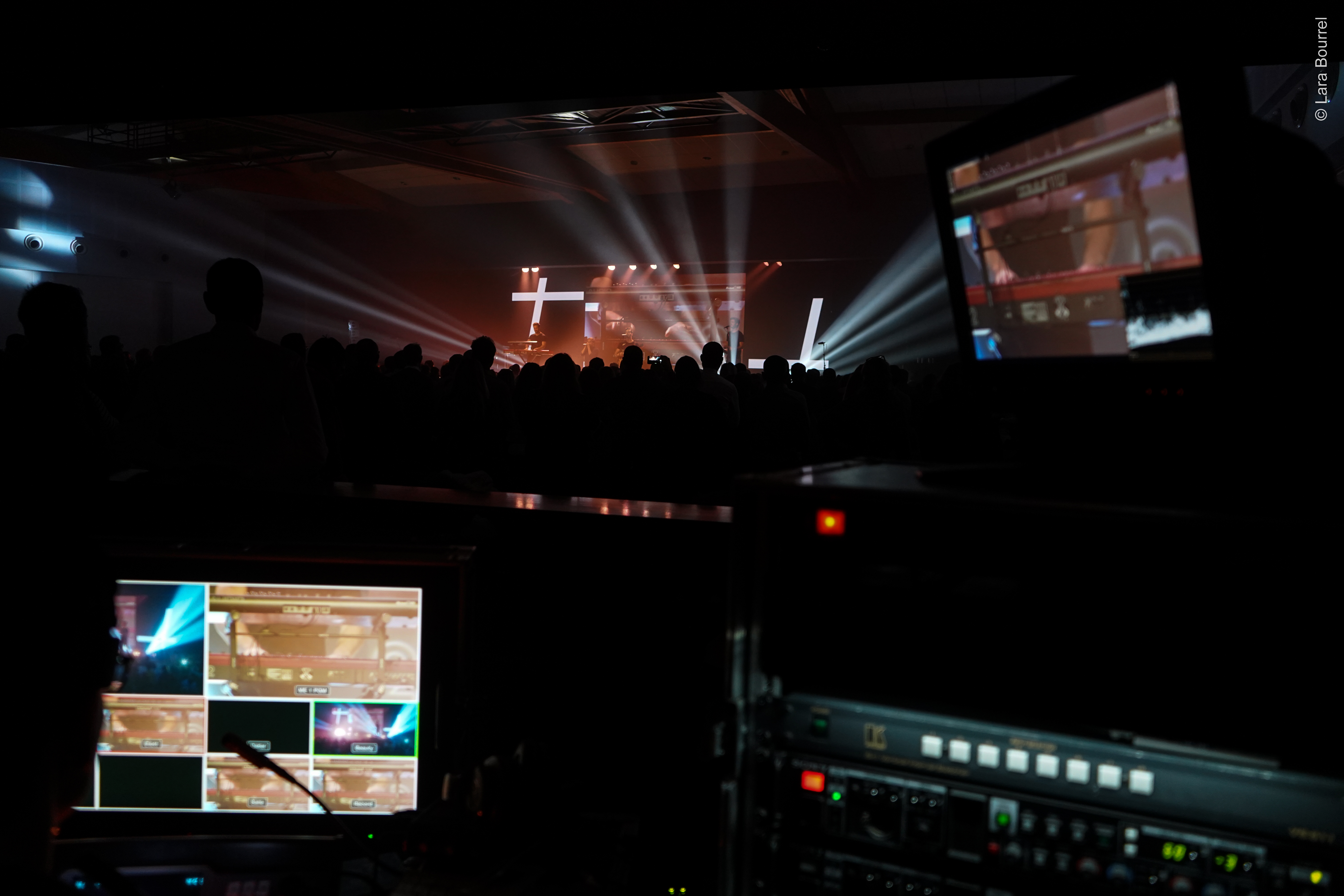
How to choose an AGM venue in Barcelona without compromises
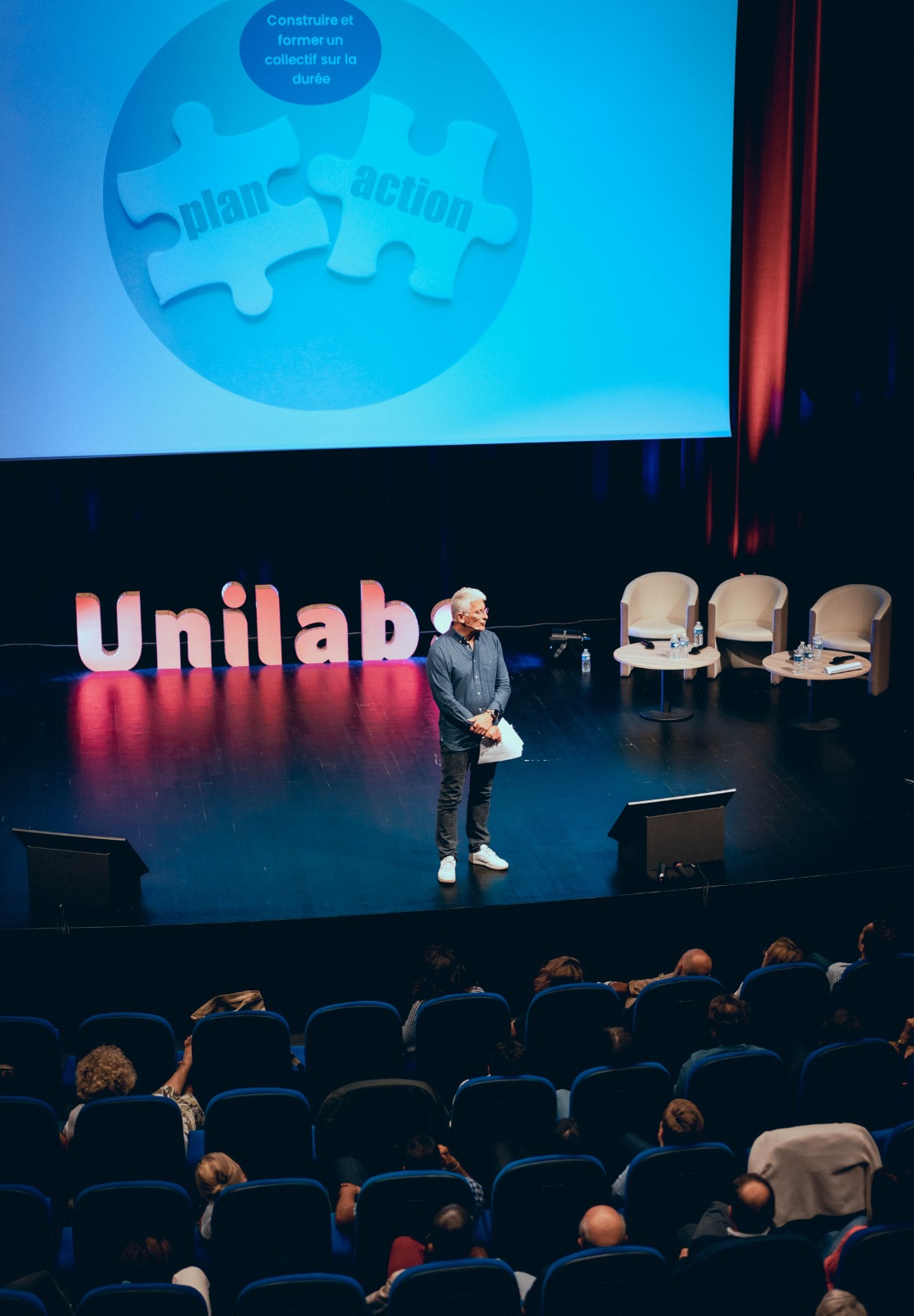
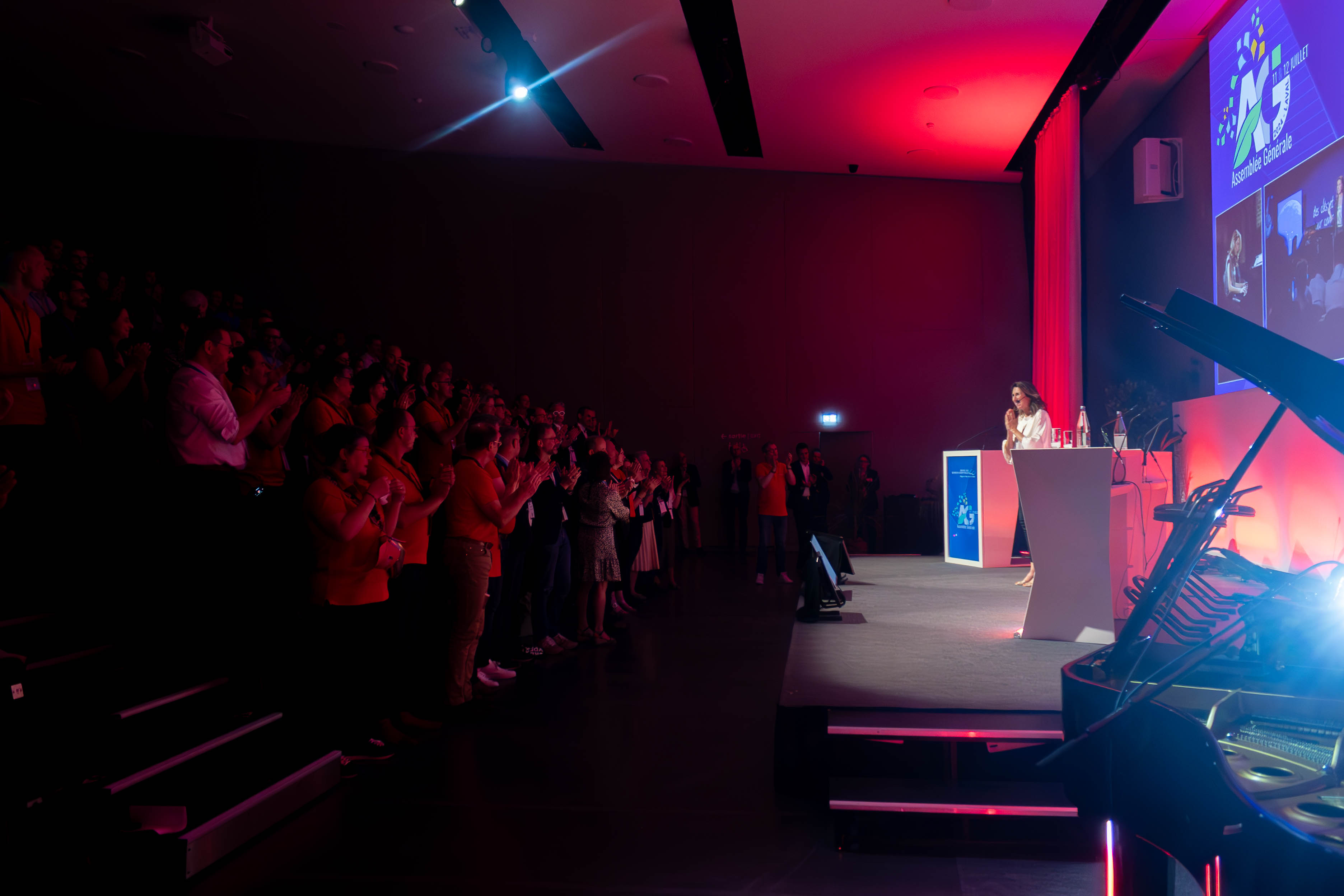
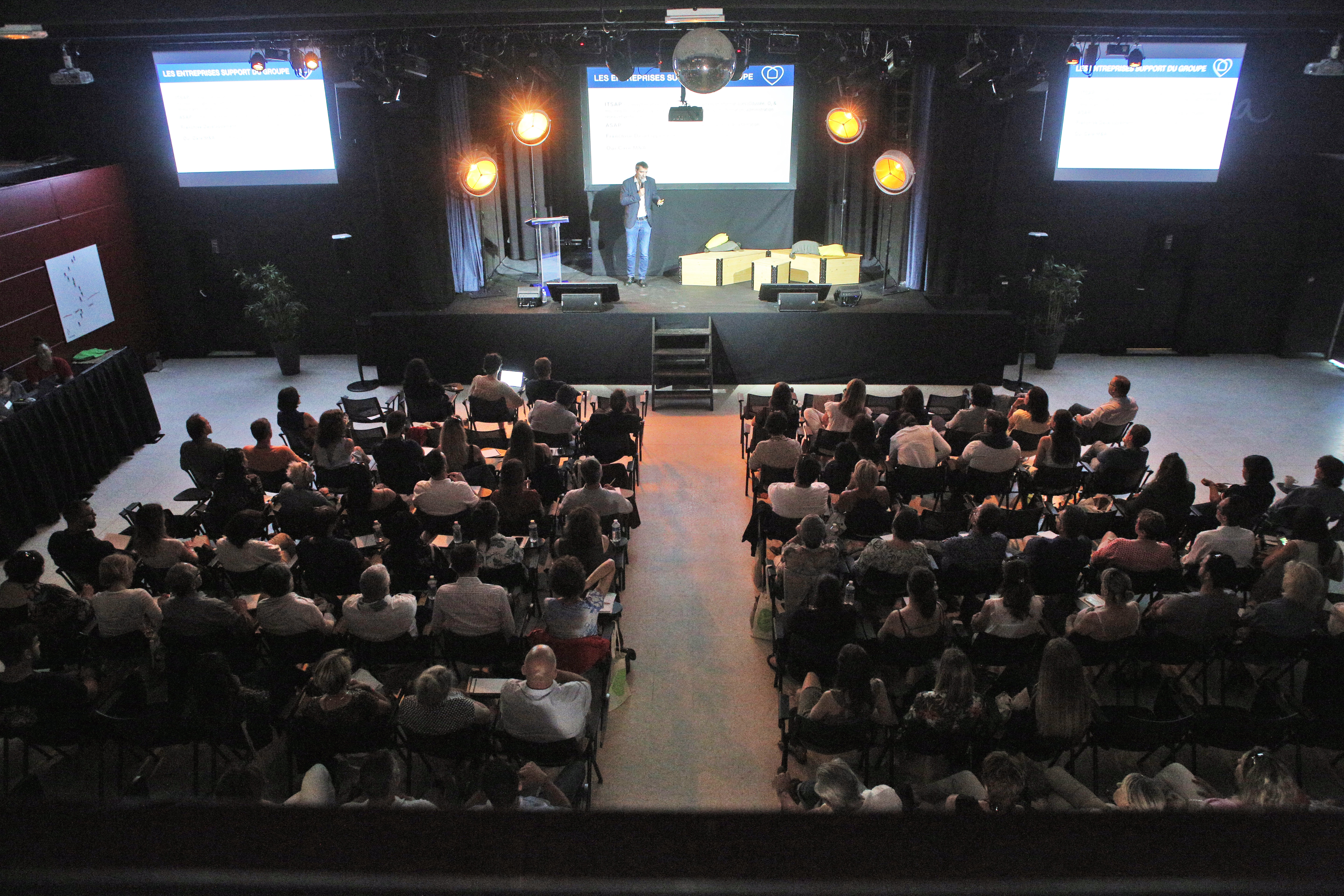
The venue shapes credibility. In an Annual General Meeting, a room that looks impressive but sounds poor will cost you more in fatigue, tension and repeated questions than it saves in rental fees. In Barcelona, the best choice is rarely the most fashionable venue; it is the one that supports governance: sightlines, acoustics, controlled access, backstage space, and reliable load-in.
We also look at practical details that executives only notice when they go wrong: where shareholders queue if it rains, whether the foyer can absorb 200–500 arrivals in a short window, whether there is a separate route for Board members, and whether the venue’s internet and power are robust enough for interpretation and voting.
| Venue type | For which objective? | Main strengths | Possible constraints |
|---|---|---|---|
| Conference hotel (city) | AGM with out-of-town shareholders and tight agenda | Integrated meeting rooms, catering on-site, easier logistics for Board/execs, strong service culture | Availability during congress peaks, cost variability, strict in-house AV policies in some properties |
| Business auditorium / conference center | Large attendance and formal governance staging | Professional acoustics, seating capacity, backstage areas, technical infrastructure for cameras/interpretation | Load-in windows can be rigid; branding opportunities may be limited; requires early technical coordination |
| Corporate headquarters / owned space | High-control, privacy-sensitive AGM | Maximum brand control, security, reduced rental costs, easier confidentiality management | Often limited capacity, parking constraints, may need temporary AV build and additional safety planning |
We insist on site visits with your key stakeholders (comms, legal, facilities, security if relevant). In Barcelona, two venues can look similar online but behave very differently in real conditions. A 60-minute walkthrough focused on flow, acoustics and backstage space prevents expensive corrections later.
What an Annual General Meeting budget looks like in Barcelona
Pricing for an Annual General Meeting in Barcelona depends on format, attendance, venue constraints and governance requirements. We prefer to budget by workstreams (venue, AV, staffing, interpretation, registration, voting, catering) so Finance and Procurement can benchmark line by line rather than approve a single opaque figure.
As a practical range, a professionally produced AGM in Barcelona often starts around €25,000–€45,000 for a streamlined setup (mid-size audience, standard AV, limited staging) and can reach €80,000–€200,000+ for larger audiences, complex staging, hybrid capture, multiple languages, and higher security requirements. We validate the range after a brief scoping call and a venue/technical assessment.
Attendance and room size: more seats means more sound coverage, more staff, longer registration windows, and higher venue cost.
AV complexity: number of screens, camera capture, confidence monitors, playback redundancy, and whether you need live streaming.
Interpretation: number of languages, interpreter booths vs portable systems, receiver quantities, and rehearsal time.
Voting method: paper vs electronic devices, reporting requirements, on-site tech support, and contingency planning.
Branding and staging: backdrop construction, lectern, lighting design, and whether the stage must support panel formats.
Staffing ratios: registration staff, ushers, mic runners, floor managers, technical crew, and security liaison.
Timing constraints: short load-in windows or overnight builds increase labor and transport costs.
Catering strategy: coffee only vs full hospitality, number of service points, and premium product expectations.
We frame budget as risk management and efficiency. A modest investment in the right areas (audio clarity, registration flow, rehearsed cues) prevents the expensive outcomes: delayed votes, frustrated shareholders, a tense Q&A, or executives forced to firefight operational issues on stage.
Why work with a Barcelona event agency for your AGM
For an Annual General Meeting, local presence is not a convenience; it is an operational safeguard. In Barcelona, an agency that knows venue constraints, supplier realities and city logistics can prevent the small failures that become big reputational problems on AGM day.
As an event agency in Barcelona, INNOV'events can perform quick site checks, coordinate technical tests, and keep supplier accountability clear. When a delivery is late, a cable run is impossible, or a room flip takes longer than planned, the difference is how fast the production team can adapt without escalating stress to your executives.
- Faster decision loops: we can visit venues and confirm technical feasibility before you sign, not after.
- Verified supplier performance: local AV, interpretation and staffing partners we have worked with under real pressure.
- Better cost control: fewer unnecessary transport days, realistic labor estimates, and less “contingency padding” due to unknowns.
- City-aware planning: traffic, access restrictions, peak congress periods, and hotel availability are factored into timelines.
- On-site authority: a local team can enforce the run-of-show and coordinate venue departments effectively.
We frame budget as risk management and efficiency. A modest investment in the right areas (audio clarity, registration flow, rehearsed cues) prevents the expensive outcomes: delayed votes, frustrated shareholders, a tense Q&A, or executives forced to firefight operational issues on stage.












Barcelona AGM scenarios we handle in real life
Our experience covers a wide variety of AGM contexts, which matters because every company faces different pressure points. Some meetings are calm and procedural; others are high-stakes due to corporate actions, performance volatility or activist shareholder presence.
Example situations we regularly manage in Barcelona:
- Compressed schedules: a company needs the room for only half a day due to venue availability, requiring precise load-in, a strict agenda, and a short rehearsal window. We build a minute-by-minute run-of-show and lock technical decisions early to avoid last-minute changes.
- Complex Q&A: questions about dividend policy, guidance, or ESG commitments create a tense room. We implement a clear moderation and microphone plan, with visible speaking rules, so the meeting stays fair and on time.
- Multilingual boards: executives switch between Spanish and English, while the floor asks questions in Spanish/Catalan. We coordinate interpretation, brief speakers on pacing, and test audio so that translation remains intelligible under pressure.
- Hybrid requirements: certain shareholders attend remotely. We design a reliable capture and audio feed, ensure vote communication is clear, and manage data privacy and content permissions with your comms and legal teams.
- Last-minute governance changes: a resolution wording update or agenda adjustment forces slide edits and script changes. We keep controlled file management (versioning) and a dedicated playback operator to prevent “wrong deck” incidents.
Across these scenarios, our role is consistent: protect governance, reduce risk, and keep executives focused on content—not logistics.
Common AGM mistakes we prevent in Barcelona
Underestimating registration peak time: when 300 people arrive in 20–30 minutes, a single desk creates queues and frustration. We plan staffing and space, and we test badge workflows.
Audio built for “conference”, not for AGM: speech intelligibility and Q&A capture are non-negotiable. We specify microphone types, placement, and room tuning based on the venue.
Unclear voting communication: confusion about when and how to vote leads to disputes and delays. We design signage, scripts, and on-screen instructions that are simple and repeated at the right moments.
No redundancy for critical elements: one playback laptop, one clicker, one lectern mic. We implement backup paths to avoid on-stage interruptions.
Too much content, not enough pacing: overlong videos, dense slides, and unplanned transitions cause fatigue and shorten Q&A time. We help structure a realistic agenda and enforce timing.
Misaligned roles between Legal, Comms and Operations: if no one owns decisions, the day becomes reactive. We clarify approvals and responsibilities early (scripts, visuals, filming rules, crisis comms).
Ignoring backstage needs: executives need a quiet holding space, water, clear call times, and a short technical run. Without it, stress increases and mistakes happen.
Our job is to make these risks invisible to your stakeholders. A strong AGM in Barcelona feels simple from the outside because the operational discipline is done in advance—documents, technical checks, staffing, and contingencies.
Why Barcelona companies renew their AGM support year after year
Repeat collaboration is common in AGM production because institutional memory matters: knowing the Board’s rhythm, the typical shareholder profiles, the voting method, and the internal approval process saves time and reduces risk each year.
We build a working relationship that respects governance and procurement: documented decisions, transparent budgets, and post-event debriefs that translate into concrete improvements.
30–40% of our corporate projects are recurring annual formats (including AGMs and governance-related meetings).
48-hour typical turnaround for a first structured proposal after an initial scoping call (subject to venue availability checks).
1 consolidated run-of-show shared with stakeholders, with version control to avoid confusion in the final week.

Loyalty is not about habit; it is a proof point. If a company trusts the same partner for an Annual General Meeting repeatedly in Barcelona, it is usually because the agency has demonstrated consistency when pressure is highest: on the event day.
Our Barcelona AGM delivery process from brief to debrief
👉 Scoping call and governance constraints (Barcelona)
We start with a 30–45 minute call with Comms, HR (if involved), and ideally Legal/Corporate Secretary. We confirm the statutory framework, expected attendee mix, desired tone, language requirements, security posture, filming/streaming decisions, and key risks (sensitive resolutions, anticipated Q&A topics). Output: a written scope summary and a first risk map.
👉 Venue and technical feasibility check in Barcelona
We shortlist venues based on capacity, acoustics, access control possibilities, backstage space, and load-in constraints. We validate technical feasibility: screen sightlines, PA coverage, interpretation setup, voting tech footprint, and power/internet. Output: venue comparison with practical pros/cons and a recommended option.
👉 Budget build with line-by-line workstreams
We build a budget broken down by workstream (venue, AV, staffing, interpretation, registration, voting, catering, branding). We propose options (e.g., one screen vs two screens; portable interpretation vs booth) with the operational impact explained. Output: an approval-ready budget with assumptions and timeline.
👉 Run-of-show, scripts and stakeholder alignment
We structure the agenda into an executable run-of-show: doors, welcome, statutory opening, presentations, vote windows, Q&A, closing, exits. We coordinate scripts for the Chair/moderator cues, on-screen instruction wording, and timing. Output: a consolidated document shared with version control so everyone works from the same plan.
👉 Production planning and rehearsals
We finalize stage layout, camera plan (if used), lighting, mic plan, and interpretation/voting procedures. We schedule a technical rehearsal focused on what executives need: lectern comfort, confidence screens, slide flow, and Q&A handling. Output: a signed-off technical sheet and a rehearsal checklist.
👉 Event-day execution and contingency management
On site, our production lead calls cues while floor managers handle shareholder flow. We supervise registration, coordinate AV and interpreters, and keep the meeting on time. We manage contingencies discreetly: spare microphones, backup playback, and a clear escalation path. Output: a calm event day where executives focus on governance and messaging.
👉 Debrief and continuous improvement
Within 5–10 business days, we run a debrief with your team: what worked, what created friction, and what to adjust next year (staffing ratios, signage, Q&A rules, technical changes). Output: a short action plan that reduces next year’s workload and risk.
FAQ sobre la organización Annual General Meeting en Barcelona
How early should we book an AGM venue in Barcelona?
Ideally 4–6 months in advance for prime venues; 8–12 weeks can work for mid-size formats if dates are flexible. During congress peaks in Barcelona, availability tightens and costs rise—early booking protects both.
What is a realistic AGM budget range in Barcelona?
Commonly €25,000–€45,000 for a streamlined AGM (standard AV, one language, limited staging), and €80,000–€200,000+ for larger audiences, multi-language interpretation, hybrid capture, voting tech and higher security.
Do we need simultaneous interpretation for a Barcelona AGM?
Not always, but it’s frequent. If you have non-Spanish-speaking Board members or international shareholders, plan for ES/EN at minimum; add CAT when stakeholder expectations require it. We assess needs based on attendee profile and speaking plan.
How do you manage shareholder registration at Barcelona AGMs?
We design a check-in flow with staffing ratios, signage, queue lanes, and a clear exception desk (proxies, missing documents). For 300+ attendees, we typically recommend multiple stations and a pre-defined peak management plan to keep waiting times controlled.
Can you support electronic voting for an AGM in Barcelona?
Yes. We integrate voting partners with tested devices and reporting. We also plan a documented fallback (e.g., paper or manual count) aligned with your governance rules, and we schedule on-site testing before doors open.
Request your Barcelona AGM production plan and quote
If you are preparing an Annual General Meeting in Barcelona, the earlier we align on governance constraints, venue feasibility and technical architecture, the smoother your approval process will be—and the calmer the event day will feel for the Board.
Share your date range, estimated attendance, languages, voting method and whether hybrid attendance is required. We will come back with a structured proposal (scope, timeline, risk points, budget ranges) so you can compare agencies on facts. Contact INNOV'events to schedule a working call and secure the right venue and suppliers early.
INNOV'events Barcelona Agency
Cyril Azevedo is the manager of the INNOV'events Barcelona office. Reach out directly by email at cyril@innov-events.es or via the contact form.
Contact the Barcelona agencyAll our services & entertainment Barcelona
Discover our event services
Discover our event entertainment available in the España
- Event Hostess Barcelona
- Escape Game Barcelona
- MasterChef Cooking Workshop Barcelona
- Magician Barcelona
- Marquee Rental Barcelona
- Color Analysis Workshop Barcelona
- Inflatable Games Barcelona
- Valet Parking Service Barcelona
- Football Simulator Barcelona
- LED Furniture Rental Barcelona
- Light Branding Barcelona
- Unique Dining Experience Barcelona
- Light Painting Barcelona
- Murder Mystery Party Barcelona
- Prize Contest Barcelona
- Promotional Displays (POS) Barcelona
- Virtual Reality Barcelona
- Molecular Gastronomy Workshop Barcelona
- Halloween Entertainment Barcelona
- Fireworks Show Barcelona
- Giant Games Challenge Barcelona
- Event Host / MC Barcelona
- Photo Booth Animation Barcelona
- Santa Claus Entertainment Barcelona
- Kids Entertainment Barcelona
- Guided Tour Barcelona
- Urban Rally Barcelona
- Ball Pit Barcelona
- Flight Simulator Barcelona
- Food Truck Rental Barcelona
- World Record Challenge Barcelona
- Surf Simulator Barcelona
- Wine Casino Barcelona
- Makeover Workshop Barcelona
- Perfume Creation Workshop Barcelona
- Acting Workshop Barcelona
- CSR Activities Barcelona
- Archery Barcelona
- Security Staff Barcelona
- Wine Tasting Barcelona
- Mime Performer Barcelona
- TV Game Show Barcelona
- Funfair Barcelona
- Crisis Management Workshop Barcelona
- Crisis Negotiation Workshop Barcelona
- Arcade Games Barcelona
- Indoor Skydiving Simulator Barcelona
- Ski Simulator Barcelona
- Racing Circuit Experience Barcelona
- Introductory Flight Experience Barcelona
- Tasting Experience Barcelona
- Build Your Own Foosball Workshop Barcelona
- 2CV Rally Barcelona
- LEGO Challenge Barcelona
- Casino Night Barcelona
- Interpreter / Translator Barcelona
- Promotional Giveaways Barcelona
- Shuttle Transport Barcelona