Event Communication in Barcelona that protects your message and your timeline
INNOV'events supports executives, HR and communication teams with Event Communication in Barcelona, from strategy to run-of-show. Typical formats: leadership townhalls, employer-branding events, press moments, client conferences, and hybrid internal meetings.
We work comfortably from 50 to 2,000+ attendees, managing content architecture, speakers, staging, AV, registration flows, and on-the-day production so your team can focus on stakeholders.
Table of contents
In a corporate event, entertainment is not “extra”: it is a communication lever. Used correctly, it keeps attention during dense messaging, makes key points memorable, and reduces the perceived length of sessions—especially in all-hands meetings, strategy kick-offs, or change-management announcements.
In Barcelona, organizations expect precision: tight agendas, multilingual delivery (often Catalan/Spanish/English), and a production level consistent with the city’s innovation ecosystem. Your brand cannot afford improvisation when employees, clients, or media are in the room.
INNOV'events operates with local production reflexes: venue constraints, supplier lead times, mobility patterns, and municipal rules. We build communication-first run-of-shows, align speakers, and secure technical readiness so your message lands the way you intended.
INNOV'events benchmarks for Barcelona decision-makers
10+ years delivering corporate events and Event Communication programs across Spain, with recurring accounts in Catalonia.
150+ corporate events/year coordinated through our national network (internal, client, press and hybrid), with standardized production checklists.
48–72 hours typical turnaround for a first budget range after brief, and 7–10 days for a full concept + production estimate (depending on venue availability and scope).
Single point of contact backed by a dedicated producer + technical lead on each project, to avoid “lost-in-handover” issues between creative and operations.
How to organize a professional event in Barcelona?
- Define the objective (cohesion, announcement, fidelity, performance).
- Set date, format and size (20–1 000 people).
- Secure the venue and accommodation according to seasonality.
- Lock down technical, suppliers and logistics.
- Drive the day J (timing, scene, entrance, flow).
Companies in Barcelona that typically renew their event communication
We support organizations that run recurring internal and external communication cycles in Barcelona: quarterly townhalls, annual kick-offs, leadership roadshows, recruitment initiatives, partner updates, and client conferences. In practice, the best indicator of reliability is repeat collaboration—when teams choose to keep the same production partner because the process is predictable and the day-of execution is calm.
You mentioned sharing reference names; to integrate them accurately and responsibly (without over-claiming), we can publish them as: “selected references in Barcelona” or “clients who trust us year after year.” Send the list and we will embed it in this section in a discreet, executive-friendly format.
What we can already state: our local work often involves multi-site offices (HQ + satellite), strict brand guidelines, and sensitive narratives (reorgs, performance messages, new leadership). These contexts require disciplined Event Communication in Barcelona, not just good logistics.
We send you a first proposal within 24h.
Why invest in Event Communication in Barcelona for leadership alignment?
When a company gathers people in the same room—or synchronizes them via hybrid stream—it is buying attention, trust, and decision velocity. The strategic value is not the “event”; it is the clarity and acceptance of the message after the event, and the behavior change that follows.
Reduce interpretation risk: a live, well-scripted leadership message (with Q&A) prevents corridor narratives and misalignment—especially during organizational change.
Accelerate execution: teams leave with priorities, owners, and a shared timeline. In operational environments, a good run-of-show can save weeks of back-and-forth.
Strengthen employer brand: HR can demonstrate culture through facts—how leaders communicate, how questions are handled, and how recognition is delivered.
Support commercial credibility: client-facing events create structured proof (case studies, demos, testimonials) rather than relying on sales pitches.
Protect leadership time: executives do not have bandwidth for repeated messages. A strong event consolidates communication into one high-quality moment and repurposable content assets.
Barcelona has a fast-moving business culture—tech, industry, healthcare, consumer brands—where teams are used to polished communication and measurable outcomes. Well-produced corporate communication events match that expectation: clear narrative, disciplined timing, and a production level that signals seriousness.
What Barcelona audiences expect from corporate communication events
Local audiences are demanding in very practical ways. They expect the agenda to start on time, content to be structured, and speakers to be supported so they deliver with confidence. A common Barcelona-specific challenge is audience diversity: headquarters staff, regional teams, international employees, partners, and sometimes press—often all in the same program.
In the field, we frequently manage three constraints at once:
- Multilingual communication: simultaneous interpretation, bilingual slides, and speaker coaching to keep pace for interpreters (a frequent cause of timing drift).
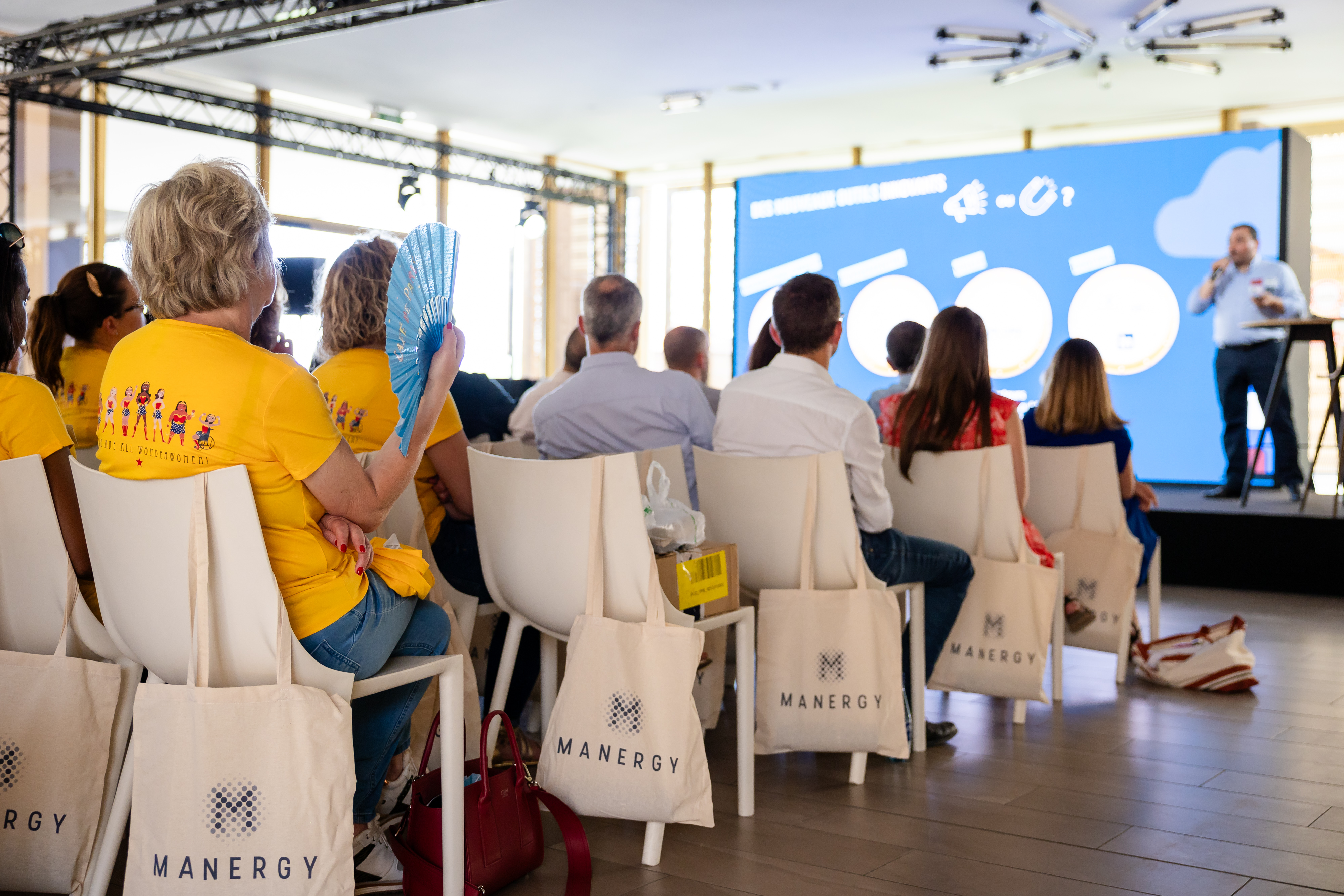
- Hybrid participation standards: remote attendees will not tolerate “a camera in the back of the room.” They expect proper audio routing, dedicated moderation, and clear interaction moments.
- Venue and mobility realities: loading schedules, acoustic constraints, neighbor considerations, and attendee flows influenced by public transport peaks and traffic.
In Event Communication, the details matter: when a CEO is interrupted by a mic dropout, when a video fails to play, or when a Q&A is mishandled, the impact is reputational. Our role is to design the experience so these risks are engineered out, not “managed on the day.”
Which engagement formats work best in Barcelona corporate events?
Engagement is not about noise; it is about attention and participation. In corporate formats, “animation” must serve the narrative: clarify strategy, reinforce culture, or create meaningful interaction between teams. In Barcelona, we see high acceptance for formats that are modern but still business-appropriate.
Interactive animations in Barcelona
Live pulse checks (anonymous polling): useful during strategy presentations to validate understanding and surface concerns without putting employees on the spot.
Moderated Q&A with curation: questions collected via app, grouped by theme, and answered with time discipline. This avoids the classic risk of one-off interventions hijacking the agenda.
Workshop breakouts with output templates: ideal for HR (values, behaviors, leadership principles) or for commercial teams (playbooks, customer messaging).
Interactive demo stations for client days: guided tours with timed rotations, making sure the right experts are available at the right moments.
Art animations in Barcelona
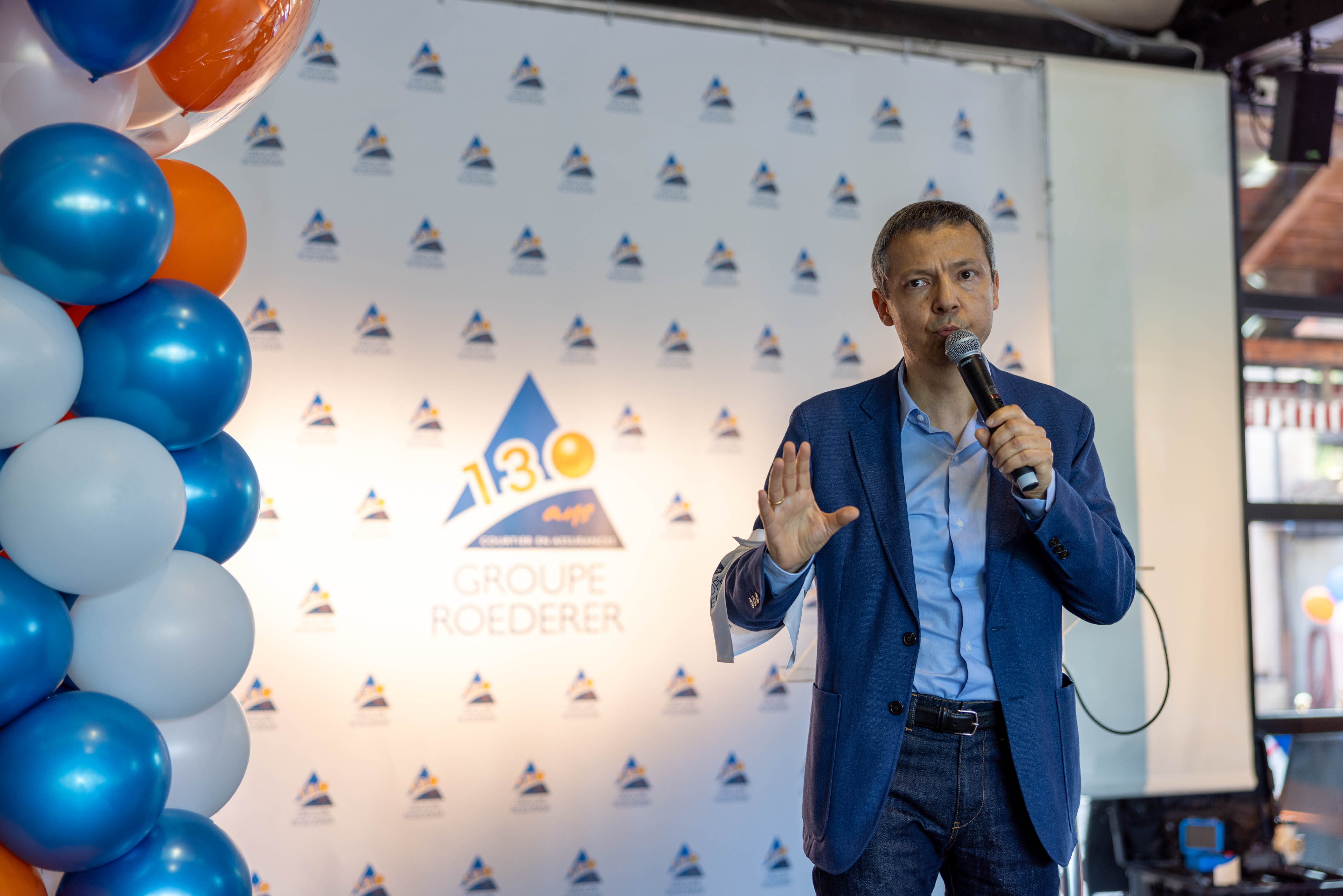
Interview-style keynotes with a professional moderator: often more effective than a long speech and easier for leaders to deliver under pressure.
Short-form performance used as a transition: for example, a 3–5 minute percussive or visual interlude to reset attention before a complex segment. We keep it aligned to corporate tone (no forced participation).
Storytelling capsules with employees: curated internal stories, staged with simple lighting and sound design, to make culture tangible without sentimentality.
Innovative animations in Barcelona
Business-focused tastings: structured timing and service (not a chaotic cocktail). We use gastronomy as a networking tool—short stations that encourage movement and conversation.
Dietary and inclusivity planning: clear labeling, vegan/gluten-free options, and service speed targets to protect agenda timing—crucial in executive schedules.
Gourmand animations in Barcelona
Hybrid interaction design: dedicated remote host, separate Q&A channel, and clear “remote-first” moments so online participants are not passive viewers.
Content studio corner: quick-record interviews with leaders or project owners, producing ready-to-post internal clips immediately after their segment.
Data-driven communication: real-time dashboards on participation, satisfaction micro-surveys, and content consumption metrics to report back to HR and Comms.
The key is alignment with brand image and internal culture. A regulated industry will require different formats than a creative company, and an M&A context requires a different tone than a celebration. We propose corporate event entertainment in Barcelona only when it supports the message, the audience, and the risk level of the moment.
How to choose a Barcelona venue for event communication goals
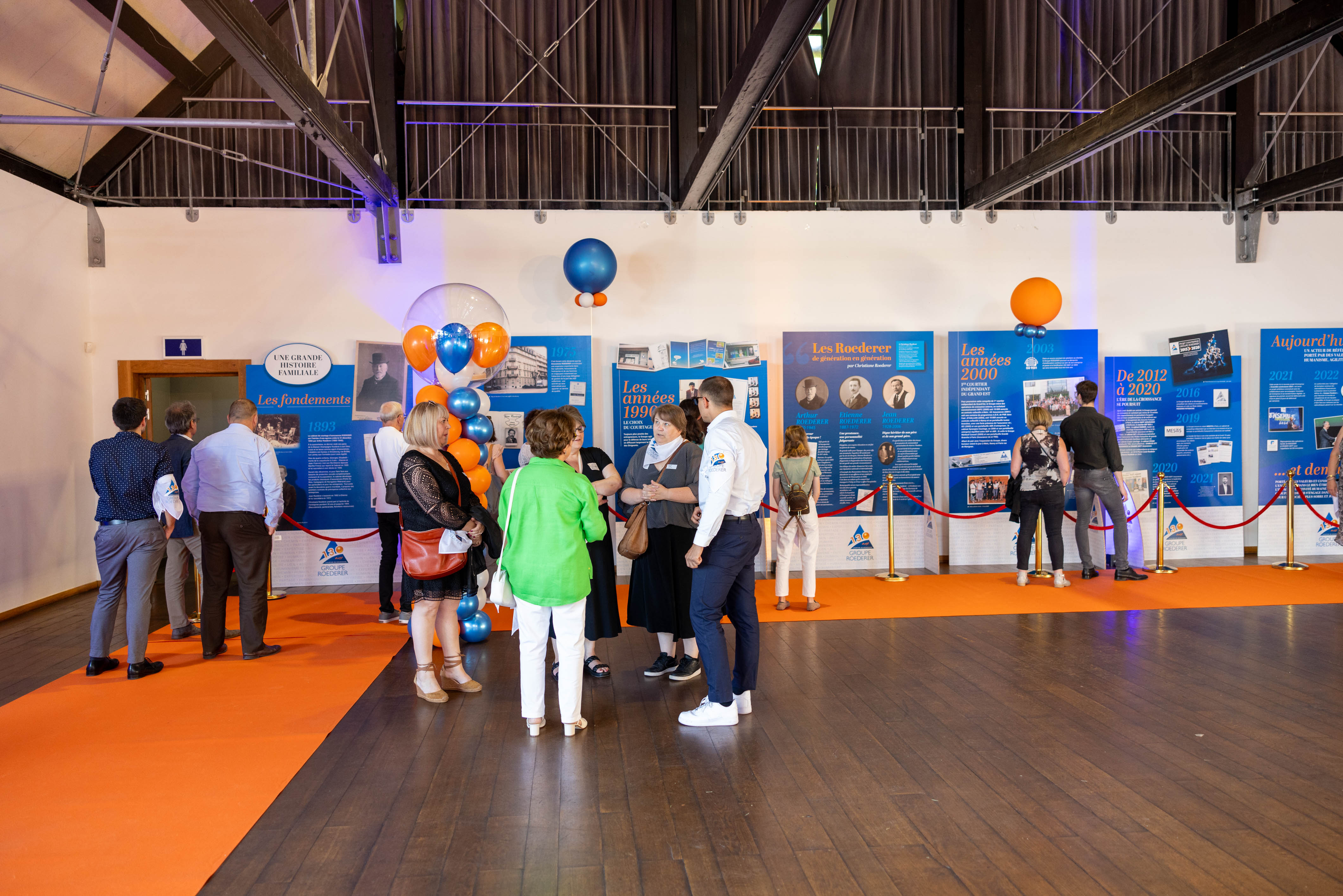
The venue influences authority, comfort, and perceived professionalism. For Event Communication, we evaluate venues in Barcelona less on aesthetics and more on: acoustics, backstage flow, load-in rules, rigging points, screen visibility, streaming feasibility, and the ability to control light and sound.
| Venue type | For which objective? | Main strengths | Possible constraints |
|---|---|---|---|
Conference hotel with plenary + breakout rooms | All-hands, leadership offsite, sales kick-off, multi-track internal events | Integrated services (catering, rooms), predictable logistics, good for tight schedules and speaker comfort | Branding limitations, fixed AV packages, peak-season availability and minimum spends |
Auditorium / theater-style venue | CEO keynote, strategy reveal, award ceremony, high-attention townhall | Excellent sightlines, controlled acoustics, professional stage infrastructure | Limited networking space, strict load-in times, union/technical house rules in some venues |
Industrial / creative space (converted warehouse, gallery-style) | Brand positioning, partner day, innovation showcase, product storytelling | Strong identity, flexible layouts, high impact for external audiences | Needs full technical build (power, rigging, acoustics), higher production risk if not assessed early |
We insist on site visits: photos never show sound reflections, backstage constraints, or the real attendee flow. In Barcelona, a one-hour technical walkthrough can prevent costly last-minute fixes (extra generators, additional drape, or emergency audio treatment).
What budgets look like for Event Communication in Barcelona
Budget is driven by format complexity, technical level, and risk management—not by “nice-to-have” options. We typically build budgets in layers so you can decide what is essential for message delivery and what is optional for comfort or brand impact.
Format: plenary only vs plenary + breakouts; half-day vs full-day; single location vs multi-site roadshow.
Technical production: screen size and configuration, sound design, lighting, video capture, streaming platform, redundancy (backup playback, spare mics).
Content complexity: number of speakers, rehearsals, scriptwriting, teleprompter, video production, graphics adaptation and bilingual assets.
Audience management: registration system, badge printing, check-in staffing, security requirements, accessibility measures.
Venue conditions in Barcelona: load-in windows, required in-house technicians, restrictions that trigger additional labor or equipment.
Compliance and image risk: regulated industries often require additional approvals, privacy controls for filming, and stricter signage rules.
From an ROI perspective, the question is: what does miscommunication cost? A single poorly handled leadership announcement can generate weeks of lost productivity and HR friction. We budget to protect the message: technical reliability, speaker readiness, and a run-of-show that keeps attention where it matters.
Why choose a Barcelona-based partner for event communication
Local presence is not a slogan; it is operational advantage. In Barcelona, the difference is felt in how quickly issues are solved: last-minute venue rule changes, supplier substitutions, additional rehearsal time, or adapting to a leadership agenda shift. A local team can do extra site checks, meet speakers in person, and react with the right network.
If you are comparing options, evaluate who will actually run production on the day, who owns the technical decisions, and who has real accountability for timing and stakeholder comfort. As an event agency in Barcelona, we operate with established local suppliers and clear production standards.
- Faster decision loops: in-person scouting, quicker approvals, and realistic planning based on local constraints.
- Supplier reliability: technicians, AV, staging, and hosts we have already tested under corporate pressure.
- Better risk control: knowledge of load-in rules, neighborhood constraints, and contingency options.
- Consistency across recurring cycles: quarterly and annual events benefit from retained knowledge (speaker preferences, brand rules, and internal workflows).
From an ROI perspective, the question is: what does miscommunication cost? A single poorly handled leadership announcement can generate weeks of lost productivity and HR friction. We budget to protect the message: technical reliability, speaker readiness, and a run-of-show that keeps attention where it matters.








Examples of Event Communication projects delivered in Barcelona
Our projects in Barcelona range from compact executive communications to large-scale company moments. Typical missions include: CEO townhalls with moderated Q&A; strategy kick-offs for sales teams; employer-brand events with candidate journeys; and partner updates where the narrative must remain controlled while still encouraging discussion.
What changes from one client to another is not the equipment—it is the internal stakes. We have supported:
- Change communications where HR and Comms needed a structured Q&A flow, clear escalation rules, and post-event messaging toolkits for managers.
- Hybrid leadership events where remote attendance was significant, requiring dedicated remote moderation, separate audio mixes, and interaction design to avoid a “two-class audience.”
- Client-facing conferences where brand guidelines were strict and sponsor visibility had to be integrated without harming the main message.
Across these formats, our deliverable is consistent: a communication plan translated into a production plan—script, staging, technical design, speaker coaching, and day-of coordination—so leadership can focus on content, not logistics.
Common pitfalls we prevent on Barcelona communication events
Agenda drift: too many speakers, no timeboxing, and no cueing system. Result: leadership rushes key messages or cancels Q&A.
Hybrid treated as an add-on: remote audio not mixed properly, slides not readable on stream, and no dedicated remote moderation.
Underestimating rehearsal needs: executives arriving with final slides 20 minutes before going on stage is common; without a plan, it becomes chaos.
AV packages chosen by venue convenience rather than communication needs: wrong mic types, insufficient monitors, weak lighting for filming.
Registration bottlenecks: insufficient check-in staff or badge setup leading to late starts and immediate frustration.
Unclear decision ownership: comms, HR, and leadership all giving direction during setup. Without a single production lead, execution becomes inconsistent.
INNOV'events is brought in to remove these risks early: we formalize decisions, validate feasibility in the venue, and run the day with clear roles and escalation paths. That is how Event Communication in Barcelona stays professional even under last-minute pressure.
Why HR and Comms teams in Barcelona renew with INNOV'events
Recurring clients do not renew because of a nice concept; they renew because the process is reliable. In corporate communication, the “event day” is the visible part. The real value is everything that prevents surprises: planning discipline, transparent budgets, and a team that knows how to work with executive stakeholders.
3–12 months: typical planning horizon for annual flagship events; we also run “rapid cycle” townhalls in 3–6 weeks when the message is urgent.
1 run-of-show owner + 1 technical director: our standard pairing to avoid gaps between content and production.
24–48 hours: typical turnaround for post-event debrief notes and action list, so improvements are captured while fresh.

Loyalty is proof of quality because it reflects internal trust: teams know that timing will be respected, leadership will be supported, and brand risk will be managed. That is the standard we maintain in Barcelona projects.
Our Barcelona process for corporate event communication delivery
👉 Barcelona briefing and stakeholder alignment
We start with a working session with Comms/HR and the project sponsor: objectives, audience map, sensitive topics, and success indicators. We confirm constraints (languages, hybrid requirements, approvals) and define a decision structure so the project does not stall.
👉 Message architecture and run-of-show design
We translate objectives into a program: sequencing, formats (keynote, interview, panel, workshop), interaction moments, and timeboxes. We define the speaker list, rehearsal plan, and content deliverables (slides, videos, templates). This is where Event Communication becomes executable.
👉 Venue and technical production in Barcelona
We run a technical recce, confirm load-in rules, and design the AV plan: audio routing, screen layout, lighting for visibility and filming, streaming setup, and redundancy. We coordinate suppliers and validate a production schedule that fits the venue’s constraints.
👉 Content production and speaker readiness
We support script outlines, slide structure, and speaker notes. If needed, we provide moderation preparation, teleprompter writing, and cueing. We schedule rehearsals (full or partial) and ensure every speaker knows the timing, entrances, and key messages.
👉 On-site coordination and show calling
We manage check-in, stage management, technical cues, speaker handling, and timekeeping. One person calls the show, one person owns technical execution, and one person manages client communication, so executives are not interrupted with operational questions.
👉 Post-event communication and debrief
We deliver agreed assets (photos, edited highlights, key quotes) and run a debrief with concrete learnings: what to keep, what to adjust, and what to automate for the next cycle. This is particularly valuable for recurring Event Communication in Barcelona programs.
FAQ sobre la organización Event Communication en Barcelona
How early should we plan an event in Barcelona?
For a 200–600 person corporate event in Barcelona, plan 8–12 weeks to secure venue and suppliers comfortably. For flagship events or complex hybrid setups, target 3–6 months. A townhall can be executed in 3–6 weeks if content is ready and venue is flexible.
What budget range is typical for Barcelona corporate communication?
For Event Communication in Barcelona, a realistic range is €25k–€80k for 150–400 attendees depending on venue, AV level, and content needs. Hybrid streaming with proper interaction and capture often adds €8k–€25k. Larger conferences can exceed €150k+ when staging, multi-track rooms, and video production scale up.
Can you manage bilingual or trilingual events in Barcelona?
Yes. We design bilingual/trilingual flows (Catalan/Spanish/English) with interpretation when needed, bilingual slides, and speaker pacing guidance. The key is planning: interpreter briefs, audio channels, headset logistics, and rehearsal so timing remains controlled.
How do you make a hybrid Barcelona event feel fair to remote staff?
We treat remote as a full audience: dedicated remote moderation, separate Q&A collection, clear “remote-first” interaction moments, and audio designed for streaming (not just the room). Practically, that means proper mic choices, clean audio routing, and run-of-show moments where remote questions are prioritized.
What do you need from our Comms team to start in Barcelona?
We need: objectives and audience estimate, preferred date windows, key messages (even as bullet points), speaker list, languages, brand guidelines, and any sensitive topics/approval process. With that, we can propose a program structure, production approach, and a first budget range within 48–72 hours.
Request a Barcelona quote and lock your key production dates
If you are planning Event Communication in Barcelona, contact INNOV'events with your date window, audience size, and communication objectives. We will come back with a structured proposal: recommended format, technical approach (including hybrid if relevant), a realistic timeline, and a budget built in decision-friendly layers.
Early planning is not bureaucracy—it is risk control. The sooner we confirm the venue and production setup, the more we protect speaker time, content quality, and day-of calm.
INNOV'events Barcelona Agency
Cyril Azevedo is the manager of the INNOV'events Barcelona office. Reach out directly by email at cyril@innov-events.es or via the contact form.
Contact the Barcelona agencyAll our services & entertainment Barcelona
Discover our event services
Discover our event entertainment available in the España
- Event Hostess Barcelona
- Escape Game Barcelona
- MasterChef Cooking Workshop Barcelona
- Magician Barcelona
- Marquee Rental Barcelona
- Color Analysis Workshop Barcelona
- Inflatable Games Barcelona
- Valet Parking Service Barcelona
- Football Simulator Barcelona
- LED Furniture Rental Barcelona
- Light Branding Barcelona
- Unique Dining Experience Barcelona
- Light Painting Barcelona
- Murder Mystery Party Barcelona
- Prize Contest Barcelona
- Promotional Displays (POS) Barcelona
- Virtual Reality Barcelona
- Molecular Gastronomy Workshop Barcelona
- Halloween Entertainment Barcelona
- Fireworks Show Barcelona
- Giant Games Challenge Barcelona
- Event Host / MC Barcelona
- Photo Booth Animation Barcelona
- Santa Claus Entertainment Barcelona
- Kids Entertainment Barcelona
- Guided Tour Barcelona
- Urban Rally Barcelona
- Ball Pit Barcelona
- Flight Simulator Barcelona
- Food Truck Rental Barcelona
- World Record Challenge Barcelona
- Surf Simulator Barcelona
- Wine Casino Barcelona
- Makeover Workshop Barcelona
- Perfume Creation Workshop Barcelona
- Acting Workshop Barcelona
- CSR Activities Barcelona
- Archery Barcelona
- Security Staff Barcelona
- Wine Tasting Barcelona
- Mime Performer Barcelona
- TV Game Show Barcelona
- Funfair Barcelona
- Crisis Management Workshop Barcelona
- Crisis Negotiation Workshop Barcelona
- Arcade Games Barcelona
- Indoor Skydiving Simulator Barcelona
- Ski Simulator Barcelona
- Racing Circuit Experience Barcelona
- Introductory Flight Experience Barcelona
- Tasting Experience Barcelona
- Build Your Own Foosball Workshop Barcelona
- 2CV Rally Barcelona
- LEGO Challenge Barcelona
- Casino Night Barcelona
- Interpreter / Translator Barcelona
- Promotional Giveaways Barcelona
- Shuttle Transport Barcelona