
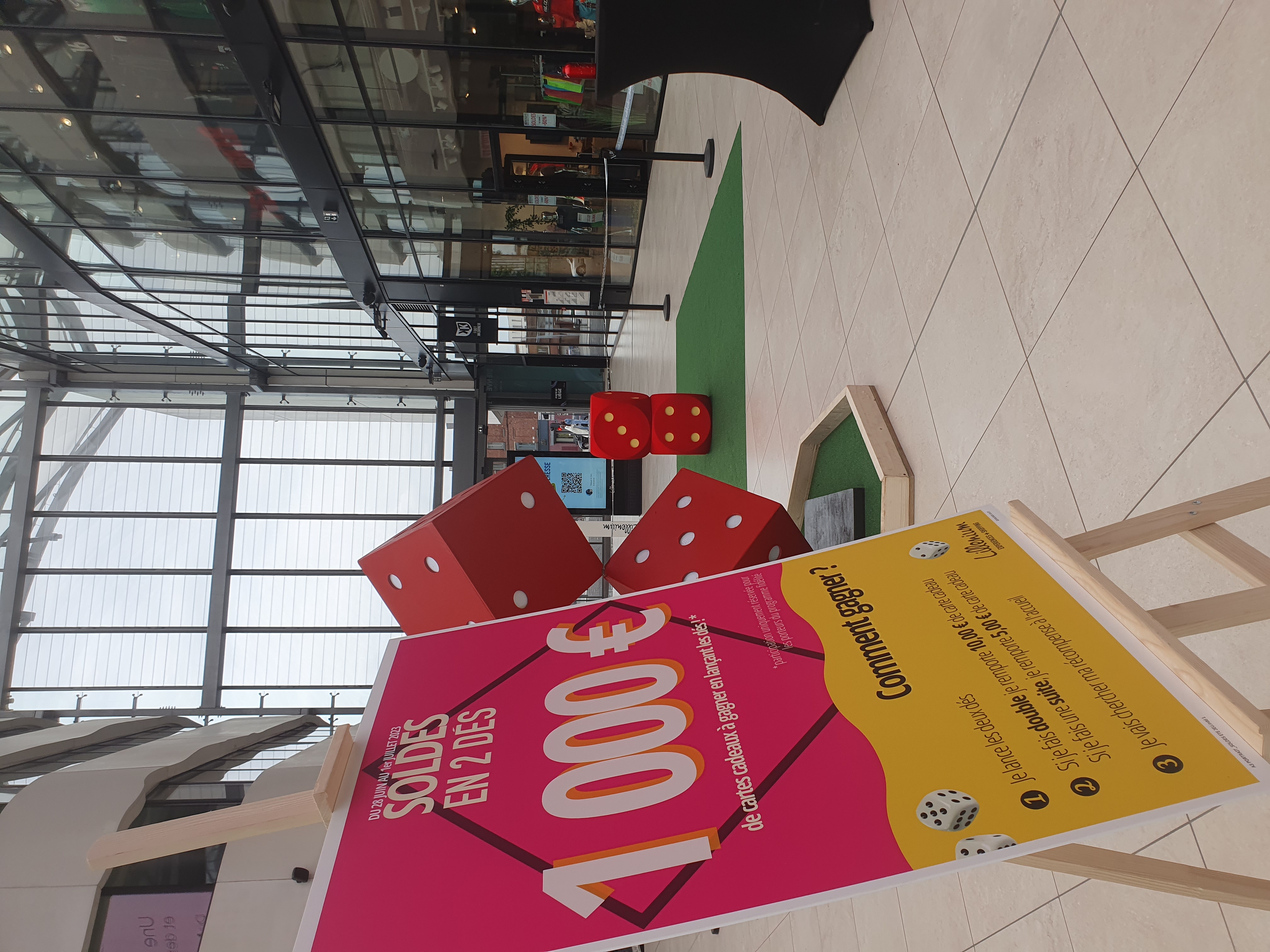
Shopping Mall Entertainment in Barcelona that drives footfall without operational risk
INNOV'events designs and delivers Shopping Mall Entertainment for corporate partners and shopping centres in Barcelona, from 300 to 30,000+ visitors/day. We manage programming, permits, staffing, technical production, and on-site supervision so your teams stay focused on commercial performance.
Typical formats include seasonal campaigns, brand activations, family weekends, cultural programming, and employee-facing events hosted inside retail assets.
Table of contents
In a shopping mall environment, entertainment is not “nice to have”; it is a lever to influence footfall, dwell time and tenant satisfaction while protecting safety and brand reputation. Done properly, it supports commercial objectives without disrupting retail operations.
Barcelona organisations expect programs that respect opening hours, noise limits, and visitor circulation, with clear coordination between mall management, security, cleaning and retailers. Decision-makers also ask for measurable outcomes: attendance, queue time, engagement rate and impact on traffic peaks.
As INNOV'events, we operate with local suppliers and on-the-ground producers in Barcelona to secure permits, technical feasibility and reliable execution. Our approach is built for executives who need predictability: scope, costs, responsibilities and risk controls are defined before the first rehearsal.
Key figures that reassure Barcelona decision-makers
10+ years delivering corporate and public-facing entertainment programs across Spain, with repeat frameworks that reduce operational risk.
150+ activations per year (national network), from micro-formats to multi-day campaigns, with documented runbooks and checklists.
24/7 event-day escalation: a dedicated producer on site + a back-office coordinator to handle supplier incidents, last-minute approvals and crowd issues.
Compliance-first delivery: we work with professional technicians, insured performers and documented risk assessments (method statements, evacuation compatibility, and mall SOP alignment).
How to organize a professional event in Barcelona?
- Define the objective (cohesion, announcement, fidelity, performance).
- Set date, format and size (20–1 000 people).
- Secure the venue and accommodation according to seasonality.
- Lock down technical, suppliers and logistics.
- Drive the day J (timing, scene, entrance, flow).
Barcelona anchors: how we work with local stakeholders year after year
In Barcelona, our work is rarely limited to “putting on a show”. We operate in a multi-stakeholder environment where the shopping centre management team, security provider, cleaning contractor, tenant reps, and sometimes the city’s permitting bodies all have non-negotiable constraints. That is why many clients renew with the same agency: they want continuity of standards and a partner who understands how a mall actually runs on a Saturday afternoon.
We support brands and organisations active in the Barcelona area with recurring calendars: seasonal moments (Navidad, Reyes, back-to-school), sales periods, new store openings, and CSR or community weekends. The objective is consistent: increase traffic and engagement while keeping the asset “operationally clean” (no blocked fire exits, no uncontrolled queues, no sound conflicts with tenants, no technical surprises).
If you share the company names you want us to reference, we can integrate them here in a compliant way (approved naming, scope description, and results framing). In practice, our long-term collaborations are built on the same deliverables every time: a validated site plan, a signed schedule, a staffed control chain, and a post-event report that lets management defend the investment internally.
We send you a first proposal within 24h.
Why invest in Shopping Mall Entertainment in Barcelona now?
For a shopping centre or a corporate brand activating in a retail asset, entertainment is an operational tool. It creates a reason to visit, structures visitor flow, and gives tenants a commercial narrative they can align with. The key is to design it to work with your mall KPIs, not against them.
Footfall lift on strategic days: programming can be timed to smooth traffic (late morning family audience, afternoon peak) rather than creating a single dangerous rush.
Dwell time and basket potential: interactive formats (workshops, staged moments, guided circuits) keep visitors in the asset longer without forcing them to “stand in place” and block circulation.
Tenant relationship management: when retailers feel the program is coordinated (sound, access, delivery timings), you avoid the typical friction where tenants complain that “the event stole our customers” or created noise during peak sales.
Employer brand inside a public venue: for corporate partners, a mall activation can double as a recruitment and brand visibility moment, provided it meets brand safety and compliance requirements.
Measurable communication: with the right capture plan (people counters, heatmaps from the mall, interaction tallies, lead capture when relevant), the comms team can report concrete outcomes instead of subjective feedback.
Risk and reputation control: professionally engineered entertainment reduces the probability of incidents (queue crush, trip hazards, conflict with security rules) that can damage brand credibility in one afternoon.
Barcelona is a market where visitors expect quality execution and where competition between retail destinations is high. A structured entertainment program is one of the few levers that can create differentiation without discounting—and it must be executed with the discipline of a live operation.
What Barcelona-based mall teams really expect from entertainment
When we talk with mall general managers, operations directors and marketing leads in Barcelona, the expectations are consistent and practical. They do not want “creative ideas” in isolation; they want a program that protects operations and can be defended internally.
First expectation: operational compatibility. The entertainment must respect the building’s circulation, access to elevators and escalators, and emergency routes. A common failure we see is a beautiful central-stage concept that ignores the reality of weekend flows: families with strollers, groups stopping to film, and the inevitable queue that forms because the experience is undersized for traffic.
Second expectation: clear governance on the day. In a mall, you cannot improvise who decides what when a queue grows, a performer is delayed, or a retailer complains about sound. We implement an escalation chain (mall ops contact, security supervisor, our producer, technical lead) and a documented “stop conditions” list.
Third expectation: brand-safe and audience-safe execution. This includes performer conduct, consent for photography, child safeguarding in family activations, and language/cultural fit for Barcelona’s diverse public. For corporate sponsors, it also includes approvals: scripts, costumes, signage, and any promotional claims.
Fourth expectation: predictable cost and transparent scope. Directors in Barcelona are compared against budgets and results. We therefore separate creative fees, technical production, staffing, permitting and contingency. This prevents the classic situation where the finance team discovers “hidden” costs (extra security, overtime, power distribution, cleaning).
Which Shopping Mall Entertainment formats work best in Barcelona malls?
Entertainment creates engagement when it is designed to match the mall’s commercial rhythm: short attention spans, mixed audiences, and a constant need to keep circulation fluid. In Barcelona, we prioritise formats that are scalable (can handle volume), controllable (easy to pause/stop), and brand-consistent (safe for corporate partners).
Interactive animations in Barcelona
Timed workshop stations (20–30 minutes): craft, robotics, mini-cooking, sustainability labs. We use booking slots or QR-based time windows to prevent uncontrolled queues and to give operations predictability.
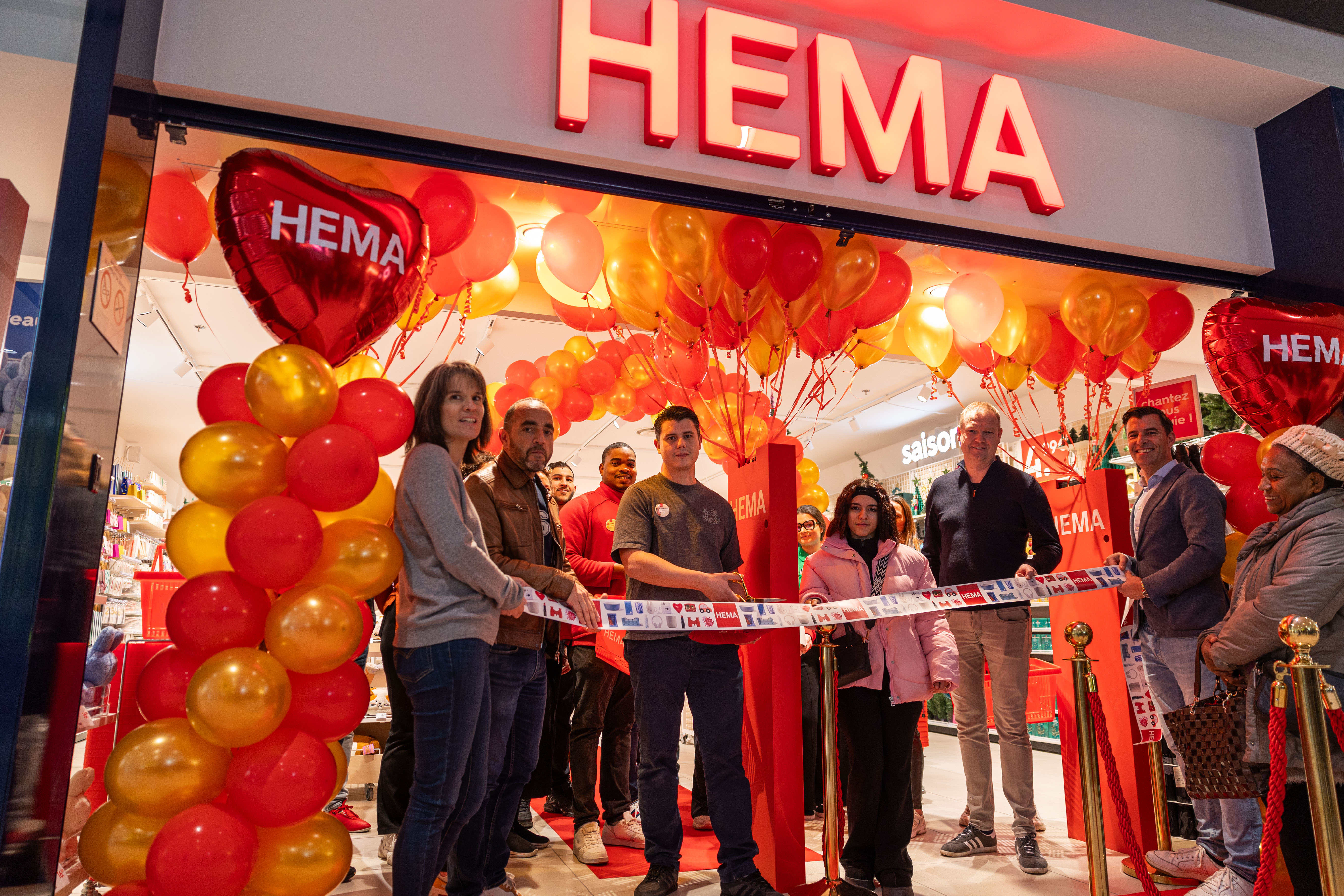
Gamified retail circuits: a “passport” mechanic across tenants (stamps/QR scans) that drives footfall to multiple zones. This is particularly effective when management needs to activate upper floors or quieter corridors.
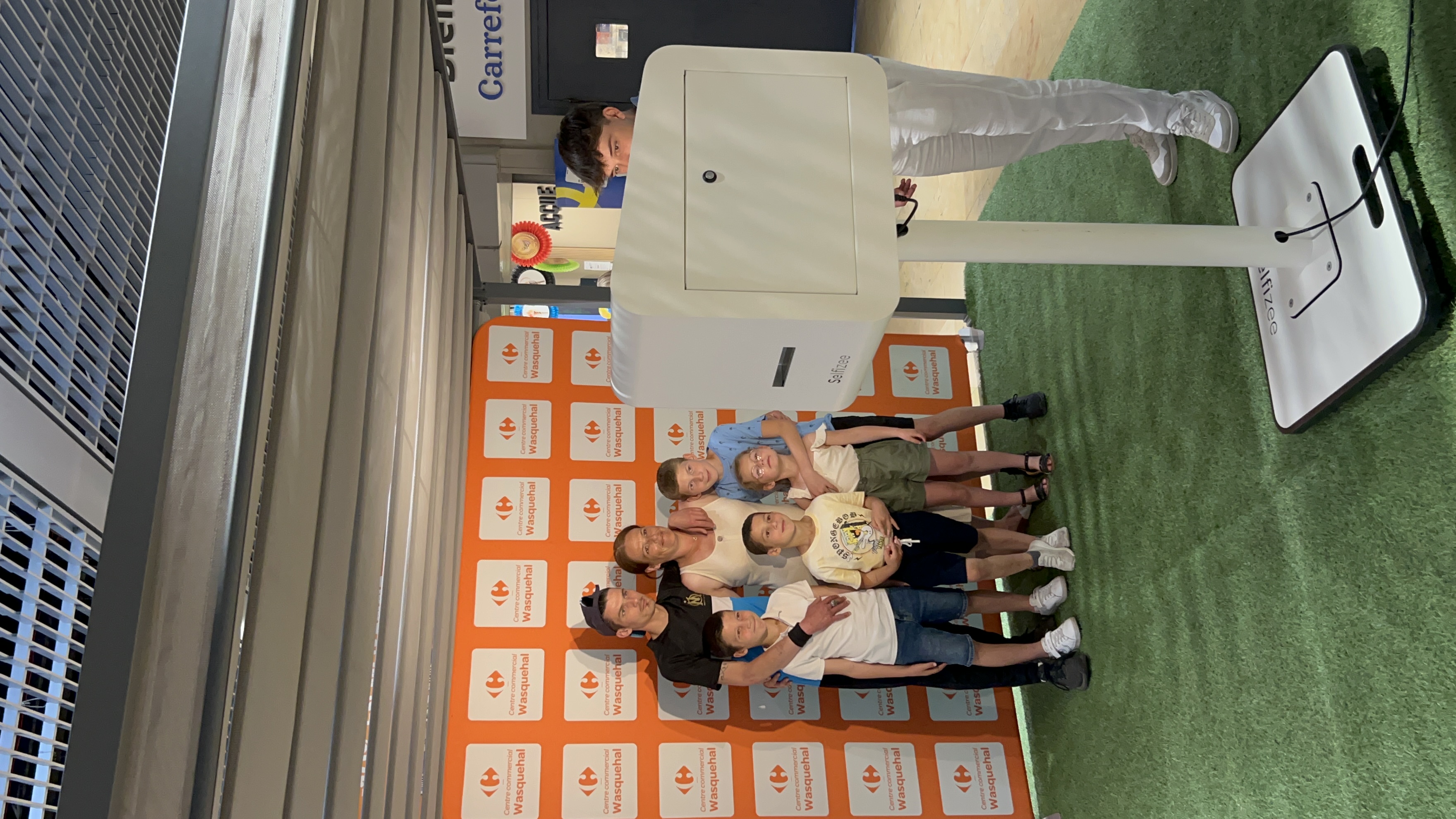
Photo & video moments with controlled throughput: branded sets with a host managing flow, lighting fixed for fast capture, and optional consent signage. Designed for high volume without blocking circulation.
Employee-facing micro-activations: short, high-rotation experiences for tenant staff (5–8 minutes), scheduled by store. This reduces disruption while supporting internal engagement and retention.
Art animations in Barcelona
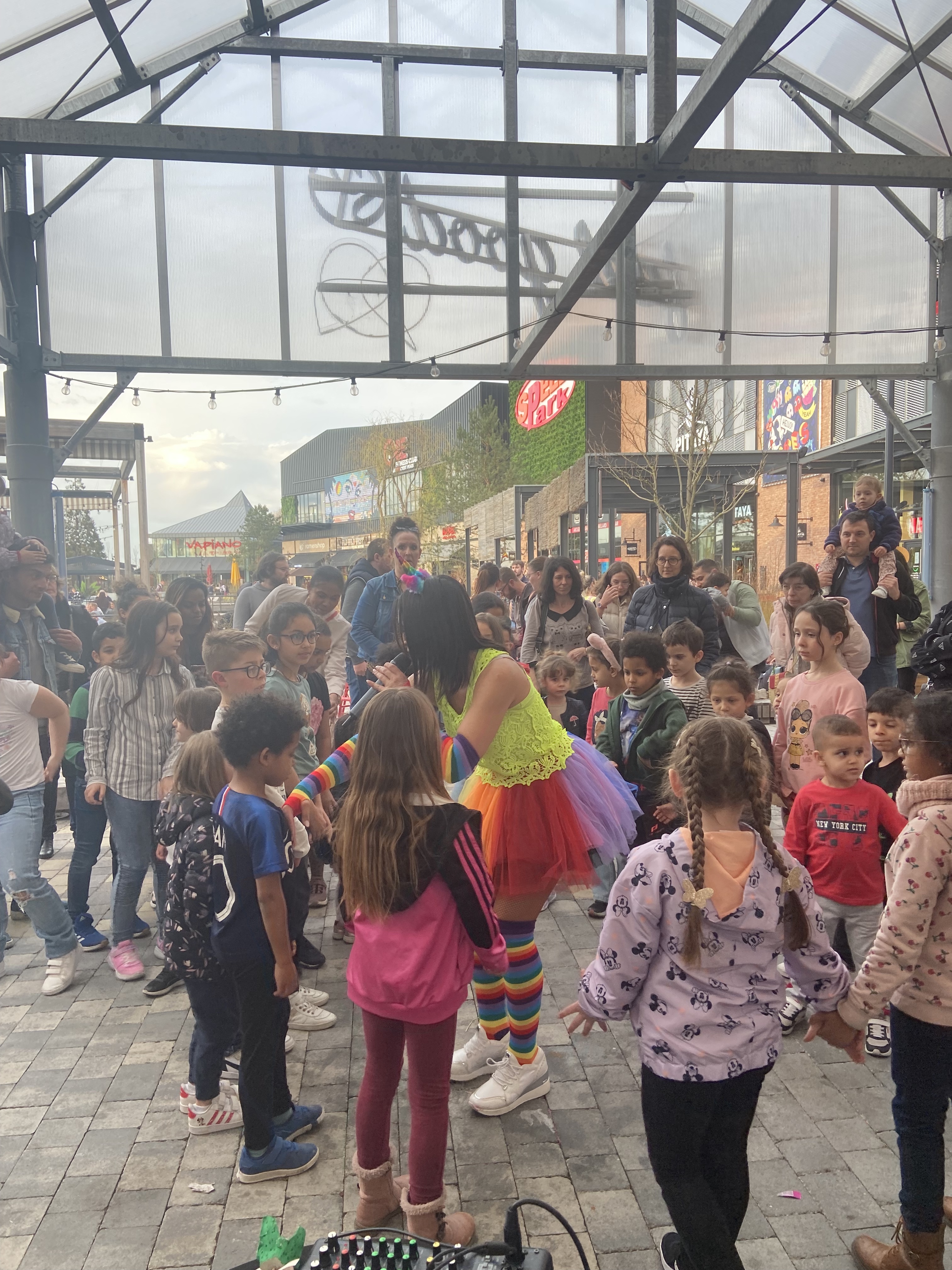
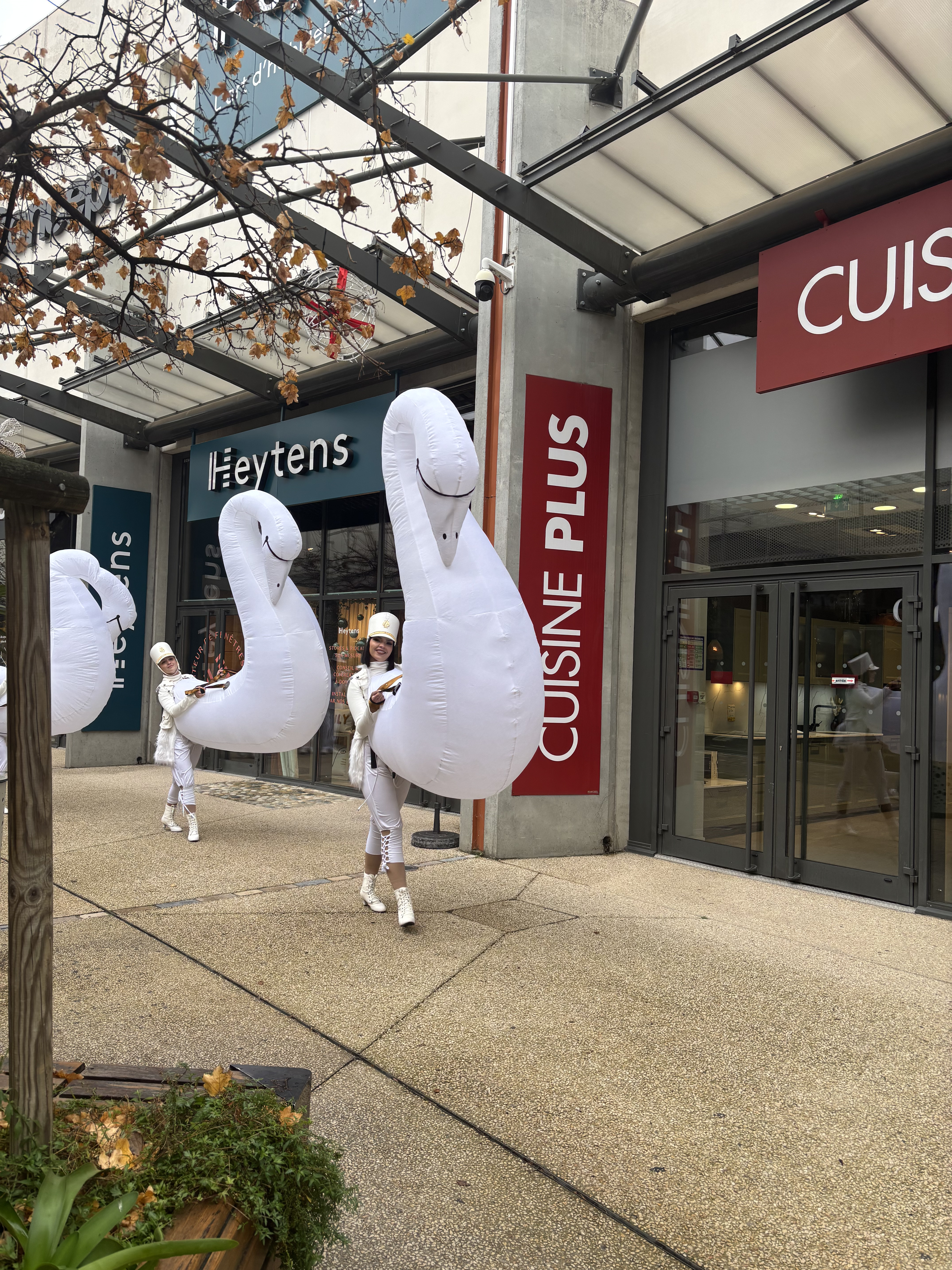
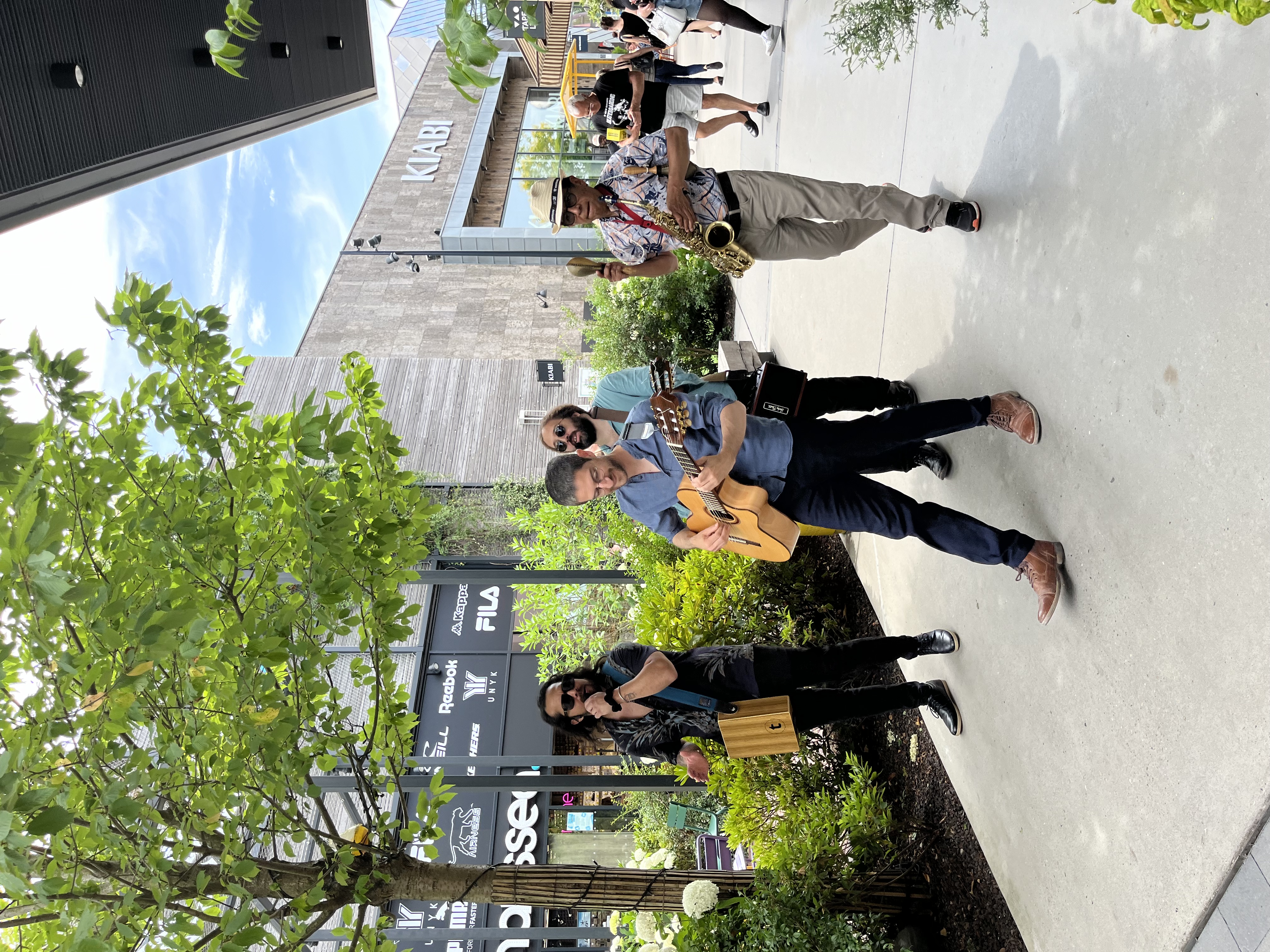
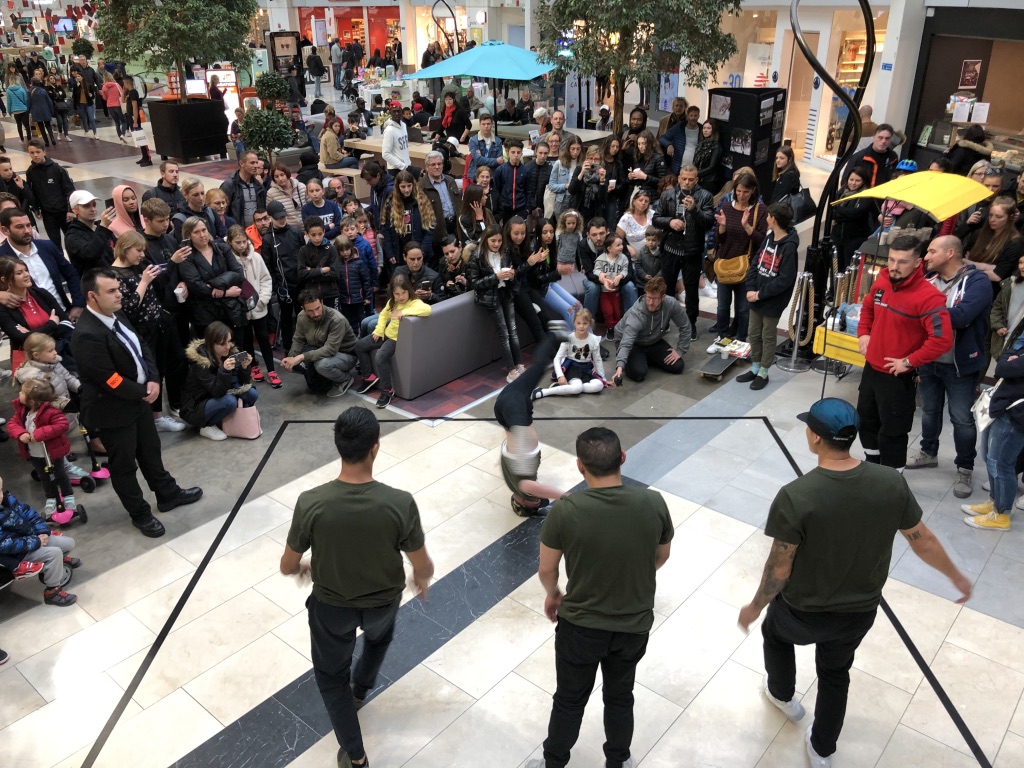
Roaming performers (music, characters, acrobatics with safe distances): ideal to animate multiple levels and avoid a single crowd cluster. In Barcelona, we often deploy two routes to cover both family and adult zones.
Short-form stage sets (12–18 minutes): repeated shows reduce frustration and allow security to manage pulses. We design sound levels and speaker orientation to limit tenant complaints.
Cultural programming: collaborations with local artists for themed weekends (design, illustration, dance). This can strengthen the mall’s positioning and community value when curated with operational discipline.
Innovative animations in Barcelona
Chef-led demos with controlled tasting: we size servings, define allergen communication, and place the activation near food zones to avoid cross-traffic issues.
Mocktail/coffee experience bars: fast service, low waste, strong brand integration for corporate sponsors. Requires tight hygiene planning and cleaning coordination.
Local product markets (curated pop-ups): useful for weekend traffic, but we manage vendor load-in, power, waste, and visual standards so the asset remains premium.
Gourmand animations in Barcelona
AR treasure hunts with heatmap control: designed to disperse visitors and reduce bottlenecks. We set “cooldown” rules to avoid groups blocking entrances and escalators.
AI-powered portrait or style booths: high perceived value with quick throughput when properly staffed. We include data privacy notices and a clear policy on image retention.
Immersive light-and-sound corridors: effective for seasonal moments, but requires strict technical validation (power, rigging, emergency lighting compatibility).
CSR activation corners: donation drives or community workshops that corporate partners can sponsor. The credibility comes from logistics: transparent counting, secure storage, and a clear partner protocol.
Whatever the format, we align content, tone and visibility with your brand image and the shopping centre’s positioning. In practice, that means defining what is acceptable (language, costumes, music, claims), what is measurable (engagement, leads, traffic), and what is non-negotiable (safety, circulation, tenant comfort) before production starts.
How to choose a Barcelona venue zone inside a shopping centre
In Shopping Mall Entertainment in Barcelona, “venue choice” often means selecting the right zone: atrium, corridor, rooftop, parking level or an empty unit. The zone determines crowd behaviour, sound propagation, and how easily security can intervene.
| Venue type | For which objective? | Main strengths | Possible constraints |
|---|---|---|---|
| Central atrium / main plaza | Maximise visibility for a flagship moment (short shows, brand reveal) | High natural footfall, easy to communicate, strong sponsor visibility | Queue and crowd clustering risk; stricter sound limits; must protect emergency routes |
| Distributed corridor micro-stations | Increase dwell time and spread traffic across levels | Reduces bottlenecks, scalable, easier to pause/relocate stations | Requires more staffing; signage must be very clear to avoid confusion |
| Vacant retail unit (pop-up box) | Create a controlled experience (workshop, VR, recruitment corner) | Better access control, cleaner brand environment, easier noise management | Capacity limits; fire safety and evacuation compatibility must be validated; may need additional power |
We strongly recommend a site visit in Barcelona with operations and security before confirming the concept. Most last-minute failures come from small physical realities: a column that blocks sightlines, a low ceiling that prevents rigging, or a loading route that conflicts with trading hours.
What does Shopping Mall Entertainment cost in Barcelona?
Pricing for Shopping Mall Entertainment in Barcelona depends on scale, technical complexity, staffing, and the level of risk management required. A reliable budget is built from operational parameters, not from an abstract “package”.
Format and throughput: a roaming act is not priced like a timed workshop for hundreds of families. We size resources based on expected traffic and desired interaction rate.
Duration: a 4-hour activation and a 3-week seasonal program require different staffing structures, supervision rotation, and maintenance.
Technical production: stage, sound, lighting, power distribution, rigging constraints, and the need for redundancy (backup microphones, spare media players).
Staffing and compliance: hosts, queue managers, stage manager, child-safeguarding roles when relevant, plus insurance and documented risk assessments.
Permits and approvals: depending on the mall’s governance and the nature of the activation (especially if it extends outdoors), timelines and administrative costs can vary.
Branding and build: scenic elements, signage, print, and whether the build must be reusable across multiple Barcelona dates.
Operating constraints: night load-ins, restricted freight elevator access, or strict cleaning requirements can add labour and time.
From an ROI perspective, executives typically look at cost versus measurable uplifts: traffic deltas on target days, engagement counts, tenant feedback, and sponsor value. We help you define the measurement plan upfront so the budget can be defended internally and optimised across future editions.
Why choose an event agency in Barcelona for mall entertainment?
With public-facing entertainment, proximity is not a comfort; it is risk control. Working with a team established in Barcelona reduces response times, improves supplier reliability, and makes onsite decision-making faster when conditions change.
As INNOV'events, we can mobilise local technical teams, performers, and logistics partners with proven mall experience. We also know the typical approval cycles and the operational language of shopping centre management, which shortens the “back and forth” between marketing, operations, and security.
If you are benchmarking partners, we encourage you to assess one thing beyond creativity: who will be physically present on the day, with authority to decide and with a clear escalation path. That is where experienced agencies differentiate.
For broader support beyond mall programming, you can also consult our event agency in Barcelona page to understand our wider corporate delivery capabilities.
- Faster site visits and technical validations: fewer surprises, cleaner budgets, smoother approvals.
- Local supplier bench: technicians and performers used to mall constraints (noise, throughput, public safety).
- On-site leadership: a producer who can coordinate security, cleaning, tenant concerns and client brand approvals in real time.
- Operational continuity: the same runbooks and reporting across recurring Barcelona dates, improving performance edition after edition.
From an ROI perspective, executives typically look at cost versus measurable uplifts: traffic deltas on target days, engagement counts, tenant feedback, and sponsor value. We help you define the measurement plan upfront so the budget can be defended internally and optimised across future editions.












Barcelona experience: the kind of projects we deliver in malls
Our projects in Barcelona range from compact brand corners to multi-day mall calendars. The common denominator is operational discipline: we treat each activation as a live operation with public safety, tenant comfort and brand reputation at stake.
Examples of scopes we frequently deliver:
- Seasonal family programs with timed workshops, roaming characters and central-stage micro-shows, designed to handle high weekend volume without blocking the atrium.
- Corporate sponsor activations where the brand requires pre-approval of scripts, claims, and data collection; we implement consent signage, staff briefing, and a controlled lead capture process.
- Retail circuit campaigns to redistribute traffic: a gamified journey with tenant participation, operationally planned so stores know exactly what to expect and when.
- Premium positioning events (design, culture, gastronomy) where the goal is not only footfall but also perception; we focus on production quality, queue aesthetics and sound control.
We can share detailed case structures (objectives, run plan, staffing model, risk controls, and results framework) during a procurement conversation, adapted to your mall’s configuration and governance.
Barcelona risks to avoid when planning Shopping Mall Entertainment
Underestimating queue dynamics: one popular activity can block escalators within minutes. We design throughput, time slots, and physical queue lanes.
Choosing a concept before technical validation: ceiling height, rigging restrictions and power availability can force last-minute downgrades that hurt brand perception.
Unclear responsibility split between mall operations, security, and the agency: when something happens, delays come from ambiguity. We document who decides and who executes.
Sound conflicts with tenants: even a “reasonable” volume can be disruptive depending on speaker orientation and reverberation in an atrium. We plan sound checks and directional setups.
Not planning for peak days: Barcelona weekends and holiday periods behave differently. Staffing and schedule must reflect realistic peaks, not averages.
Missing brand safety controls: performer behaviour, messaging, and content approvals must be locked early, especially with corporate sponsors.
Weak contingency planning: no backup for key equipment, no alternative plan for outdoor zones, or no protocol for temporary stoppage.
Our role is to prevent these risks through documented preparation, technical validation, and on-site governance. It is less about “saving the day” and more about ensuring the day does not need saving.
Why Barcelona clients renew their mall entertainment programs
Shopping centres and corporate partners rarely renew based on creativity alone. They renew because execution is predictable, incidents are prevented, and internal stakeholders feel protected.
High repeat rate on multi-date calendars: clients often extend from a single weekend test to quarterly programming once operations prove stable.
Faster approvals over time: when runbooks, staffing models and risk assessments are consistent, mall operations and security validate future editions more efficiently.
Lower operational friction: tenant complaints, sound issues and circulation conflicts decrease when the same standards are applied consistently.

Loyalty is the most credible indicator in this sector: it means the agency performed under real conditions—crowds, time pressure, last-minute changes—and delivered without compromising the asset’s operations or the client’s brand.
Our Barcelona delivery process for Shopping Mall Entertainment
👉 Step 1 — Define objectives and operational constraints in Barcelona
We start with a structured intake: commercial objective (traffic, dwell time, tenant activation, sponsor visibility), target audience, dates, expected peak volume, and the mall’s operational rules. We also clarify internal governance: who signs off brand content, who owns security decisions, and who validates technical plans.
👉 Step 2 — Site assessment and feasibility plan (Mall zone selection)
We conduct a site visit or a technical review with floor plans to confirm ceilings, rigging constraints, power access, loading routes, and emergency compatibility. Output is a feasibility pack: recommended zones, footprint, crowd flow assumptions, and a first risk register.
👉 Step 3 — Concept, programming and throughput design for Barcelona peaks
We propose 2–3 formats that fit constraints and KPIs, with explicit throughput assumptions (visitors/hour), staffing needs, and how we prevent bottlenecks. We align scripts, music, costumes, and signage with brand guidelines and mall positioning before production starts.
👉 Step 4 — Production, staffing, and compliance documentation
We contract performers and technicians, produce scenic and branded elements, and finalise the run of show. We deliver documentation typically required by mall operations: schedule, load-in/out plan, staffing roster, insurance certificates, risk assessment, and a clear escalation chain.
👉 Step 5 — On-site delivery and real-time coordination in Barcelona
On the day, an INNOV'events producer leads execution: supplier call times, sound checks, queue management, and coordination with security/cleaning. We manage adjustments without compromising safety or brand standards, and we log incidents and actions for transparency.
👉 Step 6 — Post-event reporting and optimisation for the next edition
We close with a concise report: what ran as planned, what changed, attendance/engagement estimates, issues encountered, and recommended improvements. For recurring programs in Barcelona, this is what drives efficiency and better results over time.
FAQ sobre la organización Shopping Mall Entertainment en Barcelona
How far in advance should we book entertainment in Barcelona?
For standard formats, plan 4–6 weeks. For seasonal peaks (Navidad/Reyes) or complex builds, plan 8–12 weeks to secure artists, technical teams, approvals and production slots.
What budget range is typical for a Barcelona mall activation?
A simple roaming program can start around €2,000–€6,000 per day. A staffed interactive zone with technical production often ranges €8,000–€25,000 per day. Multi-week seasonal programs are usually scoped as a package, depending on staffing and build reuse.
How do you control queues and crowd flow in Barcelona malls?
We use throughput sizing (people/hour), timed slots when needed, physical queue lanes, floor hosts, and predefined stop conditions. We also choose distributed formats when the atrium would create unsafe clustering during peak Barcelona weekends.
Can we run corporate-branded entertainment inside a Barcelona shopping mall?
Yes, as long as brand approvals, mall rules and safety requirements are respected. We lock scripts, visuals and claims early, define data capture and consent if applicable, and coordinate with mall operations to protect tenant activity and circulation.
Who is responsible for security during mall entertainment in Barcelona?
Typically the mall’s security provider remains responsible for site security, while we provide operational staff (hosts, queue managers, stage management) and coordinate closely through a documented escalation chain. Final responsibility is confirmed in writing during planning.
Request a Barcelona quote with an operational plan, not just ideas
If you are comparing agencies, we suggest starting with a practical conversation: dates, expected traffic, mall constraints, and what success must look like for management, tenants and sponsors. INNOV'events will respond with a structured proposal: recommended formats, staffing model, technical needs, risk controls and a transparent budget.
Contact us early—especially for peak calendar moments in Barcelona—so we can secure the right teams and validate feasibility before internal communications and tenant coordination begin.
INNOV'events Barcelona Agency
Cyril Azevedo is the manager of the INNOV'events Barcelona office. Reach out directly by email at cyril@innov-events.es or via the contact form.
Contact the Barcelona agencyAll our services & entertainment Barcelona
Discover our event services
Discover our event entertainment available in the España
- Event Hostess Barcelona
- Escape Game Barcelona
- MasterChef Cooking Workshop Barcelona
- Magician Barcelona
- Marquee Rental Barcelona
- Color Analysis Workshop Barcelona
- Inflatable Games Barcelona
- Valet Parking Service Barcelona
- Football Simulator Barcelona
- LED Furniture Rental Barcelona
- Light Branding Barcelona
- Unique Dining Experience Barcelona
- Light Painting Barcelona
- Murder Mystery Party Barcelona
- Prize Contest Barcelona
- Promotional Displays (POS) Barcelona
- Virtual Reality Barcelona
- Molecular Gastronomy Workshop Barcelona
- Halloween Entertainment Barcelona
- Fireworks Show Barcelona
- Giant Games Challenge Barcelona
- Event Host / MC Barcelona
- Photo Booth Animation Barcelona
- Santa Claus Entertainment Barcelona
- Kids Entertainment Barcelona
- Guided Tour Barcelona
- Urban Rally Barcelona
- Ball Pit Barcelona
- Flight Simulator Barcelona
- Food Truck Rental Barcelona
- World Record Challenge Barcelona
- Surf Simulator Barcelona
- Wine Casino Barcelona
- Makeover Workshop Barcelona
- Perfume Creation Workshop Barcelona
- Acting Workshop Barcelona
- CSR Activities Barcelona
- Archery Barcelona
- Security Staff Barcelona
- Wine Tasting Barcelona
- Mime Performer Barcelona
- TV Game Show Barcelona
- Funfair Barcelona
- Crisis Management Workshop Barcelona
- Crisis Negotiation Workshop Barcelona
- Arcade Games Barcelona
- Indoor Skydiving Simulator Barcelona
- Ski Simulator Barcelona
- Racing Circuit Experience Barcelona
- Introductory Flight Experience Barcelona
- Tasting Experience Barcelona
- Build Your Own Foosball Workshop Barcelona
- 2CV Rally Barcelona
- LEGO Challenge Barcelona
- Casino Night Barcelona
- Interpreter / Translator Barcelona
- Promotional Giveaways Barcelona
- Shuttle Transport Barcelona