
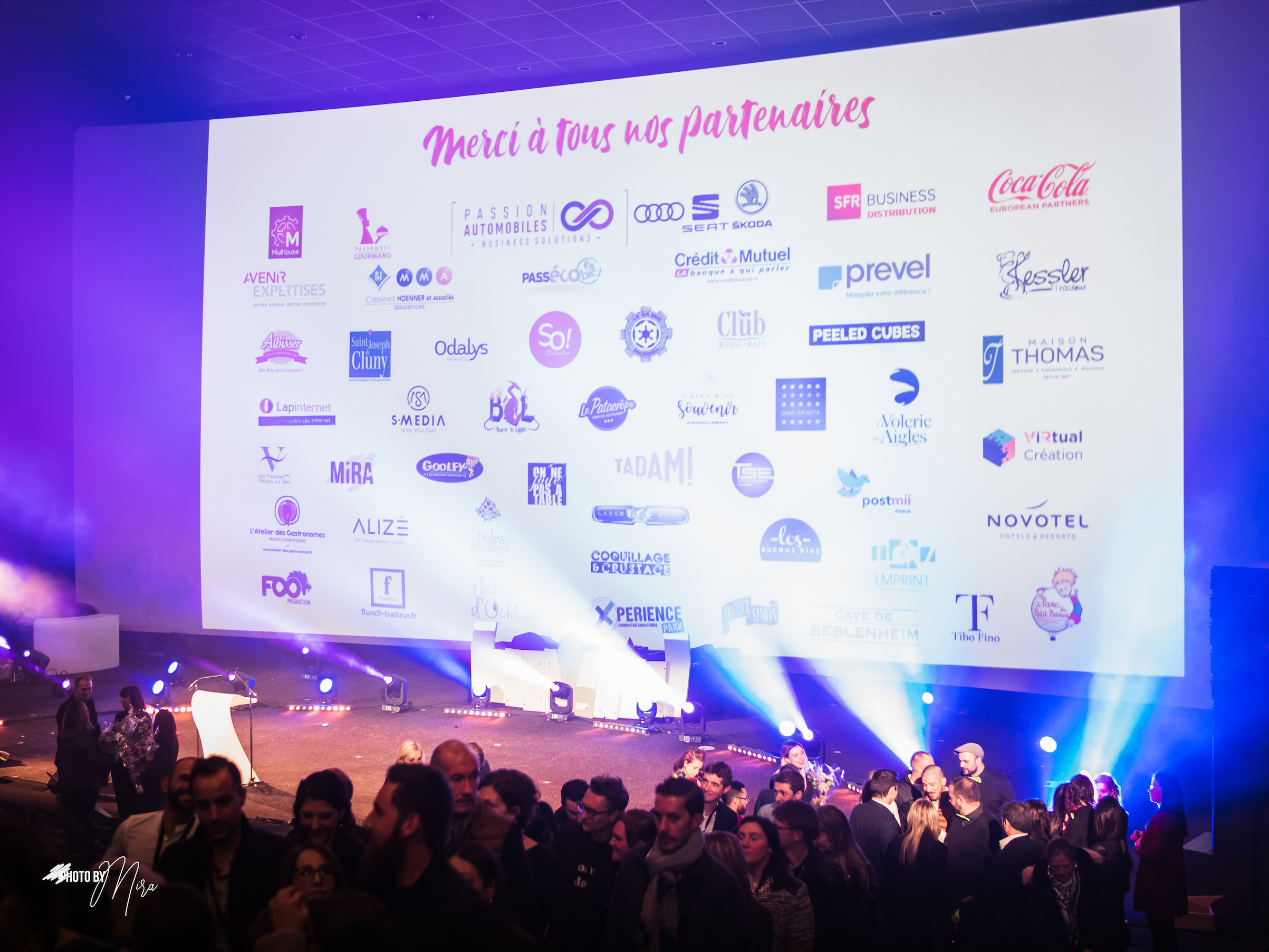
National Roadshow in Madrid that delivers consistent impact across every stop
INNOV'events plans and delivers National Roadshow operations in Madrid for executive, HR and communication teams who need consistency, compliance and measurable engagement. We manage the full chain: routing, venues, suppliers, permits, AV, staffing, rehearsals and on-site production. Typical formats range from 50 to 1,500+ attendees per stop, from leadership townhalls to product and employer-brand activations.
Table of contents
In a roadshow, “entertainment” is not a nice-to-have: it is the operational lever that protects attention, improves message recall and keeps the schedule on time. When a leadership message competes with phones, travel fatigue and back-to-back meetings, the right corporate event entertainment in Madrid becomes a tool to structure the experience and reinforce the narrative.
Organizations in Madrid typically expect high production standards, fast set-up/derig, strict venue compliance, and a guest journey that feels premium without slowing down the business agenda. Comms teams also expect brand-safe content (music rights, image rights, scripts), while HR expects accessibility, inclusion and real participation—beyond “applause moments”.
INNOV'events operates with local field teams and a proven supplier ecosystem across the capital and the Community of Madrid. We work with checklists, risk registers and run-of-show discipline so your roadshow looks and feels consistent, even when each stop has different constraints (loading docks, curfews, union rules, or security requirements).
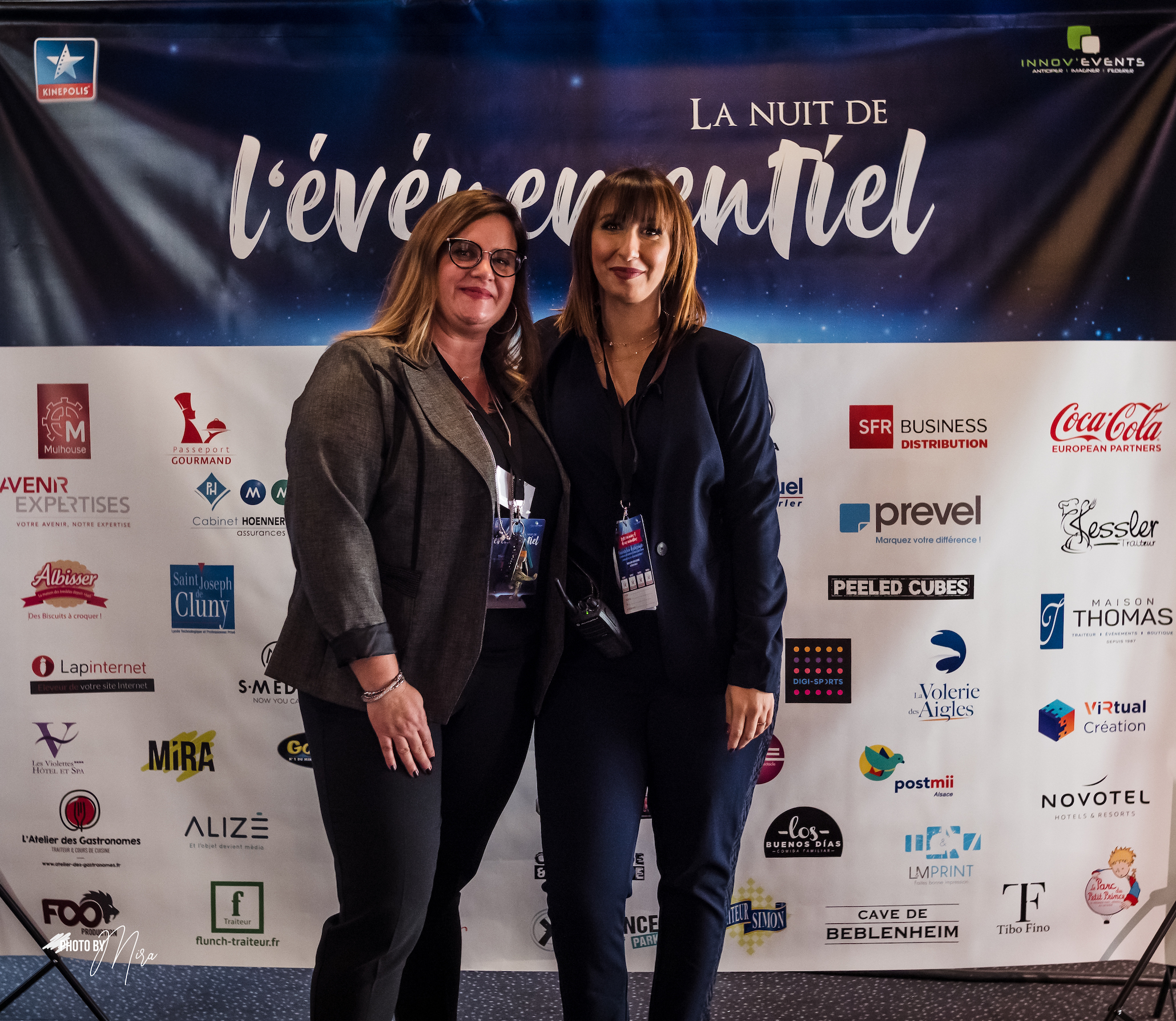
Key delivery numbers we commit to in Madrid
10–14 weeks: typical lead time to secure prime venues and preferred technical teams for a National Roadshow in Madrid (shorter is possible with trade-offs on choice and pricing).
1 project team with a single accountable producer: one owner for budget, timeline, vendors and brand compliance—avoiding the “too many coordinators” problem that creates gaps on show day.
2 levels of redundancy for critical elements (playback, microphones, show laptops, network connectivity) to protect executive speaking slots and demos.
30–90 minutes: realistic guest flow windows we design for arrival, badge check, and seating in Madrid venues where access and security checks can be tight.
0-surprise budgeting: we separate creative, production, and contingency lines so Finance can validate scope and Comms can validate impact before signing off.
How to organize a professional event in Madrid?
- Define the objective (cohesion, announcement, fidelity, performance).
- Set date, format and size (20–1 000 people).
- Secure the venue and accommodation according to seasonality.
- Lock down technical, suppliers and logistics.
- Drive the day J (timing, scene, entrance, flow).
Madrid roadshows delivered with teams that know local realities
In Madrid, roadshow success is usually less about “big ideas” and more about disciplined execution: supplier coordination, venue rules, traffic patterns, and stakeholder alignment. At INNOV'events, we support local subsidiaries and national HQ teams with a common situation: the concept is approved, but the operational risks are underestimated (loading restrictions, rehearsal time, speaker coaching, Spanish/English bilingual assets, or last-minute attendance changes).
We regularly support companies that return year after year for internal conventions, product tours, and employer branding activations because we keep control of the details that can derail a roadshow: transport windows, signage permissions, artist contracts, insurance certificates, and show calling. If you share your internal references list, we can integrate your preferred supplier constraints, procurement process and brand guidelines from day one.
Our approach is designed for decision-makers who need predictability: a clear critical path, transparent costs, and a production team that can brief C-level speakers confidently and protect the corporate image in front of employees, clients or partners in Madrid.
We send you a first proposal within 24h.
What business outcomes a Madrid roadshow can realistically drive
A National Roadshow is one of the few formats that can align multiple audiences with the same message while still feeling “local” at each stop. In the Madrid market—where competition for attention is high and calendars are dense—your roadshow needs to justify time away from day-to-day operations and produce outcomes that executives can defend.
Accelerate strategic alignment: leadership messages land better when the experience is structured—opening energy, clear transitions, controlled pacing, and a finish that drives a specific next action (platform adoption, new policy, sales push).
Protect employer brand during change: during reorganizations, policy updates or growth phases, employees read “how the event is run” as a signal of respect. Good production in Madrid reduces cynicism and increases trust in HR and leadership.
Increase participation and feedback quality: interactive formats (moderated Q&A, live polling, small-group breakouts) generate data you can use. We design the mechanics so questions are curated without feeling censored.
Standardize the message while respecting local nuance: consistent storytelling and assets, with local market examples for Madrid teams, avoids the common issue where each city interprets the strategy differently.
Improve conversion for product or partner tours: a roadshow can move prospects from “interested” to “ready” when demos work reliably and the hospitality logistics are frictionless (timed arrivals, demo stations, clear routing, follow-up capture).
Madrid’s economic culture is fast, relationship-driven and reputation-sensitive. A roadshow that runs on time, respects people’s calendars and delivers a coherent narrative is not just an event—it is a management tool that signals operational excellence.
How Madrid’s business constraints shape your roadshow plan
In Madrid, the venue ecosystem is rich, but constraints are real: access times can be narrow, city traffic impacts vendor arrivals, and many premium spaces have strict sound limits or curfews. We plan roadshows with these realities, not against them.
From experience, three expectations come up repeatedly in Madrid-based HQ teams:
- Executive certainty: speakers want to know exactly where to stand, what they will see, and how long each segment lasts. We build a showbook with cues, stage positions, and backup plans for late arrivals or agenda shifts.
- Brand and compliance rigor: comms teams require approvals for music licensing, filming permissions, sponsor visibility and claims in presentations. We manage rights, releases and vendor documentation to prevent last-minute cancellations.
- Operational discretion: many clients prefer minimal backstage noise and “invisible production”. That means quiet load-in, controlled radio comms, and a front-of-house that feels like a premium corporate environment—not a festival.
We also account for international audiences in Madrid: bilingual host options, simultaneous interpretation set-ups, and content adaptation so the Spanish and English versions feel equally polished (not translated at the last minute).
Which entertainment options work best for Madrid corporate roadshows
Engagement is not created by “more activity”; it is created by the right activity at the right moment in the agenda. In Madrid, where audiences are experienced and time-sensitive, we use entertainment to support objectives: energize openings, maintain attention between dense content blocks, and create structured networking without awkwardness.
Interactive animations in Madrid
Moderated live Q&A with curated questions: we combine a digital intake (anonymous option) with an on-stage moderator who keeps tone and timing controlled—ideal when leadership wants openness without losing the room.
Scenario-based workshops: small tables work through a realistic case (sales objection handling, compliance dilemmas, customer journey redesign). Output is captured and summarized on screen, creating a sense of progress rather than “breakout for the sake of it”.
Product demo circuits with timed slots: guests rotate through stations every 8–12 minutes. We design signage, staffing ratios and reset processes so demos stay consistent and queues don’t damage perception.
Art animations in Madrid
Corporate-safe musical sets: short formats (10–20 minutes) between sessions; sound levels calibrated to venue limits and speech intelligibility. We handle licensing and technical riders to avoid last-minute venue pushback.
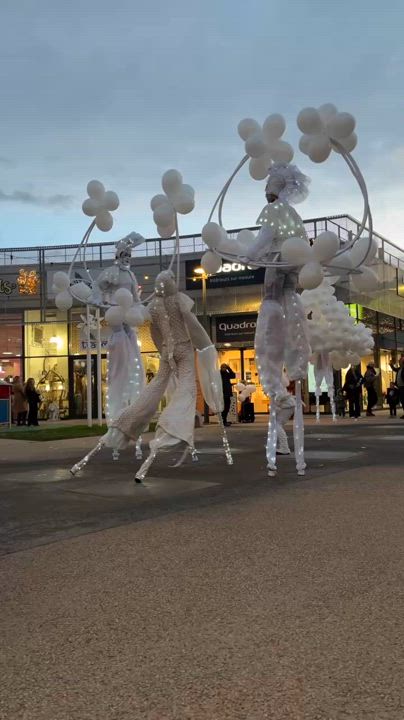
Visual performance aligned to brand: LED or light-based acts that can integrate brand colors and key messages without becoming gimmicky. Useful for openings and award transitions in Madrid gala-style stops.
Professional MC in Spanish/English: not “stand-up”, but facilitation that connects segments, keeps timing, and protects executive tone—especially valuable when agendas are dense.
Innovative animations in Madrid
Timed tasting stations: rather than a long cocktail, we create 3–4 curated tasting points with clear flow and staffing. It supports networking while maintaining agenda discipline.
Barista and non-alcoholic pairing bars: in Madrid day events, these reduce post-lunch fatigue and keep energy stable. We plan power supply, queue management and branding elements that look premium but remain practical.
Dietary compliance and labeling: we design clear allergen labeling, vegetarian/vegan options and service separation. This is increasingly expected by HR and ESG-driven comms teams.
Gourmand animations in Madrid
Hybrid-ready interaction layer: if some audiences join remotely, we build a single interaction system (polls, Q&A, session feedback) so remote attendees are not second-class participants.
Content capture with governance: short-form filming for internal comms with pre-approved shot lists, release management and brand-safe editing rules—so Madrid content becomes reusable for the whole national tour.
Micro-experiences tied to KPIs: for example, a gamified learning path where completion unlocks networking access or rewards. Designed to drive platform adoption or policy understanding, not just “fun”.
The key is alignment: entertainment must support the message, the tone and the brand risk profile. We validate every animation against your corporate guidelines, audience maturity, and Madrid venue constraints so the experience feels intentional and executive-grade.
How to choose the right Madrid venue for a national roadshow stop
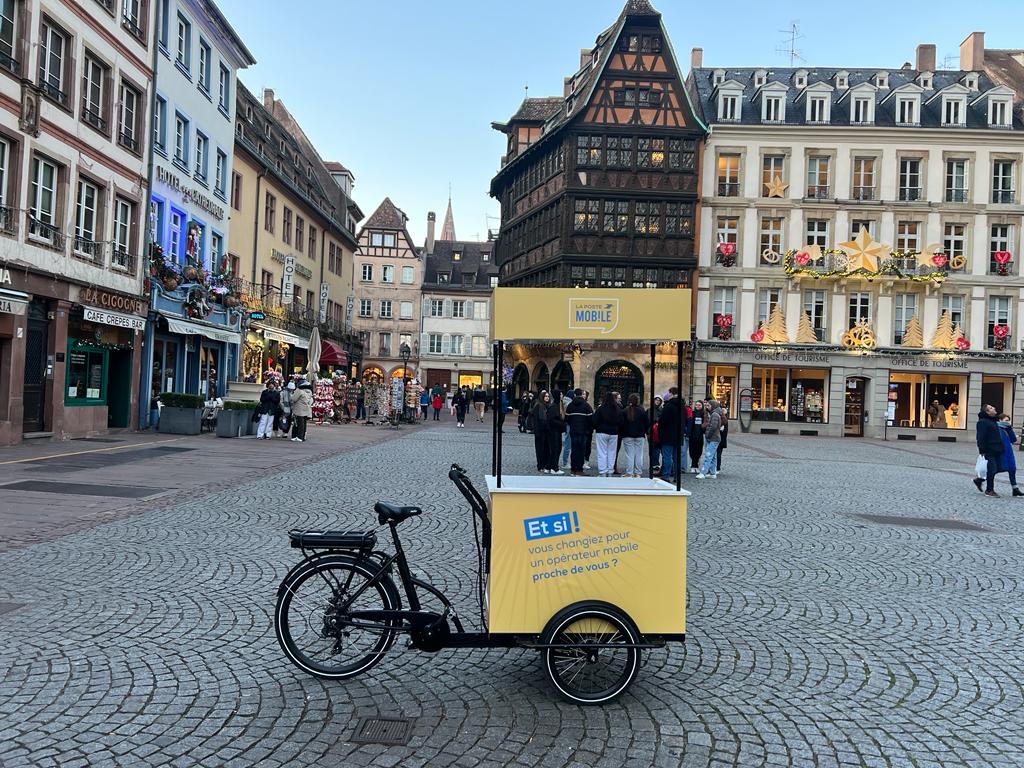
The venue is not a backdrop; it directly impacts attendance, punctuality, production feasibility and perceived credibility. In Madrid, two practical factors dominate: access (public transport, parking, traffic patterns) and technical capability (rigging points, power, acoustics, loading routes).
| Venue type | For which objective? | Main strengths | Possible constraints |
|---|---|---|---|
| Conference hotel near business districts | Leadership townhall, internal convention, multi-session day | Integrated meeting rooms, catering on-site, predictable AV infrastructure, easy room blocks for traveling teams | Branding restrictions, union/house AV policies, limited load-in times during peak activity |
| Auditorium / performing arts venue | High-impact keynote, awards, product reveal with strong staging | Excellent sightlines and acoustics, professional backstage, strong audience experience | Curfews, strict technical rules, limited flexibility for exhibitor/demo zones |
| Industrial / adaptable event space | Experience-based roadshow, demo circuits, partner showcase | High customization potential, space for builds and zones, strong brand immersion | More production needs (power, HVAC, sound treatment), higher staffing and security requirements |
We insist on site visits (or a full technical recce) before locking a Madrid venue. Photos rarely show loading access, noise spill, or backstage limitations—yet these are the elements that decide whether your roadshow runs smoothly or becomes a series of compromises on the day.
What a Madrid roadshow budget really includes (and what it should)
The cost of a National Roadshow in Madrid depends on format, audience size, venue choice, technical ambition and the level of content capture. A professional budget is less about a single number and more about understanding which lines protect quality, safety and schedule.
Venue and timing: premium dates and central Madrid locations can change pricing significantly. Day-of-week, seasonality and set-up hours affect venue cost and staffing.
Technical production: sound (speech clarity), lighting (camera-ready), screens, staging, and backup systems. For executive events, we prioritize intelligibility and reliability over “spectacle”.
Staffing model: show caller, stage manager, FOH lead, registration team, security, runners. Understaffing is a common cause of delays and brand damage.
Content and creative: scripting support, slide templating, motion graphics, video, rehearsal time. Many Madrid roadshows fail because content is finalized too late to be tested.
Compliance and risk lines: insurance, permits where required, rights management (music/image), accessibility provisions, contingency (5–12% depending on complexity).
Catering and hospitality: the difference between “food served” and “service that keeps the agenda” is staffing ratios, flow design, and timing.
We frame the budget with an ROI mindset: what protects attendance, message retention and follow-up conversion. When Finance asks “what happens if we cut this line?”, we can explain the operational consequence in plain terms—especially important for Madrid stops that set the tone for the full national tour.
Why working with an agency in Madrid reduces roadshow risk
When a roadshow is under pressure, proximity matters: faster site checks, stronger local supplier leverage, and practical knowledge of how venues actually operate (not how they describe themselves). Choosing an event agency in Madrid is also a way to reduce friction with last-minute changes—speaker swaps, attendance spikes, security updates, or delivery windows moving because of city constraints.
At INNOV'events, our Madrid delivery model is built for executive stakeholders: one accountable producer, a local operations lead, and vendor partners we can mobilize with predictable quality. This is what prevents the typical roadshow failure mode where decisions are made remotely and operational reality catches up too late.
- Faster problem-solving on-site: immediate access to venues and suppliers when constraints appear (rigging limitations, power caps, access routes).
- Better vendor coordination: teams who have worked together before reduce briefing time and increase reliability under tight schedules.
- Local compliance fluency: insurance certificates, venue documentation, and safety plans handled early to avoid day-before conflicts.
- Cost control through realism: fewer last-minute rentals and emergency labor because planning reflects Madrid logistics from the start.
We frame the budget with an ROI mindset: what protects attendance, message retention and follow-up conversion. When Finance asks “what happens if we cut this line?”, we can explain the operational consequence in plain terms—especially important for Madrid stops that set the tone for the full national tour.







What we have delivered in Madrid: formats, audiences, constraints
Our Madrid roadshow deliveries cover a wide range of objectives and constraints. We have managed executive townhalls where leadership needed a calm, controlled environment with precise timing and strong speech intelligibility; product tour stops requiring robust demo connectivity, timed guest circulation and lead capture; and employer brand activations where HR demanded inclusivity, accessible flows and content that resonated with multiple generations.
We are used to real-life corporate complications: a keynote deck updated at midnight, a senior speaker arriving late from Barajas, last-minute legal checks on filmed content, or a venue changing security procedures days before the event. Our value is not to promise that nothing changes—it is to have the structure and team to absorb changes without degrading the experience or creating visible stress in front of guests.
For multi-stop tours, we also build continuity: consistent look-and-feel, replicable staging, shared cue sheets, and post-event debriefs that improve each subsequent stop. Madrid often becomes the reference stop for content capture and internal comms—so we design it with reusability in mind.
Common Madrid roadshow mistakes (and how we prevent them)
Overloading the agenda: trying to fit too many messages into a single morning creates poor retention. We structure pacing (energy peaks, breaks, transitions) so key messages land.
Underestimating access and load-in: some Madrid venues have strict delivery windows and complex loading routes. We plan logistics with timed slots and backup routes to avoid late set-ups.
Assuming AV is “standard”: speech clarity, screen readability and clicker reliability are the basics. We specify and test, with redundancy for critical moments.
Not rehearsing speakers: executives do not need “acting coaching”; they need confidence in the environment. We run technical rehearsals and stage positioning to avoid awkwardness and time loss.
Ignoring compliance lines: music rights, filming permissions, and vendor documentation can block content or delay access. We manage approvals early.
Weak registration and arrival design: queues at the entrance are a brand issue. We size staff correctly, prepare badge workflows, and coordinate security checks.
Inconsistent brand presentation across stops: roadshows suffer when signage, tone, and staging drift. We maintain a master brand-and-production kit for Madrid and beyond.
Our role is to make these risks boring—identified early, assigned to owners, and mitigated with practical measures. That is what protects your credibility on the day, especially when leadership and key stakeholders are in the room in Madrid.
Why Madrid clients renew with INNOV'events for roadshows
Repeat business happens when stakeholders feel protected: procurement sees control, comms sees brand safety, HR sees inclusion, and executives see predictability. In Madrid, where many HQ decisions are visible internally, clients come back when the agency can operate at “board-level calm” even under pressure.
24–72 hours: typical window for our post-event debrief pack (what worked, issues, supplier feedback, improvement actions for the next stop).
5–12%: recommended contingency range we defend to keep Madrid delivery stable without inflating scope.
1 master production kit: shared brand assets, cue templates, signage files and vendor specs to ensure consistency across the national route.

Loyalty is not about habit; it is a proof point that the operational method holds up over time. When clients renew with us in Madrid, it is because we deliver the same standard across changing constraints—without drama and without budget surprises.
Our Madrid roadshow process from brief to show day
👉 Step 1 (Madrid): Align objectives, audience and non-negotiables
We start with a working session with executives, HR and Comms to define the purpose of the Madrid stop: what must change after the event (decisions, behaviors, adoption). We lock the non-negotiables: brand rules, compliance constraints, languages, filming permissions, and success metrics. Output: a written brief, initial risk map, and a preliminary run-of-show skeleton.
👉 Step 2 (28): Route and venue feasibility before creative spend
Before investing heavily in creative, we validate feasibility: venue availability, access constraints, technical capability, curfews, and realistic set-up time. This avoids the common trap where a concept is approved and later compromised by physical reality. Output: shortlist with pros/cons, budget deltas, and a recommendation aligned with your procurement rules.
👉 Step 3 (Madrid): Production design, staffing plan and supplier lock
We design staging, AV, signage, guest flow, catering rhythm, and staffing ratios. We lock key vendors (sound, lighting, video, scenic, registration) and define responsibilities. Output: production schedule, vendor briefs, draft floorplan, and a transparent budget with option tiers (must-have vs nice-to-have).
👉 Step 4 (28): Content readiness and speaker preparation
We establish deadlines for decks, videos, and scripts, and we enforce a testing cycle so content is validated on the actual technical set-up. We plan speaker tech rehearsals and stage blocking, including interpretation needs. Output: showbook (cues, timing, stage positions), and a content governance plan to prevent last-minute chaos.
👉 Step 5 (Madrid): Show calling, stakeholder management and debrief
On-site, we run the event with a clear chain of command: show caller for cues, producer for stakeholder decisions, stage manager for backstage discipline, FOH lead for guest experience. After the event, we deliver a debrief pack with issues, fixes, and recommendations for the next stops, so the national roadshow improves as it travels.
FAQ sobre la organización National Roadshow en Madrid
How long to plan a National Roadshow in Madrid?
Plan 10–14 weeks for best venue choice and supplier availability. With an existing format and flexible dates, we can compress to 4–6 weeks, but expect fewer venue options and higher technical/labor costs.
What budget range is typical for Madrid roadshow stops?
For corporate standards in Madrid, many roadshow stops fall between €25k and €120k depending on attendees, venue type, AV level, content capture and catering. Complex builds or multi-zone demos can exceed this range.
Which Madrid venues work best for executive presentations?
Auditoriums and conference hotels perform best for executive keynotes because they provide controlled acoustics, sightlines and backstage discipline. The right choice depends on whether you need a pure plenary or also demos/networking space.
Do we need permits for roadshow activations in Madrid?
It depends on the location and format. Private venues typically handle most requirements through their internal procedures, while public or semi-public activations may require municipal permissions, security coordination and insurance documentation. We confirm this during the feasibility phase before you commit.
How do you keep brand consistency across a Spain roadshow?
We build a master kit: brand-approved stage look, signage templates, cue sheets, content rules, and vendor specs. Each stop gets a local adaptation file (including Madrid access and timing) while preserving the same audience journey and production standard.
Plan your Madrid National Roadshow with operational certainty
If you are comparing agencies, we can work from your existing brief or build one with you in a structured way. Share your target dates, estimated attendance, audience profile and success criteria, and we will return a clear proposal: format options, a realistic production plan for Madrid, and a transparent budget with decision points.
Roadshows reward early planning because venues, technical teams and speaker availability are the first bottlenecks. Contact INNOV'events to secure dates, validate feasibility, and lock a delivery method that protects your leadership message from operational risk.
INNOV'events Madrid Agency
Cyril Azevedo is the manager of the INNOV'events Madrid office. Reach out directly by email at cyril@innov-events.es or via the contact form.
Contact the Madrid agencyAll our services & entertainment Madrid
Discover our event services
Discover our event entertainment available in the España
- Event Hostess Madrid
- Escape Game Madrid
- MasterChef Cooking Workshop Madrid
- Magician Madrid
- Marquee Rental Madrid
- Color Analysis Workshop Madrid
- Inflatable Games Madrid
- Valet Parking Service Madrid
- Football Simulator Madrid
- LED Furniture Rental Madrid
- Light Branding Madrid
- Unique Dining Experience Madrid
- Light Painting Madrid
- Murder Mystery Party Madrid
- Prize Contest Madrid
- Promotional Displays (POS) Madrid
- Virtual Reality Madrid
- Molecular Gastronomy Workshop Madrid
- Halloween Entertainment Madrid
- Fireworks Show Madrid
- Giant Games Challenge Madrid
- Event Host / MC Madrid
- Photo Booth Animation Madrid
- Santa Claus Entertainment Madrid
- Kids Entertainment Madrid
- Guided Tour Madrid
- Urban Rally Madrid
- Ball Pit Madrid
- Flight Simulator Madrid
- Food Truck Rental Madrid
- World Record Challenge Madrid
- Surf Simulator Madrid
- Wine Casino Madrid
- Makeover Workshop Madrid
- Perfume Creation Workshop Madrid
- Acting Workshop Madrid
- CSR Activities Madrid
- Archery Madrid
- Security Staff Madrid
- Wine Tasting Madrid
- Mime Performer Madrid
- TV Game Show Madrid
- Funfair Madrid
- Crisis Management Workshop Madrid
- Crisis Negotiation Workshop Madrid
- Arcade Games Madrid
- Indoor Skydiving Simulator Madrid
- Ski Simulator Madrid
- Racing Circuit Experience Madrid
- Introductory Flight Experience Madrid
- Tasting Experience Madrid
- Build Your Own Foosball Workshop Madrid
- 2CV Rally Madrid
- LEGO Challenge Madrid
- Casino Night Madrid
- Interpreter / Translator Madrid
- Promotional Giveaways Madrid
- Shuttle Transport Madrid