
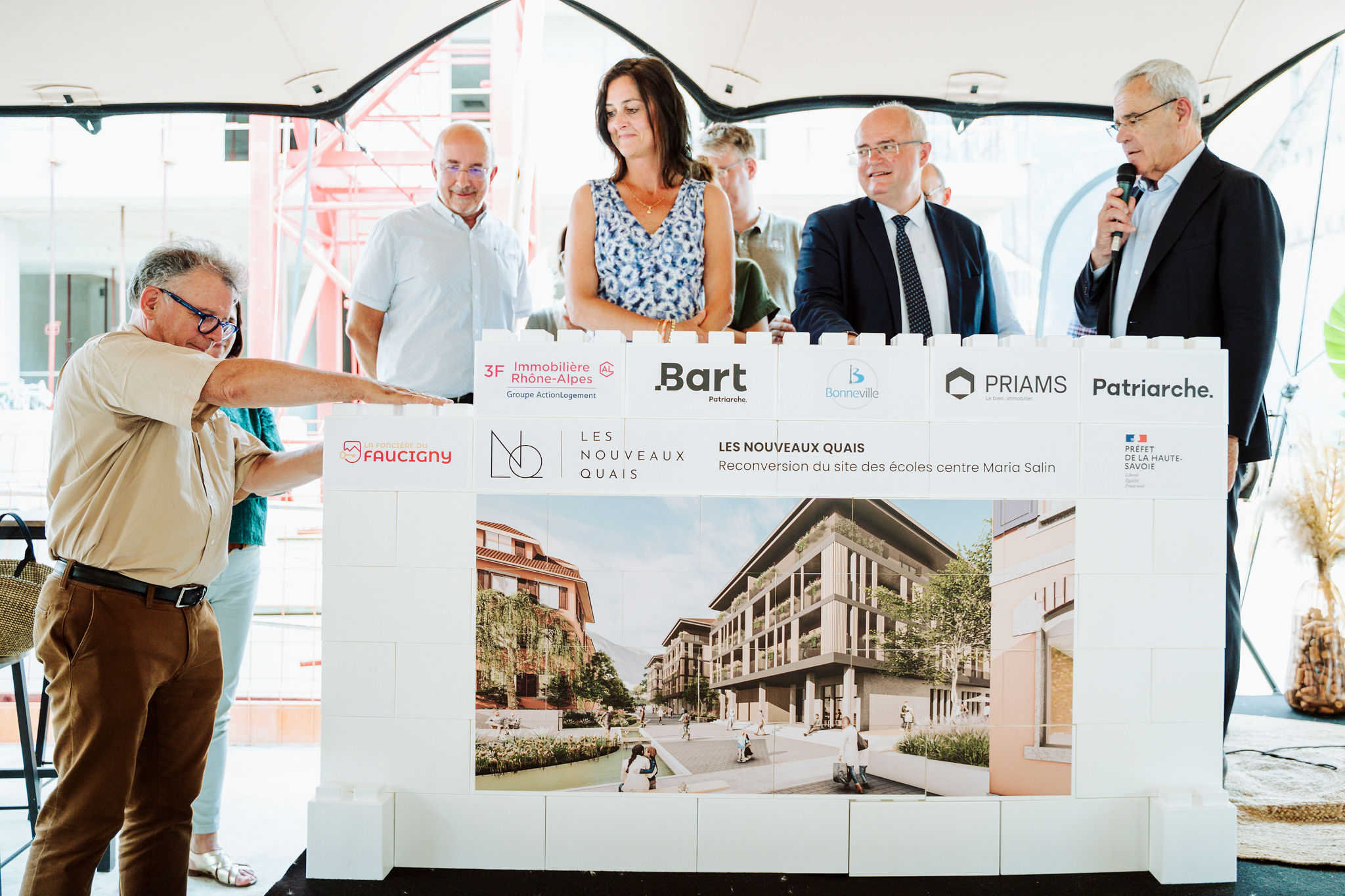
Event Communication in Madrid that lands your message and protects your brand
INNOV'events supports executive teams, HR and communication departments with Event Communication in Madrid, from 30 to 2,000+ attendees. We design the narrative, manage speakers and timing, and coordinate AV, content and on-site operations so the message is heard, understood and repeated.
From leadership conventions and employee town halls to client events and press-facing moments, we take responsibility for the full communication chain: pre-event, live and post-event.
Table of contents
In a corporate event, “entertainment” is not a garnish: it is a tool to keep attention, reinforce key messages and make complex strategy digestible. When the room is tired, a well-designed sequence—content rhythm, stagecraft and interaction—protects the impact of leadership communication and reduces the risk of people leaving with the wrong takeaway.
In Madrid, organisations expect pace, operational rigor and a polished production standard: short formats, strong speakers, bilingual needs (ES/EN), and compliance with internal approvals. The bar is high because many attendees have seen dozens of events at IFEMA, Castellana and the main hotel conference circuits.
INNOV'events works on the ground in Madrid with vetted local suppliers (AV, staging, hostesses, simultaneous interpretation, streaming) and a production methodology built for executive pressure: precise run-of-show, content sign-off, rehearsals and contingency planning.
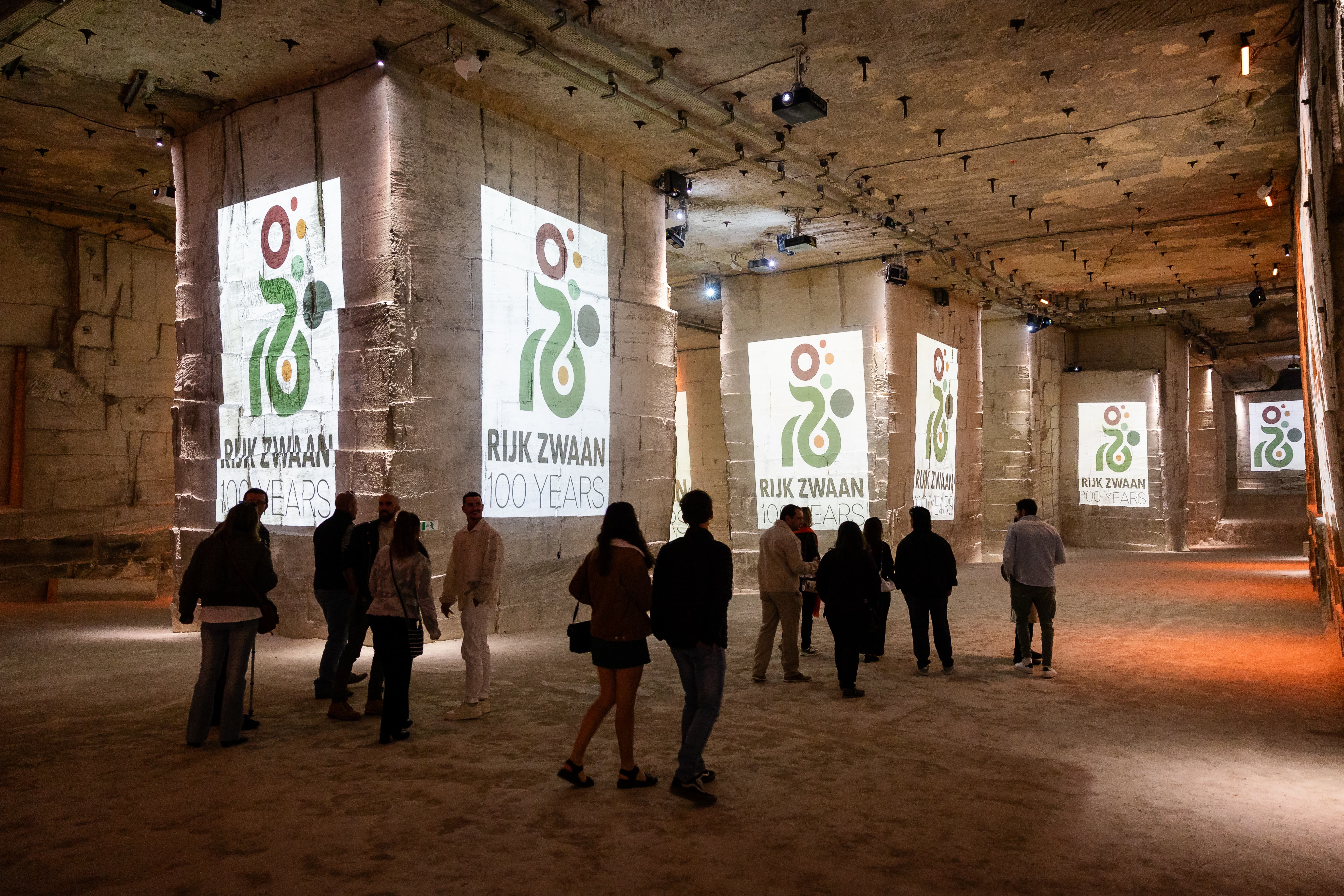
Key figures that reassure decision-makers in Madrid
10+ years coordinating corporate events and communication programs across Spain, with repeat clients and multi-site rollouts.
150+ events/year delivered within our network: conventions, town halls, client roadshows, awards, and internal culture moments.
30 to 2,000+ attendees managed with consistent production standards (run-of-show, speaker support, AV cueing, on-site governance).
48-hour rapid-response capability in Madrid for executive changes: speaker swaps, agenda cuts, last-minute streaming needs.
One production lead accountable from briefing to debrief, to avoid “handover gaps” between sales, creative and operations.
How to organize a professional event in Madrid?
- Define the objective (cohesion, announcement, fidelity, performance).
- Set date, format and size (20–1 000 people).
- Secure the venue and accommodation according to seasonality.
- Lock down technical, suppliers and logistics.
- Drive the day J (timing, scene, entrance, flow).
Madrid references and recurring collaborations
We support companies operating in Madrid—headquarters teams, HR hubs, regional management, and internal communication units—where events are often used to align fast-moving organisations. Many clients ask us to return year after year because their internal stakeholders remain the same: General Management, HRBP teams, Legal/Compliance, Procurement, and Brand.
We typically work with business realities that are very present in Madrid: multi-country leadership visits, hybrid town halls, product launches with strict brand guidelines, and quarterly communication cycles. Our role is to help you deliver a clean message, not a noisy show: the right staging, the right pacing, and the right employee experience—with proper approvals and measurable outputs.
If you share your internal context (audience profile, sensitivities, unions/works council constraints, brand restrictions, and whether media could be present), we can propose a communication architecture that fits how your organisation actually decides and executes.
We send you a first proposal within 24h.
Why run Event Communication in Madrid instead of another format
When leadership needs alignment, email and intranet are rarely enough. A well-produced Event Communication moment creates a controlled environment: one narrative, one sequence, one set of proof points, and a clear call to action. In practice, it helps executives avoid “interpretation drift” that often happens when messages cascade across layers.
Accelerate alignment after change: mergers, reorganisations, new strategy cycles. We structure messages so managers leave with a consistent “what changes / what stays / what I tell my teams Monday morning” pack.
Reduce the risk of leadership messaging gaps: we manage speaker preparation (key messages, Q&A, slide discipline), timing, and stage transitions so the event doesn’t undermine credibility through improvisation.
Make HR priorities tangible: culture, leadership principles, DEI, wellbeing, performance cycles. We translate them into formats employees engage with: moderated panels, scenario-based interactions, and real-case storytelling.
Support internal reputation: employees judge leadership by clarity and coherence. A clean production with the right tone (not theatrical, not cold) strengthens trust—especially when the message is difficult.
Create usable content assets: after the event, you need clips, quotes, leadership soundbites, a summary video, and manager toolkits. We design the event for post-event communication from day one.
Control compliance and brand risk: we manage approvals, image rights, data protection for registration, and the boundaries between internal and external communication—critical when partners or press may attend.
Madrid is a decision and media centre. That means internal events often echo externally—through LinkedIn, candidate perception, and industry networks. A disciplined communication event protects the brand while respecting the practical constraints of busy executive agendas.
What Madrid-based teams expect from an event communication partner
Teams in Madrid typically run at a high tempo and manage many stakeholders. What we see most often is not a lack of ideas, but a lack of bandwidth to coordinate: approvals, speakers, AV, venue constraints, and internal politics—while keeping the message coherent.
Common expectations we plan for:
- Executive time compression: speakers confirm late, agendas shift, and there is little tolerance for long rehearsals. We therefore build “modular run-of-show” structures that can be shortened without breaking the narrative.
- Hybrid by default: even for in-person events, there are remote managers, international teams, or mobility constraints. We plan camera blocking, lighting, sound and stream encoding early—because hybrid cannot be “added” the week before.
- Bilingual delivery: simultaneous interpretation (booths or portable systems), bilingual graphics, and slide discipline. We prepare speaker packs to avoid “Spanglish slides” that confuse non-native audiences.
- Venue limitations: many central Madrid venues have strict load-in windows, noise limits, union rules, or access constraints. We plan production schedules to match reality, not ideal scenarios.
- Internal sensitivities: reorganisations, compensation cycles, ER topics. We advise on moderation, Q&A collection, and what should be “on stage” vs. “in a break-out” vs. “in written follow-up.”
In short, organisations here expect an agency that can manage content and production with the same seriousness as a board presentation—because that is effectively what it is.
Which entertainment formats work for corporate communication in Madrid
Entertainment is useful when it serves the message: it can reset attention, encourage participation, and make leadership feel more accessible. In Madrid, where audiences are experienced and time-poor, the best formats are those that are short, well-cued, and integrated into the narrative—not bolted on.
Interactive animations in Madrid
Live pulse surveys with moderated read-out: we run anonymous questions and live voting, then structure the on-stage response. This is especially effective for town halls where employees want acknowledgement, not just answers.
Scenario workshops for managers: small-group tables (or breakouts) with realistic cases—e.g., how to explain a new performance model. We capture outputs and feed them back to leadership in real time.
Guided networking with purpose: rather than “free mingling,” we design prompts aligned with objectives (cross-functional collaboration, customer focus, culture). Useful for HR and transformation programs.
Digital Q&A with triage rules: we define categories (strategy, operations, people) and create a commitment on what will be answered live vs. in follow-up, avoiding frustration and reputational risk.
Art animations in Madrid
Short opening act with narrative relevance: for example, a spoken-word piece on “decision-making under pressure” that leads into the CEO’s strategic priorities. We keep it to 3–5 minutes and script the transition to avoid awkwardness.
Music cues and sound design: subtle but powerful. Walk-on music, stings between blocks, and controlled audio levels signal professionalism and help maintain pace without “showbiz” excess.
Visual storytelling: live illustration or motion graphics summarising key messages. This is particularly effective when leadership wants the audience to remember a framework (pillars, roadmap, priorities).
Innovative animations in Madrid
Brand-consistent tasting moments: a short, curated tasting that supports your narrative—e.g., “local + sustainable” sourcing. We coordinate timing so food does not compete with content (a frequent operational mistake).
Hospitality designed for flow: in Madrid venues, bottlenecks at coffee breaks are common. We plan service points, signage and staffing ratios to keep schedules on track.
Dietary and compliance readiness: allergen labelling, halal/kosher/vegan options, and clear comms to attendees. This is a trust issue for HR and internal comms, not a “nice to have.”
Gourmand animations in Madrid
Studio-style hybrid set: a controlled “broadcast” format with two cameras, proper lighting and a professional audio mix. Ideal when you need reliable delivery to remote teams and want to avoid the “webinar” feel.
Executive media training lite: rapid coaching on camera presence, message discipline and tough questions before the event. Useful when leaders are not frequent speakers or when the topic is sensitive.
Content capture by design: we plan camera angles, backstage interview corners, and release forms so you leave with reusable assets for internal channels and employer branding—without disrupting the program.
The key is alignment: every entertainment element must reinforce the company’s image and the seriousness of the message. We will challenge formats that create noise, increase risk, or confuse the audience—especially in Madrid where peers and competitors often share the same venues and standards are visible.
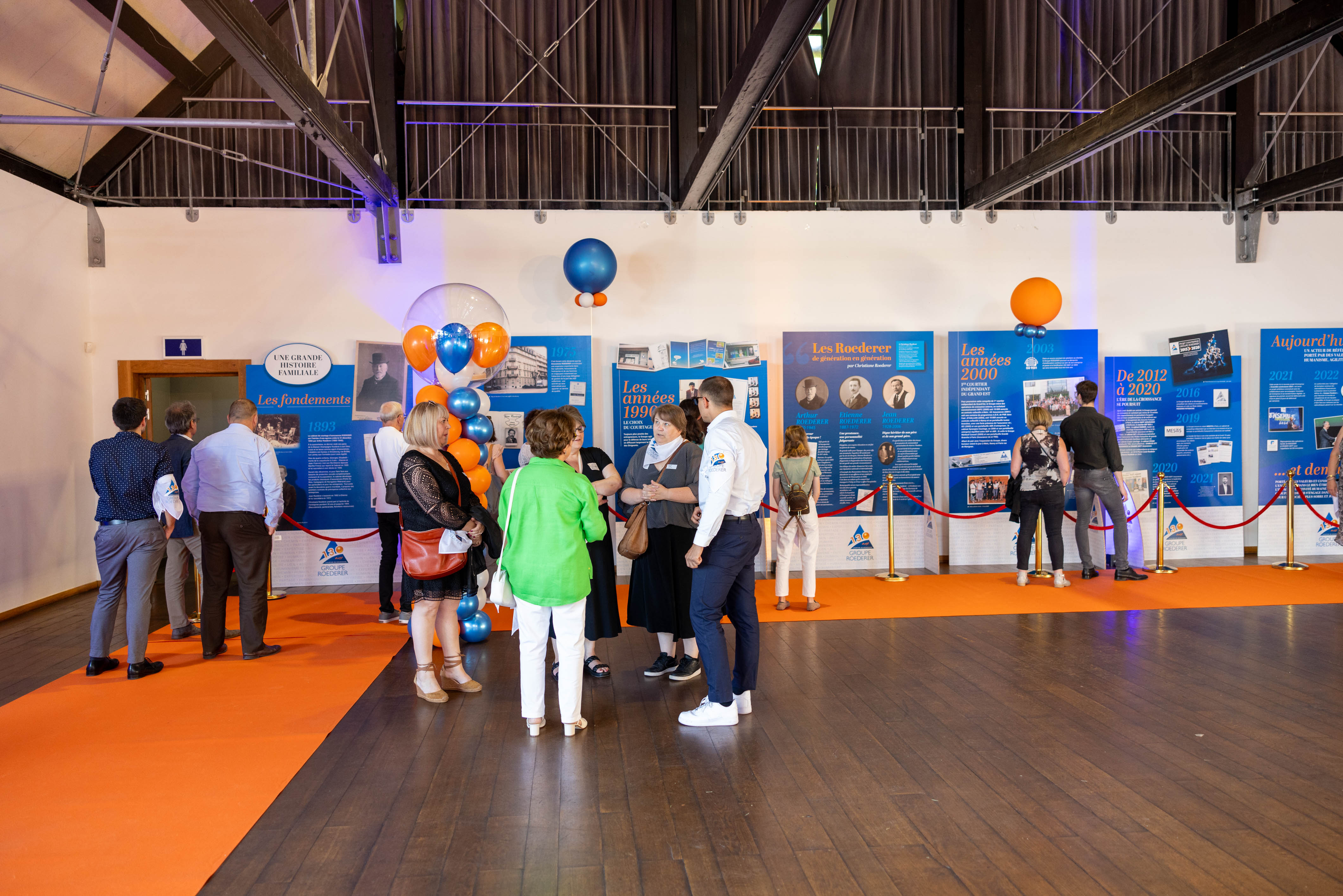
How to choose a Madrid venue for Event Communication
The venue is part of the message. In Madrid, your audience will immediately infer your intent from the setting: a hotel ballroom signals “structured corporate,” a contemporary cultural space signals “innovation and openness,” and a studio signals “broadcast and control.” The wrong choice creates friction: poor sightlines, weak sound, delayed load-in, or a layout that discourages interaction.
| Venue type | For which objective? | Main strengths | Possible constraints |
|---|---|---|---|
Central business hotel conference spaces (Castellana/Chamartín area) | Leadership conventions, HR kick-offs, partner briefings with tight agendas | Reliable logistics, breakout rooms, catering flow, standard AV infrastructure | Acoustics can be average, branding possibilities limited, “generic” feel if staging is not upgraded |
IFEMA-style exhibition and congress infrastructure | Large-scale internal events, multi-plenary programs, hybrid audiences | Capacity, parking, production access, flexible builds, strong vendor ecosystem | Higher production costs, longer lead times, needs strict run-of-show discipline to keep energy |
Premium central venues and cultural spaces (theatre/auditorium format) | CEO messaging, brand-critical communication, press-sensitive moments | Strong stage presence, audience focus, better sightlines and perceived prestige | Load-in restrictions, union rules, limited backstage space, strict technical riders |
We strongly recommend a site visit with your communication lead and our production team. Many “small” details—ceiling height for screens, FOH position, backstage access, emergency routes, and microphone frequency environment—determine whether your Event Communication runs smoothly on the day.
What budgets look like for Event Communication in Madrid
Pricing for Event Communication in Madrid depends less on “the idea” and more on the production reality: audience size, venue constraints, hybrid requirements, and how much content must be created. We structure budgets so Finance and Procurement can see what is optional, what is risk-related, and what directly supports communication objectives.
Audience size and format: 50-person leadership meeting vs. 800-person town hall changes staffing, room size, microphones, screens, and safety requirements.
Production level: basic AV (projector + sound) vs. full stage set, LED wall, multi-camera, lighting design, and show calling.
Hybrid and streaming: platform choice, encoding, redundancy, remote speaker integration, and moderation. A robust hybrid setup in Madrid often requires additional rehearsal time and technical crew.
Content creation: scripting support, speaker coaching, motion graphics, videos, subtitles, and bilingual versions. This is where many internal teams underestimate workload.
Venue and logistics: load-in windows, security requirements, staff access, parking, and union conditions can influence labour and planning.
Interpreting and accessibility: simultaneous interpretation, captioning, sign language, and accessibility planning for attendees.
Compliance and data: registration flows, data protection, image rights management, and internal approvals (brand/legal).
As a reference, for Madrid-based corporate communication events, we often see total budgets ranging from €15,000–€60,000 for mid-size in-person formats (100–300 attendees) and €60,000–€250,000+ for large-scale, high-production or hybrid conventions. ROI should be assessed against outcomes you can track: attendance rate, watch time, engagement, manager cascade effectiveness, and the number of usable content assets created for post-event communication.
Why a Madrid event communication agency reduces risk
Being local is not about convenience; it is about control. In Madrid, small operational issues can become visible failures: a delayed load-in because of venue access rules, last-minute VIP security needs, or an AV supplier who does not match the required standard. A local team can anticipate and solve these faster because we know the venues, the vendor landscape, and the real constraints behind “yes, no problem.”
If you are comparing partners, evaluate whether they can own both sides of the equation: message and mechanics. That is where we operate. When needed, we also coordinate broader scopes through our network while keeping the Madrid execution consistent.
For a wider view of our local operations, see our page for event agency in Madrid and how we structure production governance.
- Faster site visits and technical checks to validate sightlines, FOH placement, backstage flows and power availability.
- Supplier accountability: vetted AV, staging, hostesses, security and transport partners with clear SLAs and escalation paths.
- Operational redundancy: quick replacement options for staff and equipment in case of failure.
- Better cost control: realistic planning avoids expensive last-minute add-ons (extra screens, rushed translations, overnight build changes).
- On-the-ground show calling: one production chain of command on site, reducing confusion between venue, AV and internal stakeholders.
As a reference, for Madrid-based corporate communication events, we often see total budgets ranging from €15,000–€60,000 for mid-size in-person formats (100–300 attendees) and €60,000–€250,000+ for large-scale, high-production or hybrid conventions. ROI should be assessed against outcomes you can track: attendance rate, watch time, engagement, manager cascade effectiveness, and the number of usable content assets created for post-event communication.









What we deliver for Madrid corporate teams in real conditions
Our projects in Madrid range from discreet executive meetings to high-stakes conventions. The common thread is pressure: late content changes, sensitive messaging, and limited rehearsal time. We design systems that withstand those realities.
Examples of situations we handle regularly:
- Leadership town hall after a reorganisation: the message must be precise, empathetic and consistent across countries. We structure the event with a CEO keynote, moderated Q&A with clear triage rules, and a manager toolkit delivered within 24–48 hours post-event.
- Hybrid strategy update with international executives: remote speakers with limited tech skills, bilingual audience, and strict timing. We run a remote tech check, build a “broadcast-style” run-of-show, and ensure slides and terminology remain consistent in both languages.
- Client communication event with brand constraints: strong visual identity, legal disclaimers, and a need to capture content for sales enablement. We coordinate legal sign-off, stage design aligned with brand, and record usable clips with clean audio and correct framing.
- HR culture program launch: the challenge is credibility, not spectacle. We design real employee stories, panel moderation with concrete practices, and small interactions that generate commitments (not applause).
In each case, we protect two things: the clarity of the message and the stability of delivery. That is what executives remember—and what internal audiences use to judge leadership.
Common Madrid event communication mistakes and how we prevent them
Too many speakers, no narrative: we impose a message hierarchy and a pacing plan, even when internal politics push for “everyone on stage.”
Slides as a dumping ground: we enforce slide discipline (one idea per slide, consistent data sources, legible typography) and manage version control to avoid day-of surprises.
Hybrid added at the end: we design camera, sound, lighting and platform decisions upfront so remote attendees get a real experience, not a compromised feed.
Underestimating rehearsal: even 60–90 minutes of structured rehearsal can prevent timing collapse. We plan rehearsals around executive availability.
AV sized incorrectly: insufficient PA, missing confidence monitors, or poor lighting makes even strong speakers look weak. We specify the technical rider based on the room and objectives.
No plan for sensitive questions: we set moderation rules, escalation paths, and follow-up commitments to avoid reputational damage.
Logistics that sabotage punctuality: registration bottlenecks, catering queues and signage issues. We plan attendee flow like an airport: clear lanes, staffing ratios, and timed releases.
Our role is not to “add ideas.” It is to remove avoidable risk, protect your leadership message, and make the event operationally predictable—especially in Madrid, where many stakeholders will judge you on execution as much as content.
Why Madrid clients renew with INNOV'events
Renewal happens when internal teams feel safe: they know the agency will manage pressure, keep stakeholders aligned, and deliver a consistent standard without constant micromanagement. In Madrid, where events repeat quarterly or annually, we build long-term working habits that reduce workload for HR and communication teams.
60–70% of our corporate clients typically renew within 12–18 months for another communication format (town hall, convention, leadership offsite, or hybrid update).
1 single point of contact remains accountable from briefing to show calling, reducing internal coordination time.
Post-event debrief within 7 days with concrete actions: what to keep, what to cut, and where the audience actually reacted (in-room and online).

Loyalty is not a promise; it is a consequence of predictable delivery. When a client in Madrid brings us back, it is usually because the event reduced internal friction while improving message clarity—two outcomes that matter to demanding directors.
Our Madrid delivery process from brief to debrief
👉 Madrid briefing and stakeholder mapping
We start with a working session with Comms/HR and an executive sponsor. We map stakeholders (Leadership, Legal, Brand, Procurement, Works Council if relevant) and define decision owners, deadlines and sign-off rules. We also clarify success metrics (attendance, watch time, engagement, message recall, manager cascade).
👉 Message architecture and agenda design
We turn your strategic priorities into a message spine: 3–5 key messages, supporting proof points, and the “ask” for the audience. We then design the agenda to protect attention: short blocks, intentional transitions, and a Q&A structure that matches your risk profile.
👉 Production design and supplier locking in Madrid
We define staging, AV, lighting, streaming approach (if needed), interpreting, and audience flow. We lock suppliers with clear scopes, staffing plans, and contingency. This includes technical rider validation with the venue and a realistic build schedule.
👉 Content production and speaker support
We manage slide templates, version control, scripting and run-of-show writing. Speakers receive a concise brief (objective, timing, tone, key messages). We coach transitions and manage on-stage choreography so the event looks confident, not improvised.
👉 Rehearsal, show calling and live governance
We run a technical rehearsal and a speaker run-through adapted to executive schedules. On the day, a show caller runs cues (video, lights, audio, camera), while an event lead manages stakeholders and issues. We keep communication channels clear (intercom/WhatsApp groups) and maintain timing discipline.
👉 Post-event assets and debrief
Within agreed timelines, we deliver recordings, short clips, key visuals, and written summaries if required. We debrief with performance indicators (attendance, engagement, Q&A themes, drop-off points for hybrid) and propose improvements for the next Madrid cycle.
FAQ sobre la organización Event Communication en Madrid
How much lead time is needed for Madrid event communication?
Plan 4–8 weeks for a solid in-person event in Madrid (venue, AV, content, approvals). For hybrid or high-production formats, 8–12 weeks is safer. We can support faster timelines, but you will trade choice of venues/suppliers and rehearsal depth.
What budget range should we expect in Madrid for 200 people?
For a 200-attendee corporate communication event in Madrid, a typical range is €20,000–€70,000 depending on venue level, AV (screens/LED), content creation, and whether you need streaming or interpretation.
Do you manage bilingual sessions in Madrid with interpretation?
Yes. We coordinate simultaneous interpretation (booths or portable systems), bilingual slide discipline, speaker briefs and on-site cueing. For Madrid venues, we also validate booth placement, audio routing and headset distribution to avoid delays.
How do you handle sensitive Q&A in Madrid town halls?
We set a Q&A governance model: anonymous collection, category triage, moderation rules, and clear commitments (answered live vs. written follow-up within 48–72 hours). This protects transparency while avoiding reputational risk or off-message answers.
Can you produce a hybrid town hall from Madrid reliably?
Yes, with a broadcast approach: dedicated audio mix, lighting, at least 2 cameras, a stable encoding setup with backup playback files, and a rehearsal that includes remote speakers. Reliability comes from designing hybrid as a core requirement, not an add-on.
Request a Madrid proposal with a clear scope and timeline
If you are planning Event Communication in Madrid, the fastest way to secure quality is to align early on objectives, audience profile and constraints (hybrid, bilingual, brand/legal approvals, content assets). Share your date window, estimated attendance and the type of message you need to deliver; we will respond with a structured proposal: recommended format, production approach, risks, timeline and budget options.
When leadership communication is at stake, “almost ready” is not good enough. Contact INNOV'events to set up a working call and lock a production plan that holds under day-of pressure.
INNOV'events Madrid Agency
Cyril Azevedo is the manager of the INNOV'events Madrid office. Reach out directly by email at cyril@innov-events.es or via the contact form.
Contact the Madrid agencyAll our services & entertainment Madrid
Discover our event services
Discover our event entertainment available in the España
- Event Hostess Madrid
- Escape Game Madrid
- MasterChef Cooking Workshop Madrid
- Magician Madrid
- Marquee Rental Madrid
- Color Analysis Workshop Madrid
- Inflatable Games Madrid
- Valet Parking Service Madrid
- Football Simulator Madrid
- LED Furniture Rental Madrid
- Light Branding Madrid
- Unique Dining Experience Madrid
- Light Painting Madrid
- Murder Mystery Party Madrid
- Prize Contest Madrid
- Promotional Displays (POS) Madrid
- Virtual Reality Madrid
- Molecular Gastronomy Workshop Madrid
- Halloween Entertainment Madrid
- Fireworks Show Madrid
- Giant Games Challenge Madrid
- Event Host / MC Madrid
- Photo Booth Animation Madrid
- Santa Claus Entertainment Madrid
- Kids Entertainment Madrid
- Guided Tour Madrid
- Urban Rally Madrid
- Ball Pit Madrid
- Flight Simulator Madrid
- Food Truck Rental Madrid
- World Record Challenge Madrid
- Surf Simulator Madrid
- Wine Casino Madrid
- Makeover Workshop Madrid
- Perfume Creation Workshop Madrid
- Acting Workshop Madrid
- CSR Activities Madrid
- Archery Madrid
- Security Staff Madrid
- Wine Tasting Madrid
- Mime Performer Madrid
- TV Game Show Madrid
- Funfair Madrid
- Crisis Management Workshop Madrid
- Crisis Negotiation Workshop Madrid
- Arcade Games Madrid
- Indoor Skydiving Simulator Madrid
- Ski Simulator Madrid
- Racing Circuit Experience Madrid
- Introductory Flight Experience Madrid
- Tasting Experience Madrid
- Build Your Own Foosball Workshop Madrid
- 2CV Rally Madrid
- LEGO Challenge Madrid
- Casino Night Madrid
- Interpreter / Translator Madrid
- Promotional Giveaways Madrid
- Shuttle Transport Madrid