
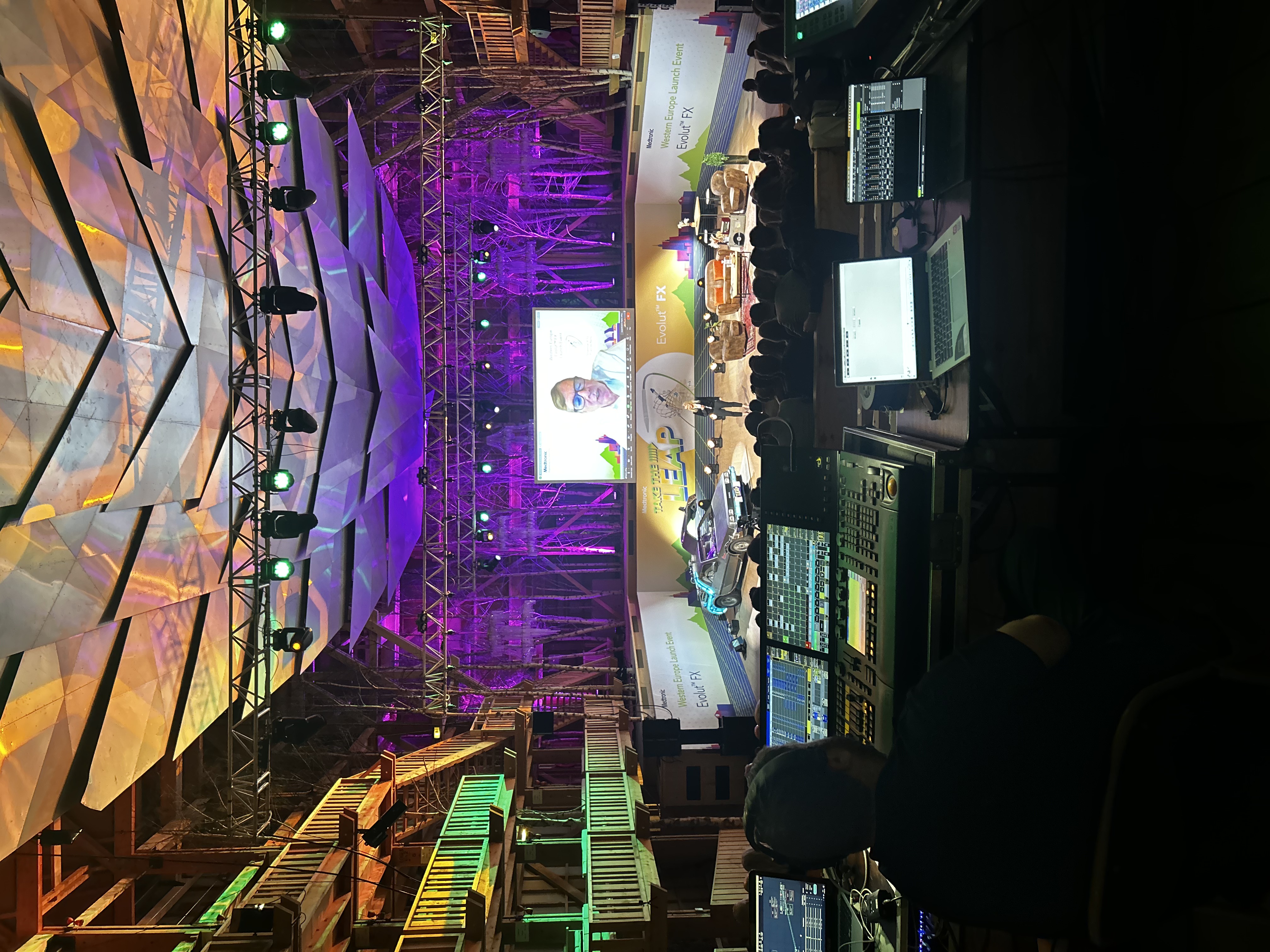
Convention & Executive Meeting in Madrid that lands your messages—and your decisions
INNOV'events supports executives, HR and communication teams to deliver a Convention & Executive Meeting in Madrid from 80 to 1,500+ attendees. We manage venue sourcing, run-of-show, technical production, speaker readiness, guest logistics and corporate event entertainment in Madrid that serves your agenda (not the other way around). You get a senior project lead, clear governance, and operational control on the day.
Table of contents
In an executive convention, entertainment is not “extra”; it is a tool to control energy, attention, and message retention. The right formats create moments where leaders can land priorities (strategy, transformation, safety, culture) and keep the room engaged without losing pace or professionalism.
In Madrid, organizations typically expect fast decision-making, precise timing, bilingual readiness (ES/EN), and a venue/technical level that matches brand standards. Internal stakeholders also expect predictable budgets, strong risk management, and a run-of-show that respects executive constraints.
INNOV'events operates on the ground with local suppliers and production partners across the capital. We bring field discipline: site visits, technical riders, rehearsal planning, guest-flow design, and contingency plans—so your leadership team can focus on content and relationships.
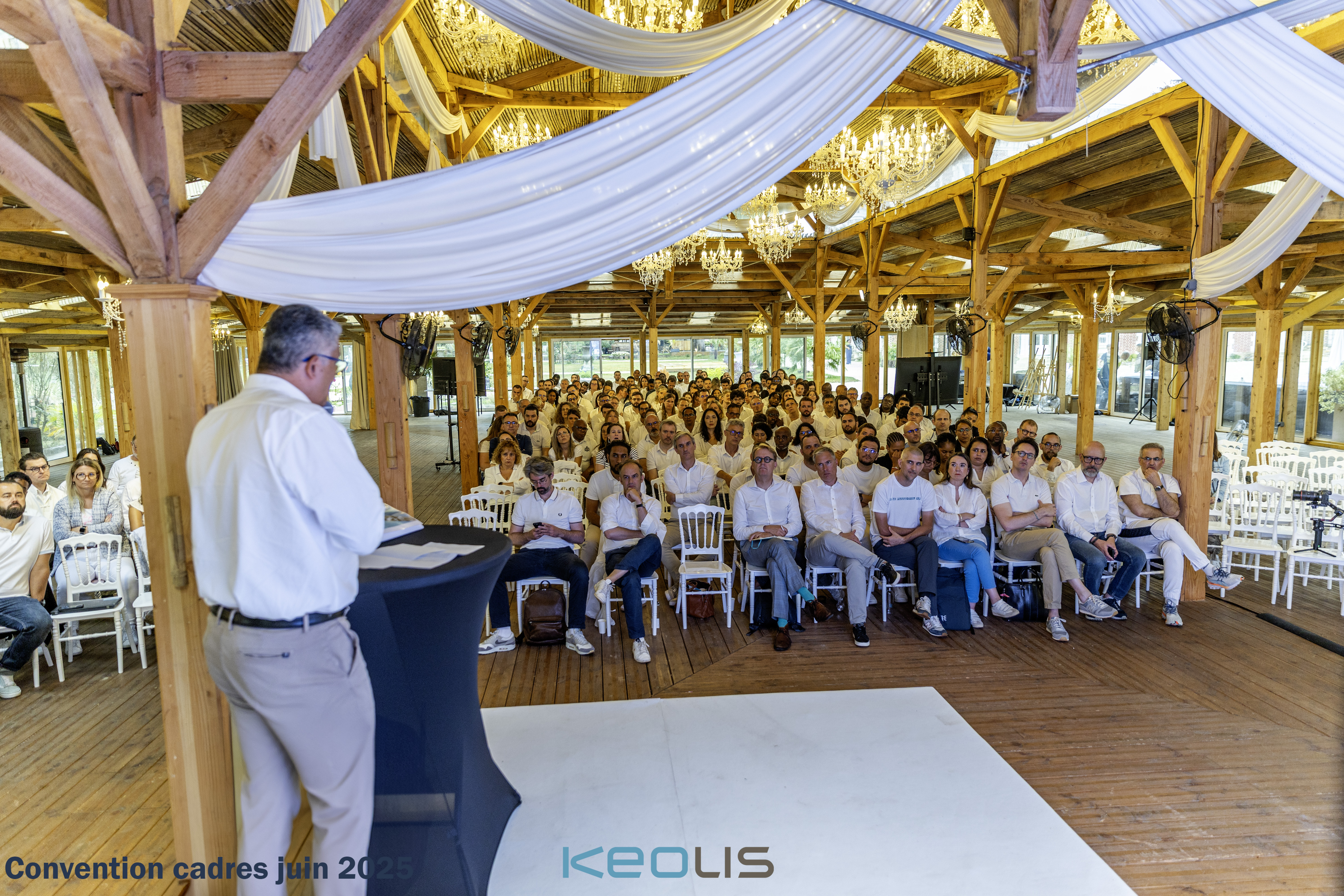
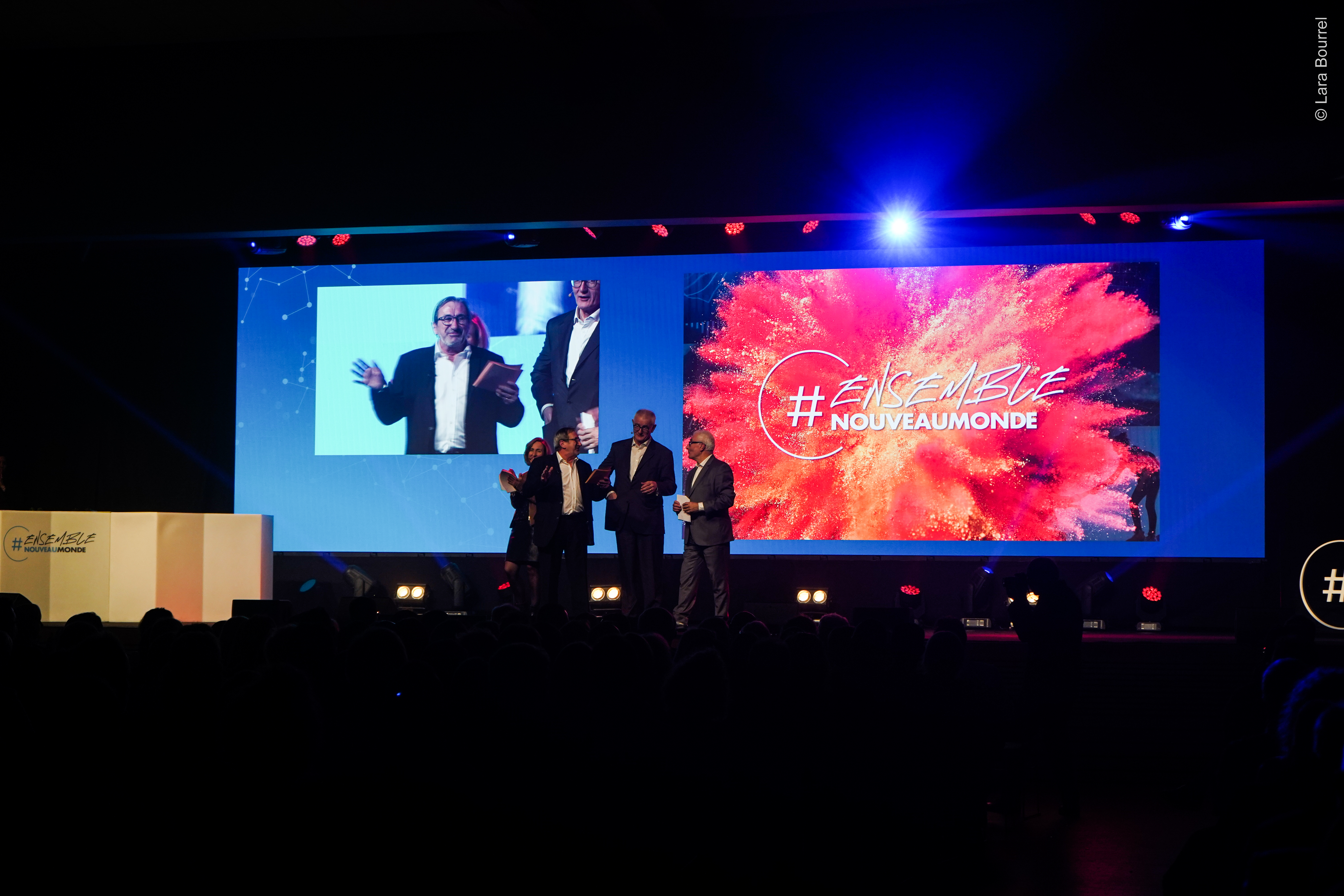
INNOV'events track record you can benchmark in Madrid
12+ years delivering corporate events across Spain, with recurring programs for leadership teams.
300+ corporate events produced nationally (conventions, exec meetings, kick-offs, awards, product launches).
80 to 1,500+ attendees managed in single-day and multi-day formats, including multi-room agendas.
1 senior project lead assigned from brief to show day, with escalation paths and decision logs.
24–72h response time for first proposal depending on complexity (venue availability, technical scope).
How to organize a professional event in Madrid?
- Define the objective (cohesion, announcement, fidelity, performance).
- Set date, format and size (20–1 000 people).
- Secure the venue and accommodation according to seasonality.
- Lock down technical, suppliers and logistics.
- Drive the day J (timing, scene, entrance, flow).
Madrid references and recurring corporate teams
We support companies and institutions that operate in Madrid and the wider business ecosystem: headquarters teams, regional leadership, and international groups with a Spanish hub. Many of our projects are repeat programs: annual conventions, quarterly executive meetings, leadership offsites, or change-management roadshows that require consistency year after year.
When internal teams have high expectations—tight timelines, sensitive messaging, and senior-level visibility—continuity matters. Our role is to keep the operational memory: what worked in your last plenary setup, which speaker needed extra rehearsal, how long registration truly took with your attendee profile, and which venue constraints impacted staging.
If you share your sector, size, and format, we will provide relevant local references and comparable case contexts (timing, audience, technical scope), rather than generic “similar events”.
We send you a first proposal within 24h.
What a Madrid executive meeting should deliver for leadership
A Convention & Executive Meeting is one of the few moments where leadership can align priorities, accelerate decisions, and create shared language across functions. In practice, the value is not the stage; it is the clarity you produce and the behaviors you unlock afterwards. The event format must therefore be built around governance, decision points, and internal narrative—not just content accumulation.
Decision acceleration: structured plenaries and smaller breakouts can compress weeks of alignment into a single day—if the agenda includes defined decision moments, pre-reads, and a facilitation plan.
Message discipline: communication teams can ensure leadership speaks with one voice by aligning talking points, visuals, and transitions; we support with speaker coaching, stage management and cueing.
Cross-functional alignment: HR and transformation leaders can use interactive sequences (live polling, scenario workshops) to surface friction points safely, then move to action planning.
Leadership visibility and trust: well-run Q&A formats and moderated “ask-me-anything” sessions improve credibility—provided you manage timing, question collection, and escalation topics.
Culture activation: recognition segments, storytelling capsules, or internal ambassadors can reinforce culture without turning the program into a “show”. The entertainment elements should support rhythm, not replace substance.
Operational confidence: when the day runs cleanly—registration flow, room resets, technical transitions—your leadership appears organized and in control, which directly impacts perception internally and externally.
Madrid is a fast-moving decision environment with high exposure: many headquarters teams, media sensitivity, and international audiences. A convention here benefits from the city’s logistics, connectivity, and venue density—but it also demands flawless coordination to protect brand image and leadership credibility.
How Madrid (28) changes the standards for conventions and exec meetings
Running executive events in Madrid comes with specific realities that impact planning and delivery. First, calendars are dense: corporate venues and premium hotels book early around trade fairs, institutional weeks, and peak business seasons. This means you often need parallel shortlists and fast internal decision loops to secure the right date/space combination.
Second, your attendee mix is frequently hybrid: headquarters leadership, regional managers arriving by AVE, and international participants. That creates operational requirements such as bilingual signage, simultaneous interpretation readiness, and a registration approach that can handle last-minute changes without queueing. We typically design arrival flows with realistic throughput targets (for example, 120–180 check-ins per 30 minutes depending on badge printing and security needs) and we test them during production setup.
Third, the bar for technical production is high. Many Madrid venues are excellent, but each has its own constraints (rigging points, loading dock access, noise limits, in-house exclusivities). Your run-of-show must be built on what is technically feasible, not on generic “ideal stage plans”. We validate audio coverage for executive speech clarity, manage confidence monitors, and plan lighting that flatters speakers without compromising camera exposure if you stream or record.
Finally, the organizational expectation in Madrid is pragmatism: stakeholders want a partner who can propose options quickly, explain trade-offs (budget vs. impact), and protect the day from operational surprises. That is where field experience matters more than a glossy deck.
Which corporate event entertainment works best in Madrid executive formats
Engagement in a Convention & Executive Meeting is created by rhythm and relevance. Entertainment becomes valuable when it supports your agenda: energizing the room before a dense strategic block, creating a controlled networking trigger, or helping internal messages land through storytelling. In Madrid, we prioritize formats that are high-quality, time-bound, and technically predictable.
Interactive animations in Madrid
Live pulse checks with moderated polling: useful to quantify alignment on strategy pillars, culture topics, or transformation readiness. We recommend pre-approved answer options and a moderator who can interpret results without putting teams on the spot.
Scenario-based breakouts: small groups work on realistic cases (customer escalation, operational risk, policy changes). Output is captured via templates and fed back to the plenary to create a sense of progress, not just discussion.
Executive Q&A with controlled intake: questions collected via app/QR plus curated live microphones. This protects timing and avoids reputational risk while keeping authenticity.
Networking formats with a business purpose: speed networking for cross-functional connections, guided by prompts linked to your priorities (e.g., “one process to simplify”, “one customer pain point”).
Art animations in Madrid
Music cues and tight stage direction: a professional music bed for entrances/exits can transform perceived production value when used with discipline (volume limits, precise timing, no improvisation).
Storytelling performance aligned to values: for example, a short spoken-word or narrative piece built from real internal initiatives (safety, sustainability, service culture). The key is co-writing with Comms so it reflects your reality.
Visual illustration (live sketching): captures strategy in real time on screen or boards; useful when you need a memorable synthesis of complex content without adding speaking time.
Innovative animations in Madrid
Structured tasting moments: curated coffee or local product tasting during breaks to improve networking density. We schedule this to avoid queueing and to protect dietary compliance (clear allergens, labeling, alternatives).
Executive lunch formats: seated lunch with table hosts, conversation prompts, and timing control. This turns lunch into a leadership tool rather than a logistical pause.
Gourmand animations in Madrid
Studio-style plenary with multi-camera direction: for companies with distributed audiences, we design a broadcast-ready setup (teleprompter option, IFB for host, clean audio chain) so remote attendees receive a consistent experience.
AI-assisted note capture and action tracking: we can implement a controlled workflow to capture decisions and actions per session, with governance and privacy rules agreed in advance (especially important for regulated sectors).
Immersive content moments: LED content blocks or projection mapping only when it supports a strategic narrative (e.g., market evolution, transformation roadmap). We validate venue rigging, sightlines, and rehearsal time to avoid last-minute compromises.
Whatever the format, we align entertainment with brand image and leadership posture. If your organization needs a sober executive tone, we design engagement that is clean, time-boxed and purposeful. If your culture supports a more energetic style, we still keep control: rehearsals, technical validation, and an agenda that protects decision-making.
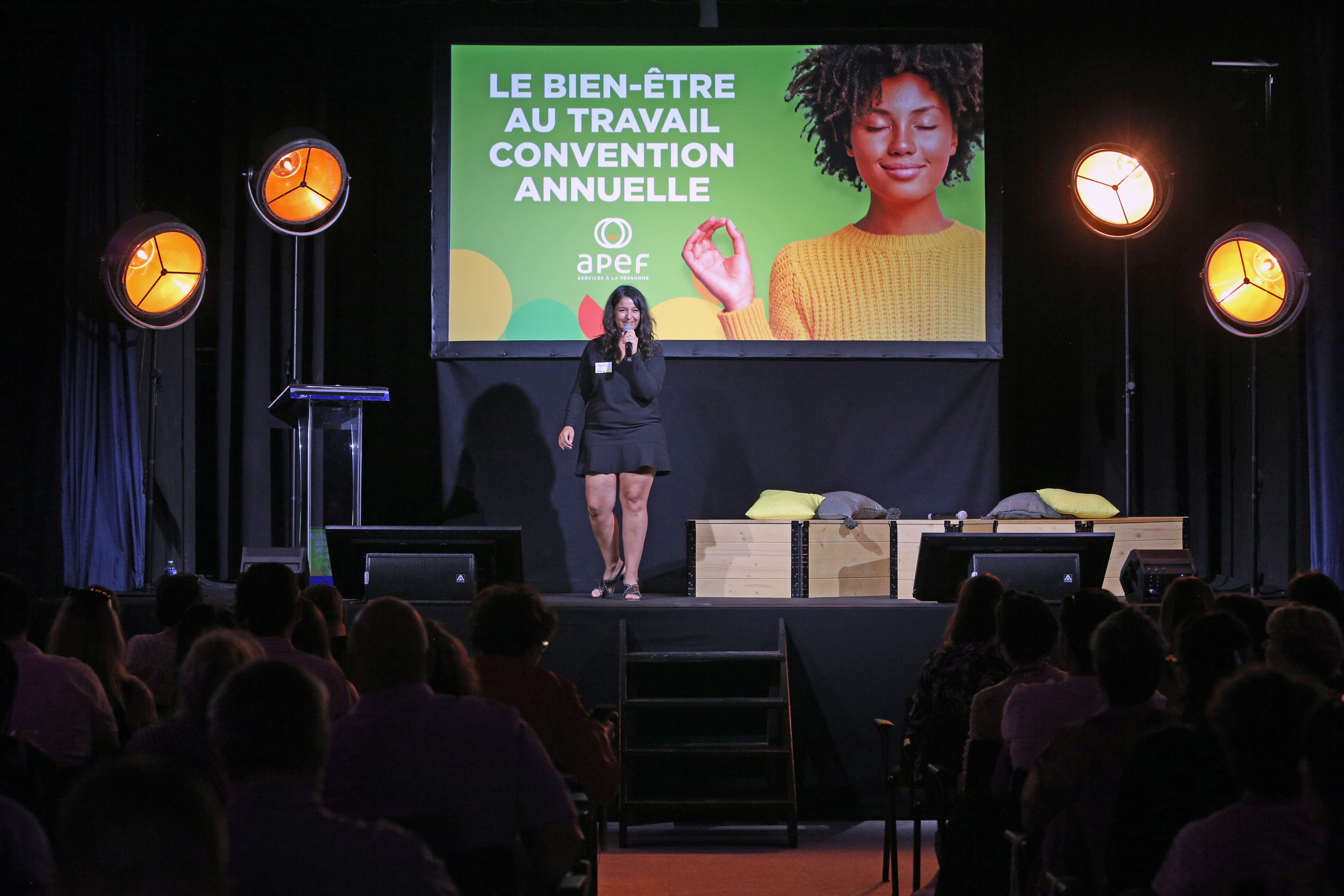
How to choose a venue in Madrid for an executive convention
The venue is not just a backdrop; it shapes how your audience perceives leadership, budget discipline, and organizational maturity. In Madrid, the right choice depends on your agenda structure (plenary + breakouts), technical ambition (recording/streaming), confidentiality level, and accessibility for regional teams.
| Venue type | For which objective? | Main strengths | Possible constraints |
|---|---|---|---|
Business hotels with conference floors (4–5*) | Executive meetings with plenary + 3–8 breakouts, strong service needs | Integrated catering, predictable operations, accommodation on-site, good AV baseline | Brand differentiation can be limited; exclusivity rules; peak-season availability in Madrid |
Dedicated convention centers / auditoriums | Large conventions (500–1,500+) with high production requirements | Capacity, backstage space, professional load-in, strong sightlines and acoustics (depending on hall) | Higher technical coordination; potential union/in-house vendor constraints; requires early booking |
Premium rooftop or urban event spaces | Leadership dinners, networking, investor or client-facing moments | High perceived value, strong atmosphere, easy storytelling for brand positioning | Weather contingency; noise restrictions; limited plenary seating and staging options |
We strongly recommend a site visit (or a technical recce) before locking the program. In Madrid venues, small details change everything: where trucks can unload, whether there is a service elevator for staging, how long room turns really take, and whether breakout rooms can be acoustically isolated. These checks protect your schedule and your budget.
What a Convention & Executive Meeting budget looks like in Madrid (28)
Pricing for a Convention & Executive Meeting in Madrid depends on your format, technical scope, and the level of production risk you want to remove. A realistic budget approach starts with a clear perimeter: attendee count, number of spaces, content complexity, and whether you need recording/streaming, interpretation, or executive-level staging.
Venue and catering: room rental, minimum spends, coffee breaks, lunch/dinner formats, and service levels. Seated formats cost more but offer control and better networking quality for executives.
Technical production: sound (speech intelligibility), lighting (camera-friendly if needed), screens/LED, stage design, media servers, and crew. The difference between “basic AV” and “broadcast-ready” is significant.
Content and speaker support: agenda design support, moderation, speaker coaching, slide harmonization, and rehearsal time. This is often underestimated but directly impacts leadership performance.
Entertainment and engagement tools: moderation, polling platform, live illustration, music, or artistic capsules. We plan these as timed modules with clear deliverables, not as open-ended “animation”.
Staffing and guest management: registration staff, hosts, floor managers, backstage managers, security (if required), and VIP handling. More rooms and more transitions require more supervision.
Logistics: signage, printing, badges, transport coordination, green rooms, and contingency buffers. In Madrid, traffic patterns and loading restrictions can influence staffing and scheduling.
Compliance and risk: insurance, permits where relevant, data protection for attendee lists, and confidentiality controls for sensitive business content.
From an ROI perspective, executive events pay back when they reduce misalignment and rework. We help you build budgets that defend the essentials (speech clarity, timing control, guest flow) and avoid spending on elements that do not support decisions, culture activation, or leadership credibility.
Why choose an event agency in Madrid for executive meetings
For executive formats, local presence is less about “knowing the city” and more about controlling operational risk. A event agency in Madrid can secure venues faster, negotiate workable technical terms, and mobilize trusted crews who know local load-in realities. It also means you can conduct on-site workshops, rehearsals and technical recces without adding travel friction or delays.
At INNOV'events, we structure projects with clear governance: decision timelines, sign-off points, and escalation rules. Madrid stakeholders often need quick pivots—speaker changes, agenda compression, late executive approvals. We manage these changes without compromising production quality by keeping a tight versioning system (run-of-show, slide versions, cue sheets) and by coordinating directly with venue and AV teams.
Local also means better contingency planning: alternate suppliers, backup equipment access, and realistic transport timing. When a keynote runs over or a breakout room needs a last-minute reset, your agency should already have floor coverage and authority lines in place.
- Faster venue and supplier access through existing relationships and availability intelligence.
- Lower operational friction thanks to on-the-ground rehearsals, walk-throughs and technical validation.
- More predictable budgets with realistic labor, transport and timing assumptions in Madrid.
- Day-of control via local production crews and an agency team that can scale up quickly.
From an ROI perspective, executive events pay back when they reduce misalignment and rework. We help you build budgets that defend the essentials (speech clarity, timing control, guest flow) and avoid spending on elements that do not support decisions, culture activation, or leadership credibility.






What we deliver in Madrid across convention formats
Our Madrid projects range from compact executive meetings to full-scale conventions with plenary stages, breakouts, and evening segments. Typical scenarios include: a leadership team needing to align on a new operating model; an HR director launching a performance and skills framework; a communication team managing a sensitive post-merger narrative; or a sales organization requiring a kick-off that drives behavior change rather than applause.
Operationally, we adapt to constraints without lowering standards. We have delivered conventions with strict confidentiality requirements (controlled access, badge checks, no filming zones), and others with multi-language needs (simultaneous interpretation, bilingual stage graphics). We also support hybrid strategies when internal audiences cannot travel: a studio-like plenary in Madrid with remote hubs, ensuring consistent audio, camera direction, and a realistic run-of-show.
Across all formats, our focus is the same: clarity of message, leadership performance, controlled timing, and a guest experience that reflects the organization’s professionalism. The event is judged by what happens in the room—and by how smoothly it runs when something changes.
Common mistakes to avoid in Madrid executive conventions
Overloading the agenda: too many presentations, insufficient breaks, and unrealistic transitions between rooms. The result is schedule drift and a tired audience before the most important segment.
Underestimating technical rehearsal: executives arrive expecting the stage to work. Without rehearsals, you risk audio issues, slide mismatches, and awkward handovers that harm credibility.
Choosing a venue before validating the run-of-show: a space can look impressive but fail on loading access, backstage, breakout capacity, or acoustics—especially critical in Madrid where some venues have strict operational rules.
Relying on “basic AV” for strategic content: poor speech intelligibility, inadequate confidence monitors, or mismatched screen formats reduce message impact immediately.
Entertainment disconnected from objectives: long performances that disrupt timing, or formats that create noise and crowding when executives need structured networking.
No ownership of decision points: if no one owns what must be decided during the meeting, you end with “nice content” and no outcomes.
Weak guest-flow design: registration queues, unclear signage, and insufficient staffing can set a negative tone in the first 10 minutes.
Our role is to prevent these risks through upfront design, technical validation, and disciplined production management. The goal is not perfection on paper; it is operational control on the day, with clear fallbacks when reality changes.
Why leadership teams in Madrid renew with the same agency
Recurring clients typically renew for one reason: the agency reduces internal workload while increasing predictability. For HR and communication teams, that means fewer last-minute crises, clearer stakeholder management, and an event that protects leadership image.
Multi-year programs: many executive conventions run annually; we maintain operational memory (agenda pacing, supplier fit, venue lessons learned) to improve each edition.
Governance discipline: decision logs, weekly steering calls, and version control reduce stress for internal teams managing multiple priorities.
Consistency under pressure: when a speaker changes, a flight is delayed, or a session runs long, clients value calm execution and fast trade-off decisions.

Loyalty is not about habit; it is a measurable outcome of reliability. In Madrid, where executive visibility is high and schedules are compressed, a partner who protects timing, quality and reputation becomes part of the leadership operating rhythm.
Our production process for Madrid executive meetings
👉 Madrid brief and stakeholder alignment workshop
We run a structured intake with executives/HR/Comms: objectives, success criteria, sensitive topics, decision moments, and constraints (budget, date, audience). We translate this into an agenda architecture and a first risk map (timing, technical, people-flow, reputation).
👉 Venue shortlist and technical feasibility in Madrid
We propose venues based on your agenda (plenary + breakouts), access needs, and brand positioning. We validate feasibility: rigging, sound limits, loading, backstage, catering flow, and in-house restrictions. We protect you from choosing a space that cannot deliver your run-of-show.
👉 Program design, entertainment integration and run-of-show
We build a minute-by-minute run-of-show with transitions, cues, and responsibilities. Entertainment is designed as timed modules: what it achieves (energy, transition, networking), how long it takes, what technical inputs it requires, and what the fallback is if timing changes.
👉 Production planning and supplier coordination
We coordinate AV, staging, catering, signage, hosts, security if needed, and engagement platforms. You receive clear documents: production schedule, floor plans, staffing plan, and a consolidated budget with assumptions and options (what changes the price and why).
👉 Speaker support and rehearsal discipline
We harmonize decks, check formats, and schedule rehearsals adapted to executive availability. On stage, we manage confidence monitors, cueing, microphone choices, and timing prompts—so leaders can focus on delivering the message and handling Q&A.
👉 Show day management and post-event reporting
We run the event with a clear chain of command: stage manager, floor managers, registration lead, and technical lead. After the event, we debrief with factual data (attendance, timing adherence, engagement metrics) and actionable recommendations for the next Madrid edition.
FAQ sobre la organización Convention & Executive Meeting en Madrid
How far in advance should we book a Madrid venue?
For Madrid, plan 8–16 weeks for standard corporate dates and 4–6 months for large conventions (500+), peak seasons, or premium venues. If your dates are fixed, we recommend launching venue sourcing immediately and keeping 2–3 backup options.
What attendee size works best for an executive meeting in Madrid?
Common sizes are 30–120 for leadership offsites and 150–600 for executive conventions with management layers. Above 600, venue capacity and production complexity increase sharply (additional breakouts, more staffing, stronger AV, stricter timing control).
How much does a Convention & Executive Meeting in Madrid cost?
Budgets vary by venue and technical scope. As a working range, executive meetings often start around €25,000–€60,000 for 100–200 attendees with professional AV and catering, while larger conventions can sit in the €80,000–€250,000+ range depending on staging, content production, and streaming. We provide option tiers with clear trade-offs.
Do we need simultaneous interpretation in Madrid events?
If you have international leaders or mixed-language audiences, yes—often it is worth it. Typical setups are 1–2 language pairs with headsets for 20%–60% of attendees. The decision depends on how strategic the content is and whether you can accept partial comprehension risk.
Which entertainment is appropriate for corporate events in Madrid?
For executive audiences in Madrid, the safest high-impact choices are time-boxed and controlled: short musical cues, live illustration, moderated interactions, or curated tastings during breaks. We avoid long performances that consume agenda time unless they directly support your narrative and we can rehearse them properly.
Request a Madrid proposal with clear options and timelines
If you are planning a Convention & Executive Meeting in Madrid, involve production early—venue and technical constraints determine what is truly possible and what will create risk. Share your date window, estimated attendee count, objectives, and whether you need breakouts, streaming, or bilingual delivery. INNOV'events will come back with a structured proposal: venue options, agenda logic, production scope, and budget tiers with transparent assumptions.
To protect availability in Madrid, we recommend starting with a short call and a rapid venue shortlist within 72 hours (depending on complexity). The earlier we lock the fundamentals, the more room you have to refine content and leadership messaging without operational stress.
INNOV'events Madrid Agency
Cyril Azevedo is the manager of the INNOV'events Madrid office. Reach out directly by email at cyril@innov-events.es or via the contact form.
Contact the Madrid agencyAll our services & entertainment Madrid
Discover our event services
Discover our event entertainment available in the España
- Event Hostess Madrid
- Escape Game Madrid
- MasterChef Cooking Workshop Madrid
- Magician Madrid
- Marquee Rental Madrid
- Color Analysis Workshop Madrid
- Inflatable Games Madrid
- Valet Parking Service Madrid
- Football Simulator Madrid
- LED Furniture Rental Madrid
- Light Branding Madrid
- Unique Dining Experience Madrid
- Light Painting Madrid
- Murder Mystery Party Madrid
- Prize Contest Madrid
- Promotional Displays (POS) Madrid
- Virtual Reality Madrid
- Molecular Gastronomy Workshop Madrid
- Halloween Entertainment Madrid
- Fireworks Show Madrid
- Giant Games Challenge Madrid
- Event Host / MC Madrid
- Photo Booth Animation Madrid
- Santa Claus Entertainment Madrid
- Kids Entertainment Madrid
- Guided Tour Madrid
- Urban Rally Madrid
- Ball Pit Madrid
- Flight Simulator Madrid
- Food Truck Rental Madrid
- World Record Challenge Madrid
- Surf Simulator Madrid
- Wine Casino Madrid
- Makeover Workshop Madrid
- Perfume Creation Workshop Madrid
- Acting Workshop Madrid
- CSR Activities Madrid
- Archery Madrid
- Security Staff Madrid
- Wine Tasting Madrid
- Mime Performer Madrid
- TV Game Show Madrid
- Funfair Madrid
- Crisis Management Workshop Madrid
- Crisis Negotiation Workshop Madrid
- Arcade Games Madrid
- Indoor Skydiving Simulator Madrid
- Ski Simulator Madrid
- Racing Circuit Experience Madrid
- Introductory Flight Experience Madrid
- Tasting Experience Madrid
- Build Your Own Foosball Workshop Madrid
- 2CV Rally Madrid
- LEGO Challenge Madrid
- Casino Night Madrid
- Interpreter / Translator Madrid
- Promotional Giveaways Madrid
- Shuttle Transport Madrid