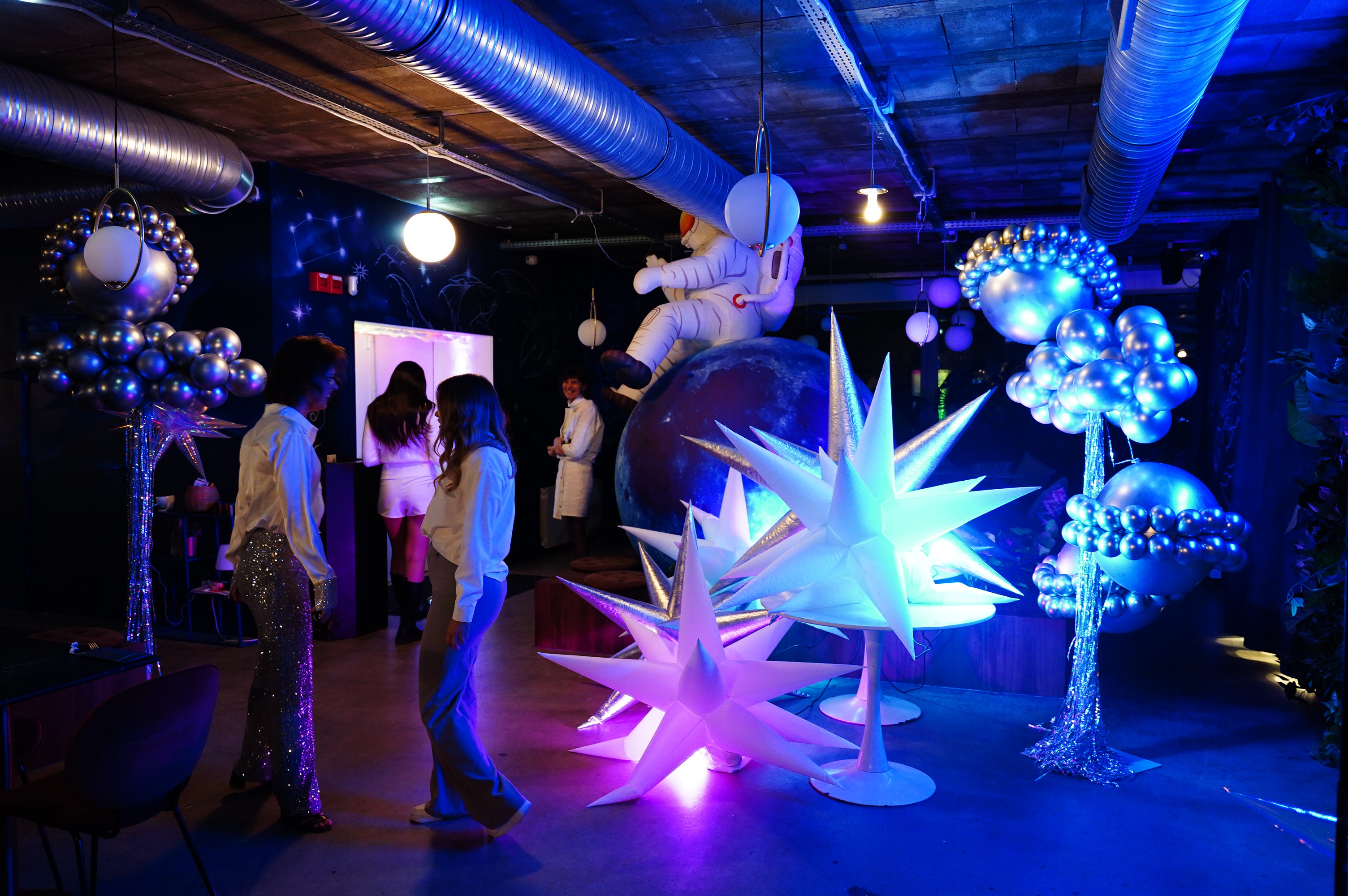
Event Decoration in Madrid that protects your brand on the day
At INNOV'events, we design and deliver Event Decoration for corporate events in Madrid, typically from 50 to 1,500 attendees. We handle the full chain: creative concept, technical drawings, production, transport, set-up, on-site coordination and dismantling. You keep control over brand consistency, approvals and budget—without last-minute surprises.
Table of contents
Decoration is not “nice to have”: in a corporate event it directly impacts perception, photo/video output, employer brand and the credibility of leadership messages. In Madrid, where many guests attend multiple events per month, details like finishes, lighting temperature and signage hierarchy quickly separate professional execution from improvisation.
Local organizations expect fast decision cycles, strict venue rules, and a decoration plan that works with real constraints (loading bays, elevators, acoustic limits, fire regulation). HR and Comms teams also need predictable deliverables: mock-ups for approvals, brand compliance, and a set-up plan that does not disrupt speakers, catering or guest flow.
INNOV'events is an event agency in Madrid with crews used to corporate sites, hotels and venues across the city. We plan with venue technical managers, anticipate access restrictions, and bring production partners who can deliver the same week when your internal timeline compresses.
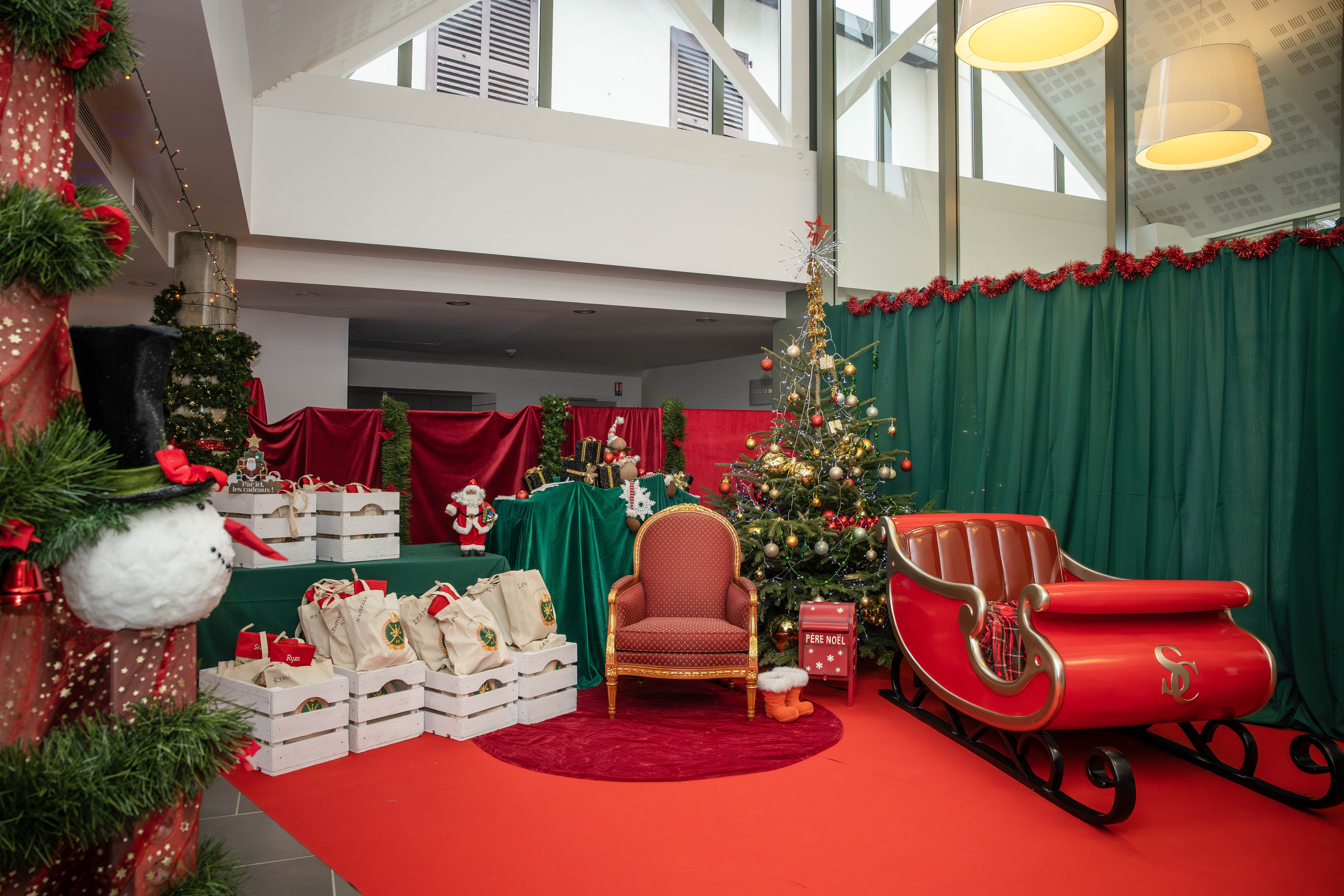
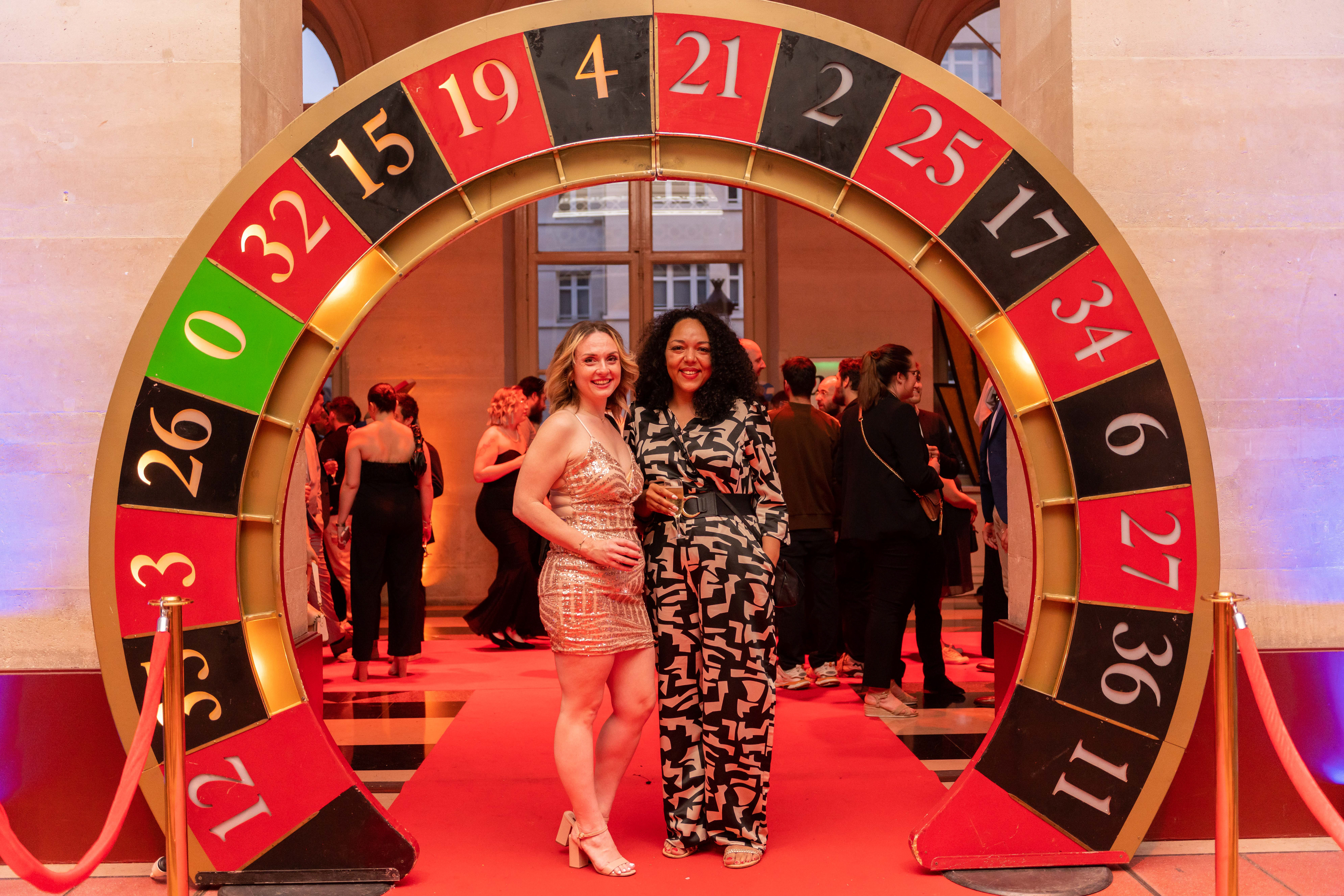
INNOV'events in numbers across Madrid and Spain
12+ years supporting corporate events across Spain, with recurring projects in Madrid every month.
150+ corporate events/year delivered through our national network (internal teams + audited suppliers) with consistent production standards.
Operational coverage from 20 to 2,000 attendees, from board-level dinners to large town halls and partner conferences.
24–72h turnaround possible for urgent decoration adaptations (brand changes, last-minute speakers, venue switch), depending on stock and approvals.
How to organize a professional event in Madrid?
- Define the objective (cohesion, announcement, fidelity, performance).
- Set date, format and size (20–1 000 people).
- Secure the venue and accommodation according to seasonality.
- Lock down technical, suppliers and logistics.
- Drive the day J (timing, scene, entrance, flow).
Madrid references and recurring corporate collaboration
We work with organizations based in Madrid and with international companies that use the city for regional launches, annual meetings and leadership offsites. Many clients return year after year because they need the same thing every time: predictable delivery, clear responsibilities, and decoration that supports a message—not a distraction.
If you share your internal constraints (procurement rules, preferred venues, brand guidelines, approval gates), we adapt the project management to your reality. For example, we frequently operate under multi-stakeholder validation: HR approves employee experience, Comms approves brand consistency, Facilities approves access and safety, and Finance needs traceable line items. Our job is to consolidate that into one coherent plan and execute it on-site.
When you request a proposal, we can also align with your existing partners (AV, catering, venue in-house teams) to avoid duplicated costs and the classic “grey zones” that create friction on the event day.
We send you a first proposal within 24h.
Why invest in Event Decoration in Madrid for corporate outcomes
Event Decoration is one of the few levers you can control end-to-end: it frames what guests see, how they move, what they photograph, and how the brand is remembered. In Madrid, where events often include mixed audiences (employees, partners, media, institutional stakeholders), decoration becomes a governance tool: it creates order, clarity and authority.
Message discipline for executives: a well-designed stage + branding system avoids visual noise and keeps attention on the narrative. We plan sightlines, logo scale, background contrast for cameras, and consistent typography so speeches and key figures land.
Operational flow for HR and Workplace teams: clear wayfinding, check-in zoning, coat storage, and crowd guidance reduce stress points. In Madrid venues with tight corridors or limited foyer space, zoning is often the difference between calm arrival and queues.
Content-ready environments for Comms: we build “photo assets” on purpose (press wall, leadership backdrop, product podium, interview corner) with proper lighting and clean branding so your team can publish within hours.
Risk control: decoration impacts safety (cable management, flame-retardant materials, emergency exits). We plan with venue regulations and document materials to prevent last-minute removals by security or technical management.
Budget predictability: when decoration is engineered (dimensions, quantities, delivery windows), you avoid the common drift caused by late add-ons, reprints and double handling.
Madrid is a fast-moving business hub: guests compare experiences and standards quickly. Good decoration is less about “spectacle” and more about meeting the city’s expectations for precision, brand maturity and operational control.
What Madrid stakeholders expect from corporate decoration
In Madrid, the pace and density of corporate life creates very specific expectations. Venues often run back-to-back events, and your set-up window can be shorter than you would like. That is why we design decoration with real logistics in mind: modular structures, pre-assembled elements, and print formats that fit freight elevators and loading docks.
Another local reality: many events include a bilingual or international layer. We frequently implement dual-language signage systems (ES/EN) without doubling costs by using smart modular panels and reusable bases, then swapping inserts. This matters in large hotels or conference centers where guest flow depends on clarity.
Procurement and compliance are also stricter than they look from the outside. We are used to supplier onboarding, insurance certificates, risk assessments, and venue documentation. For listed companies or regulated sectors, we can provide line-item budgets with alternatives (good/better/best) and clear assumptions: what is included, what is optional, and what triggers additional costs (extra hours, additional rigging, special access equipment).
Finally, there is the brand maturity typical of many Madrid headquarters: small inconsistencies are noticed. We work from brand guidelines (logo clear space, color references, typography), and we validate print proofs and color tests because “almost the right red” becomes very visible under event lighting.
Which decoration-driven experiences work best in Madrid events
Engagement often comes from what guests can do and share, not from adding “more stuff”. We design decoration as an experience layer: it supports interaction, guides movement, and creates the right atmosphere for networking, recognition or strategic messaging. Below are options we frequently deploy in Madrid, with practical notes on what they require.
Interactive animations in Madrid
Branded arrival tunnel with timed lighting cues: effective for launches and annual meetings. Requires precise measurements and coordination with venue power distribution; we plan load and cable routing to keep walkways clear.
Modular wayfinding + zoning system: color-coded areas (plenary, workshops, partner zone) that reduces guest confusion. Particularly useful in multi-room hotels in Madrid, where signage must be readable at distance and consistent across floors.
Interactive “values wall” or strategy roadmap: guests place tokens or write commitments. We choose materials that photograph well and can be dismantled without wall damage (freestanding frames, weighted bases).
Art animations in Madrid
Scenic stage framing (architectural panels, textured backdrops, integrated LED accents): gives depth on camera and avoids the flat “conference room” look. We design around screen sizes and camera shots to prevent moiré and glare.
Floral design with corporate discipline: controlled palettes aligned to brand colors, with low-profile centerpieces to protect conversation. We plan quantities based on table count, room volume and air conditioning intensity (important in Madrid’s seasonal extremes).
Gallery-style exhibition of company milestones: premium for anniversaries and employer branding. We include lighting and spacing guidelines so the story reads quickly during cocktail flow.
Innovative animations in Madrid
Decorated tasting stations (Spanish products with corporate styling): the decoration here is functional—clear menus, allergen signage, queue management, and back-of-house concealment. We coordinate with catering to keep service efficient.
Executive coffee corner with brand elements: designed for high-quality networking. We focus on acoustics (soft furnishings), lighting and discreet branding so it feels premium rather than promotional.
Gourmand animations in Madrid
Projection mapping on architectural surfaces: impactful in venues with character (industrial or heritage). Requires a technical recce, controlled ambient light and coordination with AV; we define set-up time because calibration cannot be rushed.
Reusable scenic system for multi-date internal events: the same structure adapted with new skins/prints. This reduces waste and improves budget efficiency for HR roadshows or quarterly town halls in Madrid.
Hybrid-ready scenic design: stage and backdrop optimized for streaming—proper contrast, brand placement in frame, and lighting temperatures matched to camera. This is crucial when leadership messages are broadcast beyond Madrid.
Whatever the idea, we validate alignment with brand image: not only “does it look good”, but “does it look like us” and “does it help the objective”. For executive audiences in Madrid, coherence and restraint often signal confidence more than excess.
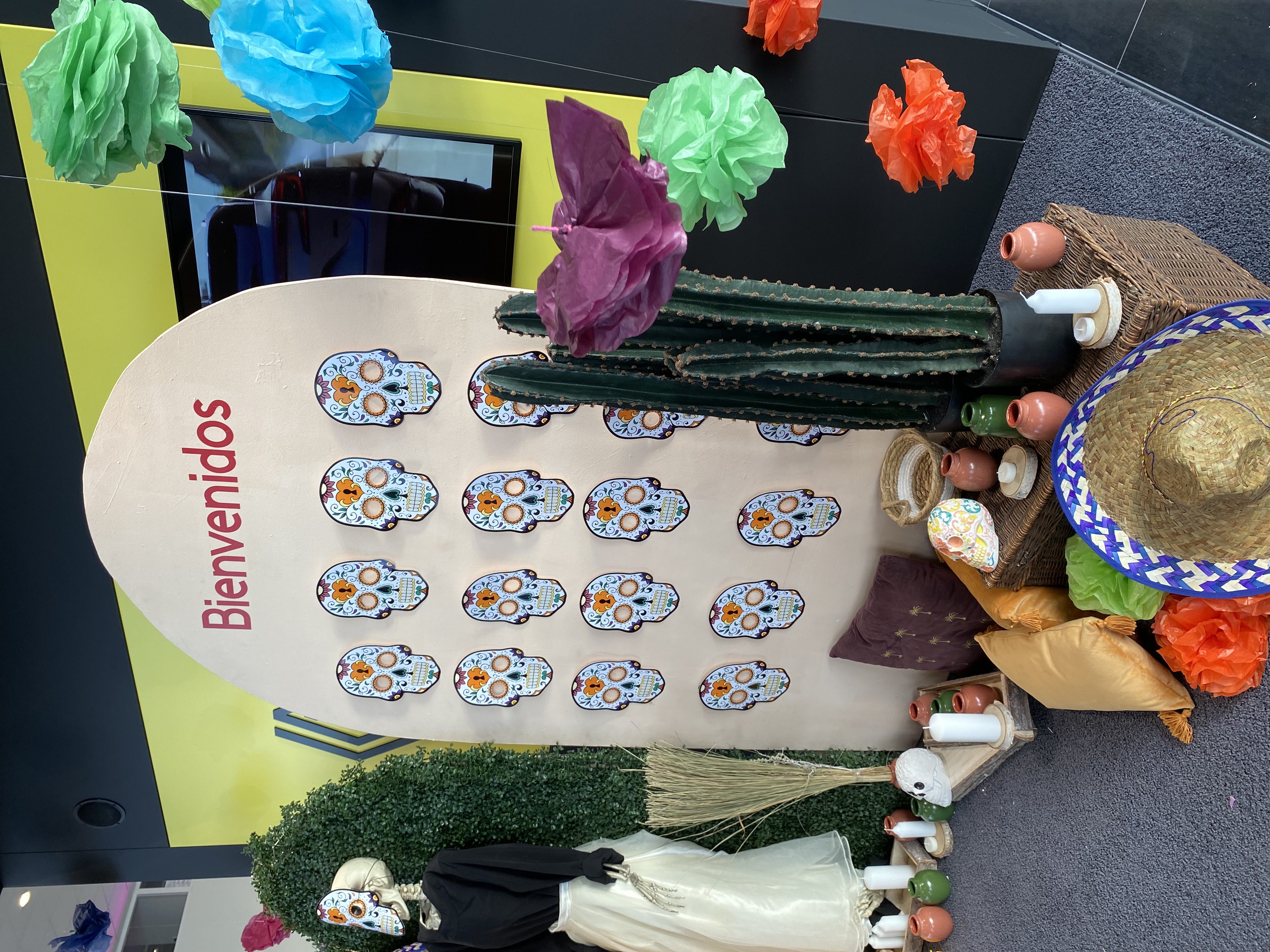
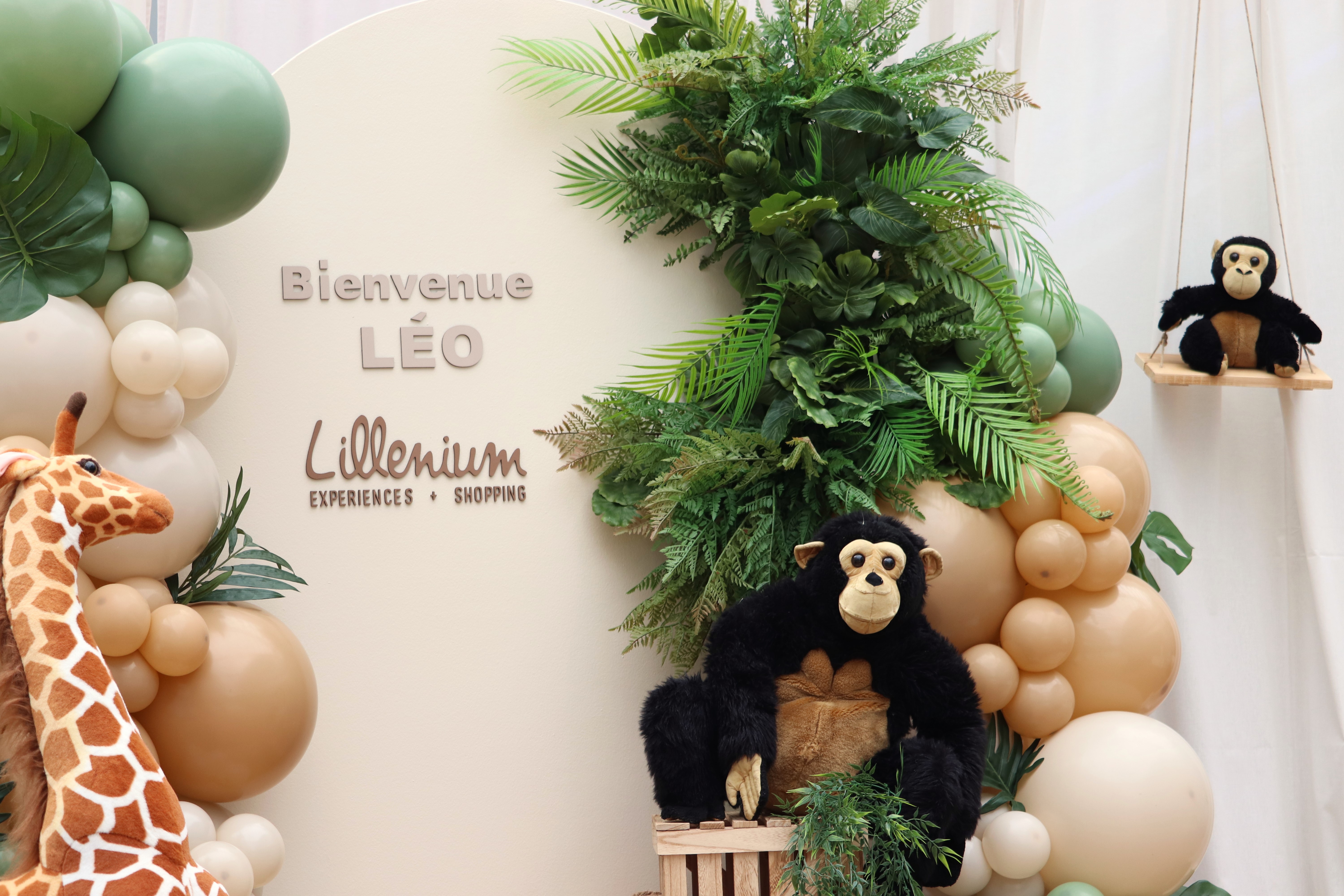
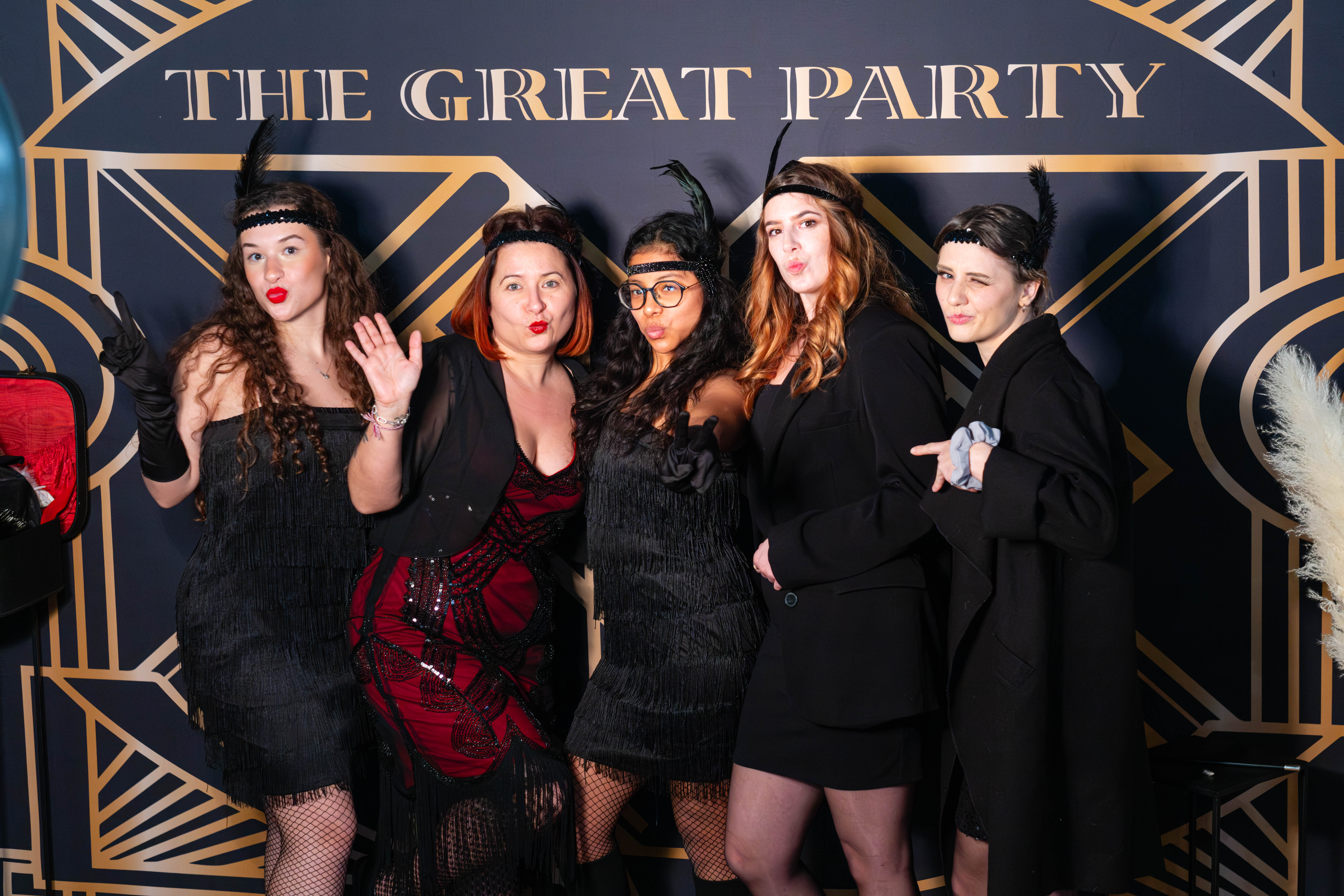
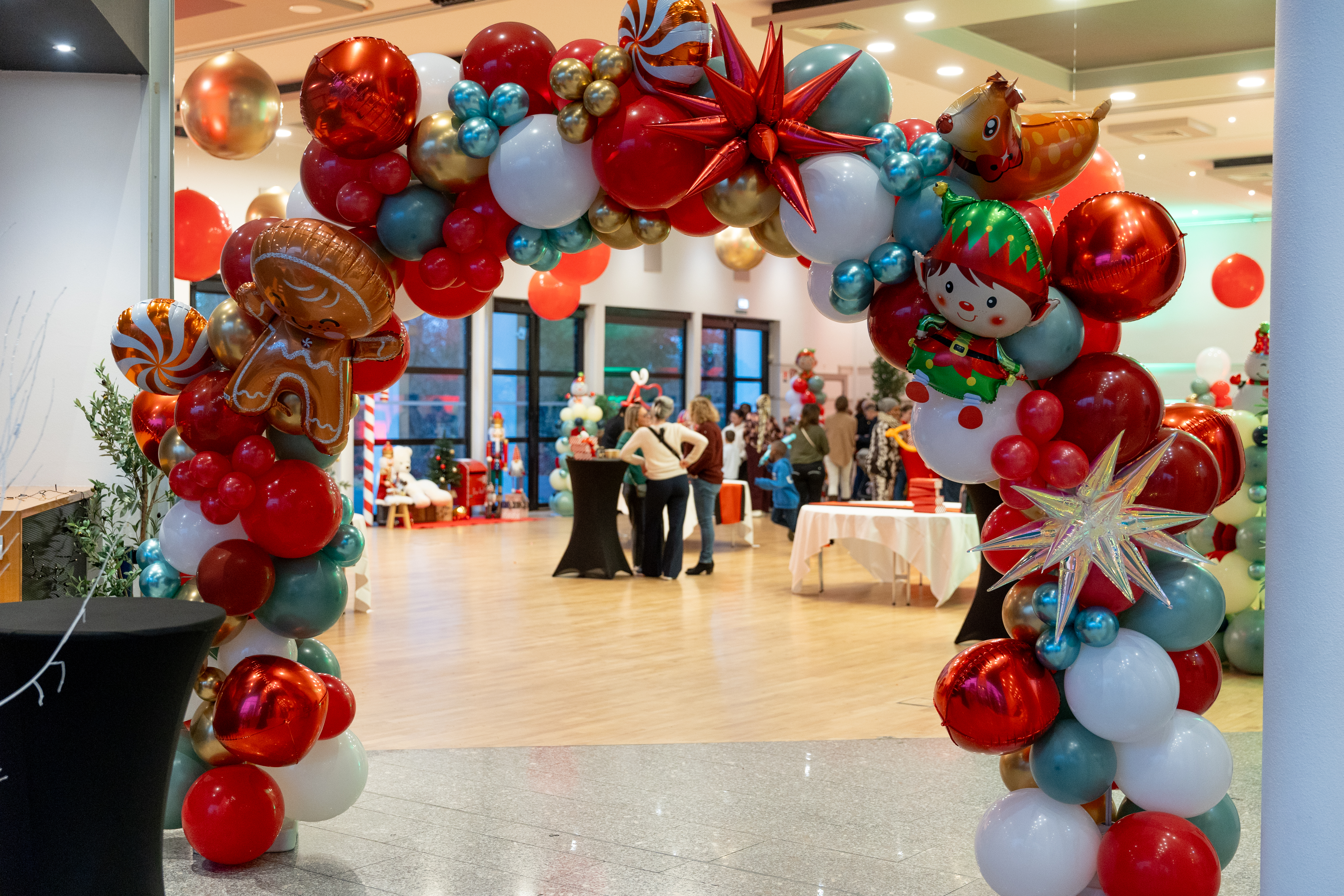
How to choose a Madrid venue that supports Event Decoration
The venue defines what decoration can realistically achieve: ceiling height, rigging points, wall fixing rules, storage, set-up windows and acoustics. A concept that works in a large convention space may be impossible in a boutique venue with limited access. For Event Decoration, we select venues where production can be executed safely and on schedule.
| Venue type | For which objective? | Main strengths | Possible constraints |
|---|---|---|---|
| Business hotels with conference floors (Madrid) | Town halls, sales kick-offs, multi-room workshops | In-house technical teams, predictable logistics, furniture availability, overnight set-up options | Branding restrictions in common areas, limited rigging, competing events affecting access |
| Industrial/warehouse-style spaces in the Community of Madrid | Product launches, partner events, immersive brand environments | High ceilings, strong scenic potential, flexible layouts for large builds | More technical production needed (power, HVAC, acoustics), longer set-up, permits and safety controls |
| Premium rooftops and terraces in Madrid | Executive cocktails, client hospitality, media moments | City views create instant perceived value; decoration can stay minimal but strategic | Weather contingency, sound limits, elevator capacity, strict timing for deliveries |
We strongly recommend a site visit (or technical recce) before finalizing the decoration plan. In Madrid, access details—loading bay height, distance to ballroom, elevator size—often decide whether a build is smooth or becomes expensive due to extra labor and time.
What does Event Decoration cost in Madrid (real ranges)
Pricing for Event Decoration in Madrid depends on scale, complexity and the production timeline. As a working reference for corporate contexts, decoration budgets often fall between €25–€90 per attendee, with smaller executive events sometimes higher per head due to premium materials and bespoke builds. We always structure proposals with clear line items so Finance and Procurement can validate scope and compare options fairly.
Venue constraints: difficult access, limited set-up hours, or special permits can increase labor and transport costs in Madrid.
Level of customization: bespoke carpentry, custom scenic structures, and complex textiles cost more than modular systems with printed skins.
Branding volume: number of zones to brand (arrival, stage, breakouts, catering, photo points) and quantity of signage/prints.
Technical integration: coordination with AV (LED, projection, lighting) and whether scenic elements require rigging, truss or special engineering.
Timeline and approvals: compressed timelines often mean express production, additional shifts, or limited supplier options.
Reuse strategy: investing in reusable structures reduces total cost across repeated Madrid events, even if the first edition is higher.
We treat budget as a performance tool: what will be seen in photos, what supports the keynote, what reduces operational risk, and what can be reused. This is how you justify spend with a clear return: stronger brand perception, smoother guest flow, and fewer last-minute costs.
Why work with a local agency for decoration in Madrid
Decoration fails when logistics are underestimated. A local team in Madrid reduces that risk because we know the practical realities: delivery restrictions, traffic patterns, venue loading protocols, and which suppliers can truly deliver on short notice.
We also bring established working relationships with local production partners (printing, carpentry, florists, scenic builders), which improves reliability when timelines compress. When an executive decides late to add a branded interview corner or extend stage frontage, you need partners who can react within 24–48 hours without compromising finishing quality.
Finally, local presence matters on the event day. If something breaks, you need immediate solutions: backup materials, a runner who can collect a replacement, or an extra pair of hands during peak set-up. This is not theoretical—it is the difference between a calm opening and a visible scramble.
- Faster on-site decision making with a lead who can coordinate venue, AV, catering and your internal stakeholders.
- More accurate budgeting thanks to real knowledge of Madrid labor, transport and venue constraints.
- Higher delivery reliability through vetted local suppliers and backup options.
- Better compliance with venue rules, fire regulations and documentation requirements.
We treat budget as a performance tool: what will be seen in photos, what supports the keynote, what reduces operational risk, and what can be reused. This is how you justify spend with a clear return: stronger brand perception, smoother guest flow, and fewer last-minute costs.













What we have delivered in Madrid: formats and constraints
Our decoration projects in Madrid cover a wide range of corporate needs, and the complexity is usually in the constraints rather than the concept. We have delivered leadership town halls where stage design needed to look premium on camera while remaining modular for quick overnight set-up. We have supported awards nights where table plans, sponsor visibility and guest flow had to work perfectly under tight timing. And we regularly build partner events with multiple branded zones—plenary, demo stations, networking areas—where the challenge is consistency and clarity across the entire guest journey.
One common situation: a last-minute agenda change that affects the room layout. For instance, adding a panel discussion can require extending stage depth, adding lecterns, or adjusting backdrop proportions so the frame looks balanced. Because we engineer decoration with modularity and documented measurements, we can adapt without turning the venue into a construction site.
Another frequent reality in Madrid is coexisting with other events in the same building. We plan discrete, efficient set-up: pre-labeled flight cases, crew zones, and a sequence that prioritizes guest-facing areas first (arrival + stage), then secondary areas. The result is a professional environment even if your access starts late.
Madrid decoration pitfalls we help you avoid
Overdesigning without build logic: beautiful concepts that ignore access, ceiling height or rigging rules, leading to last-minute compromises.
Underestimating set-up and dismantling time: especially in Madrid city-center venues with limited loading slots and strict cut-off times.
Brand inconsistency across zones: mixed colors, mismatched fonts, or varying logo treatments that dilute the corporate message.
Poor photo/video readiness: shiny materials causing glare, wrong contrast, or backdrops that look empty in camera frames.
Safety and compliance gaps: blocked emergency exits, uncertified textiles, unstable structures, or unmanaged cables.
Unclear responsibility split: “who does what” between venue, AV, catering and decoration—often the source of day-of conflict.
Our role is to remove these risks through technical planning, documented deliverables, and on-site coordination. You should be able to focus on stakeholders and messages, not on whether the backdrop will stand or the signage will arrive.
Why Madrid clients renew with INNOV'events
Recurring collaboration is rarely about “liking the style”. It is about confidence under pressure. Teams come back when they know the agency will protect the timeline, the budget and the brand—even when internal decisions change late.
60–70% of our corporate projects involve repeat clients or repeat formats (annual meetings, recurring roadshows, quarterly town halls).
For recurring Madrid programs, we typically reduce production lead time by 20–30% after the first edition thanks to reusable systems and validated measurements.
We routinely propose reuse options that can reduce print waste by 30–50% across multi-date event calendars.

Loyalty is the best proof: it means the agency delivered when it mattered, with no noise for your executive sponsors and no surprises for Finance.
Our Madrid process to deliver decoration without surprises
👉 Step 1 (Madrid) — Brief consolidation and decision mapping
We start with a short working session to lock objectives, audience, brand rules and approval gates. We identify who signs off creative, who validates budget, and who owns venue/technical approvals. This prevents rework and late changes that typically create rush costs.
👉 Step 2 (Madrid) — Concept, zoning and visual priorities
We propose 1–2 clear decoration directions with practical implications: where branding appears, what guests see first, and what is designed for photos. We define zones (arrival, stage, networking, catering, breakouts) and specify what each zone must achieve operationally.
👉 Step 3 (Madrid) — Technical design and production pack
We translate the concept into buildable documents: scaled floor plan, elevations, quantities, material specifications, print files, and installation sequencing. We coordinate with venue technical management and AV to validate feasibility (rigging points, power, sightlines, safety).
👉 Step 4 (Madrid) — Budget options and procurement-ready documentation
We issue a line-item budget with alternatives (e.g., modular scenic vs bespoke carpentry; standard floral vs premium). Each option includes assumptions and triggers for additional cost (extra hours, late changes, extra access equipment), supporting Procurement comparisons.
👉 Step 5 (Madrid) — On-site set-up, punch-list, and show readiness
We run crew call times, loading schedules, and installation by priority: stage and guest-facing zones first. Before doors open we complete a punch-list: alignment, cleanliness, safety, signage accuracy, camera check. You receive a single on-site lead for decisions.
👉 Step 6 (Madrid) — Dismantling, venue handover and post-event learnings
We dismantle according to venue rules and timing, protecting surfaces and ensuring waste management. For recurring programs, we document what to reuse, what to improve, and we store validated files and measurements to accelerate your next Madrid edition.
FAQ sobre la organización Event Decoration en Madrid
How early should we book Event Decoration in Madrid?
For corporate events in Madrid, plan 4–8 weeks ahead for standard decoration and 8–12 weeks for bespoke scenic builds or peak-season dates. Urgent projects can be done in 7–10 days if the concept uses modular structures and fast-print solutions.
What budget range is realistic for decoration in Madrid?
A common corporate range in Madrid is €3,500–€15,000 for a 80–200 guest event (branding + stage dressing + key zones). Larger conferences with multiple areas and scenic builds often sit between €18,000–€60,000+, depending on customization and technical integration.
Can you match our brand guidelines precisely in Madrid?
Yes. We work from your brand assets (logos, fonts, color references) and validate print proofs before production. For sensitive colors, we recommend a physical sample or color test, because venue lighting in Madrid can shift perception significantly.
Do Madrid venues require fire-retardant decoration materials?
In many Madrid venues, textiles and scenic elements must be certified flame-retardant (commonly requested for drapes, backdrops and suspended elements). We specify compliant materials and can provide documentation when the venue or your compliance team requests it.
Can you decorate multiple rooms in Madrid in one day?
Yes, if access windows and crew sizing are planned correctly. For multi-room set-ups in Madrid, we split teams by zone, pre-label all elements, and prioritize guest-facing areas. Typical feasibility depends on load-in time and distance from loading bay; we confirm after a technical recce.
Request a Madrid decoration plan with clear scope and budget
If you are comparing agencies, we suggest starting with a short call and a venue/format checklist. We will confirm feasibility, propose a decoration direction aligned with your brand, and deliver a structured budget you can validate internally.
For events in Madrid, earlier planning directly reduces cost and risk: it secures production slots, improves venue coordination and avoids express fees. Share your date, venue (if known), attendee range and the key moment you need to stage (keynote, awards, launch), and INNOV'events will come back with a realistic plan and timeline.
INNOV'events Madrid Agency
Cyril Azevedo is the manager of the INNOV'events Madrid office. Reach out directly by email at cyril@innov-events.es or via the contact form.
Contact the Madrid agencyAll our services & entertainment Madrid
Discover our event services
Discover our event entertainment available in the España
- Event Hostess Madrid
- Escape Game Madrid
- MasterChef Cooking Workshop Madrid
- Magician Madrid
- Marquee Rental Madrid
- Color Analysis Workshop Madrid
- Inflatable Games Madrid
- Valet Parking Service Madrid
- Football Simulator Madrid
- LED Furniture Rental Madrid
- Light Branding Madrid
- Unique Dining Experience Madrid
- Light Painting Madrid
- Murder Mystery Party Madrid
- Prize Contest Madrid
- Promotional Displays (POS) Madrid
- Virtual Reality Madrid
- Molecular Gastronomy Workshop Madrid
- Halloween Entertainment Madrid
- Fireworks Show Madrid
- Giant Games Challenge Madrid
- Event Host / MC Madrid
- Photo Booth Animation Madrid
- Santa Claus Entertainment Madrid
- Kids Entertainment Madrid
- Guided Tour Madrid
- Urban Rally Madrid
- Ball Pit Madrid
- Flight Simulator Madrid
- Food Truck Rental Madrid
- World Record Challenge Madrid
- Surf Simulator Madrid
- Wine Casino Madrid
- Makeover Workshop Madrid
- Perfume Creation Workshop Madrid
- Acting Workshop Madrid
- CSR Activities Madrid
- Archery Madrid
- Security Staff Madrid
- Wine Tasting Madrid
- Mime Performer Madrid
- TV Game Show Madrid
- Funfair Madrid
- Crisis Management Workshop Madrid
- Crisis Negotiation Workshop Madrid
- Arcade Games Madrid
- Indoor Skydiving Simulator Madrid
- Ski Simulator Madrid
- Racing Circuit Experience Madrid
- Introductory Flight Experience Madrid
- Tasting Experience Madrid
- Build Your Own Foosball Workshop Madrid
- 2CV Rally Madrid
- LEGO Challenge Madrid
- Casino Night Madrid
- Interpreter / Translator Madrid
- Promotional Giveaways Madrid
- Shuttle Transport Madrid