
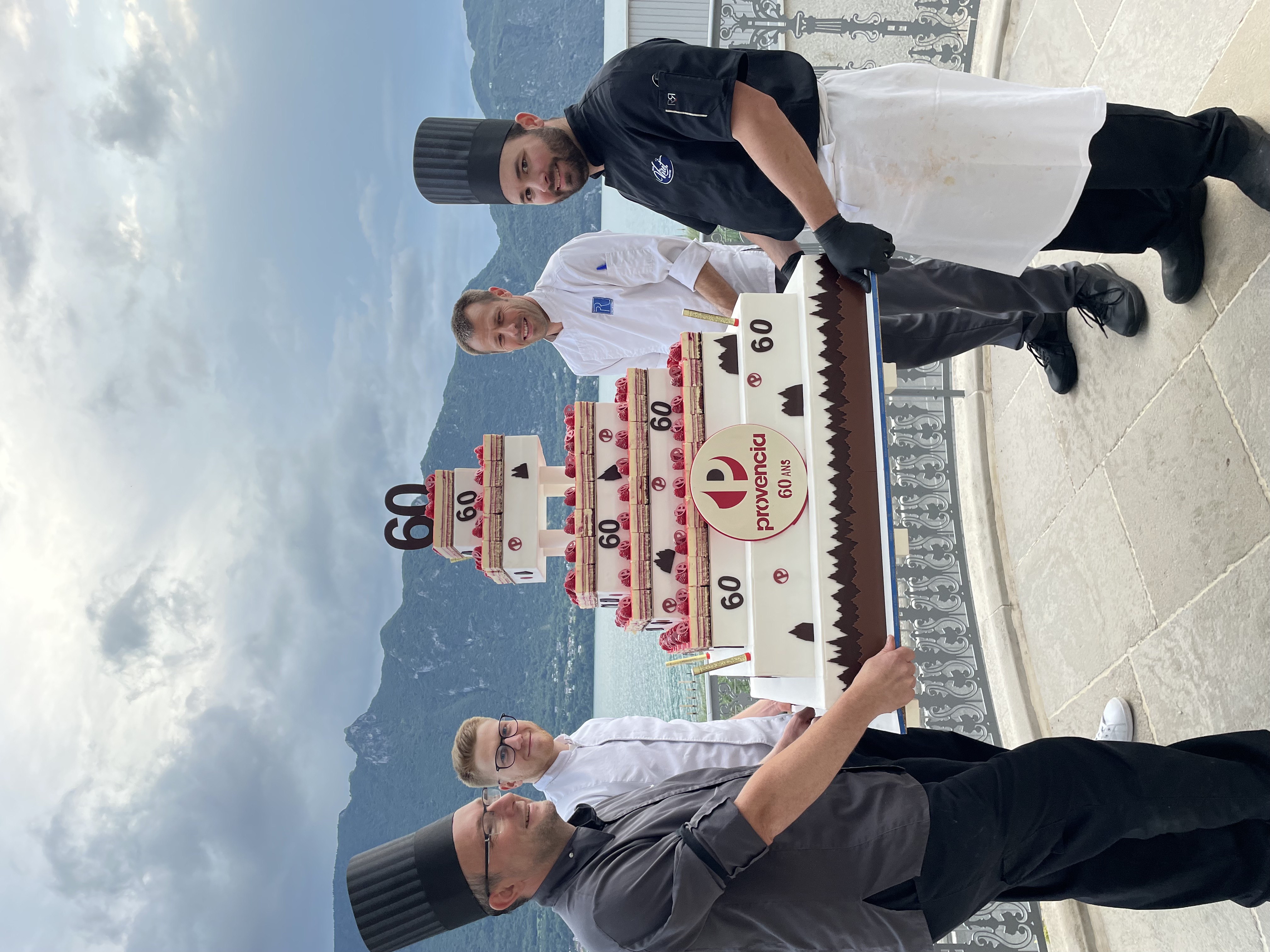
Event Catering in Madrid that protects your agenda and your brand
INNOV'events designs and delivers Event Catering for corporate events in Madrid, from executive breakfasts to multi-day conventions. Typical formats range from 30 to 2,000 attendees, with the same promise: timings under control, service standards aligned to your brand, and a kitchen/logistics plan that holds on event day.
We handle menu engineering, supplier sourcing, staffing, production schedules, dietary compliance, and on-site coordination so your HR, Comms, or Exec team can focus on hosting—not firefighting.
Table of contents
In a corporate event, catering is not “just food”: it sets pace, controls queues, influences networking density, and becomes the most photographed touchpoint. A late coffee break or under-staffed cocktail in Madrid can derail a CEO’s run-of-show in minutes.
Local organisations expect punctuality, discretion, and a service level that matches the venue and the guest profile—especially when international visitors or C-level stakeholders are involved. In Madrid, traffic patterns, loading windows, and venue restrictions make planning as important as cuisine.
INNOV'events operates with a Madrid-based production approach: pre-briefed teams, vetted caterers by format, contingency stock, and a floor plan built around guest flow. We are present on-site to manage service rhythm and stakeholder requests in real time.
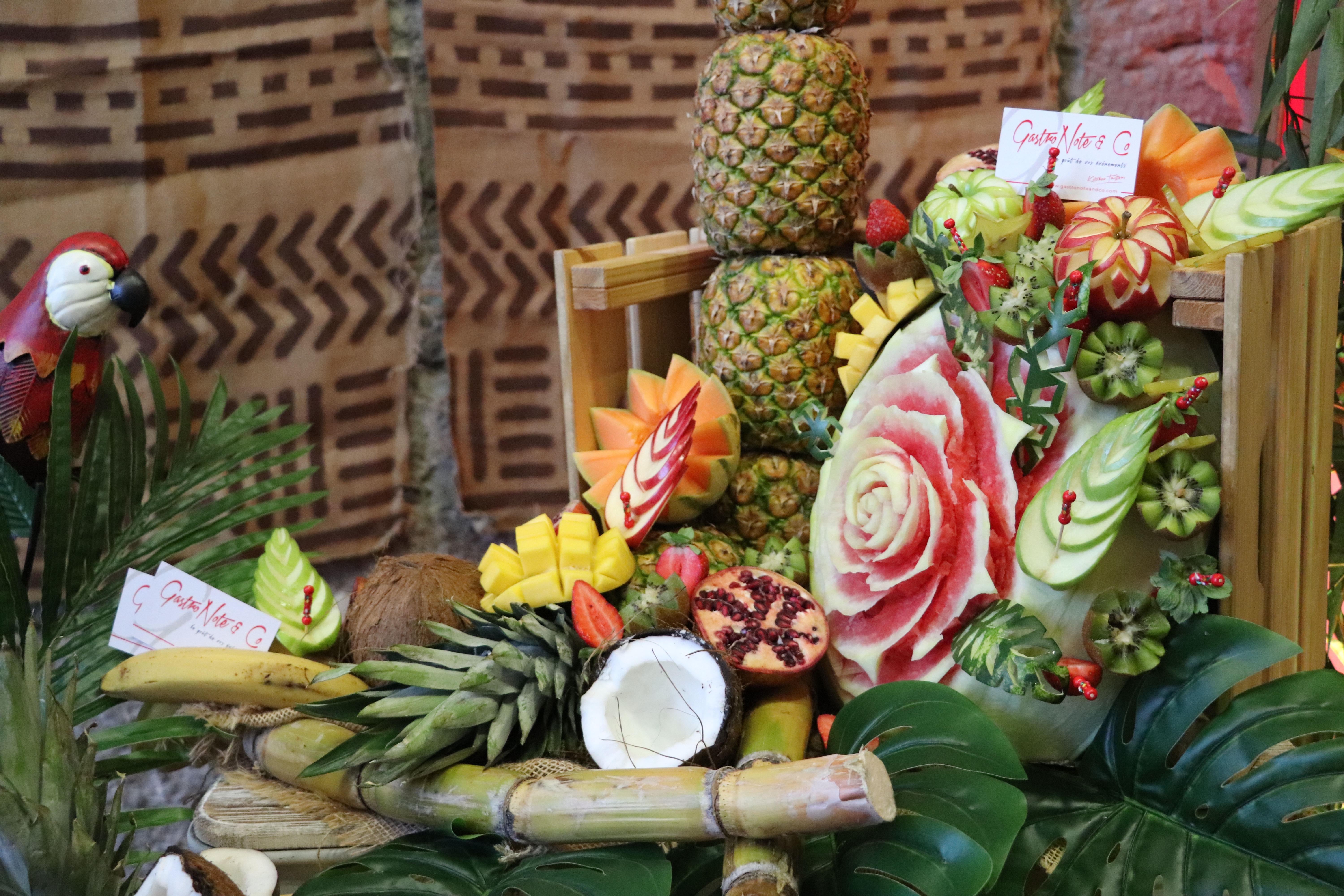
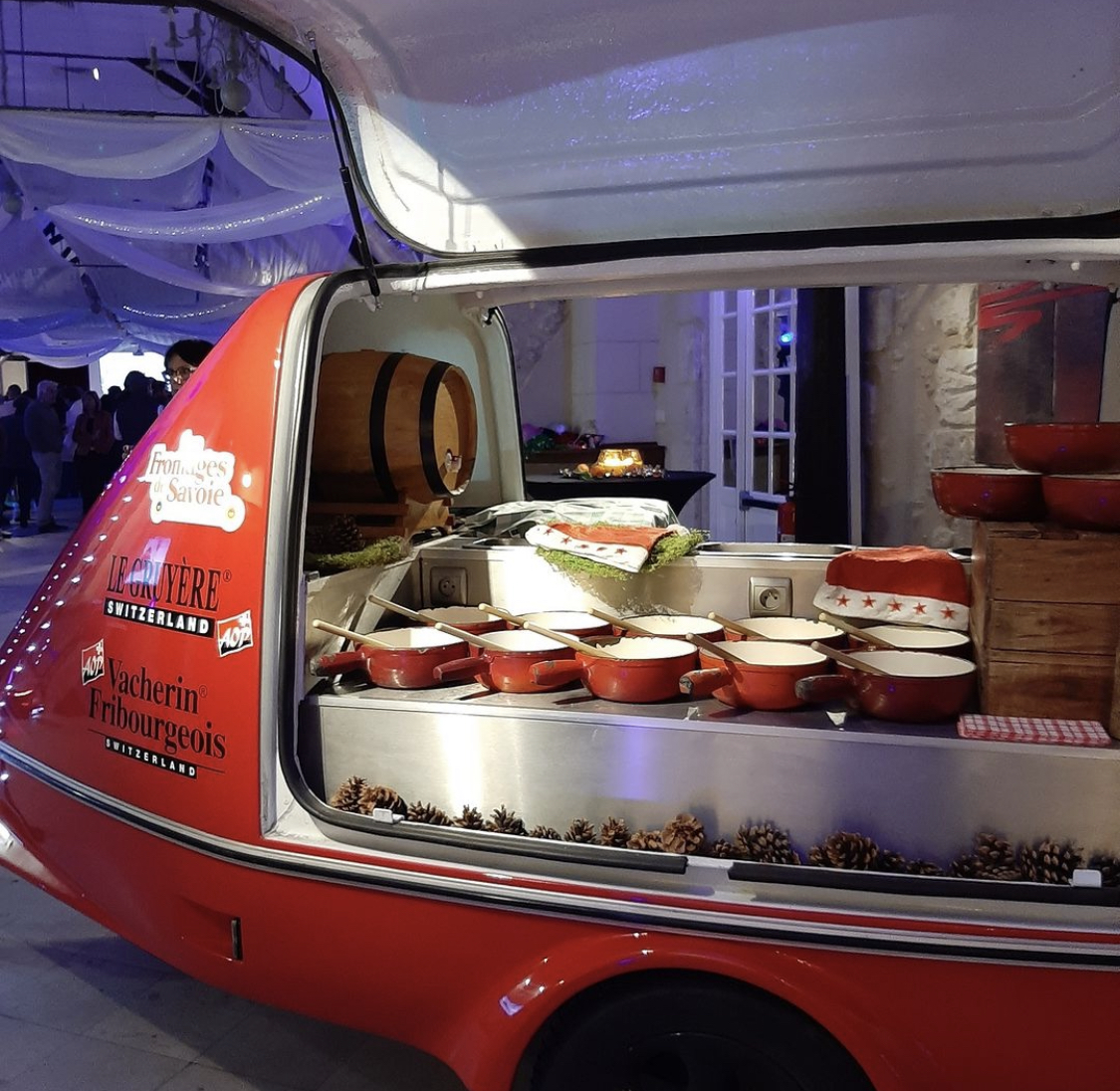
INNOV'events in numbers for Madrid decision-makers
10+ years coordinating corporate catering and event production across Spain, with recurring programmes in Madrid.
150+ corporate events/year supported through our network (catering, venues, staffing, technical production).
Operational comfort zone: 30–2,000 guests, including dual-language service and VIP protocols.
48–72h turnaround possible for urgent catering needs in Madrid when venues and access allow (subject to availability and complexity).
How to organize a professional event in Madrid?
- Define the objective (cohesion, announcement, fidelity, performance).
- Set date, format and size (20–1 000 people).
- Secure the venue and accommodation according to seasonality.
- Lock down technical, suppliers and logistics.
- Drive the day J (timing, scene, entrance, flow).
Madrid references and recurring corporate clients
We support companies and institutions with an active calendar in Madrid, where consistency matters: the same brand can host a leadership breakfast in Salamanca, a recruitment cocktail near Castellana, and a year-end gathering in a converted industrial space in Legazpi. Many teams work with us year after year because we document what worked (and what didn’t), keep supplier performance notes, and improve service flow with each edition.
Typical profiles we serve in Madrid include HQ communication teams coordinating press-sensitive events, HR departments running multi-site engagement programmes, and executive assistants handling VIP guest lists and protocol. We can share relevant case examples and operational approaches during a call, aligned with your confidentiality requirements.
We send you a first proposal within 24h.
Why invest in corporate catering in Madrid now?
In Madrid, catering is often the difference between an event that “happens” and an event that performs. When you bring people together—employees, clients, partners—the catering format dictates how they move, talk, and remember the brand. For leadership teams, it’s also a risk area: guest satisfaction, safety, timing, and reputation are all at stake.
Protect executive agendas: a catering run-of-show built around speeches, panels, and press moments prevents delays and last-minute compromises (e.g., pushing keynote timing because coffee service is still incomplete).
Increase networking efficiency: the right ratio of stations, service points, and replenishment rhythm reduces bottlenecks and keeps decision-makers available instead of queuing.
Support HR objectives: onboarding events, recognition ceremonies, and internal town halls benefit from formats that keep energy stable (sugar spikes and long waits are real productivity killers).
Reinforce brand credibility: consistent plating, bar standards, and staff grooming matter in Madrid’s competitive corporate environment—especially with international guests who benchmark against London, Paris, or Frankfurt.
Control risk and compliance: allergen management, HACCP discipline, alcohol service policies, and traceability are easier to secure when the plan is documented and supervised on-site.
Madrid’s economic culture rewards precision: busy calendars, short decision cycles, and high expectations from guests used to premium hospitality. A well-designed Event Catering in Madrid plan gives you predictability in a city where the smallest operational detail can ripple across the entire event.
What Madrid companies really expect from event catering
In Madrid, the pressure is rarely about choosing the most “creative” menu. It’s about delivering a service that feels effortless under real constraints: limited loading docks in central venues, strict noise and timing rules in corporate towers, and guests arriving in waves due to traffic on the M-30/M-40 or last-minute schedule changes.
Executives and comms teams typically ask for three non-negotiables. First, timing accuracy: coffee ready before doors open, cocktail launched on cue, lunch served without creating a backlog before the next plenary. Second, discretion and protocol: VIP handling, private green rooms, and staff trained to be helpful without being intrusive. Third, predictable quality at scale: the canapé offered to the first guest should match the last, and replenishment must be continuous—not batch-based.
We also see a strong shift toward practical inclusivity: gluten-free, lactose-free, halal-friendly options, and clear allergen labelling that doesn’t look like an afterthought. In Madrid, international teams increasingly require bilingual signage and staff briefings in Spanish and English, especially for product launches, investor events, and regional sales kick-offs.
Which catering experiences work best in Madrid corporate events?
Catering “experiences” are not decoration; they are tools to manage engagement. In Madrid, where many attendees come straight from meetings and expect efficiency, interactive moments work when they are fast, well-staffed, and aligned with the tone of the event (executive, celebratory, recruiting, client-facing).
Interactive animations in Madrid
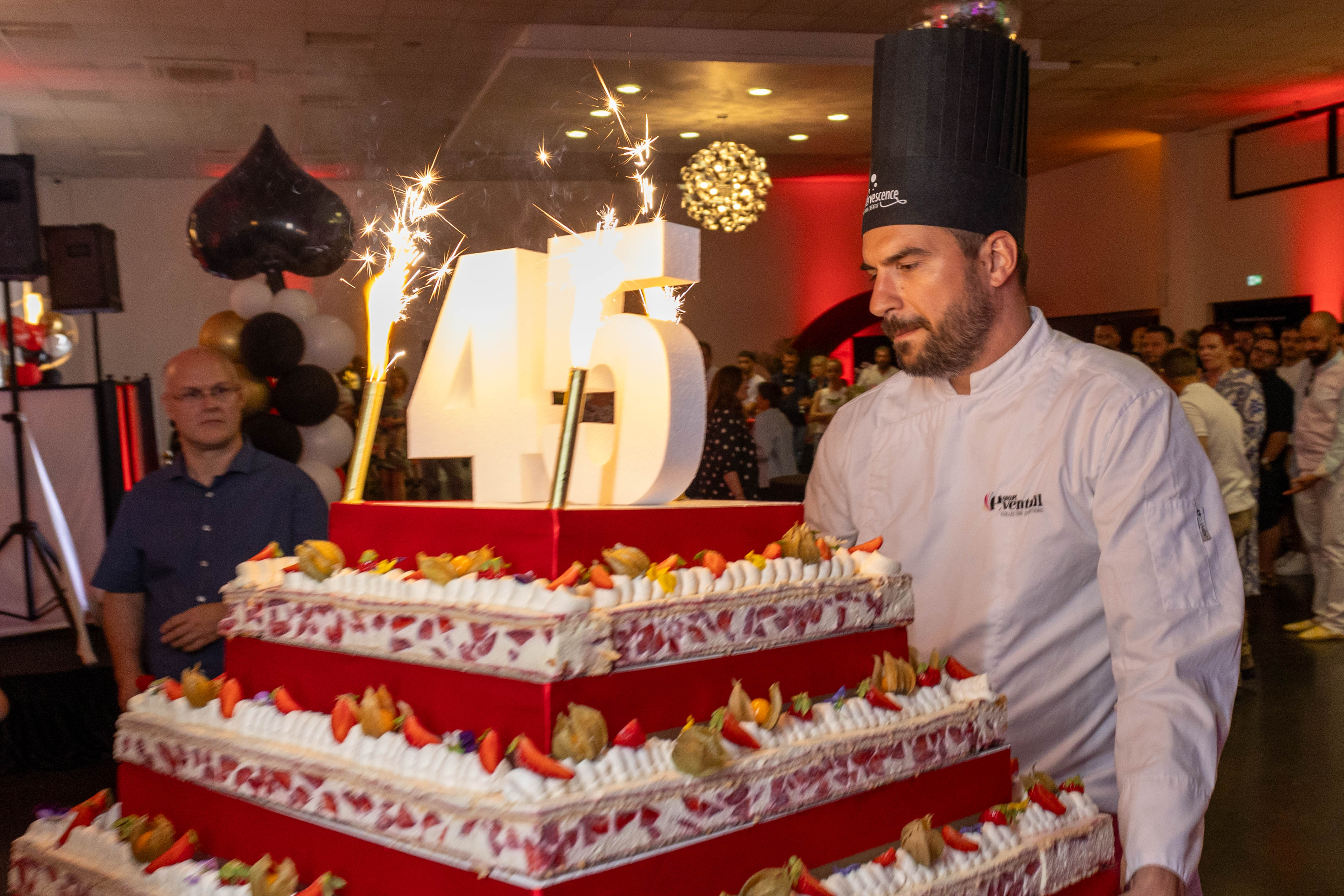
Chef-led station with controlled throughput: ideal for cocktails of 150–600 guests, provided the station is designed for speed (pre-portioned components, two-sided service). We plan it to reduce queues rather than create a “spectator bottleneck”.
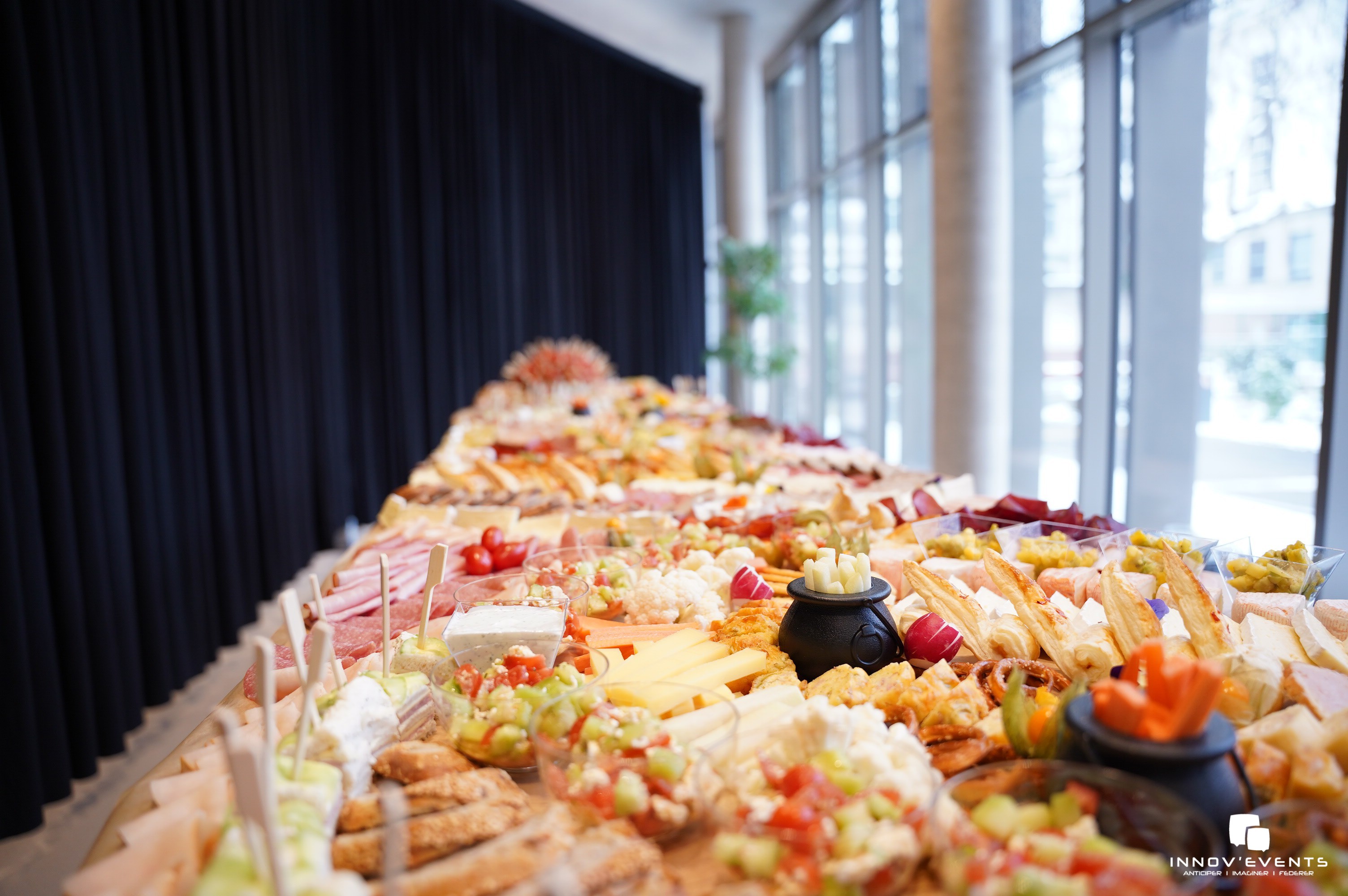
Guided tasting flights (wine, olive oil, cheese): works well for client events when you need structured networking. In Madrid, we keep it time-boxed (12–18 minutes) and support it with bilingual cue cards and allergen notes.
Networking-friendly coffee bar: barista service with two lines and pre-order tokens for peak moments. This is one of the simplest ways to improve perceived quality during conferences without changing the whole menu.
Art animations in Madrid
Discreet live music during cocktail: acoustic trio or jazz duo positioned to protect speech intelligibility. In Madrid venues with strict sound policies, we plan decibel limits and set times around speeches.
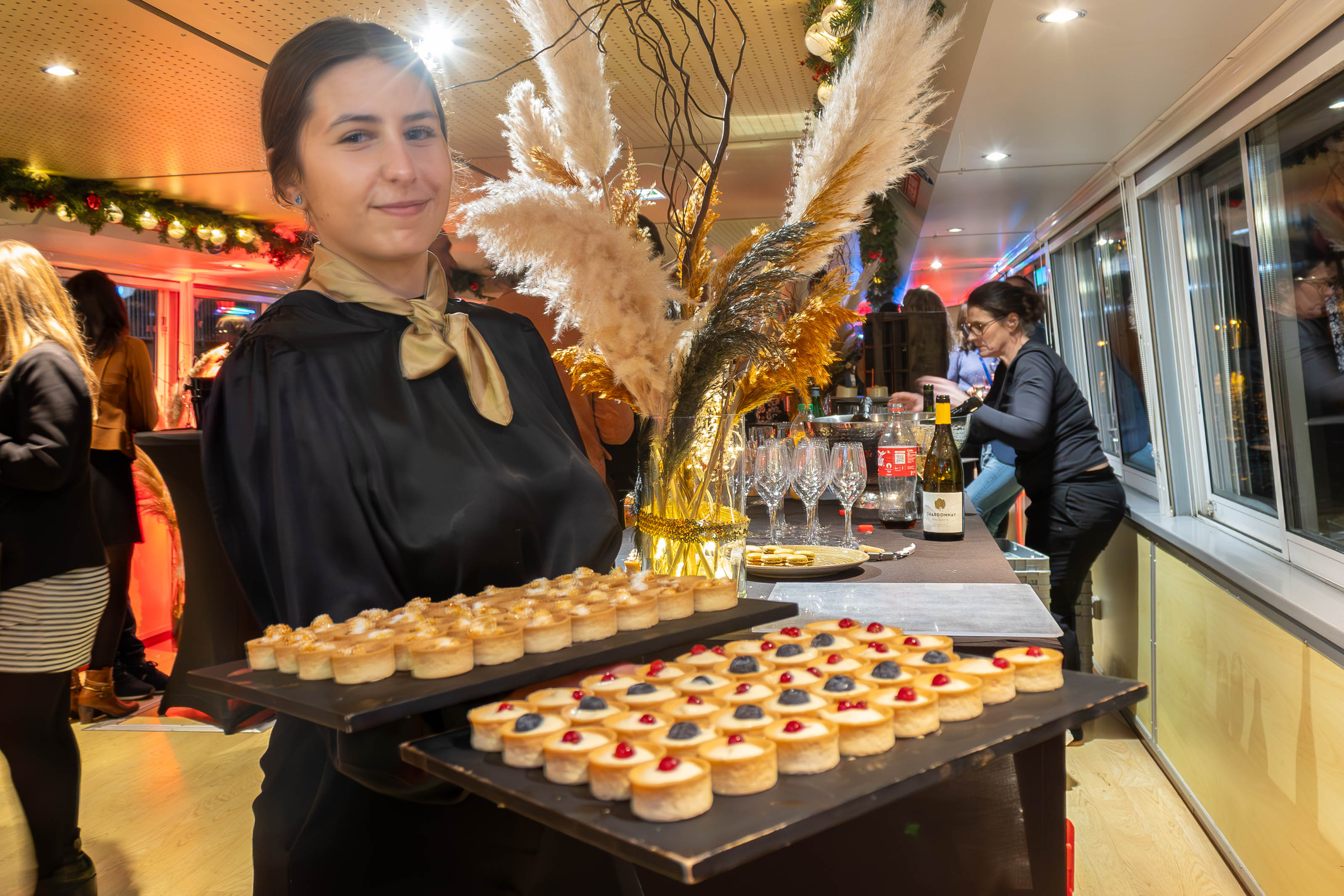
Branded plating and service choreography: subtle visual coherence (tray style, uniforms, glassware) that supports a premium feel without turning the event into a show. Particularly effective for corporate receptions and institutional gatherings.
Innovative animations in Madrid
Madrid-inspired menu with executive standards: not “touristic tapas”, but refined references (seasonal produce, quality jamón carving with correct slicing pace, hot bites that hold temperature). We select items that survive real service conditions.
Late-afternoon “energy reset” break: protein-forward and low-mess options to prevent the post-lunch slump in training days and sales kick-offs (e.g., yoghurt bowls, nuts, mini sandwiches with clear labelling).
Gourmand animations in Madrid
Data-driven portioning: using attendee profile and agenda to set realistic consumption assumptions (e.g., higher coffee volume in early sessions, lower alcohol during compliance-heavy events). It reduces waste and protects budget.
Hybrid-ready catering: when part of the audience is remote, we synchronise on-site service with filming cues and provide “camera-safe” service zones to keep the broadcast clean.
When relevant, we integrate catering within the wider production delivered by our event agency in Madrid, ensuring guest flow, AV timing, and hospitality work as one plan.
The best idea is the one that matches your brand and operational reality. We validate each concept against three filters: service speed, venue constraints in Madrid, and the image you need to project (employer brand, premium client care, institutional credibility, or internal culture).
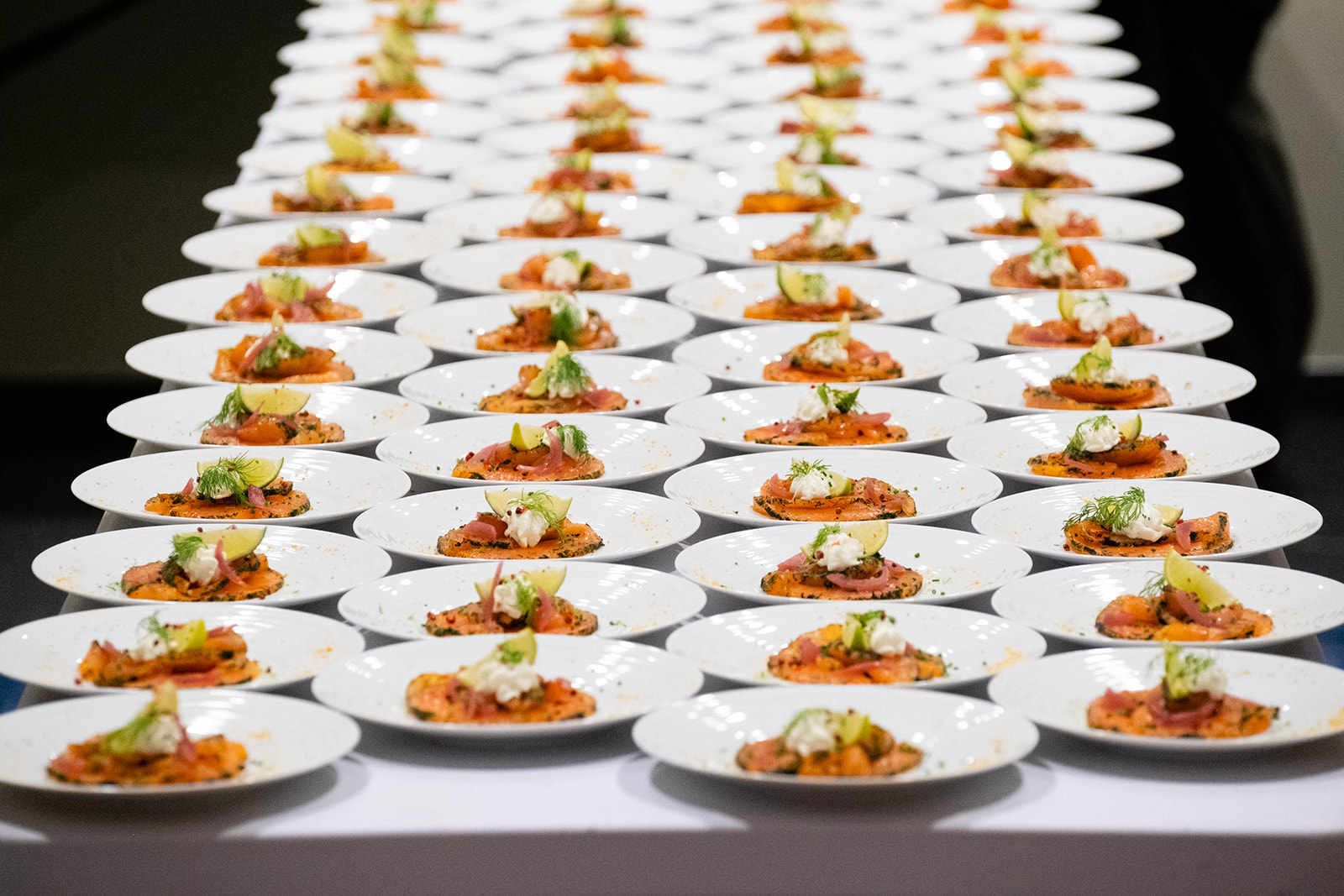
How to choose a venue in Madrid for event catering
The venue dictates what catering can realistically deliver: kitchen capability, service routes, storage, noise restrictions, and even glass policies. In Madrid, two events with the same headcount can require very different logistics depending on access and back-of-house. Selecting a space without checking these details is one of the most common sources of budget overruns and last-minute compromises.
| Venue type | For which objective? | Main strengths | Possible constraints |
|---|---|---|---|
| Corporate HQ / office spaces (Castellana, AZCA, business parks) | Internal town halls, leadership breakfasts, client briefings | Brand control, easy attendance for employees, AV infrastructure often in place | Limited loading windows, security checks, restricted kitchen facilities, strict building rules |
| Hotels with banqueting in Madrid | Conferences, multi-session programmes, gala dinners | Professional kitchens, staffing depth, predictable service standards | Package rigidity, higher F&B minimums, less flexibility on external branding and schedules |
| Event venues / industrial spaces (Matadero-style, warehouses, cultural spaces) | Product launches, brand activations, end-of-year events | Strong impact, flexible layouts, good for stations and experiential catering | May require full temporary kitchen setup, power/water planning, permits, waste management and longer build time |
We strongly recommend a site visit (or a detailed technical recce) before finalising your catering plan. In Madrid, small elements—lift size, corridor width, or where the waste exits—can change staffing needs, service speed, and ultimately guest satisfaction.
What budget to plan for event catering in the Community of Madrid
Pricing for Event Catering in Madrid depends less on “menu prestige” than on operational variables: service style, staffing, access, production time, and whether the venue has a functional kitchen. A reliable budget discussion starts with your agenda, headcount certainty, and the constraints of the space.
Format and service style: coffee breaks and cocktails are costed differently than plated dinners; stations can increase staffing if not designed for flow.
Headcount range and confirmation timing: a final number delivered 7–10 days prior allows better purchasing and reduces risk premiums. Late changes often trigger rush sourcing and waste.
Venue infrastructure: on-site kitchen vs. full off-site production with hot holding, regeneration equipment, and extra transport.
Staffing and supervision: maître d’, runners, bartenders, and a dedicated production lead. For executive formats, we plan additional staff for VIP and protocol handling.
Access and logistics in Madrid: loading constraints, parking, time windows, elevator bookings, security checks, and distance from prep location.
Beverage policy: open bar vs. controlled service, premium brands, and responsible service requirements.
Dietary and compliance requirements: allergen labelling, separate prep where needed, and bilingual signage.
Furniture and serviceware: glassware counts, linen, bar modules, coffee stations, heating equipment, and waste stations.
We frame budget with a return-on-risk approach: the objective is not to “spend more”, but to spend where it protects outcomes—timing, guest flow, brand image, and compliance. In Madrid, a modest investment in staffing ratios and logistics planning often prevents the most expensive scenario: reputational damage and programme disruption.
Why working with a Madrid-based catering partner reduces risk
Local execution is not a comfort detail; it’s a control lever. In Madrid, many corporate venues operate with strict building management, limited access hours, and non-negotiable safety rules. A team that knows how these environments work can anticipate friction points: where trucks can park, how long security takes, when elevators are available, and which suppliers consistently deliver under pressure.
As INNOV'events, we coordinate catering with the broader event ecosystem—venue, AV, branding, security, and host staff—so you do not manage multiple vendors in parallel. For HR and Comms, this means fewer escalation points; for executives, it means a smoother day with less visible “backstage noise”.
- Faster sourcing and backups thanks to established Madrid supplier relationships (equipment, staffing, transport, specialty dietary needs).
- Stronger venue coordination: we speak the operational language of venue managers and building security, which avoids day-of surprises.
- On-site accountability: one production lead responsible for timings, service levels, and stakeholder requests.
- More realistic planning: we budget based on actual constraints in Madrid, not theoretical assumptions.
We frame budget with a return-on-risk approach: the objective is not to “spend more”, but to spend where it protects outcomes—timing, guest flow, brand image, and compliance. In Madrid, a modest investment in staffing ratios and logistics planning often prevents the most expensive scenario: reputational damage and programme disruption.









Types of corporate catering projects we run in Madrid
Our work in Madrid covers a wide spread of corporate realities, because catering needs change drastically depending on the audience and agenda. We support:
- Executive breakfasts for leadership offsites: quiet service, punctual coffee, minimal interruptions, and private areas for sensitive discussions.
- Town halls and employer-brand events: scalable coffee and snack solutions that prevent queues, with clear dietary labelling and efficient clean-up to respect office operations.
- Client receptions and partner events: premium cocktail formats with consistent tray service, controlled bar operations, and brand-appropriate presentation.
- Conferences and multi-session programmes: multiple breaks with precise resets, backstage hospitality for speakers, and alignment with AV cues.
- Product launches: catering integrated into the guest journey, balancing visual impact with operational throughput so the event remains fluid.
Across these formats, our differentiator is operational adaptability: we design the menu around service constraints, not the other way around. That is how we protect your programme in Madrid when the venue imposes tight access windows or when guest arrivals compress into a short timeframe.
Common event catering mistakes in Madrid (and how we prevent them)
Underestimating access and loading constraints: the plan works on paper but fails in the building. We confirm loading schedules, lift bookings, and service routes before contracting.
Too few service points: one bar for 400 guests creates queues and frustration. We calculate stations and staff based on headcount and peak minutes, not averages.
Menus that don’t survive real service: items that look great but lose texture/temperature. We select dishes tested for holding and replenishment.
No clear allergen and dietary system: leads to reputational and safety risks. We implement labelling, separate utensils, and staff briefing with escalation rules.
Ignoring timing dependencies: speeches, awards, and press moments get delayed by service. We build the catering timeline off the run-of-show and set cues with the producer.
Weak waste and reset planning: overflow bins and visible clutter undermine brand image. We plan waste stations, back-of-house flow, and rapid resets between sessions.
Our role is to remove these risks from your day. We do it with pre-event checks, documented service standards, and on-site supervision focused on what executives care about: timing, discretion, and consistency.
Why Madrid clients renew with INNOV'events
Recurring clients are not won with slogans; they are earned through predictability. In Madrid, teams come back when the agency makes their workload lighter and their outcomes more reliable—especially for annual calendars where small improvements compound over time.
3 recurring reasons clients cite after multi-edition programmes: fewer last-minute issues, stronger guest feedback on flow/service, and better internal confidence on event day.
We maintain event playbooks: staffing ratios that worked, venue-specific access notes, stakeholder preferences (VIP coffee, bar policies), and supplier performance records.

Loyalty is a measurable signal: if teams repeatedly trust us with high-visibility events in Madrid, it’s because the operational delivery stands up under pressure—and because we are transparent when trade-offs are needed.
Our Event Catering process for Madrid corporate events
👉 Step 1: Madrid brief and constraints audit
We start with a working session focused on objectives (HR, client, leadership), audience profile, agenda, and brand constraints. We confirm venue realities in Madrid: loading, kitchen, security, power/water, noise limits, and furniture restrictions. Output: a first operational recommendation and key risks list.
👉 Step 2: Catering concept and service architecture
We propose a menu and beverage concept designed for service speed and consistency. We define service style (plated, cocktail, stations), staffing plan, and guest flow (number and placement of bars, stations, coffee points). Output: draft run-of-show with catering cues and preliminary budget.
👉 Step 3: Supplier selection and tastings
We match the right catering partner to your format in Madrid (capacity, compliance, presentation level, ability to work within venue constraints). Where relevant, we organise tastings focused on real service conditions: portion size, holding, replenishment speed, and allergen management.
👉 Step 4: Final production plan and stakeholder briefing
We lock the technical plan: equipment, transport, staff call times, floor plans, signage, and dietary system. We brief your internal hosts and key stakeholders on what to expect (timings, VIP handling, escalation). Output: a clear event day playbook.
👉 Step 5: On-site delivery and real-time control
Our producer coordinates service rhythm, checks replenishment, and protects the programme timing. We manage exceptions discreetly (late VIP arrival, last-minute dietary request, agenda shifts) and keep comms/HR informed without overloading them.
👉 Step 6: Debrief and improvement plan
After the event, we review what impacted guest experience: queues, consumption, feedback, and timing adherence. For Madrid recurring programmes, we convert learnings into updated standards for the next edition.
FAQ sobre la organización Event Catering en Madrid
How far in advance should we book catering in Madrid?
For 50–200 guests, plan 3–6 weeks. For 200–800, plan 6–10 weeks, especially in peak periods (spring and pre-Christmas). For 800+ or complex venues, 10–16 weeks is safer due to staffing, equipment, and access planning.
What is a realistic catering budget per person in Madrid?
As an operational reference in Madrid: coffee break often starts around €8–€18/person; cocktail formats frequently land in the €35–€80/person range depending on duration and bar; plated meals often range from €55–€140/person. Venue, staffing, equipment, and access constraints can shift these figures significantly.
How do you handle allergens and dietary needs in Madrid events?
We implement a documented allergen list, clear labelling at stations, separate utensils where required, and a staff briefing with escalation rules. For higher-risk profiles, we plan dedicated plates prepared separately and a controlled handover to the right guest, reducing cross-contact risk.
What staffing ratios work for a corporate cocktail in Madrid?
Typical ranges in Madrid depend on service style, but as a baseline: 1 bartender per 60–90 guests (more if cocktails are complex), and 1 service staff per 20–35 guests for tray/runner coverage. We adjust based on venue layout, number of stations, and peak minutes after speeches.
Can you deliver event catering in Madrid offices with no kitchen?
Yes. We plan off-site production with hot/cold holding, portable coffee and bar modules, and a service route that respects building rules. The key is confirming access, power, waste removal, and elevator availability; these factors determine the exact equipment and staffing needed.
Request a Madrid catering proposal with a clear operational plan
If your event in Madrid has fixed timings, VIP guests, or brand sensitivity, catering should be planned as a production discipline—not a last-minute add-on. Share your date, venue (or shortlist), headcount range, and agenda draft. INNOV'events will come back with a structured Event Catering recommendation, realistic budget ranges, and the key decisions to lock early to reduce risk.
Contact us to schedule a short working call and receive a proposal built for your constraints and stakeholder expectations.
INNOV'events Madrid Agency
Cyril Azevedo is the manager of the INNOV'events Madrid office. Reach out directly by email at cyril@innov-events.es or via the contact form.
Contact the Madrid agencyAll our services & entertainment Madrid
Discover our event services
Discover our event entertainment available in the España
- Event Hostess Madrid
- Escape Game Madrid
- MasterChef Cooking Workshop Madrid
- Magician Madrid
- Marquee Rental Madrid
- Color Analysis Workshop Madrid
- Inflatable Games Madrid
- Valet Parking Service Madrid
- Football Simulator Madrid
- LED Furniture Rental Madrid
- Light Branding Madrid
- Unique Dining Experience Madrid
- Light Painting Madrid
- Murder Mystery Party Madrid
- Prize Contest Madrid
- Promotional Displays (POS) Madrid
- Virtual Reality Madrid
- Molecular Gastronomy Workshop Madrid
- Halloween Entertainment Madrid
- Fireworks Show Madrid
- Giant Games Challenge Madrid
- Event Host / MC Madrid
- Photo Booth Animation Madrid
- Santa Claus Entertainment Madrid
- Kids Entertainment Madrid
- Guided Tour Madrid
- Urban Rally Madrid
- Ball Pit Madrid
- Flight Simulator Madrid
- Food Truck Rental Madrid
- World Record Challenge Madrid
- Surf Simulator Madrid
- Wine Casino Madrid
- Makeover Workshop Madrid
- Perfume Creation Workshop Madrid
- Acting Workshop Madrid
- CSR Activities Madrid
- Archery Madrid
- Security Staff Madrid
- Wine Tasting Madrid
- Mime Performer Madrid
- TV Game Show Madrid
- Funfair Madrid
- Crisis Management Workshop Madrid
- Crisis Negotiation Workshop Madrid
- Arcade Games Madrid
- Indoor Skydiving Simulator Madrid
- Ski Simulator Madrid
- Racing Circuit Experience Madrid
- Introductory Flight Experience Madrid
- Tasting Experience Madrid
- Build Your Own Foosball Workshop Madrid
- 2CV Rally Madrid
- LEGO Challenge Madrid
- Casino Night Madrid
- Interpreter / Translator Madrid
- Promotional Giveaways Madrid
- Shuttle Transport Madrid