
Street Marketing in Valencia that delivers measurable footfall and brand control
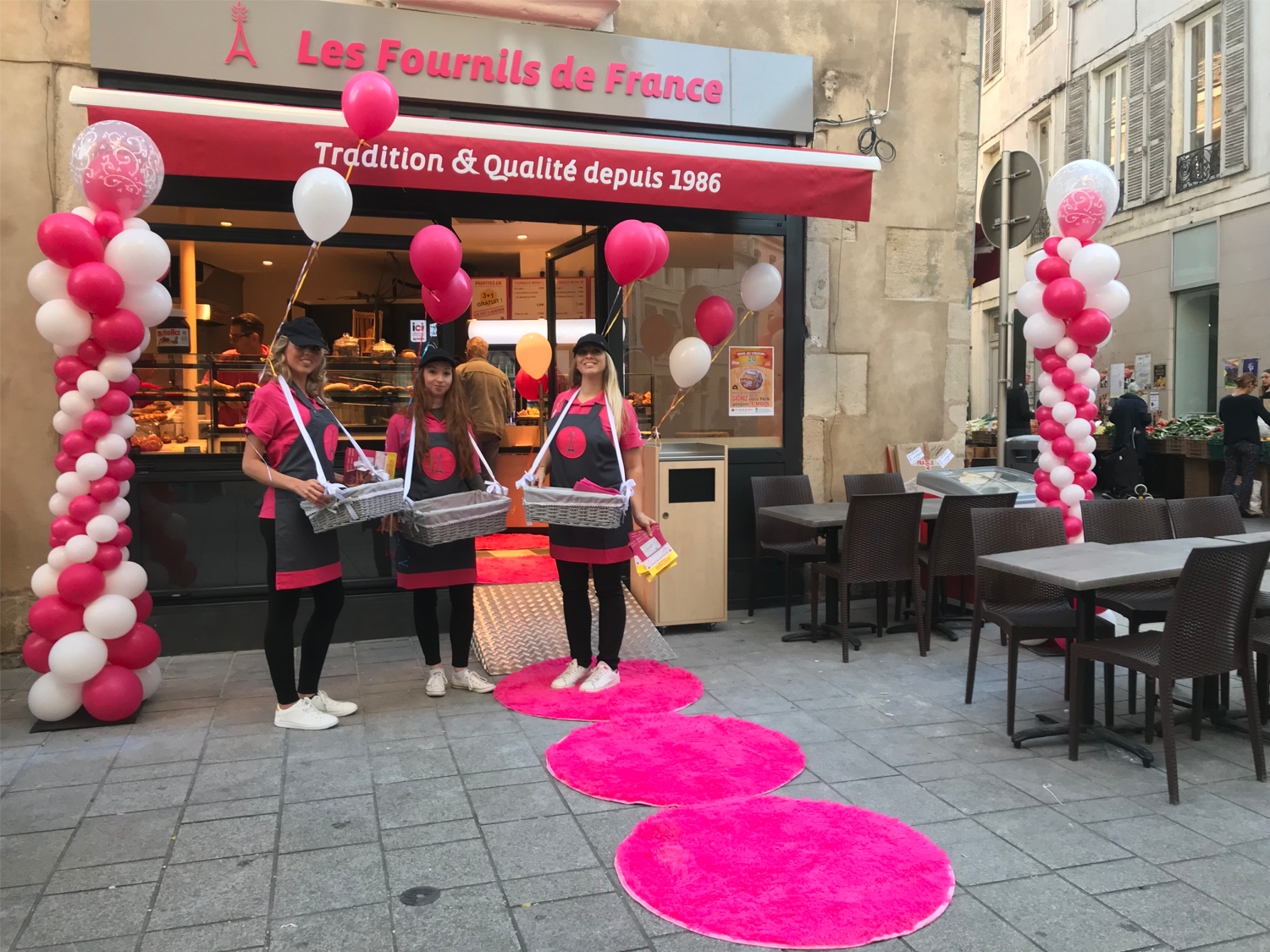
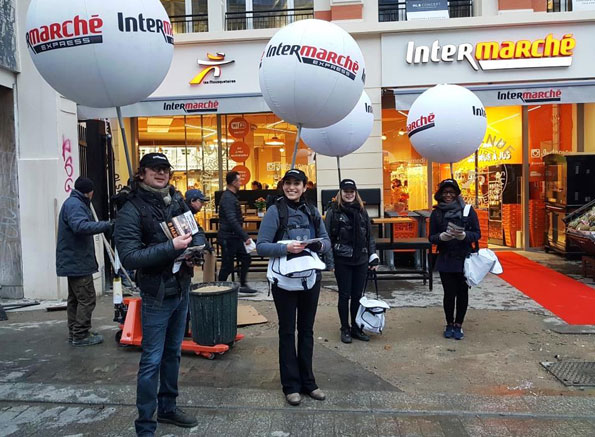
INNOV'events designs and runs Street Marketing operations in Valencia for executives, HR and communication teams who need visibility without operational risk. Typical deployments range from 2 to 30 brand ambassadors, from a one-day activation to a multi-week route.
We handle permits, staffing, training, logistics, on-site supervision, reporting and post-campaign learnings, so your team can focus on messaging, stakeholders and results.
Table of contents
For local companies, Street Marketing is not “animation”: it is a controlled, public-facing channel that can create qualified traffic, accelerate recruitment drives, support store openings, or make an internal message visible outside the office.
Organizations in Valencia expect brand-safe execution: respectful interactions, compliance with public space rules, clear scripts, and reliable reporting that can be shared with management within 48–72 hours.
As INNOV'events, we bring field discipline: pre-briefings, route tests, supervisor presence, and contingency plans adapted to the city’s flows (historic centre, universities, shopping corridors and event peaks).
INNOV'events track record you can benchmark from Valencia
10+ years delivering corporate activations and on-site operations across Spain, with repeat clients in retail, tech, healthcare and services.
150+ trained profiles in our national talent pool (brand ambassadors, supervisors, hosts, promo teams), allowing fast scaling for multi-location campaigns.
24–72h typical turnaround for staffing proposals and operational plans once objectives, dates and constraints are confirmed.
1 supervisor per 6–10 ambassadors as a standard ratio for quality control, brand compliance and incident management.
How to organize a professional event in Valencia?
- Define the objective (cohesion, announcement, fidelity, performance).
- Set date, format and size (20–1 000 people).
- Secure the venue and accommodation according to seasonality.
- Lock down technical, suppliers and logistics.
- Drive the day J (timing, scene, entrance, flow).
Valencia references and recurring teams: what continuity changes
In Valencia, continuity is often the difference between a “nice action” and a repeatable channel. We regularly work with local and national brands that maintain a presence in the city and come back for seasonal peaks (back-to-school, summer retail, sport and cultural calendars) because they need the same standards each time: consistent brand voice, controlled distribution, and proof of activity.
We build stable crews: the same supervisors and top ambassadors are rebooked when possible, which reduces ramp-up time and increases conversion rates on the street. For HR teams, this matters when the campaign is linked to recruitment or employer branding; for communication teams, it matters because tone, posture and messaging remain aligned with the corporate narrative.
If you share the company names you want to appear as local references, we can integrate them in this section in a compliant way (e.g., “worked with”, “supported”, “activation for”) and adapt the wording to your legal/brand constraints.
We send you a first proposal within 24h.
What Street Marketing changes for decision-makers in Valencia
When you sponsor media, you buy impressions. When you run Street Marketing in Valencia, you manage real interactions in a real territory—with all the operational variables that come with it. For leadership teams, the strategic value is simple: it is one of the few channels where you can test messaging, capture objections live, and generate immediate footfall while protecting brand image.
Speed to market: a well-prepared street activation can be deployed in 7–21 days depending on permits and complexity—useful when you have a store opening, a product launch, or a time-sensitive HR campaign.
Message testing at low cost: we structure scripts with two to three variants, track which approach generates more stops, QR scans or appointments, and feed that back to your comms team.
Local reach without media waste: targeting is done by route and time slots (universities, commuting corridors, shopping zones), not by broad demographics that may not match the city’s reality.
Employer branding with real conversations: for HR, ambassadors can answer first-level questions (work rhythm, shifts, location, training) and direct candidates to application flows—while preserving privacy and compliance.
Brand safety in public space: we train on do’s/don’ts, escalation rules, and how to handle negative reactions without confrontation—critical for regulated industries.
Operational proof for management: daily debriefs, photo logs when allowed, distribution counts, QR/UTM metrics, and incident logs provide a defensible report for internal stakeholders.
Valencia is a city where public space is lived intensely—between residents, commuters, students and visitors. Done with respect and structure, street activations integrate naturally into that rhythm and can become a predictable lever in your annual plan rather than a one-off bet.
How Valencia’s local constraints affect Street Marketing outcomes
In Valencia, performance is not only about creativity; it is about choosing the right micro-territories and respecting the city’s operational reality. Pedestrian density varies dramatically between the historic centre, commercial axes, university areas and transport nodes. The same team can produce very different results depending on time slots (commute peaks vs. lunch vs. late afternoon) and the season (heat management in summer, rain contingencies, tourism waves).
Local expectations also include posture and tone. Brands that “push too hard” tend to trigger rejection. We therefore work on a polite, permission-based approach: short opener, clear value proposition, immediate opt-out, and a quick path to action (QR, appointment, sampling, demo). This is especially important when your brand is sensitive—finance, healthcare, insurance, or any employer brand campaign where credibility matters more than hype.
Finally, compliance and reputation are tightly linked. Street operations must be aligned with municipal rules, building management requirements (when operating near private venues), and data protection if you capture leads. Our job is to anticipate these constraints during planning—so your internal teams are not exposed the week before launch.
Which Street Marketing formats work best in Valencia today
Engagement comes from reducing friction: people stop when the ask is clear, respectful and quick. The most effective Street Marketing formats combine a simple physical trigger (sampling, visual device, micro-demo) with a trackable next step (QR, UTM link, booking form, coupon). Below are formats we deploy in Valencia depending on your objective and brand constraints.
Interactive animations in Valencia
QR-driven micro-challenges: ambassadors invite passers-by to scan a QR for a 30–60 second challenge (quiz, instant win, preference test). We track scans by location and time slot using UTM parameters.
Mobile appointment desk: for recruitment, training programs or B2C services, a lightweight stand (tablet + consent flow) captures appointment requests without collecting unnecessary personal data on the street.
“Stop-and-try” product demo: a short, hygienic, brand-compliant demo (2–3 minutes) with a clear exit path: voucher, store direction, or online follow-up.
Art animations in Valencia
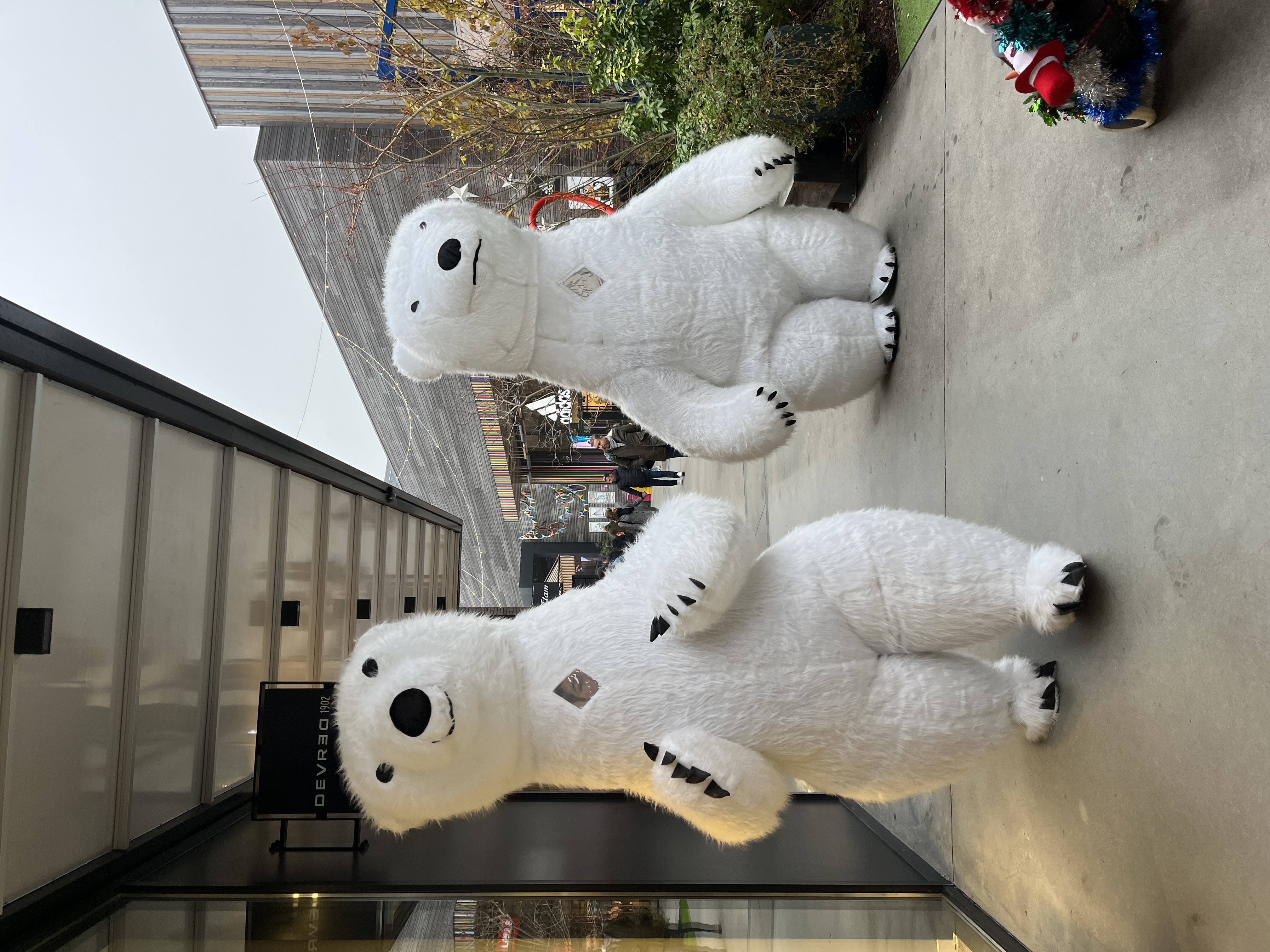
Character-led brand storytelling: performers used as a visual anchor (not a distraction), trained to drive people to the message and not to create crowd-control issues. Useful in high-traffic zones when permitted.
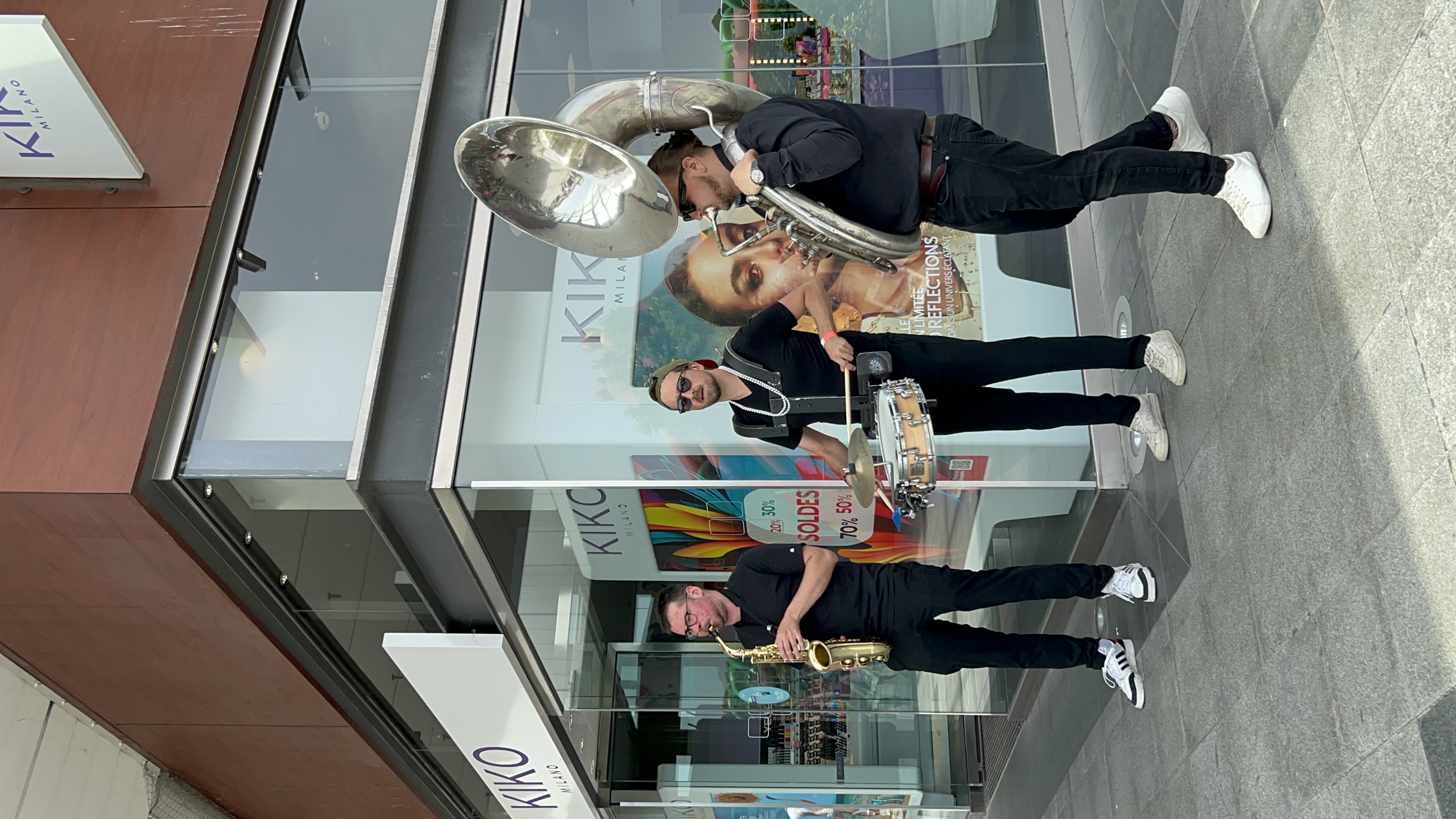
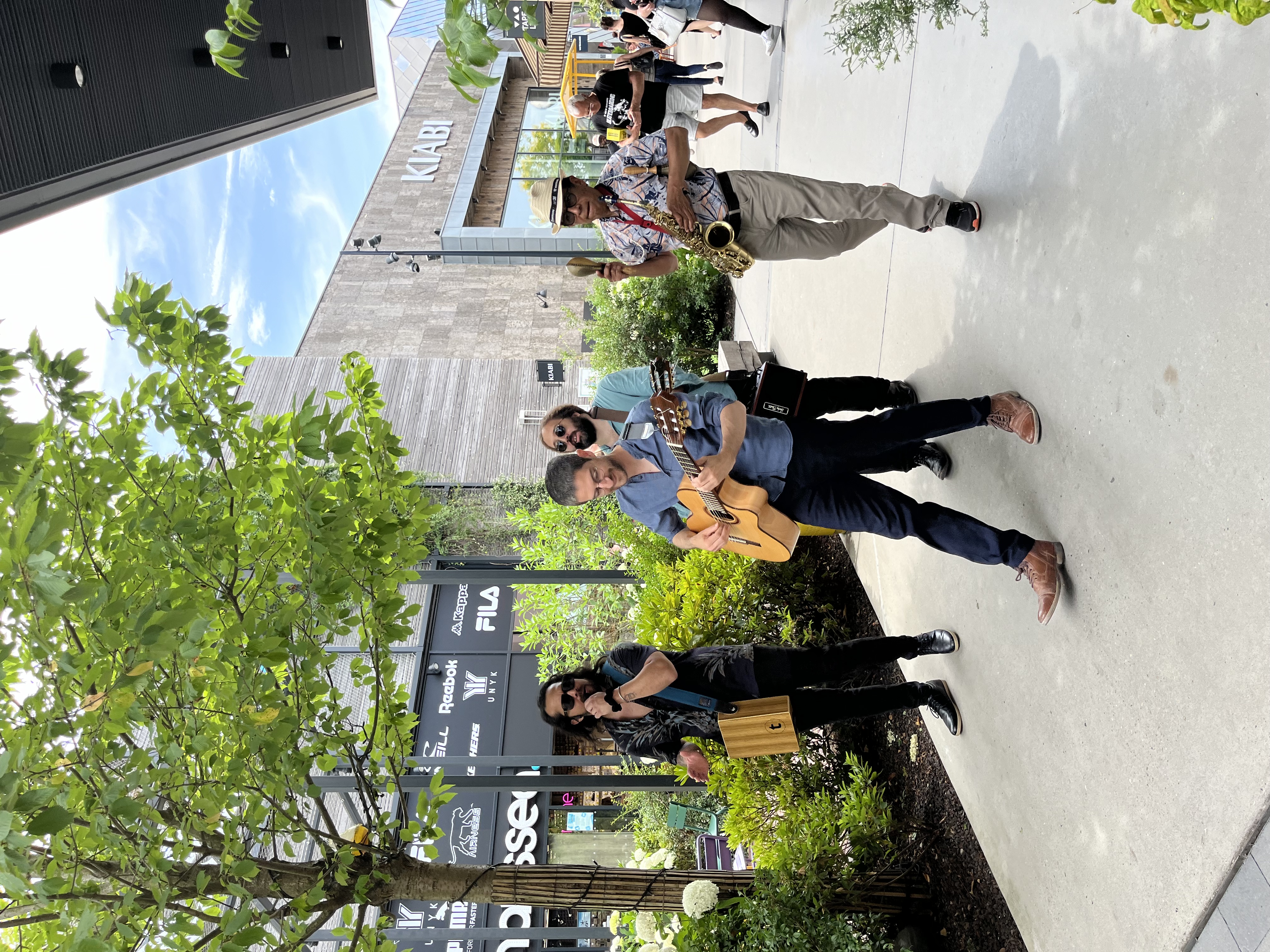
Acoustic point activation: small-scale music (within local constraints) to create a soft draw while ambassadors engage one-to-one. We prioritize volume control and neighbor respect.
Innovative animations in Valencia
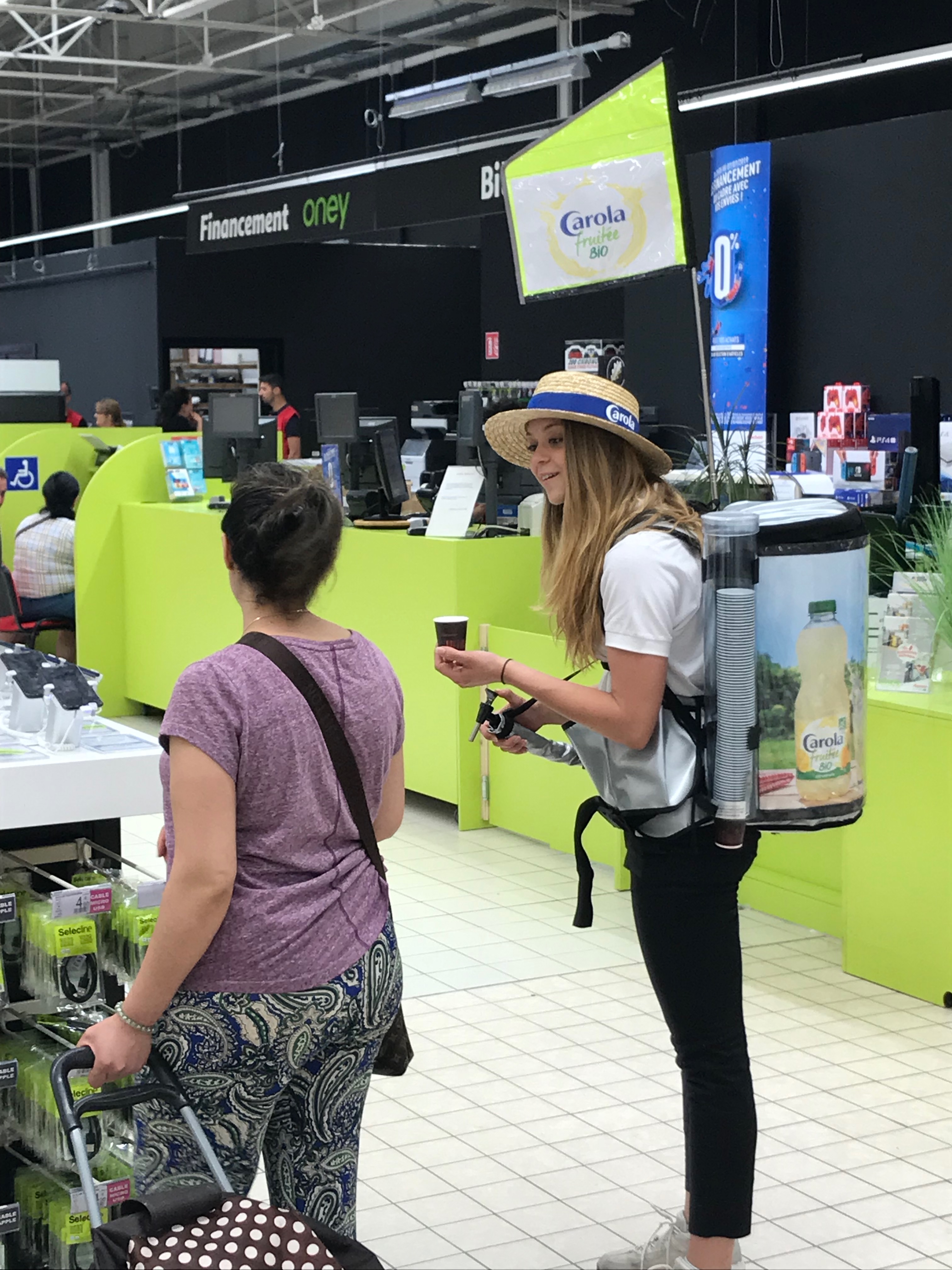
Controlled sampling with hygiene protocol: ideal for food and beverage brands or hospitality openings. We plan storage temperature, replenishment cycles, waste management and allergen messaging.
Partnered voucher distribution: rather than giving away product, we distribute time-bound vouchers redeemable nearby, which helps measure footfall and reduces street waste.
Gourmand animations in Valencia
Geo-sequenced messaging: different script versions per micro-area (e.g., commuters vs. students) with supervisor-led checks to maintain consistency and avoid “mixed signals”.
Instant insight capture: quick “one-question” feedback collection (with optional consent) to validate a proposition or compare two offers. Useful for comms teams preparing a broader campaign.
Photo-proof with governance: when allowed, we produce structured photo logs (no identifiable faces without permission) to document setup, branding and team presence for your internal reporting.
The format must fit your brand image and risk tolerance. A high-energy approach can be counterproductive for premium brands or sensitive messages. Our role is to propose options that are effective in Valencia while staying aligned with your tone, legal constraints and internal approvals.
How to choose Street Marketing locations in Valencia without wasting budget
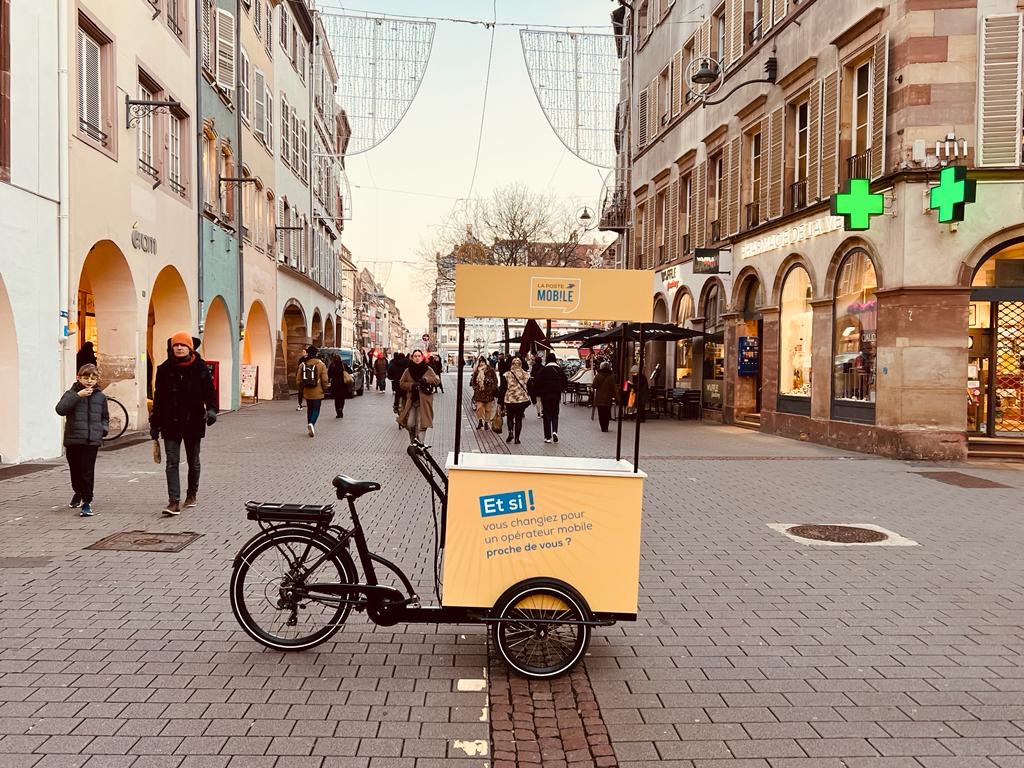
In street operations, “location” is your media plan. A strong route can outperform a larger team placed in the wrong area. We select locations based on objective (visibility vs. conversion), audience fit, approach feasibility and the practical ability to operate without friction.
| Venue type | For which objective? | Main strengths | Possible constraints |
|---|---|---|---|
| High-footfall pedestrian shopping streets | Maximize awareness and voucher distribution for nearby stores | Dense traffic, easy A/B testing of scripts, strong short-term reach | Harder one-to-one depth; need strict brand-safe approach to avoid pushiness |
| Transport nodes and commuting corridors | Drive quick QR scans, app downloads, or appointment requests | Predictable peaks, repeat commuters, measurable time-slot performance | Very short attention window; requires concise messaging and fast execution |
| University and training districts | Recruitment campaigns, education programs, youth-focused offers | High receptivity to conversational formats, strong shareability | Calendar sensitivity (exam periods/holidays), message must be adapted and respectful |
| Event perimeters (fairs, sports, cultural venues) | Intercept relevant audiences during high-intent moments | Contextual relevance, high conversion potential with vouchers or demos | Often requires additional permissions and coordination; crowd management rules |
We insist on at least one site visit or route test before launch when the campaign is high-stakes. A 45-minute walkthrough often reveals practical issues that can ruin the day (construction works, security restrictions, low shade in summer, or conflicting nearby activations).
Street Marketing budget ranges for Valencia and what drives them
Pricing for Street Marketing in Valencia depends on operational complexity more than on “the idea”. The budget is typically built around staffing, supervision, production/logistics, and compliance requirements. We prefer transparent budgets with clear levers so you can adjust scope without sacrificing brand safety.
Team size and profile: a small activation may run with 2–4 ambassadors; city-wide coverage often requires 8–20. Profiles with sales skills, languages, or recruiting experience can affect rates.
Duration and rhythm: one-day bursts are efficient for launches; multi-day or multi-week programs improve learning and conversion but require tighter planning and replacement capacity.
Supervision and quality control: adding a dedicated supervisor improves consistency and reduces incidents. For demanding brands, it is not optional—it is risk management.
Permits and administrative overhead: depending on the format (stand, distribution, performance), you may need authorizations. We integrate the planning effort and coordination time.
Production and logistics: uniforms, branded elements, leaflets, sampling stock handling, storage, replenishment routes, waste management and end-of-day checks.
Measurement setup: QR/UTM tracking, unique codes by route, landing page coordination, call-to-action scripts, and consolidated reporting.
From an ROI standpoint, we recommend defining one “hard KPI” (e.g., store visits with voucher redemption, booked demos, completed applications) and one “soft KPI” (message understanding, objections). This keeps the conversation with management grounded and helps decide whether to scale in Valencia or reallocate to other channels.
Why hiring a Valencia-based event partner reduces operational risk
Street operations fail in the details: late arrivals, wrong positioning, unclear scripts, missing stock, or a permit issue discovered too late. Working with a team that is operationally present in Valencia reduces these risks because decisions are made with local context and field reality, not from a distance.
At INNOV'events, our local approach means route tests, faster replacements when someone drops out, and access to trusted suppliers for printing, storage, and last-minute logistics. It also means we can coordinate with stakeholders on the ground (store managers, venue security, local partners) without creating communication gaps.
If you are also comparing broader capabilities (corporate events, internal activations, multi-city programs), you can review our positioning as an event agency in Valencia and see how street operations fit into a wider, controlled event ecosystem.
- Faster troubleshooting: local supervision can re-route teams in real time when a spot underperforms or becomes inaccessible.
- Better stakeholder alignment: we brief store managers or local teams with the same operational language, reducing friction on the day.
- Cost control: less transport time, fewer surprises, and the ability to adapt without redoing the whole production.
- Consistency across waves: the same crew can be reactivated for seasonal peaks, improving performance over time.
From an ROI standpoint, we recommend defining one “hard KPI” (e.g., store visits with voucher redemption, booked demos, completed applications) and one “soft KPI” (message understanding, objections). This keeps the conversation with management grounded and helps decide whether to scale in Valencia or reallocate to other channels.










Examples of Street Marketing projects delivered in Valencia conditions
Our projects vary in objective and intensity, but they share a constant: executive teams need predictability and proof. Below are examples of what we commonly deliver in Valencia-like conditions, with the operational thinking behind each.
Retail opening support: a two-day activation with voucher distribution and directional guidance to the store. The key challenge is not volume; it is conversion. We position ambassadors on approach corridors, coordinate redemption mechanics with the store manager, and track time-slot performance to reinforce the most productive window.
Employer branding + recruitment drive: a week-long deployment near high-relevance areas, with a scripted FAQ and a simple application flow. The operational risk is collecting too much data or creating unclear expectations. We design a compliant funnel: “interest → QR → application”, with ambassadors trained to answer only first-level questions and escalate complex topics to HR contacts.
Service launch for a regulated brand: a low-pressure, information-first approach with strict tone guidelines, opt-in interactions, and supervisor checks. In regulated contexts, the brand risk is higher than the conversion risk; we prioritize compliance, documentation and incident prevention.
Multi-location awareness wave: several micro-routes across the city with unified branding and daily debriefs. These campaigns are about learning quickly: which message works where, and which audiences convert. We build route-by-route dashboards so your comms team can justify adjustments internally.
Common Street Marketing mistakes we prevent in Valencia deployments
Starting with the “idea” instead of the KPI: without a clear conversion target, teams distribute materials but cannot prove impact.
Underestimating supervision: without on-site control, small deviations multiply (off-script claims, inconsistent posture, poor placement).
Overloading the message: if the opener takes more than 8–12 seconds, commuters disengage. We enforce concise scripts.
Weak stock and replenishment planning: sampling without storage and replenishment timing leads to downtime and wasted labor costs.
No contingency routes: works, weather or local events can change pedestrian flows. We plan alternates before launch.
Non-compliant lead capture: collecting personal data informally exposes your company. We define compliant flows and consent language.
Reporting that cannot be used internally: executives need numbers, learnings and next actions, not just photos. Our reports are structured for decision-making.
INNOV'events’ role is to run your Street Marketing like an operational program: controlled execution, brand safety, measurable outputs, and clear feedback loops—so you are not managing risk on the day in the streets of Valencia.
Why Valencia clients renew Street Marketing campaigns with INNOV'events
Renewal is rarely about “liking” an agency; it is about reducing internal workload while increasing reliability. Teams come back when the process is predictable, the field team is consistent, and reporting helps justify budget decisions.
48–72h reporting cycle after the last activation day for most campaigns, so internal teams can close the loop fast.
1 clear owner on our side (project lead) and 1 supervisor on the ground to avoid fragmentation and “lost messages”.
2–3 script iterations during a multi-day wave based on real objections heard in the street—practical optimization, not theoretical planning.

Loyalty is a consequence of operational proof: when your leadership sees controlled delivery, brand safety, and measurable outcomes, street activations stop being a gamble and become a repeatable lever in Valencia.
Our Street Marketing delivery process in Valencia, step by step
👉 Step 1 — Brief alignment and risk mapping (Valencia scope)
We clarify objective, target audience, message constraints, brand tone, and what “success” means for your management (KPI + reporting needs). We identify risks early: sensitive claims, union/HR topics, location constraints, weather exposure, and peak calendar conflicts.
👉 Step 2 — Route plan, staffing model, and permit checklist
We propose routes with time slots and alternates, define staffing and supervision ratios, and confirm what authorizations are needed based on your format (distribution, stand, performance). We align the operational plan with your internal validation timelines.
👉 Step 3 — Scriptwriting, FAQs, and team training
We build a short script (opener + value proposition + call-to-action) and a controlled FAQ. Training includes objection handling, brand safety, and escalation rules. For HR-focused campaigns, we train on respectful candidate interaction and clear redirection to official channels.
👉 Step 4 — Production and logistics readiness
We manage or coordinate printing, uniforms, branded elements, sampling logistics, storage and replenishment. We run a final checklist: meeting points, supervisor contacts, emergency numbers, and end-of-day procedures.
👉 Step 5 — Execution with on-site supervision
Supervisors ensure punctuality, correct positioning, consistent messaging, and compliance. We adjust in real time if a location underperforms or becomes inaccessible. We document activity in a structured way suitable for internal reporting.
👉 Step 6 — Reporting, insights, and next-wave recommendations
We deliver counts, KPI results (QR scans, redemptions, bookings), qualitative insights (top objections, best-performing message), and clear recommendations. If you plan to repeat in Valencia, we propose what to keep, change, and test next.
FAQ sobre la organización Street Marketing en Valencia
How long to prepare Street Marketing in Valencia?
Plan for 7–21 days depending on format and permit needs. A simple ambassador route can be faster; a stand, performance element or complex sampling logistics usually requires more lead time.
What budget range is typical for Valencia street activations?
Most corporate deployments fall between €1,500 and €12,000, driven mainly by team size (2–20+), duration (1 day to multi-week), supervision level, and production/logistics. We provide line-by-line budgets with adjustable levers.
Do we need permits for Street Marketing in Valencia?
Often yes, depending on what you do and where you operate. Leaflet distribution, stands, branded installations or any activity occupying space can trigger authorizations. We run a permit checklist during planning and advise on compliant alternatives when needed.
How do you measure ROI for Street Marketing in Valencia?
We set a primary KPI (e.g., voucher redemptions, QR scans, booked demos, applications started) and track it by route/time slot using unique codes and UTM links. We complement it with qualitative insights from the field to explain “why” performance differs.
How do you protect brand image in Valencia public spaces?
We use trained ambassadors, short approved scripts, clear do’s/don’ts, and on-site supervision. Standard ratios are 1 supervisor per 6–10 ambassadors. We also define escalation rules for complaints or sensitive questions, so issues are handled calmly and consistently.
Request a Valencia Street Marketing plan with clear KPIs
If you are comparing agencies, the fastest way to evaluate us is to share five elements: objective, dates, target audience, preferred zones (if any), and your conversion mechanism (store, landing page, recruitment flow). We will reply with a concrete route proposal, staffing model, timeline, and budget levers—so you can decide with facts.
For high-impact periods in Valencia, we recommend securing teams and permits early. Contact INNOV'events to schedule a 20-minute scoping call and receive a structured proposal built for executive validation.
INNOV'events Valencia Agency
Cyril Azevedo is the manager of the INNOV'events Valencia office. Reach out directly by email at cyril@innov-events.es or via the contact form.
Contact the Valencia agencyAll our services & entertainment Valencia
Discover our event services
Discover our event entertainment available in the España
- Event Hostess Valencia
- Escape Game Valencia
- MasterChef Cooking Workshop Valencia
- Magician Valencia
- Marquee Rental Valencia
- Color Analysis Workshop Valencia
- Inflatable Games Valencia
- Valet Parking Service Valencia
- Football Simulator Valencia
- LED Furniture Rental Valencia
- Light Branding Valencia
- Unique Dining Experience Valencia
- Light Painting Valencia
- Murder Mystery Party Valencia
- Prize Contest Valencia
- Promotional Displays (POS) Valencia
- Virtual Reality Valencia
- Molecular Gastronomy Workshop Valencia
- Halloween Entertainment Valencia
- Fireworks Show Valencia
- Giant Games Challenge Valencia
- Event Host / MC Valencia
- Photo Booth Animation Valencia
- Santa Claus Entertainment Valencia
- Kids Entertainment Valencia
- Guided Tour Valencia
- Urban Rally Valencia
- Ball Pit Valencia
- Flight Simulator Valencia
- Food Truck Rental Valencia
- World Record Challenge Valencia
- Surf Simulator Valencia
- Wine Casino Valencia
- Makeover Workshop Valencia
- Perfume Creation Workshop Valencia
- Acting Workshop Valencia
- CSR Activities Valencia
- Archery Valencia
- Security Staff Valencia
- Wine Tasting Valencia
- Mime Performer Valencia
- TV Game Show Valencia
- Funfair Valencia
- Crisis Management Workshop Valencia
- Crisis Negotiation Workshop Valencia
- Arcade Games Valencia
- Indoor Skydiving Simulator Valencia
- Ski Simulator Valencia
- Racing Circuit Experience Valencia
- Introductory Flight Experience Valencia
- Tasting Experience Valencia
- Build Your Own Foosball Workshop Valencia
- 2CV Rally Valencia
- LEGO Challenge Valencia
- Casino Night Valencia
- Interpreter / Translator Valencia
- Promotional Giveaways Valencia
- Shuttle Transport Valencia