
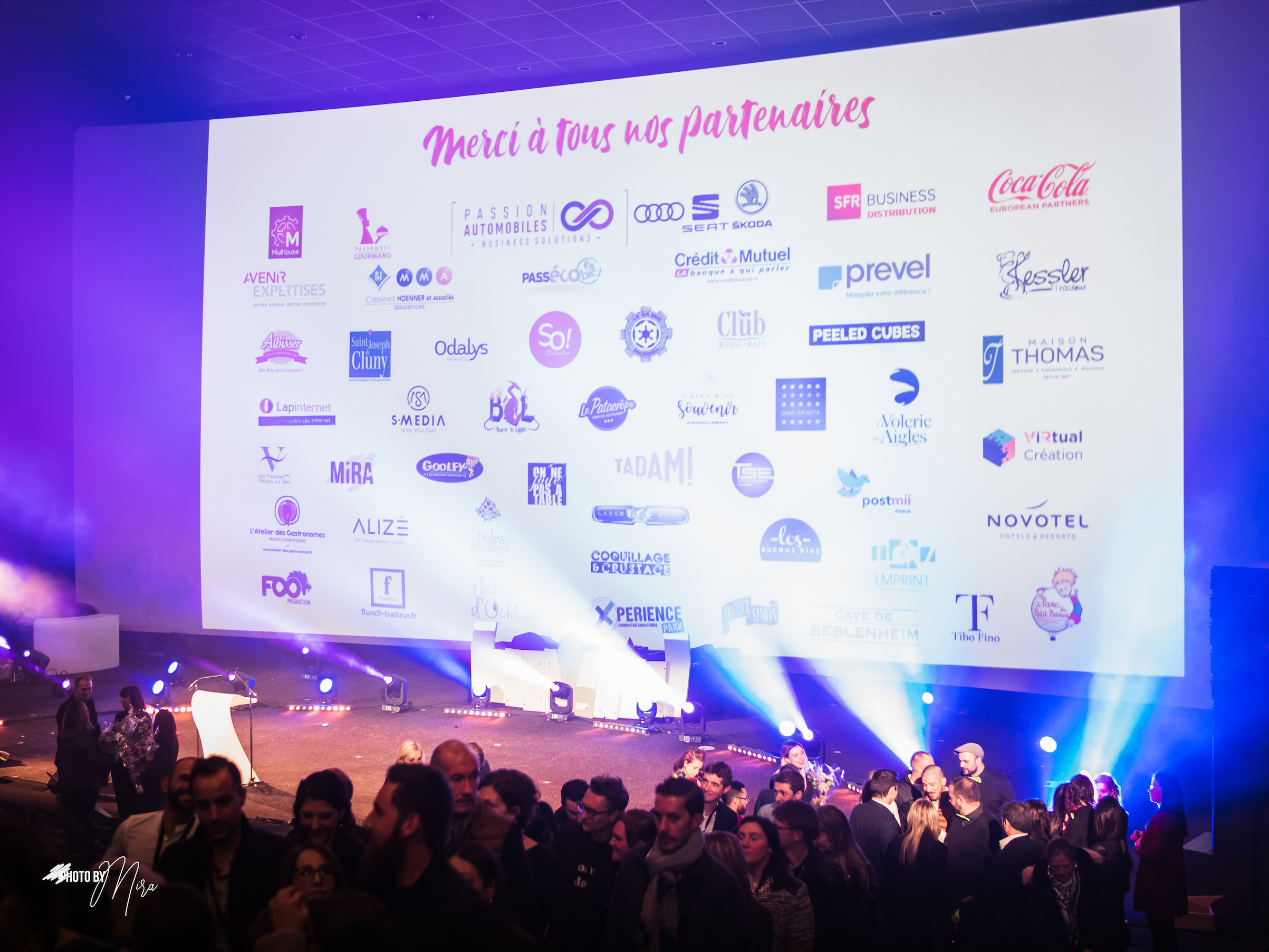
National Roadshow in Valencia with full operational control for your teams
INNOV'events designs and produces National Roadshow in Valencia for executive, HR and communication teams who need consistency, compliance and measurable impact. Typical formats range from 80 to 800 attendees per stop, with multiple sessions in one day if required. We handle venue scouting, technical production, staffing, brand compliance, guest flows, and post-event reporting so your internal team stays focused on stakeholders.
Table of contents
On a roadshow, “entertainment” is not decoration; it is a tool to control attention, pace and message retention. In a National Roadshow, the same audience promise must land repeatedly, despite different venues, time slots and local constraints. Well-designed engagement moments reduce drop-off, increase dwell time at key touchpoints (product demo, leadership message, HR corner), and give your teams predictable run-of-show timing.
In Valencia, organisations typically expect a roadshow stop to be both businesslike and hospitable: clear invitations, fast access, and content that respects executives’ calendars. Local audiences are sensitive to logistics—parking, public transport, heat in warmer months, and queue management—so “nice ideas” must be backed by operational discipline: capacity calculations, signage plans, contingency buffers and on-site decision-making.
We operate with local production partners and an on-the-ground methodology built for repeatability. As an event agency in Valencia, INNOV'events secures the right venue-technical match, aligns suppliers to brand standards, and keeps a single production chain of command. The result: a reliable stop in Valencia that matches the national brand playbook while adapting to real local conditions.
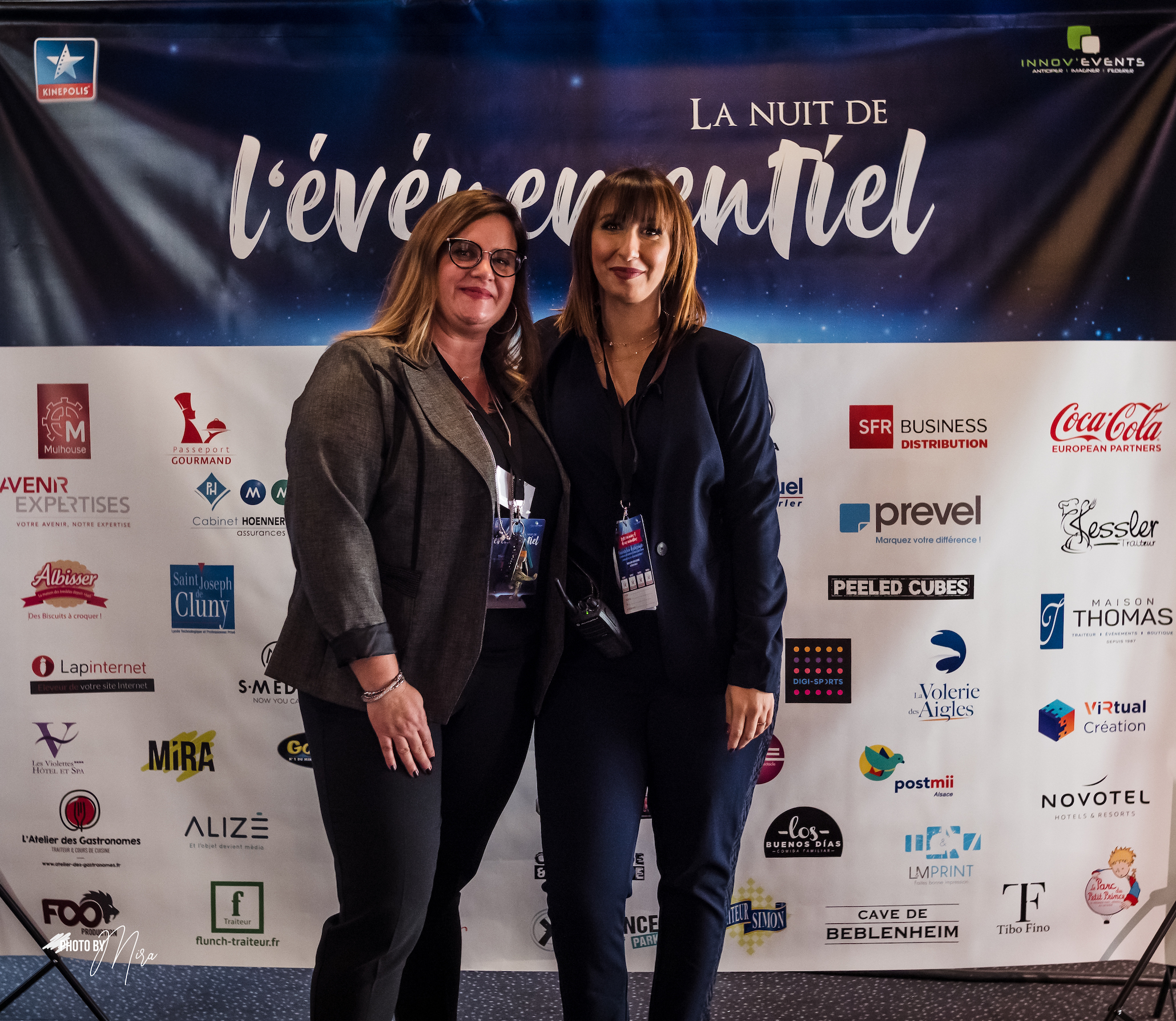
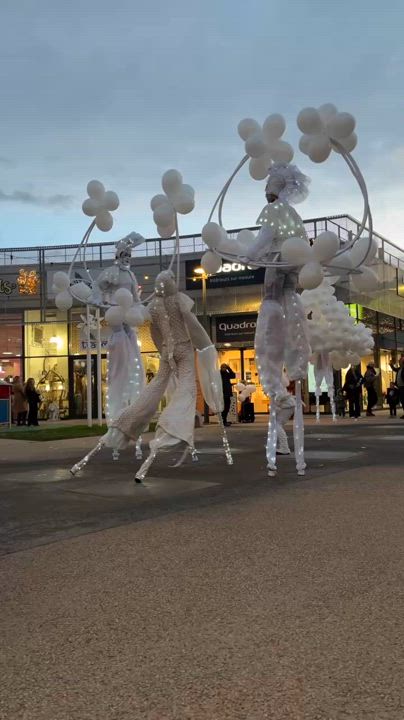
What INNOV'events delivers in Valencia, with numbers you can audit
12+ years producing corporate events and multi-city deployments across Spain, with repeatable roadshow playbooks (run-of-show, staffing ratios, supplier benchmarks).
40–120 staff mobilised on large roadshow stops (production, hostesses, security, technicians, stage manager, logistics runners) depending on format and venue constraints.
24–72 hours typical turnaround for a first operational proposal in Valencia (venues shortlist + budget envelope + risk notes), once brief and dates are confirmed.
1 command chain on the day: one show caller, one production lead, and pre-defined escalation rules to protect executives from operational noise.
0 surprises philosophy: documented checklists (power, rigging, access, loading, permits, emergency plan) validated during technical visits and vendor calls.
How to organize a professional event in Valencia?
- Define the objective (cohesion, announcement, fidelity, performance).
- Set date, format and size (20–1 000 people).
- Secure the venue and accommodation according to seasonality.
- Lock down technical, suppliers and logistics.
- Drive the day J (timing, scene, entrance, flow).
Valencia references and recurring collaborations that show stability
We support organisations operating in Valencia and the wider Comunidad Valenciana, including recurring annual roadshow stops and internal engagement events. Many clients come back because they need the same thing every year: predictable delivery, consistent brand execution, and a partner that understands internal approval flows (Procurement, Legal, Compliance, HR) without slowing down the timeline.
To keep this page accurate, we only publish company names when the client explicitly authorises it. In practice, our local references include technology and industrial groups with regional sites, retail networks running franchise communications, and service companies coordinating leadership messaging across multiple cities. If you share the company names you want us to mention, we will integrate them precisely, in a way that respects confidentiality and avoids vague “logo lists”.
What matters for you as a director: the same production standards apply whether your National Roadshow in Valencia is an executive forum, a product launch, a recruiting roadshow, or a client relationship stop. Our local team is used to working under tight windows, with internal stakeholders arriving late and leaving early—and we design the experience so it still performs.
We send you a first proposal within 24h.
Why run a roadshow stop in Valencia to drive business outcomes
A roadshow stop is a management tool: it synchronises messaging, mobilises teams, and creates controlled face-to-face time with priority audiences. For executive and communication teams, the challenge is to make the stop consistent with the national narrative while responding to local market realities. For HR, the stop is often a high-leverage moment to reinforce culture, employer brand and leadership accessibility—if the format is designed with operational discipline.
Executive alignment without extra meetings: when run-of-show is tight, the roadshow creates one shared narrative (strategy, priorities, KPIs) that teams can repeat reliably after the event.
Measurable engagement: structured interactions (QR check-ins, session scans, guided demos) turn the stop into a data point for Communications and Commercial teams, not just an expense line.
Sales enablement in real conditions: a well-built demo zone and appointment system allow client-facing teams to test objections and value propositions with real prospects.
HR impact at scale: recruiting corners, manager talks and “ask-me-anything” sessions can be integrated without diluting the business message, provided flows and time boxes are designed.
Risk-controlled visibility: for brands under scrutiny, a professional stop reduces reputational exposure (crowd control, safety, compliance, accessibility) compared to improvised local activations.
Operational consistency across cities: standardised staging, signage and technical specs reduce the chance of “it worked in Madrid but not here” issues when the roadshow reaches Valencia.
Valencia is a pragmatic business environment: people value clarity, timing and respectful hospitality. A roadshow stop that runs on schedule, keeps content sharp, and offers tangible interactions (not empty spectacle) fits the local economic culture—especially for industrial, logistics, tech and retail stakeholders who expect efficiency.
What decision-makers in Valencia expect from a National Roadshow stop
In Valencia, local expectations tend to be practical and operations-driven. Executives want the stop to feel “national-level” in quality, while still being easy to attend. That translates into concrete requirements: location with reasonable access, a registration process that does not create queues, and a show that respects start and end times to the minute.
We frequently see three recurring constraints in the territory. First, calendar pressure: companies with regional sites often need the event to sit between production schedules, store hours, or client commitments. Second, venue realities: not every space that looks good on a website has the loading access, ceiling height, power capacity or acoustic control needed for a roadshow stage + demo zones. Third, climate and mobility: during warmer periods, air-conditioning performance and shaded outdoor transitions become operational issues, and taxi/ride-share peaks can affect arrivals.
For HR and Communications, there is also a “tone” expectation: professional, credible, and inclusive. Audiences notice when a programme is too salesy, when the microphone work is inconsistent, or when accessibility is treated as an afterthought. In a National Roadshow in Valencia, details such as bilingual signage where appropriate, clear staff identification, and a calm backstage for speakers are not luxury items—they are what protect your internal reputation.
Which engagement formats work best for roadshows in Valencia
Engagement in a roadshow is effective when it supports your message and controls the flow of people. In Valencia, we typically prioritise formats that are fast to understand, easy to staff, and resilient to venue variation. The goal is not to “add fun”, but to create structured moments where your audience interacts with leaders, products or culture—without disrupting timing.
Interactive animations in Valencia
Guided demo rotations (10–12 minutes per station): groups move with a facilitator, ensuring every attendee sees key proof points. Works well when you need consistent messaging across multiple sessions in the same day.
Live pulse polling during leadership segments: quick questions displayed on screen (strategy priorities, satisfaction, obstacles). Generates immediate discussion and provides a data trail for Internal Comms.
Appointment-based stakeholder meetings: pre-booked 15–20 minute slots for strategic clients, partners or unions. Reduces chaos and protects executive time.
Recruitment corner with structured micro-interviews: HR can run 8–10 minute screening conversations, with clear privacy and queue management to avoid bottlenecks.
Art animations in Valencia
Short-format stage interventions (3–6 minutes): for example, a percussion or movement cue to reset attention between content blocks—useful when the agenda is dense. We limit these to purposeful transitions, not filler.
Brand-driven visual performance: LED visuals or kinetic elements that reflect corporate identity guidelines. Particularly relevant when your national brand book requires consistency and controlled colorimetry.
Innovative animations in Valencia
Operationally efficient catering: in Valencia, we often recommend “fast service” coffee stations, portion-controlled finger food, and timed replenishment to prevent queue peaks between sessions.
Local product touchpoints with clear labeling: a curated tasting moment can support hospitality, but it must include allergen management, staffing and waste planning to stay compliant and clean.
Gourmand animations in Valencia
RFID/QR zone tracking: optional tracking of visits to demo zones to quantify engagement by segment, respecting GDPR through consent and minimal data collection.
Speaker confidence setup: teleprompter or confidence monitor where needed, plus a controlled backstage briefing. This reduces speaker risk, especially when executives deliver the same talk across multiple cities.
Content capture kit: a compact studio corner for short internal videos (30–60 seconds) recorded by leaders or teams. This extends the life of the roadshow beyond the day.
Whatever the format, alignment with brand image is non-negotiable. For a National Roadshow in Valencia, we validate every engagement idea against your brand guidelines, audience expectations, and operational constraints (timing, staffing, safety, sound). That is how “corporate event entertainment in Valencia” becomes a controlled lever, not an unpredictable variable.
How to choose a venue in Valencia for a National Roadshow
The venue determines what is operationally possible: stage sightlines, sound intelligibility, loading speed, and the credibility of the experience. In a roadshow, you are not only renting a room—you are buying reliability. In Valencia, we assess venues through a roadshow lens: access windows for trucks, rigging permissions, power distribution, air-conditioning performance, and the ability to separate flows (VIP, staff, public) when needed.
| Venue type | For which objective? | Main strengths | Possible constraints |
|---|---|---|---|
Conference hotel with ballroom | Executive forum, internal alignment, investor or partner sessions | Integrated AV options, predictable service, good backstage and catering logistics | Limited branding freedom, union/house rules, potential noise bleed between rooms |
Convention / exhibition space | Product roadshow with demo zones, higher footfall, multi-station experience | Large floorplate, flexible zoning, strong loading access, scalable capacity | Higher production needs (sound, rigging, drape), more staffing required for flows |
Industrial-chic venue / cultural space | Brand repositioning, client relations, employer brand with strong aesthetics | High perceived value, distinctive architecture, strong content backdrop | Strict preservation rules, limited rigging, access constraints, higher risk if acoustics are poor |
We insist on site visits and technical walk-throughs in Valencia before you lock the format. Photos rarely show the real loading bay, the distance from truck to stage, or where queues will form. One visit prevents last-minute compromises that affect your speakers, your demo quality and your schedule.
What a Valencia roadshow stop costs and what drives the budget
A National Roadshow in Valencia budget is driven by operational parameters, not by “nice-to-have” ideas. The most common budgeting mistake is to start from an entertainment concept and then discover that staffing, technical and safety requirements consume the margin. We build budgets from a production breakdown structure so Finance and Procurement can audit the logic.
Attendance and sessioning: 80–200 guests in one block is different from 400–800 split across two or three sessions (staffing, catering peaks, cleaning turnover, security).
Venue category and included services: some venues bundle basic AV; others require full external production (sound, lighting, video, staging, rigging, drape).
Branding and build complexity: modular sets reused across cities reduce cost; custom builds increase labour, transport and install time.
Technical level: multi-screen setups, live streaming, translation, complex cueing and recording add technicians, rehearsal time and contingency equipment.
Staffing ratios: hostesses, floor managers, security, medical coverage (if required), runners, and backstage assistants scale with flows and risk profile.
Permits, insurance and compliance: especially if you need exterior signage, temporary structures or public-facing activations in Valencia.
Logistics: trucking, parking for suppliers, loading windows, and storage between cities can materially affect a roadshow budget.
We frame cost against return: how many priority stakeholders you reach, how much executive time is leveraged, and what you can measure (attendance, engagement, pipeline meetings, recruitment leads). A controlled production is often cheaper than “saving” on planning and paying later through overtime, last-minute rentals and reputational risk.
When an agency in Valencia is the safer option for your roadshow
Roadshows fail in the details: a delayed truck slot, a venue rule about rigging, a sound limitation that makes the keynote unintelligible, or a missing permit for exterior branding. Having an agency with real operating habits in Valencia reduces these risks because the team knows how venues behave in practice, which suppliers are reliable under pressure, and which constraints appear only on the day.
For executive teams, local presence also means fewer interruptions. We run supplier coordination locally, handle on-site decisions without escalating every micro-issue, and keep your leaders protected from operational noise. For HR and Communications, it means faster iterations on signage, localisation, and last-minute content changes—without compromising brand control.
- Local supplier performance knowledge: we work with technicians, caterers and staffing teams who are used to corporate standards, not just social events.
- Faster technical resolution: replacement equipment, extra crew or last-minute printing can be sourced in hours, not days.
- Venue rule fluency: understanding access timings, noise restrictions and house tech avoids surprises during install.
- Stronger risk management: local security and medical partners, plus practical contingency planning aligned to the site.
We frame cost against return: how many priority stakeholders you reach, how much executive time is leveraged, and what you can measure (attendance, engagement, pipeline meetings, recruitment leads). A controlled production is often cheaper than “saving” on planning and paying later through overtime, last-minute rentals and reputational risk.









Examples of roadshow execution in Valencia across different objectives
Our projects in Valencia typically fall into four roadshow patterns, each with different operational priorities. First, executive alignment stops: tight agendas, high AV reliability, and a speaker-first backstage setup (confidence monitors, rehearsals, controlled stage access). Second, product and service roadshows: zoning, demo staffing, queue management, and consistent script delivery across facilitators. Third, employer brand and recruiting stops: privacy-aware HR areas, compliant data capture, and a tone that balances ambition with credibility. Fourth, partner or client engagement stops: appointment scheduling, hospitality standards, and discreet security where needed.
Across these formats, adaptability is not improvisation; it is pre-planned flexibility. We build modular production elements that travel well, specify technical minimums to keep quality consistent, and design run-of-show variants for different attendance peaks. When a venue in Valencia requires compromises—loading constraints, limited rigging, or acoustic challenges—we adjust with concrete solutions: alternative stage orientation, distributed audio, staggered arrivals, or different catering service models.
What you should expect from us is not a “concept deck”, but a workable plan: staffing list, roles and responsibilities, technical specs, production schedule, risk register, and a reporting template you can reuse for the next city.
Common roadshow mistakes we prevent in Valencia before they happen
Underestimating install and loading time: the roadshow arrives from another city, and a tight loading window in Valencia causes cascading delays. We build realistic production schedules and confirm access slots in writing.
Designing engagement without flow logic: great ideas that create queues, block exits or overload catering. We model guest movements and assign staff to manage peaks.
Ignoring venue acoustics and sightlines: a keynote that cannot be heard or seen kills trust. We validate PA coverage, screen positioning and seating geometry.
Not controlling brand consistency: local adaptations that drift away from the national message. We run a brand compliance checklist (signage, tone of voice, visuals, stage look).
Weak speaker preparation: executives repeating a talk across cities need a repeatable backstage process. We schedule rehearsals, provide cue support, and keep stage transitions clean.
GDPR and data capture gaps: QR tracking and lead capture without clear consent language creates risk. We implement consent-first mechanisms and minimal data principles.
No documented plan B: heat, travel delays, supplier issues. We define contingencies (additional staff, alternate catering service, backup microphones, standby content).
Our role is to remove uncertainty. A National Roadshow in Valencia should feel calm to your executives because the complexity is managed behind the scenes with documented processes and accountable leads.
Why Valencia clients renew their roadshow support with INNOV'events
Client loyalty in event production is rarely about creativity; it is about predictability under pressure. Teams return to us when they have experienced a delivery that protects their internal reputation: the show runs on time, suppliers behave professionally, budgets are transparent, and problems are solved quietly.
Single point of accountability: one production lead responsible for timeline, budget integrity and supplier coordination from brief to debrief.
Documented learnings: post-stop report with what to keep, what to change, and quantified indicators to improve the next city.
Stable staffing models: we keep key roles consistent (show caller, floor manager) to reduce variance in Valencia and across the tour.
Procurement-friendly structure: clear scopes, options, and line items so internal validation is faster and audits are simpler.

Loyalty is proof of quality because it means the organisation is willing to stake another high-visibility moment on the same partner. For a roadshow, that repeat trust is earned through operational discipline, not promises.
How we run a National Roadshow project from briefing to Valencia debrief
👉 Valencia discovery call and constraints mapping
We clarify objectives (brand, sales, HR, internal alignment), audience segments, success metrics, and non-negotiables. We also capture constraints early: procurement timelines, compliance requirements, speaker availability, venue preferences, and tour routing that impacts load-in/load-out in Valencia.
👉 Operational concept and budget envelope for Valencia
We provide a practical proposal: zoning plan, run-of-show structure, staffing logic, technical baseline, and a budget range with options (must-have vs. scalable). You can validate feasibility with Finance and leadership before deep design work starts.
👉 Venue shortlist, technical checks and site visits in Valencia
We shortlist venues that match capacity, access and brand tone, then run technical feasibility checks (loading routes, rigging limits, power, acoustics, Wi-Fi/4G). A site visit confirms real constraints and prevents late-stage surprises.
👉 Supplier booking, compliance and production schedule
We contract AV, staging, staffing, catering, security and any special formats. We lock a production schedule with call times, install milestones, rehearsal windows, and contingency buffers. We also validate insurance, permits and safety documentation.
👉 Content integration and speaker readiness
We integrate your decks, videos and talking points into a cue-based show file. We organise speaker briefing, backstage flows, and rehearsal time adapted to executive calendars. The goal is consistent delivery across cities, including the stop in Valencia.
👉 Show day management and real-time decision-making
We run a single chain of command: show caller for cues, production lead for vendor control, and floor manager for guest flows. We track timing, manage peaks, and keep executives insulated from operational issues.
👉 Debrief, reporting and next-city improvements
Within agreed timelines, we deliver attendance data, engagement indicators, operational notes, and cost reconciliation. For a National Roadshow, we convert learnings into actionable adjustments for the next stop.
FAQ sobre la organización National Roadshow en Valencia
How far in advance should we book Valencia venues?
For a National Roadshow in Valencia, plan 8–12 weeks ahead for standard formats. For peak dates, large capacities, or complex builds, 12–20 weeks is safer, especially if permits or heavy production are involved.
What attendee range is realistic for a Valencia roadshow stop?
Most corporate stops in Valencia run between 80 and 500 attendees. Above that, we typically recommend two or three sessions to protect acoustics, queue times, and speaker interaction quality.
Do we need permits for branding in Valencia roadshow venues?
Inside private venues, permits are usually covered by venue rules, but you still need written approval for rigging, adhesives, and exterior visibility. If you want signage outdoors, temporary structures, or public-facing activation, permits may be required; we confirm case by case with the venue and local authorities.
What budget range should we expect in Valencia?
Budgets vary widely by venue and production level. As a working range, a professional stop in Valencia often starts around €25,000–€45,000 for a controlled setup, and can reach €70,000–€150,000+ for multi-zone builds, high-end AV, multiple sessions, and content capture. We provide a line-item structure so Procurement can audit the drivers.
How do you measure success for a Valencia roadshow event?
We agree metrics before production: attendance vs. invited, session occupancy, demo interactions (scans/QR), meeting show-up rate, recruitment leads, and qualitative feedback. For internal stops, we often add a short pulse survey and track completion rate; for commercial stops, we track appointments and follow-up actions within 7–14 days.
Plan your National Roadshow in Valencia with a production-first partner
If you are comparing agencies, we suggest starting with operational reality: dates, audience, objectives, and constraints. Send us your brief (or even a draft agenda) and we will respond with a practical proposal: venue options in Valencia, a production approach, and a budget envelope with clear levers. Early planning is where roadshows are won—because permits, venue access and staffing are easier to secure, and your executives get the calm, controlled delivery they expect.
Contact INNOV'events to schedule a working session and receive a roadmap for your National Roadshow in Valencia.
INNOV'events Valencia Agency
Cyril Azevedo is the manager of the INNOV'events Valencia office. Reach out directly by email at cyril@innov-events.es or via the contact form.
Contact the Valencia agencyAll our services & entertainment Valencia
Discover our event services
Discover our event entertainment available in the España
- Event Hostess Valencia
- Escape Game Valencia
- MasterChef Cooking Workshop Valencia
- Magician Valencia
- Marquee Rental Valencia
- Color Analysis Workshop Valencia
- Inflatable Games Valencia
- Valet Parking Service Valencia
- Football Simulator Valencia
- LED Furniture Rental Valencia
- Light Branding Valencia
- Unique Dining Experience Valencia
- Light Painting Valencia
- Murder Mystery Party Valencia
- Prize Contest Valencia
- Promotional Displays (POS) Valencia
- Virtual Reality Valencia
- Molecular Gastronomy Workshop Valencia
- Halloween Entertainment Valencia
- Fireworks Show Valencia
- Giant Games Challenge Valencia
- Event Host / MC Valencia
- Photo Booth Animation Valencia
- Santa Claus Entertainment Valencia
- Kids Entertainment Valencia
- Guided Tour Valencia
- Urban Rally Valencia
- Ball Pit Valencia
- Flight Simulator Valencia
- Food Truck Rental Valencia
- World Record Challenge Valencia
- Surf Simulator Valencia
- Wine Casino Valencia
- Makeover Workshop Valencia
- Perfume Creation Workshop Valencia
- Acting Workshop Valencia
- CSR Activities Valencia
- Archery Valencia
- Security Staff Valencia
- Wine Tasting Valencia
- Mime Performer Valencia
- TV Game Show Valencia
- Funfair Valencia
- Crisis Management Workshop Valencia
- Crisis Negotiation Workshop Valencia
- Arcade Games Valencia
- Indoor Skydiving Simulator Valencia
- Ski Simulator Valencia
- Racing Circuit Experience Valencia
- Introductory Flight Experience Valencia
- Tasting Experience Valencia
- Build Your Own Foosball Workshop Valencia
- 2CV Rally Valencia
- LEGO Challenge Valencia
- Casino Night Valencia
- Interpreter / Translator Valencia
- Promotional Giveaways Valencia
- Shuttle Transport Valencia