
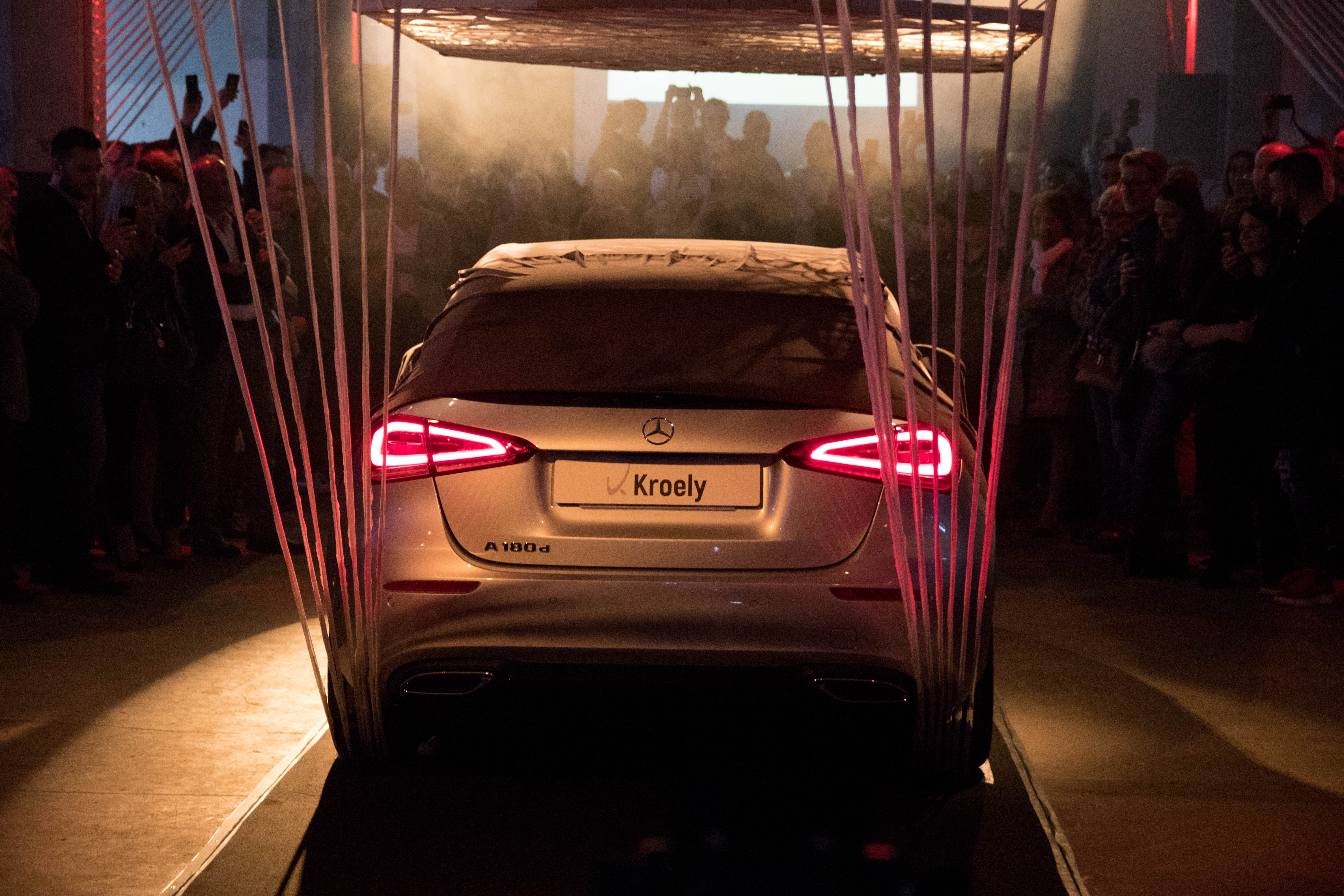
Product Launch in Valencia that protects your brand and drives adoption
INNOV'events designs and delivers Product Launch programs in Valencia for executive teams, HR and communications—typically from 60 to 800 attendees. We handle the full chain: venue scouting, run of show, stage management, AV, content cues, guest journey, catering, permits and on-site coordination.
Whether you need a press-ready reveal, a partner enablement event or an internal launch for sales teams, we build a format that is operationally safe and reputation-proof.
Table of contents
Entertainment is not “extra” in a corporate launch: it is a tool to control attention peaks, manage energy, and secure message retention. In practice, it prevents the classic drop-off after the keynote, protects your reveal moment, and gives your teams a reason to share content organically—without compromising compliance or brand tone.
In Valencia, organizations expect efficient schedules, reliable technical delivery, and hospitality that respects real constraints (production access, sound limitations, guest flow, and transport). Your audience—clients, distributors, journalists, or employees—will judge your product through the discipline of the event as much as through the product itself.
INNOV'events works locally with a vetted network of stage managers, AV crews, caterers, and venues across the city. Our role is to remove uncertainty: one plan, one timeline, one production lead accountable for results on the day.
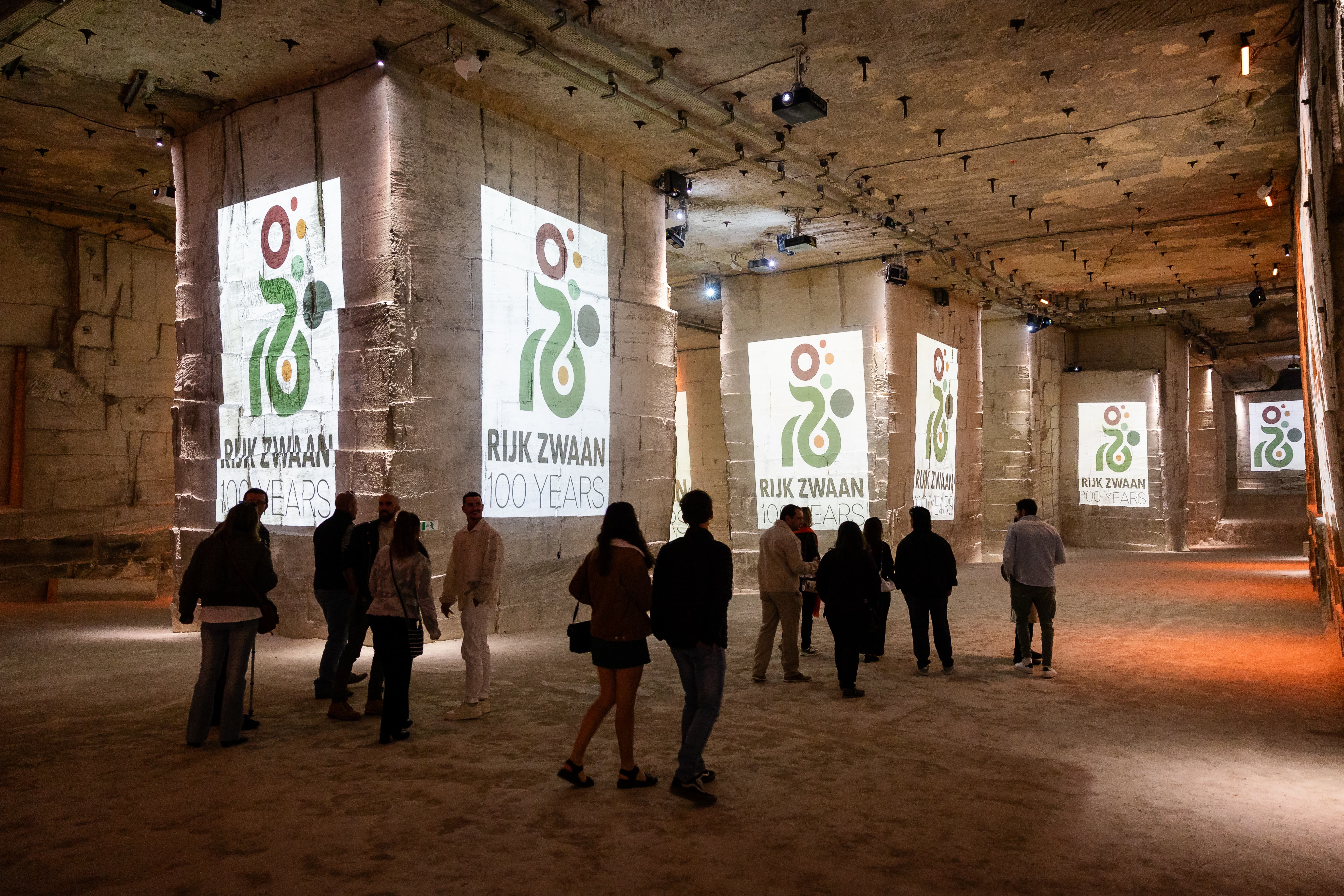
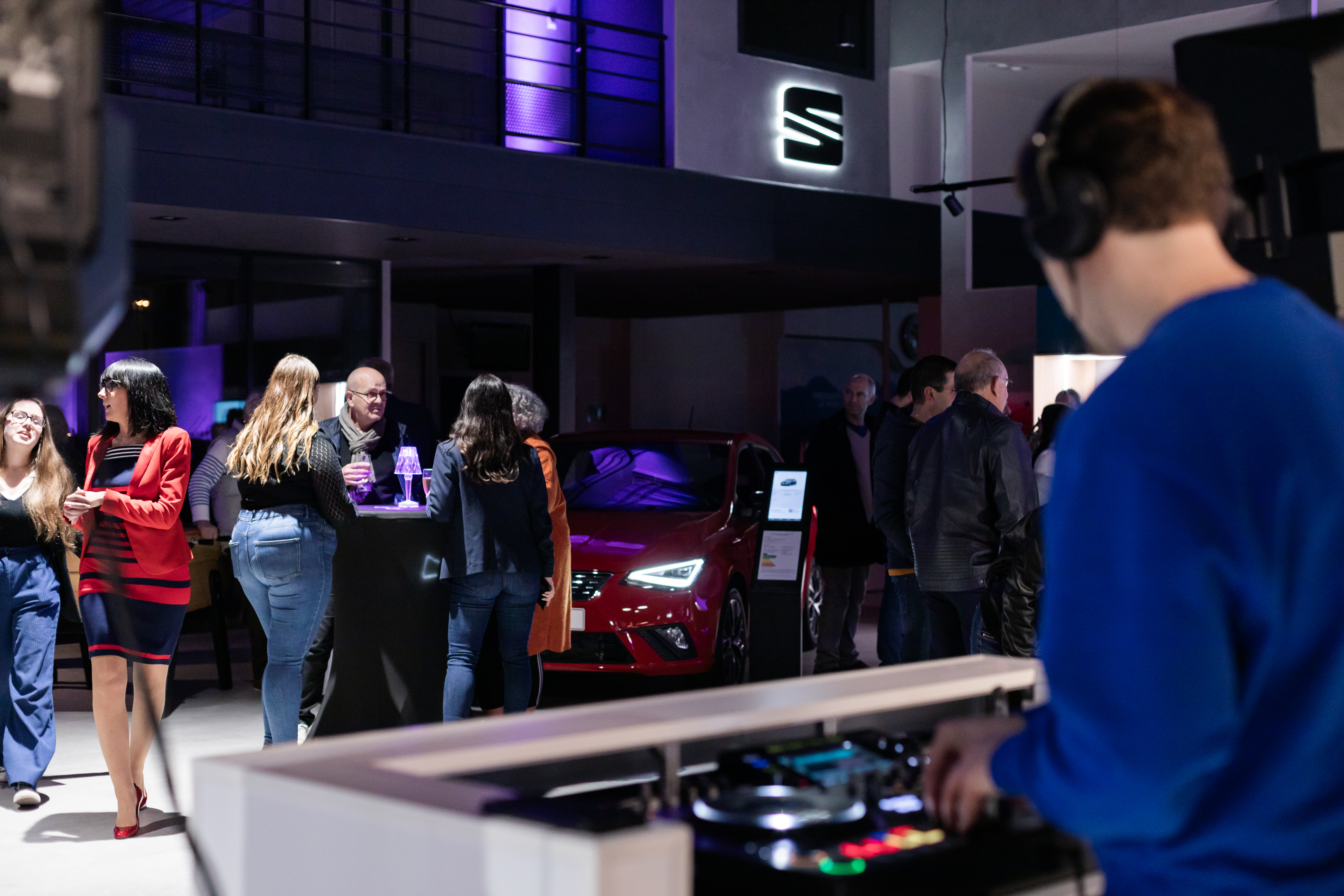
INNOV'events delivery capacity in Valencia you can verify
12+ years delivering corporate events across Spain, with recurring multi-site clients.
250+ events/year coordinated through our national network (launches, conventions, HR events, roadshows).
48–72h average turnaround to provide first budget ranges and venue shortlists once the brief is qualified.
1 single production lead on your side from pre-production to dismantling, with documented decisions and sign-offs.
How to organize a professional event in Valencia?
- Define the objective (cohesion, announcement, fidelity, performance).
- Set date, format and size (20–1 000 people).
- Secure the venue and accommodation according to seasonality.
- Lock down technical, suppliers and logistics.
- Drive the day J (timing, scene, entrance, flow).
Local references in Valencia that reflect corporate realities
In Valencia, we support corporate teams that need predictable delivery: tight timelines, complex stakeholder alignment (brand, legal, procurement, comms), and zero room for improvisation on launch day. Several clients come back year after year because they value continuity—knowing that the agency already understands internal validation processes, tone-of-voice constraints, and how to work with regional teams.
If you want, we can share relevant case summaries and operational learnings (format, attendee profile, risk management, vendor mix) under NDA. We keep references credible: what was the objective, what were the constraints, what we changed to secure the result.
We send you a first proposal within 24h.
Why run a product launch in Valencia instead of “just a webinar”
A Product Launch in Valencia is a managerial decision: it concentrates attention, accelerates adoption, and gives your teams a shared narrative. For executives, it is one of the few moments where strategy, brand, sales enablement and culture can be aligned in a single, controlled environment.
We see it repeatedly: when the launch is treated as a production (not a meeting), the product lands faster in the market because stakeholders leave with the same story, the same demo proof points, and the same next steps.
Control the message: a stage-managed narrative avoids “feature dumps” and positions the product around outcomes, differentiators and proof.
Accelerate sales readiness: enablement sessions, role-play, objection handling and demo stations reduce time-to-confidence for sales and partners.
Shorten decision cycles: in-person demos, Q&A with product leaders, and curated customer stories reduce perceived risk for key accounts.
Create content assets: filmed keynotes, customer testimonials, product b-roll and interview corners generate a structured post-event content pipeline for comms and demand gen.
Strengthen internal alignment: HR and leadership can use the launch to connect teams to the roadmap, values, and execution priorities—especially after reorganizations or growth phases.
Protect brand reputation: professional production reduces the classic failure points (audio issues, cue mistakes, overcrowding, catering breakdowns) that damage credibility.
Valencia is a pragmatic business environment: people expect clarity, good logistics and substance. A well-produced launch matches that culture—efficient, hospitable, and focused on proof rather than noise.
What Valencia stakeholders expect from a corporate launch event
Local economic life combines headquarters teams, industrial players, scale-ups, public entities and international brands with regional operations. That mix creates specific expectations for a Product Launch in Valencia:
- Operational punctuality: start and end times matter because guests often chain meetings across the city and logistics are real (parking, taxis, public transport, port/airport access).
- Comfortable acoustics and sightlines: many venues look impressive but fail on intelligibility or screen visibility. For product reveals, audio clarity and camera angles are non-negotiable.
- Hospitality without friction: fast check-in, badge printing if needed, coat handling in winter, and clear signage. Guests notice queues more than decor.
- Food and beverage adapted to schedule: a late reveal with a heavy cocktail is a common mistake. We plan service around agenda peaks, dietary requirements, and the real time guests have.
- Multilingual and international readiness: Valencia attracts global teams; simultaneous interpretation, bilingual signage and speaker coaching can be required.
- Respect for local regulations: sound limitations, load-in times, public space permits, and safety plans must be handled quietly and correctly.
Our job is to translate these local realities into a production plan that your procurement and leadership can validate: clear scope, documented responsibilities, and measurable deliverables.
Which corporate event entertainment works best in Valencia launches
Corporate event entertainment in Valencia should serve one purpose: increase engagement while reinforcing the product story. We recommend entertainment formats that support attention, facilitate interactions, and create content moments—without turning the event into a disconnected show.
Below are options we deploy frequently, with practical use-cases and constraints we manage (timing, sound levels, stage space, rehearsal needs, licensing).
Interactive animations in Valencia
Guided demo routes with time slots: instead of “free roaming,” we build rotations (e.g., 6 stations x 10 minutes) with staff scripts and QR-based feedback. Works well when multiple product modules must be shown without crowding.
Live polling integrated into the keynote: used to surface customer pain points, qualify the room, and steer speakers to what matters. We handle moderation, Wi‑Fi planning, and data capture consent.
Executive roundtables: small groups facilitated by a moderator, often used for key accounts or partners. The “entertainment” is the access: structured conversation, not a performance. We provide discussion guides and note capture.
Content corners: a branded interview set for customer quotes, partner testimonials, or internal champions. Useful when comms teams need immediate assets for LinkedIn and press follow-up.
Art animations in Valencia
Short-format live music sets: 2 x 15–20 minutes during arrivals and networking, with controlled volume to keep conversation possible. We specify rider requirements, sound checks, and stage footprint.
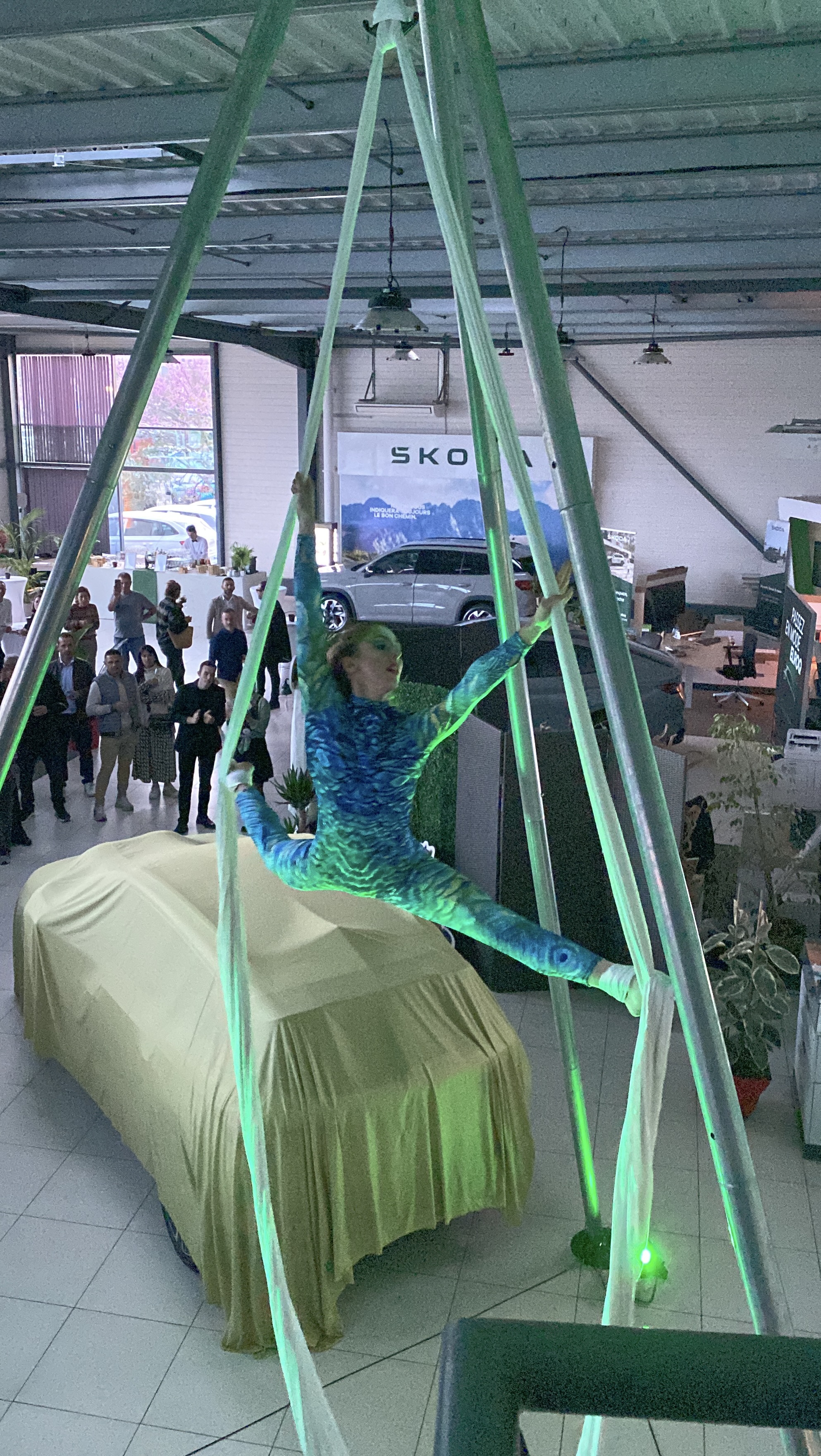
Visual performance aligned to the reveal: for example, LED choreography or light design that accompanies the product moment. This works when the product has a strong design/innovation angle and you need a “reveal peak” without gimmicks.
Professional MC in bilingual mode: not a “host” who talks too much—an MC who manages tempo, transitions, and Q&A discipline, keeping the event on schedule and speakers comfortable.
Innovative animations in Valencia
Timed cocktail service: we design service windows around agenda peaks to avoid queueing. In Valencia, outdoor terraces are attractive but require heat/cold planning and plan B.
Product-pairing tasting: for B2B launches, pairing is a practical tool to keep guests moving between zones (e.g., 3 tastings linked to 3 product benefits). We coordinate messaging and signage with comms.
Premium coffee and barista stations: highly effective for morning launches; it reduces early friction and helps punctual starts. We plan power, water access and service speed.
Gourmand animations in Valencia
AR-assisted product visualization: useful when the product is large, technical, or not fully deployable on site. We manage device strategy (BYOD vs. provided tablets) and user flow.
Silent demo audio: headsets per group for noisy environments, keeping the room calm and improving comprehension. Ideal when venue acoustics are challenging.
Hybrid capture with professional streaming: not as a default—only when it serves stakeholders who cannot travel. We set speaker framing, audio mix, and a controlled chat/Q&A workflow.
Whatever the format, we align entertainment and interaction with your brand image: tone-of-voice, risk tolerance, inclusivity, and the level of formality your executives want. The guiding rule is simple: if it does not strengthen the product narrative or stakeholder conversion, we do not add it.
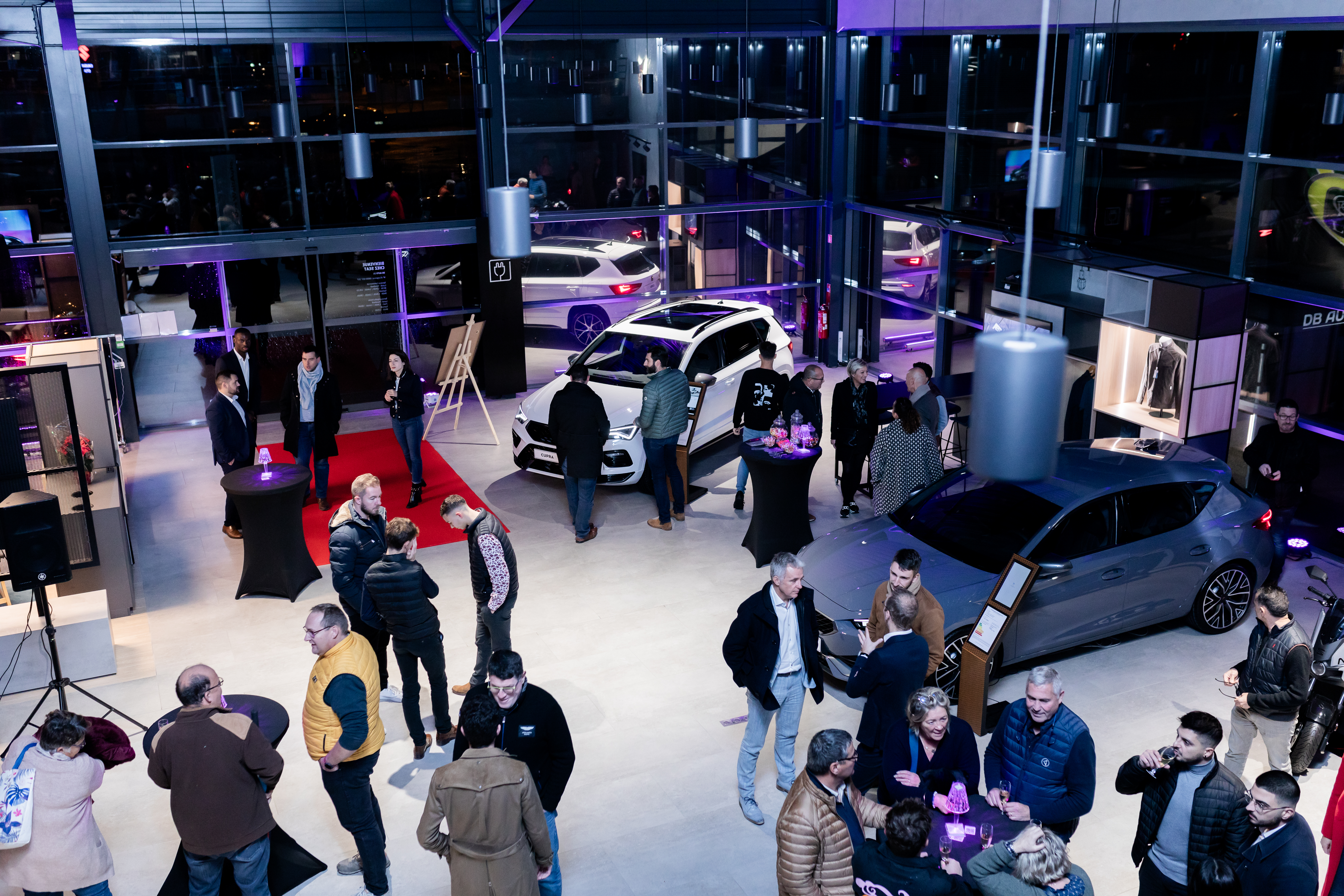
How to choose a venue in Valencia for a Product Launch
The venue is not just a backdrop; it dictates what is technically possible and how the brand is perceived. For a Product Launch in Valencia, the “right” venue is the one that supports load-in, acoustics, demo power/network, and a guest journey that looks effortless.
We always evaluate venues with a production lens: access for trucks, rigging permissions, ceiling height, control room location, backstage space, and realistic capacity (seated, cocktail, demo zone). Below are venue types that consistently work for launches in the city.
| Venue type | For which objective? | Main strengths | Possible constraints |
|---|---|---|---|
Contemporary conference hotel | Press-ready reveal + partner enablement in one day | Built-in AV infrastructure, breakout rooms for demos, predictable service levels, easy accommodation for out-of-town teams | Branding restrictions in some areas, standard look if scenography is not upgraded, limited load-in hours during guest stays |
Industrial-style event space/warehouse | High-impact reveal with strong scenography and a large demo floor | Creative freedom, strong “innovation” feel, large floorplate for zones (stage, demo, networking) | Power/network must be engineered, more rigging/safety planning, higher production time and crew needs |
Museum or cultural venue with auditorium | Executive keynote + thought leadership positioning | Prestige, strong architectural identity, seated comfort, controlled acoustics in many auditoriums | Strict rules on branding, catering limitations, earlier cut-off times, complex approvals and insurance requirements |
We insist on site visits with your key stakeholders (comms, brand, production, security). A venue can look perfect in photos and still fail on backstage flow, speaker comfort, or demo connectivity. One visit usually prevents weeks of downstream compromises.
What budget range to plan for a Product Launch in Valencia
Budget for a Product Launch in Valencia depends on format (press, internal, partners), production intensity, and risk tolerance. Two launches with the same headcount can vary widely if one requires complex staging, bilingual content, or heavy demo infrastructure.
As a working reference in the local market, corporate launches often fall between €18,000 and €120,000+. Below that, you are typically looking at a simple meeting-like format; above that, you are usually adding scenography, content production, and high-end technical delivery.
Attendee volume and flow: seated vs. cocktail, number of arrival waves, check-in complexity, and staffing ratios (hostesses, security, demo guides).
Venue cost and constraints: rental fees, mandatory suppliers, load-in schedules, sound limits, and insurance requirements.
Technical scope: PA and microphones, LED screens, camera capture, lighting design, show calling, intercoms, redundant playback. The “must-not-fail” list drives cost more than decorative elements.
Scenography and branding: stage set, backdrops, wayfinding, demo counters, product pedestals, and compliance with brand guidelines.
Content production: keynote writing support, speaker coaching, motion graphics, reveal video, and on-site editing for rapid content release.
Demo infrastructure: power distribution, networking, devices, secure areas, staffing, and contingency units if the product is fragile or prototypes are involved.
Catering and hospitality: service style, menu complexity, bar setup, staffing, and dietary coverage.
Risk management: permits, medical presence if needed, security, crowd management, and backup plans for outdoor components.
We frame budget as ROI: what are the conversion goals (pipeline, partner sign-ups, internal adoption KPIs), and what is the reputational value of a flawless reveal? Often, spending an additional 10–15% on technical redundancy and rehearsal time is the difference between “acceptable” and “board-ready.”
When an event agency in Valencia reduces risk for executives
Choosing a local partner is not about proximity; it is about execution control. A strong event agency in Valencia brings vendor accountability, realistic scheduling, and immediate problem-solving capacity when conditions change (venue access, last-minute speaker updates, weather, or technical issues).
For executives and communication teams, local delivery also means fewer unknowns in procurement: validated suppliers, transparent price structures, and a documented way of working that matches corporate governance.
- Faster venue and supplier alignment: we know what is feasible in each space (rigging rules, sound restrictions, access), reducing late-stage surprises.
- On-site leadership: local show calling, rehearsal discipline, and a production lead who can be physically present for checks and pre-rig.
- Cost control: fewer travel expenses, reduced overtime risk through realistic load-in planning, and negotiated local rates where appropriate.
- Contingency capacity: backup technicians, replacement equipment, and rapid sourcing if something fails.
- Cultural fit: the right level of formality, hospitality standards, and stakeholder management expected in Valencia business environments.
We frame budget as ROI: what are the conversion goals (pipeline, partner sign-ups, internal adoption KPIs), and what is the reputational value of a flawless reveal? Often, spending an additional 10–15% on technical redundancy and rehearsal time is the difference between “acceptable” and “board-ready.”










What we have delivered across Valencia-like launch constraints
Our launch work ranges from compact executive reveals to multi-zone enablement events. The common point is operational complexity and the need to protect brand perception.
Examples of situations we regularly handle:
- Prototype risk: the product exists in limited units; we design demo rotations, secure storage, and a “no-fail” presentation unit with a backup plan.
- Last-minute narrative change: leadership updates positioning days before. We rework run of show, graphics, and MC script while keeping rehearsal time intact.
- Mixed audiences: press + partners + internal teams. We separate zones, create distinct moments (embargoed reveal, partner deep-dive, internal celebration), and control access.
- Compliance and consent: filming and data capture require explicit consent. We implement signage, opt-in workflows, and a clear photography policy to protect the company.
- High-stakes Q&A: we structure moderated Q&A, brief speakers on sensitive topics, and prepare escalation paths to avoid uncontrolled messaging.
This is the level of detail executives expect when their brand is on stage. We do not rely on “good vibes”; we rely on planning, rehearsal, and discipline.
Common launch mistakes we prevent in Valencia productions
Overloading the agenda: too many speakers, too many slides, no breathing room. Result: loss of attention and a rushed reveal. We redesign pacing around attention peaks and demo time.
Underestimating rehearsals: assuming “we’ll wing it.” The cost is not only technical mistakes; it is executive discomfort on stage. We schedule cue-to-cue rehearsals and enforce cut-off times.
Choosing a venue for aesthetics only: beautiful space, poor acoustics and limited backstage. We validate with a production checklist before any contract.
No plan for guest flow: queues at check-in, bottlenecks at bars, overcrowded demo zones. We design arrival waves, staffing ratios, and clear signage.
Unclear ownership between teams: brand, comms, product, HR, and procurement pulling in different directions. We set governance, sign-offs, and a single source of truth.
Weak demo staffing: great product, poor explanation. We help structure demo scripts, training, and escalation to product experts.
Ignoring content capture: no plan for filming, rights, or editing. We integrate content production into the run of show and consent workflow.
INNOV'events’ role is to remove these risks before they become visible. Our planning documents, rehearsals, and vendor governance are designed so executives can focus on stakeholders—not on whether the microphones will work.
Why Valencia clients renew with INNOV'events for launches
Renewal happens when an agency is predictable under pressure. Clients return when they see that we document decisions, keep suppliers aligned, and protect internal teams from event-day firefighting.
In recurring collaborations, we also build efficiency: we reuse validated vendor setups, refine the run-of-show templates, and keep brand standards consistent across years and product lines.
70–80% of our corporate clients renew within 18 months for another event format (launch, convention, HR milestone), depending on their annual calendar.
For most launches, we recommend a minimum lead time of 6–10 weeks; clients who plan earlier typically reduce last-minute costs and improve content quality.
On complex productions, we schedule 1 full technical rehearsal plus 1 cue-to-cue session; this is a key factor in repeat business because it reduces executive stress.

Loyalty is the most practical proof: if teams come back after a high-stakes day, it means the agency delivered reliably, managed stakeholders professionally, and kept the brand safe.
Our delivery process for Product Launch projects in Valencia
👉 Step 1 (Valencia): Executive brief and success metrics
We start with a structured brief with leadership, comms and (if relevant) HR: business objective, target audience, desired behaviors after the event, and risk constraints. We agree measurable outputs (e.g., number of qualified demos, partner sign-ups, content assets delivered, internal readiness outcomes) and define what “non-negotiable” means for brand and compliance.
Deliverables: written brief, initial risk register, and a decision calendar aligned to procurement timelines.
👉 Step 2 (46): Concept, narrative and format architecture
We build the event architecture: keynote flow, reveal mechanics, demo strategy, networking design, and hospitality rhythm. This is where we prevent the classic mismatch between a “show” and the actual corporate objective. We also define the content plan (what is filmed, what is live-only, what is repurposed) so comms has assets ready.
Deliverables: run-of-show v1, zoning plan, content outline, and budget range with options.
👉 Step 3 (Valencia): Venue shortlisting and technical feasibility
We shortlist venues based on capacity, access, acoustics, rigging rules, and demo requirements (power/network). We organize visits with a production checklist and validate constraints early with venue technical teams.
Deliverables: comparative venue matrix, feasibility notes, and recommendations with trade-offs clearly stated.
👉 Step 4 (46): Supplier sourcing, contracting and production planning
We lock suppliers (AV, staging, lighting, catering, hostesses, security, entertainment) and coordinate contracts, insurance and schedules. We create the production book: cue sheets, staffing plan, load-in schedule, signage plan, emergency procedures, and contact lists. Procurement gets clean scope and line items; comms gets brand compliance checks.
Deliverables: final budget, production schedule, vendor contracts overview, and approval log.
👉 Step 5 (Valencia): Rehearsals, show calling and on-site execution
We run rehearsals with speakers, operators and stage management. On the day, we operate with a clear command structure: show caller, stage manager, FOH lead, demo lead, and client liaison. We manage cues, timing, guest flow, and issue resolution discreetly.
Deliverables: executed show, incident log (if any), and real-time updates to client stakeholders.
👉 Step 6 (46): Post-event reporting and content delivery
Within agreed timelines, we deliver content assets (edited videos, photo selection) and a concise report: attendance, engagement indicators, demo metrics where applicable, and learnings for the next cycle. If the event supports sales enablement, we align outputs with CRM workflows and follow-up sequences.
Deliverables: asset library, KPI summary, and recommendations for iteration.
FAQ sobre la organización Product Launch en Valencia
How far in advance to plan a Product Launch in Valencia?
Plan 6–10 weeks for a standard corporate launch (60–300 guests). If you need a premium venue, complex scenography, bilingual production, or heavy demos, plan 10–16 weeks. Under 4 weeks is possible only with format compromises and higher supplier costs.
What budget is realistic for a Valencia product launch event?
Most projects fall between €18,000 and €120,000+. A 100–150 guest launch with solid AV, light scenography, catering, and staffing often lands around €30,000–€55,000, depending on venue and technical scope.
Which Valencia venues work best for press and partners?
For press + partners, venues with reliable acoustics, controlled access, and breakout capacity perform best (conference hotels, auditoriums, premium event spaces). We avoid spaces with weak backstage, limited load-in, or strict branding rules unless the prestige clearly outweighs constraints.
Do you manage permits and noise constraints in Valencia?
Yes. We check venue requirements and, when applicable, coordinate the necessary authorizations, safety documentation, and schedules. We also plan sound levels and cut-off times to avoid last-minute restrictions that can compromise the reveal or entertainment segments.
Can you produce a bilingual Product Launch in Valencia?
Yes. We regularly support bilingual delivery (English/Spanish) with speaker coaching, bilingual scripting, signage, and—when needed—simultaneous interpretation. Expect additional costs typically in the €1,500–€6,000 range depending on setup, number of languages, and technical configuration.
Request a Valencia proposal with clear scope and timeline
If you are comparing agencies, we can work in the same way your leadership expects: a qualified brief, transparent options, and a production plan you can defend internally. Share your target date, audience profile, and the outcome you need (press impact, partner adoption, internal readiness), and we will return a first proposal with budget ranges and venue directions.
Valencia availability—especially for strong venues and senior AV crews—tightens quickly in peak seasons. The earlier we validate feasibility and lock the critical suppliers, the more you protect both cost and brand risk.
INNOV'events Valencia Agency
Cyril Azevedo is the manager of the INNOV'events Valencia office. Reach out directly by email at cyril@innov-events.es or via the contact form.
Contact the Valencia agencyAll our services & entertainment Valencia
Discover our event services
Discover our event entertainment available in the España
- Event Hostess Valencia
- Escape Game Valencia
- MasterChef Cooking Workshop Valencia
- Magician Valencia
- Marquee Rental Valencia
- Color Analysis Workshop Valencia
- Inflatable Games Valencia
- Valet Parking Service Valencia
- Football Simulator Valencia
- LED Furniture Rental Valencia
- Light Branding Valencia
- Unique Dining Experience Valencia
- Light Painting Valencia
- Murder Mystery Party Valencia
- Prize Contest Valencia
- Promotional Displays (POS) Valencia
- Virtual Reality Valencia
- Molecular Gastronomy Workshop Valencia
- Halloween Entertainment Valencia
- Fireworks Show Valencia
- Giant Games Challenge Valencia
- Event Host / MC Valencia
- Photo Booth Animation Valencia
- Santa Claus Entertainment Valencia
- Kids Entertainment Valencia
- Guided Tour Valencia
- Urban Rally Valencia
- Ball Pit Valencia
- Flight Simulator Valencia
- Food Truck Rental Valencia
- World Record Challenge Valencia
- Surf Simulator Valencia
- Wine Casino Valencia
- Makeover Workshop Valencia
- Perfume Creation Workshop Valencia
- Acting Workshop Valencia
- CSR Activities Valencia
- Archery Valencia
- Security Staff Valencia
- Wine Tasting Valencia
- Mime Performer Valencia
- TV Game Show Valencia
- Funfair Valencia
- Crisis Management Workshop Valencia
- Crisis Negotiation Workshop Valencia
- Arcade Games Valencia
- Indoor Skydiving Simulator Valencia
- Ski Simulator Valencia
- Racing Circuit Experience Valencia
- Introductory Flight Experience Valencia
- Tasting Experience Valencia
- Build Your Own Foosball Workshop Valencia
- 2CV Rally Valencia
- LEGO Challenge Valencia
- Casino Night Valencia
- Interpreter / Translator Valencia
- Promotional Giveaways Valencia
- Shuttle Transport Valencia