
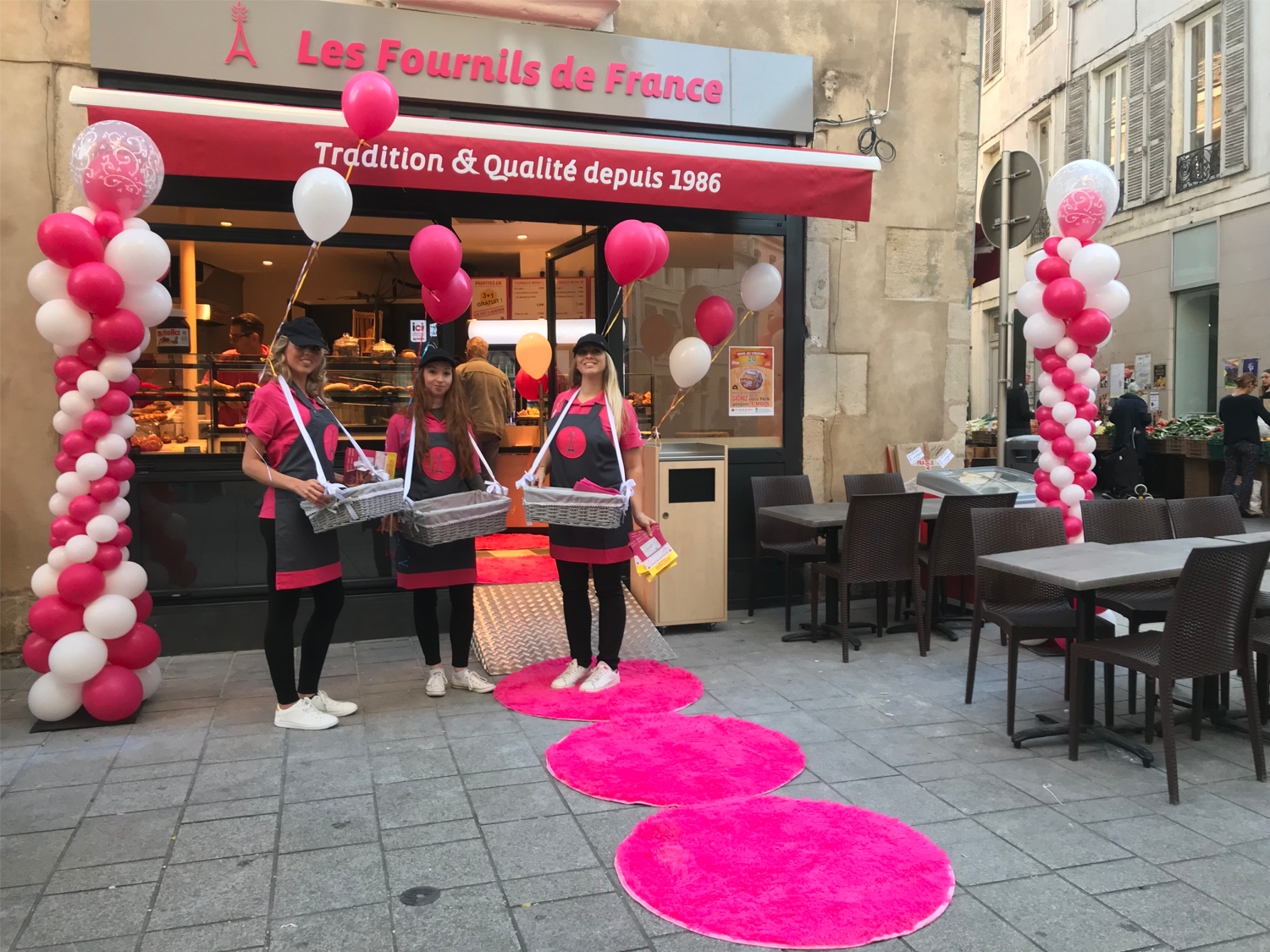
Street Marketing in Majorca that drives measurable footfall and brand control
INNOV'events designs and delivers Street Marketing activations across Majorca for executive teams, HR, and communication departments—typically for 500 to 50,000+ contacts depending on location and timing.
We handle the full operational chain: concept, permitting, staffing, production, logistics, reporting, and on-the-ground supervision to protect your brand and your teams.
Table of contents
In a corporate context, Street Marketing is not “animation”: it is a controlled field operation that must create attention without damaging brand reputation. For leaders, the strategic value is clear—short time-to-impact, direct contact with real audiences, and measurable traffic to a store, pop-up, recruitment funnel, or product trial.
On Majorca, organizations expect precision: legal compliance for public-space actions, staff who can work in multilingual settings, and logistics that withstand peak-season density. Your team needs an agency that can anticipate crowd flows, weather windows, and local sensitivities—without improvisation on the day.
We operate on the island with local coordination and a proven network of suppliers and field teams. Our job is to remove risk: we deliver an activation that looks simple to the public, while being tightly engineered behind the scenes for safety, timing, and brand consistency.
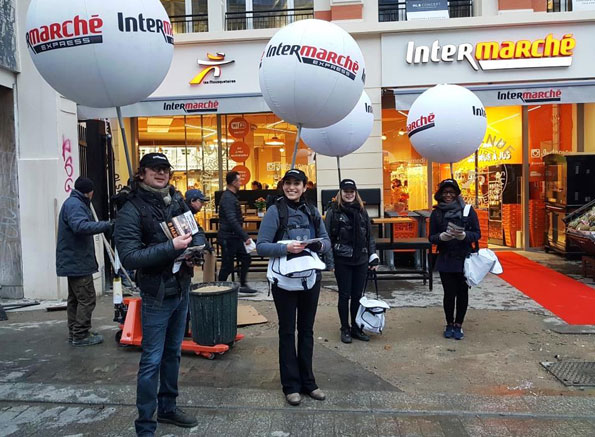
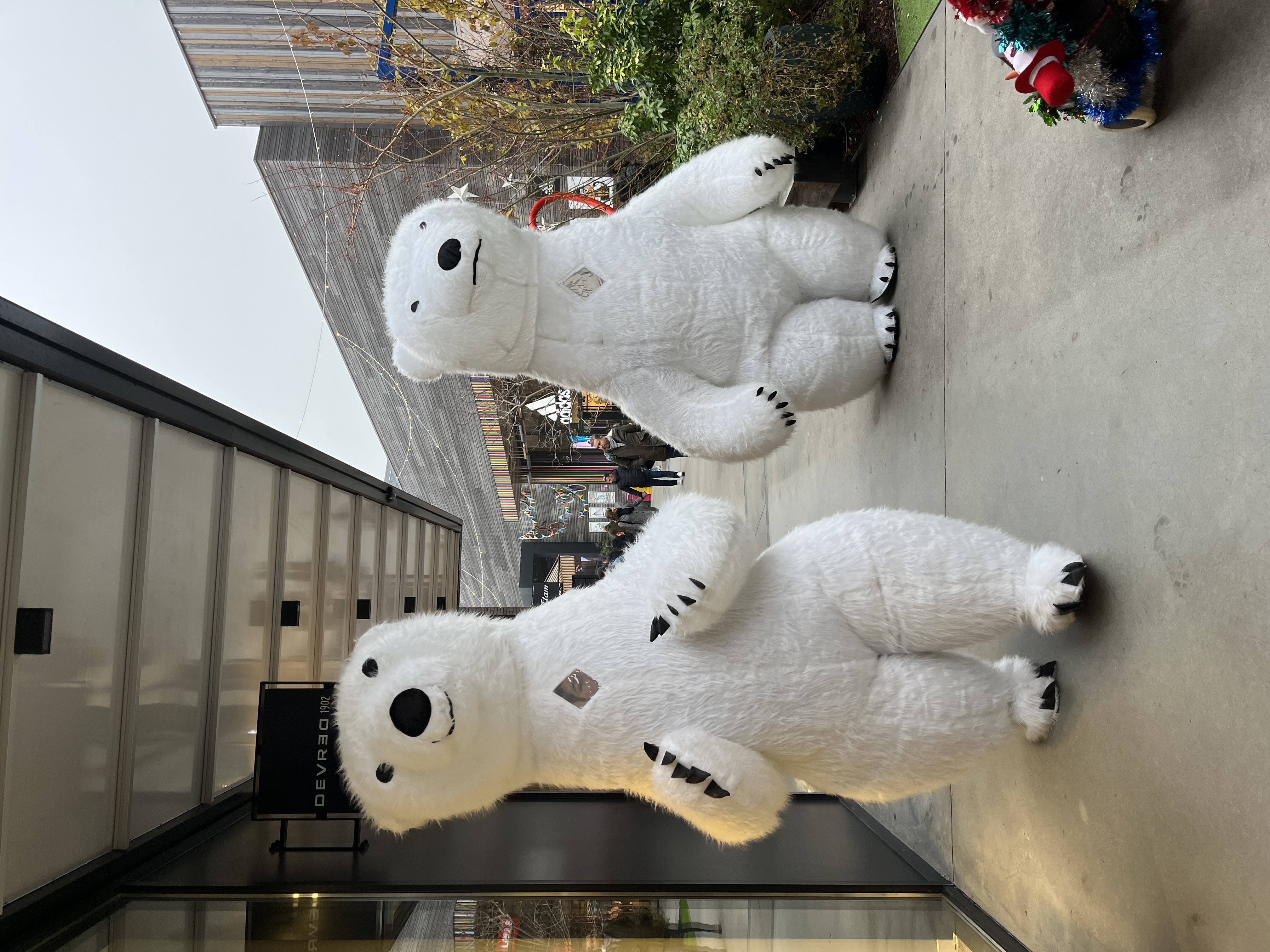
INNOV'events benchmarks for Majorca decision-makers
10+ years delivering corporate activations and event operations in Spain, with repeat clients across retail, hospitality, tech, and services.
50+ trained field staff available through our network for simultaneous deployments (brand ambassadors, team leaders, logistics runners, bilingual profiles).
24–72 hours typical turnaround for staffing reinforcement when an activation scales up (subject to seasonality and permit constraints).
1 on-site supervisor per 8–12 ambassadors as a standard ratio for quality control, brand compliance, and incident management.
How to organize a professional event in Majorca?
- Define the objective (cohesion, announcement, fidelity, performance).
- Set date, format and size (20–1 000 people).
- Secure the venue and accommodation according to seasonality.
- Lock down technical, suppliers and logistics.
- Drive the day J (timing, scene, entrance, flow).
Majorca references and recurring collaborations
We support companies and communication teams active across Majorca, from Palma’s commercial axes to resort areas where footfall is seasonal and highly variable. Many clients come back year after year because operational reliability matters more than a “big idea” that fails in the street.
To keep this page accurate: you mentioned “Use the company names I provided as references”, but no list was included in your message. If you share the names you want displayed, we will integrate them in this section in a compliant way (with the right tone and scope of what can be disclosed). In the meantime, we can structure references by sector (retail chains, hotel groups, mobility, public-facing services) and by objective (launch, recruitment, brand awareness, lead capture) so your stakeholders see immediately that we understand your reality.
In practice, recurring work often looks like: spring pre-season sampling for hospitality partners, summer peak activations to support retail sell-out, and autumn campaigns focused on recruitment and customer reactivation—each with different staffing profiles, reporting needs, and brand risk levels.
We send you a first proposal within 24h.
Why run Street Marketing in Majorca for corporate objectives?
For executives, HR leaders, and communication directors, the question is not whether street activations “create buzz”; it is whether they deliver business outcomes with controlled risk. A well-run Street Marketing in Majorca operation provides quick visibility, fast feedback from the field, and tangible conversion signals—while keeping full control of brand behavior in public space.
Accelerate awareness with local relevance: instead of broad media spend, you place the message where your audiences actually move (retail corridors, waterfront flows, transport nodes). This is especially useful when you need impact within 2–4 weeks.
Drive store traffic and measurable conversions: vouchers, QR codes, sampling tied to a landing page, or “scan-to-win” mechanics allow attribution by location, time window, and team performance—useful for communication teams who must report to management.
Support HR and employer branding: street actions can promote open days, training programs, or seasonal recruitment, capturing leads in a structured way (consent, segmentation, follow-up).
Stress-test messaging before scaling: in the street you see immediately what triggers engagement, confusion, or objections. We document verbatims and common questions so your marketing team can refine scripts and creatives.
Control brand safety: we implement scripts, dress codes, escalation rules, and supervisor checks so the activation remains consistent across multiple points—critical for premium brands and regulated sectors.
Majorca has a strong service economy, intense seasonality, and international audiences. That combination rewards companies that can activate quickly and professionally, with clear operational discipline and a message that adapts to local contexts without losing global brand coherence.
What changes when you deploy Street Marketing on Majorca
Majorca is not a “one-size-fits-all” territory. An activation that works in a mainland city can underperform here if you ignore seasonality, visitor profiles, and the practical constraints of public spaces.
Seasonality and crowd physics: in peak months, footfall can spike dramatically around coastal zones and Palma’s central areas. This affects staffing ratios, stock planning (sampling quantities), and timing (heat, queue formation, and public comfort). We plan by time blocks and micro-zones rather than assuming a uniform daily flow.
Multilingual reality: for many campaigns, Spanish alone is not enough. We often deploy a mix of Spanish + English, and when relevant, German or French capabilities. This is not about “being nice”; it impacts conversion rates, complaint handling, and the ability to qualify leads correctly.
Permits and brand exposure risk: public-space operations require rigor: location authorization, rules around noise, distribution of items, use of structures, and privacy considerations for lead capture. We build the operational file early, and we plan a fallback scenario if a location is restricted or weather makes it unsafe.
Tourism vs. resident targeting: many brands want residents (repeat customers), not tourists (one-off). We adjust the route plan, timing (weekday vs weekend), and incentive mechanics accordingly. For example, a resident-focused activation may prioritize morning/after-work commuter flows rather than midday waterfront traffic.
Operational constraints in island logistics: last-minute production changes, shipping delays, or stockouts are more painful on an island. We mitigate this by locking critical materials earlier, maintaining local buffer stock when possible, and using suppliers with proven delivery performance on Majorca.
Which Street Marketing formats work best on Majorca?
In Majorca, engagement comes from the right mechanic more than from spectacle. A good street format removes friction: it must be quick to understand, easy to execute repeatedly, and safe for your brand in a public setting. Below are formats we deploy frequently because they translate into measurable outputs.
Interactive animations in Majorca
QR-driven lead capture with instant value: scan to receive a voucher, a digital guide, or priority booking. We pre-test connectivity and provide offline backup flows to avoid losing leads when coverage drops.
Micro-surveys with incentive: ideal for product feedback or employer branding. We keep it to 3–5 questions, train ambassadors on neutral phrasing, and provide a structured output for your marketing or HR team.
Guided footfall routing: ambassadors direct people to a store, pop-up, or booth using a clear “next step” and tracking codes by zone and time slot to measure what each micro-location actually delivers.
Photo point with compliance rules: designed for corporate communications teams who need content but cannot risk uncontrolled messaging. We include a defined backdrop, a short consent wording, and a file naming process for easy post-event use.
Art animations in Majorca
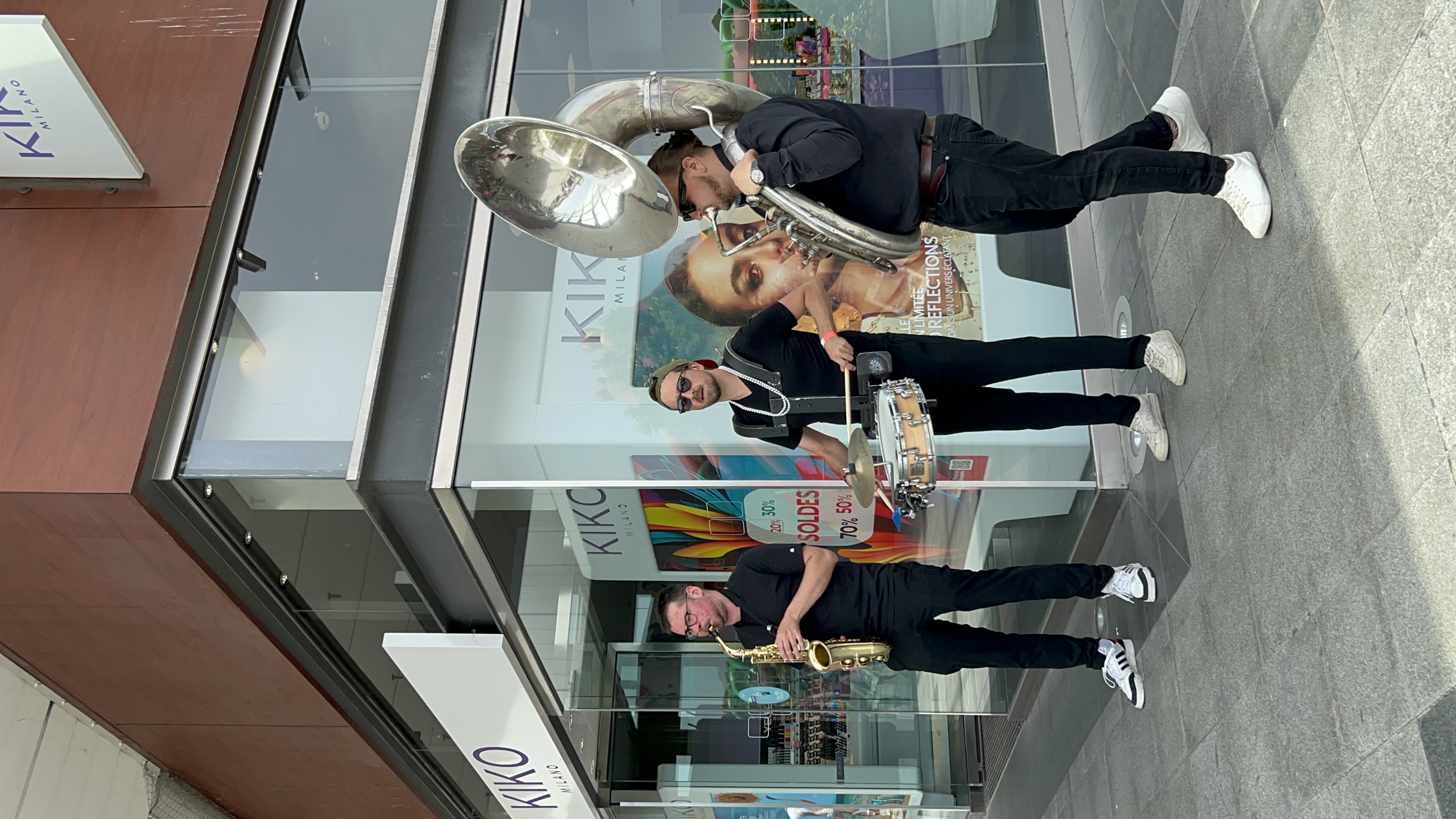
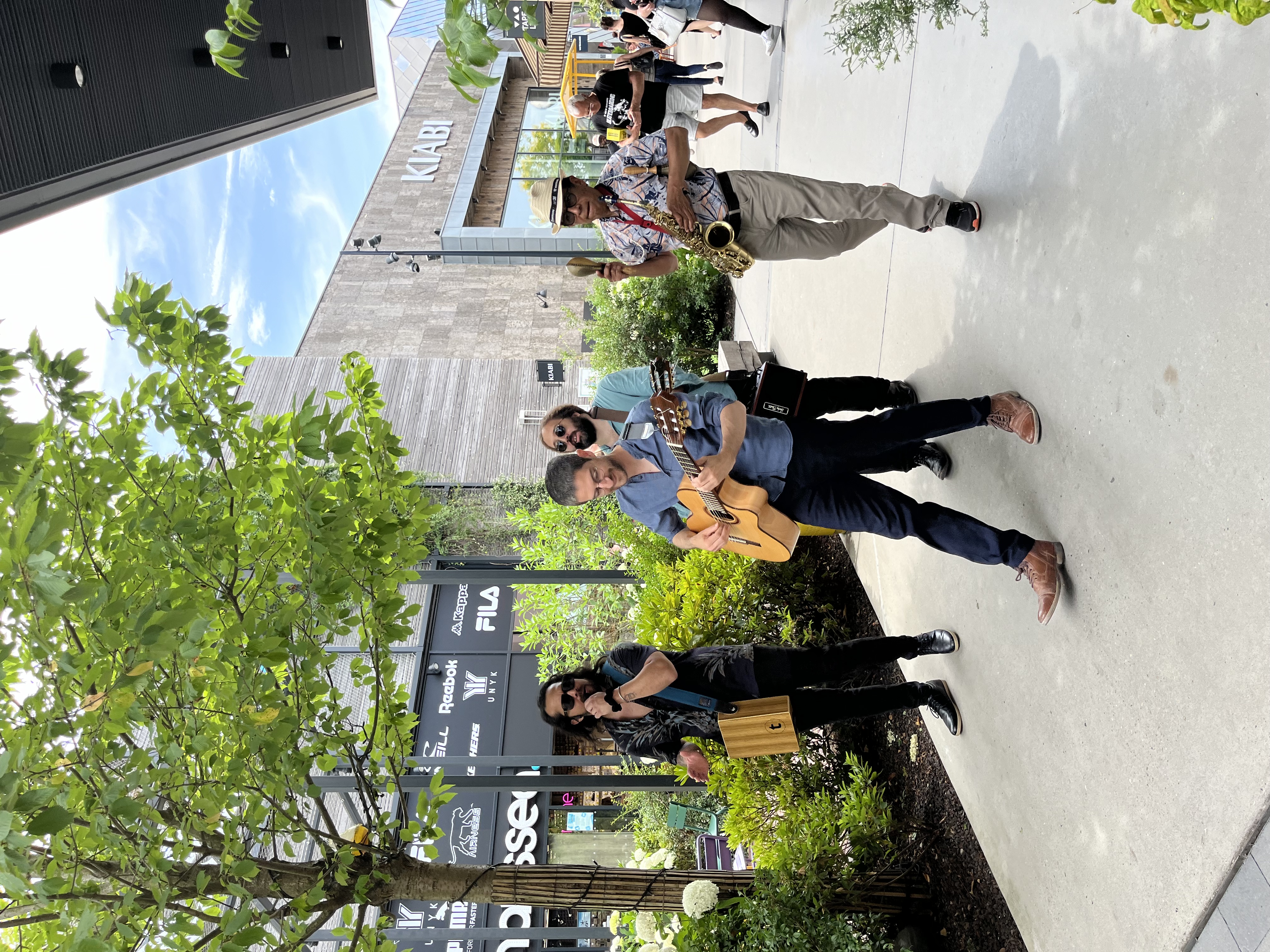
Low-disruption street performance (acoustic, mime, visual act) as an attention anchor, paired with ambassadors for conversion. We keep audio levels controlled and choose styles compatible with premium brands and public comfort.
Live illustration or calligraphy for personalisation (names on cards, mini posters). This works well for corporate gifting, store openings, and hotel partnerships where perceived value matters more than mass distribution.
Innovative animations in Majorca
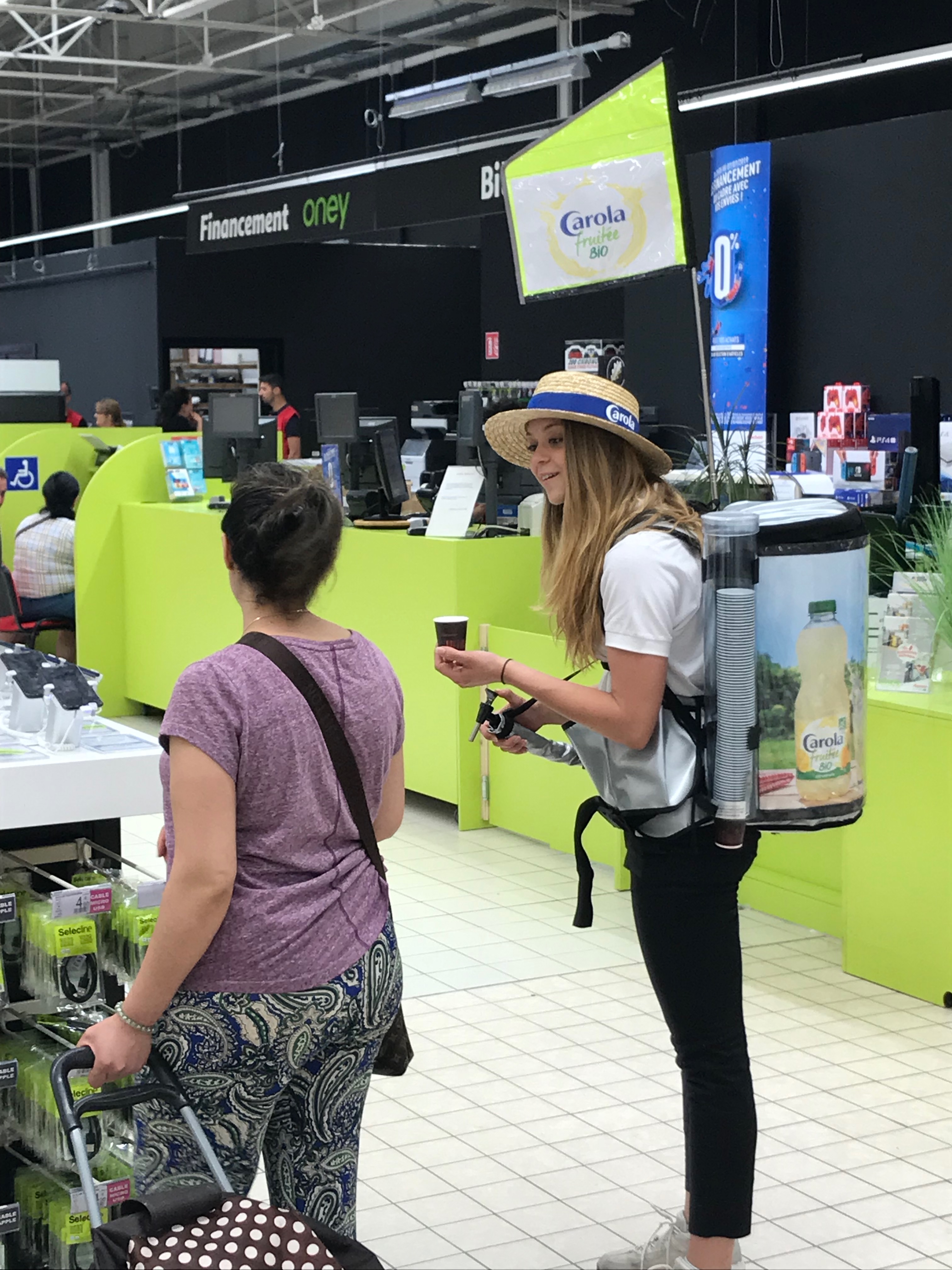
Sampling with hygiene and waste planning: from packaged tastings to branded refreshment points. We design the distribution flow to avoid queues blocking sidewalks and to keep the area clean—key in high-visibility zones of Majorca.
Partnered redemption with local venues: instead of distributing high volumes in the street, we drive people to redeem in a controlled partner space, improving conversion tracking and brand experience.
Gourmand animations in Majorca
NFC tap-to-convert badges or totems: faster than QR in some contexts and useful when the objective is app installs or sign-ups. We still maintain a QR fallback for device compatibility.
Mobile pop-up on a compact footprint: a small, fast deployable stand with storage and branding that fits permit constraints. Effective for product trials or recruitment messaging when you need presence without heavy infrastructure.
Field content reporting for corporate comms: a designated content runner captures structured assets (wide shot, interaction, product close-up, testimonial snippet) so your internal teams receive usable material rather than random photos.
Whatever the format, we align it with your brand image and risk profile: premium brands need controlled behavior and clean staging; employer branding requires respectful conversations and data privacy; retail activations need speed and conversion discipline. In every case, Street Marketing in Majorca must look effortless while being operationally tight.
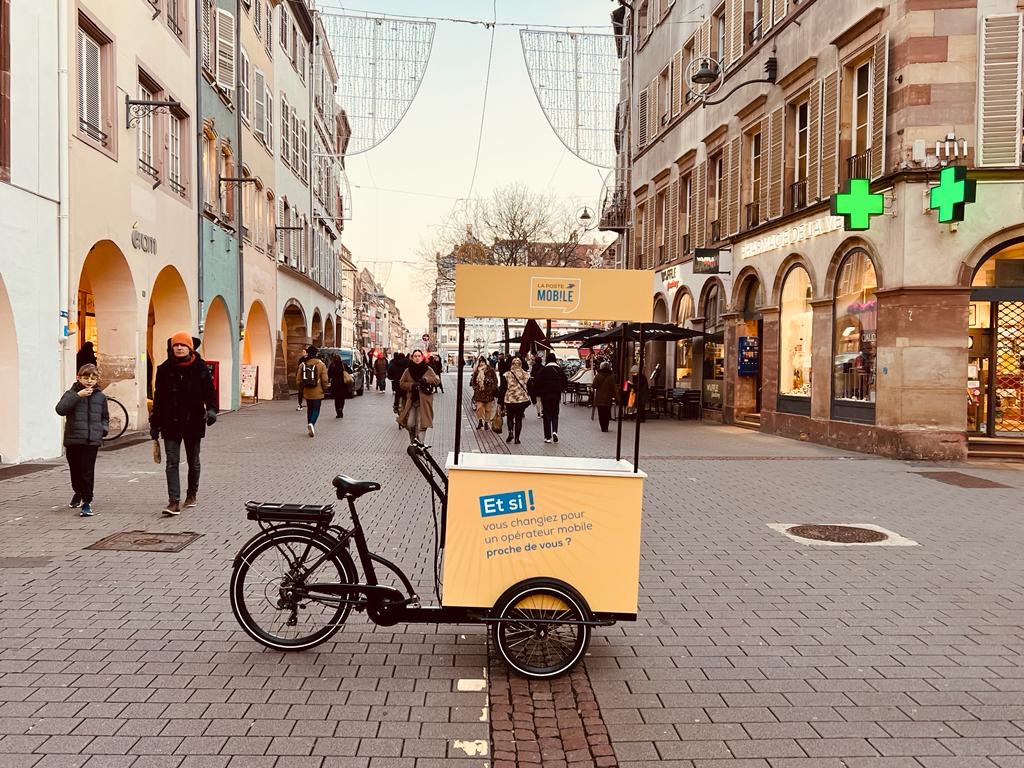
How to choose Street Marketing locations in Majorca without wasting budget
The venue “type” in Street Marketing is the public context: footfall patterns, dwell time, and the ability to operate without friction. Choosing the wrong setting creates the most expensive failure mode: paying teams to stand in the wrong place. We plan locations based on the KPI and the target—resident, visitor, shopper, candidate, or B2B decision-maker.
| Venue type | For which objective? | Main strengths | Possible constraints |
|---|---|---|---|
| High-footfall commercial streets (city centre corridors) | Maximize reach; drive store traffic; quick brand recall | Dense flows; easy A/B testing by time slots; strong visibility for branded teams | Permit sensitivity; congestion; stricter rules on structures and audio |
| Transport-adjacent zones (near hubs and commuter flows) | Lead capture; app installs; recruitment messaging | Predictable peaks; audiences with “waiting time” | Flow is fast; requires very clear call-to-action; operational safety is critical |
| Waterfront promenades (seasonal pedestrian routes) | Summer awareness; sampling; tourism-linked offers | Longer dwell time; relaxed mood; strong content potential | Heat/wind; seasonality; resident targeting can be weaker depending on timing |
We strongly recommend site visits (or at minimum a route audit with time-stamped photos) before you commit budgets. On Majorca, two spots that look similar on a map can behave completely differently depending on shade, bottlenecks, and nearby attractions. This is where an experienced team prevents wasted hours and protects your KPI.
What does Street Marketing cost in Majorca?
Budgeting for Street Marketing in Majorca is about matching resources to risk and KPI ambition. A low-cost setup can be valid for a simple awareness push, but for corporate teams who need lead quality, brand safety, and reliable reporting, the cost drivers are mainly staffing, supervision, production, and compliance.
Team size and shift design: a small activation might run with 2–4 ambassadors; multi-point coverage may require 10–30+ with team leaders. Short rotations in hot periods protect performance but increase headcount needs.
Supervision and quality control: adding on-site supervisors increases cost but prevents script drift, poor data capture, and brand-image incidents. For premium brands, this is usually non-negotiable.
Permits and local compliance workload: depending on location type and setup (stand, distribution, sound), the administrative workload can vary substantially. We cost it transparently in the proposal.
Production level: uniforms, printed materials, mobile stands, totems, giveaways, sampling stock, storage and replenishment plans. Island logistics can increase production lead times, so we plan earlier to avoid expensive last-minute solutions.
Data and reporting: if you need structured lead capture, consent wording, segmentation fields, and daily dashboards, we include the tooling and training time. This is often what makes the operation truly “corporate-ready”.
Timing: peak season in Majorca affects staffing availability and logistics. Early booking often saves money and reduces risk.
From an ROI angle, we encourage clients to define a target cost per outcome (e.g., cost per qualified lead, cost per store visit, cost per redemption) rather than only comparing day rates. Two proposals may look similar, but the one with better supervision and data discipline usually produces better, defendable results for leadership teams.
Why choose a Street Marketing partner based in Majorca?
For corporate stakeholders, local presence is not a convenience; it is risk management. On Majorca, being able to visit sites quickly, solve supplier issues the same day, and deploy reliable teams is often the difference between a smooth activation and a public failure.
As your event agency in Majorca, INNOV'events coordinates field operations with local reality in mind: who authorizes what, how crowd patterns change by week, which supplier can deliver on short notice, and how to keep the activation compliant and respectful in public space.
- Faster problem-solving on the day: replacement staff, emergency replenishment, or route changes can be executed in hours—not the next morning.
- Better location intelligence: micro-zones, peak timings, and practical constraints are learned by being on the ground, not by copying a map.
- Supplier reliability: local production and logistics partners reduce the risk of delays, missing materials, or non-compliant setups.
- Consistent staffing quality: trained local teams with clear supervision reduce the variability that corporate brands dislike.
From an ROI angle, we encourage clients to define a target cost per outcome (e.g., cost per qualified lead, cost per store visit, cost per redemption) rather than only comparing day rates. Two proposals may look similar, but the one with better supervision and data discipline usually produces better, defendable results for leadership teams.







Street Marketing projects delivered across Majorca business contexts
In the field, the same activation model rarely fits two companies. We regularly adapt Street Marketing to the operational realities that executives care about: brand safety, data quality, and the ability to scale without losing control.
Retail sell-out support: we have delivered street-to-store routing where the critical factor was speed of interaction and a clear redemption mechanism. The operational lesson is always the same: if your ambassadors spend 30 extra seconds per interaction because the script is unclear, you lose hundreds of contacts per day. We design scripts, incentives, and queue management with that in mind.
Hospitality and seasonal peaks: for hotel groups and leisure brands, activations often run during periods with high density and heat. We plan hydration, shade, shorter rotations, and stock replenishment windows so performance remains stable from morning to late afternoon.
Employer branding and recruitment: HR-led street activations succeed when they feel respectful and structured. We set up micro-conversations, capture consented leads, and deliver a clean dataset so HR teams can follow up within 24–72 hours, when candidate interest is still warm.
Product discovery: for launches, we often combine sampling with a simple digital conversion step. The key here is compliance and consistency: what claims can be made, how to handle objections, and how to avoid over-promising. We train teams and supervise actively so your brand remains protected.
Common Street Marketing mistakes we prevent in Majorca
Choosing a “busy” spot that doesn’t match the target: high footfall is meaningless if it is the wrong audience (tourist vs resident, shoppers vs commuters). We validate the target-location fit before deployment.
Underestimating permits and compliance: teams arriving with structures or distribution plans that are not aligned with local rules can lead to shutdowns. We avoid this by building the compliance file early and keeping the setup realistic.
Weak supervision: without on-site management, scripts drift, brand tone changes, and data quality collapses. We use team leaders and supervisors with clear checklists.
Unclear conversion path: “Here is a flyer” rarely satisfies corporate KPI expectations. We design a measurable step: scan, redeem, register, book, visit, or apply.
Ignoring heat, wind, and physical comfort: on Majorca this is operational, not cosmetic. Heat impacts staff energy, customer receptivity, and product integrity (sampling). We plan rotations and materials accordingly.
No end-of-day reporting discipline: executives need to know what happened and what to improve. We deliver structured reporting and field insights that your team can act on.
Our role is to prevent these risks before they become public issues. You get an operation that is designed to work under real street conditions, with clear ownership, escalation rules, and measurable outputs.
Why Majorca clients renew their Street Marketing campaigns
Repeat business in Street Marketing is rarely about creativity alone. It comes from operational trust: showing up with the right teams, staying compliant, and delivering reporting that helps executives make decisions.
Recurring seasonal cycles: many organizations plan 2–4 waves per year (pre-season, peak, shoulder season, recruitment). We build playbooks so each wave improves.
Stability of field teams: where possible, we keep the same supervisors and top performers across waves, reducing retraining time and improving script consistency.
Continuous optimization: we track what worked by location and time block, and we adjust routes and mechanics rather than repeating last year’s plan unchanged.

Loyalty is the most reliable proof of quality in public-space operations: clients return when they see fewer incidents, stronger data, and smoother internal coordination. That is the standard we maintain on Majorca.
Our Street Marketing delivery process in Majorca
👉 Majorca briefing and constraint mapping
We start with a short, executive-friendly briefing: objectives, target, brand constraints, sensitive topics, and success metrics. We also clarify internal realities—approval cycles, legal/HR inputs, and reporting formats expected by management.
👉 Activation design and KPI architecture
We propose 1–3 mechanics with clear KPIs (reach, scans, leads, redemptions, footfall). We define what will be measured, how it will be measured, and what constitutes a “qualified” lead if HR or sales will follow up.
👉 Location strategy and field route plan
We identify micro-zones in Majorca, define time blocks, and plan the route logic. If the activation is multi-point, we plan staffing ratios and escalation rules (when a team moves, who authorizes changes, how we keep compliance).
👉 Permits, compliance, and risk controls
We prepare the required authorizations and align on rules: what staff can say, how to handle filming, what to do if there is pushback, and how to keep public-space interactions respectful. We implement a simple incident protocol to protect your brand.
👉 Staffing, training, and rehearsal
We recruit and assign ambassadors and supervisors, then train them on product/brand, scripts, objection handling, data capture, and dress code. For complex activations, we run a short rehearsal to test flow and timing.
👉 Production and logistics execution
We produce and check materials (uniforms, printed assets, stands, giveaways), plan storage and replenishment, and ensure teams have what they need (power, connectivity backups, hydration). This is where many activations fail if not managed tightly.
👉 Live operation and supervision
On the day(s), supervisors manage timing, quality, and safety. We monitor performance versus targets, adjust within the agreed rules, and keep your internal contact informed without creating noise.
👉 Reporting and recommendations
We deliver a clear report: quantitative results, location/time performance, field insights, and practical recommendations for the next wave. Corporate teams typically use this to justify budgets and improve conversion.
FAQ sobre la organización Street Marketing en Majorca
How long does it take to plan Street Marketing in Majorca?
Most corporate activations require 2–6 weeks depending on permits, production, and staffing scale. Simple ambassador-only deployments can be faster, but public-space setups and branded structures need more lead time to stay compliant.
What budget range should we expect in Majorca?
As a working range, a basic deployment (few ambassadors, simple materials) often starts around €2,000–€6,000 for a short run, while multi-day, multi-point activations with supervision, production, and reporting can reach €10,000–€40,000+. Final pricing depends on headcount, hours, permit complexity, and production level.
Which KPIs are realistic for Majorca street activations?
It depends on location, timing, and mechanic. Typical ranges we see: 200–800 meaningful interactions per ambassador per day in high-footfall contexts (lower for longer conversations), and lead conversion rates commonly between 5% and 25% when the incentive and landing page are well designed.
Do you handle permits for Street Marketing in Majorca?
Yes. We manage the permitting and compliance workflow as part of the project scope, including location planning and documentation. We also build a fallback plan (alternative micro-zones and timing) so the activation can continue if a spot becomes unavailable.
Can you run a multilingual Street Marketing team in Majorca?
Yes. We regularly staff Spanish-English teams and can add other languages depending on availability and season. We validate language level during staffing and adapt scripts so the message remains consistent across languages and brand tone.
Request a Majorca Street Marketing plan and quote
If you are comparing agencies, the fastest way to decide is to review a concrete route plan, staffing architecture, permit approach, and reporting format—before discussing “creative concepts”. INNOV'events can provide a structured proposal for Street Marketing in Majorca with clear KPIs, realistic timelines, and transparent cost drivers.
Send us your objective (awareness, footfall, leads, recruitment), preferred dates, and target areas on Majorca. We will come back with a workable scenario, operational constraints to anticipate, and a plan you can confidently validate internally.
INNOV'events Majorca Agency
Cyril Azevedo is the manager of the INNOV'events Majorca office. Reach out directly by email at cyril@innov-events.es or via the contact form.
Contact the Majorca agencyAll our services & entertainment Majorca
Discover our event services
Discover our event entertainment available in the España
- Event Hostess Majorca
- Escape Game Majorca
- MasterChef Cooking Workshop Majorca
- Magician Majorca
- Marquee Rental Majorca
- Color Analysis Workshop Majorca
- Inflatable Games Majorca
- Valet Parking Service Majorca
- Football Simulator Majorca
- LED Furniture Rental Majorca
- Light Branding Majorca
- Unique Dining Experience Majorca
- Light Painting Majorca
- Murder Mystery Party Majorca
- Prize Contest Majorca
- Promotional Displays (POS) Majorca
- Virtual Reality Majorca
- Molecular Gastronomy Workshop Majorca
- Halloween Entertainment Majorca
- Fireworks Show Majorca
- Giant Games Challenge Majorca
- Event Host / MC Majorca
- Photo Booth Animation Majorca
- Santa Claus Entertainment Majorca
- Kids Entertainment Majorca
- Guided Tour Majorca
- Urban Rally Majorca
- Ball Pit Majorca
- Flight Simulator Majorca
- Food Truck Rental Majorca
- World Record Challenge Majorca
- Surf Simulator Majorca
- Wine Casino Majorca
- Makeover Workshop Majorca
- Perfume Creation Workshop Majorca
- Acting Workshop Majorca
- CSR Activities Majorca
- Archery Majorca
- Security Staff Majorca
- Wine Tasting Majorca
- Mime Performer Majorca
- TV Game Show Majorca
- Funfair Majorca
- Crisis Management Workshop Majorca
- Crisis Negotiation Workshop Majorca
- Arcade Games Majorca
- Indoor Skydiving Simulator Majorca
- Ski Simulator Majorca
- Racing Circuit Experience Majorca
- Introductory Flight Experience Majorca
- Tasting Experience Majorca
- Build Your Own Foosball Workshop Majorca
- 2CV Rally Majorca
- LEGO Challenge Majorca
- Casino Night Majorca
- Interpreter / Translator Majorca
- Promotional Giveaways Majorca
- Shuttle Transport Majorca