
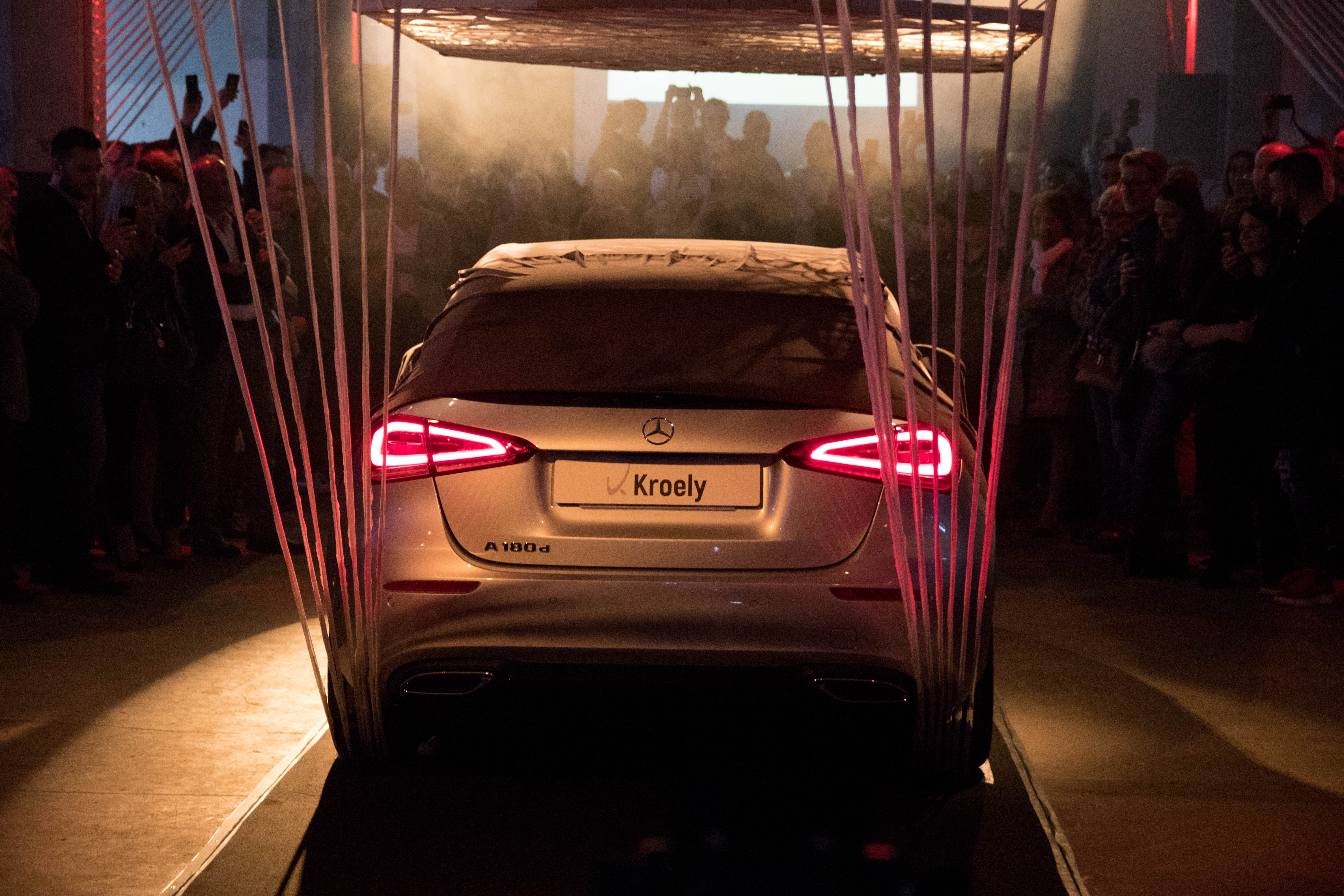
Product Launch in Majorca with executive-level control and local delivery
INNOV'events designs and runs Product Launch formats in Majorca for executive teams, HR and communication departments—from 30 to 1,500 guests. We manage venue, production, permits, suppliers, guest journey and on-site command so your brand story lands exactly as intended.
Whether it’s a media reveal in Palma, a distributor convention near Calvià, or an internal launch for sales teams, we work with the same constraint: one date, zero improvisation.
Table of contents
Entertainment is not “extra” in a corporate launch: it is a tool to control attention, pace the narrative and protect the brand’s perceived value. Done right, it increases dwell time at the demo zones, improves message recall and creates usable content for comms without hijacking the product.
In Majorca, companies expect impeccable logistics (airport-to-venue timing, supplier reliability, multilingual hosting) and a premium feel that still respects compliance and internal governance. Guests compare your launch to what they see at large MICE events on the island—standards are high and tolerance for delays is low.
INNOV'events operates with a local network in Majorca and a national production backbone: technical direction, stage management, run-of-show discipline and vendor coordination. You get one accountable team that speaks the language of brand, risk and deadlines.
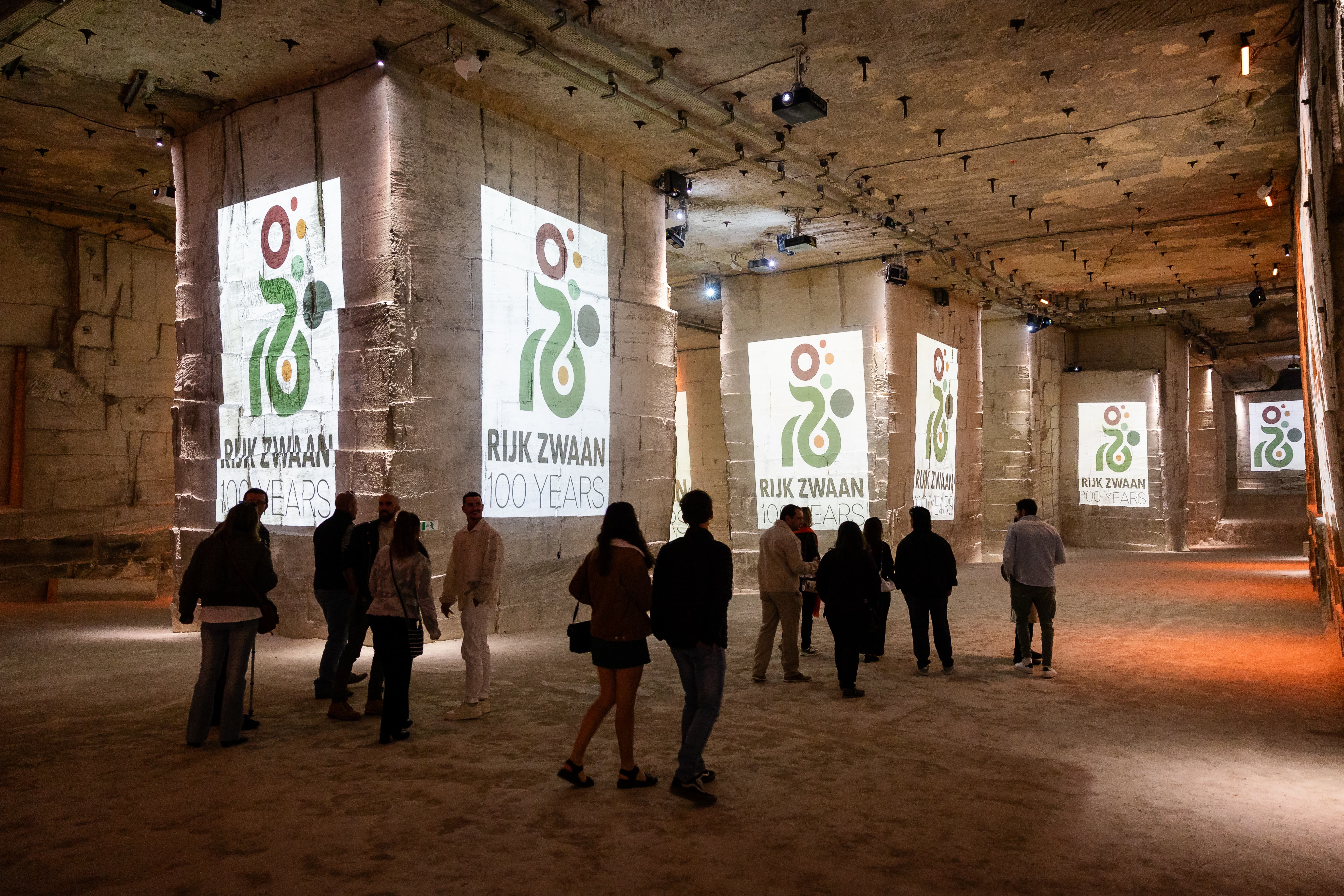
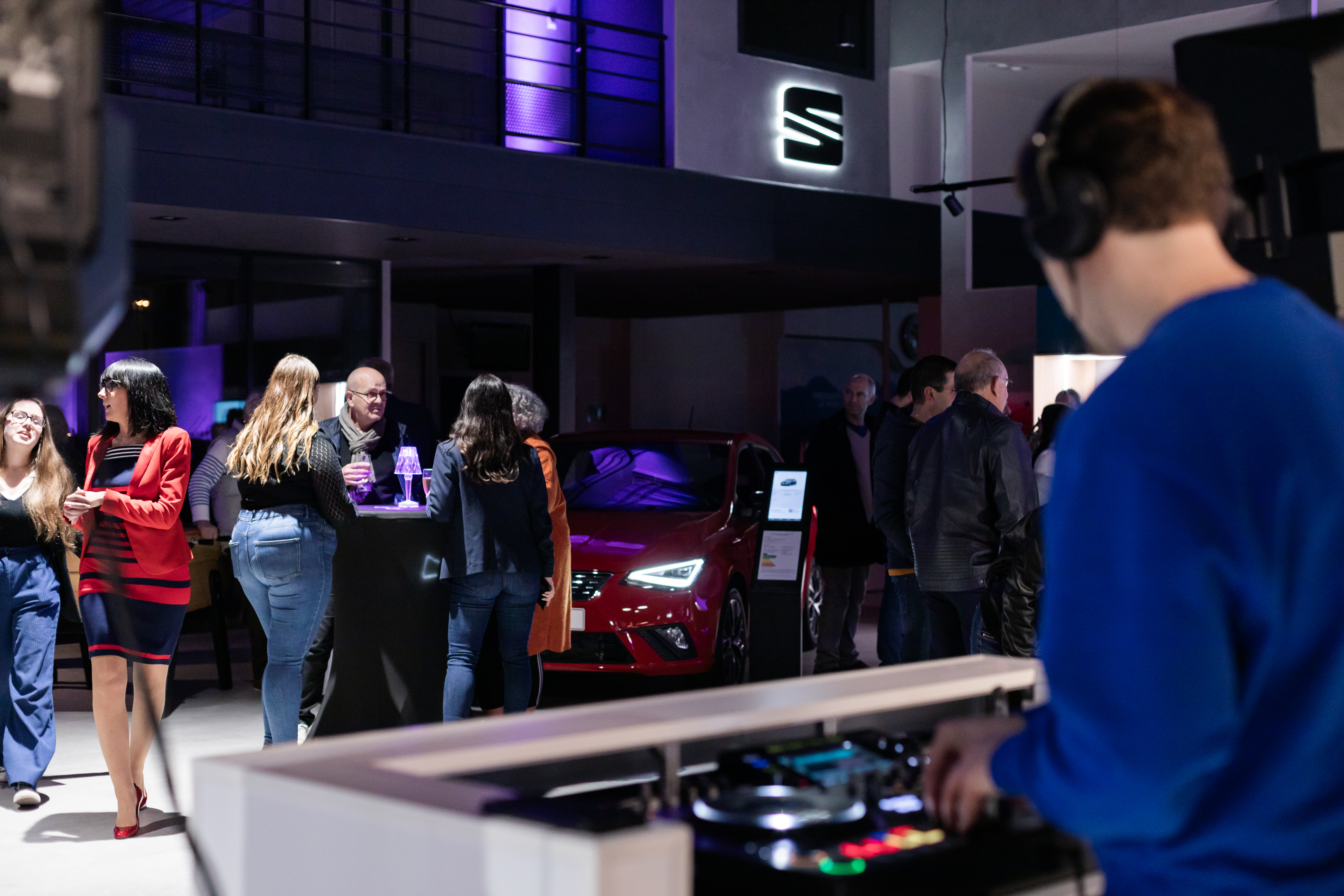
INNOV'events figures that matter for Majorca launches
12+ years coordinating corporate events across Spain, including island logistics and peak-season constraints.
150+ corporate events/year delivered through our national network (product reveals, conferences, incentives, internal roll-outs).
30 to 1,500 attendees managed with structured guest flows, accreditation, VIP routing and security coordination.
48-hour contingency capacity: replacement AV elements, backup staffing and supplier redundancy when timelines tighten.
Single point of accountability: one project lead, one production lead, one on-site command chain—no “who owns this?” moments.
How to organize a professional event in Majorca?
- Define the objective (cohesion, announcement, fidelity, performance).
- Set date, format and size (20–1 000 people).
- Secure the venue and accommodation according to seasonality.
- Lock down technical, suppliers and logistics.
- Drive the day J (timing, scene, entrance, flow).
Who we support in Majorca, and why they renew
We deliver Product Launch in Majorca projects for organizations that need consistent brand execution: hotel groups, mobility and maritime actors, premium retail, tech scale-ups, and European corporate teams using Palma as a strategic meeting point. Many of our Majorca clients come back year after year for the same reason: the island is logistically demanding, and they prefer a partner who can anticipate constraints before they become visible to guests.
Typical repeat collaboration scenarios include: annual ranges or portfolio launches for distributor networks, seasonal product introductions aligned with tourism cycles, and internal launches tied to sales kickoffs. These projects look “simple” on paper until you factor in island freight, last-mile deliveries, union schedules, venue sound restrictions, and tight executive calendars. We build that reality into planning from day one.
If you share the company names you want us to cite as local references, we will integrate them here in a professional, compliant way (no overstatement; only what can be credibly referenced).
We send you a first proposal within 24h.
What a Product Launch in Majorca changes for your leadership team
A launch is a managerial moment as much as a marketing one. It compresses strategy, product truth and internal alignment into a single timeline. Executives need the event to generate momentum—without exposing the organization to operational risk or brand inconsistency.
Control the narrative with a structured run-of-show: what people see first, when they touch the product, and when the proof points land (demos, testimonials, performance metrics).
Accelerate internal alignment: sales, customer success, retail teams and partners leave with the same positioning, the same objections-handling, and the same “what changes on Monday” plan.
Shorten the path to commitment: distributor sign-ups, partner MOUs, pilot program enrolment, or executive sponsorship are easier when decision-makers experience the product in a curated environment.
Create compliant content for communication teams: staged moments designed for photos/video, with controlled brand assets, spokesperson routing, media timings, and consent management.
De-risk the executive day: rehearsals, backups, speaker handling, and clear escalation paths prevent the classic issues—late start, broken demo, missing VIP, or “who approved this?” surprises.
Protect budget discipline: clear scope, procurement visibility, and production choices aligned with objectives (not aesthetics). We help you spend where it moves KPIs: demo impact, audience flow, sound, lighting, and content capture.
Majorca is a territory where perception matters: hospitality standards are high, international audiences are common, and venues can be exceptional—if you plan around the island’s seasonality and operational constraints. A well-managed launch here signals seriousness to clients, partners and internal teams.
What Majorca audiences and venues expect from a corporate launch
Majorca is not “just another destination.” It’s a mature MICE environment with world-class hospitality, but also with very real constraints that affect a Product Launch:
- Seasonality and availability: in peak months, the best venues, technical teams and transport slots are booked early. Planning windows are tighter and supplier substitution becomes risky.
- Noise and timing restrictions: coastal and urban areas may enforce strict cut-offs. If your reveal relies on high SPL or late-night programming, the venue and licensing strategy must be aligned from the start.
- International guest profiles: multilingual stage management, bilingual host scripts, signage, and accessibility are not “nice-to-have.” Communication teams need message consistency across languages and cultures.
- Airport-to-venue routing: Palma airport surges create punctuality risk. For executive schedules, we build buffer, routing variants and check-in design that prevents queues at the wrong moment.
- Island logistics: freight, last-minute replacements and specialty build elements require earlier locks and redundancy plans. We plan production with local sourcing wherever possible to reduce shipping risk.
On the audience side, guests in Majorca are used to polished experiences. That doesn’t mean “luxury at all costs”; it means operational coherence: clear signage, smooth arrival, strong sound, visible staff, and a reveal moment that feels intentional rather than improvised.
Which entertainment options work best for Majorca product reveals
Entertainment in a Product Launch in Majorca must do one of three jobs: hold attention between content blocks, create structured interaction with the product, or generate controlled content for communication teams. If it doesn’t support one of these, it becomes noise—or worse, it competes with the product.
Interactive animations in Majorca
Guided demo rotations with timed slots: rather than “free flow,” we use timed rotations (e.g., 10–12 minutes per station) with a host and a technical expert. This protects the product story and prevents bottlenecks.
Live polling tied to positioning: short, well-scripted questions that validate key differentiators (performance, sustainability, total cost of ownership). Results can be displayed instantly and reused in post-event comms.
Executive Q&A with managed question intake: questions collected via QR and filtered by topic; this avoids off-topic derailment and ensures the Q&A reinforces the launch narrative.
Hands-on “challenge” zones: for tech, mobility or consumer goods, we design a controlled challenge (speed, precision, endurance, comparison). The goal is evidence, not spectacle.
Art animations in Majorca
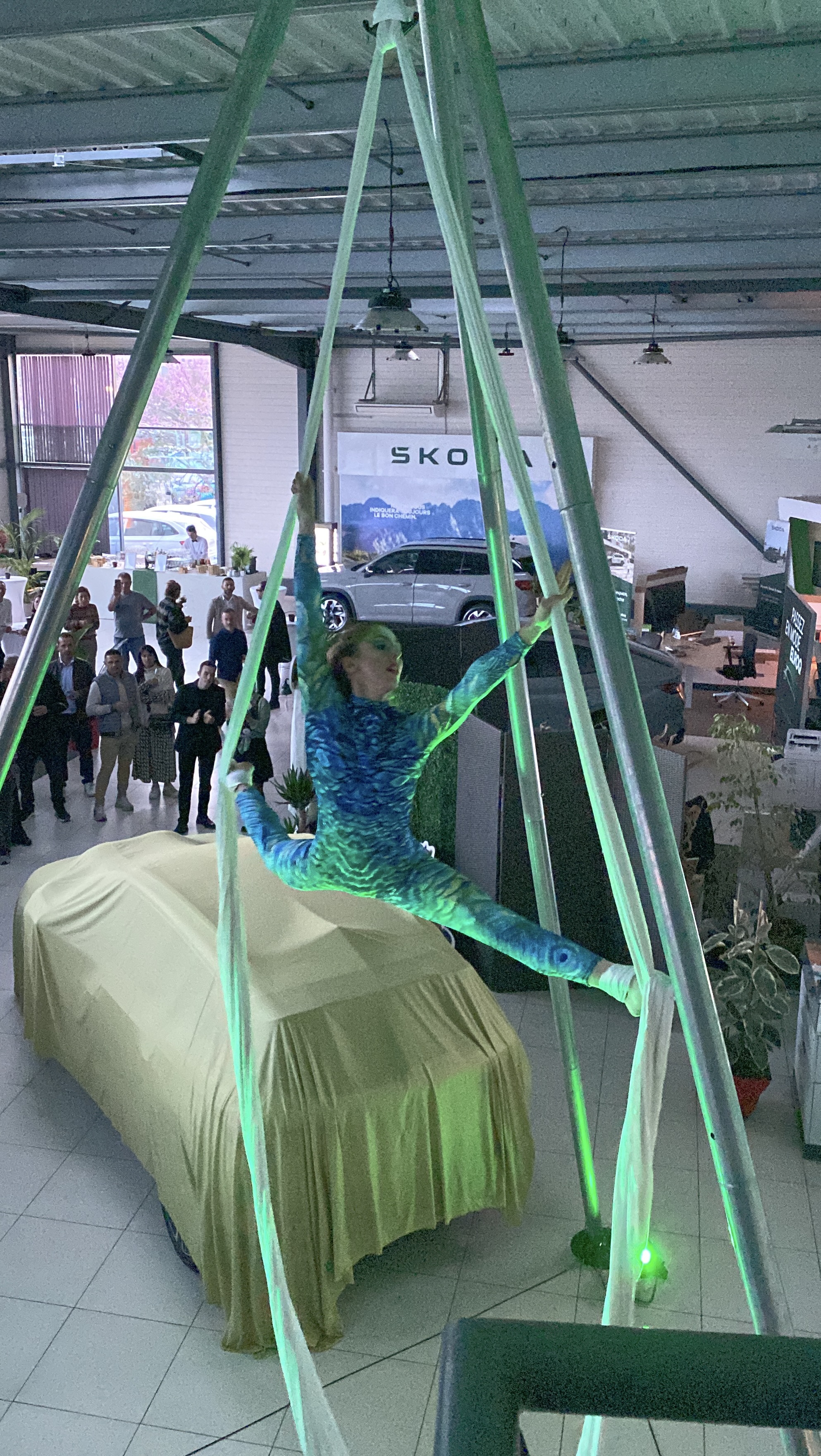
Opening act designed as a brand transition: short (3–5 minutes) artistic sequence to reset attention before the reveal. We tie it to brand codes (sound palette, lighting cues, pacing) so it feels integrated, not random.
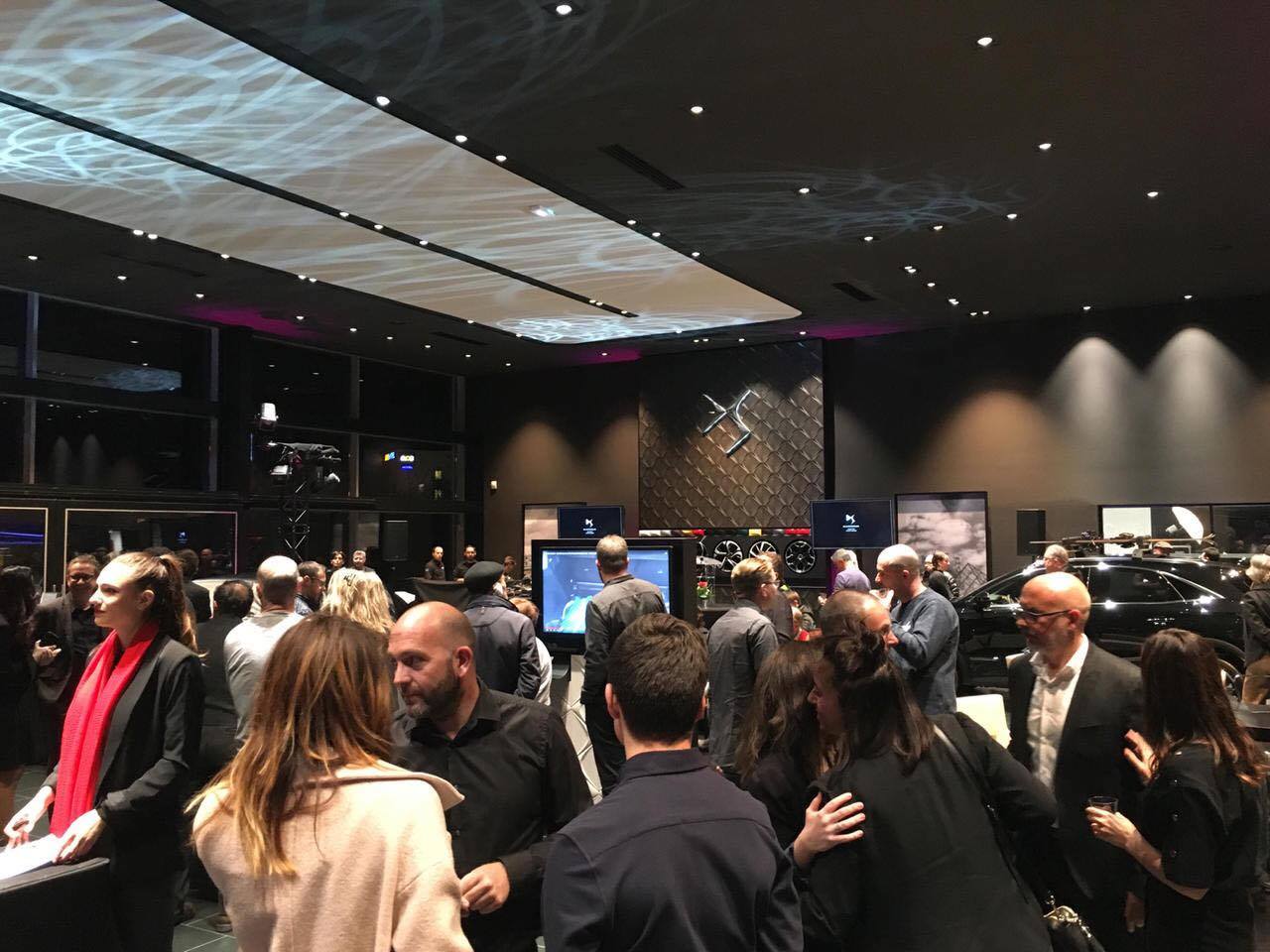
Ambient performance for networking: discreet formats (string duo, jazz trio, or local contemporary musicians) that respect conversation volume and venue constraints—particularly important in Majorca’s hotels and rooftop spaces.
Stage choreography that supports the reveal: movement, lighting and music timed to the moment the product is physically seen or accessed. This is production discipline more than “show.”
Innovative animations in Majorca
Pairing stations with a product logic: instead of generic tasting, we match stations to product pillars (e.g., “precision,” “freshness,” “sustainability”) using Majorca ingredients and clear labeling for dietary needs.
Chef-led micro-demonstrations: short culinary interventions during transitions to keep attention without delaying the program. Useful when you have press windows or tight speaker schedules.
Service design to avoid queue optics: enough service points, staged replenishment, and a timing plan so catering never becomes the headline. In launches, queues communicate poor planning.
Gourmand animations in Majorca
Content capture built into the set: a controlled “capture corner” with correct light, brand assets, and staff direction. Communication teams get consistent assets without chasing guests around the venue.
AR/QR product layers: QR-driven layers that explain features in 30–60 seconds, in multiple languages, with analytics on what people actually viewed.
Silent demo audio for complex products: headset-based audio at demo stations to ensure comprehension in busy spaces or noise-restricted venues—useful in Palma and coastal settings.
Data-backed badge scanning: opt-in scanning at stations to map interest by feature or segment. This supports post-event follow-up while respecting GDPR requirements.
Whatever the entertainment format, we validate it against your brand risk profile: tone, visual codes, compliance, and stakeholder comfort. The objective is not to “add fun,” but to increase attention, comprehension and post-event conversion while protecting brand image.
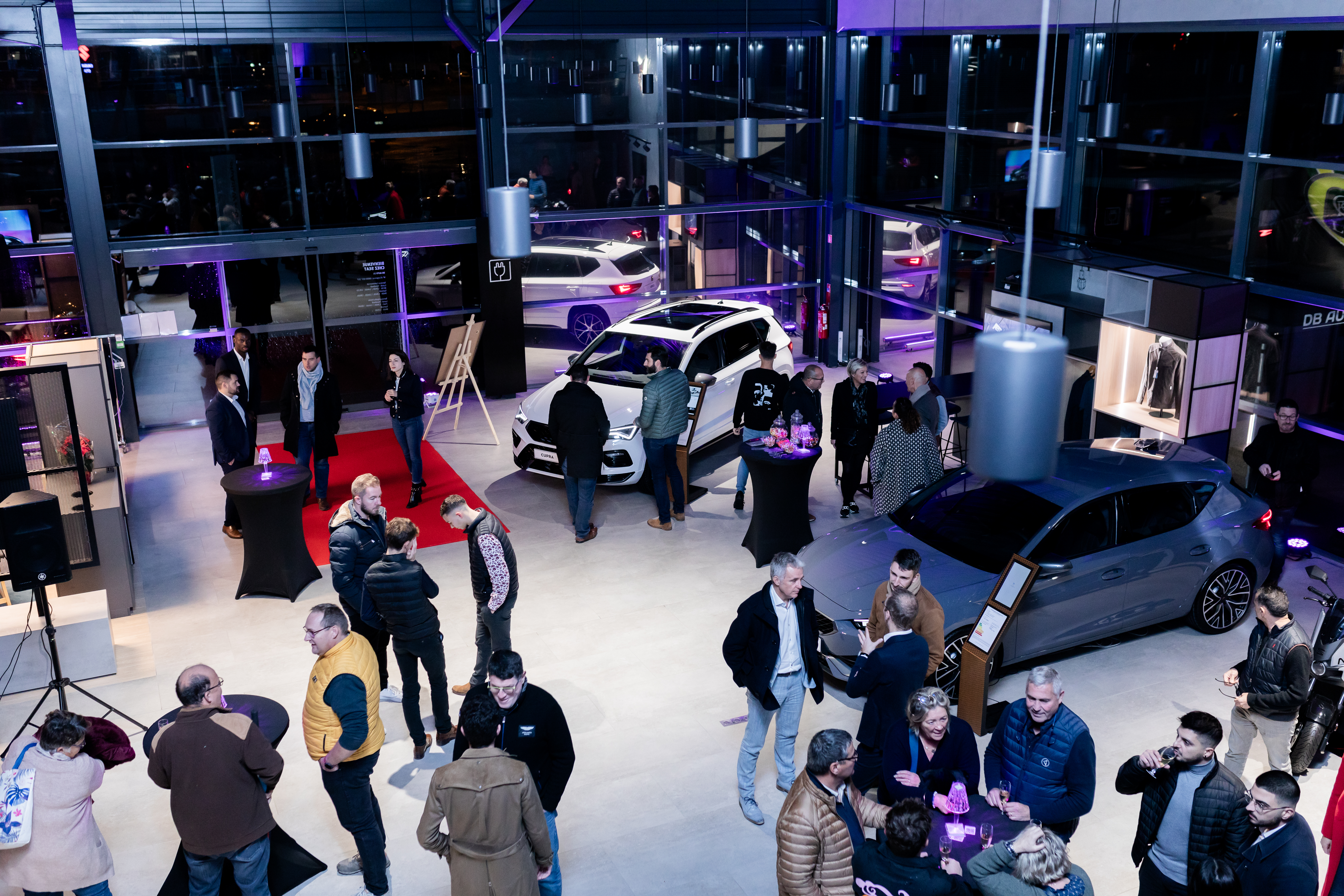
How to choose a Majorca venue for a Product Launch
Venue choice determines more than ambiance: it impacts technical feasibility, guest flow, acoustics, content capture quality, and the credibility of the reveal moment. In Majorca, the right venue is often the one that balances accessibility (Palma airport proximity), production compatibility (rigging, power, loading) and the brand message you need to send.
| Venue type | For which objective? | Main strengths | Possible constraints |
|---|---|---|---|
| 5-star hotel ballroom or conference wing (Palma / Calvià corridor) | Press + executive reveal with reliable production and tight timing | Strong AV infrastructure, predictable service levels, back-of-house capacity, accommodation on-site | Less “destination wow”; branding may require draping/signage; schedule constraints during peak season |
| Seafront terrace or rooftop in Palma | Premium networking reveal with content capture and VIP hospitality | High perceived value, natural backdrops for photo/video, easy to create a strong first impression | Noise restrictions, wind exposure, weather plan required, limited rigging/load capacity |
| Private finca / estate near Palma or central Majorca | Brand storytelling launch with controlled guest journey and experiential zones | Exclusivity, flexible zoning for demos and hospitality, strong narrative potential | Access for coaches, parking and security planning; power and connectivity upgrades; permit coordination |
We strongly recommend site visits before locking scope: we check loading routes, rigging points, power distribution, acoustics, network coverage and guest routing. In Majorca, a venue that looks perfect in photos can become complex on show day if production realities were not verified.
What a Product Launch in Majorca typically costs and why
Budgets for a Product Launch in Majorca vary widely because the event is a combination of venue, production, content, staffing and logistics. The fastest way to control cost is to clarify the objective (press, partners, internal, clients), the guest count, and the level of technical ambition from the start.
As a practical reference, many corporate launches in Majorca fall between €25,000 and €180,000, with high-complexity builds exceeding that when there are large scenic elements, multiple zones, or heavy freight.
Guest volume and format: 80 VIPs seated vs. 400 mixed guests in cocktail format drives staffing, catering and flow design.
Production level: screens, lighting design, sound reinforcement, staging, camera capture, live stream, and cueing system. Audio clarity and screen visibility are non-negotiable for launches.
Venue constraints: rigging permissions, load-in hours, power upgrades, sound limits, and contingency spaces.
Content and speakers: script support, teleprompter, rehearsal time, presentation design, product video, and multilingual versions.
Island logistics: freight lead times, last-minute replacement strategy, and local vs. imported technical inventory.
Compliance and risk: insurance, security, VIP handling, crowd management, GDPR-consent capture for content, and safety documentation.
Entertainment choices: artist fees, technical riders, rehearsal requirements, and licensing where applicable.
We frame the budget around return: stronger product comprehension, higher-quality leads, faster partner commitment, and reusable content for communications. A controlled scope and clear procurement approach usually saves more than negotiating line by line at the end.
When does using an event agency in Majorca reduce risk
On an island, local execution is not a detail; it is a risk-management strategy. Working with a partner established in Majorca helps you avoid the classic failure points: delayed deliveries, missing technical backups, venue misalignment, and last-minute staffing gaps.
INNOV'events combines local supplier access with national production standards. If you are comparing agencies, focus on who can demonstrate: (1) realistic load-in planning, (2) verified vendor capacity in your season, (3) structured on-site command, and (4) clear accountability. This is precisely why many teams prefer an event agency in Majorca rather than managing everything remotely.
- Faster resolution when something moves: transport delays, venue changes, weather adjustments, speaker timing shifts.
- Supplier reliability through proven crews and redundancy options (AV, staging, hostesses, security).
- Permit and compliance familiarity with venue rules, municipal constraints and insurance expectations.
- Realistic planning around Majorca seasonality, traffic patterns, and hotel operational rhythms.
- Cost control by sourcing locally when it reduces freight and risk, and importing only where it adds clear value.
We frame the budget around return: stronger product comprehension, higher-quality leads, faster partner commitment, and reusable content for communications. A controlled scope and clear procurement approach usually saves more than negotiating line by line at the end.







Examples of Product Launch delivery in Majorca environments
Our work in Majorca covers a range of launch contexts, because the operational requirements differ significantly depending on the audience and product type. For communication and executive teams, the key question is always: can the agency deliver clarity and control under real constraints?
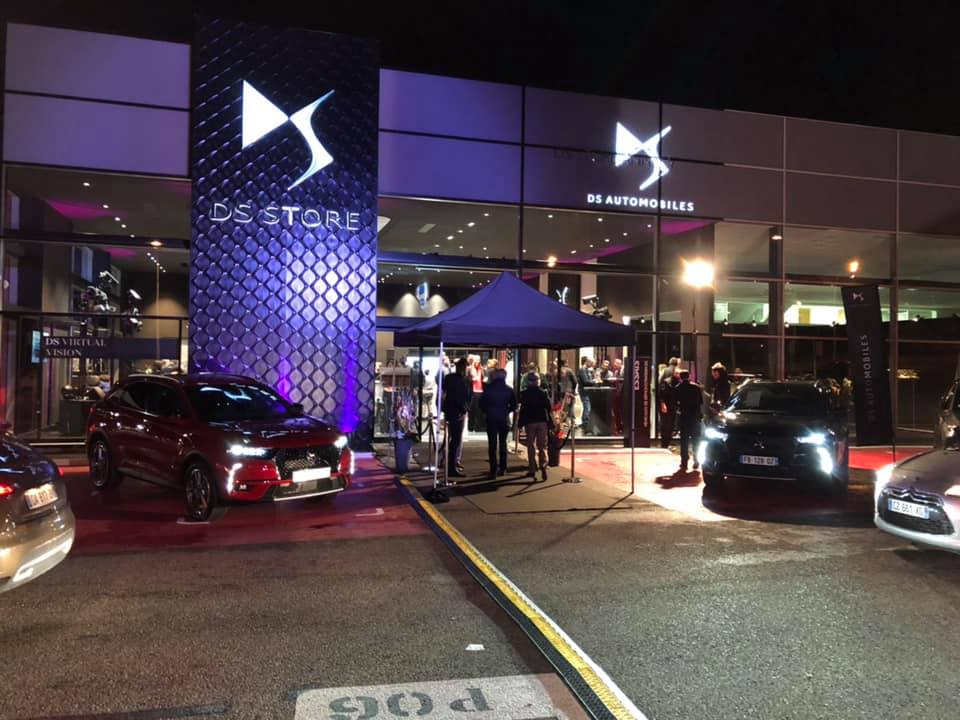
- Press-first reveal in Palma: tight schedule, spokesperson handling, photo call, controlled Q&A, and content capture. The operational focus is on timing discipline, backstage routing, and ensuring the demo works under camera conditions (lighting, sound, backup demo mode).
- Distributor and partner launch: agenda balancing business content and networking, with product education built into rotations. The focus is on capacity planning at demo stations, lead capture workflows, and ensuring decision-makers get private time with executives.
- Internal launch for sales and operations: alignment is the KPI. We structure the program around “what changes on Monday,” objection handling, and hands-on practice, while still producing a reveal moment that builds pride and adoption.
- Premium client unveil near the coast: careful management of noise constraints, weather contingency, VIP arrival, and service design. Here, the execution standard is judged minute by minute—queues, delays and technical glitches are immediately visible.
Across these scenarios, the constant is production discipline: clear roles, cueing, rehearsals, and contingency planning that keeps leadership teams focused on stakeholders rather than logistics.
Majorca launch mistakes that create brand and budget exposure
Venue chosen for aesthetics, not production: insufficient power, no rigging points, restrictive load-in hours, or poor acoustics—leading to last-minute rentals and rushed compromises.
Underestimating island lead times: scenic builds, specialty screens, or custom product displays ordered too late, with freight delays creating visible gaps on-site.
Over-programming the agenda: too many speeches, too little product time, and no buffer—resulting in a late reveal or shortened demos.
Entertainment that competes with the product: strong acts placed at the wrong moment so guests remember the show but can’t repeat the product differentiators.
No serious rehearsal plan: executives discover slide issues, demo failure modes, or microphone problems in front of the audience.
Weak guest flow design: queues at accreditation, demo congestion, and unclear routing—creating frustration that overshadows the launch.
Content capture without controls: unusable photos (bad lighting, cluttered background), missing consent, or inconsistent brand assets.
Ambiguous decision-making on-site: when a change is needed, nobody knows who approves it—this is how small issues become public failures.
Our role is to prevent these risks with a structured plan, verified suppliers, rehearsals and an on-site command chain. The best launch is the one where leadership can focus on conversations—because the operational side is already contained.
Why Majorca clients keep INNOV'events as their launch partner
Repeat business is usually not about creativity; it’s about reliability under pressure. Clients renew when an agency consistently protects timing, brand, and stakeholder experience—especially when the event includes executives, press, or high-value partners.
Multi-year collaboration patterns: many clients rebook for recurring launches, annual partner meetings or seasonal presentations once a working delivery model is established.
Stable core team: the same project and production leads follow the account, reducing re-brief time and preventing knowledge loss.
Measured post-event follow-up: debriefs with what happened, what was improved, supplier performance notes, and concrete recommendations for the next edition.

Loyalty is the most practical proof of quality in events: when a brand chooses to repeat the same partner for high-stakes moments, it’s because execution has been tested in real conditions—often in tight timelines and under visibility pressure.
Our Majorca process for Product Launch delivery, step by step
👉 Scope and stakeholder alignment in Majorca
We start with a working session with executives, HR and communication teams: launch objective, audience segments, success metrics, brand risk boundaries, and internal approval paths. We define the “non-negotiables” (timing, product handling rules, spokesperson list, compliance). Output: a clear scope, preliminary run-of-show, and a decision calendar that prevents last-minute drift.
👉 Venue and supplier strategy across Majorca
We shortlist venues based on production feasibility (load-in, power, rigging, acoustics), guest logistics, and brand positioning. In parallel, we secure key suppliers (AV, staging, catering, host/hostesses, security) with redundancy options. Output: a vetted venue recommendation with production notes and budget scenarios, not just a moodboard.
👉 Creative-to-production translation for the Product Launch
We convert your messaging into stage mechanics: reveal moment, speaker sequencing, demo choreography, and content capture. Communication teams receive a structured plan for press windows, photo calls, spokesperson routing and approvals. Output: detailed run-of-show, technical brief, stage layout, demo zone plan, and content capture plan.
👉 Operational planning, compliance and guest journey
We plan accreditation, VIP routing, signage, staffing schedules, security points, and contingency routes. We confirm insurance needs and venue rules, and we align GDPR processes for content capture and lead scanning. Output: staffing plan, guest flow map, risk register, and an on-site escalation protocol with named owners.
👉 Rehearsals, show calling and on-site command
We run technical rehearsals and speaker walk-throughs, validate demos under real conditions, and lock cueing (audio, video, lighting). On the day, our production lead calls the show, coordinates suppliers, and protects timing. Output: a controlled event day with clear decision-making and contingency execution that stays invisible to the audience.
👉 Debrief and post-event conversion support
We deliver a debrief with what worked, what to improve, and supplier performance feedback. For commercial teams, we help structure post-event follow-up using lead capture data and station interest mapping where applicable. Output: actionable recommendations and assets packaged for internal reporting.
FAQ sobre la organización Product Launch en Majorca
How far in advance to plan a Product Launch in Majorca?
Plan 10–14 weeks for standard launches (80–300 guests) and 4–6 months for peak-season dates or complex builds. In Majorca, venue and top technical crews book early, and island logistics require earlier locks.
What budget range is realistic for a Majorca product reveal?
Many projects fall between €25,000 and €180,000, depending on guest count, venue category, AV level (screens, lighting, cameras), content production, and logistics. We typically provide 3 budget scenarios to match your objective and internal approval constraints.
Which Majorca areas are best for executive and press launches?
For reliability and access, Palma and the Palma–Calvià corridor are common: short transfers from the airport, strong hotel infrastructure, and supplier availability. Coastal or rural fincas work well for exclusivity, but they require more planning for access, power and weather contingency.
Can you manage multilingual hosting for Majorca audiences?
Yes. We deliver bilingual or multilingual runs of show (typically Spanish/English, sometimes German or French) including host scripts, signage, speaker support, and demo explanations. The key is consistency: same claims, same proof points, same legal validations.
How do you prevent demo failures during a Majorca Product Launch?
We plan demos like critical systems: dry-runs, backup devices, alternative demo modes (offline content, recorded sequences), spare cables and power, and a technical owner per station. We also schedule buffers in the run-of-show so a recovery does not become a public delay.
Request a Majorca Product Launch plan and clear budget options
If you are preparing a Product Launch in Majorca, contact INNOV'events early—especially for spring and summer dates. We will propose a realistic venue shortlist, a preliminary run-of-show, and budget scenarios aligned with your objectives and approval process.
Share your audience type (press/clients/partners/internal), estimated guest count, preferred date range, and any non-negotiables (brand codes, compliance, speaker list). We will come back with a structured recommendation rather than a generic proposal.
INNOV'events Majorca Agency
Cyril Azevedo is the manager of the INNOV'events Majorca office. Reach out directly by email at cyril@innov-events.es or via the contact form.
Contact the Majorca agencyAll our services & entertainment Majorca
Discover our event services
Discover our event entertainment available in the España
- Event Hostess Majorca
- Escape Game Majorca
- MasterChef Cooking Workshop Majorca
- Magician Majorca
- Marquee Rental Majorca
- Color Analysis Workshop Majorca
- Inflatable Games Majorca
- Valet Parking Service Majorca
- Football Simulator Majorca
- LED Furniture Rental Majorca
- Light Branding Majorca
- Unique Dining Experience Majorca
- Light Painting Majorca
- Murder Mystery Party Majorca
- Prize Contest Majorca
- Promotional Displays (POS) Majorca
- Virtual Reality Majorca
- Molecular Gastronomy Workshop Majorca
- Halloween Entertainment Majorca
- Fireworks Show Majorca
- Giant Games Challenge Majorca
- Event Host / MC Majorca
- Photo Booth Animation Majorca
- Santa Claus Entertainment Majorca
- Kids Entertainment Majorca
- Guided Tour Majorca
- Urban Rally Majorca
- Ball Pit Majorca
- Flight Simulator Majorca
- Food Truck Rental Majorca
- World Record Challenge Majorca
- Surf Simulator Majorca
- Wine Casino Majorca
- Makeover Workshop Majorca
- Perfume Creation Workshop Majorca
- Acting Workshop Majorca
- CSR Activities Majorca
- Archery Majorca
- Security Staff Majorca
- Wine Tasting Majorca
- Mime Performer Majorca
- TV Game Show Majorca
- Funfair Majorca
- Crisis Management Workshop Majorca
- Crisis Negotiation Workshop Majorca
- Arcade Games Majorca
- Indoor Skydiving Simulator Majorca
- Ski Simulator Majorca
- Racing Circuit Experience Majorca
- Introductory Flight Experience Majorca
- Tasting Experience Majorca
- Build Your Own Foosball Workshop Majorca
- 2CV Rally Majorca
- LEGO Challenge Majorca
- Casino Night Majorca
- Interpreter / Translator Majorca
- Promotional Giveaways Majorca
- Shuttle Transport Majorca