
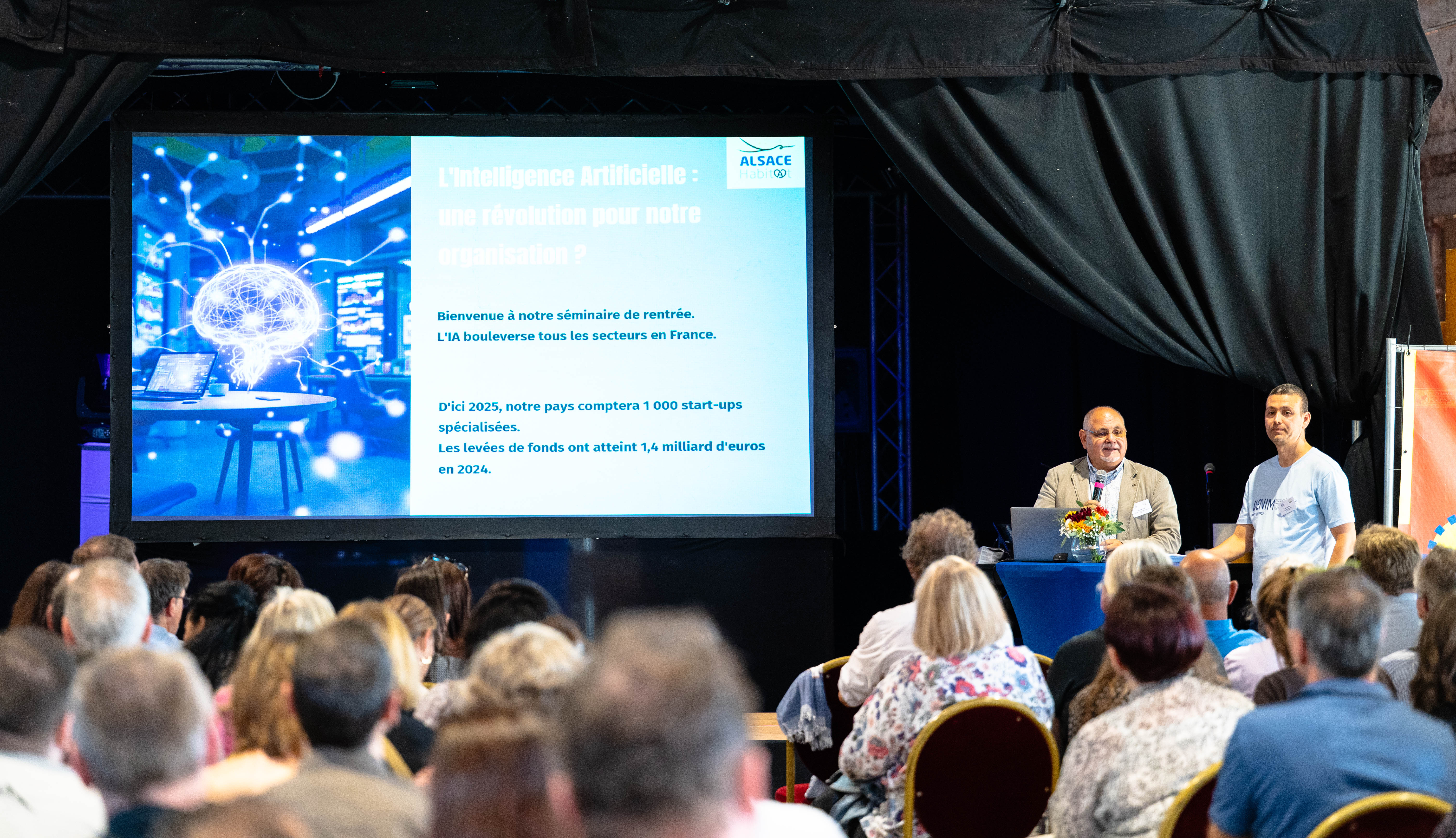
Corporate Seminar in Majorca that keeps decisions moving
INNOV’events designs and delivers Corporate Seminar formats in Majorca for executive teams, HR and communication departments, typically from 20 to 400 attendees. We manage the full chain: agenda design, venue sourcing, supplier contracting, technical production, guest logistics, and on-site delivery with a controlled run-of-show. You keep governance and messaging; we take ownership of execution, risks and vendor coordination.
Table of contents
In a seminar, “entertainment” is not a side show: it is a lever to protect attention, maintain energy after dense business content, and make key messages stick without lengthening the agenda. In practice, it reduces drop-off after lunch, keeps Q&A alive, and supports executive visibility in front of the organization.
Teams in Majorca expect operational excellence: smooth transfers, punctual sessions, discreet technical setups, and a programme that respects work time while taking advantage of the island’s setting. The bar is high because many attendees already travel often—anything that feels improvised will be noticed immediately.
We operate with a local network on the island and a national production standard: clear briefs, validated scripts, contingency planning, and supplier management under contract. Our role is to make the day feel effortless for participants while keeping full control backstage.
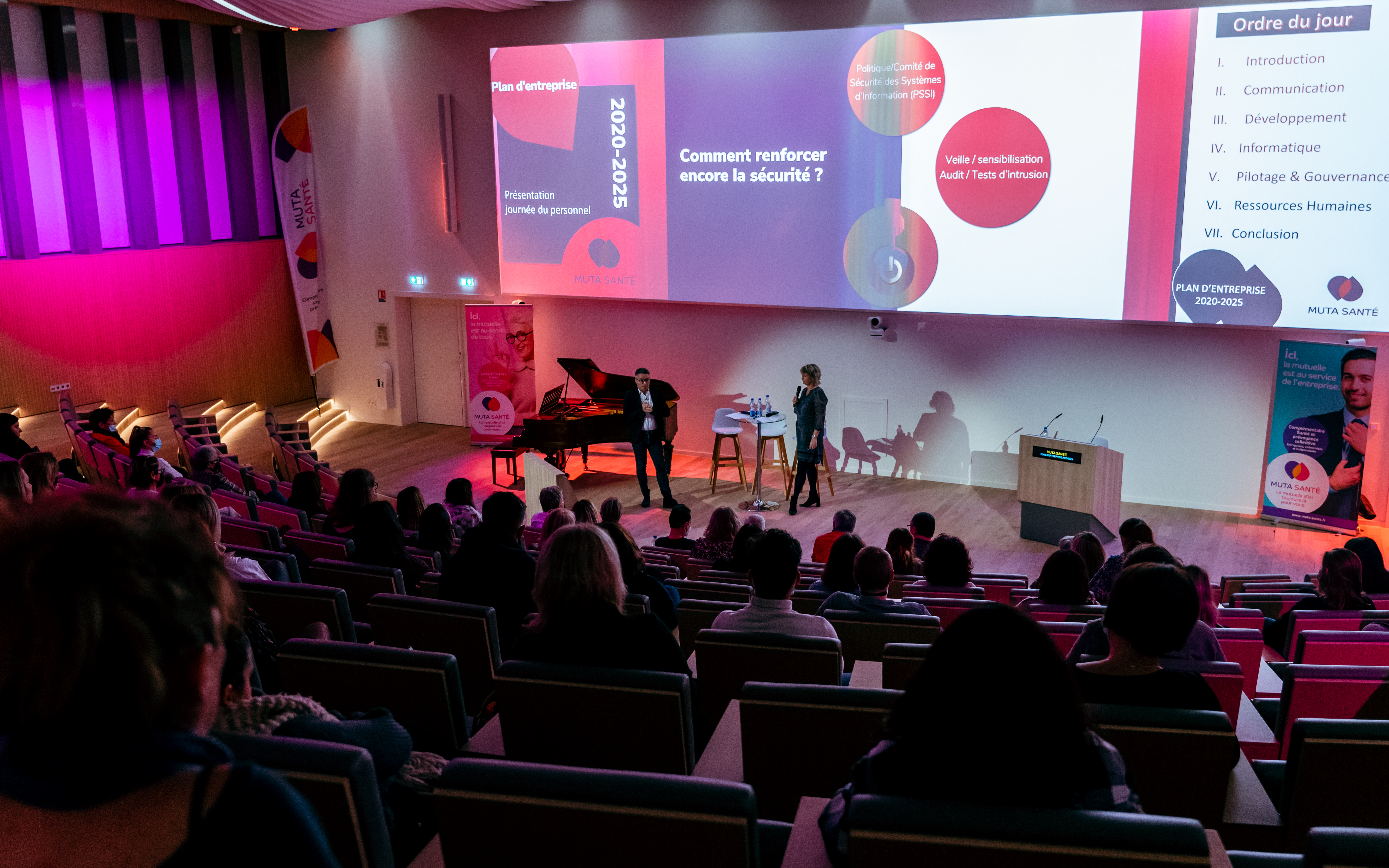
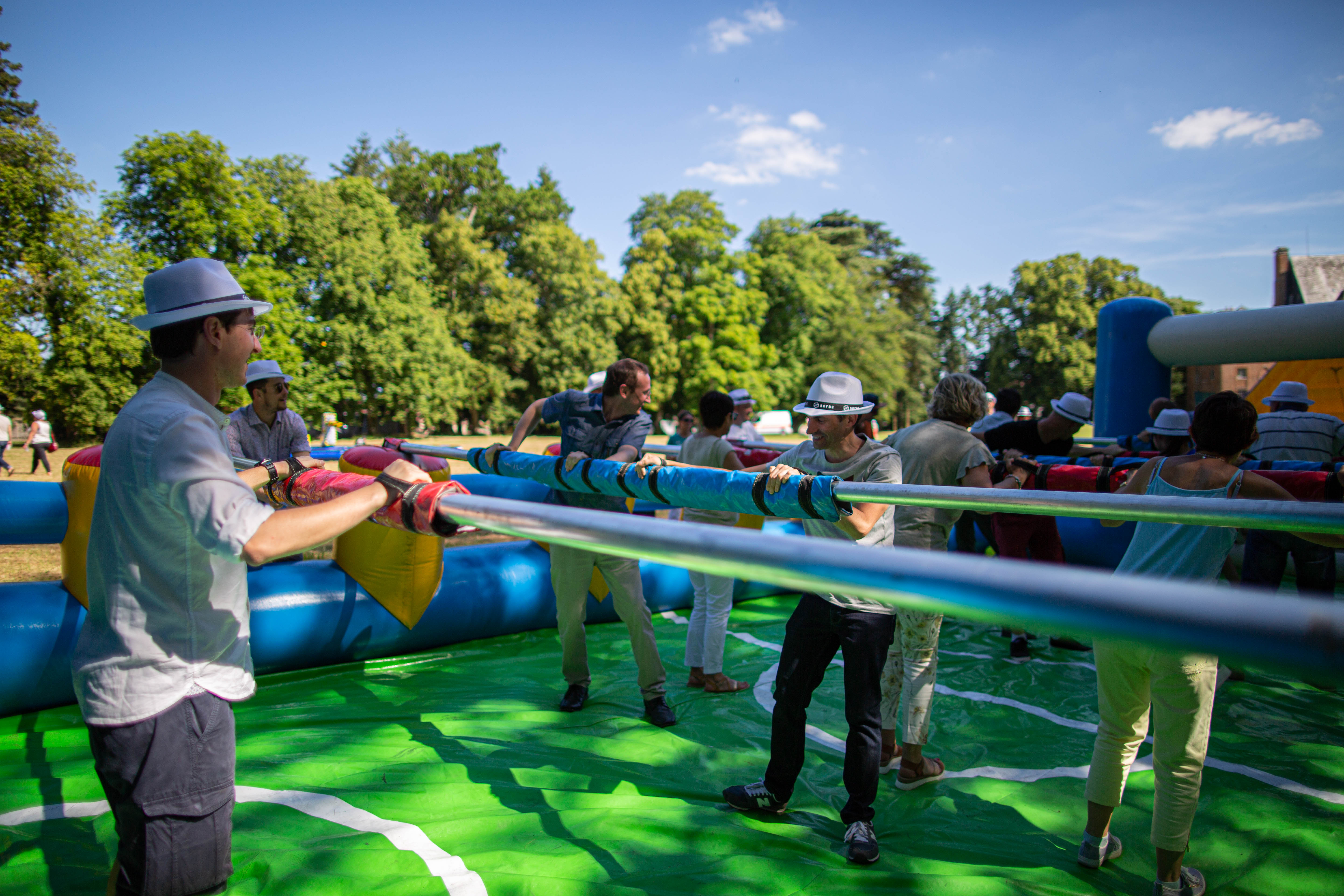
Operational benchmarks for Majorca corporate seminars
10+ years supporting corporate events across Spain with the same production framework: agenda engineering, technical direction and supplier governance.
100+ corporate events/year delivered across our network (seminars, sales kick-offs, leadership offsites, client forums) with standardized checklists and reporting.
24–72 hours typical turnaround to present a first shortlist of venues and a structured budget once objectives and dates are confirmed.
1 single point of contact from briefing to on-site delivery, backed by a production team (project lead, logistics, technical, supplier management).
How to organize a professional event in Majorca?
- Define the objective (cohesion, announcement, fidelity, performance).
- Set date, format and size (20–1 000 people).
- Secure the venue and accommodation according to seasonality.
- Lock down technical, suppliers and logistics.
- Drive the day J (timing, scene, entrance, flow).
Companies we support in Majorca year after year
We regularly work with organizations operating in Majorca and the Balearic ecosystem—hospitality groups, logistics players, professional services, retail networks, and international headquarters with local teams. Several clients renew with us year after year because we keep the same project discipline: written run-of-show, supplier consolidation, and on-site leadership that protects internal teams from last-minute pressure.
If you want references, we share relevant examples during the pitch phase based on your sector and format (leadership seminar, HR convention, comms roadshow, training seminar). We do this responsibly—only when it is contextually appropriate and with the right level of confidentiality.
For communication and HR teams, the value is consistent: fewer operational escalations, a cleaner brand experience, and the ability to focus on content, managers and attendee engagement instead of chasing deliveries and technicians.
We send you a first proposal within 24h.
What a Corporate Seminar in Majorca should change internally
A Corporate Seminar is expensive in time and opportunity cost. Executives feel it immediately: taking leaders out of operations must produce measurable alignment, faster decisions, and better execution after the event. The point is not to “gather people”; it is to create a controlled environment where priorities are clarified, behaviours are set, and momentum is built.
Executive alignment with fewer meeting cycles: when the agenda is engineered correctly (pre-reads, structured workshops, decision slots), you reduce the “re-litigating” that happens back at the office.
Manager cascade that actually happens: we help you structure sequences where leaders receive the narrative, practice the delivery, and leave with a simple cascade kit (key messages, FAQs, 30/60/90-day actions).
HR outcomes: engagement and retention signals: employees read seminars as a sign of investment. When the format is credible (not gimmicky), it supports retention in critical roles and reinforces manager accountability.
Cross-team collaboration under time pressure: facilitated workshops, role-based breakouts and structured networking can connect teams that normally only interact through tickets and emails.
Communication control: a coherent production (stage, screens, sound, lighting) makes messaging clearer and reduces “noise” that undermines leadership credibility.
Majorca is particularly effective for seminars that require a reset: the travel creates a clear boundary with daily operations, but it must be managed with discipline. On an island economy where seasonality and international standards coexist, the best seminars combine focus, punctuality, and a pragmatic use of the destination—without letting logistics steal attention from strategy.
How Majorca constraints affect seminar planning decisions
Planning in Majorca is not the same as planning on the mainland. Seasonality changes availability and pricing fast, and the island’s rhythm impacts transfers, technical resources and supplier lead times. A corporate seminar that looks perfect on paper can fail operationally if you underestimate these realities.
What we typically anticipate for executive and HR teams:
- Calendar pressure: from spring to early autumn, venue availability tightens and minimum nights may apply. If your dates are non-negotiable (board calendar, product launch), we secure options early and keep a Plan B venue with comparable specs.
- Arrival waves: attendees land on different flights; transfer plans must be segmented (VIPs, speakers, general attendees) with dedicated meet-and-greet, buffer time, and luggage handling where needed.
- Noise and privacy: many hotel areas are designed for leisure. For sensitive content (reorg, pricing strategy, union topics), we prioritize room acoustic isolation, controlled access, and a clear back-of-house plan.
- Supplier logistics: shipping or last-minute procurement on the island can be slower and more expensive. We pre-validate technical inventories locally and lock critical items (audio consoles, LED walls, interpretation booths) with redundancy where appropriate.
- Weather and wind: outdoor moments are attractive but risky. We structure “indoor equivalent” solutions with the same experience and the same timing to protect the run-of-show.
This is why we insist on practical questions early: What content is confidential? What is the tolerance for delays? Who are the critical participants? These answers drive the plan—not aesthetics.
Which corporate seminar entertainment fits Majorca without diluting the message
Corporate event entertainment in Majorca should serve a business purpose: activate participation, reinforce culture, and help people connect across functions. We recommend formats that are elegant, time-boxed, and compatible with a professional audience—especially when directors and international guests are present.
Interactive animations in Majorca
Facilitated decision workshops: structured breakouts with clear templates (risks, priorities, ownership). Best when you need alignment on a transformation plan or a new operating model.
Live polling + moderated Q&A: increases perceived transparency. Useful for town-hall sequences where leadership needs real feedback but wants to avoid uncontrolled microphone lines.
Scenario-based leadership simulations: short, realistic case exercises (crisis comms, supply disruption, client escalation) that test coordination. Works well with executive committees and senior managers.
Guided networking formats: curated seating plans, rotating rounds, or “problem/solution” tables. Ideal for matrix organizations where people rarely meet outside emails.
Art animations in Majorca
Discrete live music during arrivals or cocktail: enhances atmosphere without hijacking attention. We control sound levels, set times, and stage placement to preserve conversation.
Visual storytelling moments: short video capsules or staged interviews with employees/clients (pre-produced) to give substance to strategic messages without long speeches.
MC/moderator with corporate experience: not a comedian; a facilitator who can keep time, link segments, and manage Q&A with executive-level tone.
Innovative animations in Majorca
Structured tastings with narrative: a time-boxed tasting led by professionals (pairing logic, product story) rather than a long informal “open bar”. Works well after a dense plenary.
Chef’s table for leadership groups: controlled setting for key stakeholders (top clients, board, regional heads) where conversation is protected and service is punctual.
Healthy break design: hydration points, coffee service designed around session changeovers, and snack options that avoid the post-lunch drop.
Gourmand animations in Majorca
Digital content capture studio: a small on-site recording corner for leaders to film short internal messages. Useful when you want the seminar to produce assets for teams who did not attend.
Real-time translation and accessibility: multilingual setups and captioning for international groups. Improves inclusion and reduces misunderstandings during critical announcements.
Data-driven engagement: anonymous pulse checks at key moments (before/after sessions) to measure understanding and confidence in the plan.
We always validate alignment with your brand image: tone, music levels, dress code, staging, and language. In a Corporate Seminar in Majorca, the island should be an asset—not the theme. The message stays central, and the experience supports it.
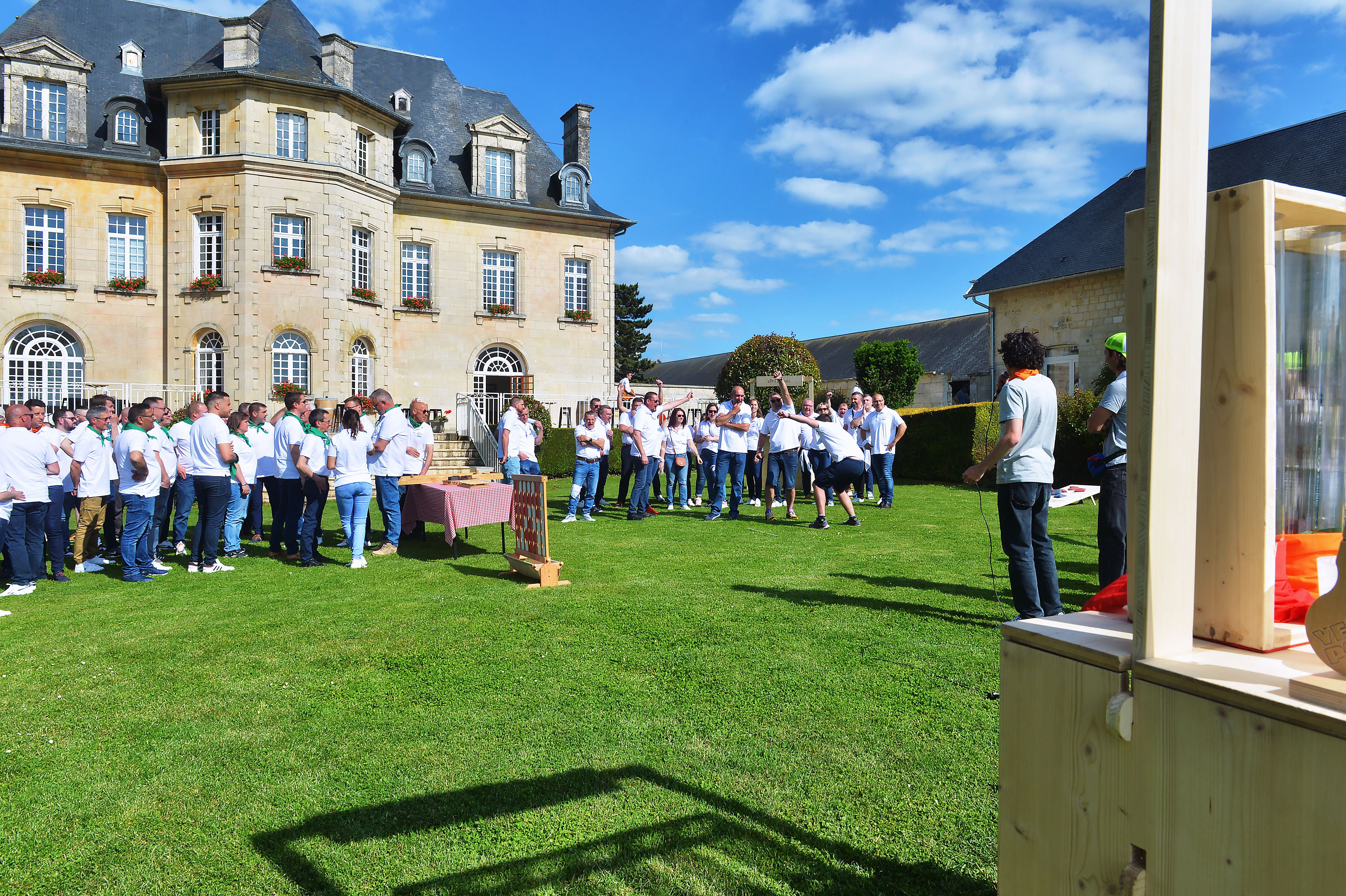
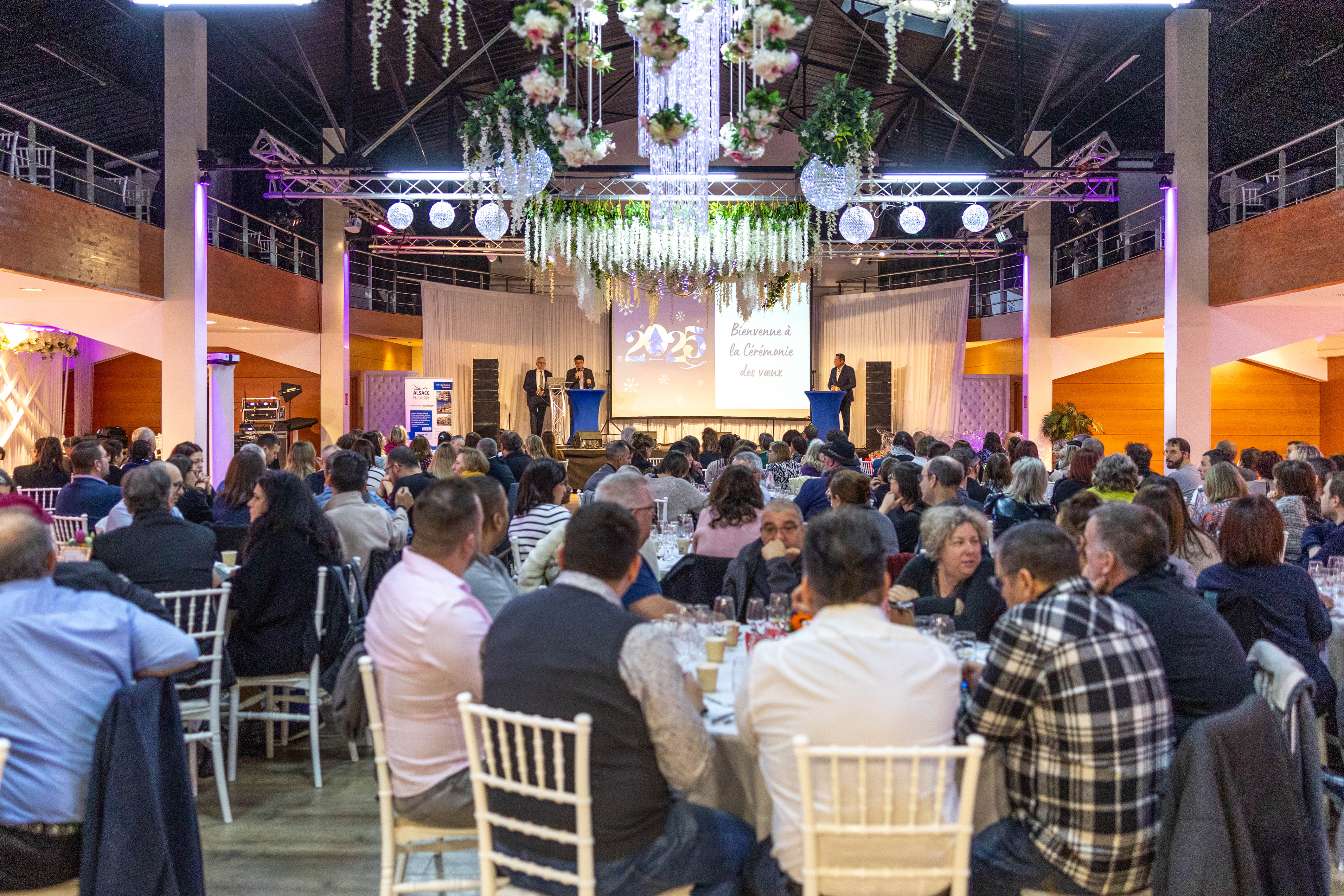
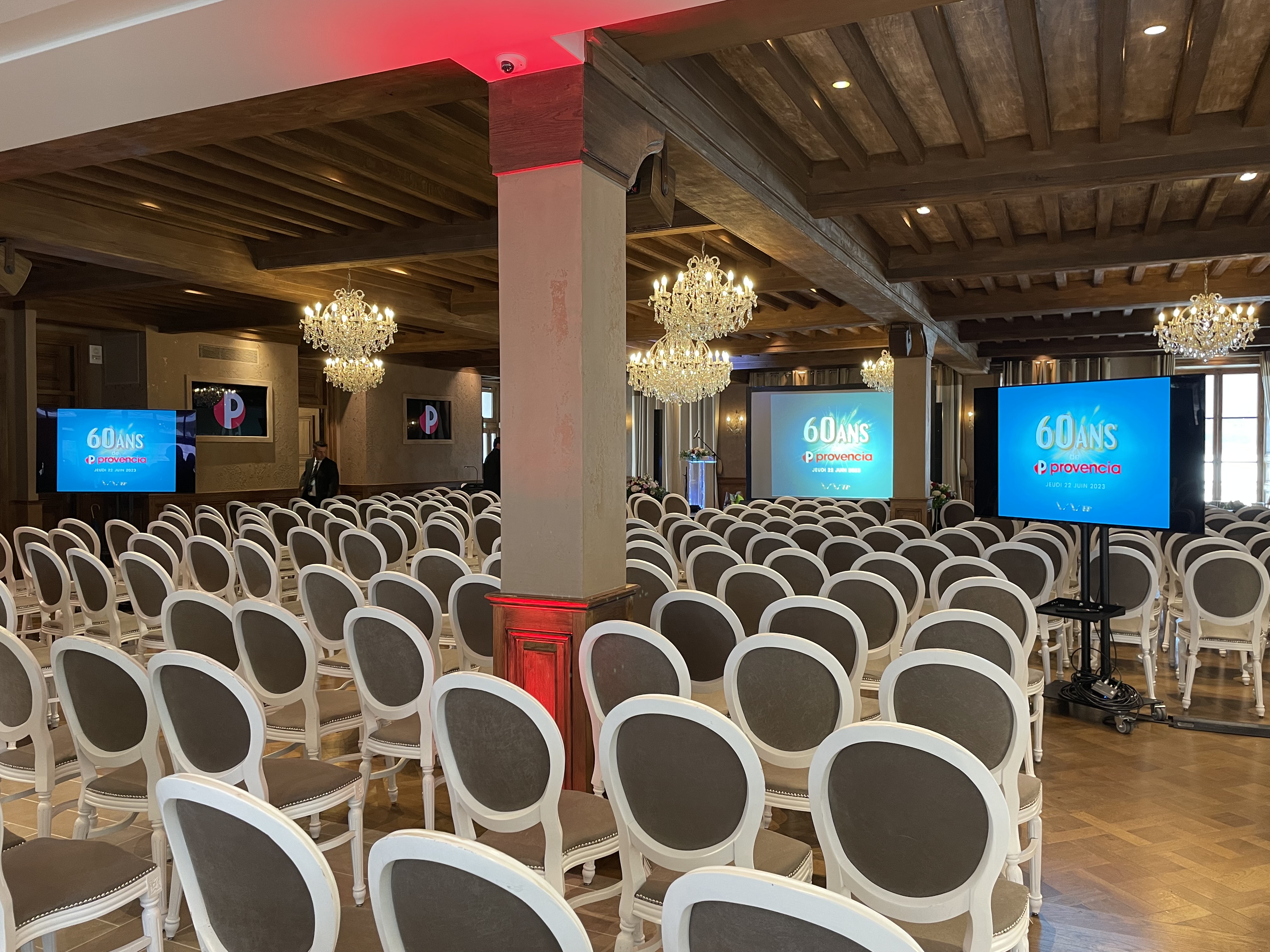
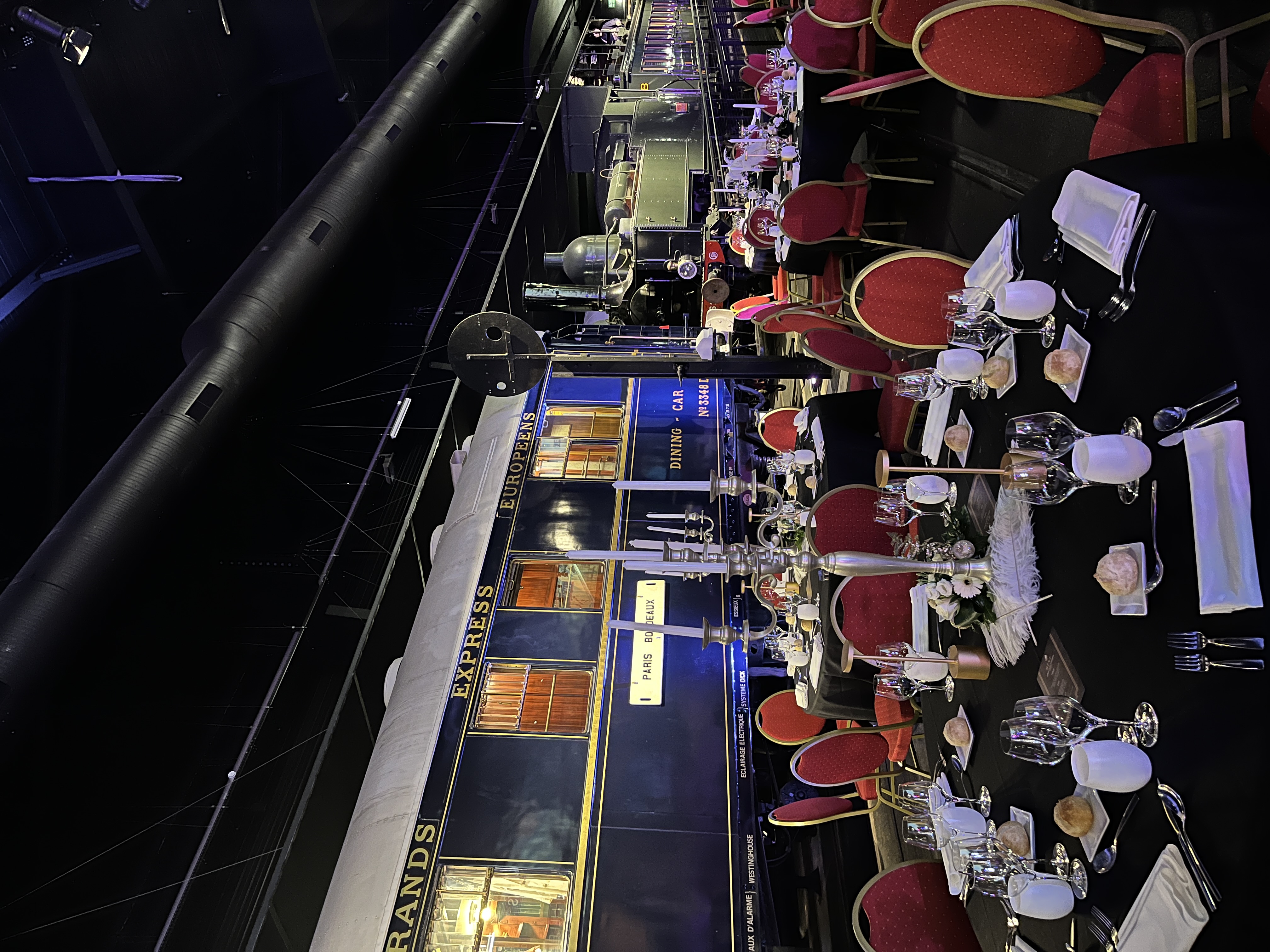
How to choose a seminar venue in Majorca without surprises
The venue sets the operational ceiling of your seminar: acoustics, screen visibility, breakout flow, privacy, and the ease of moving people on time. In Majorca, we also evaluate transfer times, access for suppliers, and the venue’s ability to protect confidentiality when the property is active with other guests.
| Venue type | For which objective? | Main strengths | Possible constraints |
|---|---|---|---|
| Conference hotel with integrated meeting floors | Leadership seminars, multi-plenary + breakouts, tight timing | Everything on-site; strong AV infrastructure; easier security and access control | Can feel “corporate” if common areas are shared; check acoustics and exclusivity options |
| Resort with dedicated event spaces | Culture & engagement seminars, manager offsites with networking | Natural social cohesion; strong hospitality; good for evening programming | Seasonal pricing and minimum stays; ensure privacy and punctual transfer logistics |
| Private finca / estate with event license | Board retreats, strategic reset, high confidentiality | Controlled environment; strong perceived exclusivity; ideal for small groups | Technical build often needed (power, staging, toilets); weather contingency is critical |
| Urban venue in Palma (auditorium / modern space) | Client forums, product announcements, external communication | Professional staging; easier transport; strong brand perception | Breakout capacity may be limited; catering and backstage spaces must be checked |
We recommend a site visit (or a structured technical recce) before locking the venue: stage sightlines from every row, noise bleed, loading access, and realistic transfer timing. This is where we catch issues that do not appear in brochures and prevent last-minute compromises.
What budget to plan for a Corporate Seminar in Majorca
Pricing for a Corporate Seminar in Majorca depends on format, season, and the level of technical and logistical complexity. We build budgets that are readable for finance and actionable for project teams: each cost line is linked to a decision (venue, AV, content, staffing, transfers). That makes trade-offs clear and avoids “hidden extras” later.
Attendee volume: the biggest driver for catering, transfers, room blocks and staffing. Typical operational breakpoints are 20–50, 50–150, and 150–400 attendees.
Season and lead time in Majorca: peak periods increase venue and accommodation costs, and reduce flexibility. Booking earlier generally widens venue choice and reduces rush fees.
Technical production level: from a simple screen + sound to multi-camera capture, large LED wall, translation booths, or hybrid streaming. We recommend choosing based on content risk: important announcements deserve robust redundancy.
Logistics and transfers: airport waves, VIP movements, offsite dinners, and luggage handling. On an island, the difference between “good enough” and “controlled” is often the number of vehicles and coordinators.
Content and facilitation: external moderators, workshop facilitators, speaker coaching, and pre-production (scripts, videos, stage direction).
Evening programming: dinners, awards, entertainment formats, and sound restrictions. We keep these time-boxed and contractually clear to avoid overtime and neighbour issues.
We approach ROI pragmatically: the seminar is justified when it reduces rework, accelerates alignment, and supports execution. A strong indicator is the quality of outputs: a documented action plan, clear owners, and a cadence for follow-up. We can also set measurable engagement checkpoints (pre/post pulse, attendance retention per session) to quantify impact.
When to choose an event agency in Majorca for your seminar
For a seminar on the island, local presence is not a nice-to-have; it is risk control. Working with an event agency in Majorca shortens reaction time, improves supplier accountability, and makes site visits and technical recces realistic without inflating costs.
In practice, this matters most when executives are involved, when timing is tight, or when confidentiality is high. Local coordination reduces the “unknown unknowns”: access rules, delivery windows, noise constraints, and the real availability of technicians and equipment on your dates.
- Faster problem-solving on-site: when weather shifts or a supplier is late, you need immediate decision-making and local alternatives—not remote calls.
- Supplier leverage: relationships help, but what matters is contractual control, clear briefs, and performance follow-up. We manage both.
- More accurate budgeting: local knowledge prevents underestimating transfer times, staffing needs, and technical inventories.
- Better participant experience: smoother arrivals, clearer signage, and fewer bottlenecks—details that executives notice immediately.
We approach ROI pragmatically: the seminar is justified when it reduces rework, accelerates alignment, and supports execution. A strong indicator is the quality of outputs: a documented action plan, clear owners, and a cadence for follow-up. We can also set measurable engagement checkpoints (pre/post pulse, attendance retention per session) to quantify impact.












What we deliver for Majorca seminars across industries
Our projects range from executive committee offsites to multi-day manager conventions with parallel tracks. The common factor is delivery discipline: we translate objectives into a workable agenda and then produce it with the right level of technical and logistical control.
Examples of situations we regularly handle:
- Leadership seminar after a reorganization: confidentiality requirements, controlled Q&A, and sessions designed to equip managers for difficult conversations. We build a stage plan and moderation flow that maintains trust.
- Sales kick-off with product complexity: demos that must work first time, strict timing, and content version control. We run rehearsals, validate backup content, and ensure the AV setup supports product storytelling.
- HR training seminar with multiple workshops: breakout room flow, attendance tracking, facilitator needs, and materials. We standardize room sets and manage transitions so sessions start on time.
- International group in Majorca: multilingual production, airport wave coordination, and cultural expectations around formality. We plan translation, signage language, and speaker coaching accordingly.
Adaptability is not improvisation. It is having the right pre-event preparation so that when reality changes, you have options ready and the event remains controlled.
Common mistakes in Majorca corporate seminars—and how we prevent them
Underestimating transfers: schedules built on optimistic travel times cause late starts and frustrated executives. We plan by flight waves, add buffers, and assign transfer coordinators.
Choosing a venue for aesthetics over acoustics: poor sound and visibility destroy attention. We verify sightlines, speaker monitoring, and room treatment before signing.
No content governance: last-minute slide changes, incompatible formats, missing videos. We run a content collection process with deadlines, templates, and technical checks.
Inadequate rehearsal time: leaders arrive late to a setup they don’t trust. We schedule speaker briefings, mic checks, and stage walk-throughs appropriate to the stakes.
Over-programming evenings: a late night can ruin day-two productivity. We time-box dinners and keep entertainment aligned with the energy you need the next morning.
Weak contingency planning: outdoor plans without indoor equivalents, single-point technical failures, no escalation path. We document triggers, backups, and decision owners.
Our role is to prevent these risks before they become visible to participants. A seminar is judged on what attendees feel: clarity, control, and respect for their time. We protect that experience through preparation and on-site leadership.
Why Majorca clients renew their seminar partner with INNOV’events
Clients typically return when an agency reduces internal load and increases predictability. For HR and communication teams, the real pain is not creativity—it is the operational pressure, the stakeholder management, and the responsibility of representing the brand in front of employees and leadership.
Single accountable production lead throughout the project: fewer handovers, fewer misunderstandings, clearer escalation.
Shared documentation: run-of-show, staffing plan, contact sheets, risk register, and supplier briefs—so internal teams can validate and feel in control.
Post-event debrief within 5–10 business days (depending on scope): what worked, what to improve, and practical recommendations for the next edition.

Loyalty is proof of quality because the comparison is constant: companies benchmark suppliers every year. Renewals happen when the seminar runs smoothly, leadership feels supported, and internal teams are not exhausted afterward.
Our production process for corporate seminars in Majorca
👉 Majorca briefing and success criteria definition
We start with a working session with the sponsor (executive, HR, comms) to define non-negotiables: objectives, audience segmentation, confidentiality level, tone, and constraints (dates, budget guardrails, travel rules). We translate this into a concise scope document, including what must be decided by when.
👉 Venue and supplier sourcing across Majorca
We propose venue options with a clear comparison: capacity by room, breakout flow, privacy, AV baseline, and transfer logic. In parallel, we pre-select key suppliers (AV, staging, photo/video, transfers) and confirm actual availability for your dates, not “general capability”.
👉 Agenda engineering and content governance
We build a time-coded agenda and a preliminary run-of-show. Then we set content rules: slide templates, file delivery deadlines, speaker order, video specs, and who validates what. This step is where we protect leadership credibility and avoid on-site improvisation.
👉 Technical design and rehearsals in Majorca
We define the technical setup based on message risk: sound coverage, screens/LED, lighting, recording, interpretation, and redundancy. We schedule rehearsals appropriate to the format (plenary, panels, awards) and ensure speakers have stage time before the audience arrives.
👉 Logistics: arrivals, hospitality desks, and participant flow
We manage transfer plans by flight waves, staffing, signage, and check-in. On-site, we control participant flow (plenary entry/exit, breaks, workshop rotations) to protect punctuality. For VIPs and speakers, we run separate discreet routes and call times.
👉 On-site delivery and executive support
During the seminar, we operate from a central production desk with clear comms channels. We manage cues, timings, and changeovers, and we protect executives from operational questions. If an issue occurs, we execute pre-approved contingencies with minimal visibility.
👉 Post-event reporting and next-edition improvements
We close with a debrief: supplier performance, timing accuracy, budget reconciliation, and practical recommendations. If you run an annual seminar in Majorca, we document improvements early so next year’s planning is faster and safer.
FAQ sobre la organización Corporate Seminar en Majorca
How far in advance should we book a seminar in Majorca?
Plan 8–16 weeks for a standard corporate seminar if dates are flexible. For peak season or larger groups (150+), aim for 4–8 months. If you are within 3–6 weeks, it is still possible, but venue choice and costs will be more constrained.
What is a realistic Corporate Seminar budget in Majorca?
As a working range, many seminars land between €350 and €900 per person for a one-day format with catering and standard AV, excluding accommodation. Multi-day seminars with room blocks, higher production, transfers and evening programming often move to €900–€1,800+ per person, depending on season and technical scope.
Which Majorca areas work best for corporate seminars?
For convenience and short transfers, Palma and nearby areas work well for tight agendas. For more “offsite reset” dynamics, resort zones can be effective if you control privacy and timings. We decide based on your priorities: confidentiality, flight waves, and whether evenings are part of the programme.
Can you run a bilingual seminar in Majorca with interpretation?
Yes. We can set up simultaneous interpretation (booths, headsets, interpreters) or lighter solutions depending on audience size and room layout. For most corporate plenaries, we recommend full simultaneous interpretation when 20–30% of the room is non-native in the main language.
How do you manage flight delays for Majorca attendees?
We plan by arrival waves with buffer time and a staggered check-in. For critical sessions, we avoid scheduling high-stakes decisions in the first hour and prepare alternatives (shorter opening, reordered segments). For VIPs/speakers, we track flights and keep dedicated transfer capacity to recover timing.
Request a Majorca seminar proposal with a controlled run-of-show
If you are planning a Corporate Seminar in Majorca, we can help you validate the right format, venue strategy and production level—before costs drift or availability disappears. Share your dates, attendee estimate, and the business outcomes you need (alignment, training, transformation, leadership visibility). We will come back with a structured proposal: agenda logic, venue shortlist, key risks, and a transparent budget with options.
For the best venue choice and supplier availability in Majorca, start the conversation early—especially if executives or international teams are involved.
INNOV'events Majorca Agency
Cyril Azevedo is the manager of the INNOV'events Majorca office. Reach out directly by email at cyril@innov-events.es or via the contact form.
Contact the Majorca agencyAll our services & entertainment Majorca
Discover our event services
Discover our event entertainment available in the España
- Event Hostess Majorca
- Escape Game Majorca
- MasterChef Cooking Workshop Majorca
- Magician Majorca
- Marquee Rental Majorca
- Color Analysis Workshop Majorca
- Inflatable Games Majorca
- Valet Parking Service Majorca
- Football Simulator Majorca
- LED Furniture Rental Majorca
- Light Branding Majorca
- Unique Dining Experience Majorca
- Light Painting Majorca
- Murder Mystery Party Majorca
- Prize Contest Majorca
- Promotional Displays (POS) Majorca
- Virtual Reality Majorca
- Molecular Gastronomy Workshop Majorca
- Halloween Entertainment Majorca
- Fireworks Show Majorca
- Giant Games Challenge Majorca
- Event Host / MC Majorca
- Photo Booth Animation Majorca
- Santa Claus Entertainment Majorca
- Kids Entertainment Majorca
- Guided Tour Majorca
- Urban Rally Majorca
- Ball Pit Majorca
- Flight Simulator Majorca
- Food Truck Rental Majorca
- World Record Challenge Majorca
- Surf Simulator Majorca
- Wine Casino Majorca
- Makeover Workshop Majorca
- Perfume Creation Workshop Majorca
- Acting Workshop Majorca
- CSR Activities Majorca
- Archery Majorca
- Security Staff Majorca
- Wine Tasting Majorca
- Mime Performer Majorca
- TV Game Show Majorca
- Funfair Majorca
- Crisis Management Workshop Majorca
- Crisis Negotiation Workshop Majorca
- Arcade Games Majorca
- Indoor Skydiving Simulator Majorca
- Ski Simulator Majorca
- Racing Circuit Experience Majorca
- Introductory Flight Experience Majorca
- Tasting Experience Majorca
- Build Your Own Foosball Workshop Majorca
- 2CV Rally Majorca
- LEGO Challenge Majorca
- Casino Night Majorca
- Interpreter / Translator Majorca
- Promotional Giveaways Majorca
- Shuttle Transport Majorca