
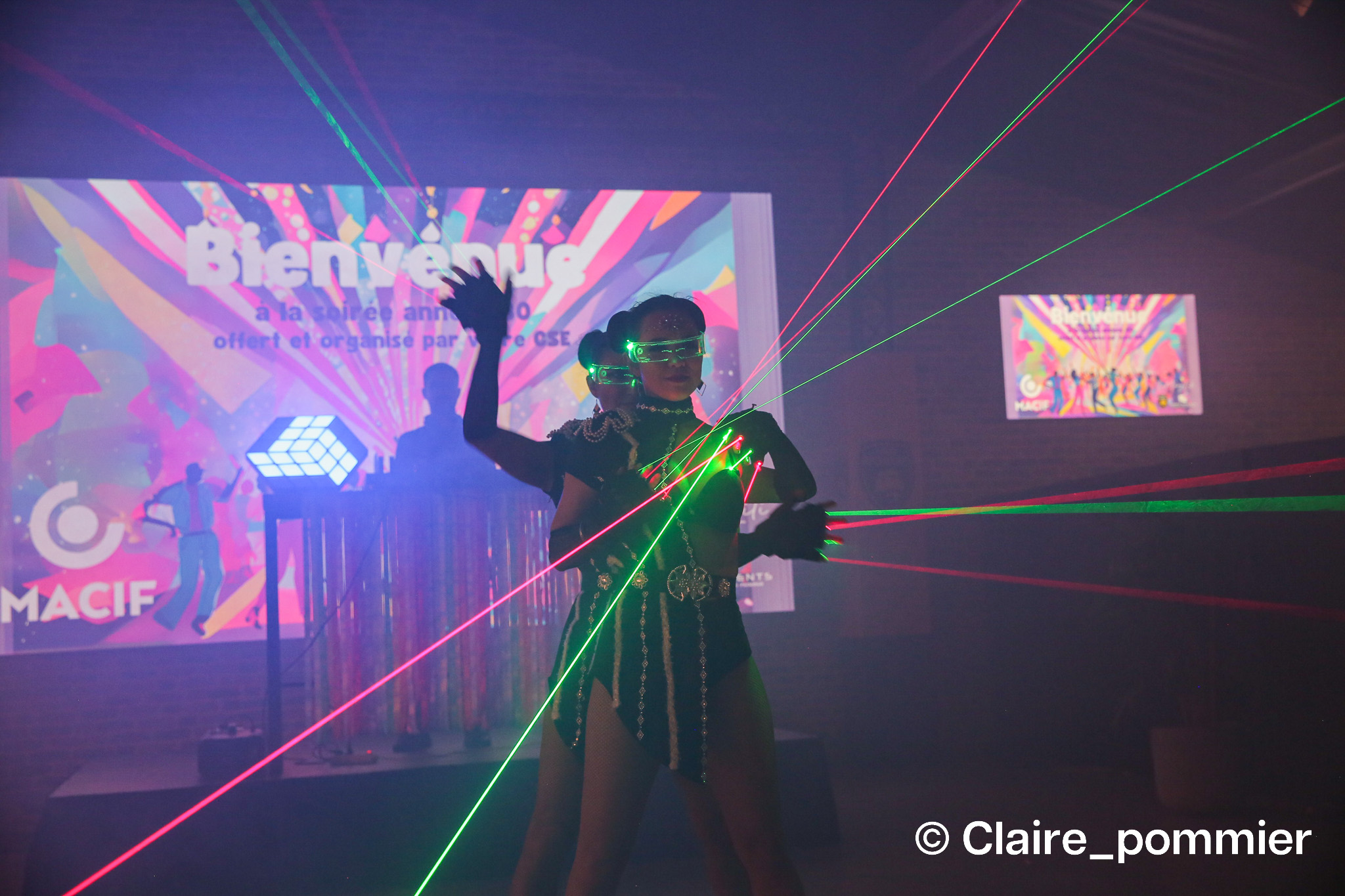
Sound & Lighting Production in Majorca with zero day-of surprises
INNOV'events delivers Sound & Lighting Production for corporate events in Majorca, typically from 60 to 1,500 attendees. We manage the full technical scope: venue survey, system design, rigging, show-calling, rehearsal, and strike. You get one accountable production lead, clear run-sheets, and a setup sized to your brand standards and risk level.
Table of contents
In a corporate event, production is not “just tech”: it determines whether your CEO is heard, whether your brand looks premium on camera, and whether your agenda stays on time. When audio is uneven or lighting is flat, the room disengages—and communications teams lose the material they need for internal and external messaging.
In Majorca, organisations expect fast turnarounds, multilingual execution, and flawless integration with venues used to high-end hospitality. The bar is high: clean stage aesthetics, discreet crews, and compliance with venue rules and local sound limits—especially for evening events near residential areas.
Our teams work year-round across the island with vetted local technicians and suppliers, so we can react quickly without compromising standards. INNOV'events brings national-level processes (documentation, redundancy, show-calling) with on-the-ground familiarity of Majorcan venues and logistics.
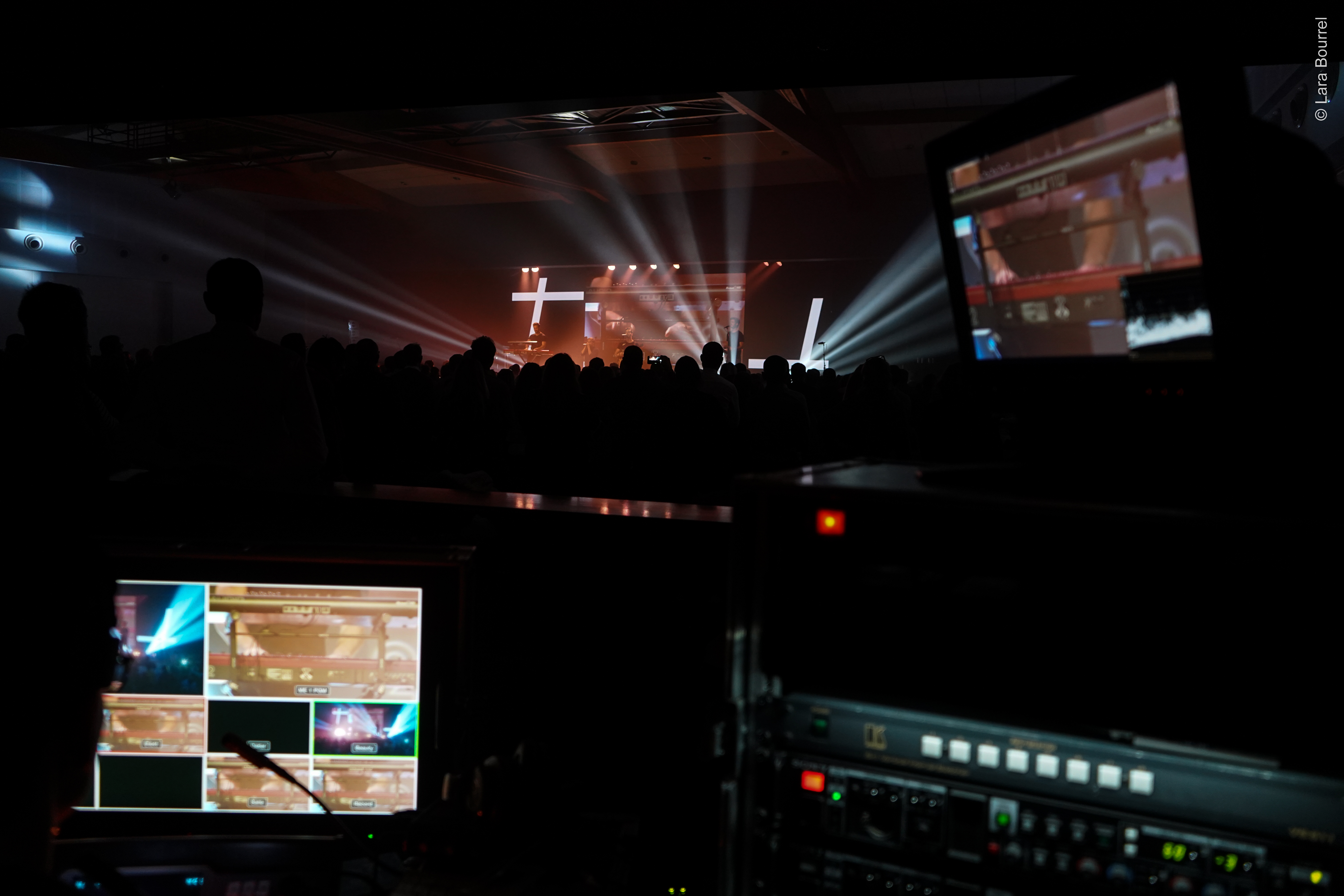
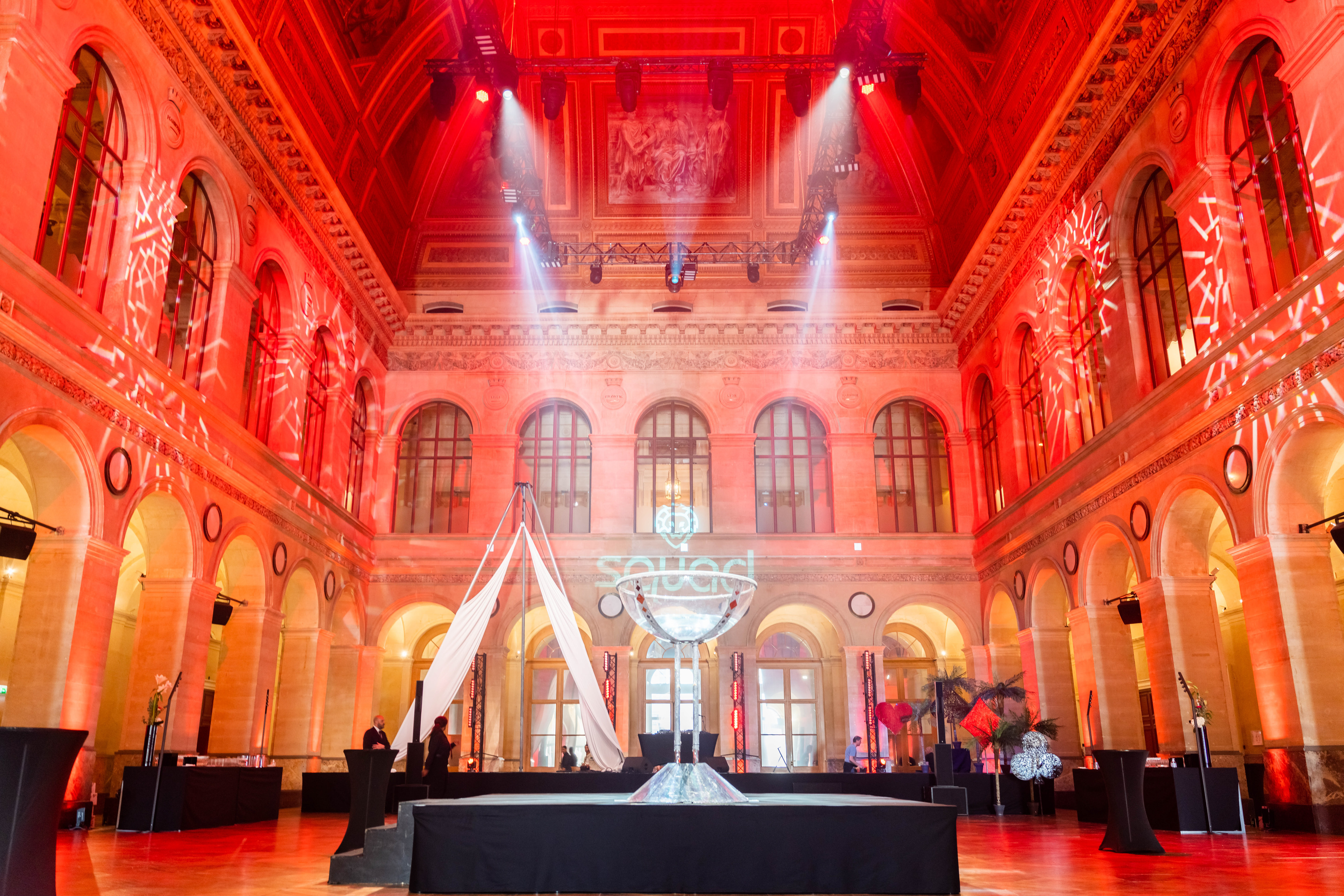
Operational credibility for Majorca productions
12+ years coordinating corporate events and technical production across Spain, with repeat clients in hospitality, retail, industry, and services.
300+ corporate events/year supported through our national network (AV, staging, scenography, and event logistics).
24–72h typical response time for first technical proposal (scope, preliminary design, and budget range) once venue and agenda are confirmed.
1 production lead accountable end-to-end: survey, supplier coordination, crew call, rehearsal, show-calling, strike, and post-event report.
Redundancy standard on critical paths: backup microphones, spare cabling, alternative playback, and contingency routing for key moments (CEO address, awards, press moments).
How to organize a professional event in Majorca?
- Define the objective (cohesion, announcement, fidelity, performance).
- Set date, format and size (20–1 000 people).
- Secure the venue and accommodation according to seasonality.
- Lock down technical, suppliers and logistics.
- Drive the day J (timing, scene, entrance, flow).
Trusted by teams working in Majorca year after year
We support organisations operating in Majorca and across the Balearics, with projects that return annually: kick-offs, leadership seminars, incentives, product presentations, dealer conventions, and awards nights.
Many of our local collaborations are recurring because the pressure is real: a tight agenda, senior speakers, brand constraints, and venues with strict technical rules. When communication and HR teams need a partner who documents decisions, anticipates risks, and can execute quietly around guests, they tend to stick with a production team that has already proven itself under live conditions.
If you share your internal constraints (security access, filming needs, stage design guidelines, union/venue requirements, multilingual hosts), we will align our technical plan early—so approvals are fast and event week is calm.
We send you a first proposal within 24h.
What Majorca production quality changes for executive outcomes
Sound and lighting decisions have direct managerial consequences: they influence attention, message retention, speaker confidence, and the perceived seriousness of your strategy. For leadership moments, employees judge coherence: “If the company invests in clarity and detail, maybe the plan is solid too.”
Agenda control: a well-built cue list, stage management, and rehearsed transitions reduce overruns and protect VIP schedules (airport transfers, back-to-back meetings, press slots).
Message clarity: consistent vocal intelligibility (not just volume) across the room increases understanding for all profiles—front row to the back, native and non-native speakers.
Brand perception: lighting temperature, front key levels, and stage composition create a premium look that matches your brand guidelines and supports photography/video deliverables.
Risk reduction: redundancy on critical elements (wireless mics, playback, power distribution) prevents the classic “single point of failure” that turns a keynote into damage control.
Employee engagement: dynamic but controlled lighting and clean sound design keep attention during dense content (KPIs, transformation plans) without turning the event into a show for show’s sake.
Better hybrid/recording output: proper lighting ratios and audio feeds (matrix to streaming/record) produce usable content for internal comms, LinkedIn, and employer branding—without re-recording later.
Majorca is a hospitality-driven economy where service level is part of the culture. When your production matches that standard—discreet, precise, punctual—it protects your image with stakeholders who are used to excellence.
How Majorca constraints impact sound and lighting decisions
Majorcan venues can be spectacular, but they also impose real technical constraints that affect budget and feasibility. In practice, this is what we plan for—before you sign off on a concept.
Noise limits and neighbourhood sensitivity: beachfront and central locations can have strict cut-off times and dB limits. We design with directional systems, controlled sub deployment, and correct measurement points to keep energy without triggering complaints.
Access windows and logistics: some hotels allow load-in only during defined hours to avoid disturbing guests. That changes rigging strategy, crew sizing, and the need for pre-rigging or faster modular structures.
Power availability: older buildings, temporary outdoor setups, and rooftops may require dedicated power distribution, phase balancing, or generators. We calculate real loads (not optimistic guesses) and plan safe cable paths and protection.
Wind, humidity, salt air: outdoor events in Majorca require weather contingencies (wind-rated truss, ballast plans, IP-rated fixtures where needed, and protective covers). We also plan for corrosion risks on connectors and specify appropriate equipment.
Multilingual audiences: we often integrate translation (simultaneous interpreting booths, infrared/RF receivers, additional audio matrices). This affects system architecture and rehearsals—especially with senior speakers and tight agendas.
Guest experience expectations: in a destination context, attendees compare your event to premium hospitality. That means clean cable management, discreet crew dress code, polished stage look, and a sound design that feels intentional—not “conference room loud.”
Which corporate event entertainment works best in Majorca venues
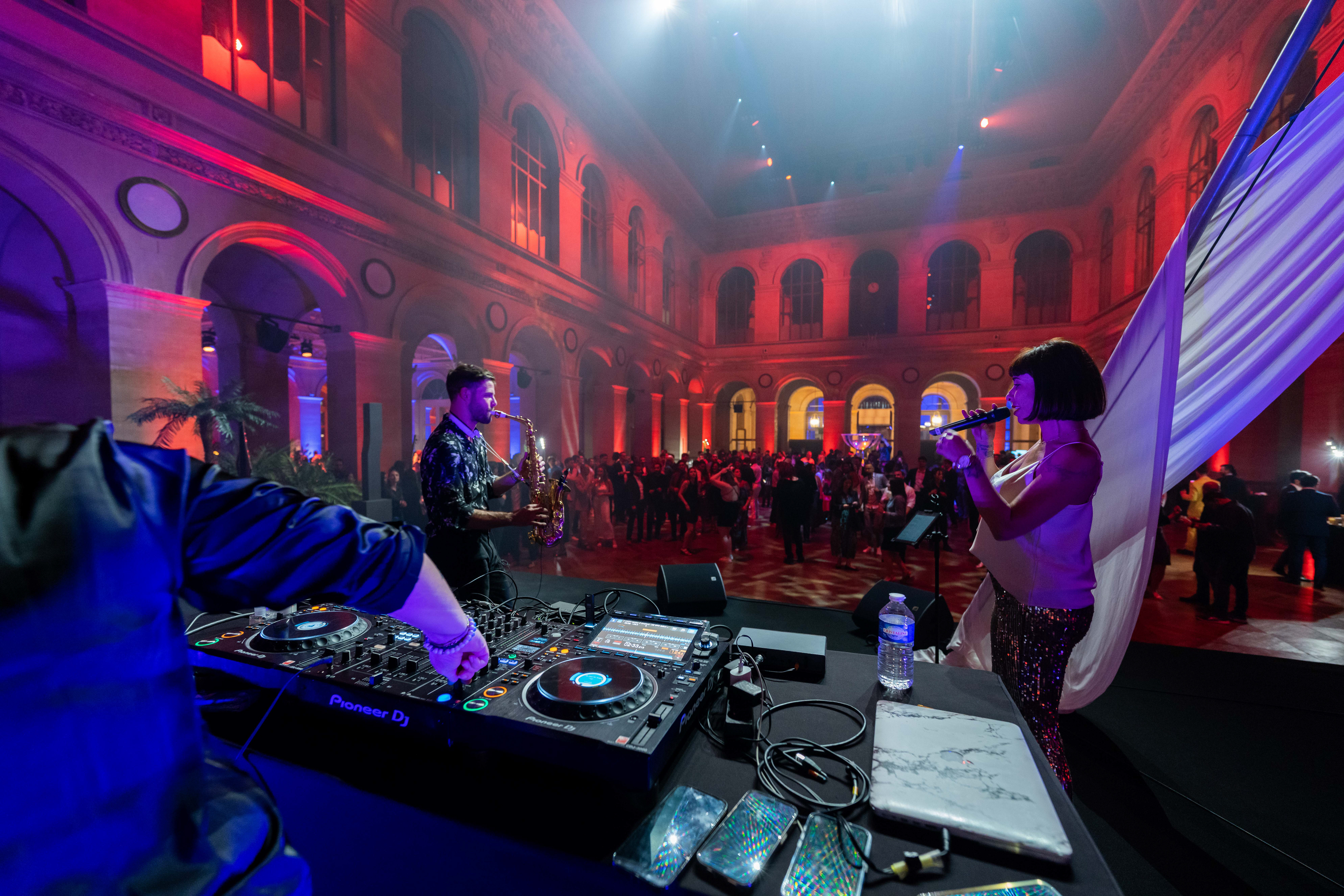
Corporate event entertainment in Majorca works when it supports your objective (engagement, celebration, product focus) and remains compatible with venue rules, audience profile, and agenda density. We design entertainment as part of the run-of-show, not as an isolated “act,” so transitions, audio levels, and lighting looks stay controlled.
Interactive animations in Majorca
Executive-friendly audience interaction: live polling integrated into the keynote (2–4 checkpoints max) with on-screen results and a dedicated operator. This keeps pace and gives comms teams data to reuse.
Structured Q&A with sound discipline: roaming mics plus a moderated queue on an app; prevents the typical time loss of passing one microphone around a 300-person room.
Recognition moments that feel premium: short walk-up stings, consistent lighting looks for each award category, and a photo position with calibrated lighting so every winner photo is usable.
Art animations in Majorca
Acoustic sets during networking: controlled SPL so people can still talk; we position the system to avoid reflective hotspots typical in hotel atriums.
Brand-synchronised stage looks: lighting palettes aligned to your brand colors (with real calibration rather than “approximate blue”), supporting a consistent visual identity across photos.
High-impact reveals: timed light cues, haze only if permitted, and a tested audio hit synchronized with video playback—executed with rehearsed cueing rather than improvisation.
Innovative animations in Majorca
Chef or mixology moments with camera-ready lighting: if you want content capture, we add soft key lighting and clean audio pickup for the presenter, avoiding harsh shadows and noisy handheld recordings.
Sound zoning for multiple stations: separate audio zones so the bar activation feels lively while the dining area remains comfortable for conversation—particularly useful in larger Majorca resorts.
Gourmand animations in Majorca
Silent disco for noise-controlled sites: an effective solution when venues have strict sound limits. We manage transmitter coverage, headphone logistics, and clear instructions to keep it corporate, not chaotic.
Immersive lighting without heavy build: gobo projections, architectural uplighting, and pixel bars to transform a space quickly during turnover (e.g., conference look to dinner look in 15–25 minutes).
Hybrid-ready entertainment: a music act mixed for the room and a separate clean feed for streaming/recording, so remote viewers hear balanced audio rather than “room echo.”
The key is alignment: entertainment must respect your brand image, audience culture, and the venue’s operational reality in Majorca. We will recommend options we can technically guarantee—rather than ideas that look good on paper but collapse under load-in windows, acoustic constraints, or approval processes.
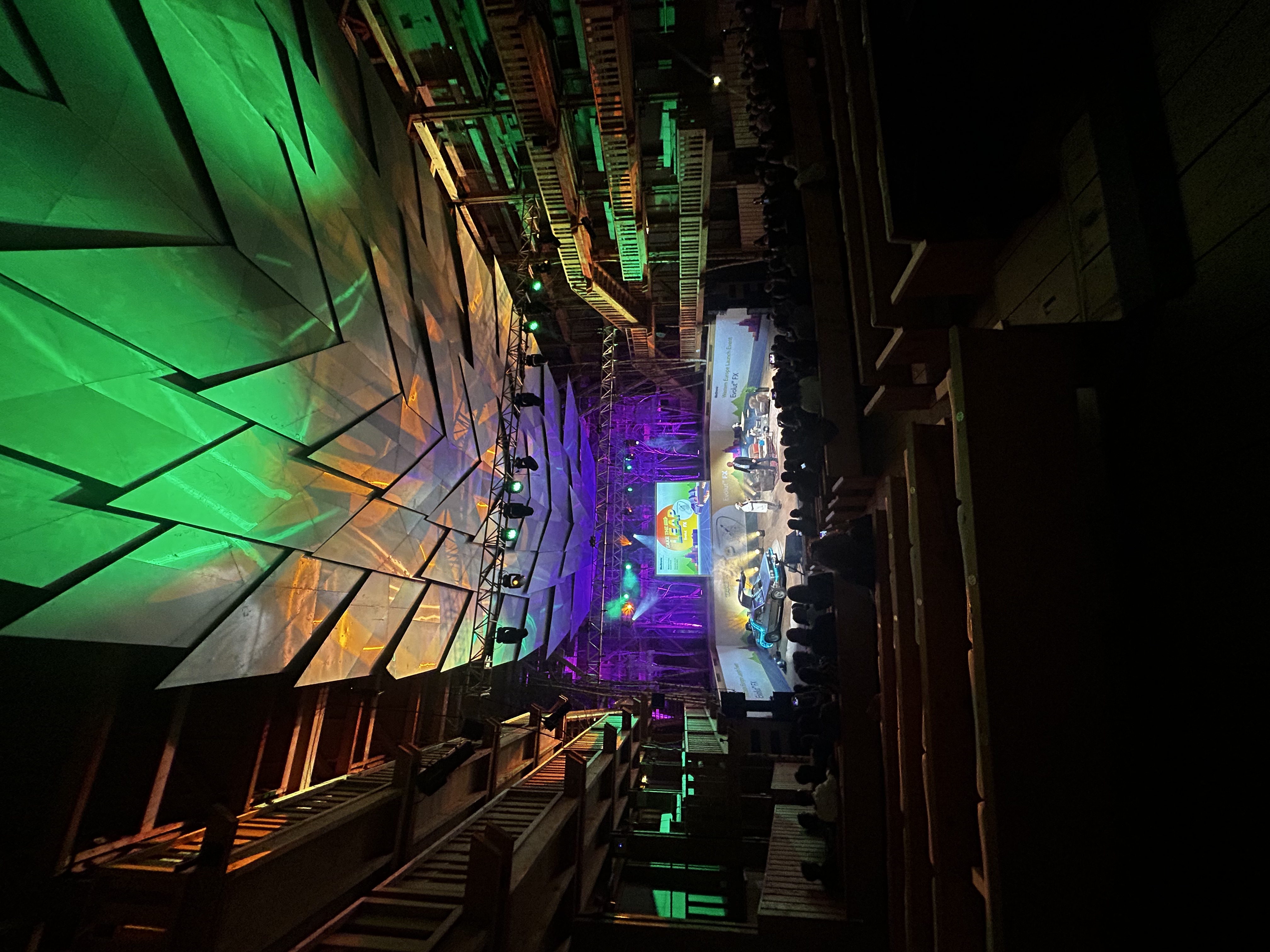
How to choose a venue in Majorca for sound and lighting
The venue defines your technical possibilities: rigging points, ceiling height, acoustics, power, and load-in access. A beautiful space can become a risk if it forces ground-supported truss in guest areas, limits speaker placement, or restricts rehearsal time. We advise selecting the venue and the production plan together.
| Venue type | For which objective? | Main strengths | Possible constraints |
|---|---|---|---|
Resort hotel ballroom (Palma area or resort clusters) | Leadership keynote + plenary + dinner in one site | Built-in ops, reliable power, back-of-house, guest rooms on site | Rigging restrictions, limited load-in windows, noise policies after a set hour |
Outdoor terrace / beachfront setup | Celebration, incentive dinner, brand reveal with destination feel | High emotional impact, natural backdrop for content, flexible layout | Wind exposure, humidity, permitting, generator needs, strict dB limits |
Historic estate / finca | High-end client event, executive retreat, intimate awards | Exclusive atmosphere, strong brand perception, privacy | Access roads, limited power, protection of heritage areas, earlier cut-off times |
We strongly recommend a site visit (or technical recce) before final approval. A 90-minute survey in Majorca typically prevents the costly surprises: last-minute generator rental, extra rigging, delayed load-in, or compromised camera angles.
What does Sound & Lighting Production cost in Majorca
Pricing depends less on the “event size” than on the technical complexity, venue constraints, and your risk tolerance. Our approach is to define a workable range early, then lock the scope with documentation so budgets don’t drift during the final two weeks.
Attendee count and room geometry: a long, shallow room can require more speakers than a compact space. We design for intelligibility, not just volume.
Agenda criticality: a CEO keynote with press filming requires higher redundancy and more rehearsal time than a casual internal gathering.
Lighting ambition: simple stage wash vs. full room transformation (uplighting, gobos, dynamic looks, pixel effects). Each step adds fixtures, control, and programming time.
Rigging and structures: flown systems vs. ground support; wind-rated outdoor truss; ballast plans; extra labor for restricted access in Majorca venues.
Power strategy: venue power distribution vs. dedicated generators; cable ramps; safety compliance and routing that avoids guest areas.
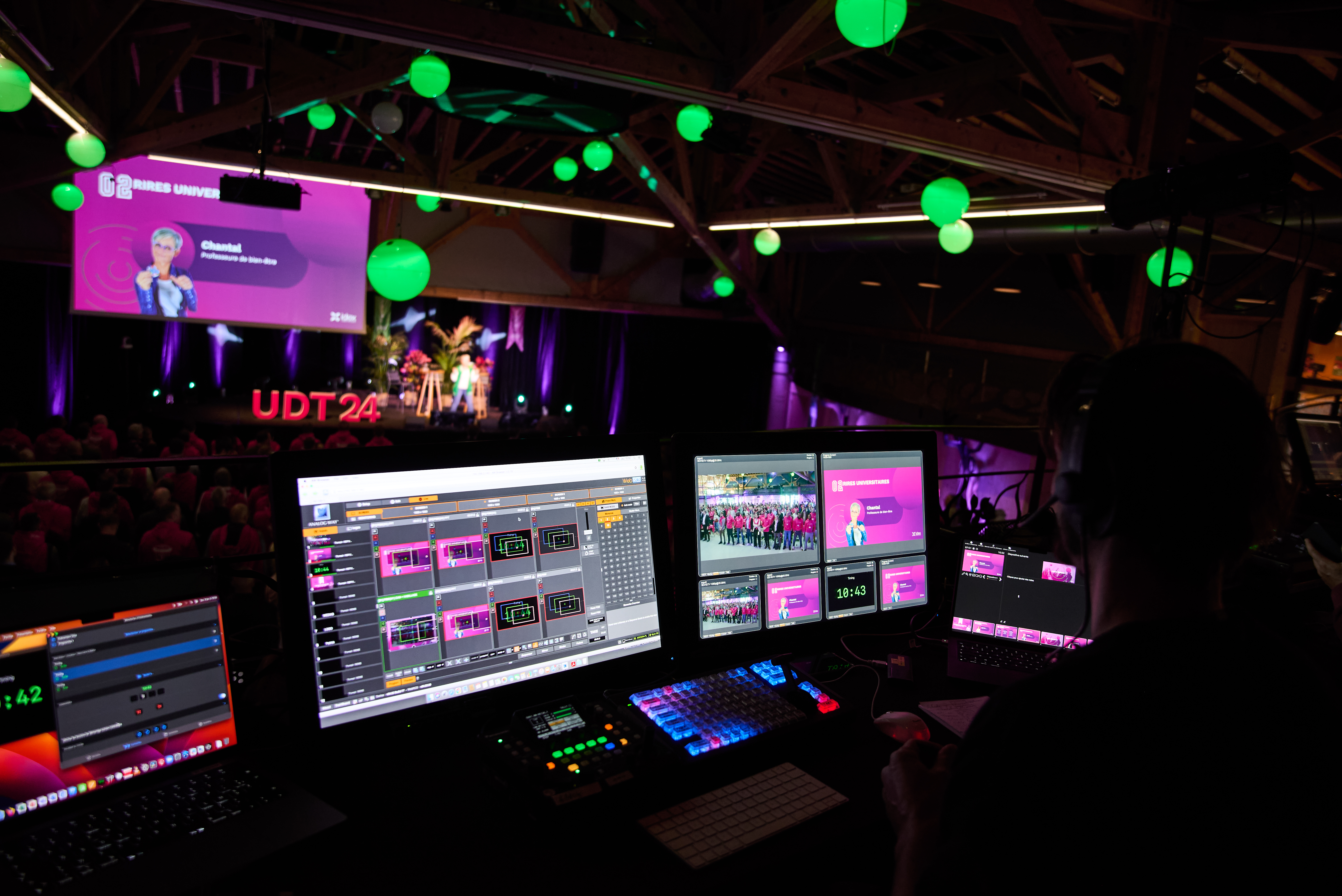
Rehearsal and show-calling: tight agendas benefit from a show-caller and stage management. This is often what keeps an executive event on schedule.
Additional services: translation systems, recording/streaming audio feeds, backstage comms (intercom), and cue lights for presenters.
From an ROI perspective, executives usually value production for three reasons: fewer agenda overruns, stronger message delivery, and better content output (usable video and photos). The cost of a technical failure is rarely the rental line item—it’s the reputational cost and the internal loss of confidence.
Why choose an event agency in Majorca for technical production
When the stakes are high, local execution is not a convenience—it is a control mechanism. Working with a team established on the island reduces uncertainty: we know typical venue rules, access procedures, and which suppliers consistently deliver under corporate constraints. It also means faster troubleshooting if weather, schedules, or speaker needs change.
If you need a single partner to integrate production with the broader event scope, our event agency in Majorca structure lets you keep accountability clear: one timeline, one budget logic, and one escalation path.
For HR and communications teams, this translates into fewer coordination hours, more reliable approvals, and smoother stakeholder management (venue, security, talent, AV, catering).
- Local crew availability for early load-ins, late strikes, and split shifts without compromising rest and safety.
- Supplier accountability: we work with vetted partners and keep documentation consistent across teams.
- Venue familiarity: faster technical sign-off because we already know typical rigging, power, and noise constraints.
- Logistics control: realistic transport timings, loading routes, and contingency planning for island constraints.
From an ROI perspective, executives usually value production for three reasons: fewer agenda overruns, stronger message delivery, and better content output (usable video and photos). The cost of a technical failure is rarely the rental line item—it’s the reputational cost and the internal loss of confidence.












Majorca projects we deliver: from board-level to large plenaries
Our Sound & Lighting Production work in Majorca spans very different formats, and the value is in adapting the technical approach to the business context.
Leadership offsite in a resort ballroom (120–180 pax): the challenge is clarity and pacing. We typically deploy a distributed sound system for even coverage, a clean stage look with front key lighting for speakers, and a cue-based run-of-show to keep sessions on time. Common real-world constraint: last-minute deck changes and multiple presenters—handled through a disciplined microphone plan and a dedicated playback operator.
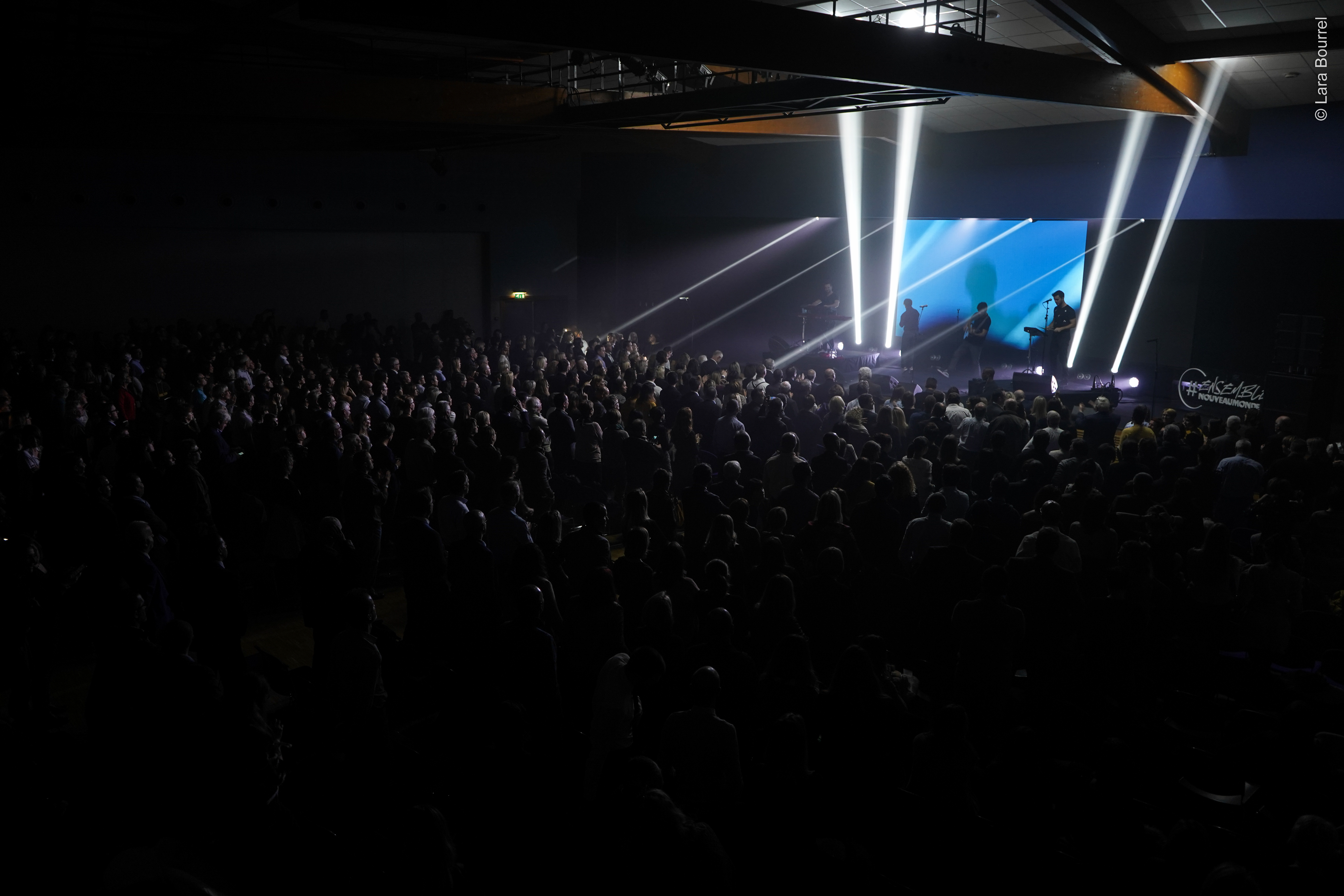
Sales kick-off with awards dinner (300–600 pax): two moods in one day. We plan a daytime conference look, then a fast turnover to a dinner look using pre-programmed lighting scenes. The biggest risk is transition timing. We protect it with staging that remains stable and with rehearsed cues for walk-ups, videos, and award handovers.
Outdoor celebration (200–800 pax): the priority is safety and weather readiness. We specify wind-rated structures when needed, manage safe cable paths, and set clear decision points for weather contingency. We also control sound dispersion to respect nearby areas—so you don’t end the night negotiating with the venue.
Hybrid or recorded keynote (80–400 pax): we build dedicated audio feeds for the stream/record, not just a room mix. Lighting is designed for camera (face tones, contrast control) while keeping the room comfortable for attendees.
Common Sound & Lighting mistakes we prevent in Majorca
Underestimating acoustics: beautiful rooms with hard surfaces can destroy intelligibility. We mitigate with speaker placement, delays, and level tuning—not by pushing volume.
No real contingency plan for outdoor events: wind and humidity are not “unlikely” in island conditions. We define thresholds, alternatives, and protect equipment accordingly.
Single microphone dependency: one wireless failure during a CEO address is avoidable. We stage backups and manage frequency coordination.
Late integration with video/scenic: projection angles, LED walls, and scenic elements can block lighting positions or audio coverage. We coordinate plans early to avoid expensive last-minute changes.
Unclear responsibilities on show day: when no one owns the cueing, the event drifts. We assign a show-caller and stage management when the agenda requires it.
Budget spent on looks, not reliability: clients sometimes invest in visible elements but skip redundancy and rehearsal time. We rebalance to protect business-critical moments first.
Our role is to anticipate and neutralise these risks before they reach your executives, guests, or brand channels. That is the real value of professional Sound & Lighting Production in Majorca.
Why Majorca clients keep INNOV'events as their production partner
Repeat business usually comes from one thing: the event day felt controlled. Not “lucky,” not “managed at the last minute,” but controlled through preparation, documentation, and calm leadership.
1 production lead from first call to post-event review, so decisions don’t get lost between sales and operations.
0 “hidden” technical assumptions: we document what is included (and what is not) to avoid scope gaps during the final week.
2 validation points before event day: technical design approval + final run-of-show / cue list sign-off.
15–30 minutes typical speaker briefing per key presenter (mic handling, stage marks, confidence monitoring), especially useful for non-professional speakers.

Loyalty is a consequence of predictability. When your team can focus on people and messaging—because production is stable—you tend to return to the same partner for the next Majorca edition.
Our Majorca delivery process from first brief to strike
👉 Brief and decision constraints (Majorca)
We start with what executives care about: objective, audience profile, agenda, brand constraints, stakeholder approvals, and risk tolerance. We confirm practical constraints early (venue shortlists, noise limitations, filming needs, multilingual requirements) and define who signs off what—so the project doesn’t stall internally.
👉 Technical survey and feasibility in Majorca venues
We conduct a venue survey (or coordinate with venue technical management) to validate rigging, power, access, acoustics, and timing. For outdoor setups, we also assess wind exposure and establish contingency options. Output: a feasibility note with identified risks and mitigation actions.
👉 System design and clear budget range (Balearics)
We propose the sound system design (coverage, speaker layout, wireless plan, FOH position), lighting approach (stage wash, room looks, cue programming), staffing plan, and schedule. We provide a budget range first, then a fixed scope once the venue and agenda are stable.
👉 Production documentation and stakeholder alignment (Majorca)
You receive documentation usable for internal validation: stage plan, input/output list, microphone plot, lighting scenes overview, and a first run-of-show. We align with video, scenic, entertainment, catering, and venue ops so timing and space work together.
👉 Load-in, setup, rehearsal, and show-calling (Majorca)
We manage crew calls, equipment delivery, setup, safety checks, and line checks. We run a rehearsal for critical speakers and integrate last-minute deck updates into playback. During the show, we operate with cues and clear comms so transitions remain punctual.
👉 Strike and post-event wrap (Majorca)
We strike efficiently within venue rules, ensure all areas are restored, and provide a short debrief: what worked, what to improve, and notes for the next edition. If the event was recorded/streamed, we confirm deliverables and technical notes for comms reuse.
FAQ sobre la organización Sound & Lighting Production en Majorca
How far ahead should we book AV in Majorca?
For 100–400 attendees, plan 6–10 weeks ahead; for peak season dates or complex outdoor builds, 10–16 weeks. If a venue is confirmed late, we can still deliver, but options (crew, specific fixtures, rehearsal slots) become narrower.
What budget range is typical for Majorca corporate productions?
As a working range: €4,000–€9,000 for a simple conference room setup (sound + basic stage lighting), €10,000–€25,000 for a plenary with branded lighting looks and show-calling, and €25,000–€70,000+ for large formats with outdoor structures, complex lighting, translation, or hybrid requirements. Final pricing depends on venue constraints, rigging, and rehearsal needs.
Can you handle noise limits for events in Majorca?
Yes. We design with controlled dispersion, proper sub management, and measured levels. We also plan timelines around venue cut-offs and can propose alternatives like silent disco when the site is noise-sensitive.
Do you provide English-speaking technicians in Majorca?
Yes. We can staff an English-speaking production lead and key operators (audio, lighting, stage management). For multilingual audiences, we also integrate interpreting systems and ensure rehearsal time includes interpreter coordination.
What information do you need to quote in Majorca quickly?
At minimum: date(s), venue name (or shortlist), attendee count, agenda timing, format (plenary/dinner/outdoor), any video/streaming needs, and your brand expectations (stage look, filming). With that, we can provide a first range within 24–72h and refine after a venue survey.
Request a Majorca technical quote with a clear scope
If you want a production plan that executives can trust on the day—send us your date, venue (or shortlist), attendee count, and agenda draft. INNOV'events will come back with a structured proposal for Sound & Lighting Production in Majorca: system approach, staffing, timeline, risk points, and a budget range you can validate internally.
The earlier we align on venue constraints and critical moments, the more we can protect your agenda and avoid last-week cost spikes. Contact us to schedule a technical call and, if needed, a site survey on the island.
INNOV'events Majorca Agency
Cyril Azevedo is the manager of the INNOV'events Majorca office. Reach out directly by email at cyril@innov-events.es or via the contact form.
Contact the Majorca agencyAll our services & entertainment Majorca
Discover our event services
Discover our event entertainment available in the España
- Event Hostess Majorca
- Escape Game Majorca
- MasterChef Cooking Workshop Majorca
- Magician Majorca
- Marquee Rental Majorca
- Color Analysis Workshop Majorca
- Inflatable Games Majorca
- Valet Parking Service Majorca
- Football Simulator Majorca
- LED Furniture Rental Majorca
- Light Branding Majorca
- Unique Dining Experience Majorca
- Light Painting Majorca
- Murder Mystery Party Majorca
- Prize Contest Majorca
- Promotional Displays (POS) Majorca
- Virtual Reality Majorca
- Molecular Gastronomy Workshop Majorca
- Halloween Entertainment Majorca
- Fireworks Show Majorca
- Giant Games Challenge Majorca
- Event Host / MC Majorca
- Photo Booth Animation Majorca
- Santa Claus Entertainment Majorca
- Kids Entertainment Majorca
- Guided Tour Majorca
- Urban Rally Majorca
- Ball Pit Majorca
- Flight Simulator Majorca
- Food Truck Rental Majorca
- World Record Challenge Majorca
- Surf Simulator Majorca
- Wine Casino Majorca
- Makeover Workshop Majorca
- Perfume Creation Workshop Majorca
- Acting Workshop Majorca
- CSR Activities Majorca
- Archery Majorca
- Security Staff Majorca
- Wine Tasting Majorca
- Mime Performer Majorca
- TV Game Show Majorca
- Funfair Majorca
- Crisis Management Workshop Majorca
- Crisis Negotiation Workshop Majorca
- Arcade Games Majorca
- Indoor Skydiving Simulator Majorca
- Ski Simulator Majorca
- Racing Circuit Experience Majorca
- Introductory Flight Experience Majorca
- Tasting Experience Majorca
- Build Your Own Foosball Workshop Majorca
- 2CV Rally Majorca
- LEGO Challenge Majorca
- Casino Night Majorca
- Interpreter / Translator Majorca
- Promotional Giveaways Majorca
- Shuttle Transport Majorca