
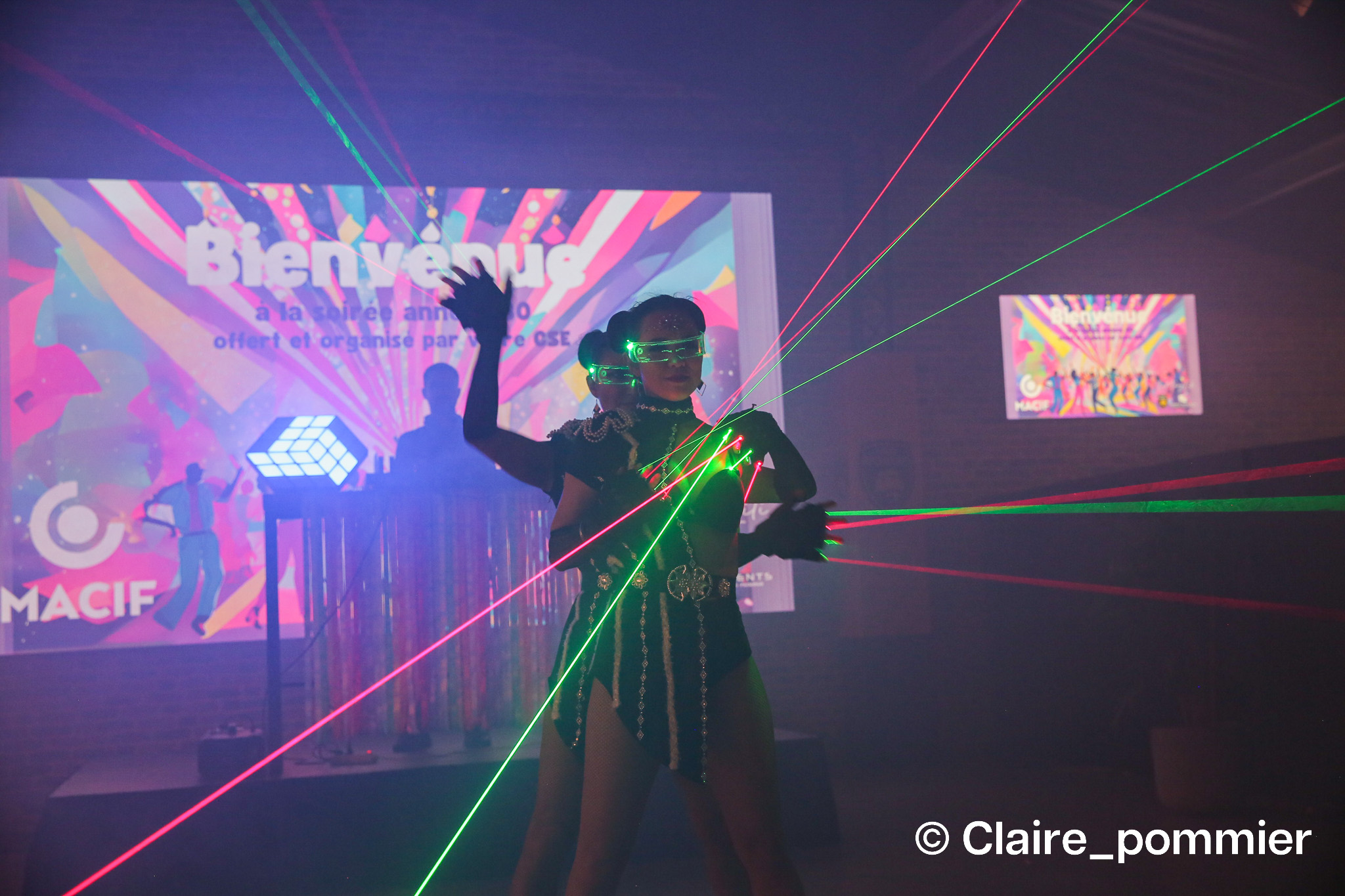
Sound & Lighting Production in Malaga that protects your message and your schedule
INNOV'events delivers Sound & Lighting Production for corporate events in Malaga, from a 30-person leadership meeting to 1,500+ attendee conferences and product launches.
We manage technical design, equipment, crew, rehearsals, show calling, and on-site troubleshooting so your speakers are heard, your brand looks consistent, and your agenda stays on time.
Table of contents
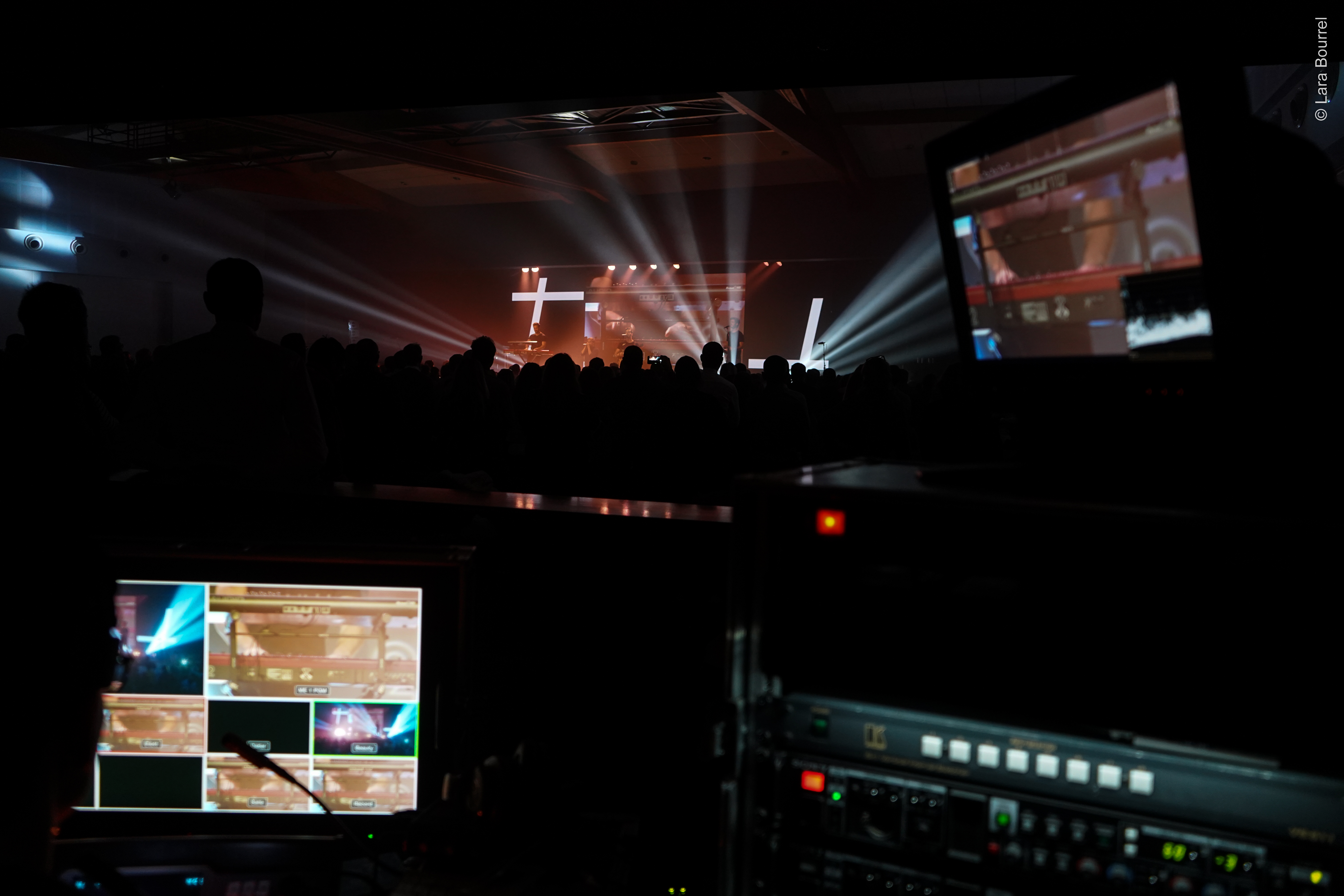
In corporate settings, sound and lighting are not “nice-to-have”: they directly determine comprehension, authority, and pace. A CEO keynote with uneven wireless mics or glare on a screen undermines credibility faster than any slide mistake—and it creates avoidable stress for HR and Comms teams responsible for the outcome.
In Malaga, companies often combine formal content (KPIs, strategy, employer branding) with moments that require a clean energy shift (awards, networking, cocktails). That means fast scene changes, stable RF for multiple presenters, lighting that flatters on camera, and an operator team that can keep transitions tight without rushing speakers.
Our local production approach is built on preparation: venue checks, detailed patch lists, timecoded cues when needed, and a clear run-of-show shared with your internal stakeholders. You get one accountable production lead on-site, supported by a proven technician pool used to corporate constraints and brand standards.
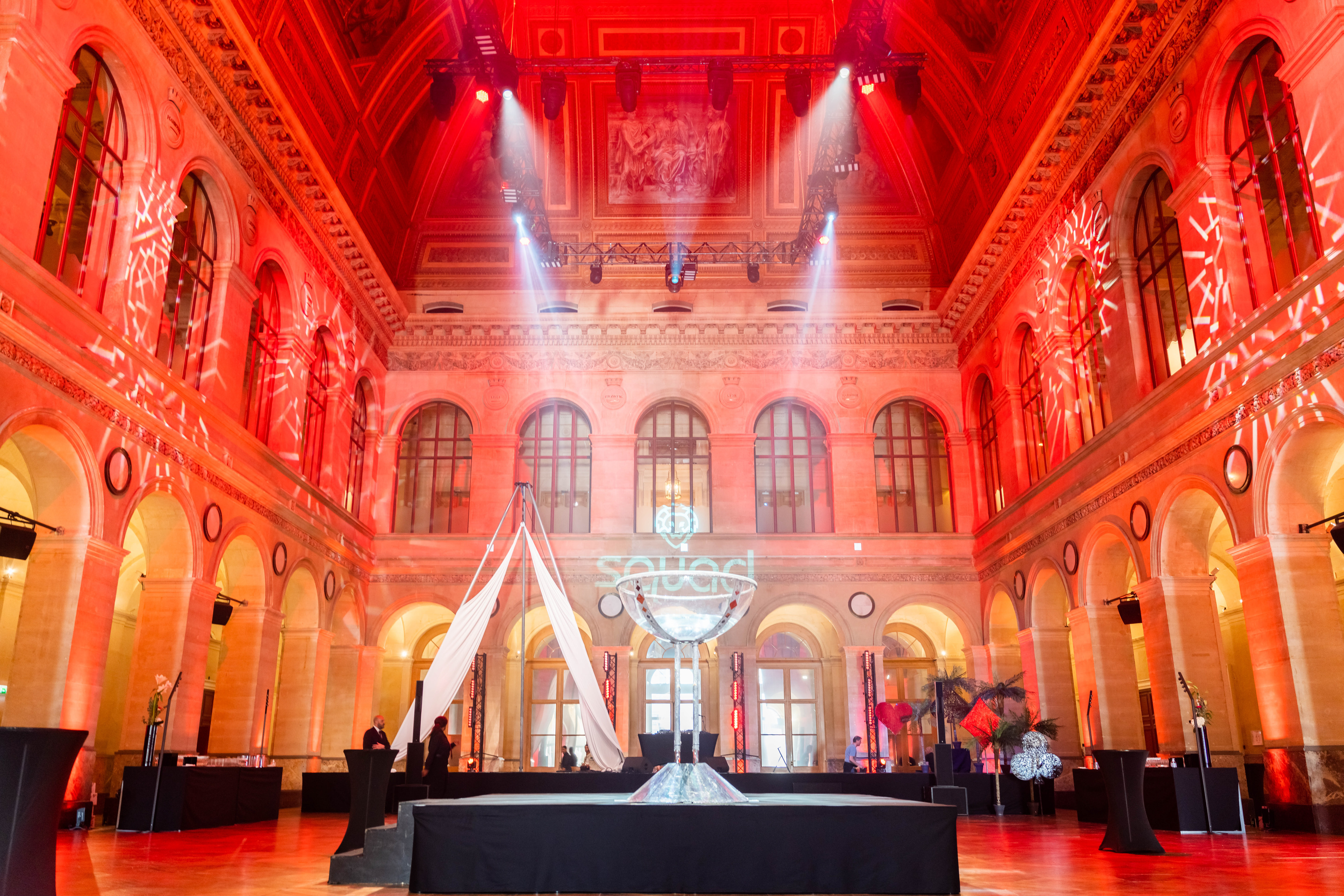
Operational benchmarks we commit to in Malaga
10+ years delivering corporate production across Spain, with repeat programs in Andalusia and the Costa del Sol.
50–200 events/year supported through our national network (meetings, roadshows, conferences, product launches).
24–72 hours typical turnaround for first technical proposal and budget after a clear brief (venue, format, agenda).
1 production lead accountable from design to show day; you avoid fragmented suppliers and inconsistent instructions.
0-surprise approach: written run-of-show, equipment list, crew roles, and risk notes shared before arrival on site.
How to organize a professional event in Malaga?
- Define the objective (cohesion, announcement, fidelity, performance).
- Set date, format and size (20–1 000 people).
- Secure the venue and accommodation according to seasonality.
- Lock down technical, suppliers and logistics.
- Drive the day J (timing, scene, entrance, flow).
Who we support around Malaga (and why they renew)
We regularly work with organizations active in Malaga and across the province: tech and innovation players from Málaga TechPark (PTA), hospitality groups, real-estate stakeholders, and national brands running internal conventions on the Costa del Sol. Many of these clients come back year after year because they need the same thing each time: predictable delivery, clear accountability, and a production team that understands corporate pressure.
Note: you mentioned “use the company names I provided as references,” but no company list was included in your message. If you send the names, we will integrate them here exactly as requested (and only as appropriate, in a professional and verifiable way).
In practice, renewal happens when procurement and communication teams see fewer last-minute changes, fewer technical incidents, and better speaker comfort. That is what we focus on: the basics done with discipline—RF stability, intelligibility, lighting consistency, and an on-site crew that behaves like part of your internal team.
We send you a first proposal within 24h.
What Malaga leadership teams gain from strong production
A corporate event is one of the rare moments when leadership, HR, and communication align in the same room with a single narrative. Sound & Lighting Production is the infrastructure that makes that narrative land: clear voice, controlled attention, and a rhythm that keeps people engaged without forcing “entertainment” where it doesn’t belong.
Executive clarity: high speech intelligibility (proper speaker coverage, tuned EQ, disciplined mic technique) reduces repetition and keeps decision-making moments efficient—especially in Q&A where credibility is tested.
Brand consistency: lighting temperatures matched to your brand visuals, screen brightness balanced, and camera-friendly key lighting help Comms deliver content that looks professional on internal channels and LinkedIn the next day.
HR impact: a well-managed stage and reliable cues protect the emotional arc of recognition moments (awards, promotions, culture stories) without awkward silences, feedback squeals, or “where is the mic?” interruptions.
Time control: show calling, cue sheets, and rehearsals prevent agenda drift. In the real world, if lunch is late or transfers to the airport are missed, the event is remembered for logistics—not content.
Risk reduction: power planning, backup systems (spare handhelds, redundant playback), and contingency plans for outdoor humidity/wind in coastal venues lower operational risk on the day.
Malaga is a city where business events often sit at the intersection of technology, tourism, and international teams. Production quality becomes part of how you’re perceived as an employer and a partner: organized, modern, and respectful of people’s time.
How production expectations in Malaga differ in practice
Local realities matter. In the Malaga area, we frequently see multi-language audiences, venues with strong daylight (sea-facing rooms, terraces), and schedules built around arrivals from Madrid, Barcelona, or international flights. That translates into very concrete production requirements: strong front lighting to fight backlight, microphones that can handle accents and fast-paced speakers, and a crew ready for compressed load-in windows.
Another common expectation is discretion. Many corporate events in the province happen in high-end hotels or branded spaces where guest experience is non-negotiable. The technical team must load in without blocking operations, keep cabling clean, respect noise constraints during setup, and coordinate with venue security and housekeeping. We plan this with timed load-ins, service elevator routes when available, and clear responsibilities per technician.
Outdoor formats are also frequent on the Costa del Sol. For terraces and beach-adjacent venues, we factor in wind noise on microphones, salt air exposure, humidity affecting connectors, and power distribution over long distances. It’s not about bringing “more equipment”; it’s about the right kit and the right protections: windshields, IP-rated distribution where needed, and realistic SPL targets that respect neighbors and local ordinances.
Which entertainment formats work best for corporate events in Malaga
Entertainment becomes effective when it serves a clear role: energize networking, mark transitions, or reinforce a message. In corporate environments, the production challenge is not “adding a show” but integrating it into the agenda without sacrificing speech clarity, safety, or brand tone. We frequently design entertainment around technical feasibility: cue timing, stage footprint, power needs, and how it coexists with presentations.
Interactive animations in Malaga
Live polling with stage prompts: we combine a clean PA mix and precise lighting cues so the audience understands when to participate. Practical note: we align Wi‑Fi/4G realities with your IT team and keep backup QR slides locally to avoid delays.
Executive Q&A with roving mics: for 150–600 attendees, we deploy disciplined handheld distribution and RF coordination to keep questions audible without feedback. This is where a trained A2 (audio assistant) makes a measurable difference.
Brand moment “reveal” cues: for product or strategy reveals, we design a short lighting and audio sequence (10–30 seconds) that is repeatable during rehearsal, ensuring the moment lands the same way in front of staff, partners, or press.
Art animations in Malaga
Compact live music (jazz trio, acoustic set): ideal for cocktails when intelligibility still matters. We control volume with proper stage monitoring and front-of-house mixing so networking remains possible.
Contemporary dance or percussion interludes: effective as a transition between plenary blocks. We plan stage dimensions, safe dance floor surfaces, and lighting contrast so it reads well from the back of the room and on camera.
MC / presenter support: when you need pace control, we integrate a professional host with clear IFB/monitoring and precise walk-on cues—preventing the common “dead air” between segments.
Innovative animations in Malaga
Chef-led tasting moments synchronized with cues: in hotel ballrooms or rooftops, we align service timing with lighting scenes so the room shifts from conference mode to dining mode without chaos.
Local pairing stations: if you include regional products, we ensure ambient sound stays comfortable and that any short announcements cut through cleanly (proper zoning and delay settings).
Gourmand animations in Malaga
Hybrid segments with remote speakers: we set up clean audio routing (mix-minus), latency-aware playback, and contingency plans (local pre-record, backup connection). This avoids the reputational hit of “Can you hear us?” moments.
Lighting design for social content: controlled photo points with flattering key light and brand color accents—useful for HR and Comms without turning the event into a “photo booth” theme.
Silent conference breakouts (headphone-based): in venues with simultaneous sessions or strict noise limits, we deploy multi-channel silent systems. It’s effective, but only if you plan hygiene logistics, spare batteries, and clear channel signage.
Whatever the format, we align entertainment with your image: a listed company’s investor-style tone is not the same as a high-growth tech employer brand event. In Malaga, where many audiences include partners and international hires, we also verify cultural fit and language flow so the room feels coordinated—not “patched together.”
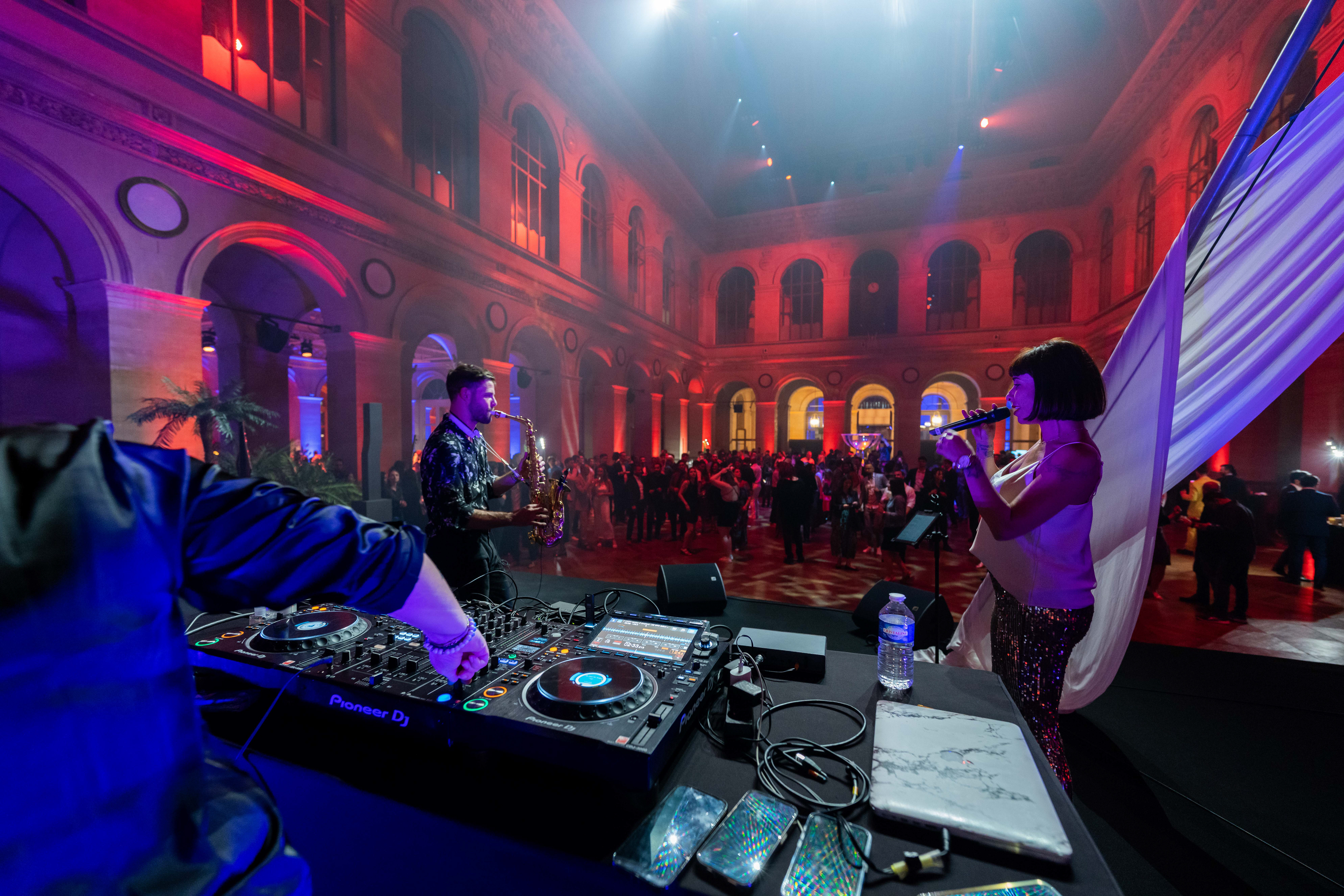
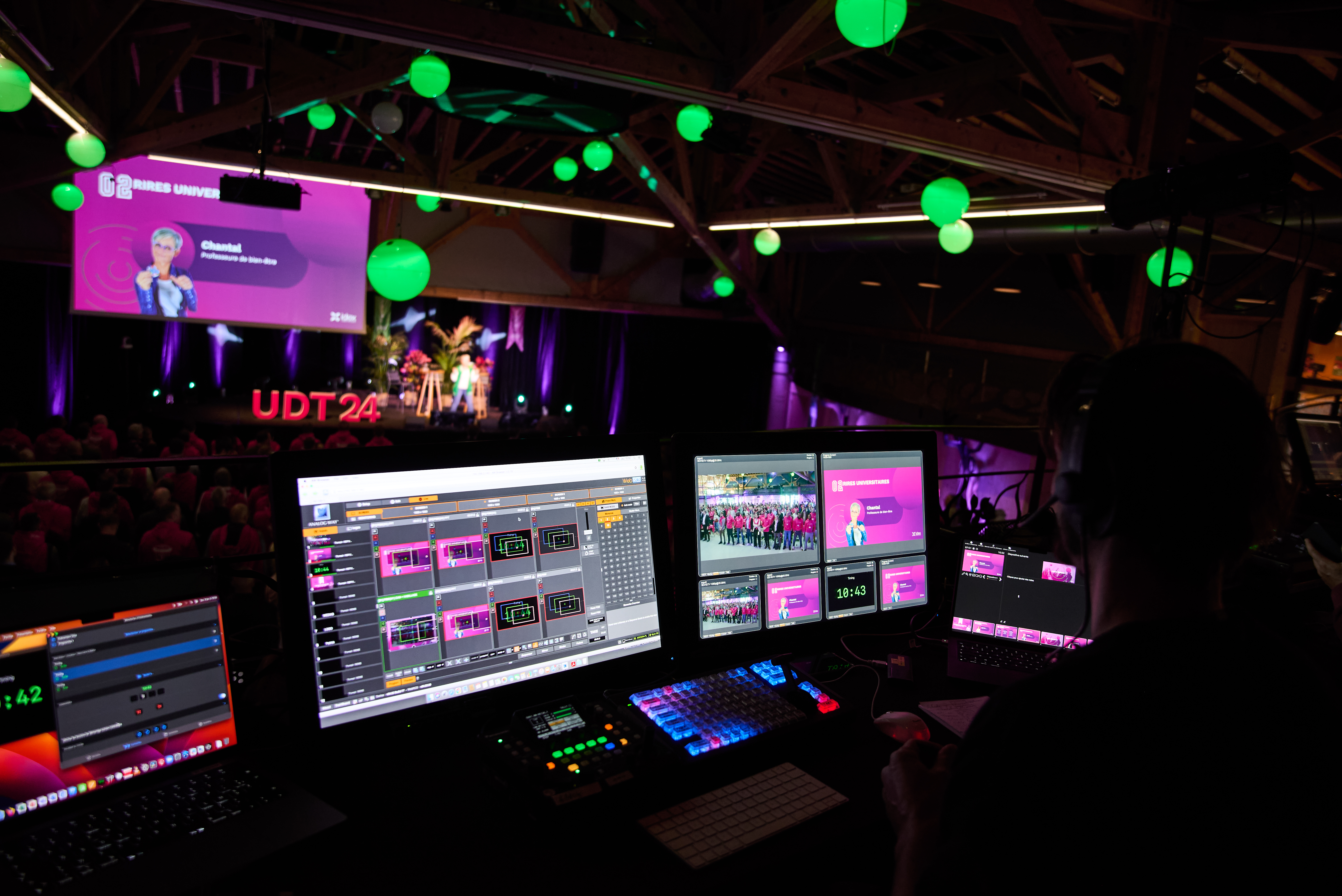
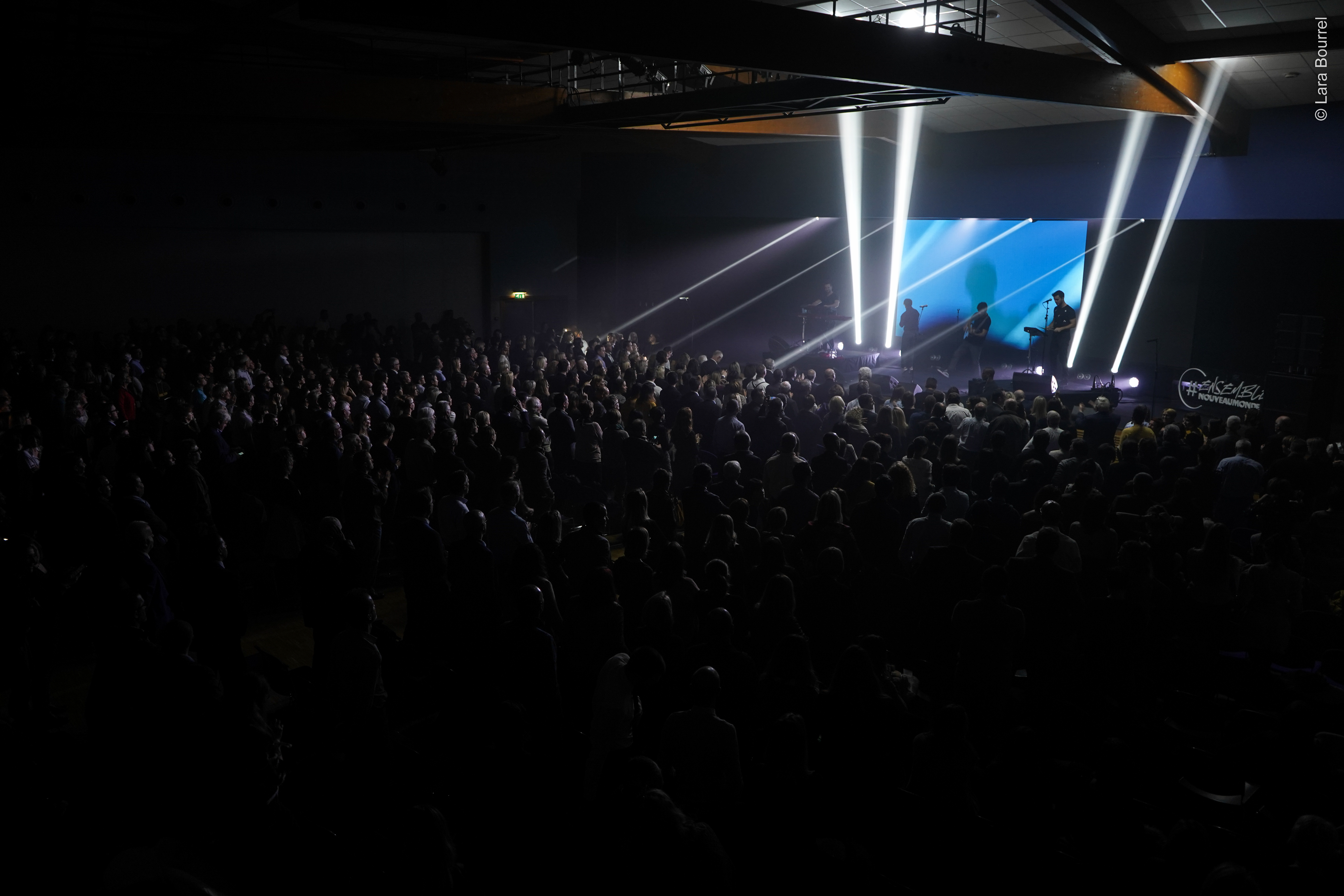
How to choose a Malaga venue that supports sound and lighting
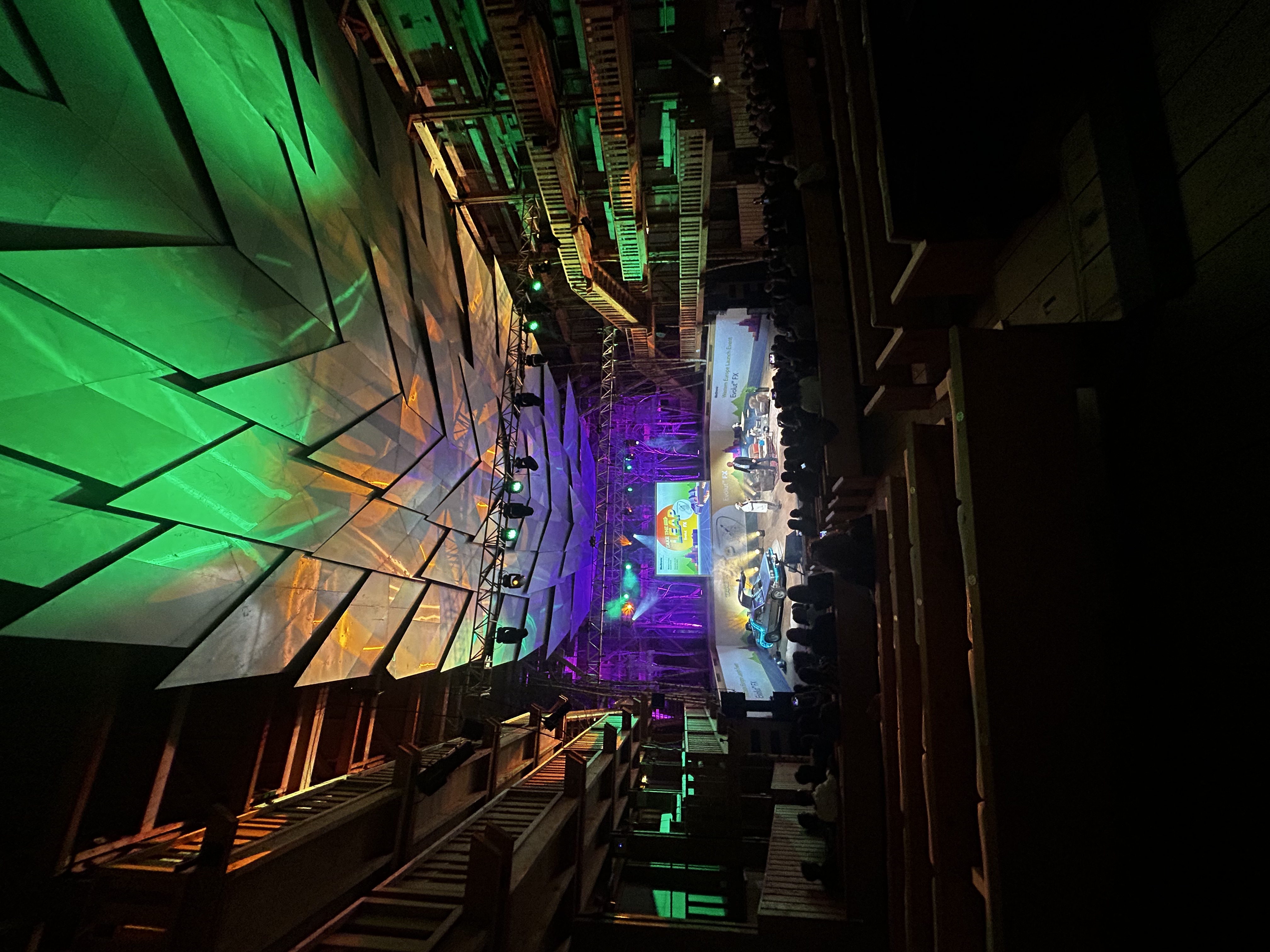
The venue dictates production quality more than most stakeholders expect. Ceiling height, rigging options, daylight control, and acoustic treatment determine whether we can deliver even coverage and consistent visuals—or whether we’ll spend the day compensating for room limitations. Before you sign a venue contract in Malaga, we recommend validating at least: load-in routes, power availability, rigging permissions, noise restrictions, and the time window for setup and rehearsal.
| Venue type | For which objective? | Main strengths | Possible constraints |
|---|---|---|---|
| Hotel ballroom / conference hotel | Annual convention, sales kick-off, town hall (150–800) | Built-in logistics, predictable service, often existing truss points and blackout options; easier crew coordination | Strict load-in schedules, limitations on rigging and cabling aesthetics; union/house AV policies may apply |
| Modern auditorium / cultural venue | Keynote-heavy conference, panel discussions, awards ceremony | Strong acoustics, seated sightlines, fixed FOH position; lighting grids sometimes available | Fixed stage dimensions, restricted rehearsal times; additional permits for branding/signage can be needed |
| Industrial / converted space | Product launch, innovation day, brand activation | High ceilings and creative freedom; good for impactful lighting looks and staging | Power distribution and acoustics can be challenging; may require extra rigging engineering and stricter safety planning |
We insist on a site visit (or a technical walkthrough with updated plans) before locking the final design. A 45-minute check often prevents expensive last-minute changes—like discovering the only viable FOH position blocks a fire exit or the ceiling height won’t support your intended truss.
What Sound & Lighting Production costs in Malaga (and why)
Pricing is driven by scope and constraints, not by a generic “package.” For Sound & Lighting Production in Malaga, the budget depends on audience size, venue complexity, content requirements (screens/streaming), and how much rehearsal time you need to protect the agenda.
Audience size & room geometry: 80 people in a low-ceiling room is not the same as 400 in a wide ballroom. Coverage design changes the speaker system, delays, and tuning time.
Microphone count & RF environment: 2 handhelds vs. 10 wireless channels (host, panelists, Q&A rovers, backup) changes coordination, spares, and operator workload.
Lighting objectives: basic front wash for visibility vs. a layered look (key light + back light + branding accents + gobos) impacts fixtures, rigging, and programming time.
Schedule & access: same-day load-in with a hard start time typically increases crew size and risk buffers. Overnight access or a full day of pre-rig reduces stress and improves results.
Content complexity: multiple video formats, remote contributors, walk-in music cues, or timecoded sequences require more show control and rehearsal.
Safety & compliance: truss, motors, structural calculations where required, cable ramps, and emergency route management are not “extras”—they are part of responsible delivery.
Typical ranges (corporate-only reference): a well-run internal meeting can start around €1,500–€3,500; a conference with staged lighting and multiple mics often lands around €4,000–€12,000; larger productions with complex staging/streaming can exceed €15,000–€40,000+, depending on design and days.
We frame production spending as risk management and message performance. If your event contains strategic communication, leadership visibility, or employer branding, investing in intelligibility, camera-ready lighting, and rehearsals typically delivers a higher return than adding more content or compressing the timeline.
Why working with a Malaga production partner reduces risk
Local presence is not about “being nearby”—it’s about operational control. In Malaga, venue rules, access constraints, and supplier ecosystems vary widely between city hotels, coastal resorts, and cultural venues. A team used to local realities anticipates what will slow you down: service elevator booking, noise limits during setup, last-minute room flips, or restrictions on rigging and smoke effects.
As INNOV'events, we integrate production into the broader event plan: agenda timing, speaker management, signage and brand visibility, and the flow between plenary and networking. If you need a full-service partner, you can also coordinate the whole event through our event agency in Malaga page—useful when internal resources are limited and accountability needs to be consolidated.
- Faster decisions on-site: one production lead empowered to adapt without endless calls, while still protecting your brand rules.
- Reliable local crew: technicians who know the venue standards and work safely and discreetly in corporate environments.
- Better contingency planning: local backup options for key equipment and the ability to react to weather for outdoor formats.
- Efficient stakeholder coordination: smoother alignment with hotel operations, security, and venue technical managers.
We frame production spending as risk management and message performance. If your event contains strategic communication, leadership visibility, or employer branding, investing in intelligibility, camera-ready lighting, and rehearsals typically delivers a higher return than adding more content or compressing the timeline.













What we deliver across Malaga event formats
Our projects in Malaga typically span leadership meetings, internal conventions, product presentations, awards dinners, and hybrid town halls. The common denominator is the need for consistency: the show must run to time, speakers must feel supported, and brand visuals must look controlled in the room and on recordings.
We are used to real corporate scenarios: a last-minute agenda swap because a VP’s flight lands late; a panelist who insists on walking the room; a video arriving in the wrong codec one hour before doors; or a venue requesting a quieter load-in because another client is in session. Our production planning is built around these realities—backup playback, clear comms, disciplined cueing, and a team that stays calm under pressure.
We also adapt to different governance models. Some clients want strict procurement transparency with itemized quotes and technical justifications; others want a simplified scope with a single accountable budget line. In both cases, we document what matters: what is included, what assumptions are made (access hours, rehearsal time), and what options exist if the brief changes.
Common Sound & Lighting Production mistakes we prevent in Malaga
Underestimating rehearsal needs: skipping a 30–60 minute speaker run-through often creates the most visible failures (wrong mic handover, incorrect walk-on cues, video audio not routed).
Choosing equipment without a room plan: “two speakers and a mixer” is not a design. We map coverage and delay so the back of the room hears as clearly as the front.
RF chaos: too many wireless systems with no frequency coordination leads to dropouts—especially in dense environments. We plan channels, spares, and mic discipline.
Lighting that ignores cameras: what looks bright to the eye can look flat or flickery on video. We plan key light angles, color temperature, and fixture choice to avoid poor recordings.
Hidden venue constraints: rigging bans, limited power, strict load-in hours, or FOH position restrictions discovered late inflate costs and risk. We verify early.
Unclear roles on show day: when “everyone is in charge,” no one is. We define show caller, A1, A2, lighting operator, stage manager interface, and escalation paths.
Our role is to eliminate preventable risks before they reach the stage. That means asking the uncomfortable questions early—power, access, rehearsal windows, contingency content—and putting answers in writing so your internal teams can focus on stakeholders rather than troubleshooting.
Why Malaga clients renew with INNOV'events
Repeat business in production is earned through predictability. Corporate teams do not come back because the lighting was “cool”; they come back because the event ran on time, executives felt safe on stage, and there were no awkward technical moments that damaged credibility.
Most recurring clients keep the same technical baseline year to year (mic count, FOH structure, cueing approach) and improve selectively, which reduces cost volatility.
Typical planning lead time: 3–8 weeks for standard corporate events; 10–16 weeks for conferences with complex staging or multi-room breakouts.
Show-day staffing principle: we scale crew to protect transitions—because most failures happen during changeovers, not during steady-state speeches.

Loyalty is a result: when your internal stakeholders see fewer last-minute emails, fewer compromises, and a calmer show day, continuing with the same partner becomes the safest decision.
Our Malaga production process from brief to show calling
👉 Step 1 — Align the brief with your business agenda in Malaga
We start with a structured call with HR/Comms and the event owner: objectives, audience profile, languages, venue shortlist, and success criteria. We confirm non-negotiables (start time, keynote quality, recording needs) and identify risk factors typical in Malaga venues (daylight, access windows, outdoor contingency).
👉 Step 2 — Build the technical design and transparent budget
We produce a clear proposal: system design summary, equipment list (audio, lighting, control), crew plan, schedule assumptions, and options (good/better/best) where relevant. You can forward it internally to procurement without rewriting, because it explains “why” each line exists.
👉 Step 3 — Venue walkthrough and production plan lock
We validate FOH placement, cable routes, power distribution, rigging permissions, and safety constraints. We then lock a production schedule: load-in, pre-rig if needed, soundcheck windows, rehearsal, doors, show, and strike—coordinated with the venue’s operations team.
👉 Step 4 — Run-of-show, cue sheets, and stakeholder readiness
We create the operational documents that keep the day calm: run-of-show with timings, cue sheets for lighting/audio/video, microphone plan by segment, and a speaker briefing (what to do with lavaliers, where to stand, how Q&A works). This is where Comms teams feel the difference: fewer improvisations, fewer surprises.
👉 Step 5 — On-site execution and show calling in Malaga
We manage line check, soundcheck, and a realistic rehearsal. During the show, the production lead calls cues and handles escalations. We keep microphones clean, levels consistent, and transitions tight, while respecting the tone of the room (no “concert mixing” in a corporate conference).
👉 Step 6 — Strike, wrap-up, and next-event improvements
After strike, we share a brief debrief: what worked, what to adjust, and recommendations for future editions (e.g., adding a dedicated Q&A mic runner, improving presenter confidence monitoring, adjusting lighting for better recordings).
FAQ sobre la organización Sound & Lighting Production en Malaga
How much does Sound & Lighting Production cost in Malaga?
For corporate events in Malaga, typical ranges are €1,500–€3,500 for a small meeting, €4,000–€12,000 for a conference setup with multiple mics and programmed lighting, and €15,000–€40,000+ for larger or multi-day productions (staging, multi-room, recording/streaming). Final cost depends on access hours, mic count, lighting goals, and rehearsal time.
How early should we book technicians in Malaga?
Ideally 3–8 weeks ahead for standard corporate formats. For peak months, multi-room conferences, or venues with tight access, plan 10–16 weeks. If you are inside 7–10 days, we can still help, but equipment and senior crew availability becomes the main constraint.
What microphone setup is safest for Malaga conferences?
For keynotes: 1 lavalier + 1 handheld backup ready on stage. For panels: 1 handheld per 1–2 panelists (or headsets for very dynamic speakers). For Q&A: 2 roving handhelds with an A2 distributing. We also plan frequency coordination and spare batteries to avoid dropouts.
Can you handle outdoor events around Malaga safely?
Yes, with conditions validated during a site check: wind exposure, humidity/salt air, power distance, and local noise limits. We use appropriate wind protection, cable management, and realistic SPL targets, and we always propose a weather contingency (covered stage, alternate space, or adjusted technical scope).
Do you provide lighting that looks good on video in Malaga?
Yes. We design for both the room and the camera: controlled color temperature (typically 3,200–5,600K depending on the environment), flicker-safe fixtures, and proper key/fill ratios so faces look natural. If you record or stream, we also coordinate audio routing and monitoring to avoid “room echo” in the feed.
Request a Malaga production quote with a clear technical plan
If you are planning a corporate event in Malaga and need production you can defend internally—technical rationale, realistic schedule, and a team that will protect your speakers—send us your date, venue (or shortlist), expected attendance, and a draft agenda.
We will respond with a first proposal within 24–72 hours, including options if you need to balance brand ambition and budget. The earlier we align on access hours and rehearsal time, the smoother your show day will be.
INNOV'events Malaga Agency
Cyril Azevedo is the manager of the INNOV'events Malaga office. Reach out directly by email at cyril@innov-events.es or via the contact form.
Contact the Malaga agencyAll our services & entertainment Malaga
Discover our event services
Discover our event entertainment available in the España
- Event Hostess Malaga
- Escape Game Malaga
- MasterChef Cooking Workshop Malaga
- Magician Malaga
- Marquee Rental Malaga
- Color Analysis Workshop Malaga
- Inflatable Games Malaga
- Valet Parking Service Malaga
- Football Simulator Malaga
- LED Furniture Rental Malaga
- Light Branding Malaga
- Unique Dining Experience Malaga
- Light Painting Malaga
- Murder Mystery Party Malaga
- Prize Contest Malaga
- Promotional Displays (POS) Malaga
- Virtual Reality Malaga
- Molecular Gastronomy Workshop Malaga
- Halloween Entertainment Malaga
- Fireworks Show Malaga
- Giant Games Challenge Malaga
- Event Host / MC Malaga
- Photo Booth Animation Malaga
- Santa Claus Entertainment Malaga
- Kids Entertainment Malaga
- Guided Tour Malaga
- Urban Rally Malaga
- Ball Pit Malaga
- Flight Simulator Malaga
- Food Truck Rental Malaga
- World Record Challenge Malaga
- Surf Simulator Malaga
- Wine Casino Malaga
- Makeover Workshop Malaga
- Perfume Creation Workshop Malaga
- Acting Workshop Malaga
- CSR Activities Malaga
- Archery Malaga
- Security Staff Malaga
- Wine Tasting Malaga
- Mime Performer Malaga
- TV Game Show Malaga
- Funfair Malaga
- Crisis Management Workshop Malaga
- Crisis Negotiation Workshop Malaga
- Arcade Games Malaga
- Indoor Skydiving Simulator Malaga
- Ski Simulator Malaga
- Racing Circuit Experience Malaga
- Introductory Flight Experience Malaga
- Tasting Experience Malaga
- Build Your Own Foosball Workshop Malaga
- 2CV Rally Malaga
- LEGO Challenge Malaga
- Casino Night Malaga
- Interpreter / Translator Malaga
- Promotional Giveaways Malaga
- Shuttle Transport Malaga