
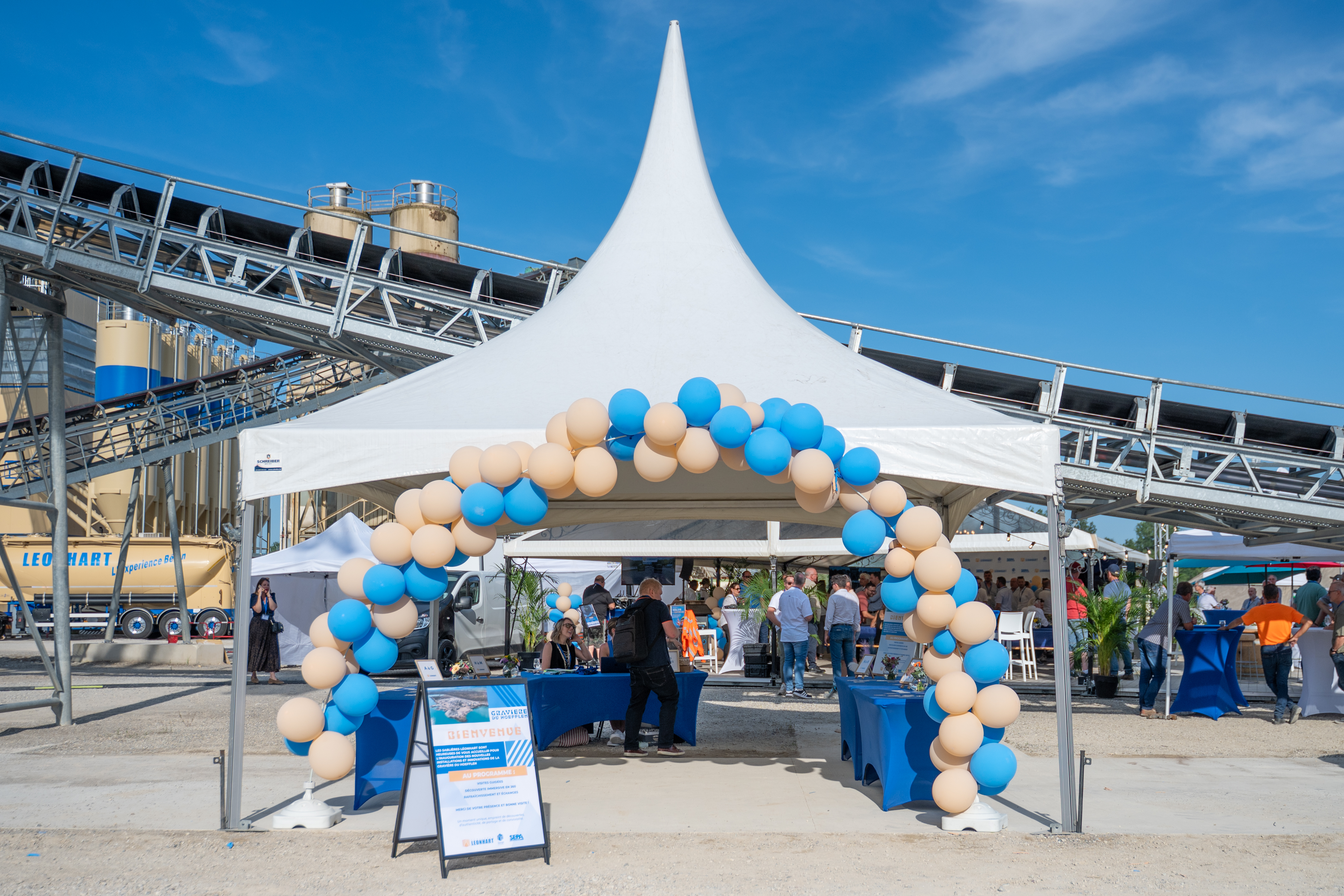
Open House Event in Malaga that protects your brand and converts visitors
INNOV'events plans and delivers Open House Event formats in Malaga for 50 to 800+ attendees, with a focus on visitor flow, brand narrative, and operational control. We manage venue, permits, staffing, AV, signage, catering, and run-of-show so your executives can host—without firefighting. Expect a structured project plan, clear roles, and measurable outcomes (leads, visits completed, satisfaction, media assets).
Table of contents
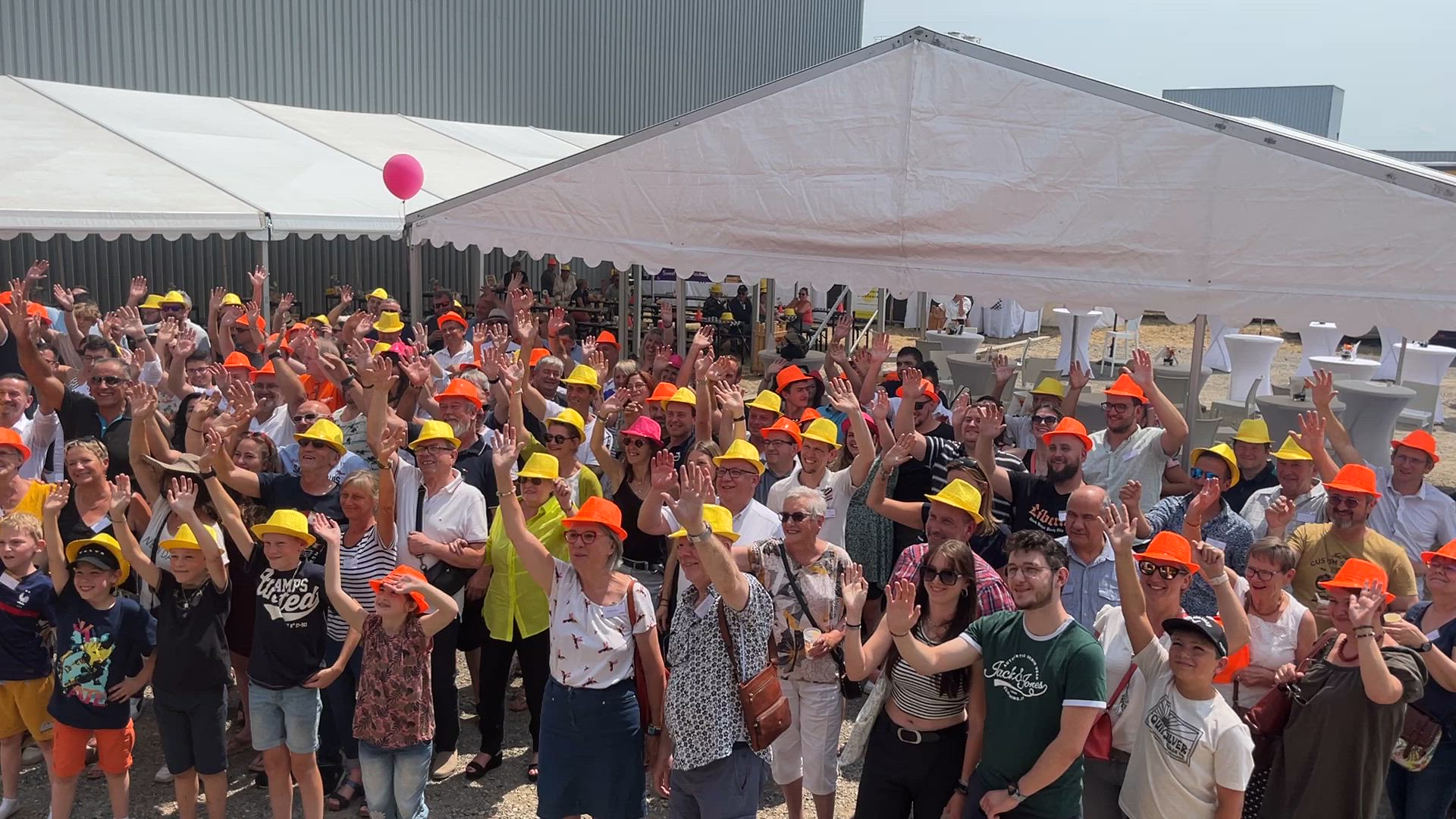
In a corporate Open House Event, “entertainment” is not decoration: it is a tool to hold attention, pace visits, and make technical content digestible for mixed audiences (clients, candidates, partners, institutions). When designed properly, it reduces bottlenecks, improves conversation quality, and increases the number of meaningful interactions per hour.
Organizations in Malaga typically expect an open house to be efficient: precise timing, discreet hospitality, bilingual hosting when needed, and a setting that reflects seriousness—especially when inviting strategic accounts or public stakeholders. The goal is rarely “a party”; it is credibility, relationship-building, and controlled access to sensitive areas.
INNOV'events operates with local teams and vetted suppliers across the province. We plan with the same rigor as a board-level meeting: risk mapping, contingency plans, technical rehearsals, and a single point of accountability on event day—so your internal teams are not overexposed.
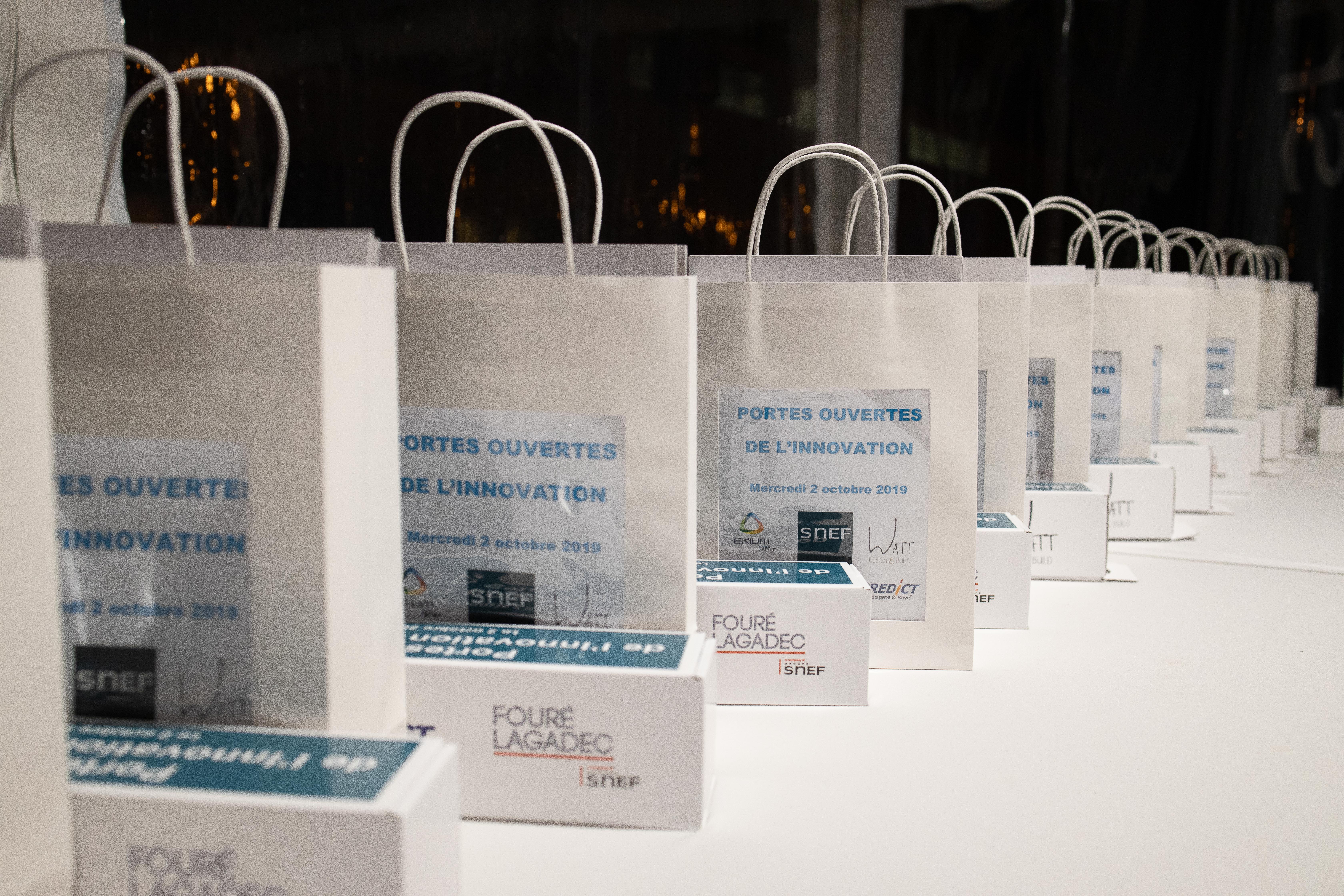
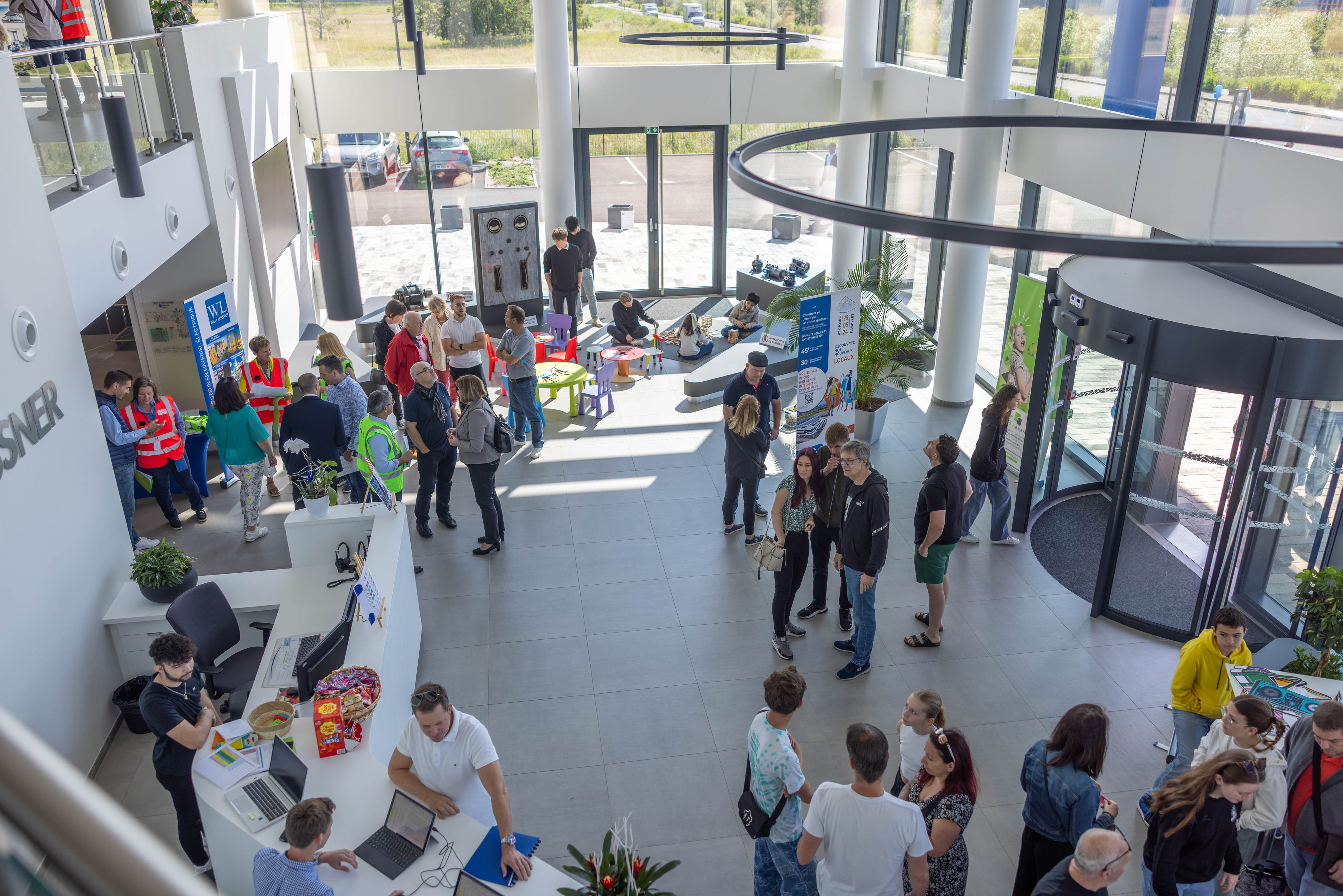
Proven delivery capacity in Malaga and beyond
12+ years supporting corporate events in Spain, with repeat programs for multi-site organizations.
200+ corporate events/year coordinated through our national network (HR, communication, sales and executive office formats).
48–72h typical turnaround for a first structured proposal (scope, options, budget ranges, risks, timeline).
One accountable producer per project, backed by a dedicated operations bench (staffing, AV, catering, logistics).
How to organize a professional event in Malaga?
- Define the objective (cohesion, announcement, fidelity, performance).
- Set date, format and size (20–1 000 people).
- Secure the venue and accommodation according to seasonality.
- Lock down technical, suppliers and logistics.
- Drive the day J (timing, scene, entrance, flow).
Local continuity with Malaga-based stakeholders
In Malaga, open house events tend to be relationship-driven: the same partners, media contacts, and institutional stakeholders often reappear year after year. We are used to working with companies that run recurring cycles (customer days, innovation tours, recruitment open days) and want consistent standards rather than reinventing the wheel each time.
To keep this page accurate and compliant, please share the reference company names you want displayed. Once received, we will integrate them as local proof points (e.g., “annual open house for X”, “site tour program for Y”), always with the right level of discretion and without disclosing sensitive operational details.
What we can state today: we regularly coordinate with Malaga venues, AV crews, caterers, and staffing teams that understand executive hosting constraints—tight schedules, VIP arrivals, media moments, and the need for discreet security and access control.
We send you a first proposal within 24h.
Why run an Open House Event in Malaga for executives?
A well-designed Open House Event in Malaga is a management tool: it shortens sales cycles, strengthens employer brand, and reassures partners by showing operational reality. The strategy is to turn a “visit” into a guided story with controlled touchpoints, so every guest leaves with the same key messages—and the right next step.
Accelerate trust with strategic accounts: when prospects see your teams, processes, and quality controls, it reduces perceived risk and speeds procurement alignment. We structure visits so commercial conversations happen in the right spaces (quiet zones, demo corners) rather than in corridors.
Support HR recruitment with proof, not slogans: candidates remember how they were received, how managers spoke, and whether the tour was organized. We plan host scripts, timeboxes, and Q&A moments so your experts aren’t ambushed and your HR message stays consistent.
Unify internal messaging: open houses often mix departments that rarely work together (operations, sales, comms, HSE). We align a single narrative and a clear run-of-show so leadership is not contradicting itself in front of visitors.
Create usable communication assets: rather than random photos, we schedule capture windows (CEO welcome, demo peaks, testimonials) and define deliverables (short recap video, photo set for LinkedIn, media kit). This protects brand image and avoids last-minute “can someone film this?” chaos.
Operational discipline and risk reduction: crowd flow, access restrictions, and food service are the main sources of incidents. We design circulation, signage, and staffing ratios to keep the event safe and smooth while maintaining a premium feel.
Malaga rewards companies that are visible and credible—especially in sectors where reputation travels fast through clusters and professional networks. A disciplined open house helps you show seriousness without overexposure, and it positions your leadership as accessible but in control.
What Malaga companies expect from an Open House Event partner
Across Malaga, we repeatedly see the same executive expectations: clarity on responsibilities, predictable budgets, and a supplier who anticipates local friction points (parking constraints, noise restrictions, tourist season traffic, last-minute VIP additions). A director does not want “creative ideas” if the guest list is stuck at the entrance or the CEO microphone fails.
In practice, open houses here often include mixed profiles: local clients, international visitors, public stakeholders, potential recruits, and internal teams. That means you need bilingual hosting (often Spanish/English), signage that works for non-technical audiences, and a visit rhythm that respects attention spans. We commonly propose 3 to 6 tour waves with fixed departure times, each with a trained guide and a defined “stop list” to avoid improvisation.
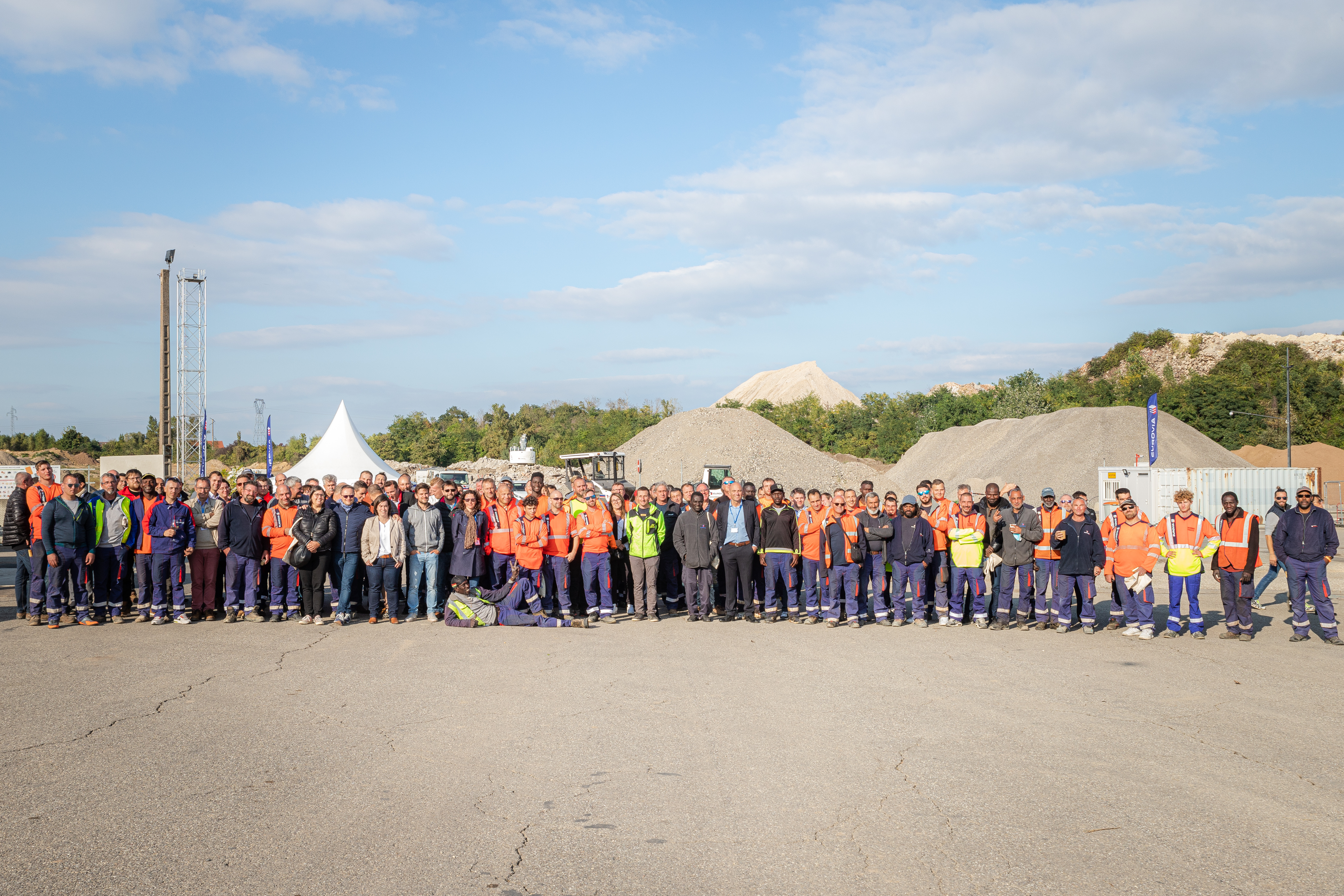
Another local reality: many sites in the province are operating environments (warehouses, labs, tech floors, production areas). That introduces HSE requirements—PPE management, restricted zones, and clear briefings. We build this into the guest journey: check-in + safety message + badge color-coding + escorts. It is not glamorous, but it is what protects your license to operate and your brand.
Which entertainment works for an Open House Event in Malaga?
For an Open House Event in Malaga, entertainment should serve one of three purposes: (1) help visitors understand your offer faster, (2) create structured interaction with your teams, or (3) manage waiting time without degrading brand perception. We avoid “noise” that blocks conversation. Instead, we deploy formats that support your narrative and keep circulation fluid.
Interactive animations in Malaga
Guided demo stations with timeboxing: 6–8 minute “chapters” repeated across the day. Each station has a host script, a reset routine, and a clear exit line (“If you want more, book a 20-minute slot at the lounge”).
Executive Q&A with moderated questions: visitors submit questions via QR; a moderator selects and sequences them. This prevents uncomfortable surprises while still feeling open.
Recruitment corner with realistic job previews: short interviews with managers, role-specific case snippets, and a clear “apply now” path. It works better than generic HR brochures.
Art animations in Malaga
Acoustic live sets at controlled volume: used as a transition tool (arrival, networking) without competing with speech. We specify decibel limits and positioning to protect conversation zones.
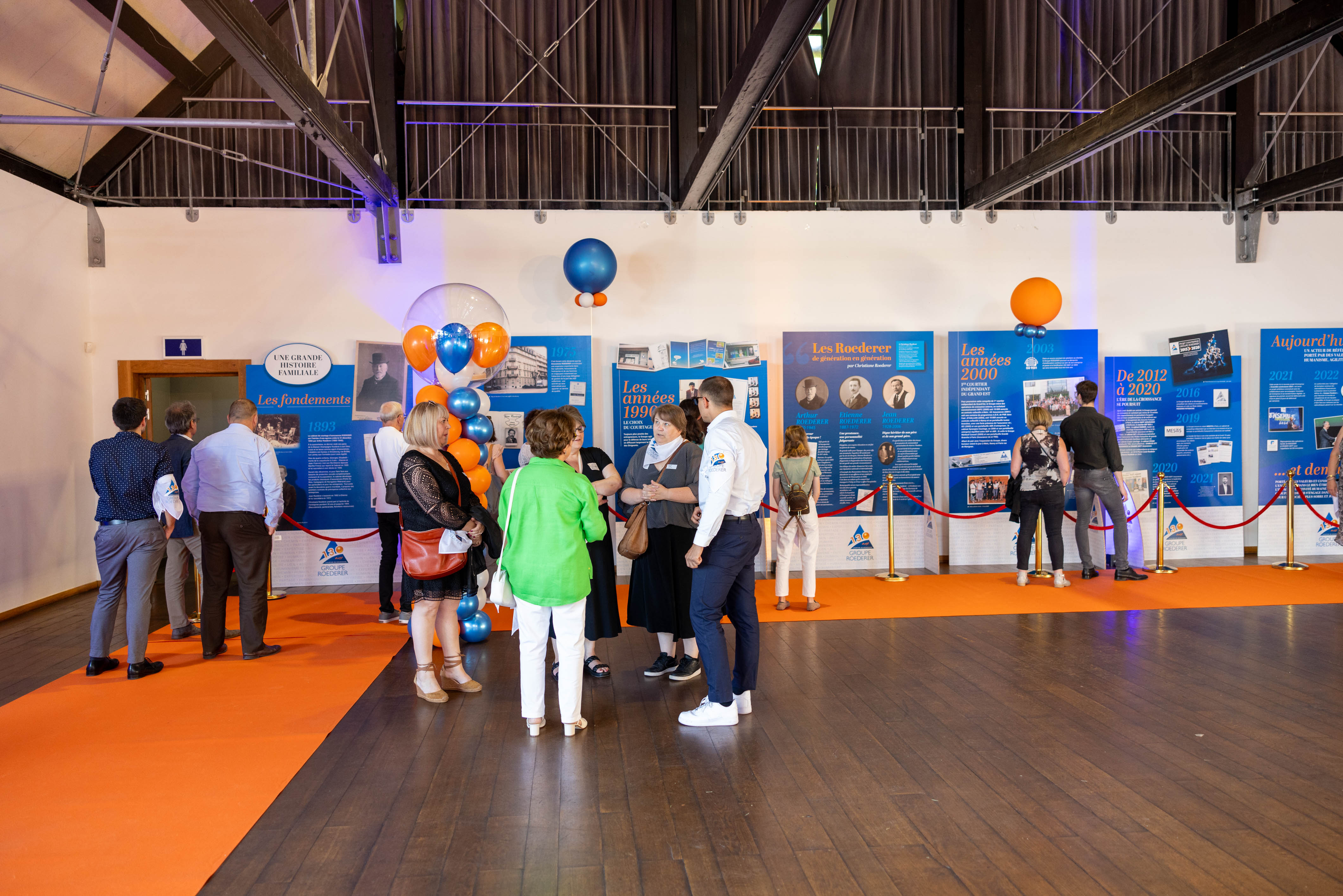
Visual performance linked to your brand codes: for example, live illustration of your process map or values wall during the event, producing a deliverable you can reuse internally.
Innovative animations in Malaga
Local tasting formats with speed of service: “one-hand” portions and defined service points to avoid lines. In Malaga, highlighting local producers can be a credibility move—if logistics and allergens are managed.
Pairing corners (coffee, olive oil, chocolate): short guided tastings scheduled between tour waves to keep guests on rhythm and reduce congestion.
Gourmand animations in Malaga
AR/VR layer for restricted areas: when parts of a facility cannot be visited, we use immersive content to show them without compromising safety or confidentiality.
Data-driven badge interactions: optional NFC/QR touchpoints that let guests “save” the stations they visited and receive a tailored follow-up email (content + next-step booking link).
Micro-content studio: a quiet corner where leadership records short messages or where clients give 30-second testimonials—planned, consented, and usable for communication teams.
Whatever the format, we validate alignment with brand image: tone, volume, visual codes, staff behavior, and the level of formality expected. In an executive-facing Open House Event, “fun” is acceptable only when it supports credibility and does not compromise conversation quality.
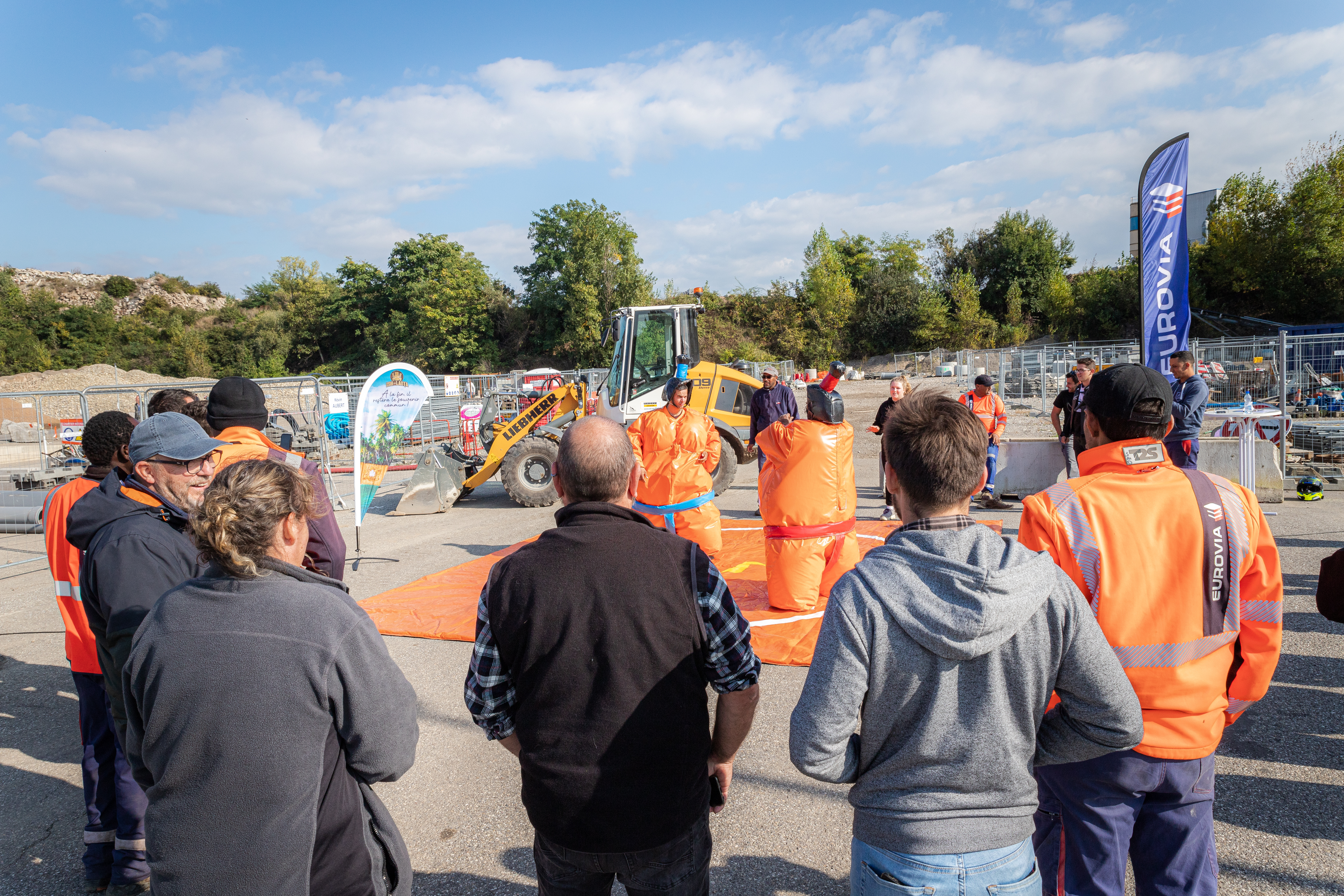
How to choose a venue in Malaga for an Open House Event
The venue is not a backdrop; it shapes how your organization is perceived. In Malaga, the right setting depends on whether you are showcasing a real site (factory, office, lab) or hosting externally for comfort, access, and brand control. We help you match venue constraints to your guest journey: arrivals, check-in, tour departures, confidentiality, and the quality of networking moments.
| Venue type | For which objective? | Main strengths | Possible constraints |
|---|---|---|---|
On-site (your HQ / facility) in Malaga | Prove operational reality; reassure clients; support recruitment. | High credibility, authentic teams, real processes; easier to align story with reality. | HSE constraints, access control, parking, confidentiality, noise; needs strict visitor flow. |
Conference venue / hotel meeting space (city center) | Host executive briefings, partner days, or mixed audiences with comfort. | Reliable AV, controlled climate, professional staffing, easy accessibility. | Less “proof”; requires stronger staging and content to avoid feeling generic. |
Industrial-chic event space in the province | Brand positioning and networking-focused open house. | Strong visual identity, flexible layouts, good for demos and lounges. | Load-in limits, sound constraints, vendor restrictions; may require extra production. |
We insist on site visits (or at least a technical walkthrough) before freezing the plan: power, rigging points, loading access, acoustics, evacuation routes, and where lines will form. A Malaga venue can look perfect on photos and still fail operationally—our job is to validate it early.
What budget to plan for an Open House Event in department 29
Budget for a Open House Event is driven by operational complexity more than by aesthetics. Two events with the same headcount can have very different costs depending on venue constraints, staffing ratios, technical needs, and the level of content production expected by your communication team.
Attendee volume and waves: 50–150 guests may be handled with 1–2 waves; 300–800+ often requires 4–6 waves, more guides, and stronger wayfinding.
Venue type: on-site events can save rental costs but increase security, signage, and HSE management. External venues add rental and sometimes mandatory in-house AV/catering.
Staffing and protocols: hosts, security, registration, guides, runners, backstage manager. For executive-facing events, we typically plan tighter ratios at check-in to avoid queues.
AV and production: PA, microphones, screens, lighting, interpretation if needed, recording. Reliability requires redundancy (backup mics, spare playback) which is a real line item.
Catering strategy: coffee reception vs. cocktail vs. seated lunch. Speed of service and dietary management affect staff count and kitchen requirements.
Branding and signage: directional signage, stage backdrop, badges, printed or digital programs. These are small items that become urgent if forgotten.
Content and assets: photographer, videographer, editing, consent management, post-event delivery deadlines.
Risk and compliance: permits, insurance, medical support depending on site, and any additional safety measures.
From an ROI perspective, we encourage clients to define 3–5 measurable indicators upfront: number of qualified leads captured, meetings booked, CVs submitted, satisfaction score, and content outputs delivered. A controlled open house is an investment when it produces follow-up actions—not just attendance.
Why hire an event agency in Malaga for an Open House Event
For open houses, local execution is not a “nice to have”; it directly impacts risk and efficiency. A team established in Malaga can pre-empt issues that remote planning often misses: real travel times at peak hours, venue loading rules, supplier reliability on the day, and the practicalities of last-minute changes.
As an event agency in Malaga, INNOV'events works with local crews and maintains an operational routine: technical walk-throughs, checklists, vendor confirmations, and on-site coordination. This reduces dependency on your internal staff for troubleshooting.
- Faster on-site validation: we can run physical checks (sound tests, lighting, signage placement) and avoid “surprises” on the morning of the event.
- Supplier network with performance history: not just a list of contacts—teams we have already delivered with, under time pressure.
- Local staffing consistency: trained hosts who understand corporate tone, confidentiality, and the discipline of check-in and guest flow.
- Better contingency handling: rapid replacement capacity (extra equipment, additional staff, alternative transport) when something changes.
From an ROI perspective, we encourage clients to define 3–5 measurable indicators upfront: number of qualified leads captured, meetings booked, CVs submitted, satisfaction score, and content outputs delivered. A controlled open house is an investment when it produces follow-up actions—not just attendance.










Examples of Open House Event delivery in Malaga contexts
Our open house work typically falls into a few recurring scenarios—each with its own operational pitfalls. For executive teams, what matters is whether the agency anticipates those pitfalls and designs around them.
Scenario 1: Client and partner open house at an operating site. The main challenge is controlling access while keeping hospitality warm. We set up a layered system: pre-registration with time slots, badge categories, a check-in briefing, and escorted tour groups with fixed routes. We also plan “decompression spaces” for networking so corridors and work zones remain clear.
Scenario 2: Recruitment-focused open day. HR wants volume; managers want quality; candidates want transparency. We organize role-based circuits (e.g., tech, operations, sales), align manager availability to tour waves, and set a structured Q&A to prevent repeated ad-hoc explanations. Data capture is designed to be useful: role interest, seniority, availability, and consent—so your HR team can act within 48 hours.
Scenario 3: Innovation or product showcase. Communication teams often need crisp content for internal and external channels. We schedule moments for filming and photography without disrupting the guest experience, define speaker positions and lighting, and ensure brand consistency across signage and digital touchpoints.
Across all scenarios, our emphasis remains the same: a predictable run-of-show, controlled crowd movement, and a guest experience that reflects the standards of your leadership.
Common mistakes we prevent on Open House Events in department 29
Overloading the agenda: too many speeches and too many stops. Guests get fatigued and the last part of the tour becomes noise. We design a clear “hero path” and optional deep dives.
Underestimating check-in and arrivals: a 10-minute queue at the entrance destroys the first impression. We right-size staffing, create parallel lanes, and test scanning/printing processes.
Inconsistent messaging from different leaders: visitors hear different versions of strategy, numbers, or priorities. We align key messages and provide speaker briefs.
AV planned too late: echoey rooms, insufficient speakers, or no backup microphone. We specify tech requirements early and run a rehearsal.
No plan for confidentiality: visitors taking photos where they shouldn’t, or entering sensitive zones. We implement access control, signage, and explicit rules communicated politely.
Catering that creates congestion: one buffet line for 300 people equals a problem. We design service points, timing, and menus that keep flow moving.
Ignoring climate and comfort: in Malaga, heat and sun exposure can become operational risks. We plan shade, hydration, and indoor fallback routes.
Our role is to remove uncertainty: we build the plan, pressure-test it, and run it on-site so your teams can focus on hosting conversations that matter.
Why Malaga clients keep INNOV'events year after year
Client loyalty in corporate events is rarely emotional; it is operational. Teams return when the agency consistently reduces their workload, protects their reputation on event day, and provides predictable outcomes. For open houses, that predictability is everything.
High repeat rate on multi-date programs: many clients renew because the second edition is always smoother—processes, vendor knowledge, and internal alignment are already built.
Shorter decision cycles after the first project: once stakeholders trust delivery, approvals are faster because risk is perceived as controlled.
Lower internal time cost: our clients typically aim to reduce internal coordination hours (HR, comms, operations). We provide templates, checklists, and a single accountable producer.

Loyalty is the most practical proof we can offer: it means the event ran without reputational damage, budgets stayed controlled, and leadership felt supported—not exposed.
Our delivery process for an Open House Event in Malaga
👉 Step 1 (Malaga): Scope, objectives, and constraints workshop
We start with a working session with your executive sponsor, HR, and communication lead. Outputs: guest profiles, success metrics, non-negotiables (HSE, confidentiality), preferred tone, and decision timeline. We also map stakeholders who must validate (legal, facilities, IT, security).
👉 Step 2 (29): Concept translated into a measurable guest journey
We design the event architecture: arrival paths, check-in capacity, tour waves, stops, networking zones, and the exact timing. We propose entertainment only where it supports flow or messaging. Deliverables: draft run-of-show, staffing plan, and first budget ranges with options.
👉 Step 3 (Malaga): Venue/space planning and technical specification
We validate spaces via site visit or technical walkthrough: power, acoustics, access, loading, evacuation routes, and signage points. We write the AV spec (sound, screens, lighting, interpretation if needed) and align it with your communication requirements (recording, playback, brand visuals).
👉 Step 4 (29): Supplier locking, staffing, and compliance
We contract vendors, confirm schedules, and finalize staffing with clear roles (registration lead, backstage manager, tour guides, security). We manage required documents: insurance, permits if applicable, GDPR registration language, and safety briefings. You receive a consolidated production plan.
👉 Step 5 (Malaga): Rehearsal, event-day operations, and escalation protocol
We run a technical rehearsal (at least key cues), confirm speaker readiness, and verify check-in operations. On the day: one producer leads; an escalation protocol handles VIP changes, technical issues, or timing drift without disturbing leadership. We track timing per wave and adjust in real time.
👉 Step 6 (29): Post-event reporting and follow-up readiness
Within agreed deadlines, we deliver content assets and a debrief: attendance vs. registration, satisfaction highlights, operational issues, lead/candidate data export, and recommendations for the next edition. The goal is that your teams can act quickly while the momentum is still high.
FAQ sobre la organización Open House Event en Malaga
What is a realistic lead time in Malaga for an open house?
4–8 weeks is workable for a standard open house (venue confirmed, simple AV, catering). For complex site tours with HSE constraints or VIP protocols, plan 8–12 weeks to secure suppliers, validate routes, and run rehearsals.
How much does an Open House Event in Malaga typically cost?
Most corporate open houses in Malaga fall between €8,000 and €45,000+ depending on headcount, venue choice, AV complexity, staffing, and content production. After a 30-minute scoping call, we provide a structured range with options and trade-offs.
How do you manage guest flow and avoid queues in Malaga?
We use time-slot registration, parallel check-in lanes, and tour waves with fixed departures. For 200+ guests, we typically plan 2–4 check-in positions plus a troubleshooting desk (name issues, walk-ins). Clear wayfinding and buffer zones prevent congestion.
Can we run an Open House Event in Malaga at our site safely?
Yes—if we define restricted zones, escort rules, and safety briefings, and if the route is validated with facilities/HSE. We often implement badge color-coding, PPE distribution, and “no-photo” protocols. The site must support evacuation plans and controlled access.
Do you provide bilingual hosting for Malaga corporate visitors?
Yes. We can staff Spanish/English hosts and tour guides, and we can add interpretation for speeches when required. We confirm the language mix during scoping and adapt signage, scripts, and registration fields accordingly.
Plan your Open House Event in Malaga with operational control
If you are comparing agencies, we suggest starting with a short scoping exchange: date options, estimated headcount, guest profiles, venue idea (on-site or external), and your top risks (HSE, confidentiality, VIPs, lead capture). INNOV'events will respond with a structured proposal: timeline, run-of-show logic, staffing plan, and budget options with clear trade-offs.
To protect quality and supplier availability in Malaga, we recommend securing the core production team early—especially if your event falls in high-demand periods. Contact us to schedule a planning call and receive a first budget framework within 48–72 hours.
INNOV'events Malaga Agency
Cyril Azevedo is the manager of the INNOV'events Malaga office. Reach out directly by email at cyril@innov-events.es or via the contact form.
Contact the Malaga agencyAll our services & entertainment Malaga
Discover our event services
Discover our event entertainment available in the España
- Event Hostess Malaga
- Escape Game Malaga
- MasterChef Cooking Workshop Malaga
- Magician Malaga
- Marquee Rental Malaga
- Color Analysis Workshop Malaga
- Inflatable Games Malaga
- Valet Parking Service Malaga
- Football Simulator Malaga
- LED Furniture Rental Malaga
- Light Branding Malaga
- Unique Dining Experience Malaga
- Light Painting Malaga
- Murder Mystery Party Malaga
- Prize Contest Malaga
- Promotional Displays (POS) Malaga
- Virtual Reality Malaga
- Molecular Gastronomy Workshop Malaga
- Halloween Entertainment Malaga
- Fireworks Show Malaga
- Giant Games Challenge Malaga
- Event Host / MC Malaga
- Photo Booth Animation Malaga
- Santa Claus Entertainment Malaga
- Kids Entertainment Malaga
- Guided Tour Malaga
- Urban Rally Malaga
- Ball Pit Malaga
- Flight Simulator Malaga
- Food Truck Rental Malaga
- World Record Challenge Malaga
- Surf Simulator Malaga
- Wine Casino Malaga
- Makeover Workshop Malaga
- Perfume Creation Workshop Malaga
- Acting Workshop Malaga
- CSR Activities Malaga
- Archery Malaga
- Security Staff Malaga
- Wine Tasting Malaga
- Mime Performer Malaga
- TV Game Show Malaga
- Funfair Malaga
- Crisis Management Workshop Malaga
- Crisis Negotiation Workshop Malaga
- Arcade Games Malaga
- Indoor Skydiving Simulator Malaga
- Ski Simulator Malaga
- Racing Circuit Experience Malaga
- Introductory Flight Experience Malaga
- Tasting Experience Malaga
- Build Your Own Foosball Workshop Malaga
- 2CV Rally Malaga
- LEGO Challenge Malaga
- Casino Night Malaga
- Interpreter / Translator Malaga
- Promotional Giveaways Malaga
- Shuttle Transport Malaga