
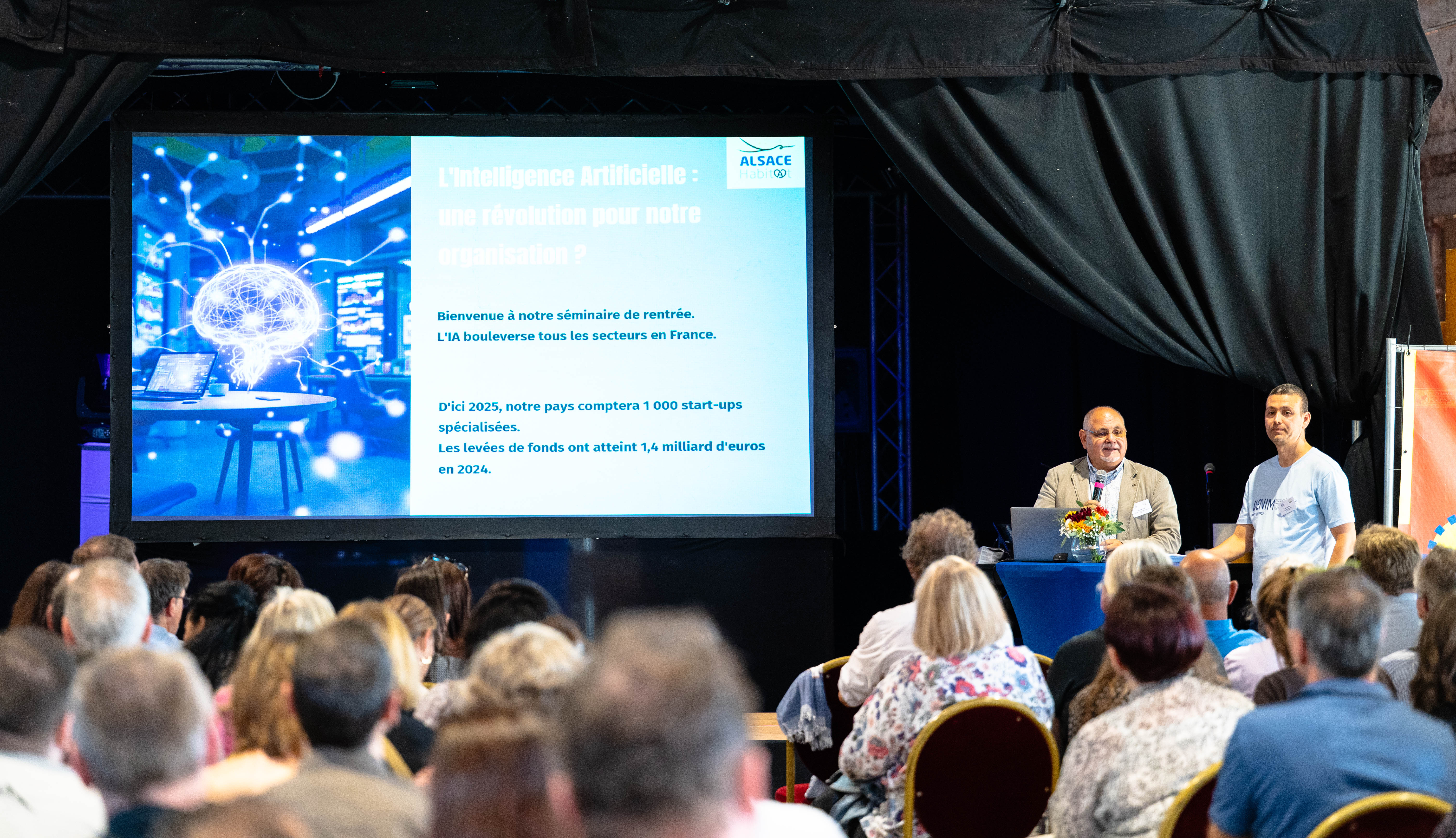
Corporate Seminar in Seville with agenda clarity and zero-day stress
INNOV'events designs and delivers Corporate Seminar formats in Seville for 30 to 600 attendees, from leadership offsites to multi-track internal conferences. We manage the end-to-end project: venue sourcing, run-of-show, AV, speakers, catering, branded moments, and on-site production. Your teams keep control of the message while we secure execution, timings, and stakeholder alignment.
Table of contents
In a Corporate Seminar, “entertainment” is rarely about fun for fun’s sake: it is a tool to protect attention spans, create memory anchors for strategic messages, and smooth transitions between intense content blocks. In practice, the right activation reduces drop-off after lunch, increases participation in Q&A, and improves post-event recall in pulse surveys.
Organizations in Seville typically expect a high operational standard (punctuality, discreet service, strong AV) while keeping a respectful tone aligned with corporate culture. Many leadership teams also want a local touch that feels authentic—without turning the seminar into folklore—especially when hosting colleagues from Madrid, Barcelona, Portugal, or international offices.
INNOV'events works on the ground in Seville with vetted technical crews, venues, and suppliers used to executive-level requirements. We plan with a production mindset: risk registers, speaker coaching, rehearsal windows, and decision points. The result is a seminar where content lands, logistics disappear, and your internal sponsors look good.
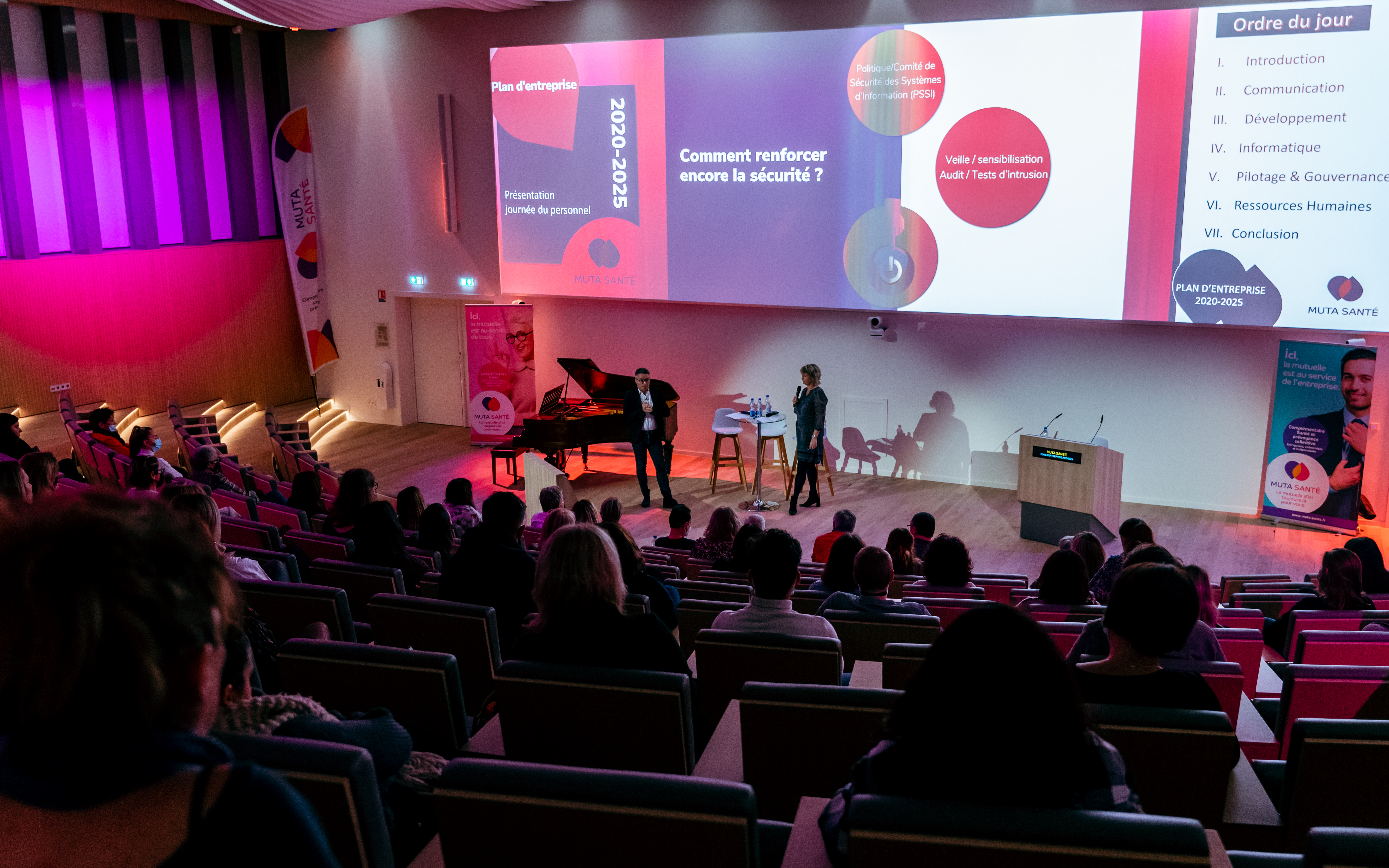
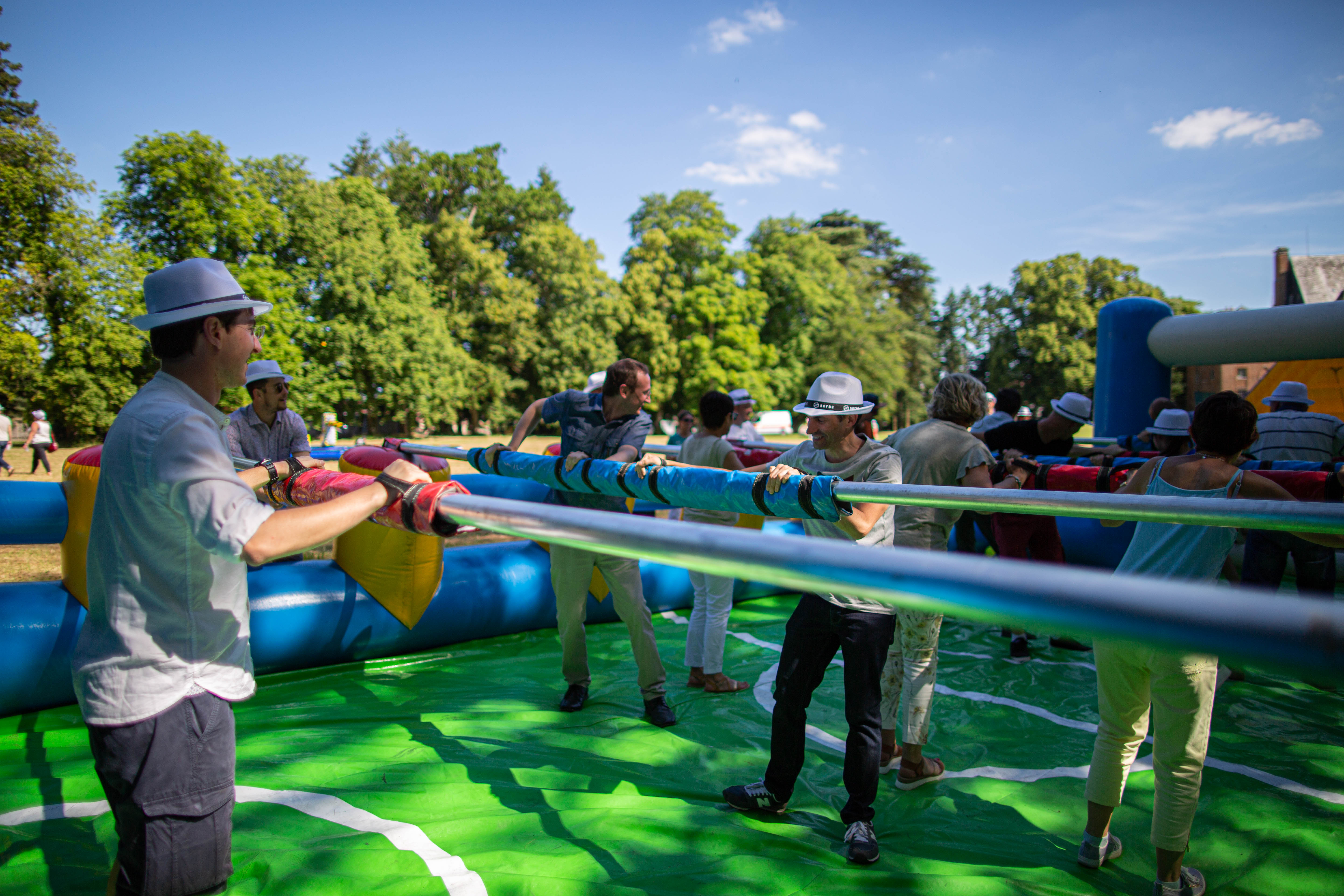
INNOV'events delivery benchmarks for Seville seminars
10+ years delivering corporate events across Spain with standardized production checklists and senior producer oversight.
150+ corporate seminars and conferences produced (single-day to multi-day), including multi-language stages and hybrid setups.
48-hour venue shortlisting in Seville once the brief is validated (capacity, zones, dates, technical needs).
1 lead producer + 1 on-site stage manager assigned on executive programs to ensure decisions are translated into on-the-day reality.
Supplier network audited for insurance, safety documentation, and service continuity (critical for high-stakes leadership sessions).
How to organize a professional event in Seville?
- Define the objective (cohesion, announcement, fidelity, performance).
- Set date, format and size (20–1 000 people).
- Secure the venue and accommodation according to seasonality.
- Lock down technical, suppliers and logistics.
- Drive the day J (timing, scene, entrance, flow).
Seville references and recurring collaboration patterns
We support organizations operating in Seville and across Andalusia, with a mix of local headquarters, regional hubs, and subsidiaries hosting national teams. Many of our seminar clients come back year after year because the same operational constraints return: tight calendars, last-minute speaker changes, compliance requirements, and the need for a consistent brand standard across locations.
If you share the company names you want us to mention as references, we will integrate them in this section in a controlled, credible way (e.g., “regional leadership seminar”, “sales kick-off”, “people strategy day”), respecting confidentiality boundaries and focusing on what matters to decision-makers: delivery reliability, stakeholder management, and measurable outcomes.
What we can already say—because it is typical in Seville—is that repeat collaborations often stem from practical wins: a venue that finally works for breakouts and plenary flow, a run-of-show that protects executive time, and an AV setup that prevents the usual issues (feedback, delays, weak streaming audio, “dead time” during transitions).
We send you a first proposal within 24h.
What a Corporate Seminar changes for leadership teams in Seville
A well-structured Corporate Seminar in Seville is a management tool: it compresses months of alignment into one day (or two) when decisions are visible, shared, and documented. For executives, it is also a reputational moment—internally and sometimes with invited partners—where clarity, pace, and professionalism reflect how the company operates.
Accelerate strategic alignment: instead of sending decks by email, you create a controlled sequence—context, decisions, implications, commitments—supported by facilitation and a clear Q&A design (anonymous questions, time-boxed panels, follow-up ownership).
Protect leadership bandwidth: a seminar that runs on time prevents the hidden cost of overruns (missed trains, late client calls, frustrated managers). We build buffers, speaker call-times, and “non-negotiable start” rules that senior teams appreciate.
Improve cross-functional execution: when HR, Operations, and Commercial hear the same message at the same time—with concrete examples and scenarios—implementation friction decreases. We often include a short “translation” workshop by function to turn strategy into next steps.
Reinforce culture after change: during reorganizations, post-merger integration, or policy shifts (hybrid work, new performance cycles), the seminar provides a safe structure: leadership narrative, employee voice, and practical clarifications.
Create measurable engagement: beyond applause, we design simple metrics—attendance per session, poll participation, top questions, NPS by segment, and action-plan completion rates at D+30—so Communication and HR can report outcomes.
Strengthen employer brand locally: hosting in Seville can signal investment in the region. Done correctly, it helps retention and internal mobility, especially in competitive profiles (engineering, operations, customer success).
Seville has a strong relationship-driven business culture: stakeholders value professionalism, warmth, and respect for time. A seminar that balances content rigor with well-managed moments of connection fits the local way of doing business—direct, human, and operationally serious.
Seville seminar constraints executives often underestimate
Producing a Corporate Seminar in Seville comes with practical realities that affect planning and budget. First, seasonality matters: spring and early autumn are high-demand periods, which impacts venue availability, room rates, and supplier calendars. Second, city logistics are a factor—historic areas can be restrictive for load-in/load-out, bus access, and parking, and that needs to be addressed early with a technical schedule and, in some cases, permits.
We also see a recurring expectation from Seville-based organizations: maintain a premium perception without waste. In budget committees, you may need to justify why a certain audio system, stage layout, or staffing plan is “necessary” rather than “nice to have.” We translate those needs into operational language: intelligibility, camera lines, audience flow, safety, and timekeeping—elements that directly protect leadership credibility.
Finally, many companies in the area host a mixed audience: local teams plus colleagues from other regions and occasionally international guests. That means bilingual signage, clear wayfinding, a registration experience that does not create queues, and a careful approach to local cues. The goal is to feel rooted in Seville while staying corporate and inclusive.
Which seminar engagement ideas work best in Seville audiences
Engagement in a Corporate Seminar in Seville is less about “big shows” and more about designing moments that unlock participation and attention. We use entertainment and interaction as a facilitation tool: to create energy peaks, to make data memorable, and to encourage cross-level dialogue without putting people on the spot.
Interactive animations in Seville
Live polling with decision framing: not generic quizzes—questions designed to surface trade-offs (e.g., “Where do we simplify processes first?”). Results are displayed instantly and used to steer leadership responses.
Executive AMA with curated questions: employees submit anonymously; we cluster themes and time-box answers. This reduces the risk of one person monopolizing the mic and helps leadership show transparency.
Breakout sprints: 25–35 minutes with a clear output (one-page action plan). We provide templates, facilitators, and a reporting flow so outputs are usable after the seminar.
Role-based roundtables: HRBP, plant managers, sales leads, comms—each group tackles “what changes Monday morning.” This is especially effective after strategy announcements.
Art animations in Seville
Short musical interludes for transitions: 3–5 minutes to reset attention between blocks, carefully selected to remain corporate. In Seville, we can integrate local talent while keeping a modern tone and controlled volume levels.
Visual facilitation (graphic recording): a live illustrator captures key messages and commitments on a large panel or digital screen. It improves recall and provides an internal communication asset after the event.
Story-driven opening: instead of a generic video, we build a narrative based on real operational examples (customer cases, safety improvements, service milestones) with precise scripting and brand alignment.
Innovative animations in Seville
Structured networking coffee: not “free mingling.” We use timed prompts and host-led introductions to connect departments that rarely interact. This is often where cross-functional friction starts to reduce.
Seville-inspired catering with corporate pacing: we choose formats that keep queues short and timing predictable (stations designed for throughput). Local identity is expressed through ingredients and presentation, not chaos.
Alcohol policy alignment: for many corporate cultures, lunchtime alcohol is sensitive. We propose clear options (0%, limited, or controlled service) consistent with HR and compliance.
Gourmand animations in Seville
Hybrid-ready stage design: even for an on-site seminar, we often add a “recording-grade” setup (lighting, audio routing) so key segments can be reused internally. This increases ROI without turning the event into a TV studio.
Translation and accessibility: live captions, bilingual slides, and headset-based interpretation when needed. This is increasingly relevant for international teams visiting Seville.
Micro-learning content capture: we set up a quiet interview corner where speakers record 2–3 minute “key takeaway” videos. Communication teams use them for internal channels post-event.
Whatever the format, we align activations with brand image and leadership objectives. A regulated industry may prioritize sobriety and precision; a creative or tech company may accept more experimentation. Our role is to propose options that support your message, fit your audience, and remain operationally controllable in Seville.
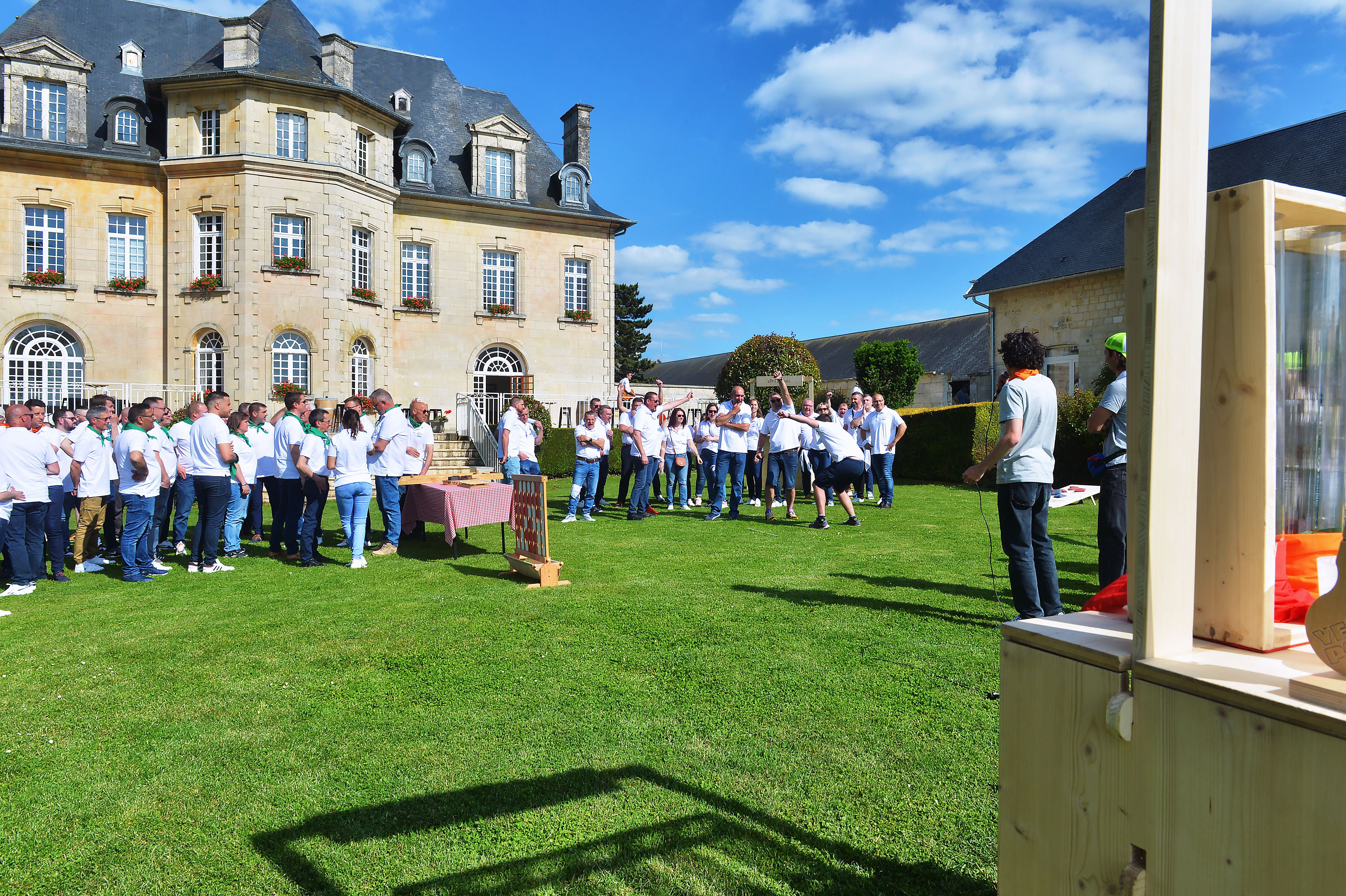
How to choose a Seville venue that supports seminar flow
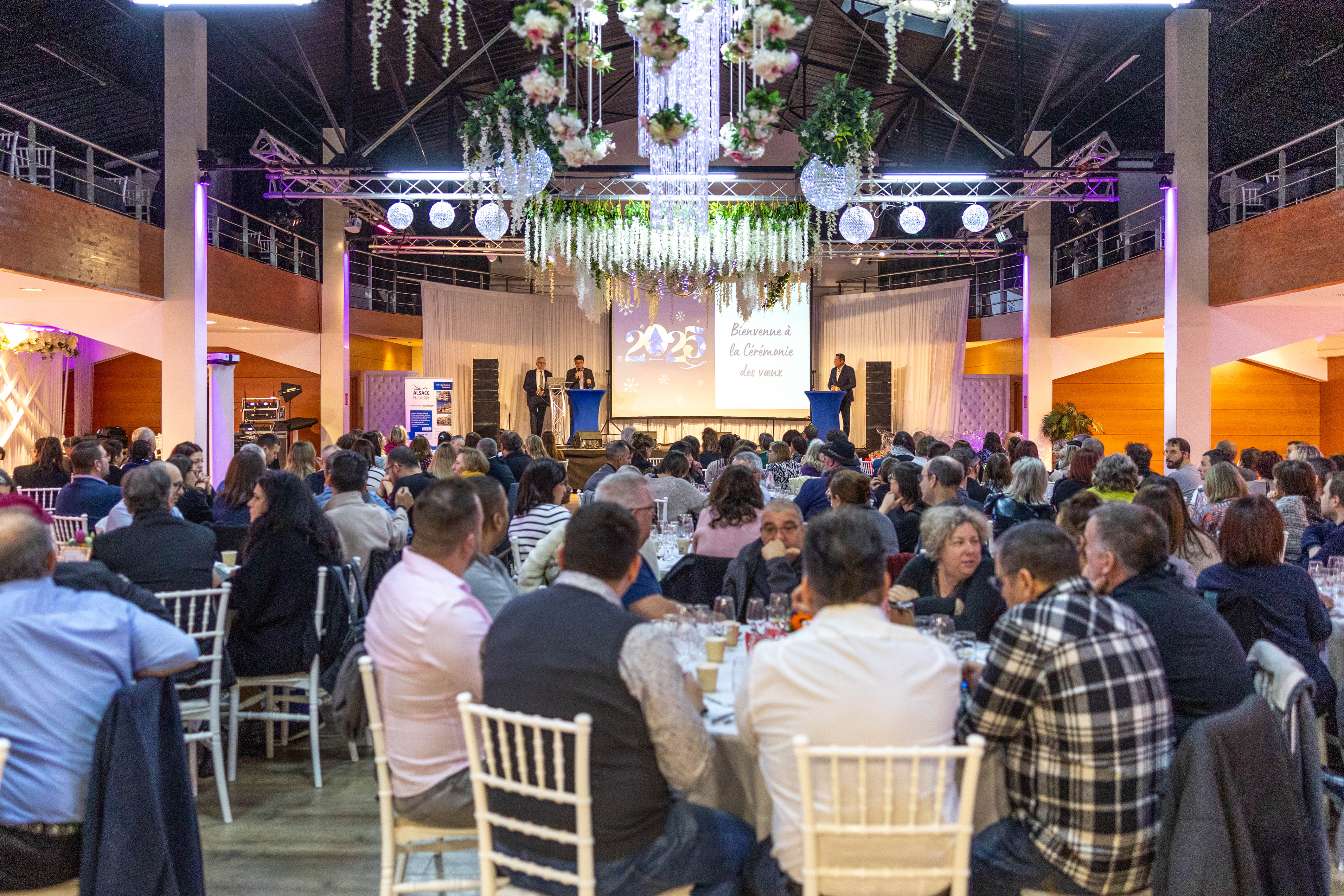
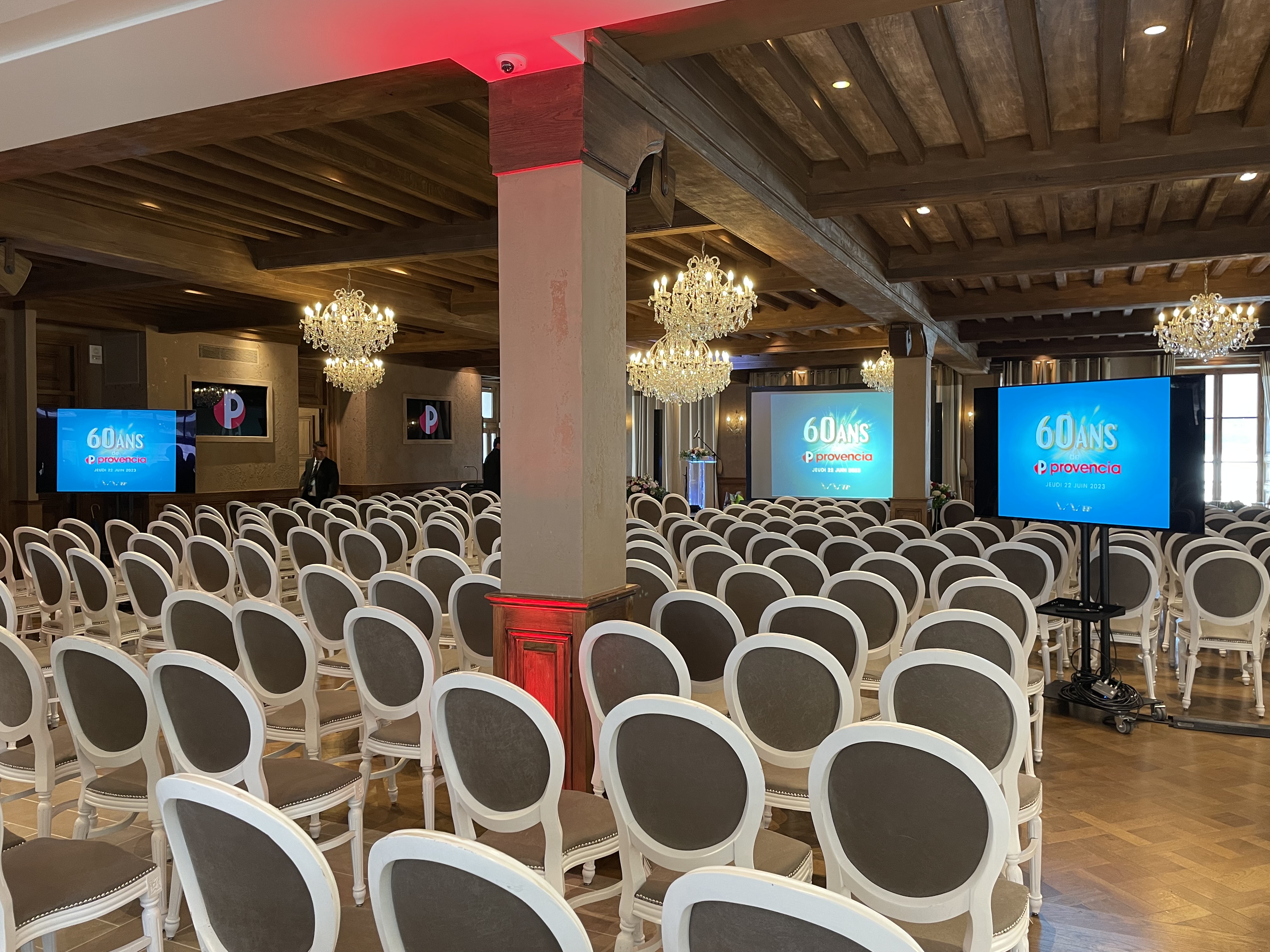
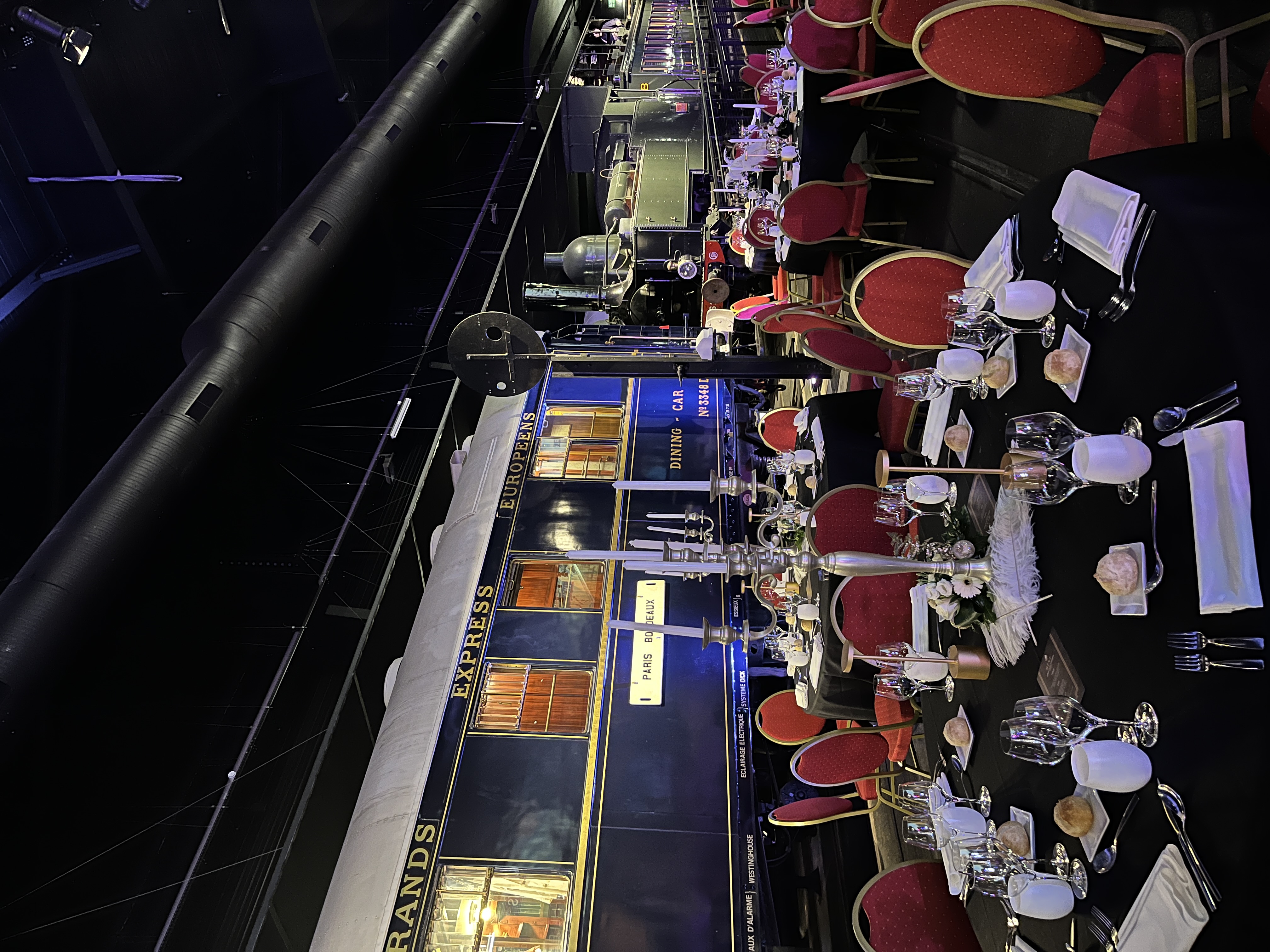
The venue is not a backdrop; it shapes how your seminar performs. Room proportions affect visibility and acoustics, foyer size affects registration and coffee breaks, and breakout proximity affects time loss between sessions. For executive programs in Seville, we assess venues with a production lens: load-in routes, ceiling rigging points, AV restrictions, noise leakage, and service capacity for simultaneous breaks.
| Venue type | For which objective? | Main strengths | Possible constraints |
|---|---|---|---|
| Conference hotel (4–5*) | All-in-one seminar with plenary + breakouts + accommodation | Operational simplicity, staff used to corporate timing, integrated catering, easy morning starts | Brand differentiation can be limited; room sizes may dictate stage design; peak dates price increases |
| Dedicated congress / convention center | Large-scale Corporate Seminar (400–1,500) or multi-track agendas | Professional rigging, strong backstage, multiple rooms, robust technical infrastructure | Can feel less “warm”; higher production coordination; catering often through approved partners |
| Private corporate venue / modern event space | Leadership offsite, strategy day, client-facing seminar in a premium environment | High perceived value, flexible branding, strong networking areas | May require full technical build; stricter noise/time rules; access logistics in central Seville |
We strongly recommend site visits (in-person or technical virtual) before contracting. In Seville, two venues can look similar in photos but behave very differently on the day: echo, bottlenecks, and load-in constraints only become visible when you walk the route and test the room.
What a Corporate Seminar budget looks like in Seville (and why)
Seminar pricing in Seville depends on parameters that directly impact risk and attendee experience. To make budget discussions easier internally, we structure costs by functional blocks (venue, technical, content, staffing, catering, and contingency) and show what is optional versus what protects delivery.
Attendee volume and agenda complexity: a 60-person leadership day is not produced like a 400-person multi-track seminar. More tracks mean more rooms, more microphones, more staff, and more signage.
Venue package vs dry hire: hotels include basics; standalone venues often require a full technical build (sound, lighting, staging, power distribution), which changes the cost structure.
AV level (intelligibility and visibility): line-array needs, confidence monitors, stage lighting for filming, and projection vs LED walls. These are not “nice extras” when senior speakers must be clearly heard and seen.
Content assets: motion graphics, opening videos, graphic recording, slide template creation, and post-event edits. Communication teams often underestimate lead times here.
Staffing and working hours: registration staffing, stage management, speaker handling, and rehearsal time. Early call-times and late strikes are common and must be costed transparently.
Seasonality in Seville: high-demand months influence room rates and supplier availability, sometimes requiring earlier deposits to secure the best options.
Risk management: insurance, security, medical presence when required, and a realistic contingency line (typically 5–10% depending on complexity).
Travel and accommodation: for speakers or attendees coming from other regions, group transfers and hotel blocks can become a major line item—worth optimizing early.
We approach budget with ROI logic: spend where it protects outcomes (message clarity, timing, safety, attendee flow) and reduce what does not. A well-budgeted Corporate Seminar in Seville is the one that avoids hidden costs: delays, reputational damage, and internal time lost to fixing preventable issues.
Why choose an event agency in Seville for your seminar
For executive programs, local presence is not a convenience; it is a risk-control lever. Working with an event agency in Seville means faster site visits, tighter supplier coordination, and real-time problem solving when something changes (speaker arrivals, weather impacts, last-minute room changes, delivery schedules). It also means we know which venues enforce strict load-in windows, which technical teams are reliable under pressure, and how to navigate city logistics without improvisation.
In practice, the difference shows up in the details: a producer who can be on-site for a rehearsal at 18:30 the day before, a technician who knows the venue’s power limitations, or a caterer who can guarantee service speed for 250 people in a 30-minute break without queues spilling into the corridor.
- Operational speed: shorter decision cycles for venue selection, supplier confirmation, and technical validations.
- Supplier accountability: we work with crews who are used to corporate protocols (PPE, punctuality, discreet behavior, documentation).
- Better cost control: local sourcing reduces travel costs and avoids “emergency add-ons” due to late discoveries on site.
- More reliable rehearsals: we can secure rehearsal slots and be present to ensure speaker confidence and technical stability.
We approach budget with ROI logic: spend where it protects outcomes (message clarity, timing, safety, attendee flow) and reduce what does not. A well-budgeted Corporate Seminar in Seville is the one that avoids hidden costs: delays, reputational damage, and internal time lost to fixing preventable issues.











Seville seminar scenarios we deliver in real corporate life
Our experience covers a broad range of Corporate Seminar contexts, because the challenges change by sector and moment in the company cycle. We routinely produce leadership offsites where confidentiality is critical (controlled access lists, NDAs with suppliers, closed rehearsal rooms). We also deliver larger internal conferences with multi-track training, where the core risk is flow management: simultaneous session changes, signage clarity, and making sure each room has the right microphone setup and a technician who stays put.
We often support HR and Internal Communication teams under pressure: a CEO wants to change the narrative late, a business unit insists on adding a panel, or a key speaker can only join remotely. Our job is to absorb those changes without degrading the attendee experience. In practice, that means maintaining a strict version control of slides, building a show file with redundancy, and having a stage manager empowered to keep the run-of-show intact while respecting executive priorities.
In Seville, we also deliver “distributed seminars” where the plenary is in one space and breakouts in adjacent areas, requiring precise transition planning and staff placement. When done well, the seminar feels effortless. When done poorly, you lose time and credibility. Our production approach is designed to keep you in the first category.
Common Seville seminar mistakes that create reputational risk
Underestimating sound and acoustics: a room that looks premium can be unintelligible without the right system and mic discipline. If the CEO is not clearly heard, the event is already compromised.
Overloading the agenda: too many presentations with no rhythm creates attention fatigue. We restructure content into chapters and include purposeful breaks and transitions.
No real rehearsal plan: “We’ll just test quickly in the morning” fails as soon as one speaker arrives late or a video codec is wrong. We plan rehearsal windows and backups.
Breakout rooms without proper staffing: multi-track seminars fail when rooms lack a dedicated technician or facilitator, leading to delays and inconsistent experience.
Registration bottlenecks: long queues at arrival instantly lower perceived professionalism. We design arrival waves, QR scanning, badge printing logic, and adequate staffing.
Catering that ignores throughput: excellent food does not help if 200 people queue and miss the next session. We calculate serving capacity and adjust format accordingly.
Late decisions on branding and signage: last-minute prints lead to inconsistencies and navigation issues. We lock a signage plan early and validate artwork files.
Unclear decision chain: if nobody owns final approvals, the day becomes a negotiation. We establish roles: sponsor, content owner, production lead, on-site authority.
INNOV'events is there to prevent these risks before they become visible. We build the plan, stress-test it against real constraints in Seville, and manage execution so your internal stakeholders can stay focused on leadership and communication.
Why Seville companies renew with the same seminar partner
Repeat business is rarely emotional in corporate events; it is performance-based. Clients return when the agency reduces internal workload, manages stakeholders without drama, and delivers a consistent standard that protects leadership image—even when reality changes in the last week.
Typical planning windows we see in Seville: 6–10 weeks for standard seminars; 10–16 weeks for multi-track or hybrid formats.
Decision speed impact: locking venue + AV within 10 days of kickoff usually reduces total cost and increases supplier choice.
On-site staffing ratio: for smooth flow, we often plan 1 staff per 25–40 attendees depending on complexity (registration, stage, rooms, VIP handling).

Loyalty is proof of quality because it reflects what happens behind the scenes: fewer escalations, fewer surprises, and a partner who understands how your company actually works.
Our Seville production process from brief to post-event reporting
👉 Step 1 (Seville): Brief, constraints and success criteria
We start with a working session with the event owner (HR, Comms, EA to the CEO, or BU leadership). We confirm objectives, audience segments, sensitive topics, language needs, and constraints (union rules, compliance, confidentiality). We define success criteria: what must be true at the end of the day (decisions made, commitments captured, engagement levels).
👉 Step 2 (Seville): Program architecture and run-of-show design
We translate content into an agenda that works in real time: block lengths, transitions, breaks, Q&A structure, and interaction moments. We produce a first run-of-show and validate it with stakeholders, including speaker call-times and “hard start” rules to protect timing.
👉 Step 3 (Seville): Venue sourcing and technical validation
We shortlist venues based on capacity, breakout needs, accessibility, and logistics. After the site visit, we validate AV feasibility (rigging, power, acoustics), propose stage layouts, and confirm load-in schedules. This is where many risks are removed early.
👉 Step 4 (Seville): Supplier contracting and production build
We contract the technical team, catering, furniture, branding, and any content partners (video, graphic recording, facilitators). We manage documents: insurance, safety, method statements when needed. We set milestone dates for assets (slides, videos, signage) and run version control.
👉 Step 5 (Seville): Speaker preparation and rehearsal
We collect presentations, unify formatting, and build the show file on a central playback system. For executives, we offer short coaching on timing and delivery. We schedule rehearsals (full or partial) and test videos, clickers, remote connections, and backup microphones.
👉 Step 6 (Seville): On-site execution and stage management
On the day, we run the seminar with a clear chain of command: lead producer, stage manager, room leads, registration lead. We monitor timing, manage speaker movements, handle last-minute changes, and keep client stakeholders informed without adding noise.
👉 Step 7 (Seville): Debrief, analytics and next-step support
Within days, we deliver a debrief: attendance, interaction data (polls, questions), operational notes, and recommendations. If you captured content, we provide edited assets for internal communication. We also support action-plan follow-up so the seminar produces concrete change.
FAQ sobre la organización Corporate Seminar en Seville
How much does a Corporate Seminar in Seville cost?
For a professionally produced Corporate Seminar in Seville, budgets often start around €12,000–€20,000 for a simple 50–80 person format (venue package + basic AV + staffing). For 200–400 attendees with multi-track rooms, stronger AV, branding, and facilitation, a common range is €35,000–€90,000+. Final cost depends on venue model, technical level, catering format, and content assets.
How early should we book a venue in Seville?
In Seville, for peak months (spring and early autumn), we recommend starting 10–16 weeks ahead for best choice. For off-peak dates, 6–10 weeks can work for standard seminars. If you need a specific hotel block or a large plenary space, earlier is safer.
What attendee size works best for seminars in Seville?
We commonly see three effective ranges: 30–80 for leadership alignment (high interaction), 80–250 for department or regional seminars (mix of plenary and workshops), and 250–600 for broader internal conferences (strong stage production, tighter flow management). The “best” size is the one that matches the decision scope and workshop capacity.
Can you handle hybrid streaming for Seville seminars?
Yes. We can deliver a hybrid setup with dedicated audio routing, streaming encoder, operator, and a platform workflow for remote Q&A. For corporate-quality outcomes, we usually recommend at least 2 cameras and proper stage lighting; otherwise, remote attendees disengage quickly.
What are the biggest risks on seminar day in Seville?
The most common risks are timing overruns (especially after breaks), poor audio intelligibility, and bottlenecks at registration or catering. In Seville, venue access and load-in timing can also be a risk in central areas. We reduce these risks with rehearsals, a detailed run-of-show, staffing ratios aligned to volume, and a backup plan for every critical technical element.
Plan your Seville Corporate Seminar with a production-first partner
If you are comparing agencies, we can work from your realities: internal approvals, brand constraints, sensitive messaging, and a budget that must be defended. Share your date window, estimated headcount, and objectives, and we will respond with a practical proposal: 2–3 venue routes in Seville, a draft agenda rhythm, and a transparent cost structure with options.
The earlier we start, the more we can optimize—venue availability, technical efficiency, and content production timelines. Contact INNOV'events to secure a planning call and move from ideas to a seminar plan that is operationally safe and executive-ready.
INNOV'events Seville Agency
Cyril Azevedo is the manager of the INNOV'events Seville office. Reach out directly by email at cyril@innov-events.es or via the contact form.
Contact the Seville agencyAll our services & entertainment Seville
Discover our event services
Discover our event entertainment available in the España
- Event Hostess Seville
- Escape Game Seville
- MasterChef Cooking Workshop Seville
- Magician Seville
- Marquee Rental Seville
- Color Analysis Workshop Seville
- Inflatable Games Seville
- Valet Parking Service Seville
- Football Simulator Seville
- LED Furniture Rental Seville
- Light Branding Seville
- Unique Dining Experience Seville
- Light Painting Seville
- Murder Mystery Party Seville
- Prize Contest Seville
- Promotional Displays (POS) Seville
- Virtual Reality Seville
- Molecular Gastronomy Workshop Seville
- Halloween Entertainment Seville
- Fireworks Show Seville
- Giant Games Challenge Seville
- Event Host / MC Seville
- Photo Booth Animation Seville
- Santa Claus Entertainment Seville
- Kids Entertainment Seville
- Guided Tour Seville
- Urban Rally Seville
- Ball Pit Seville
- Flight Simulator Seville
- Food Truck Rental Seville
- World Record Challenge Seville
- Surf Simulator Seville
- Wine Casino Seville
- Makeover Workshop Seville
- Perfume Creation Workshop Seville
- Acting Workshop Seville
- CSR Activities Seville
- Archery Seville
- Security Staff Seville
- Wine Tasting Seville
- Mime Performer Seville
- TV Game Show Seville
- Funfair Seville
- Crisis Management Workshop Seville
- Crisis Negotiation Workshop Seville
- Arcade Games Seville
- Indoor Skydiving Simulator Seville
- Ski Simulator Seville
- Racing Circuit Experience Seville
- Introductory Flight Experience Seville
- Tasting Experience Seville
- Build Your Own Foosball Workshop Seville
- 2CV Rally Seville
- LEGO Challenge Seville
- Casino Night Seville
- Interpreter / Translator Seville
- Promotional Giveaways Seville
- Shuttle Transport Seville