
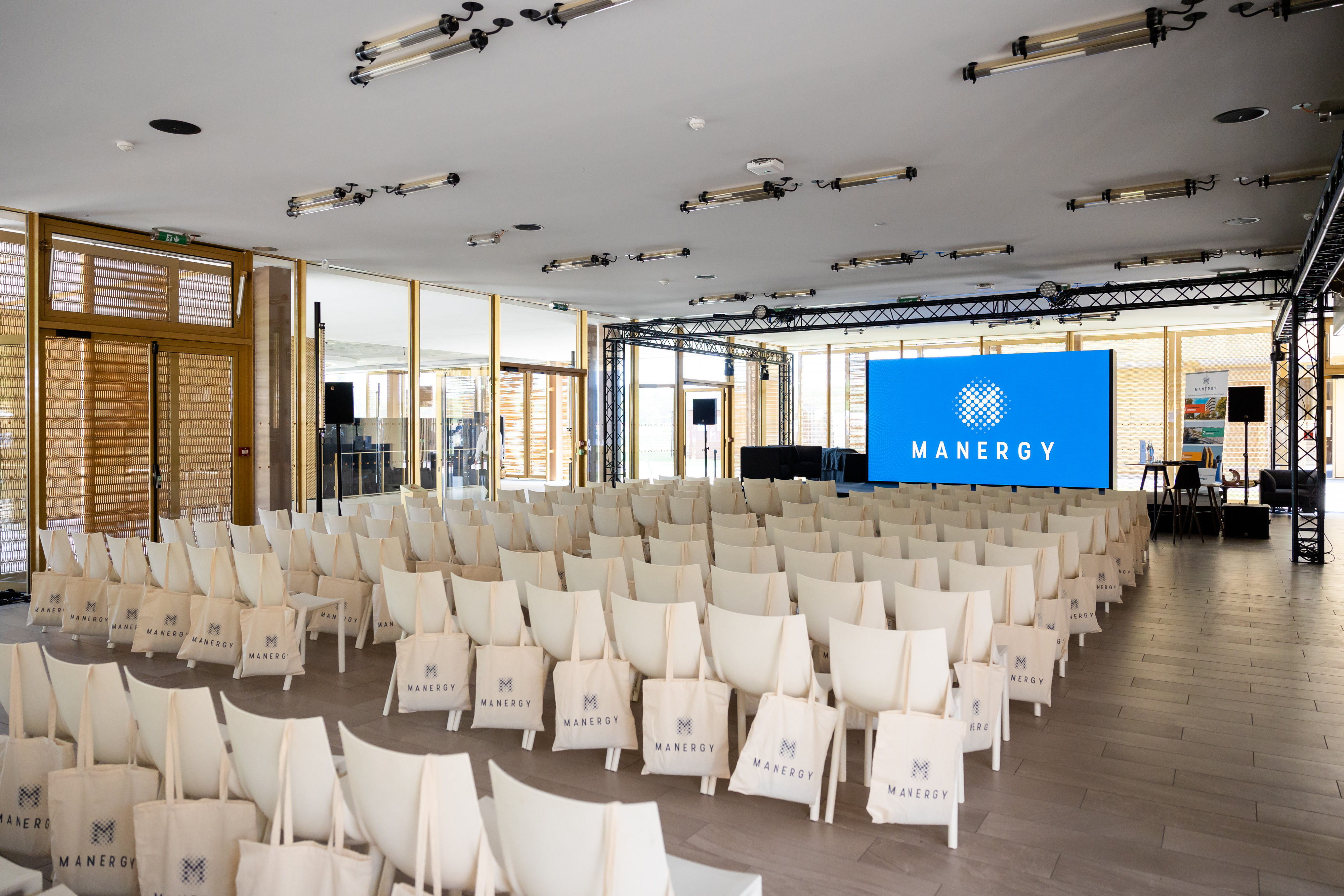
Seminar Venue Rental in Seville that protects your agenda and your brand
INNOV'events supports executives, HR and communication teams with Seminar Venue Rental and full operational coordination for Seville, from 20 to 400 attendees. We secure the venue, AV, catering, signage, and on-the-day management so your speakers keep time and your message lands.
Typical use cases: leadership seminars, sales kick-offs, compliance training, partner days, internal transformation updates, and hybrid briefings requiring reliable streaming.
Table of contents
For a company in Seville, a seminar is not “just a room”: it is a controlled environment where decisions are aligned, managers are equipped, and sensitive messages are delivered without operational friction. A venue that fails on acoustics, temperature, or break flow quickly turns into lost attention and reputational risk for the organizing team.
Local organizations expect punctuality, clear access for participants arriving from business parks and Santa Justa, and a professional look that reflects corporate standards. They also expect practical comfort: good coffee logistics, fast badge pickup, and spaces that allow side conversations without disturbing plenary sessions.
As INNOV'events, we operate on the ground with vetted partners and a method built for executive pressure. We do the due diligence that busy teams do not have time for: technical checks, back-up plans, supplier alignment, and a realistic run-of-show adapted to Seville constraints (traffic peaks, venue loading rules, and heat season planning).
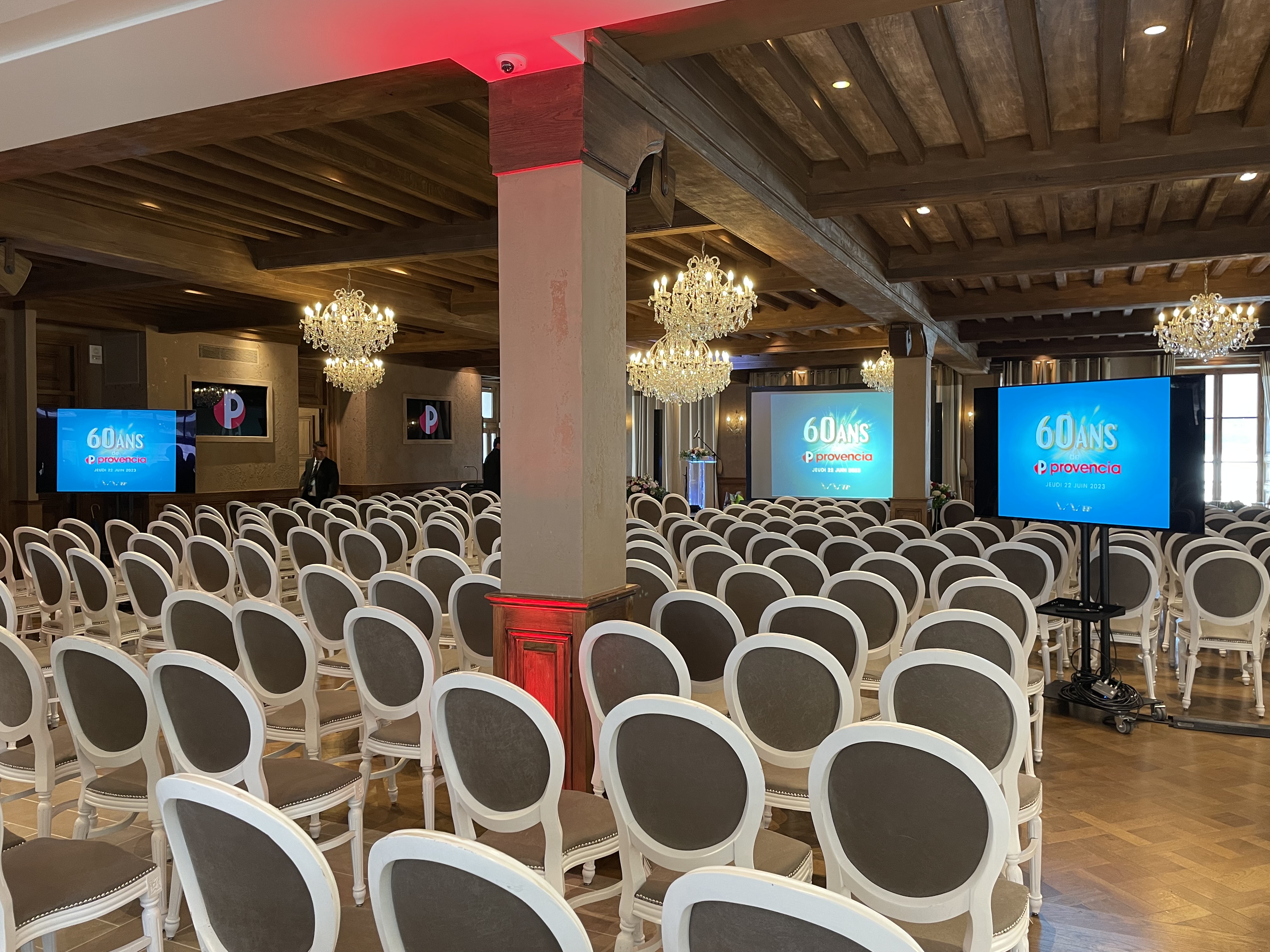
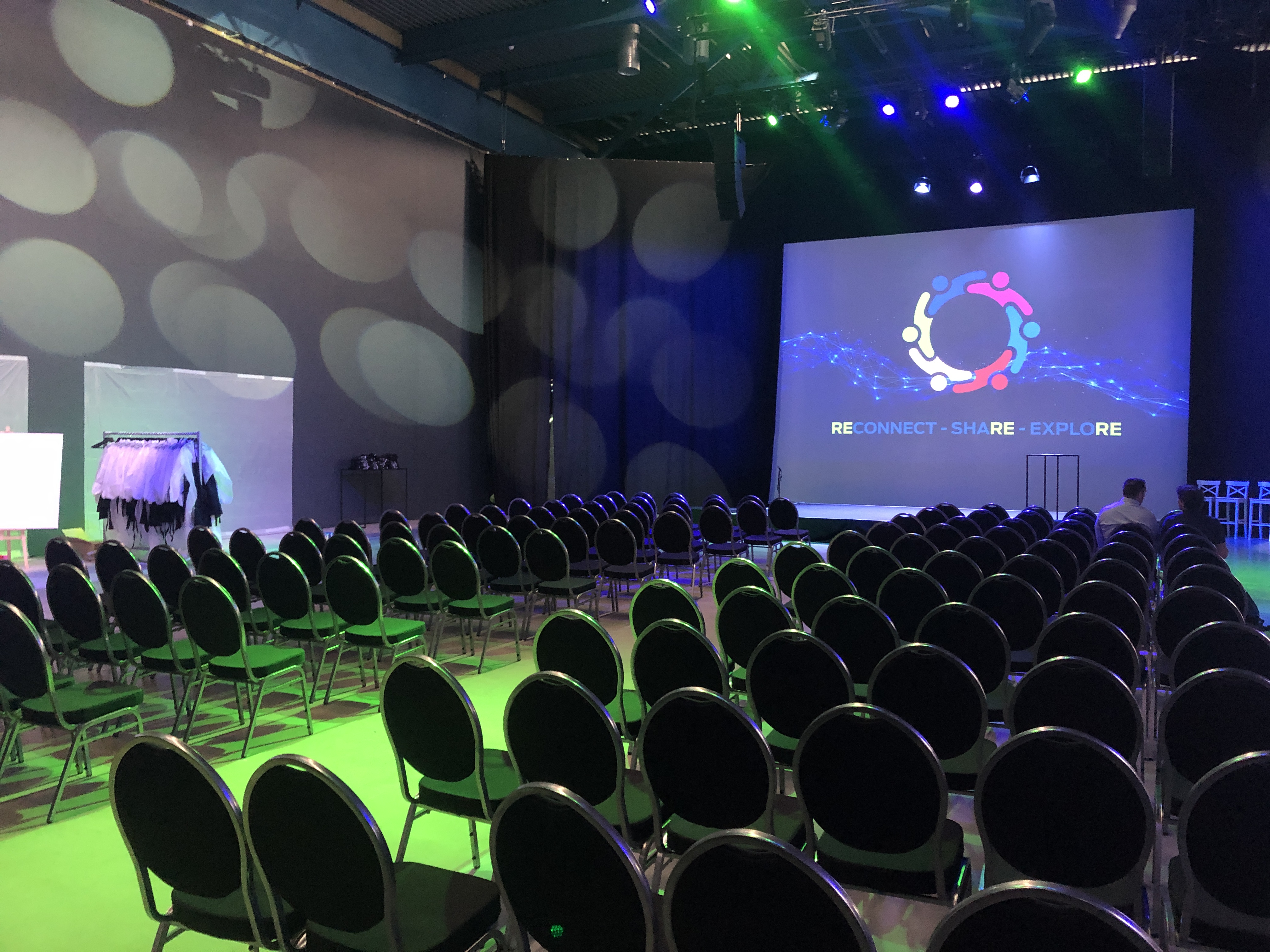
Key figures that reassure Seville decision-makers
12+ years coordinating corporate events across Spain with repeat clients and audited supplier processes.
200+ corporate events/year managed within our network (seminars, conferences, executive offsites, training days).
48-hour turnaround for a first short-list of venues and a preliminary budget for Seminar Venue Rental in Seville (after brief validation).
0 single-point failure approach: every seminar file includes at least one back-up option for AV and critical suppliers (microphones, streaming, transport).
How to organize a professional event in Seville?
- Define the objective (cohesion, announcement, fidelity, performance).
- Set date, format and size (20–1 000 people).
- Secure the venue and accommodation according to seasonality.
- Lock down technical, suppliers and logistics.
- Drive the day J (timing, scene, entrance, flow).
Companies in Seville that expect professional standards
We support organizations active in Seville and the wider Andalusian ecosystem, where seminar days often combine internal alignment with external visibility (partners, distributors, institutional stakeholders). Many teams we assist operate with tight calendars and a high level of brand governance, meaning approvals, legal constraints, and communication validation must be respected without slowing execution.
To be fully transparent: you did not provide specific company names to cite as local references. If you share 3–6 names (or sectors, if confidential), we will integrate them here with the right wording and positioning (e.g., “industrial group”, “B2B services”, “public-facing brand”). In the meantime, our work typically covers: regional headquarters teams, HR training departments, sales leadership, and communication units preparing press-ready brand moments in Seville.
What makes clients return year after year is operational reliability: venue short-lists that match procurement rules, realistic schedules, and on-site teams able to make decisions fast without escalating every micro-issue to your director or HR lead.
We send you a first proposal within 24h.
Why run a seminar in Seville instead of another format
A seminar concentrates attention. In corporate life, that is a scarce resource. When you bring managers or teams together in Seville, you create a time window where leadership messages can be delivered with context, Q&A can be handled properly, and cross-functional frictions can be addressed in the room—before they turn into delays, churn, or misalignment.
We often see HR and Comms teams asked to “make it engaging” while protecting substance and compliance. The venue and flow choices are what make that possible: room geometry, AV intelligibility, breakout capacity, and the ability to keep people on schedule without feeling rushed.
Executive alignment without email noise: a well-built agenda (plenary + focused breakouts) reduces rework. Example: after a strategy change, leadership can brief managers in the morning and use afternoon breakouts to translate priorities into team-level actions.
HR enablement and adoption: training content lands better with proper acoustics, screen visibility, and practical exercises. We often structure breakouts to match roles (team leads, senior ICs, support functions) to avoid “one-size-fits-all” fatigue.
Internal communication credibility: employees judge messages by the professionalism of delivery. A venue with stable microphones, clean staging, and controlled lighting prevents the “improvised” perception that undermines trust.
Cross-team networking that serves work: when coffee breaks are engineered (timing, space, flow), you enable real problem-solving discussions. In practice, this is where blockers surface and get resolved faster than in weekly calls.
Partner or client confidence: for mixed seminars (internal + external), the venue and hospitality become part of the commercial narrative. A controlled environment in Seville supports credibility when announcing roadmaps, certifications, or service changes.
Seville is used to hosting demanding audiences—local institutions, international tourism, and major events have shaped a service culture that can be leveraged when you choose the right suppliers. The difference is selecting venues and partners that understand corporate timing, confidentiality, and “no-surprises” execution.
What companies in Seville usually require from a seminar venue
Organizing in Seville brings clear advantages, but it also comes with real operational constraints that corporate organizers notice immediately if they are not anticipated.
Access and punctuality: participants often arrive from different points (city center, Isla de la Cartuja, business parks, airport connections). A venue must offer predictable arrival conditions: nearby parking or clear taxi/drop-off management, easy wayfinding from main routes, and realistic buffer times for check-in. We typically recommend planning badge pickup capacity for 30–60 arrivals in 10 minutes for a 150-person seminar, otherwise the first session starts late and the whole day slips.
Seasonality and comfort: warm months require non-negotiable HVAC performance. We verify actual cooling capacity and room zoning, not just “air-conditioned” in a brochure. If your audience is in suits, a difference of 2–3°C changes attention and perceived quality.
Noise and acoustics: central venues can be exposed to street noise or internal reverberation. For leadership seminars, speech intelligibility is a strategic requirement. We check ceiling height, wall materials, and whether the venue allows additional acoustic treatment.
Hybrid readiness: Seville has many historic buildings with limited cabling flexibility. If you need streaming or remote speakers, we assess internet stability (preferably fiber, with a dedicated line) and we plan a 4G/5G back-up.
Brand and compliance: communication teams often need clean sightlines, controlled signage, and space for partner logos without turning the venue into a billboard. HR may require privacy for sensitive topics (restructuring, compensation policy). We filter venues that can provide controlled areas and enforce access rules.
Which engagement formats work best for seminars in Seville
Engagement is not about “fun”; it is about attention and retention. In a seminar, the right formats increase participation, improve understanding, and reduce post-event follow-up workload because decisions and actions are captured in the room. In Seville, we frequently combine modern interaction tools with culturally natural hospitality moments, while keeping the tone corporate and aligned with your brand.
Interactive animations in Seville
Live polling and decision checkpoints: use structured polls at the end of each block (strategy, process, compliance) to confirm alignment and identify resistance early. We set this up so results are exported immediately for HR/Comms reporting.
Facilitated breakouts with deliverables: small groups produce one-page outputs (risks, actions, owners, deadlines). We provide templates and a timing protocol to avoid “nice discussions” with no outcomes.
Executive Q&A with moderation: a moderated format protects leaders from repetitive questions and ensures sensitive topics are addressed appropriately. We brief the moderator on escalation rules and messaging boundaries.
Art animations in Seville
Short opening performance to set tone (5–8 minutes): only when it supports the message (e.g., innovation, transformation). In Seville, we can integrate local artistic codes in a restrained, corporate way—without turning the seminar into a show.
Visual facilitation (graphic recording): a professional illustrator captures key points live. This works well for leadership narratives and creates a high-value internal communication asset for recap decks.
Innovative animations in Seville
High-throughput coffee service: not a “nice-to-have” but a productivity lever. We select service models that keep queues low and maintain session punctuality.
Working lunch with zoning: standing + seating areas, with quieter zones for manager discussions. This is often where HR can informally collect feedback and reduce resistance to change.
Gourmand animations in Seville
Hybrid speaker integration: remote keynote with professional sound and lighting, plus a local stage manager to maintain pacing. We plan redundancy: dedicated connection + back-up audio route.
Micro-learning corners: 10-minute stations for tools or processes (HR platforms, safety procedures, CRM updates). Participants rotate in small groups, which reduces cognitive fatigue.
Content capture for internal channels: controlled filming of key segments (with consent rules) to reuse in corporate communications. Done correctly, this reduces the need to repeat messages across regions.
Whatever the format, we align engagement with your brand rules: tone, visual identity, confidentiality, and leadership posture. For regulated industries, we also validate what can be recorded, what must remain off-camera, and how participant data from interactive tools is handled.
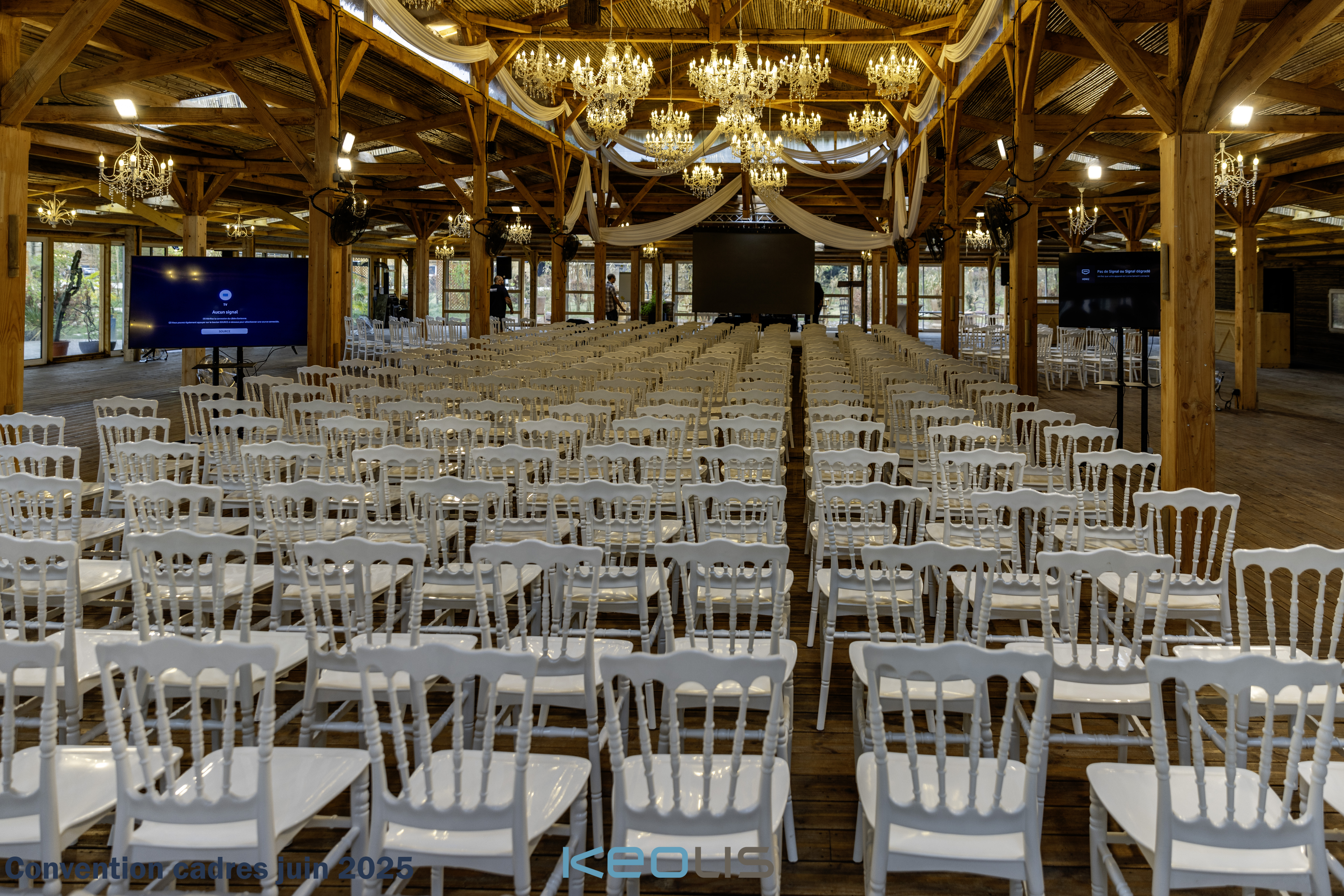
How to choose a seminar venue in Seville without surprises
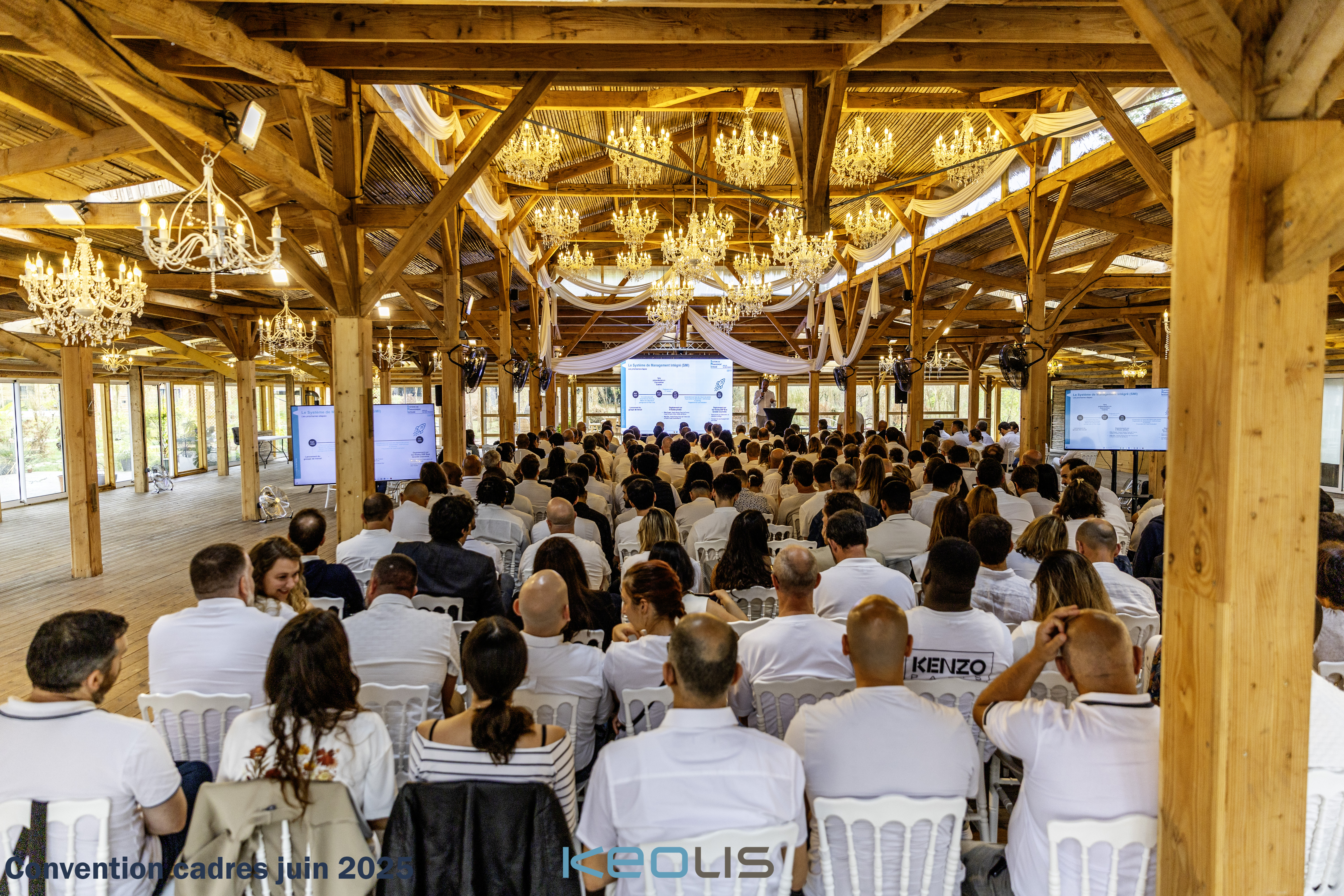
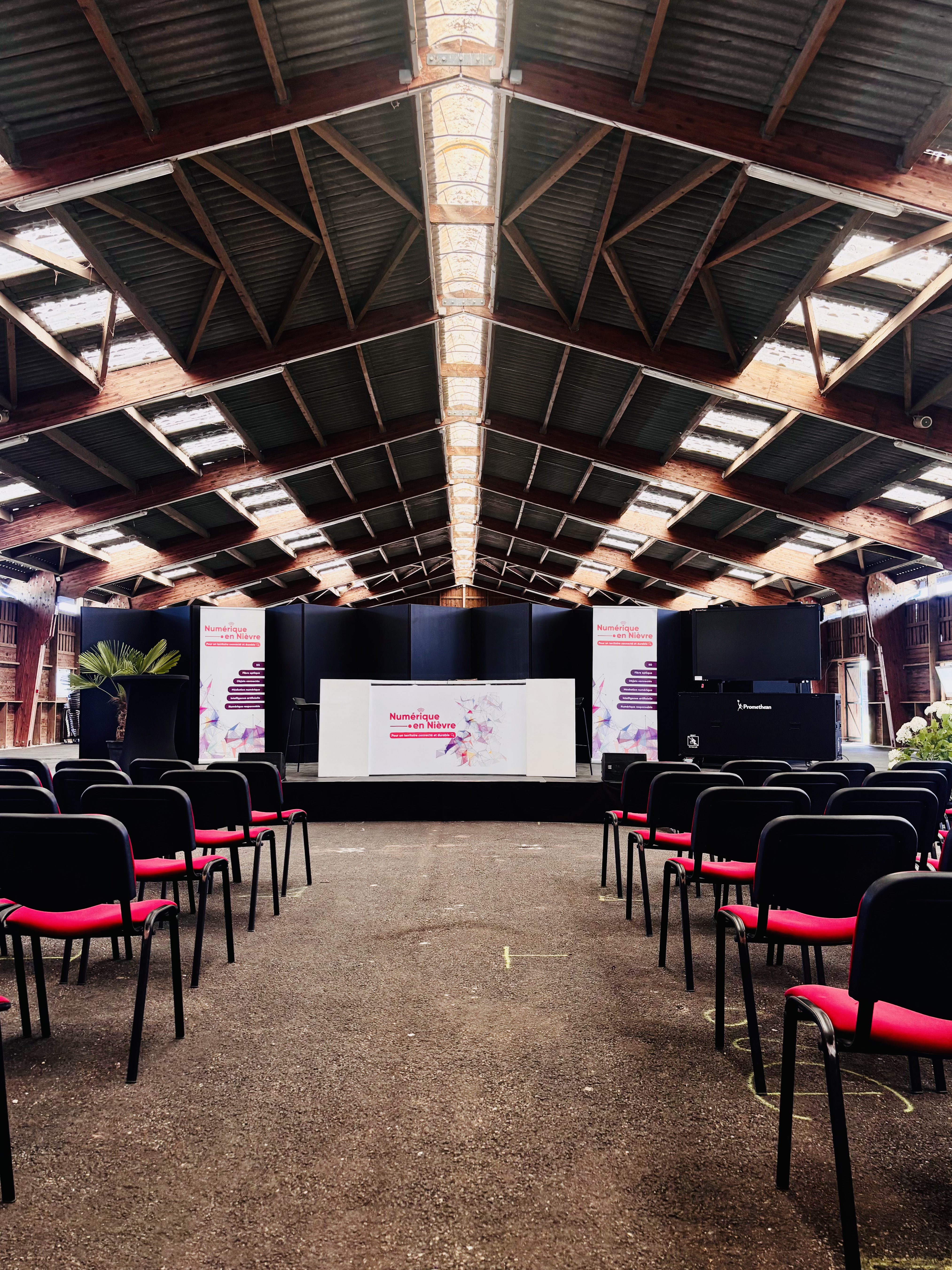
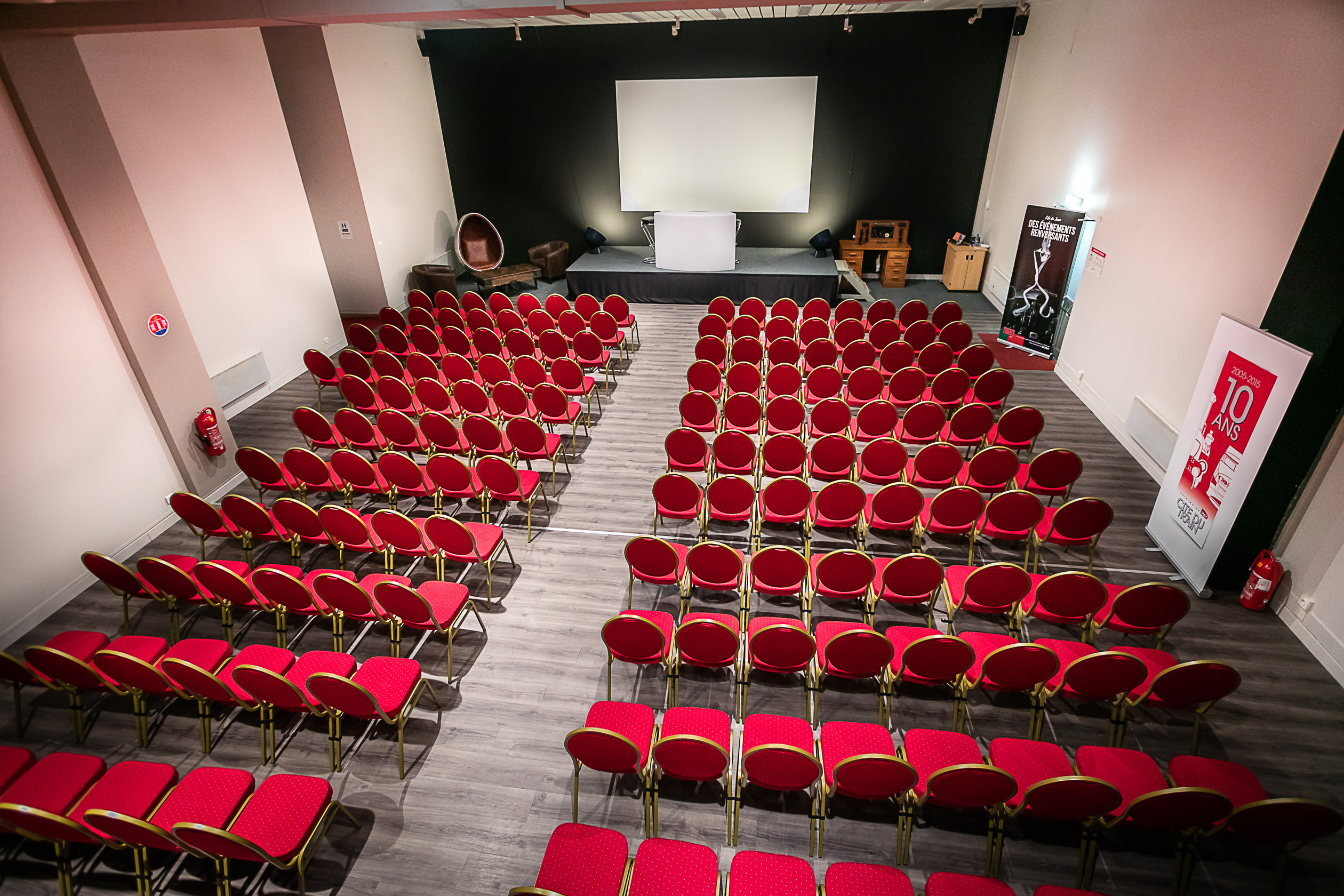
The venue is your operational backbone: it shapes punctuality, attention, and perceived quality. For Seminar Venue Rental in Seville, we shortlist locations based on agenda logic (plenary + breakouts), technical feasibility, and participant comfort—not aesthetics alone. A good site will make your day easier; a mismatched site will force constant improvisation.
| Venue type | For which objective? | Main strengths | Possible constraints |
|---|---|---|---|
Business hotel with meeting floors | Leadership seminars, training days, multi-breakout agendas | Integrated AV options, predictable service levels, easy catering logistics, room-block possibilities for multi-day sessions | Can feel “standard”; check natural light, ceiling height, and whether breakout rooms are close enough to keep transitions under 5 minutes |
Conference center / auditorium venue | Large plenary sessions, external speaker programs, brand announcements | Professional acoustics, seating comfort, stage infrastructure, better sightlines for 200–400 attendees | Less flexible for workshops; catering may require specific suppliers; loading and rehearsal slots must be secured early |
Historic venue adapted for corporate use | Seminars where brand image and hosting matter (partners, VIP guests) | Strong perception value in Seville, distinctive setting for communications and stakeholder engagement | Technical constraints (rigging, cabling), strict noise/time rules, more complex access for suppliers; requires precise production planning |
We strongly recommend a site visit with a technical checklist before contracting: AV positions, power distribution, backstage space, acoustic reality, and catering flow. In Seville, it also matters to confirm loading access, elevator dimensions, and whether the venue has restrictions that impact your schedule (rehearsal times, music limits, end times).
What budget to plan for Seminar Venue Rental in Seville
Pricing depends on the day format, technical level, and service expectations. For Seminar Venue Rental in Seville, the key is to build a budget that protects the essentials: intelligible sound, smooth transitions, and participant comfort. Cutting the wrong line often costs more later (overtime, last-minute rentals, or reputational damage).
As a practical reference, many corporate seminars in the area land within €90–€220 per person all-in for standard formats (venue + basic AV + catering), while more demanding productions (large stage design, extensive breakouts, streaming, premium venues) can reach €250–€450+ per person. We refine quickly once we confirm your agenda and attendee profile.
Venue rental model: half-day vs full-day, exclusivity, included furniture, room setup changes. Some venues charge extra for rehearsal time or early access.
AV and production: number of microphones, screen size, confidence monitors, recording/streaming, technician staffing levels, and rehearsal requirements.
Catering choices: coffee break throughput, lunch format (buffet vs served), dietary constraints, and service staffing. Faster service often needs more stations and staff.
Breakout needs: number of rooms, flipcharts/screens per room, facilitation support, and materials.
Branding and signage: stage backdrop, wayfinding, printed elements, badge system, and any partner visibility rules.
Operational staffing: registration staff, floor managers, speaker liaison, and a production lead. This is often what keeps executives from being pulled into logistics.
Timing and seasonality in Seville: high-demand dates and warm-season requirements can impact venue availability and technical needs (HVAC, water stations, transport planning).
We budget with ROI in mind: fewer delays, higher message retention, cleaner decision capture, and reduced post-event rework. For HR and communication teams, the return is also reputational: when execution is solid, leadership trusts you with bigger strategic moments.
When you need an event agency in Seville for venue sourcing
Venue sourcing looks simple until you manage real constraints: procurement rules, last-minute agenda changes, executive requirements, and technical feasibility. Working with an agency established locally reduces risk because we can validate reality fast—availability, access conditions, technical limitations, and supplier reliability.
If you are comparing options, we recommend choosing a partner that can demonstrate on-the-ground checks and a clear escalation process. As your event agency in Seville, we prioritize operational control: who is responsible for what, what is included in each quote, what is guaranteed, and what is a variable.
- Faster, more reliable short-lists: we filter out venues that look good on paper but fail on breakouts, acoustics, or loading constraints.
- Negotiation and contracting clarity: we secure written inclusions (setups, rehearsal slots, AV baselines, end times) to avoid “surprise extras”.
- Local supplier coordination: technicians, caterers, hosts, transport—aligned under one production plan and one run-of-show.
- On-site authority: a local production lead who can decide quickly and keep executives insulated from operational noise.
We budget with ROI in mind: fewer delays, higher message retention, cleaner decision capture, and reduced post-event rework. For HR and communication teams, the return is also reputational: when execution is solid, leadership trusts you with bigger strategic moments.













Examples of seminar formats delivered in Seville
Our work in Seville covers a wide range of seminar realities—from classic training days to high-stakes leadership communications. What changes is not our rigor; it is the production level and stakeholder management.
Leadership seminar with sensitive content: agenda included strategy update, HR policy changes, and manager Q&A. Key requirements were confidentiality, controlled access, and a speaker prep area. We implemented a registration flow with role-based access, a moderated Q&A format to avoid escalation, and a technical setup optimized for speech clarity (headsets + redundant audio).
Sales kick-off with mixed plenary and breakouts: tight timing, high energy, and multiple teams rotating between rooms. Success came from layout choices: adjacent breakout rooms, clear wayfinding, and a catering setup that cleared queues quickly. Deliverables were captured in templates and consolidated the same day for leadership review.
Hybrid seminar with remote speakers: the priority was reliability. We secured a dedicated internet line, planned a backup connection, scheduled a technical rehearsal, and assigned a speaker liaison for remote participants. The result was a schedule that held time, with no “dead air” between segments.
Across these projects, the constant is operational discipline: realistic schedules, technical checks, and a team structure that prevents last-minute stress from landing on HR or communication leads.
Common seminar venue mistakes in Seville and how we avoid them
Choosing a venue before confirming the run-of-show: leads to long transitions and agenda slippage. We start with flow requirements and then match the venue.
Underestimating acoustics: echo or poor speaker placement destroys attention. We validate sound with a real voice test and define microphone strategy per speaker profile.
Assuming internet is “good enough”: hybrid fails without dedicated bandwidth and backup. We request technical specs in writing and test on-site.
Registration bottlenecks: if the first 20 minutes are chaotic, the day never recovers. We size check-in to arrival waves and pre-print badges when possible.
Catering queues that steal time: slow breaks reduce content time or push the day into overtime. We design service points for throughput and place them to avoid crowding.
No clear responsibility matrix: when something breaks, everyone looks at the client. We define who decides, who executes, and who escalates—before the event day.
Our role is to remove these risks from your critical path. A seminar is judged on delivery, not intentions—and the organizing team should not have to “fight the day” to protect leadership objectives.
Why Seville clients renew their seminar venue partner
Renewal is not about creativity; it is about trust under pressure. Clients come back when they see that planning is structured, budgets are controlled, and issues are solved quietly without drama.
In corporate environments, the real test is often internal: HR and Comms need a partner who helps them look reliable to executives and procurement. That means clear documentation, transparent quotes, and consistent delivery across different venues and formats in Seville.
70–80% of our seminar clients typically repeat within 18 months (depending on cycle and seasonality).
1 consolidated run-of-show shared with all suppliers and stakeholders, minimizing “version chaos”.
Up to 30% time saved for internal teams through delegated sourcing, contracting coordination, and vendor briefings.

Loyalty is a measurable signal: when teams invite us back, it is because the experience was predictable, controlled, and aligned with corporate standards—exactly what demanding directors expect.
Our process for Seminar Venue Rental in Seville
👉 Brief alignment and constraints mapping in Seville
We start with a 30–45 minute working session to capture the non-negotiables: date flexibility, attendee profile, agenda structure, brand constraints, procurement requirements, and decision timeline. We also map practical constraints specific to Seville: access expectations, parking needs, seasonality comfort requirements, and any confidentiality needs.
Deliverable: a one-page brief and a first risk map (what could derail timing, sound, or participation).
👉 Venue short-listing and site checks in Seville
We provide a short-list (typically 3–6 venues) with transparent comparisons: capacity, breakout logic, AV baseline, catering options, access, and contract conditions. Then we conduct a site visit or technical validation to confirm what matters in real life: acoustics, loading, power, backstage, and flow.
Deliverable: a comparison grid and a recommended option with clear rationale (not just “best price”).
👉 Budget build and contracting control in Seville
We consolidate venue, AV, catering, staffing, and optional elements into one budget that shows what is fixed vs variable. We confirm inclusions in writing (setup hours, rehearsal slots, end times, overtime rules). For internal approvals, we can provide procurement-friendly documentation and line-item clarity.
Deliverable: validated budget and contract summary with risks and mitigations.
👉 Production planning and stakeholder coordination in Seville
We produce the run-of-show, staff plan, signage plan, and technical sheet. We schedule technical rehearsal if needed, coordinate speakers (slides format, deadlines, clickers, confidence monitor needs), and brief catering on service timing. We also define escalation rules so your team is not constantly interrupted.
Deliverable: final production pack shared with suppliers and your internal stakeholders.
👉 On-site delivery and post-event wrap in Seville
On the day, our production lead manages suppliers, timing, and issue resolution. We protect plenary sessions, keep transitions tight, and ensure speakers are supported. After the event, we wrap with financial reconciliation and a short debrief: what worked, what to improve, and operational notes for the next seminar in Seville.
Deliverable: final report (budget close + key operational learnings).
FAQ sobre la organización Seminar Venue Rental en Seville
How far in advance to book a seminar venue in Seville?
For Seville, plan 6–10 weeks for standard seminars (50–150 people) and 3–6 months for peak dates or larger formats (200+). If your agenda needs multiple breakouts or hybrid streaming, earlier booking increases technical and scheduling options.
What is a realistic seminar budget per person in Seville?
Most corporate seminars fall between €90–€220 per person all-in (venue + basic AV + catering). With premium venues, larger stages, extensive breakouts, or streaming/recording, expect €250–€450+ per person. Final cost depends on agenda length, technical complexity, and service level.
Which Seville areas are best for punctual attendee arrival?
It depends on where your audience is coming from. If many arrive by train, proximity and access from Santa Justa is a plus. For mixed local arrivals, prioritize venues with clear parking/drop-off rules and straightforward wayfinding. We validate access in real conditions (arrival waves, taxi points, unloading rules), not only via maps.
Do we need dedicated internet for hybrid seminars in Seville?
If you have remote speakers, streaming, or live interaction tools, yes: request a dedicated line and plan a 4G/5G backup. We also recommend a technical rehearsal and a clear responsibility split between venue IT and AV technicians to avoid last-minute blame shifts.
What venue checks prevent last-minute issues in Seville?
We focus on five checks: acoustics (voice test), HVAC performance, power distribution, loading access and setup times, and catering throughput. These items most often cause delays or quality drops if left unverified.
Request a Seville venue short-list and a controlled budget
If you are planning a leadership day, training seminar, or hybrid briefing, contact INNOV'events with your date, estimated headcount, and agenda outline. We will return a practical short-list for Seminar Venue Rental in Seville and a first budget framework—clear inclusions, clear options, and realistic timing.
Early planning is not bureaucracy; it is how you secure the right rooms, rehearsal windows, and technical resources before calendars fill. If your seminar is soon, we can also propose “fast-track” solutions that protect quality without overbuilding the production.
INNOV'events Seville Agency
Cyril Azevedo is the manager of the INNOV'events Seville office. Reach out directly by email at cyril@innov-events.es or via the contact form.
Contact the Seville agencyAll our services & entertainment Seville
Discover our event services
Discover our event entertainment available in the España
- Event Hostess Seville
- Escape Game Seville
- MasterChef Cooking Workshop Seville
- Magician Seville
- Marquee Rental Seville
- Color Analysis Workshop Seville
- Inflatable Games Seville
- Valet Parking Service Seville
- Football Simulator Seville
- LED Furniture Rental Seville
- Light Branding Seville
- Unique Dining Experience Seville
- Light Painting Seville
- Murder Mystery Party Seville
- Prize Contest Seville
- Promotional Displays (POS) Seville
- Virtual Reality Seville
- Molecular Gastronomy Workshop Seville
- Halloween Entertainment Seville
- Fireworks Show Seville
- Giant Games Challenge Seville
- Event Host / MC Seville
- Photo Booth Animation Seville
- Santa Claus Entertainment Seville
- Kids Entertainment Seville
- Guided Tour Seville
- Urban Rally Seville
- Ball Pit Seville
- Flight Simulator Seville
- Food Truck Rental Seville
- World Record Challenge Seville
- Surf Simulator Seville
- Wine Casino Seville
- Makeover Workshop Seville
- Perfume Creation Workshop Seville
- Acting Workshop Seville
- CSR Activities Seville
- Archery Seville
- Security Staff Seville
- Wine Tasting Seville
- Mime Performer Seville
- TV Game Show Seville
- Funfair Seville
- Crisis Management Workshop Seville
- Crisis Negotiation Workshop Seville
- Arcade Games Seville
- Indoor Skydiving Simulator Seville
- Ski Simulator Seville
- Racing Circuit Experience Seville
- Introductory Flight Experience Seville
- Tasting Experience Seville
- Build Your Own Foosball Workshop Seville
- 2CV Rally Seville
- LEGO Challenge Seville
- Casino Night Seville
- Interpreter / Translator Seville
- Promotional Giveaways Seville
- Shuttle Transport Seville