
Shopping Mall Entertainment in Seville that drives footfall and protects your brand
INNOV'events designs and delivers Shopping Mall Entertainment programs in Seville for corporate brands, retail groups and shopping centres—from 200 to 20,000+ visitors/day. We manage the full operational chain: concept, permits, talent booking, technical production, staffing, security coordination and on-site direction.
You get measurable activation (traffic, dwell time, lead capture) without compromising tenant comfort, safety or brand compliance.
Table of contents
In a mall environment, entertainment is not “nice to have”: it is a lever to increase footfall, distribute flows across zones, extend dwell time and create reasons to return—especially on weekends, key retail dates and school holiday peaks in Seville.
Local organisations typically expect an activation that is brand-safe, fast to approve, compliant with centre rules (sound, heights, power, loading docks), and capable of running smoothly while shops stay open—no surprises for security, cleaning or tenant operations.
As INNOV'events, we work with production teams and providers on the ground in Seville, which lets us secure realistic schedules, pre-visit locations, and coordinate with mall management and municipal constraints with the level of detail executive teams demand.
Operational delivery in Seville backed by proven figures
12+ years delivering corporate activations and public-facing entertainment across Spain, with repeat programmes in Andalusia.
300+ events/year handled through our national network (talent, technicians, hosts, suppliers), enabling quick replacement plans and scalable staffing.
48–72 hours to deliver a first operational proposal (concept + staffing + technical outline) for standard mall activations, once site constraints are confirmed.
1 single on-site lead responsible for run-of-show, vendors and incident management—so centre management and brand teams have one accountable contact.
How to organize a professional event in Seville?
- Define the objective (cohesion, announcement, fidelity, performance).
- Set date, format and size (20–1 000 people).
- Secure the venue and accommodation according to seasonality.
- Lock down technical, suppliers and logistics.
- Drive the day J (timing, scene, entrance, flow).
References and long-term partners across Seville
We support companies and institutions operating in Seville and the province (41) that require consistent execution standards: marketing departments running recurring retail calendars, HR teams organising family days, and communication teams managing reputation-sensitive public events.
Many of our clients come back year after year because mall entertainment is rarely a one-off: it is a sequence of peaks (Reyes, summer promotions, back-to-school, Black Friday) that requires a partner who remembers the centre’s rules, the tenant sensitivities and the internal approval process. If you share your centre name, target zones and constraints (sound limits, ceiling points, loading hours), we’ll reference comparable deployments we have managed and the operational choices that made them run cleanly.
We send you a first proposal within 24h.
Why invest in Shopping Mall Entertainment in Seville now
For executives and decision-makers, mall entertainment is only worth doing if it supports business outcomes and reduces operational friction. In Seville, where weekend traffic can be highly seasonal and temperature-dependent, entertainment is often the most controllable lever to stabilise footfall and protect commercial performance during critical dates.
Footfall uplift with controlled flow: we design activation points that distribute visitors across levels and corridors, avoiding “dead zones” and reducing congestion near anchors.
Longer dwell time without tenant disruption: content is scheduled in waves (e.g., 12–15 min blocks) to maintain interest while keeping sound and crowd density within centre tolerance.
Data capture and measurable marketing: QR journeys, instant win mechanics, couponing, or lead forms tied to CRM—so your team can report beyond vanity metrics.
Brand compliance and risk control: scripts, wardrobe, signage, claims and prizes validated upfront—minimising last-minute legal/brand vetoes that derail opening day.
Internal alignment: a clear run sheet and stakeholder map (centre management, security, cleaning, tenants, brand) reduces internal email chains and the “who approved this?” stress.
Employer brand and community impact: for corporate groups, mall entertainment can extend HR and CSR visibility—especially when designed with accessibility and family inclusion in mind.
Seville rewards operationally well-managed experiences: visitors respond to content that feels organised, safe and respectful of the shopping environment. The city’s economic culture values professionalism and relationships—meaning a smooth day on site is often what secures the next approval cycle.
What Seville organisations expect from mall entertainment suppliers
In practice, the decision to run Shopping Mall Entertainment in Seville is judged as much on operations as on creativity. Marketing teams want engagement; centre managers want calm; security wants predictability; tenants want sales continuity; and executives want reputational safety.
Typical local constraints we plan for include: strict loading/unloading windows (often early morning), limited storage backstage, narrow service corridors, power availability that must be confirmed by the centre’s technical team, and sound constraints that change by zone and time of day. We also anticipate Andalusian seasonality: peak family attendance around school holidays and weekends, and the need for shaded/indoor-friendly formats during extreme heat periods.
Finally, approvals in many Seville organisations are multi-layered: brand, legal, procurement, centre management, and sometimes tenant committees. Our job is to provide documentation that makes approvals easy: technical rider, risk assessment, insurance, staffing plan, signage mock-ups, and a clear responsibility matrix for incident handling.
Which entertainment formats work best in Seville shopping centres
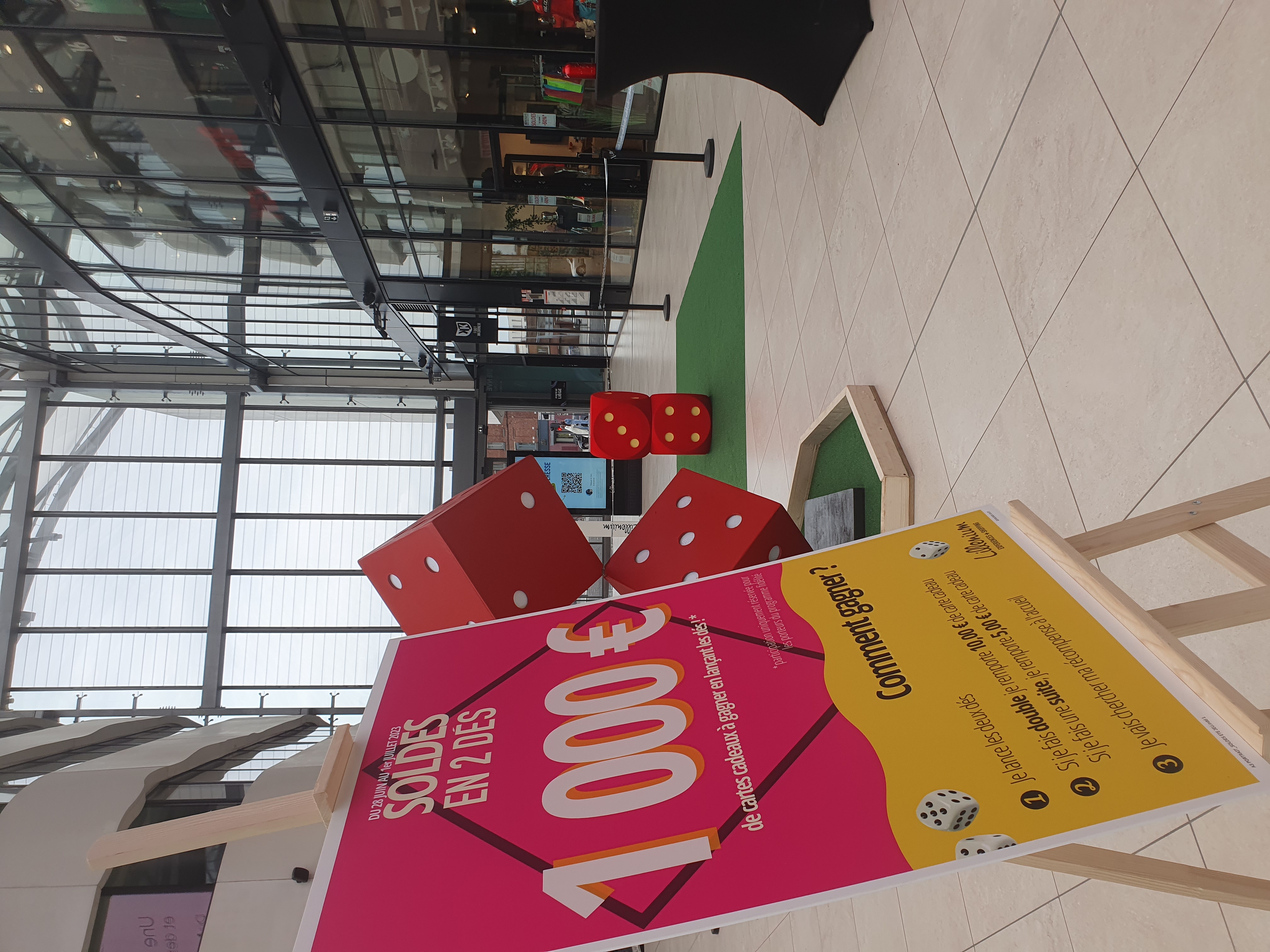
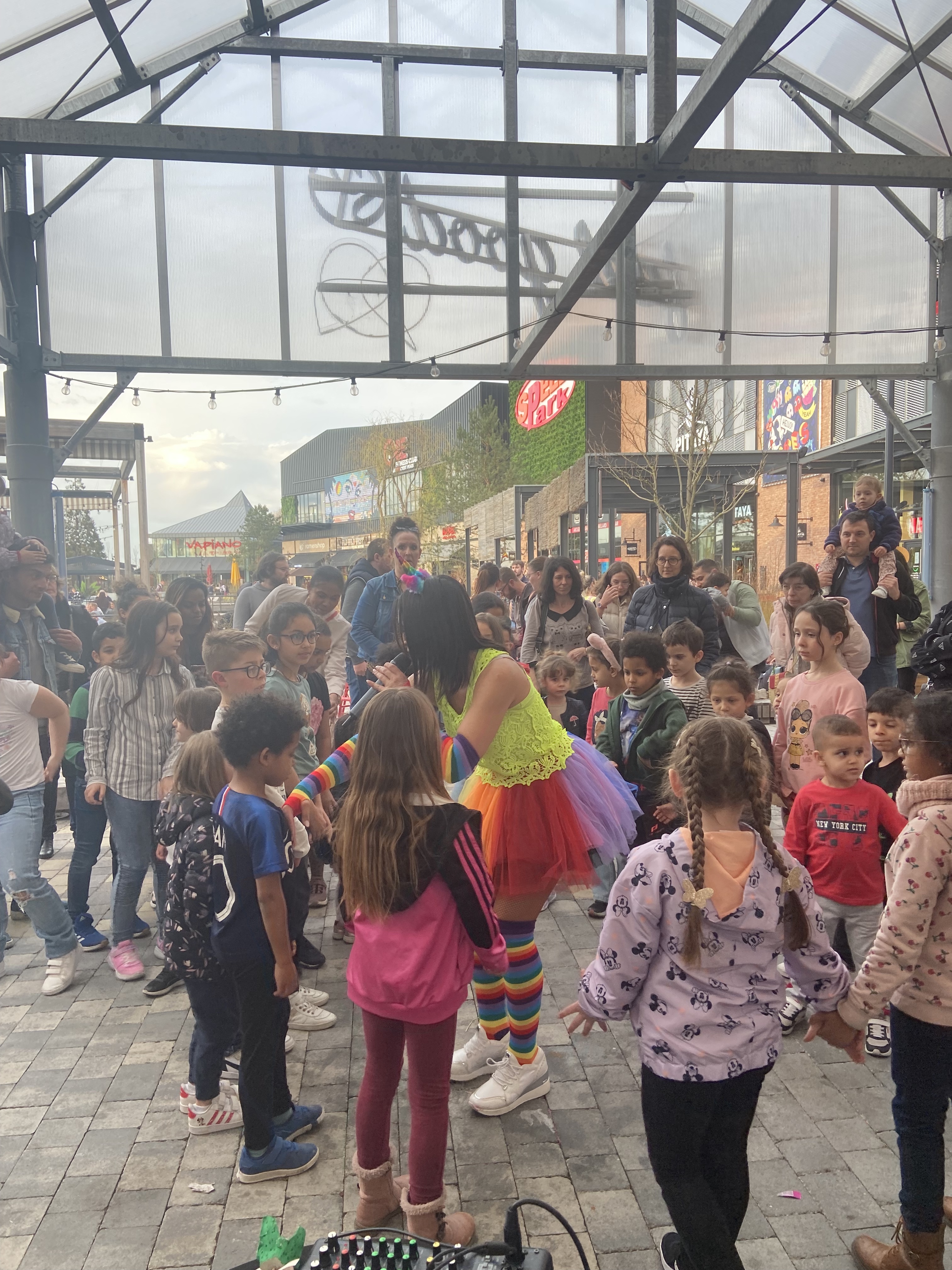
Entertainment drives engagement when it respects the mall’s commercial ecosystem. The best formats for corporate event entertainment in Seville combine visibility, speed of participation, and operational control. Below are options we regularly deploy, with the practical implications decision-makers care about (space, staffing, noise, data capture).
Interactive animations in Seville
Digital instant-win stations: fast participation (30–60 seconds), strong data capture, easy to rotate across zones. Works well for lead goals and retailer couponing.
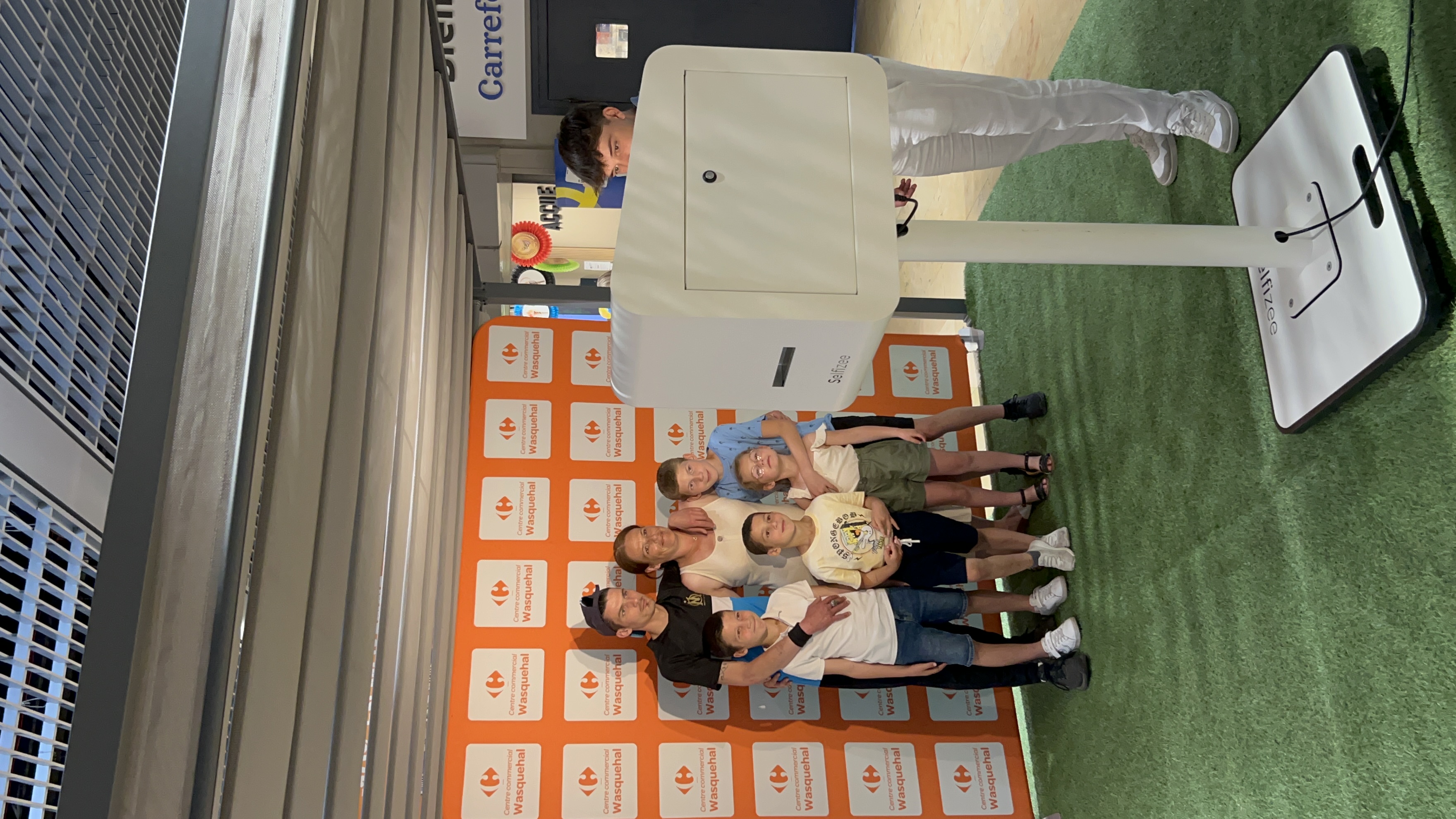
Photo and video booths with brand overlays: predictable queue management, high social sharing, low sound impact—ideal near fashion or lifestyle corridors.
Family workshop bars (craft, simple science, eco-themed): increases dwell time and keeps families in a defined footprint. Requires table layout, cleaning plan and child safeguarding briefing.
Roaming micro-activations (hosts with tablets, product sampling where permitted): useful to distribute traffic and support underperforming zones; requires tight scripting and tenant alignment.
Art animations in Seville
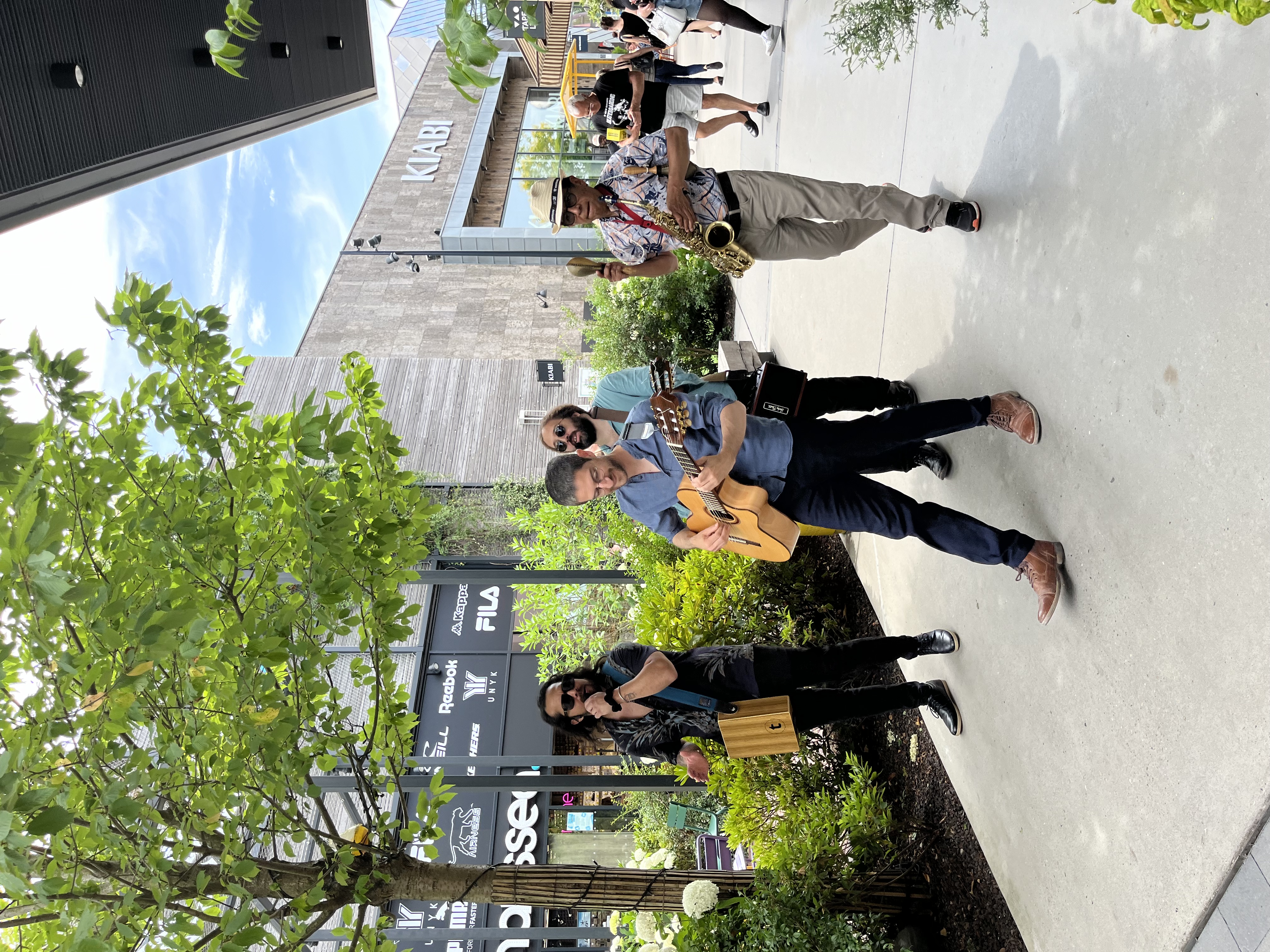
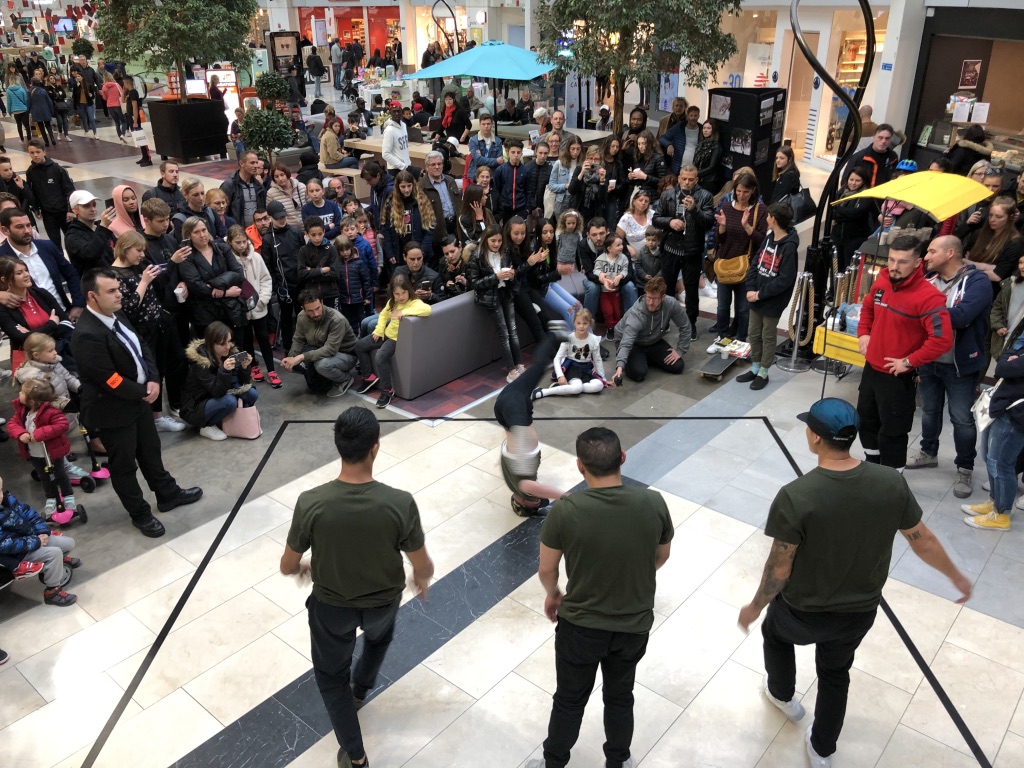
Short-format shows (10–15 minutes): dance, percussion, comedy, circus minis—designed to create a “peak moment” without hijacking the entire centre soundscape.
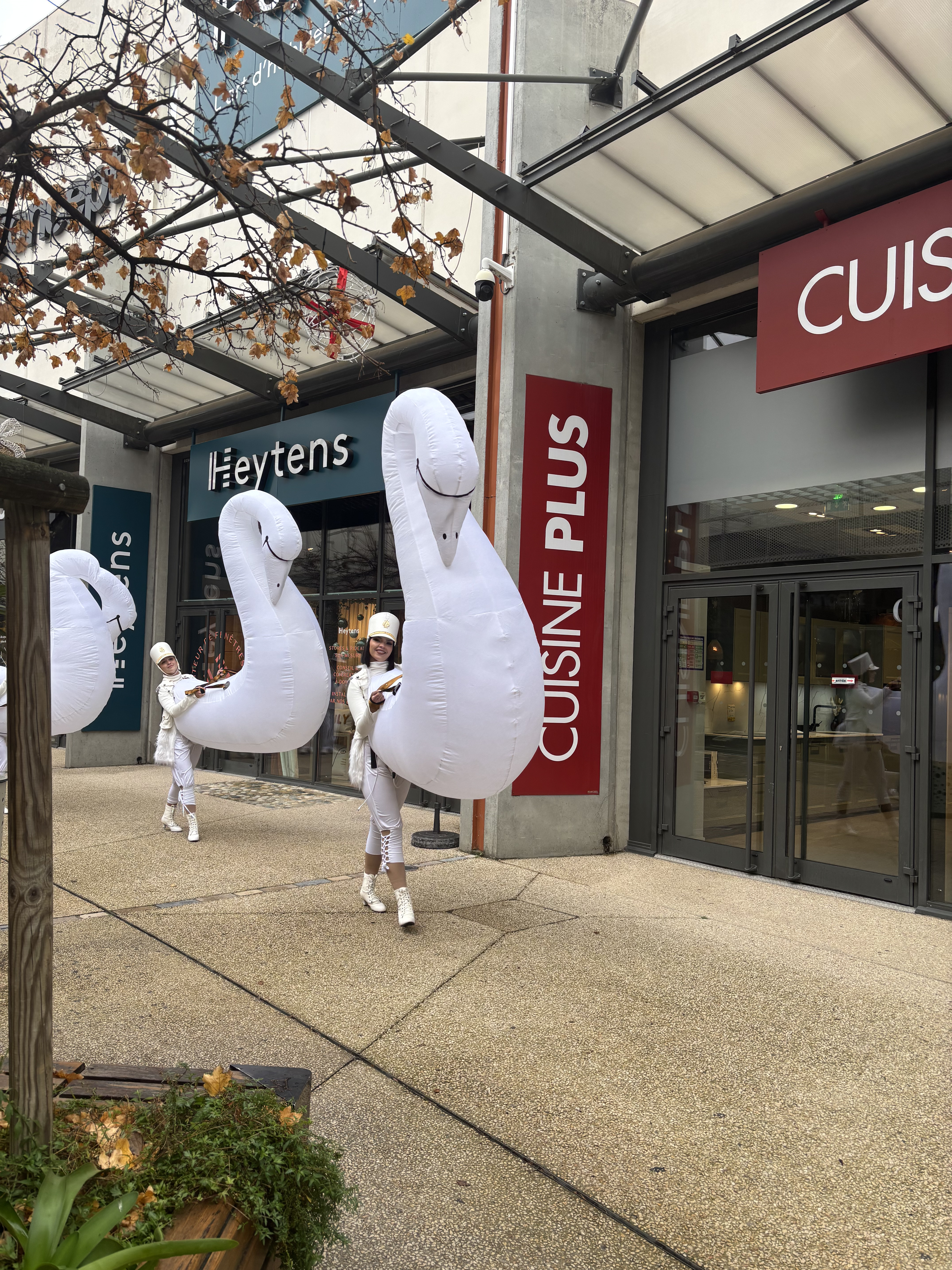
Ambient performers (living statues, elegant character walkabouts): high visual impact with minimal audio, particularly suitable for premium centres and brand-sensitive environments.
Local cultural cues handled carefully: in Seville, cultural references can work exceptionally well when they’re respectful and aligned with your brand positioning. We avoid clichés and validate wardrobe, music and staging with the centre.
Innovative animations in Seville
Guided tastings (non-alcoholic or controlled alcohol formats): great for adult traffic, but must align with mall rules, food safety, and supplier documentation. Ideal with time-slot registration.
Chef demo corners: strong dwell-time tool, but requires power, ventilation considerations and careful placement to avoid odour complaints from adjacent retailers.
Branded treat carts: controlled distribution and easy mobility; effective for “surprise and delight” while keeping queues small.
Gourmand animations in Seville
AR trails and QR scavenger routes: distributes footfall across levels, supports retailer participation, and provides measurable completion data. Needs reliable connectivity planning.
Interactive LED installations: high visibility and strong brand impact when you want a “landmark” moment. Requires technical pre-check for rigging, safety perimeter and night build options.
Gamified challenges (team missions, timed puzzles): effective for corporate groups using the mall as a public-facing brand stage; requires trained facilitators and clear rules to avoid crowding.
Whatever the format, we validate alignment with brand image through concrete checkpoints: tone of voice on host scripts, wardrobe and grooming standards, signage hierarchy, music licensing, and how staff handle complaints. In a mall in Seville, brand perception is built as much by the behaviour of your team as by the entertainment itself.
How to choose the right Seville venue type for mall entertainment
The venue within a shopping centre (atrium, corridor node, rooftop terrace, parking access) directly impacts perceived quality and operational safety. We select locations based on visibility, flow, acoustic control, loading access and emergency route protection—not just aesthetics.
| Venue type | For which objective? | Main strengths | Possible constraints |
|---|---|---|---|
| Atrium / central plaza | Maximise reach and create a signature moment | High visibility, easy wayfinding, supports staged shows and sponsor branding | Sound reflections, crowd density management, strict barrier and evacuation planning |
| Corridor activation node (mid-traffic) | Drive distribution and support specific retail zones | More controllable flow, easier for lead capture stations, lower technical needs | Tenant sensitivity (entrances), narrower footprints, queue control required |
| Outdoor terrace / rooftop area | Seasonal programming and premium experiences | Better acoustics, food & beverage formats, strong ambience for evening slots | Weather and heat planning in Seville, power limitations, noise impact on neighbours |
We strongly recommend a site visit before final sign-off. Many issues only appear on location: sightlines blocked by pillars, a service lift that cannot fit the flight case, or a power feed that is farther than expected. In Seville, a one-hour walkthrough with the centre’s technical and security leads often prevents the most expensive last-minute fixes.
What Shopping Mall Entertainment costs in Seville (and what drives it)
Pricing for Shopping Mall Entertainment in Seville depends on operational parameters more than on the “idea” itself. A small, well-run activation can outperform a larger one if staffing, flow and technical constraints are planned correctly.
Format and duration: a 4-hour activation with waves is not priced like a full-day programme with continuous staffing and supervision.
Technical production: staging, sound, lighting, LED, power distribution, floor protection and rigging requirements are major cost drivers.
Staffing levels: hosts, facilitators, technicians, security liaison, stage manager, and queue management. For public-facing activations, the difference between “enough staff” and “understaffed” is a risk, not a saving.
Permits and compliance: insurance certificates, risk assessments, music licensing, and any municipal requirements depending on location and public access points.
Build constraints: night builds, restricted loading hours, long distances from dock to site, or required use of mall-approved subcontractors.
Branding and fabrication: custom scenic elements, printed structures, reusable modular assets, or premium finishes required by corporate brand guidelines.
From an ROI perspective, we encourage clients to define 2–3 measurable KPIs upfront: footfall uplift in target hours, average dwell time near the activation, leads captured, coupon redemption, or retailer participation rate. Then we build a budget that funds what moves those KPIs—rather than overspending on visible elements that do not change behaviour.
Why choosing an event agency in Seville reduces risk
For mall entertainment, local execution is not a convenience; it is a risk-control strategy. When the activation is public-facing, issues escalate quickly: a queue blocks a fire exit, a tenant complains about sound, or a delivery window is missed. Being established in Seville means we can be on site fast, work with known technicians and performers, and coordinate pragmatically with centre operations.
It also improves procurement efficiency: we can propose suppliers whose documentation is already aligned with typical Spanish centre requirements (insurance, certifications, safety documentation) and reduce the time your team spends chasing paperwork. If you are comparing partners, we recommend asking who will be your on-site director and how replacement plans are handled if a performer or key technician is unavailable.
If you need a broader view of our corporate services beyond retail activations, you can also consult our event agency in Seville page for additional context.
- Faster site checks and realistic load-in planning based on actual dock routes and centre rules.
- Local supplier bench for last-minute replacements (technicians, hosts, rentals) without compromising quality.
- Better stakeholder coordination with security, cleaning and centre technical teams, using their working rhythms and documentation standards.
- More reliable timelines for fabrication, transport and rehearsals within the province (41).
From an ROI perspective, we encourage clients to define 2–3 measurable KPIs upfront: footfall uplift in target hours, average dwell time near the activation, leads captured, coupon redemption, or retailer participation rate. Then we build a budget that funds what moves those KPIs—rather than overspending on visible elements that do not change behaviour.









Examples of Seville-ready projects and how we adapt
Our mall entertainment projects vary widely because objectives and constraints vary widely. Some clients need a compact activation to support a commercial moment; others need a multi-week calendar with consistent quality across weekends. We have delivered programmes involving short-format shows, interactive data capture stations, kids’ workshops, seasonal installations, and branded content that integrates retailer participation.
In practice, adaptability is proven by how an agency handles real-life changes. For example: a centre reduces sound levels after tenant feedback, a brand legal team rejects a prize mechanic late in the process, or a location becomes unavailable due to maintenance. Our approach is to keep backup options pre-approved: alternative scripts, alternative mechanics, and an alternate footprint mapped during the site visit. That is how we protect the event day in Seville without improvising in front of the public.
We also structure deliverables for corporate environments: concise approvals packs, clear production schedules, and documented responsibilities so your HR, comms or marketing team can report internally with confidence.
Common mistakes brands make with Seville mall entertainment
Underestimating crowd and queue dynamics: the activation is popular, but there is no queue plan, no barriers, and no staff to direct flow—leading to security interventions.
Ignoring tenant operations: placing an activity too close to shop entrances or creating noise peaks during sensitive trading hours triggers complaints and damages long-term centre relationships.
Late compliance work: insurance, risk assessments, music licensing or child safeguarding plans are treated as afterthoughts, causing last-minute delays or forced scope cuts.
Overbuilding the concept for the available load-in and power: impressive on paper, but impossible within dock times, lift dimensions or electrical limitations.
No KPI framework: without agreed metrics (leads, dwell, redemption), internal reporting becomes subjective and future budgets get challenged.
Weak on-site leadership: too many vendors and no single director means small incidents become big problems in a live public setting.
Our role at INNOV'events is to prevent these risks through disciplined preparation, transparent documentation and strong on-site direction—so your team can focus on stakeholder management and brand outcomes in Seville, not crisis control.
Why corporate teams in Seville renew with INNOV'events
Loyalty in event delivery is earned through repeatable execution, not promises. Clients return when the agency reduces internal workload, keeps the centre comfortable, and delivers clean reporting that helps secure next year’s budget.
Multi-date planning: we often manage calendars across 3–8 peak dates/year, which requires consistent teams, documented learnings and operational continuity.
Shorter approval cycles after the first deployment: once we have validated centre constraints and your brand guidelines, future activations become faster to approve and cheaper to manage.
Lower incident rates through standardised checklists: queueing, signage placement, power distribution, and staff briefings are repeated rigorously.

In Seville, where reputation and relationships matter, loyalty is a strong indicator of quality: it means the centre is comfortable, the brand is protected, and your internal stakeholders are not exhausted after the event.
Our Seville delivery process from brief to opening hour
👉 Brief alignment and KPI definition in Seville
We start with a working session with marketing/HR/comms to define 2–3 KPIs (footfall, dwell time, leads, coupon redemption, retailer participation). We also capture non-negotiables: brand tone, do-not-do list, legal constraints, and centre rules already known by your team.
👉 Site validation and operational mapping (41)
We confirm footprint options, sightlines, power, loading path, storage and evacuation routes with centre management. This is where we decide whether the activation should be centralised (atrium) or distributed (nodes + roaming). We document constraints so your internal approvals are based on facts, not assumptions.
👉 Concept, run-of-show and compliance pack for Seville stakeholders
You receive a compact pack: concept description, visuals, staffing plan, technical outline, schedule, risk assessment approach, insurance requirements, and signage guidelines. We design the programme in timed waves to control noise and crowd density.
👉 Vendor booking, rehearsals and contingency planning in Seville
We book talent and technicians, validate documentation, and create contingency options (backup performer, alternate mechanic, spare equipment). We also align with security and cleaning for crowd flow, waste and incident escalation.
👉 On-site delivery and executive-grade reporting
One on-site director runs the day: load-in, safety checks, staff briefing, run-of-show, and incident management. After the activation, we deliver a results summary aligned with your KPIs (counts, leads, redemption, qualitative feedback), with operational learnings for the next date in Seville.
FAQ sobre la organización Shopping Mall Entertainment en Seville
How far in advance should we book in Seville?
For standard activations, plan 3–6 weeks. For peak retail dates (Black Friday, Christmas, Reyes), we recommend 8–12 weeks to secure the best talent, production slots and centre approvals.
What budget range is typical for Seville mall entertainment?
As a working range, compact interactive setups often start around €4,000–€12,000. Larger staged programmes with multiple staff, technical production and fabrication commonly fall between €15,000–€60,000+, depending on duration and complexity.
Can you run low-noise entertainment in Seville centres?
Yes. We use ambient performers, silent disco-style headphones, low-SPL sound systems, timed micro-shows, and interactive stations that do not require amplification. We validate zone-by-zone sound constraints with the centre before confirming the format.
Who handles permits and insurance in Seville activations?
We coordinate the documentation pack (insurance certificates, risk assessment inputs, vendor compliance) and align it with centre requirements. If municipal permits are needed due to public space interfaces, we support the process, but the exact responsibility split is confirmed in writing at the start.
How do you measure success for Seville Shopping Mall Entertainment?
We agree KPIs upfront and instrument accordingly: lead capture counts, QR scans, coupon redemption, participation per hour, and qualitative tenant feedback. When available, we also align with centre analytics (footfall counters) to compare target hours vs baseline.
Request a Seville proposal with a clear operational plan
If you are planning Shopping Mall Entertainment in Seville, the fastest way to reduce risk is to lock the footprint and constraints early. Send us your target dates, estimated daily visitors, preferred zones, and any centre rules you already have (sound limits, loading times, branding guidelines).
INNOV'events will come back with a realistic concept, staffing and technical outline, plus the compliance items your procurement and centre management will ask for. The earlier we align, the more options you keep—and the less last-minute cost you absorb.
INNOV'events Seville Agency
Cyril Azevedo is the manager of the INNOV'events Seville office. Reach out directly by email at cyril@innov-events.es or via the contact form.
Contact the Seville agencyAll our services & entertainment Seville
Discover our event services
Discover our event entertainment available in the España
- Event Hostess Seville
- Escape Game Seville
- MasterChef Cooking Workshop Seville
- Magician Seville
- Marquee Rental Seville
- Color Analysis Workshop Seville
- Inflatable Games Seville
- Valet Parking Service Seville
- Football Simulator Seville
- LED Furniture Rental Seville
- Light Branding Seville
- Unique Dining Experience Seville
- Light Painting Seville
- Murder Mystery Party Seville
- Prize Contest Seville
- Promotional Displays (POS) Seville
- Virtual Reality Seville
- Molecular Gastronomy Workshop Seville
- Halloween Entertainment Seville
- Fireworks Show Seville
- Giant Games Challenge Seville
- Event Host / MC Seville
- Photo Booth Animation Seville
- Santa Claus Entertainment Seville
- Kids Entertainment Seville
- Guided Tour Seville
- Urban Rally Seville
- Ball Pit Seville
- Flight Simulator Seville
- Food Truck Rental Seville
- World Record Challenge Seville
- Surf Simulator Seville
- Wine Casino Seville
- Makeover Workshop Seville
- Perfume Creation Workshop Seville
- Acting Workshop Seville
- CSR Activities Seville
- Archery Seville
- Security Staff Seville
- Wine Tasting Seville
- Mime Performer Seville
- TV Game Show Seville
- Funfair Seville
- Crisis Management Workshop Seville
- Crisis Negotiation Workshop Seville
- Arcade Games Seville
- Indoor Skydiving Simulator Seville
- Ski Simulator Seville
- Racing Circuit Experience Seville
- Introductory Flight Experience Seville
- Tasting Experience Seville
- Build Your Own Foosball Workshop Seville
- 2CV Rally Seville
- LEGO Challenge Seville
- Casino Night Seville
- Interpreter / Translator Seville
- Promotional Giveaways Seville
- Shuttle Transport Seville