
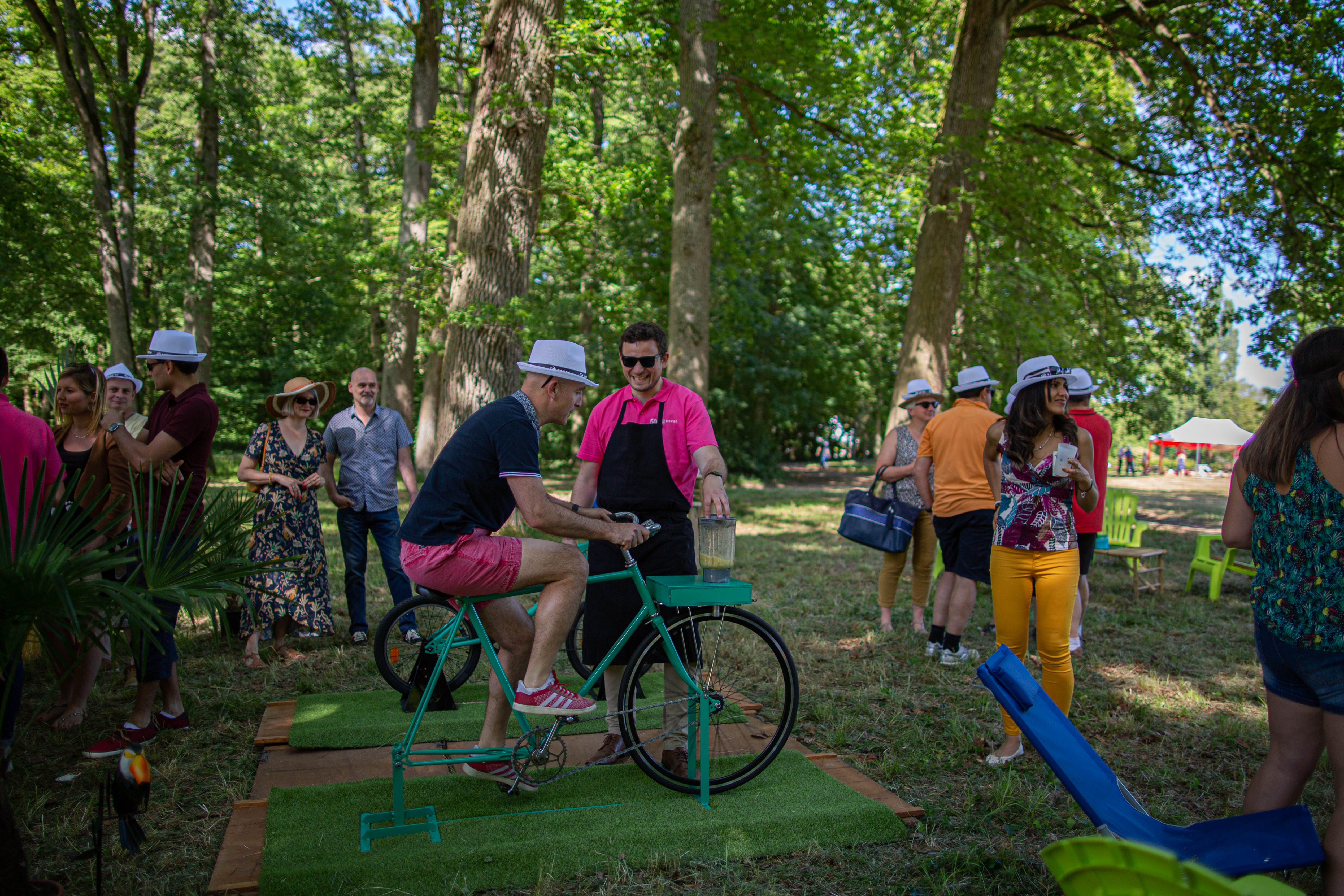
Corporate Garden Party in Seville that feels effortless for your teams
INNOV'events designs and delivers Corporate Garden Party formats in Seville for 50 to 1,200+ attendees, from executive hosting to full operations.
We manage venue sourcing, local suppliers, permissions, technical production, catering flow, guest experience and on-site coordination—so HR and Comms can focus on people, not firefighting.
Table of contents
In a corporate context, entertainment is not a “nice-to-have”: it is a lever for participation, internal networking and message retention. A well-structured Corporate Garden Party creates the conditions for spontaneous conversations between functions that do not usually mix, which is exactly what leadership expects when they invest in a live moment.
When the agenda is light but the outcome must be measurable (engagement, alignment, employer brand), the difference is in the mechanics: arrival rhythm, hosting cues, content timing, sound management, food & beverage pacing, and the right amount of interaction without forcing it.
In Seville, organizations typically ask for a premium yet relaxed atmosphere: clean staging, controlled sound levels (to allow real conversation), impeccable catering logistics under heat constraints, and an experience that respects local culture without turning into a cliché. Executives want a result that supports reputation; HR wants inclusivity and smooth flow; Comms wants a coherent brand frame and reliable content capture.
We build garden parties that work for mixed audiences (local teams + visiting HQ, clients + partners, multi-language groups), with operational choices made upfront to avoid last-minute compromises.
INNOV'events operates with local production reflexes: we plan around Seville seasonality, supplier lead times, municipal constraints, and venue access realities. Our teams work with checklists, technical riders and contingency plans that reflect field experience—because the day-of pressure is real, and it always lands on the organizer if the agency is not structured.
You get one accountable project lead, a documented run-of-show, and an on-site team sized to your attendance and complexity.
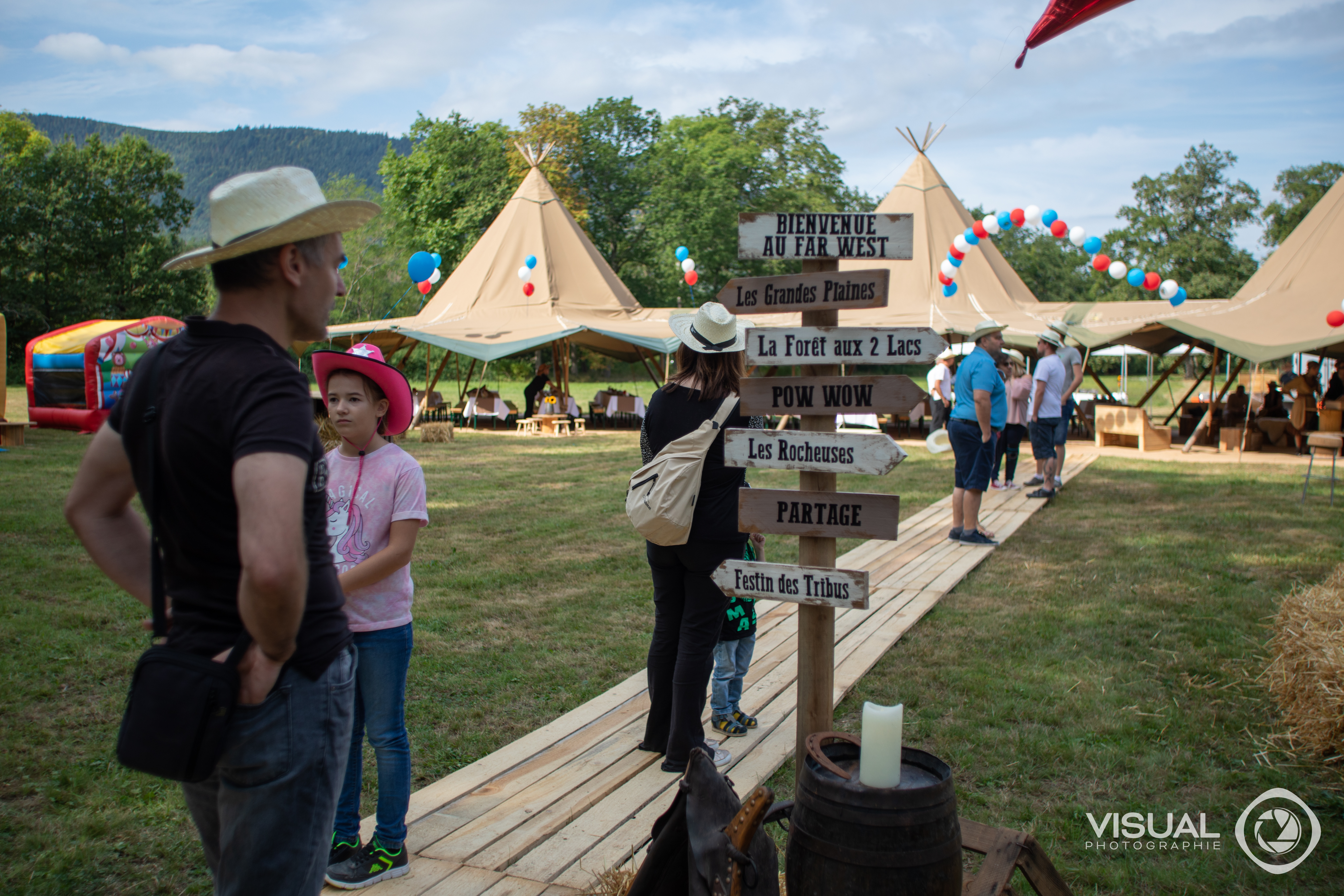
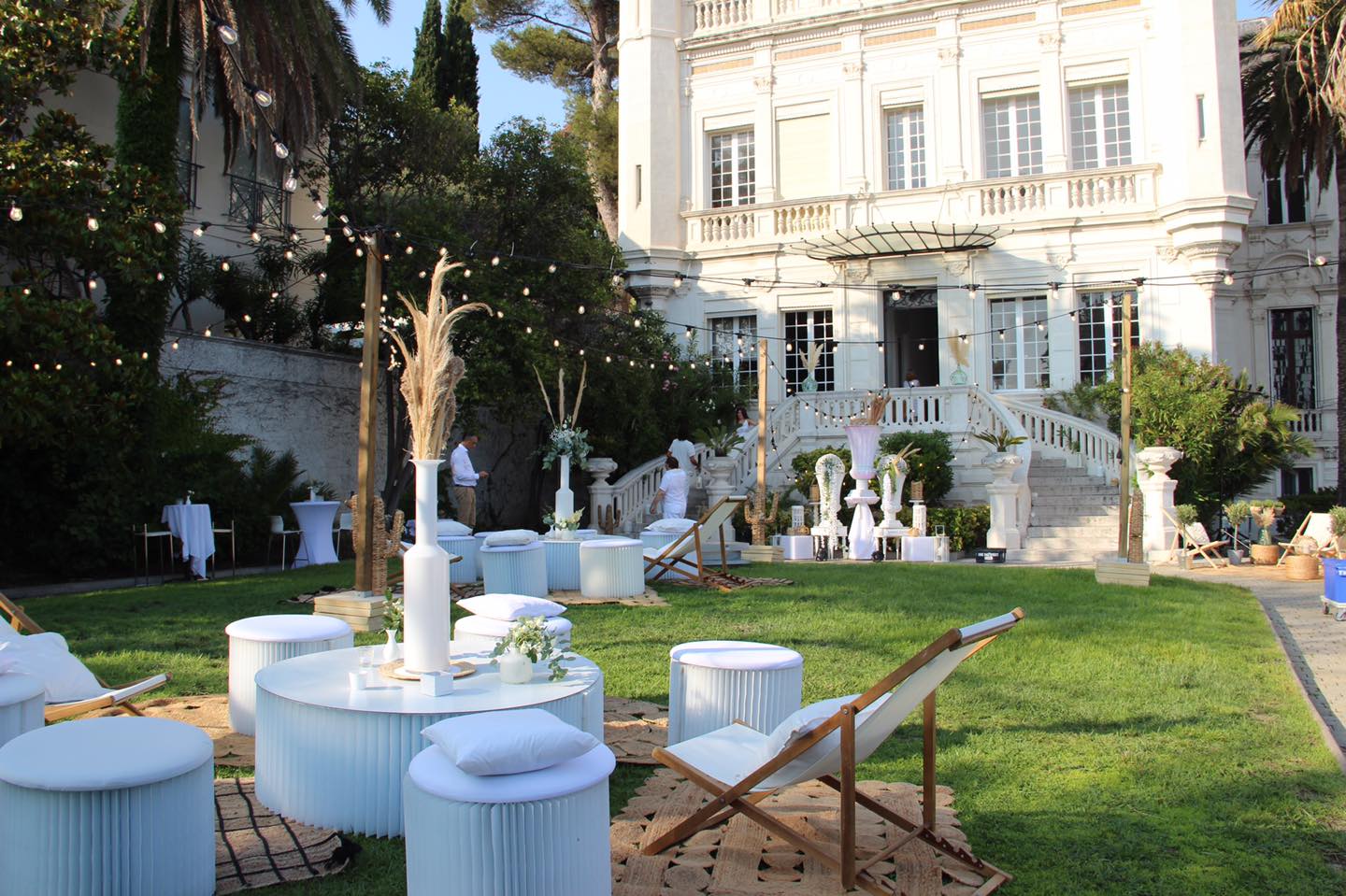
INNOV'events numbers that matter in Seville procurement
10+ years delivering corporate events across Spain with standardized production methods and local execution.
300+ corporate events/year within our network, giving us leverage with venues, caterers and technical suppliers.
48-hour response time on first budget ranges when the brief is clear (date window, attendance, objective, venue preference).
1 project lead accountable end-to-end (scope, budget control, vendor alignment, and show calling on the day).
How to organize a professional event in Seville?
- Define the objective (cohesion, announcement, fidelity, performance).
- Set date, format and size (20–1 000 people).
- Secure the venue and accommodation according to seasonality.
- Lock down technical, suppliers and logistics.
- Drive the day J (timing, scene, entrance, flow).
Seville references and recurring accounts
We regularly support organizations active in Seville and across Andalusia—headquarters, regional hubs, and project sites—where event needs recur throughout the year (summer celebration, leadership offsite, client hospitality, employer branding, end-of-year).
If you share the company names you want us to cite, we can integrate them as formal references in this page (and align what can be public vs. confidential). In practice, many of our local collaborations renew year after year because we keep operational knowledge: venue constraints already mapped, preferred catering formats validated, brand guidelines understood, and internal stakeholder dynamics anticipated.
This continuity is particularly valuable for HR and Comms teams who cannot afford relearning cycles every season—especially when the garden party is used as a flagship moment for culture and retention.
We send you a first proposal within 24h.
Why a Corporate Garden Party in Seville is a managerial tool
A Corporate Garden Party in Seville works when it is treated as a leadership instrument, not a “social activity”. Done properly, it creates a low-friction environment where people talk across silos, leaders become visible without heavy staging, and the company narrative lands naturally through design (welcome, hosting, content anchors, and shared rituals).
For executives, the value is often in what happens between the programmed moments: informal alignment, early detection of tensions, reinforcement of key managers, and relationship building with clients or partners in a setting that feels open but controlled.
Increase participation without forcing it: a garden party format reduces “meeting fatigue” while keeping people on site longer through pacing (arrival cocktail, light activations, food moments, short speeches).
Strengthen internal cohesion across functions: we design mixing mechanisms (seating clusters, guided toasts, team prompts, soft interactive stations) so networking happens naturally instead of relying on luck.
Employer brand with tangible proof points: inclusive menus, accessibility, thoughtful guest flow and respectful entertainment choices are noticed by employees and candidates; we make these decisions explicit in the plan.
Client hospitality without operational risk: for B2B teams, the format supports conversation; we control sound, lighting and service cadence so commercial discussions are possible.
Leadership visibility in a non-institutional frame: short, well-produced speaking slots (3–7 minutes), with proper sound checks and cueing, avoid the classic “speech nobody hears” problem.
Content capture for Comms: we integrate photo/video zones, lighting consistency and a shot list so the output is usable for internal channels and external PR without disrupting guests.
Seville has a strong culture of hospitality and outdoor social life; when a company taps into that with professional production standards, the result feels locally intelligent. The key is balancing warmth with control: the more “easy” the event looks, the more it has been engineered.
What Seville-based companies expect from a garden party supplier
In Seville, expectations are high on both ambiance and execution. Many decision-makers have personal benchmarks from local venues, weddings, and hospitality experiences, so details are quickly judged: service timing, glassware quality, lighting warmth, queue management, and how staff interacts with guests.
We also see concrete constraints that impact corporate planning:
- Heat and schedule strategy: for late spring and summer, the event window often needs shifting later, with shade planning, hydration points, and menu adaptation (less heavy food, faster service, cold chain discipline).
- Noise sensitivity: residential proximity and venue restrictions can limit sound levels or end times. We plan with decibel discipline, directional sound, and music programming that keeps energy without turning networking into shouting.
- Access and logistics: historical areas and certain fincas have narrow access roads and limited load-in. That changes technical choices (modular staging, lightweight structures, delivery slots, staffing).
- Mixed audiences: local teams, expats, HQ visitors, and clients often attend together. Language handling, dietary needs, and cultural codes must be anticipated, not improvised.
- Brand risk management: Comms teams in particular need assurance that décor, entertainment and suppliers will not clash with brand guidelines or social expectations.
Our role is to translate these local realities into a plan you can defend internally: clear scopes, technical sheets, vendor responsibilities, and a show control structure.
Which entertainment works for a Corporate Garden Party in Seville today?
Entertainment is effective when it supports the social purpose: it should create conversation starters, rhythm the evening, and give your brand a tone—without hijacking the space. In Seville, we often recommend formats that respect the outdoor setting and keep sound under control while still feeling alive.
Below are entertainment families we deploy, with concrete use cases and operational notes.
Interactive animations in Seville
Welcome ritual with light participation: for example, a short “toast moment” hosted by a professional MC in Spanish/English, combined with a simple guest prompt (one question on arrival that guides networking). Works well for internal culture events where leadership wants mixing without a forced icebreaker.
Brand-integrated garden stations: small interactive corners (product touchpoints, innovation demos, CSR showcases) designed as 3–5 minute experiences. Useful when Comms needs a narrative but the company refuses a formal presentation.
Conversation-friendly games: pétanque-style setups, croquet, or modern lawn games—kept elegant and secondary. We position them away from cocktail circulation to avoid blocking service.
Photo & video with purpose: instead of a generic photo booth, we build a branded “editorial corner” with consistent lighting and a shot list. This supports internal comms and LinkedIn-ready assets without guests feeling they are in a marketing activation.
Art animations in Seville
Acoustic live music (duo/trio): ideal for the first 60–90 minutes. It raises perceived quality while keeping networking comfortable. We plan set lengths, breaks, and sound limits to avoid guest fatigue.
Contemporary takes on local culture: if you want a Sevillian nod, we propose a modernized performance (short, curated, and respectful) rather than a long show that can feel stereotyped for corporate audiences. Timing matters: a 8–12 minute slot can be perfect.
DJ with controlled SPL: after speeches and dinner/cocktail peak, we can transition to a DJ set with directional speakers, allowing a dance area while preserving quiet conversation zones.
Innovative animations in Seville
Chef-led live stations: high perceived value and strong conversation starter. Operationally, we confirm power, extraction needs (if any), and service rate (covers/minute). Ideal for client hospitality.
Andalusian tasting path: a curated sequence (e.g., chilled starters, seasonal produce, local pairing options) presented with clear labeling and staff briefed on allergens. Works especially well for mixed dietary requirements.
Zero-proof cocktail bar: increasingly requested for corporate responsibility and inclusivity. We often plan 30–40% of guests to choose non-alcoholic options when the offer is premium and visible.
Gourmand animations in Seville
Silent content moments: for companies that need a message but fear “corporate speeches”, we use distributed audio (silent disco-style headsets) for a 6–10 minute leadership message or awards, then return to open-air ambiance. It solves noise constraints and keeps guests engaged.
Real-time sentiment capture: lightweight pulse check (QR + micro-questions) during the event, producing a report for HR within 48–72 hours. Useful when leadership asks, “Was it worth it?” beyond attendance.
Lighting as experience: architectural and garden lighting cues that change with the evening phases (welcome, peak cocktail, speech, after-hours). This is often more impactful than adding “more entertainment”, and it photographs better.
Whatever the entertainment mix, we align it with your brand image and internal culture: tone of voice, dress code, inclusion, and risk tolerance. The best corporate event entertainment in Seville is the one that serves your objective and fits your operational constraints—sound limits, neighbor relations, VIP needs, and content requirements.
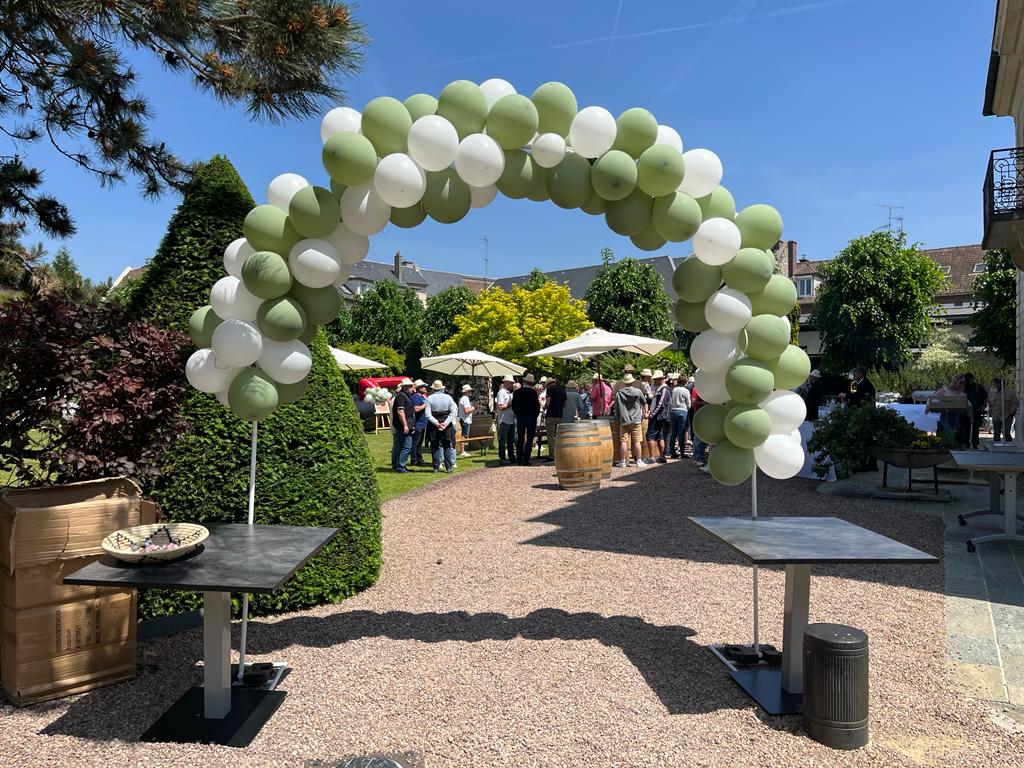
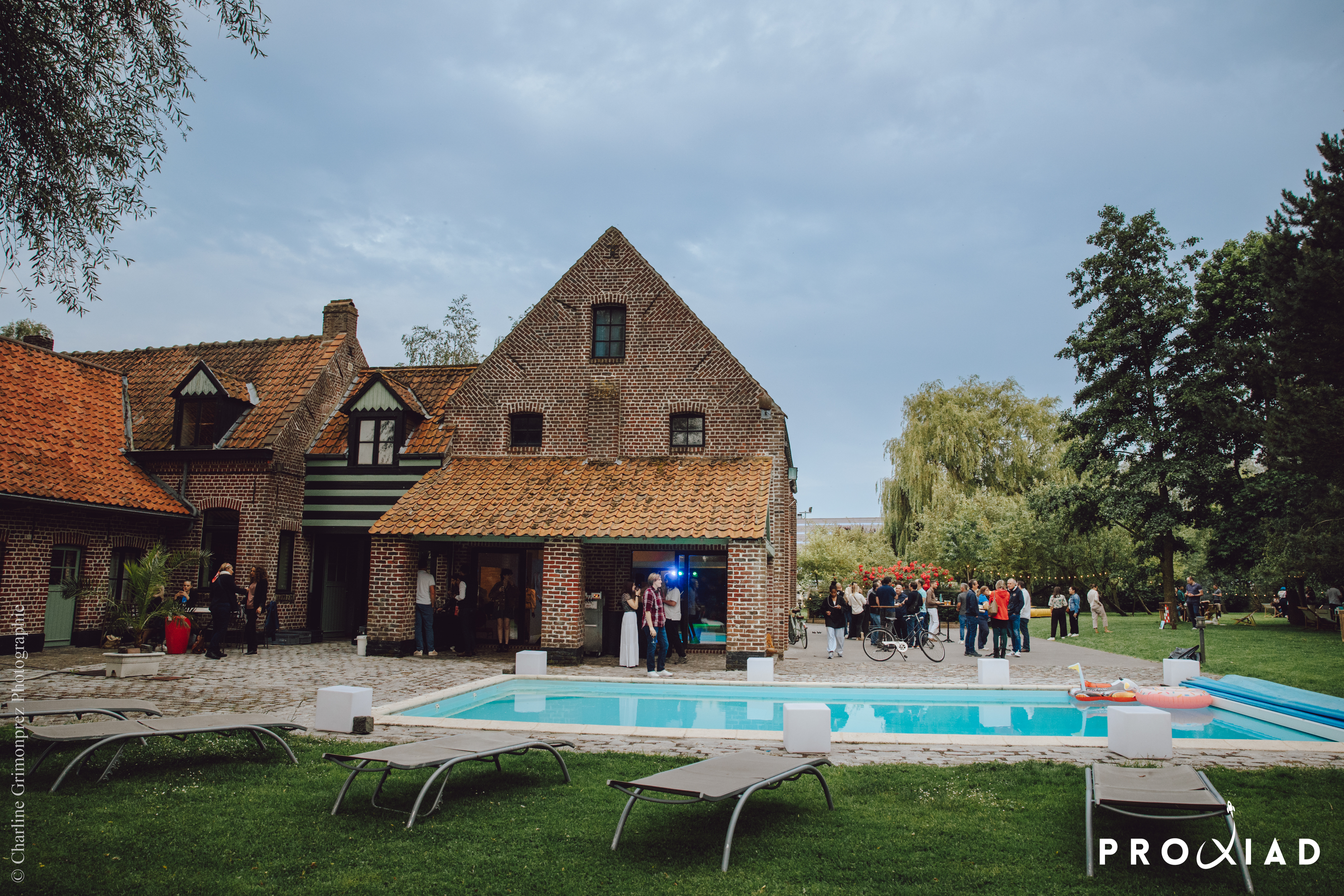
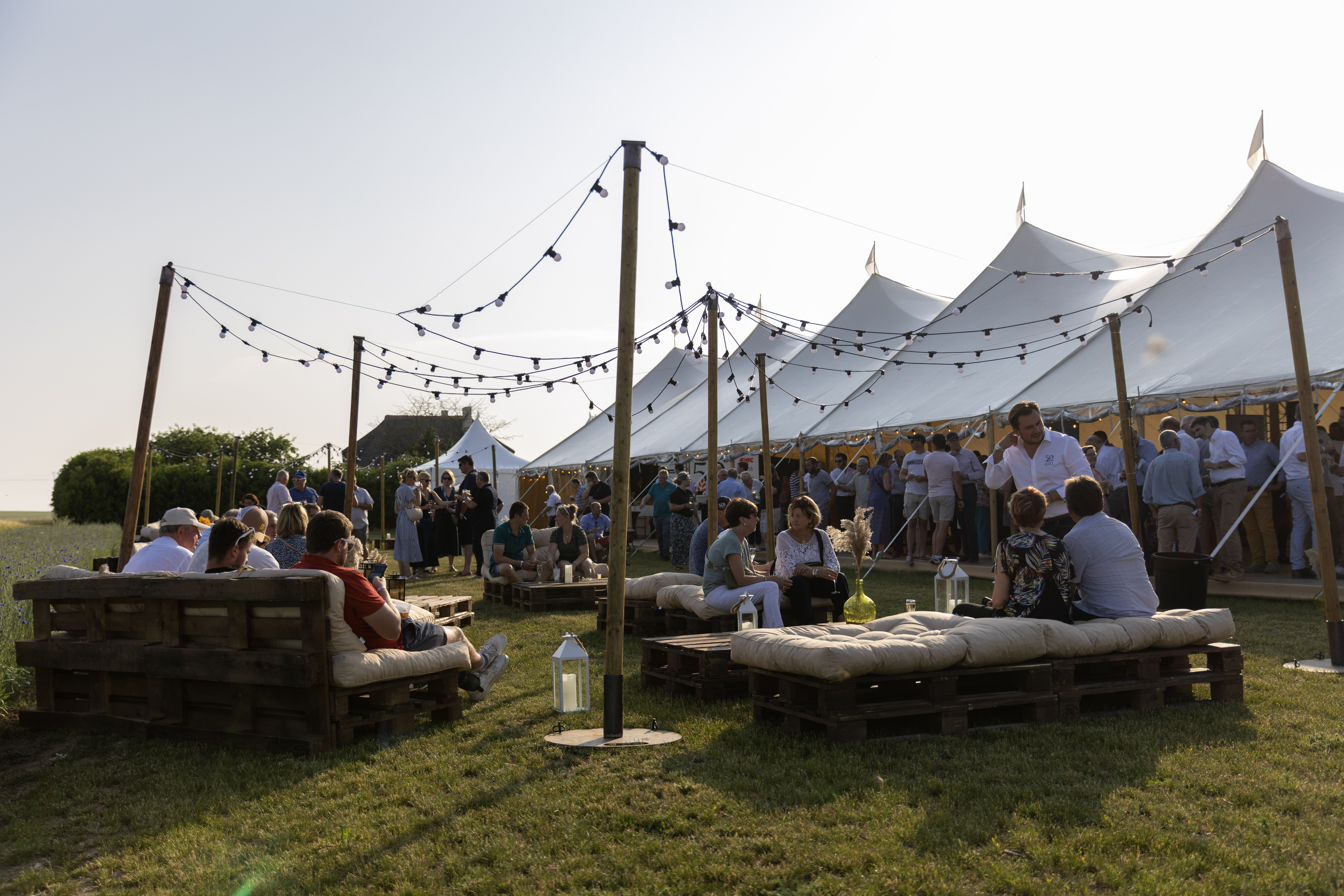
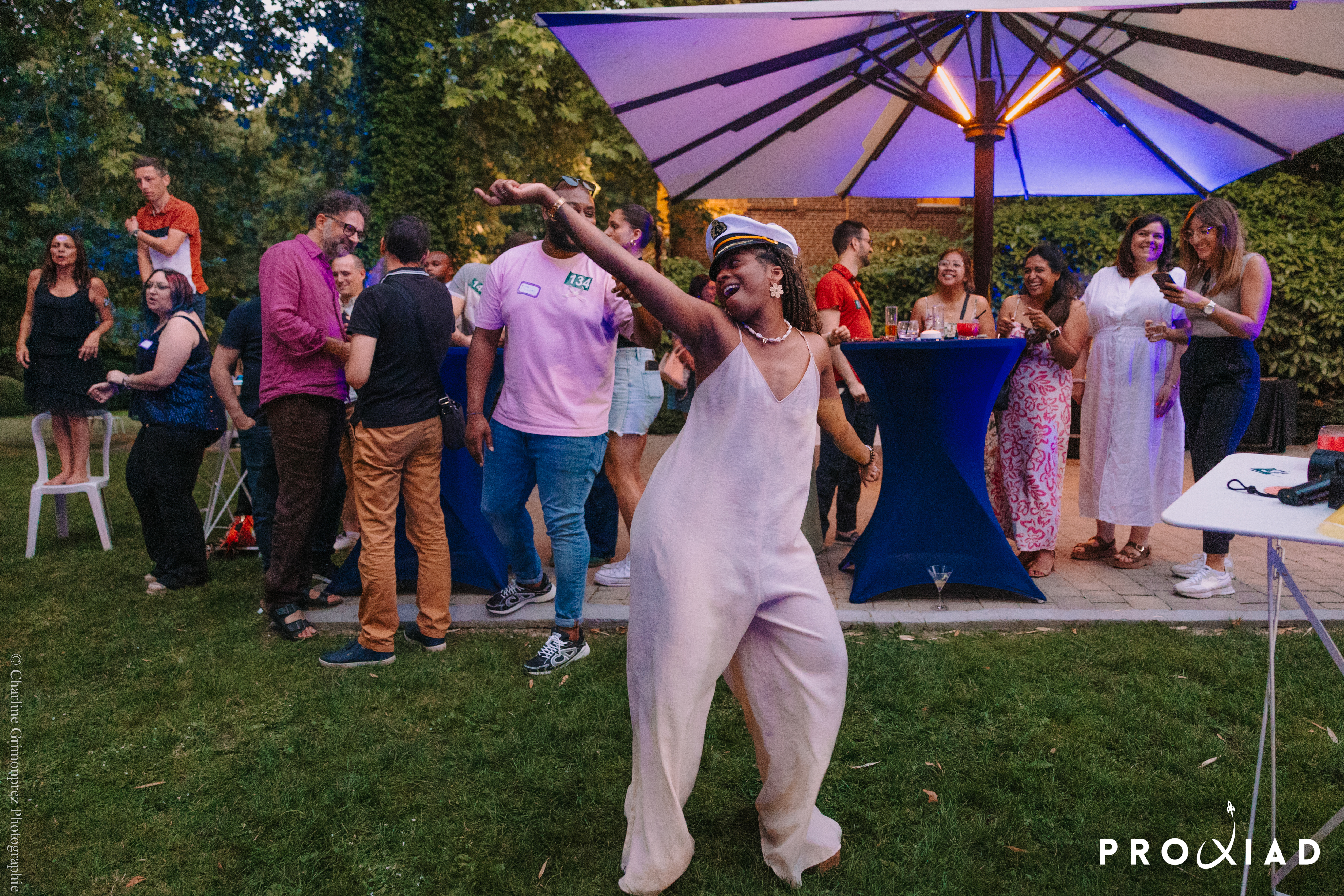
How to choose a Seville venue that fits a Corporate Garden Party
The venue does more than host the event: it sets the perceived budget level, determines logistics, and limits (or enables) the entertainment plan. In Seville, two garden parties with the same catering can feel completely different depending on access, shade, acoustics, and the quality of the outdoor infrastructure.
We help you choose based on objective first (networking, celebration, client hospitality, employer brand), then translate that into capacity, layout and technical requirements.
| Venue type | For which objective? | Main strengths | Possible constraints |
|---|---|---|---|
| Historic courtyard / patio venue | Client hospitality, leadership visibility, premium brand image | Strong identity, natural “wow” factor, great for speeches with controlled audience | Access restrictions, sound limits, limited load-in times, weather exposure |
| Private finca with gardens (outskirts) | Large team celebrations, mixed-format (cocktail + dinner + DJ) | Space for zoning, easier sound management, flexible layout and parking | Transport planning needed, neighbor constraints, power reinforcement sometimes required |
| Hotel garden/terrace with in-house catering | Executive offsite + social evening, multi-day programs | Operational reliability, accommodation on site, standardized service levels | Less exclusivity, brand customization may be limited, minimum spends |
| Rooftop terrace (city center) | Comms-oriented events, smaller client receptions | Great views for content, compact setup, strong perceived value | Strict capacity, wind exposure, elevator/load limits, noise curfews |
We strongly recommend a site visit before finalizing any Corporate Garden Party in Seville. The visit is where we validate real guest flow, hidden acoustic issues, power availability, shade patterns, and supplier access—details that rarely appear in venue brochures but decide whether your event runs smoothly.
What budget to plan for a Corporate Garden Party in department 41
Pricing for a Corporate Garden Party is driven by attendance, venue model, catering format, technical needs, and the level of coordination you require. In Seville, the same guest count can produce very different budgets depending on season (heat plan, later timing), venue restrictions, and desired production standards.
To help procurement and internal approval, we build budgets that separate fixed costs (venue/technical baseline) from variable costs (per guest catering, staffing), and we flag the cost drivers early so there are no late surprises.
Attendance and guest profile: staff-only events behave differently than client hospitality. Mixed VIP presence typically increases host staffing, service level and technical requirements.
Venue model: exclusive rental vs. minimum spend, in-house vs. external catering, access complexity, and required security. Some venues in Seville require specific vendor lists or additional insurance.
Catering structure: cocktail only vs. cocktail + seated dinner; number of stations; bar configuration; premium beverages; and allergen/dietary management. Queue-free service often requires more points of distribution and staff.
Technical production: sound that is clear but discreet, ambient and functional lighting, staging for short speeches, generators if power is limited, and weather protections (shade, fans, rain plan structures).
Entertainment and hosting: acoustic sets vs. full band, DJ, MC bilingual needs, and timing. Short curated performances typically cost less than long shows and often work better operationally.
Content capture: photo/video team, lighting for camera, editing deliverables, and usage rights. If Comms needs next-day content, we plan for it (and cost it) upfront.
Operations and staffing: project management, on-site coordinators, security, check-in, cloak/storage, cleaning, and transport logistics for guests.
From an ROI perspective, the best budget decisions are the ones that protect outcomes: guest comfort, service flow, and brand consistency. We will always tell you where it is safe to simplify (for example, fewer décor elements) and where cutting creates risk (for example, understaffed bars, inadequate power, or a missing contingency plan).
Why hire an event agency in Seville for your garden party
Choosing a partner with on-the-ground capability in Seville is not about proximity—it is about execution speed, supplier control, and risk management. A garden party involves many moving parts (venue, catering, technical, entertainment, permits, staffing). When something changes within 24 hours—weather, venue constraints, VIP timing—you need an agency that can react locally with proven suppliers.
As an event agency in Seville, INNOV'events works with local crews and trusted partners, and we maintain operational standards expected by national and international companies. That combination matters when your stakeholders compare you to other regions or markets.
- Faster vendor mobilization: last-minute adjustments (additional bar point, extra shade, modified transport plan) can be solved locally without inflated emergency costs.
- Venue and municipal familiarity: we anticipate access rules, load-in schedules, and neighborhood constraints that affect sound, end times and security.
- Quality control on site: tastings, technical checks, and rehearsals are done with our team present—reducing the “surprises on the day” risk.
- Local talent sourcing: we select entertainment and staff that fit corporate codes and can operate bilingually when needed.
From an ROI perspective, the best budget decisions are the ones that protect outcomes: guest comfort, service flow, and brand consistency. We will always tell you where it is safe to simplify (for example, fewer décor elements) and where cutting creates risk (for example, understaffed bars, inadequate power, or a missing contingency plan).












Seville corporate garden party examples we can deliver
Our experience spans different corporate realities: fast-growing tech teams needing a retention moment, industrial groups bringing together site managers and HQ, professional services firms hosting clients with strict brand rules, and multinational companies requiring bilingual hosting and compliance-heavy supplier documentation.
Typical formats we design in Seville include:
- Leadership garden reception (120–250 guests): premium cocktail, short executive address with proper sound coverage, acoustic music early, then DJ in a controlled zone; content capture aligned to Comms needs.
- Company summer party (300–800 guests): multiple food points to prevent queues, shaded lounges, simple interactive stations to encourage mixing, robust security and medical plan, and transport coordination.
- Client hospitality (60–150 guests): high-touch service, curated tasting journey, discreet branding, and an agenda that protects conversation quality.
- Cross-site team meet-up (200–500 guests): arrival management with staggered transfers, multilingual signage, and a program built to reduce cliques between sites.
What stays constant is the production discipline: documented scopes, supplier alignment, and a show caller who runs the event minute-by-minute.
Common Corporate Garden Party mistakes we prevent in Seville
Underestimating heat impact: no shade plan, slow service, and inadequate hydration points can damage guest comfort quickly. We plan timing, shade, fans and menu choices accordingly.
Queue creation at bars and stations: a garden party becomes “a line party” if distribution is misdesigned. We calculate service points and staff ratios based on attendance and venue layout.
Sound that blocks conversation: too loud or poorly directed audio ruins the main objective—networking. We design sound zones and enforce volume discipline.
Unclear run-of-show: speeches and entertainment collide with catering peaks, causing confusion and missed messages. We build and call a realistic timeline.
Inadequate power planning: last-minute generator needs are expensive and risky. We audit loads and plan distribution boards, cabling and backups.
Décor without logistics: beautiful setups that block service routes or emergency access create operational problems. We design décor with flow and compliance in mind.
Supplier fragmentation: multiple vendors without clear responsibility leads to gaps (“not my scope”). We centralize production responsibility and document interfaces.
Content capture as an afterthought: poor lighting and no shot list result in unusable assets. We integrate capture needs into the technical plan.
Our job is to make these risks invisible to your stakeholders. We do that through rigorous preparation, local supplier control, and disciplined on-site management—so the event feels simple for guests and safe for decision-makers.
Why Seville clients renew with INNOV'events
Client loyalty is rarely about creativity; it is about reliability under pressure. Teams come back when the agency protects their time, their internal credibility, and the company’s image—especially when the event is visible to leadership or clients.
In Seville, recurring projects also benefit from accumulated operational knowledge: we improve each edition by keeping what worked (service rhythms, entertainment tone, venue layout) and correcting details that only appear in real conditions.
Repeat projects: many corporate clients book at least 2–3 events/year with us once the collaboration is established (subject to their internal cycles and procurement rules).
Planning lead time: the best results occur when we start 8–12 weeks before the date; for peak season in Seville, earlier is advisable for venue availability.
Operational documentation: every project ends with a debrief and updated production file, reducing risk and time spent on the next edition.

Loyalty is the most practical proof of quality in corporate events: it means the agency delivered, protected stakeholders, and made the process sustainable for internal teams.
Our Seville delivery process for a Corporate Garden Party
👉 Brief alignment and decision framework (Seville context)
We start with a structured call with HR/Comms and the business owner: objectives, audience mix, budget range, brand constraints, preferred date windows and any non-negotiables (noise limits, accessibility, VIP presence, sustainability policies). We validate what success looks like in measurable terms: participation rate, stakeholder visibility, content needs, or client outcomes.
You receive a written recap and a decision framework: what to prioritize, what to avoid, and what trade-offs are realistic in Seville for your season and attendance.
👉 Venue shortlist and feasibility checks in department 41
We propose a shortlist with capacity assumptions, plan B options, and budget impacts. For each venue type, we check access, load-in, noise restrictions, power, weather protection possibilities, and catering constraints. This is where many projects either become smooth—or become expensive later if skipped.
When needed, we organize site visits with a technical eye (not a “nice tour”): we map guest flow, service routes, emergency access, and production areas.
👉 Concept, zoning and run-of-show design for Seville guests
We translate objectives into a practical event architecture: zones (welcome, cocktail, quiet networking, entertainment focus, content corner), timing blocks, and hosting moments. We define sound strategy, lighting approach and décor principles that match your brand without overcomplicating logistics.
We then build a minute-by-minute run-of-show and validate it with catering and technical suppliers to avoid collisions.
👉 Supplier contracting, permits and production file
We contract and manage all vendors (or integrate your preferred suppliers if required by procurement). We compile a production file including scopes, contacts, timings, technical riders, risk assessment, insurance requirements, and compliance elements (food allergens, staff documentation, etc.).
We also lock decisions that typically drift: furniture quantities, bar setups, staffing, signage, and transport.
👉 Event day management in Seville: build, rehearsal, show calling
We supervise load-in, technical installation, catering setup and rehearsals (including speech sound checks and cueing). During the event, a show caller runs the timeline while floor managers handle guest flow, service issues and vendor coordination.
The goal is simple: your internal team should not be the help desk. We are.
👉 Post-event debrief and measurable outputs
Within agreed timelines, we deliver content assets (if included), supplier invoices, and a debrief. For HR and Comms, we can include a short insight report: attendance confirmation, peak moments, feedback highlights, and operational improvements for next time.
FAQ sobre la organización Corporate Garden Party en Seville
What is the best season for a garden party in Seville?
Typically April–June and September–October. July–August can work only with late schedules, strong shade planning, hydration points, and heat-adapted menus. We advise starting after 20:30 in peak summer when possible.
How much lead time do we need in department 41?
For a well-produced Corporate Garden Party, plan 8–12 weeks. If you target peak dates or premium venues in Seville, 12–16 weeks is safer. We can execute faster, but venue choice and supplier availability will narrow.
What budget range per person in Seville should we expect?
As a working range, many corporate garden parties in Seville fall between €90–€220 per person depending on venue model, catering level, technical production, and entertainment. Add fixed costs (e.g., venue rental, staging/lighting) that can significantly affect smaller groups.
How do you prevent long queues at bars in Seville venues?
We design distribution: multiple bar points, roaming tray service, and a beverage offer that is fast to serve. As a rule of thumb, for 200 guests we often plan 2–3 service points plus roaming staff, adjusted after a site visit and expected arrival peak.
Can we include local culture without clichés in Seville?
Yes. We recommend short, curated moments (often 8–12 minutes) and a modern aesthetic rather than a long “show”. The key is context: timing, explanation, and ensuring it supports your brand tone and audience mix (employees vs. clients vs. international guests).
Request a Seville proposal with clear scope and budget control
If you are comparing agencies, we suggest starting with a short working session: date window, attendance, objective, and your must-haves. From there, INNOV'events will propose a realistic structure for your Corporate Garden Party in Seville, with venue options, an operational approach, and transparent cost drivers.
Contact us early—especially for spring and early autumn dates in Seville—so we can secure the right venue and build a plan that protects your brand, your teams, and the event day.
INNOV'events Seville Agency
Cyril Azevedo is the manager of the INNOV'events Seville office. Reach out directly by email at cyril@innov-events.es or via the contact form.
Contact the Seville agencyAll our services & entertainment Seville
Discover our event services
Discover our event entertainment available in the España
- Event Hostess Seville
- Escape Game Seville
- MasterChef Cooking Workshop Seville
- Magician Seville
- Marquee Rental Seville
- Color Analysis Workshop Seville
- Inflatable Games Seville
- Valet Parking Service Seville
- Football Simulator Seville
- LED Furniture Rental Seville
- Light Branding Seville
- Unique Dining Experience Seville
- Light Painting Seville
- Murder Mystery Party Seville
- Prize Contest Seville
- Promotional Displays (POS) Seville
- Virtual Reality Seville
- Molecular Gastronomy Workshop Seville
- Halloween Entertainment Seville
- Fireworks Show Seville
- Giant Games Challenge Seville
- Event Host / MC Seville
- Photo Booth Animation Seville
- Santa Claus Entertainment Seville
- Kids Entertainment Seville
- Guided Tour Seville
- Urban Rally Seville
- Ball Pit Seville
- Flight Simulator Seville
- Food Truck Rental Seville
- World Record Challenge Seville
- Surf Simulator Seville
- Wine Casino Seville
- Makeover Workshop Seville
- Perfume Creation Workshop Seville
- Acting Workshop Seville
- CSR Activities Seville
- Archery Seville
- Security Staff Seville
- Wine Tasting Seville
- Mime Performer Seville
- TV Game Show Seville
- Funfair Seville
- Crisis Management Workshop Seville
- Crisis Negotiation Workshop Seville
- Arcade Games Seville
- Indoor Skydiving Simulator Seville
- Ski Simulator Seville
- Racing Circuit Experience Seville
- Introductory Flight Experience Seville
- Tasting Experience Seville
- Build Your Own Foosball Workshop Seville
- 2CV Rally Seville
- LEGO Challenge Seville
- Casino Night Seville
- Interpreter / Translator Seville
- Promotional Giveaways Seville
- Shuttle Transport Seville