
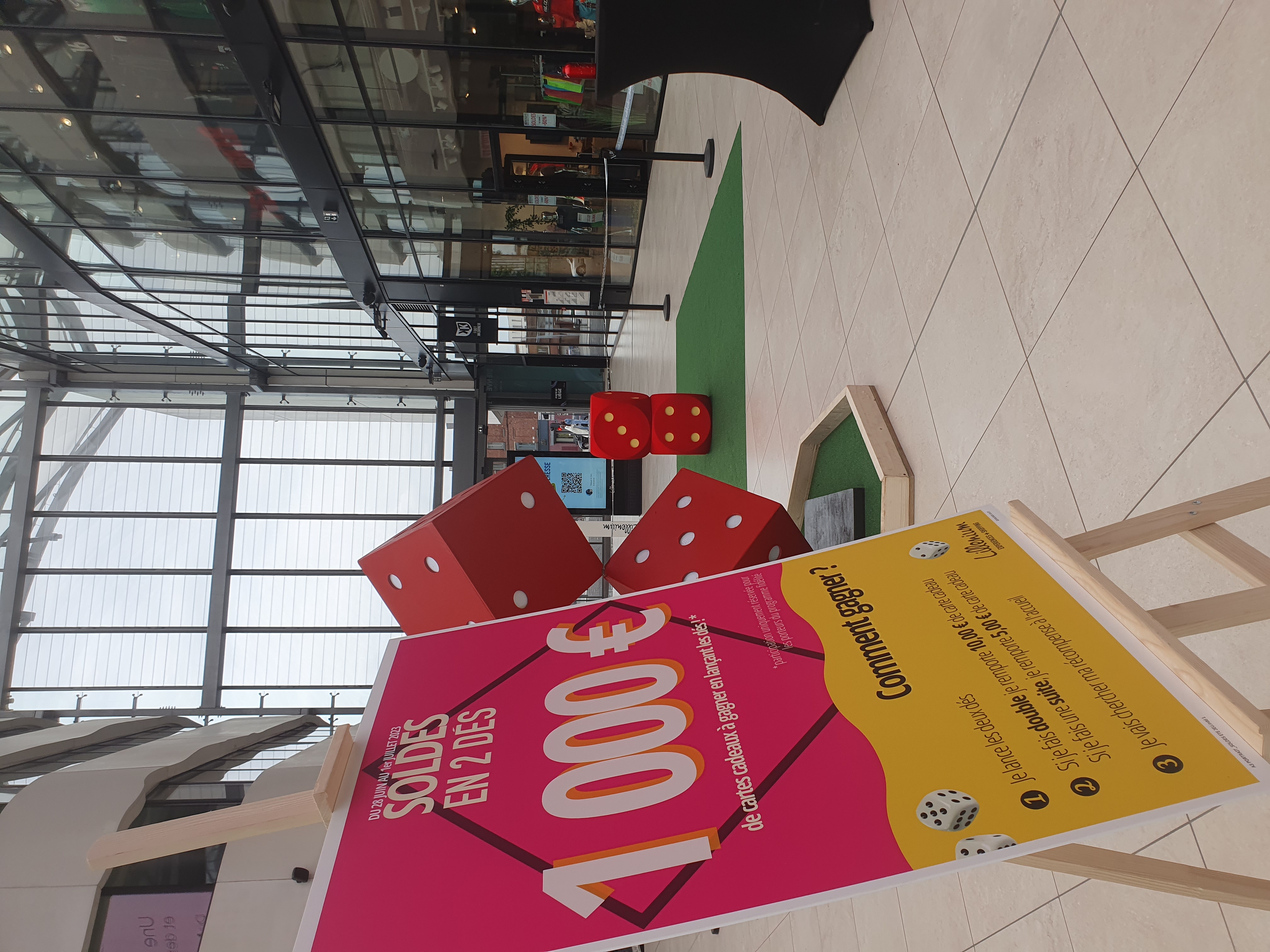
Mall entertainment that protects your brand, increases dwell time and supports tenant sales
INNOV'events is an international event agency delivering professional Mall entertainment organisation across Spain, from compact activations (200–800 interactions/day) to full weekend programmes (3,000–15,000 visitors impacted). We manage concept, permits, technical production, staffing, tenant coordination, security alignment and post-event reporting.
Table of contents
Mall entertainment is not “nice to have” decoration: it is a commercial lever that can be planned like any other operational KPI. When executed correctly, it increases footfall conversion, extends dwell time, supports leasing strategy (new brands, pop-ups, renewals) and provides content for the centre’s owned channels without putting safety or brand reputation at risk.
Executives, HR leaders and communication teams typically expect three things: clear commercial objectives (traffic, engagement, tenant uplift), frictionless operations (no disruption to cleaning, deliveries, security and customer flows), and brand-safe execution (consistent tone, controlled messaging, and compliance with shopping centre rules and local regulations).
We deliver in Madrid, Barcelona, Valencia, Seville and Málaga with field teams used to live retail environments: peak-hour constraints, shared public spaces, multi-stakeholder approvals and “no-fail” weekend production. Our approach is built around risk control, operational clarity and measurable outcomes.
Operational credibility in numbers
5 major Spanish hubs covered (Madrid, Barcelona, Valencia, Seville, Málaga) with scalable staffing and supplier networks.
15–60 days typical lead time depending on permitting, custom builds and technical complexity; we also run controlled “fast track” formats in 10–14 days when centre rules allow.
2–6 stakeholder groups aligned on each project (centre management, security, cleaning, marketing, tenants, external authorities) through a single operational plan.
0-compromise safety culture: formal risk assessment, public liability coverage coordination, certified rigging/electrical where required, and documented briefings for hosts and performers.
How to organize a professional event ?
- Define the objective (cohesion, announcement, fidelity, performance).
- Set date, format and size (20–1 000 people).
- Secure the venue and accommodation according to seasonality.
- Lock down technical, suppliers and logistics.
- Drive the day J (timing, scene, entrance, flow).
We send you a first proposal within 24h.
Why invest in mall entertainment instead of another media spend?
Retail real estate teams and brand managers face a common challenge: paid media can drive awareness, but it does not guarantee in-centre behaviour. Well-designed shopping centre entertainment influences what matters on-site: footfall conversion, visitor movement, dwell time and the perceived relevance of the centre for families, young adults or premium shoppers—depending on your positioning.
In practice, the best programmes are designed like operational campaigns: a clear target audience, a defined journey (from entry to activation to tenant stores), and measurable outputs you can share with tenants and stakeholders.
Support tenant sales without “discounting” the brand: entertainment brings traffic and engagement while letting tenants keep margin and pricing integrity (critical for premium and fashion categories).
Increase dwell time and basket opportunity: interactive formats keep visitors in the centre longer, giving F&B and adjacent retailers more time to convert.
Create a predictable calendar for leasing and renewals: a structured events plan helps leasing teams demonstrate footfall and audience fit to prospective tenants.
Generate controlled, reusable content: we design moments with camera angles, branded backdrops and consent-ready zones, so your communication team can produce compliant content for web, social and tenant newsletters.
Strengthen employer brand for retail teams: for large retail groups, mall activations can be aligned with recruitment days, staff recognition or internal culture initiatives in a public yet controlled setting.
Reduce operational stress compared to ad-hoc actions: a professional event management company provides a single plan for security, cleaning, technical and tenant communications—avoiding last-minute chaos.
Spain’s retail culture is highly experiential: families, tourists and local communities use shopping centres as leisure destinations. The business opportunity is to treat entertainment as a managed operational product—planned, compliant and measured—rather than a one-off idea.
Mall entertainment ideas that drive engagement and protect operations
Activities work in retail when they are designed for throughput, visibility and controlled participation. We select formats that fit atrium constraints, avoid blocking storefronts, and maintain a premium look even in high-traffic environments. Below are examples we regularly deploy as retail store animation and centre-wide programmes.
Interactive animations
Digital participation walls (QR + live display): visitors answer a themed question (seasonal, brand values, local culture) and see results live. High throughput, low staffing, ideal for Madrid and Barcelona weekend peaks.
Skill-based micro-challenges: 60–90 second games with a clear scoreboard. Works well when you need repeat plays and a competitive hook without prizes that create crowd surges.
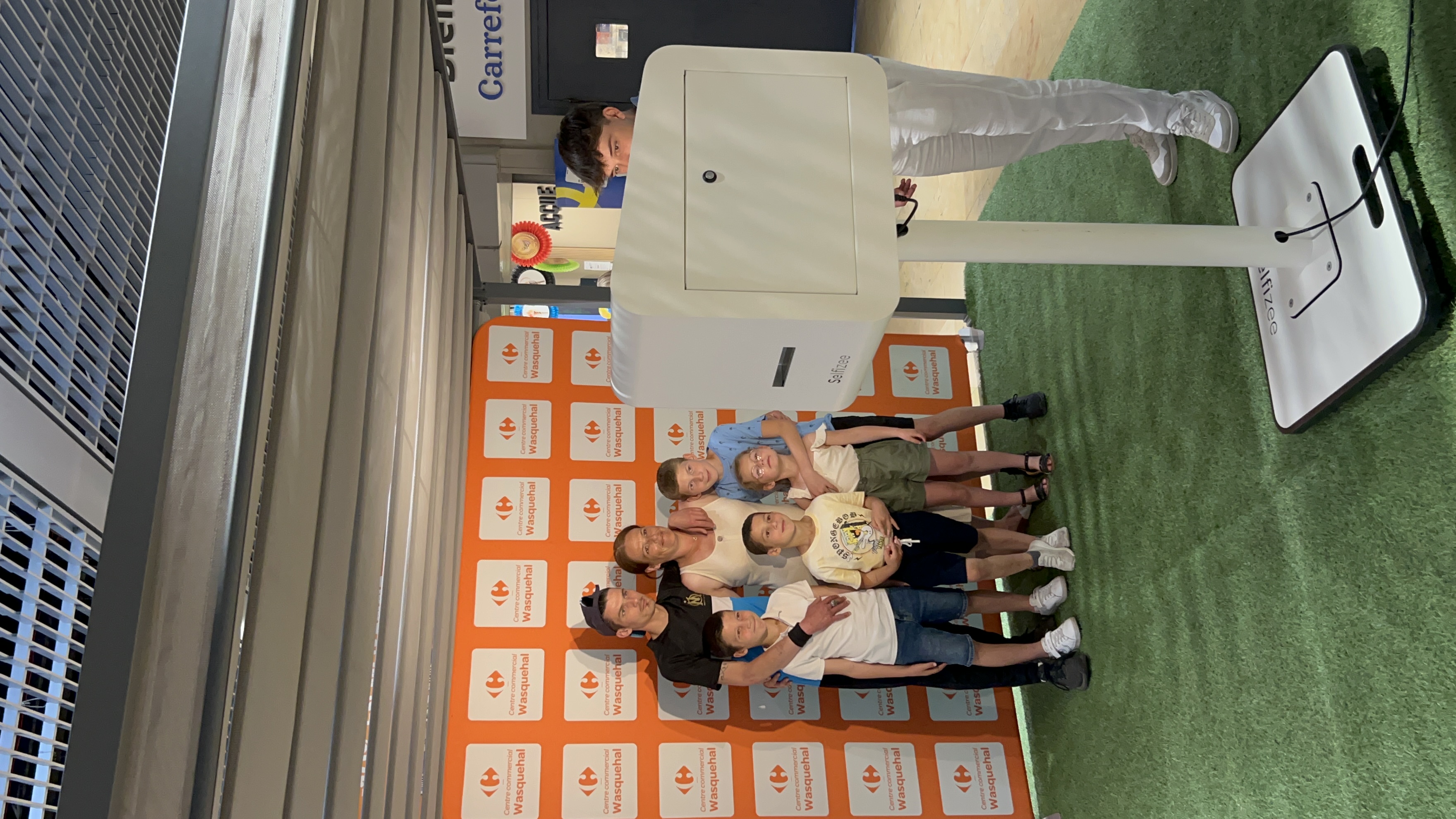
Photo and video stations with controlled framing: branded sets with defined floor markings and quick assistance. We include consent signage and a “fast lane” to keep lines moving.
Family route activations: a stamped trail across 4–8 tenant partners. The objective is not only engagement but distribution of footfall to quieter corridors.
Art animations
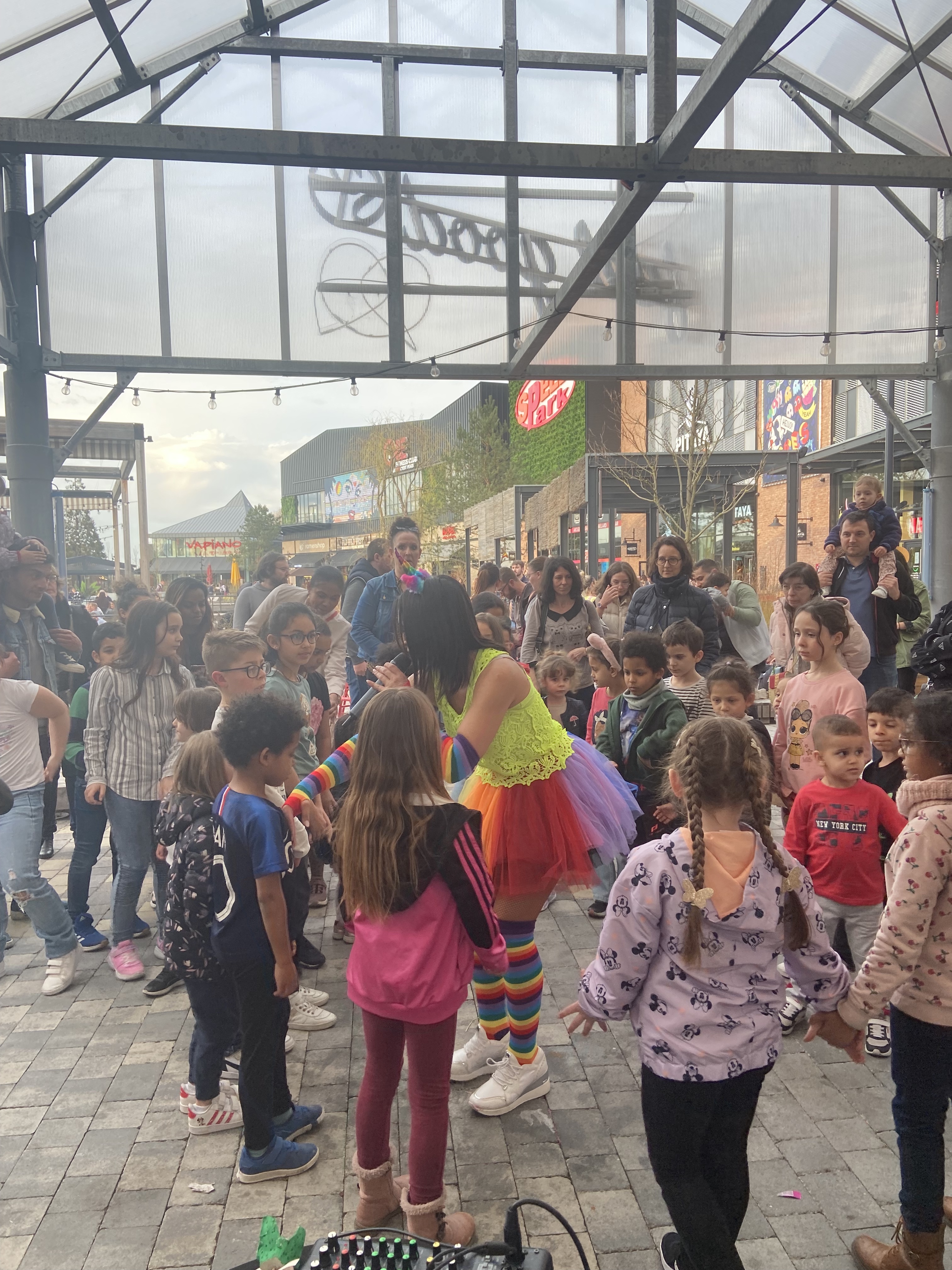
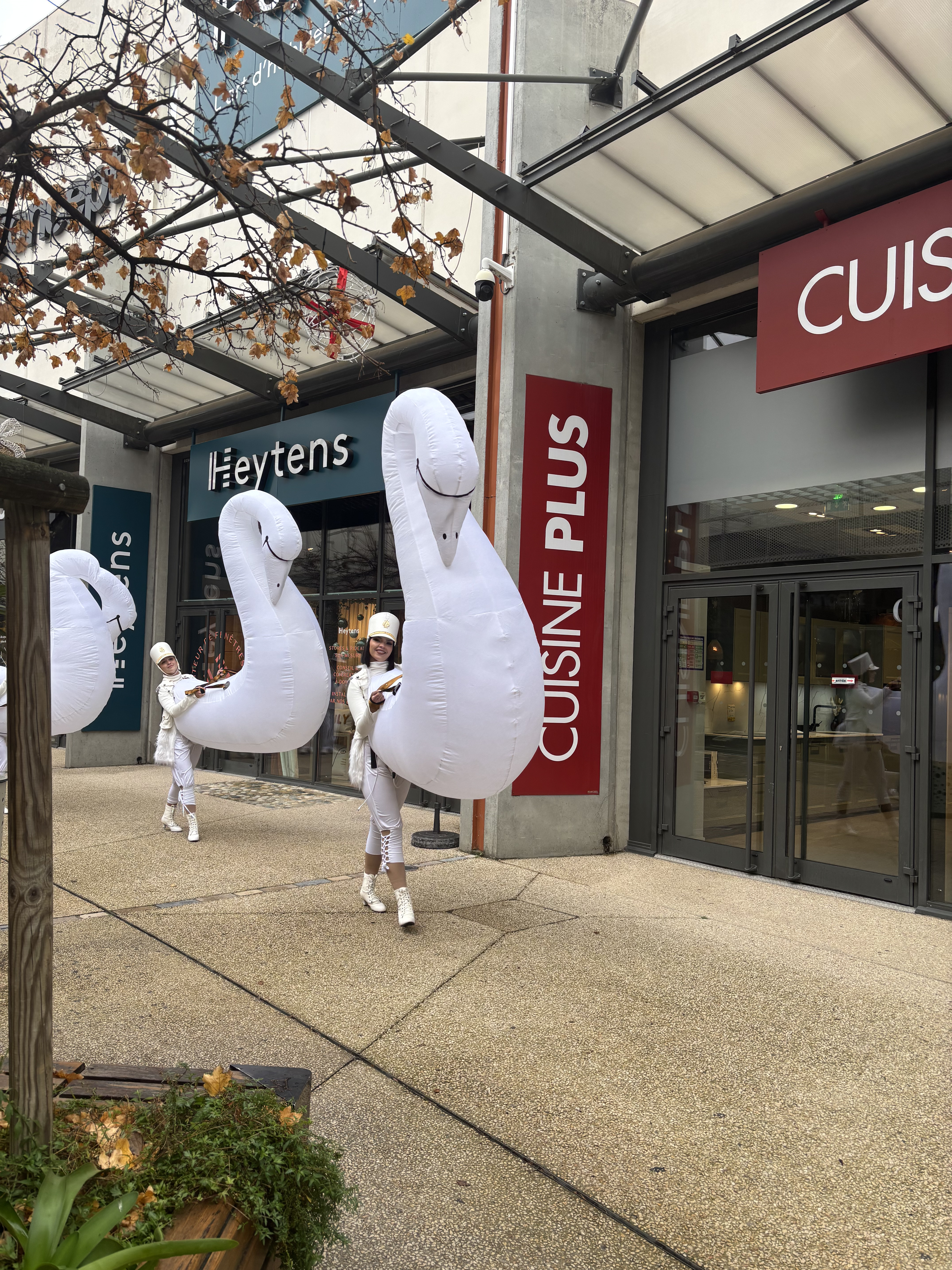
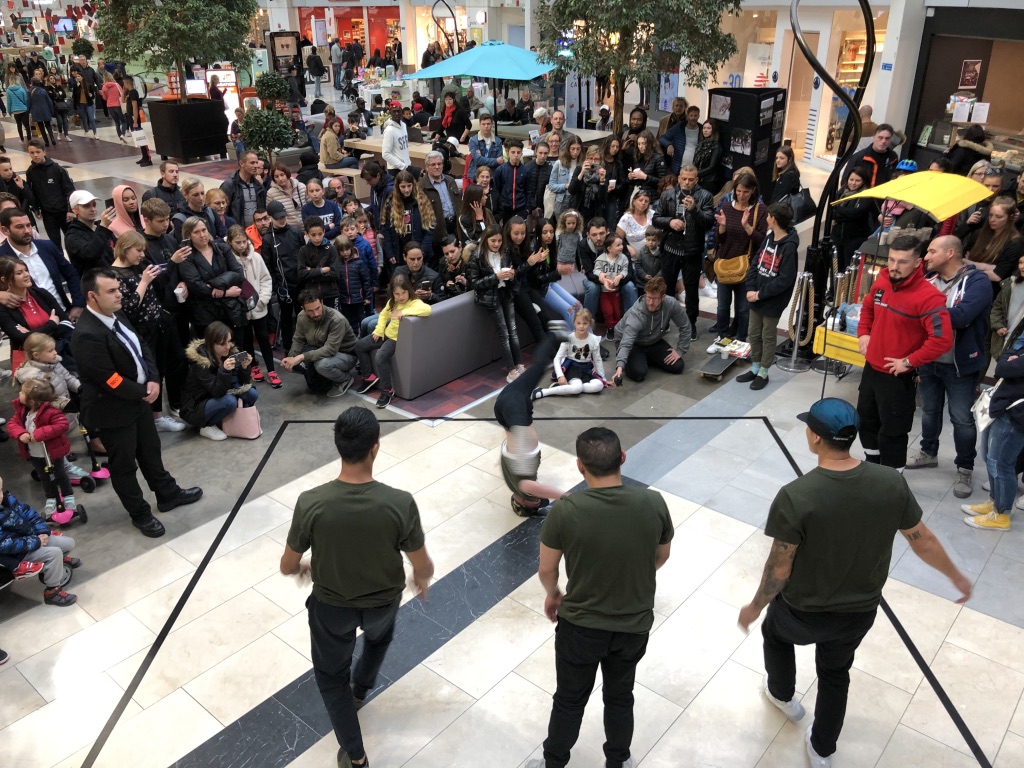
Short-format performances (10–15 minutes): music, dance or theatrical moments scheduled at predictable times to avoid uncontrolled clustering. We coordinate sound levels and audience boundaries with security.
Live craft or illustration corners: visitors watch and participate in small groups. This format supports premium positioning and produces tangible outputs (postcards, prints) that visitors keep.
Seasonal scenography with roaming performers: instead of a single fixed show, we use roaming elements to spread attention and reduce congestion in one zone.
Innovative animations
Partnered tasting points with queue control: we integrate F&B tenants under clear hygiene rules, staffing ratios and waste plans. Ideal for Valencia and Málaga where weekend leisure traffic is strong.
Mocktail or coffee masterclass mini-sessions: 15–20 minute sessions with pre-registration slots to manage capacity and protect the premium feel.
Gifting mechanics tied to purchase thresholds: a controlled redemption desk that supports tenants without creating disputes about eligibility.
Gourmand animations
Mixed reality try-on zones: suited to fashion, beauty and sportswear. We plan lighting and mirror placement for both UX and content capture.
AI-assisted personalised prints: visitors generate a themed poster or postcard in seconds. We implement moderation and brand-safe prompts to avoid reputational risk.
Pop-up podcast or interview booth: useful for employer brand, local community partnerships and tenant storytelling. We control acoustics, background noise and filming permissions.
Purpose-driven activations: charity tie-ins with transparent mechanics (donation per participation, partner NGO visibility) and clear compliance to avoid “cause-washing”.
Every activation is evaluated against brand image, visitor comfort and operational constraints. A premium centre in Barcelona may prioritise aesthetic consistency and noise control; a family-oriented centre in Seville may prioritise throughput, child-friendly facilitation and clear safeguarding rules. Consistency is what protects your reputation while still delivering commercial impact.
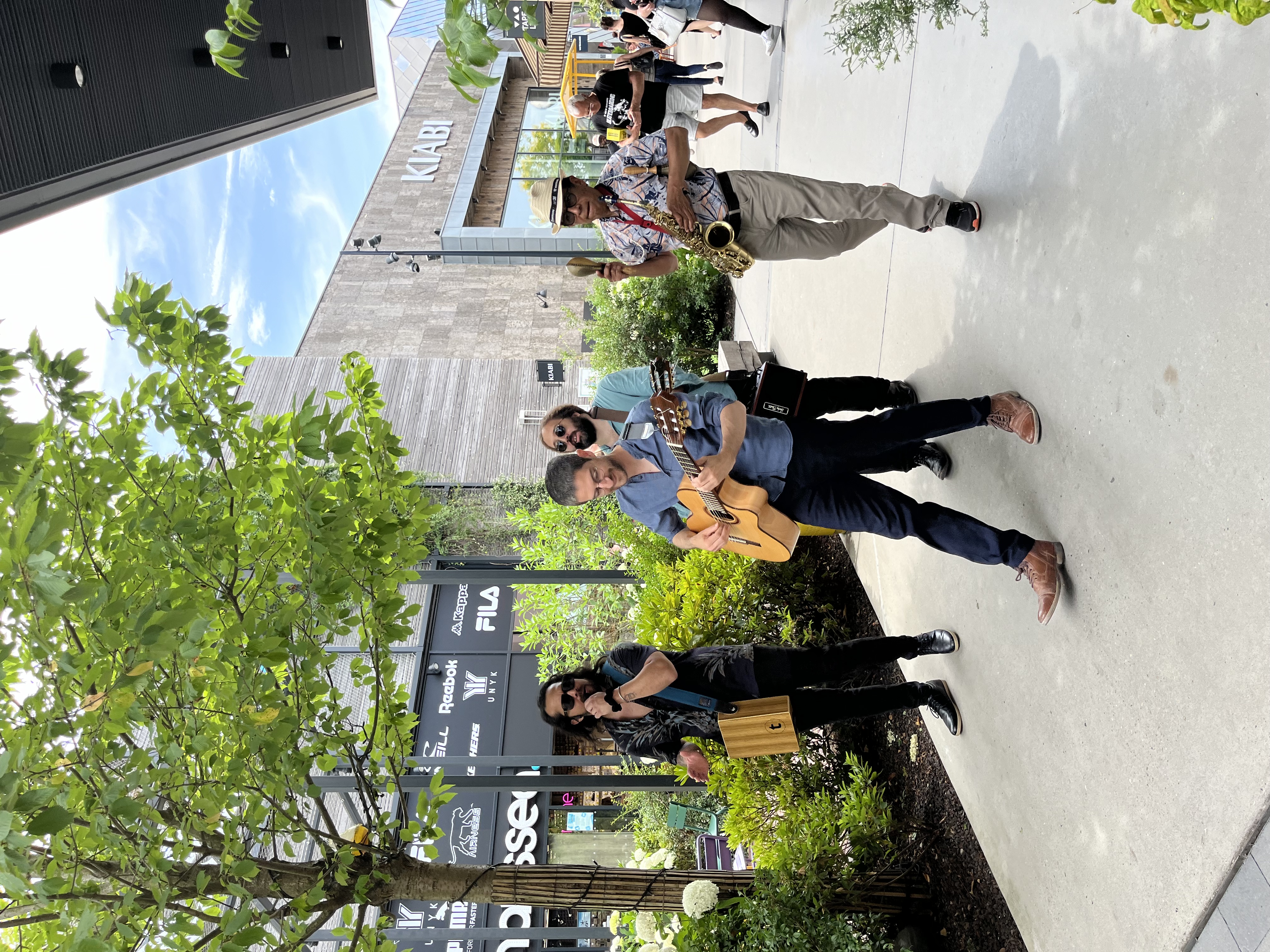
Where mall entertainment works best in Spain: choosing the right setting inside the centre
In shopping centres, “location” is not just a booking. Atrium geometry, ceiling height, sightlines, access to power, and proximity to anchors all determine whether your Mall entertainment drives trade or creates operational friction. We typically propose 2–3 viable layouts with different capacity and risk profiles, then validate with centre operations and security.
Atrium central plaza: Best for visibility and sponsor value; requires strict queue planning and sound control. Ideal for high-impact showcases and scheduled moments.
Secondary corridor hub: Best to redistribute footfall to quieter areas; works well for trails and multi-tenant participation. Lower congestion risk, higher tenant goodwill.
Near F&B zone: Strong dwell-time synergy; be mindful of odours, waste and seating flows. Excellent for tastings and workshops with time slots.
Outdoor terrace (where available): Adds capacity and reduces indoor congestion; requires weather contingencies, additional permits and stronger technical planning.
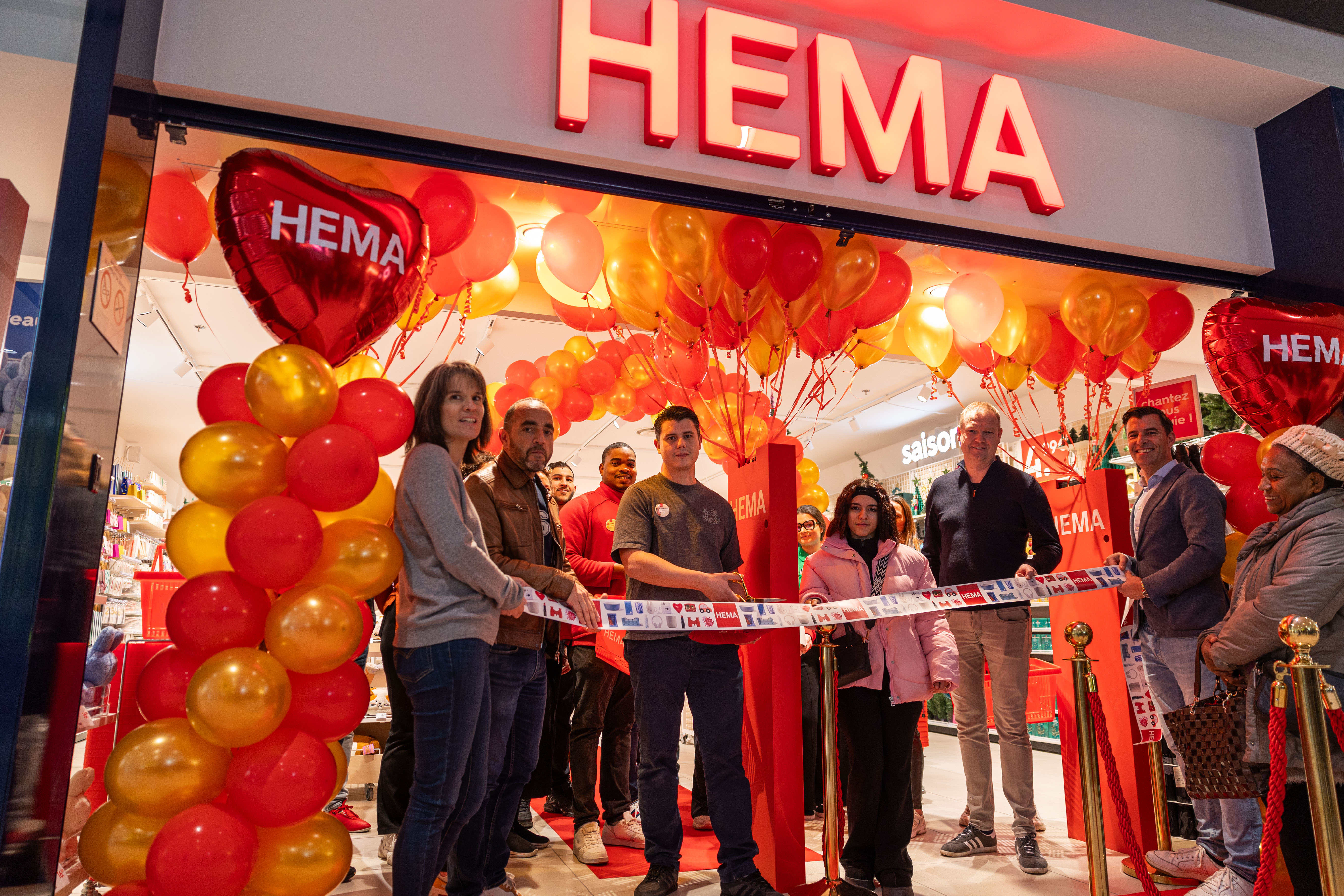
Vacant unit / pop-up space: Best for controlled experiences (registration, masterclasses, premium brand environments). Lower noise impact, higher build cost and access coordination.
We advise clients to select the setting based on the KPI: visibility (atrium), redistribution (corridor hubs), dwell time (F&B adjacency) or lead capture and premium experience (vacant unit). This prevents a frequent issue: a high-cost build placed in a zone that cannot support queues or power requirements.
Mall entertainment budgets: what drives cost and what you can control
The cost of Mall entertainment in Spain depends on format complexity, staffing intensity, technical requirements and the level of compliance documentation required by the centre and local authorities. A reliable budget is built from operations first (access, load-in/out, power, security alignment), then from creative elements.
To help decision-makers benchmark, most corporate-grade activations fall into three ranges: €6,000–€15,000 for a compact one-day activation with professional hosts and light technical needs; €15,000–€40,000 for a weekend programme with scenography, performers and stronger staffing; and €40,000–€120,000+ for multi-day seasonal builds, touring programmes across multiple centres, or high-tech installations with significant production.
Duration and opening hours: a 6-hour Saturday activation is not the same as a full trading weekend with extended hours; staffing and supervision scale accordingly.
Footprint and build: modular sets, floor protection, branded structures, storage and backstage needs can materially change cost and load-in constraints.
Technical production: power distribution, audio limits, lighting for premium look, screens, rigging and certified technicians.
Staffing model: hosts, queue managers, supervisors, technicians, security liaison and cleaning reinforcement. Understaffing is the fastest way to damage visitor experience.
Permits and compliance: risk assessment, insurance coordination, child participation rules where relevant, and any municipal requirements for outdoor spaces.
Content and reporting: professional photo/video, consent-ready signage, data capture mechanics, post-event analysis. Often requested by communication teams and tenant relations.
Multi-city replication: touring reduces unit cost if assets are reused, but increases logistics, warehousing and transport planning across Madrid/Barcelona/Valencia/Seville/Málaga.
We treat ROI in operational terms: cost per meaningful interaction, tenant participation rate, and the ability to reuse the format (and its assets) across the calendar. A slightly higher production cost is justified when it reduces incident risk, improves throughput and creates repeatable content for centre marketing.











Examples of mall entertainment projects we deliver in Spain
Our projects range from high-throughput atrium activations to controlled premium experiences in pop-up units. For example, we regularly deliver seasonal programmes where centre management requires strict noise ceilings, fixed load-in times before opening, and a documented queue plan that security can enforce without conflict. We also run brand-led boutique animation event formats where the priority is protecting brand codes: materials, lighting, host scripting, and a clean visitor flow that never looks “promotional”.
We adapt to different city realities: in Madrid and Barcelona, we plan for higher tourist density and sharper weekend peaks; in Valencia and Málaga, we often integrate F&B synergies and outdoor options; in Seville, we frequently design family-friendly formats with clear capacity and safeguarding rules. Across all locations, we standardise the operational backbone (risk, staffing, technical compliance) while adapting the creative layer to the centre’s positioning.
Common mistakes in mall entertainment and how we prevent them
Underestimating queue behaviour: a “small” activity can create a line that blocks storefronts. We design queue geometry, cut-off rules and host scripts to maintain flow.
Choosing an activation that clashes with the centre’s positioning: premium centres suffer when visuals look temporary or low-grade. We align materials, signage and sound to the brand environment.
Missing operational approvals: technical load-in, power draw, and emergency access must be validated early. We run a structured approval workflow with centre operations.
Over-reliance on prizes to create engagement: prize-driven crowds are hard to control and can create disputes. We build engagement through design, participation and fair mechanics.
Weak staffing ratios: a single host cannot manage explanations, consent, queue control and troubleshooting. We staff by throughput targets and peak-time modelling.
No contingency plan: performer delays, technical faults, or weather issues for outdoor zones. We prepare fallback schedules and pre-approved substitutions.
Our role as an event agency is to remove these risks before they reach your visitors, tenants or senior leadership. We do that through documented operations, qualified teams and clear decision points—so the day runs predictably under pressure.
Why clients return to INNOV'events for mall entertainment
Repeat business in retail events is earned through operational trust. Clients return when they feel protected: stakeholders are informed, the centre’s rules are respected, the activation looks professional from opening to closing, and issues are handled discreetly without escalating to public incidents.
We build long-term partnerships by keeping knowledge from one activation to the next: what works in a specific atrium, how security prefers queues managed, which access door is reliable for load-in, and what times the cleaning team needs the space cleared. This “operational memory” saves time and reduces risk each season.
Planning consistency: one consolidated operations pack per event, shared with centre stakeholders to reduce misunderstandings and last-minute changes.
Multi-city governance: centralised standards with local execution, enabling comparable results across Madrid, Barcelona, Valencia, Seville and Málaga.
Decision-ready reporting: KPI summary, lessons learned and optimisation recommendations for the next activation.

Loyalty is not about habit; it is about confidence under live conditions. When your team knows the event will run safely, on time and within brand parameters, you can focus on strategy, tenants and communication rather than emergency problem-solving.
Our end-to-end method for mall entertainment projects
👉 Step 1: Commercial brief and success metrics
We start with a working session to define the business purpose: target audience, desired behaviours, tenant integration, content needs and KPI priority. We also confirm constraints: centre rules, noise limits, restricted areas, access times, and any “no-go” brand sensitivities. Outcome: a concise brief and a measurement plan your leadership can validate.
👉 Step 2: Concept, layout options and operational feasibility
We propose 2–3 concepts with a feasibility lens: footprint, queue capacity, visibility, staffing model, technical needs and risk level. We provide layout options for atrium vs corridor hubs vs pop-up units, and we highlight operational trade-offs (e.g., higher visibility vs higher congestion risk). Outcome: a selected concept with a realistic operational pathway.
👉 Step 3: Budget, procurement and compliance preparation
We build a transparent budget by line item (staffing, technical, build, logistics, content, permits). We secure suppliers and prepare compliance documentation required by the centre: risk assessment, insurance coordination, method statements where needed, and staff briefing notes. Outcome: approved budget and a project file ready for operations validation.
👉 Step 4: Tenant and stakeholder coordination
We coordinate with tenants and the centre’s teams (marketing, security, cleaning, technical). This includes participation mechanics, on-site signage rules, voucher redemption procedures, and communication templates. Outcome: stakeholders know what will happen, when, and who to contact—reducing day-of friction.
👉 Step 5: Production, rehearsal and live delivery
We manage load-in/out, technical checks, branding installation and staff briefings. On the day, a supervisor leads run-of-show, queue control and incident logging, with clear escalation to centre security when required. Outcome: smooth visitor experience with controlled flows and brand-consistent delivery.
👉 Step 6: Reporting and optimisation
Within an agreed timeline, we deliver a report including interaction volumes, peak periods, qualitative feedback, content outputs and an incident summary. We provide concrete recommendations: staffing adjustments, better placement, revised timings or improved tenant integration. Outcome: you can justify spend and continuously improve performance.
FAQ sobre la organización Mall entertainment
How far in advance should we book mall entertainment in Madrid or Barcelona?
Plan 4–8 weeks for most atrium activations and 8–12 weeks for custom builds or multi-day seasonal programmes. If your centre has strict approval cycles or you need outdoor spaces, add 2–4 weeks. Controlled “fast track” formats can be delivered in 10–14 days if access, permits and suppliers align.
What KPIs are realistic to measure for shopping centre entertainment?
Common KPIs include: interactions per hour, total participation, queue-to-participation conversion, tenant participation rate, content outputs (usable photos/videos), and qualitative tenant feedback. Where the centre provides data, we can also align timing with footfall trends and compare performance by time block (e.g., 12:00–14:00 vs 17:00–20:00).
How do you prevent queues and crowding in a public atrium?
We design for capacity: defined queue lanes, a maximum occupancy rule, timed slots when relevant, and a clear cut-off procedure before closing. Staffing is typically 1 host per key task (welcome/explain, queue manage, participation assist, and supervisor). We also schedule short performance moments rather than continuous shows when the crowd risk is higher.
Can mall entertainment be linked to tenant sales without creating conflicts between stores?
Yes. We use neutral mechanics such as multi-tenant trails, category-balanced participation (e.g., fashion + beauty + kids + F&B), and redemption rules that are transparent. We avoid “winner takes all” designs by setting fair visibility and clear eligibility, and we validate the plan with centre management before tenant outreach.
What budget should we expect for a weekend retail store animation in Spain?
As a working range: €15,000–€40,000 covers a professional weekend activation with hosts, light technical production, branded elements and robust operations. Smaller one-day formats often sit at €6,000–€15,000. Large seasonal builds or touring programmes can reach €40,000–€120,000+ depending on scenography, tech and staffing.
Request your presupuesto gratuito for mall entertainment in Spain
If you are planning Mall entertainment in Madrid, Barcelona, Valencia, Seville or Málaga, contact INNOV'events early so we can secure the best suppliers, align approvals with centre operations and build a realistic plan for crowd flow, staffing and brand safety.
Share your preferred dates, the target audience, the centre’s rules (if available), and your KPI priorities. We will respond with a clear proposal: concept options, operational approach, timeline, and a budget range you can take to internal stakeholders with confidence.