
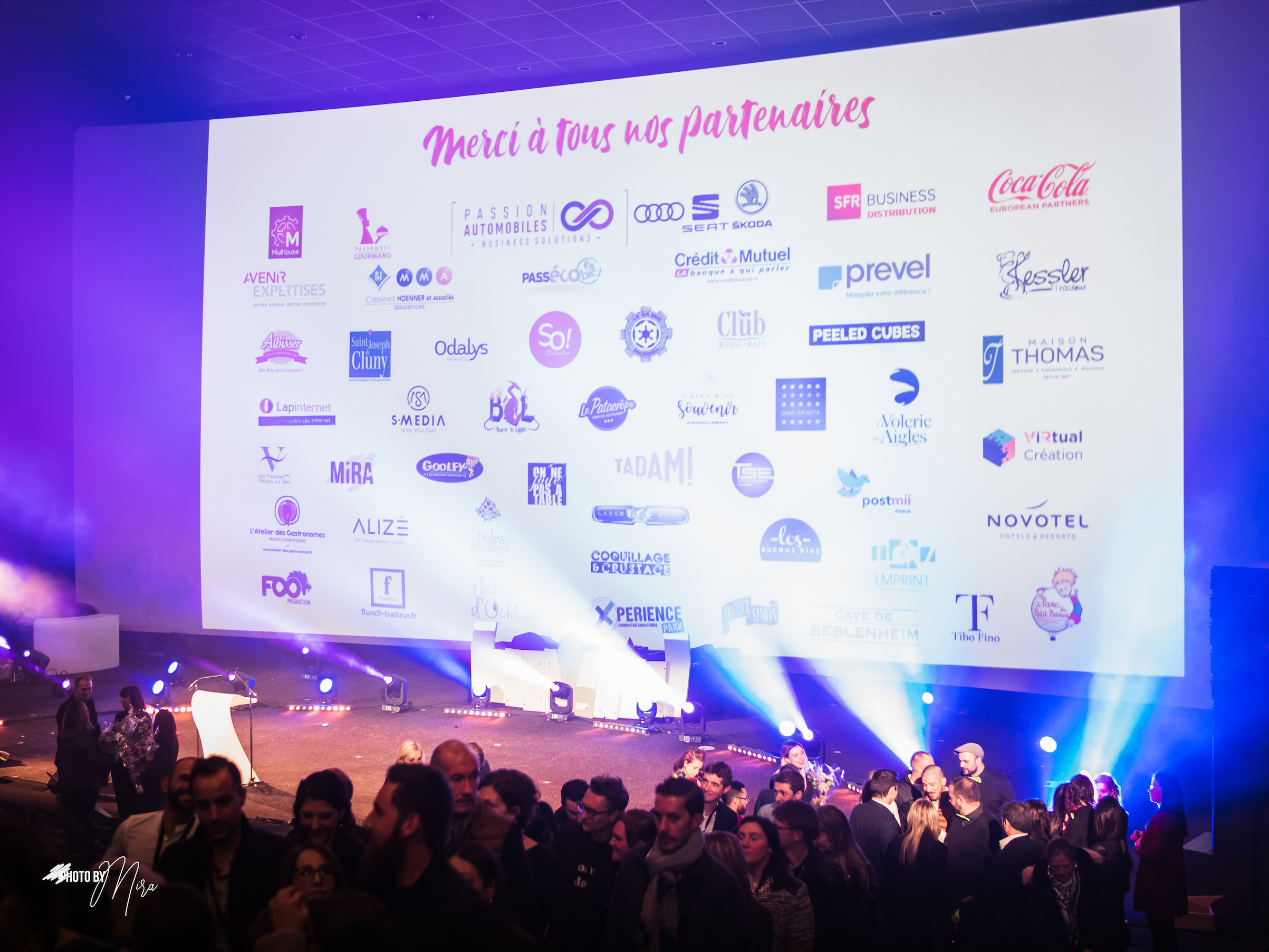
Promotional Event organisation in Spain that drives measurable brand reach
INNOV'events is an international event agency delivering Promotional Event activations across Spain, typically for 200 to 20,000+ consumer and professional interactions depending on the format.
We manage end-to-end operations: locations in Madrid, Barcelona, Valencia, Seville and Málaga, permitting, production, staffing, brand compliance, data capture and post-event reporting.
Table of contents
A Promotional Event is one of the fastest ways to turn a campaign into real-world proof: product trial, qualified conversations, retail footfall and content that can be reused by marketing and sales. For leadership teams, the strategic value is simple—make awareness tangible and measurable in a defined geography and time window.
Executives and communication teams expect brand consistency under pressure: correct set-up, on-time opening, safe crowd flow, trained brand ambassadors, controlled messaging, and clean reporting. They also expect risk management—permits, insurance, supplier reliability, and contingency planning for weather or last-minute restrictions.
Our teams deliver field-ready Promotional Event organisation with operational discipline: route planning for multi-city activations, venue and municipal coordination, staffing quality control, and KPI tracking. We operate with vetted partners and scalable crews across Spain’s main business and tourist hubs.
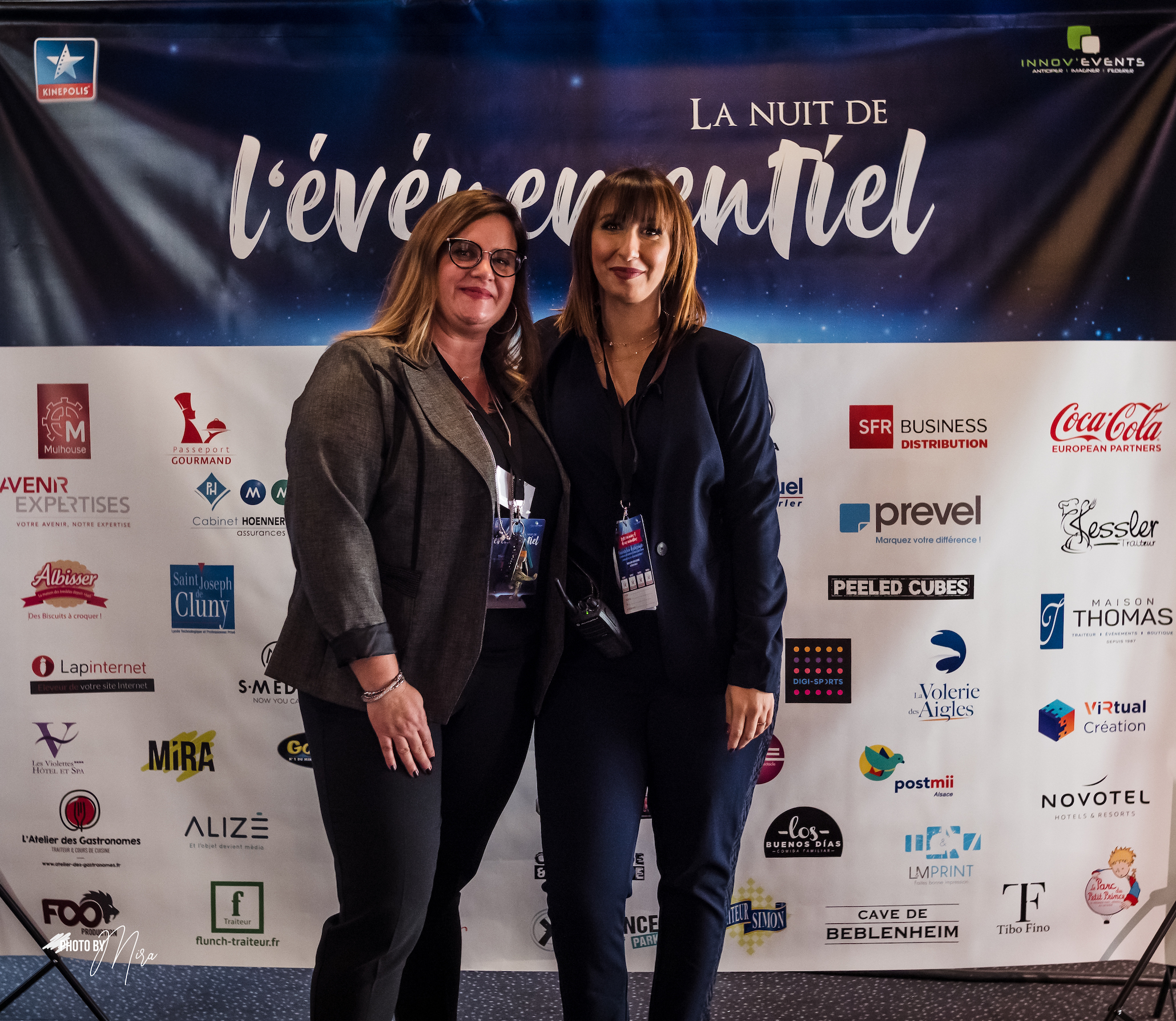
Operational reliability, proven in the field
5 key cities covered weekly: Madrid, Barcelona, Valencia, Seville and Málaga, with a supplier network designed for rapid mobilisation.
Multi-format expertise: indoor retail pop-ups, outdoor brand villages, corporate roadshow event logistics, conference-side activations and itinerant sampling tours.
End-to-end control: one project lead accountable for timeline, budget, compliance, and reporting—avoiding fragmented supplier management for your internal teams.
Scalable staffing model: trained brand ambassadors, supervisors, security and technical crew sized to expected footfall and risk level.
How to organize a professional event ?
- Define the objective (cohesion, announcement, fidelity, performance).
- Set date, format and size (20–1 000 people).
- Secure the venue and accommodation according to seasonality.
- Lock down technical, suppliers and logistics.
- Drive the day J (timing, scene, entrance, flow).
We send you a first proposal within 24h.
Why organise a Promotional Event in Spain instead of relying only on digital?
Digital campaigns build reach quickly, but they rarely answer the operational questions executives care about: who actually engaged, what was the quality of the interaction, and did the campaign influence behaviour. A Promotional Event makes your message real in the market—especially in Spain, where high-footfall urban zones, shopping centres and seasonal tourism can significantly amplify exposure when the activation is properly located and staffed.
Accelerate trust through trial: product demonstrations, tastings and hands-on experiences reduce the “distance” between brand promise and reality—particularly useful for new categories or premium positioning.
Create qualified conversations at scale: trained staff can move beyond simple sampling and capture needs, objections and intent—useful for B2C and B2B2C models (telecom, energy, mobility, fintech).
Generate measurable demand: QR flows, coupon redemption, appointment booking, store locator usage and lead forms can be tracked by city, time slot and audience segment.
Support retail and channel partners: coordinated activations can increase footfall for selected stores, franchises or distributors while protecting brand standards.
Build reusable content: an activation designed with filming angles, spokesperson availability and a content schedule yields high-quality assets for paid social, internal comms and PR—without disrupting operations on the day.
Test and learn before national roll-out: a promotional tour planning approach (pilot in Madrid and Barcelona, then expand) reduces risk and informs budget allocation.
Strengthen employer branding: when the activation includes internal volunteering moments, employee participation or recruitment messaging, you combine marketing impact with HR objectives.
Spain’s business culture values relationships and in-person credibility. When the activation is executed with discipline—permissions, staffing, and reporting—it becomes a concrete management tool, not just a marketing expense.
Which Promotional Event activations actually increase engagement and data capture?
Activities are not decoration; they are conversion tools. The right activation shortens time-to-engagement, increases dwell time and improves the quality of the conversation. In Spain’s high-footfall areas, your first challenge is stopping power; your second is turning that stop into a measurable action.
Interactive animations
Guided demo stations with timed scripts: 2–4 minute demos with clear “what’s in it for me” framing, designed to handle queues without losing quality.
Instant prize mechanics with compliance: scratch cards or digital wheels linked to QR registration, with transparent rules and fraud prevention (one entry per device, timestamp control).
Mini-workshops: short sessions every 30 minutes (e.g., “how to” use cases), ideal for higher-consideration products and for generating content moments.
Appointment setting corner: for services, a dedicated space where visitors can book a follow-up call or in-store meeting, reducing drop-off after the event.
Art animations
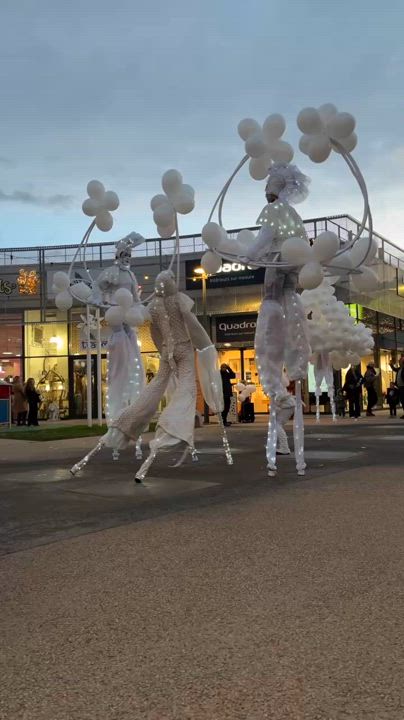
Live illustration and personalisation: artists create customised visuals linked to the brand message; effective for premium positioning and social sharing when queue management is planned.
Micro-performances with controlled sound: short acoustic sets or choreographed moments that create predictable peaks of traffic without breaching venue limits.
Brand storytelling host: a trained presenter who can hold attention, manage transitions and keep messaging consistent, especially useful for product reveals.
Innovative animations
Sampling with hygiene protocol: controlled portioning, allergen signage, temperature management and waste handling—critical for food and beverage activations in warm seasons.
Pairing experiences: brand product paired with a complementary tasting to increase perceived value, with clear throughput targets per hour.
Voucher-to-retail bridge: a tasting that ends with a trackable voucher redeemable in nearby stores, allowing direct attribution by city and date.
Gourmand animations
RFID or QR journey tracking: measure participation across multiple stations to understand drop-off points and improve layout for future events.
Mobile-first lead capture: fast forms, pre-filled fields, and offline mode for locations with inconsistent connectivity; essential for itinerant corporate event tours.
Content-first set design: defined filming spots, lighting plan and brand-safe backdrops to generate usable assets without disrupting visitor flow.
Geo-targeted amplification: coordinated paid media around the activation radius and time slots to boost attendance and support the promotional tour event objectives.
Every activity must match your brand’s promise and risk profile. We validate each mechanic against audience fit, operational feasibility, legal constraints, and the data you actually need—so the experience supports the business case, not just on-site excitement.
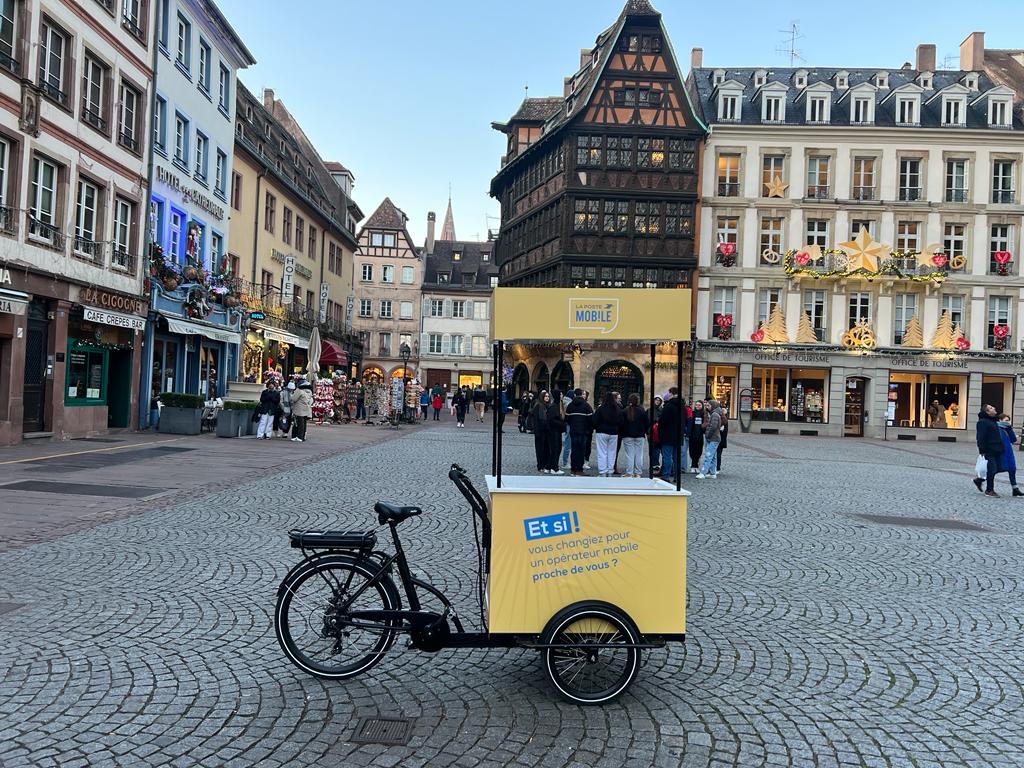
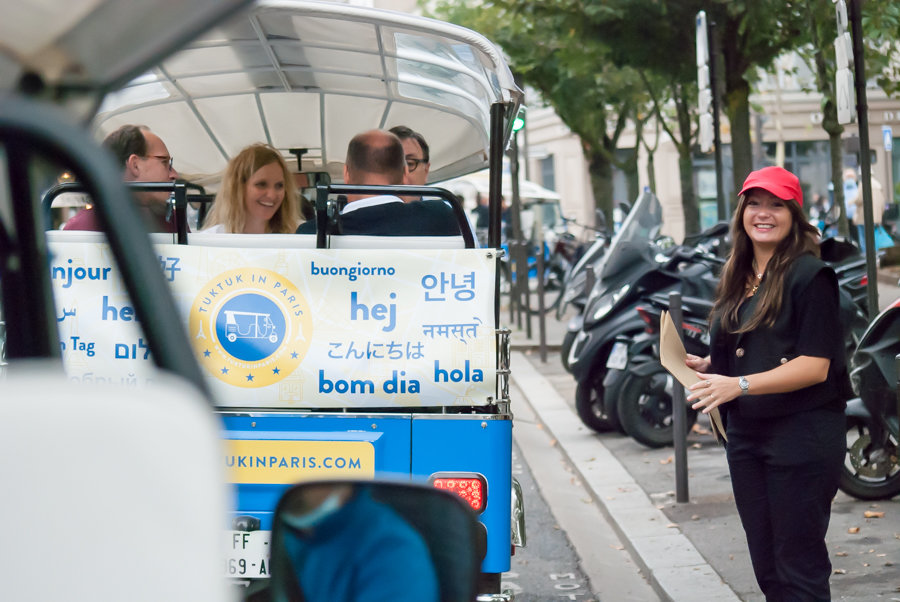
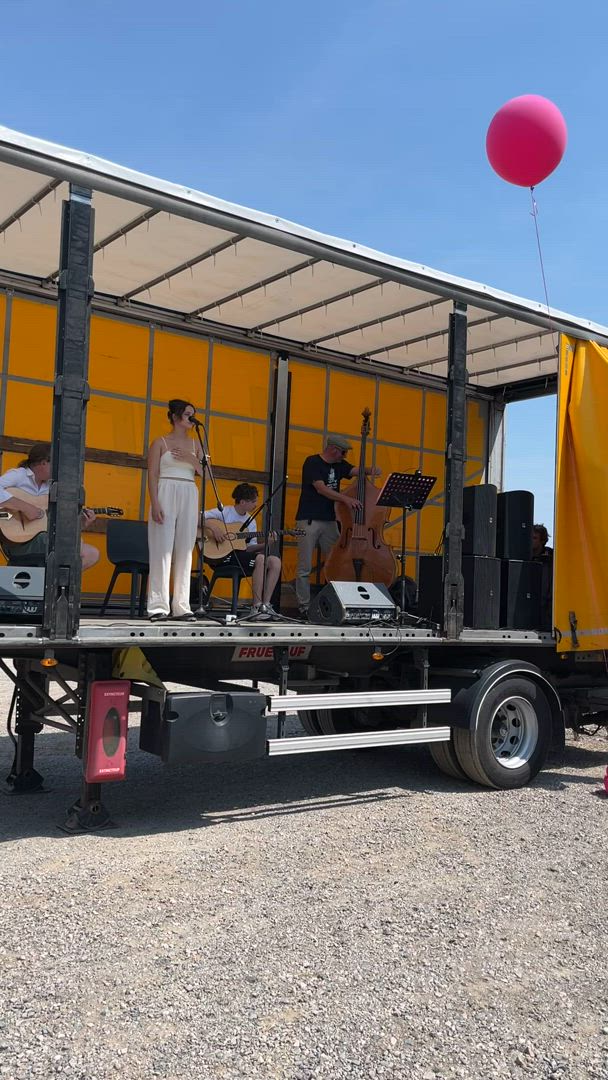
Where to run a promotional tour event in Spain: city-by-city logic
Choosing the right city and micro-location is a strategic decision. Madrid and Barcelona can deliver scale, but they also bring tighter regulations and higher competition for prime spots. Valencia, Seville and Málaga can outperform on cost-efficiency—especially during seasonal peaks—if the route and timing are well planned.
Madrid — Best for: national launch visibility, business audiences, media opportunities. Watch-outs: permit lead times, access constraints for central areas, traffic and load-in windows. Operational tip: consider a two-layer plan (premium central location + retail partner locations) to balance reach and feasibility.
Barcelona — Best for: lifestyle positioning, tourism-driven footfall, innovation narratives. Watch-outs: location restrictions, community impact requirements, crowd management near high-traffic zones. Operational tip: prioritise controlled venues (malls, event spaces) when brand risk is high.
Valencia — Best for: cost-effective reach, student and family segments, strong weekend traffic. Watch-outs: seasonal heat for outdoor formats, power availability in some open areas. Operational tip: plan shade, hydration and equipment cooling for summer activations.
Seville — Best for: cultural calendar alignment, high engagement in walkable zones. Watch-outs: very high temperatures in peak months, stricter timing considerations for set-up in busy areas. Operational tip: shift schedules to late afternoon/evening and build heat-resilient staffing rotas.
Málaga — Best for: tourism peaks, premium and leisure categories, strong photo/video environments. Watch-outs: seasonal demand for suppliers and accommodation, variable footfall by week. Operational tip: lock supplier bookings early and align with cruise and holiday calendars when relevant.
Touring / multi-city route — Best for: comparing market response, scaling efficiently, retailer support. Watch-outs: transport, storage, build repetition fatigue, consistency of staff. Operational tip: standardise the kit-of-parts, keep a spare parts inventory, and run a daily reset checklist to protect brand presentation.
For brand tour organization, the winning approach is usually a hybrid: one flagship stop designed for content and press, combined with multiple high-conversion stops designed for leads and sales uplift. We help you choose based on your KPI priority and operational risk tolerance.
How much does a Promotional Event cost in Spain?
The cost of a Promotional Event depends on format, city, duration and the level of production required to protect brand image and safety. A one-day in-mall pop-up has a different cost structure than a two-week itinerant tour with a branded structure, storage, transport, rotating staff and daily reporting.
As an event management company, we build budgets that are transparent and decision-ready: you see what drives cost, what can be optimised, and what should not be compromised if you want consistent performance.
Location and permitting: venue fees, municipal authorisations, security requirements, and any imposed operating constraints. Prime areas in Madrid and Barcelona often require earlier planning and stricter compliance.
Production and build: structure fabrication or rental, branding, AV, power distribution, flooring, weather protection and safety materials. Touring builds require durability and speed of assembly.
Staffing: number of brand ambassadors, supervisors, technicians, security, cleaners, and potential multilingual profiles. High-quality staffing includes training time and supervision.
Logistics: transport, storage, load-in/load-out crew, mileage, hotels for touring teams, and inventory management for samples and giveaways.
Engagement mechanics: tablets for registration, CRM integration, connectivity solutions, prize stock, and data protection measures.
Content production: photographer/videographer, usage rights, editing, and a shot list aligned to your campaign needs.
Insurance and risk management: liability coverage, risk assessments, medical support where required, and contingency reserves.
Return on investment should be discussed upfront. We typically structure measurement around a mix of cost per qualified interaction, lead-to-opportunity conversion (when relevant), and direct attribution metrics such as voucher redemption or booked appointments. That allows leadership teams to decide whether to extend the tour, adjust locations, or reallocate budget to the best-performing cities.





Examples of Promotional Event formats we deliver in Spain
Our projects range from compact, high-conversion activations to large-scale touring deployments. For example, a technology brand may require a controlled demo environment with appointment booking and strict message compliance; a consumer brand may prioritise high-throughput sampling with a strong retail bridge; a mobility player may need permits, safety barriers and queue management for test rides.
We frequently support promotional tour planning with repeatable build systems: a consistent branded structure, a standardised storage and transport plan, and a staffing approach that maintains performance across multiple weekends. We also adapt to corporate requirements such as supplier onboarding, PO processes, brand approvals, and data privacy validation for lead capture systems.
Because activations rarely live in isolation, we coordinate with other stakeholders—retail partners, sales teams, HR, and communications—so the event supports the broader plan rather than creating operational friction.
Common mistakes that damage results (and how we prevent them)
Choosing a location for visibility instead of feasibility: a prestigious spot can fail if footfall does not match your audience, or if restrictions limit branding and sound. We run a feasibility check before committing.
Underestimating permitting and compliance: missing documentation or late applications can force format downgrades. We manage a permit calendar and approval tracker from day one.
Staffing without training and supervision: untrained teams create inconsistent messaging and poor data quality. We implement scripts, role-play training and on-site supervision.
Overcomplicated engagement mechanics: if registration takes more than a minute, conversion drops sharply. We design low-friction flows and test them on mobile networks.
No weather and contingency plan: wind, rain or heat can reduce performance and create safety issues. We plan alternative set-ups, schedules and materials.
Weak measurement: counting giveaways is not the same as measuring impact. We define KPIs, implement tracking and deliver a decision-ready report.
Our role as an event management company is to remove these risks before they become day-of crises. That includes pre-mortem planning, structured checklists, and a clear command structure on site.
Why clients renew their brand tour organization with INNOV'events
Renewal happens when an agency delivers predictable execution and measurable learning—especially for multi-city activations where consistency matters as much as creativity. Clients typically return when they see that each new wave runs smoother, costs are controlled, and reporting supports better decisions.
Operational continuity: we maintain technical files, run-of-show documents, staffing guidelines and reporting templates so the next activation starts faster and with fewer errors.
Performance optimisation cycle: after each city, we identify what improved conversion (script changes, layout tweaks, queue management) and apply it to the next stop.
Reduced internal workload: stakeholders gain time because supplier coordination and day-of management are handled externally with disciplined reporting.

Loyalty is earned through consistency: on-time delivery, controlled brand execution, and honest reporting. That is what makes long-term partnerships rational for executives managing both budget and reputational risk.
Our delivery process for corporate roadshow event and touring activations
👉 1) Brief alignment and KPI definition
We run a focused working session with marketing, HR and communications to confirm objectives, priority audiences, compliance constraints, and success metrics. Output: a validated KPI set, target interaction volumes, and a decision timeline that fits your internal approvals.
👉 2) Format design and route planning
We translate goals into an operational format: footprint, visitor journey, staffing model, and engagement mechanics. For a promotional tour event, we propose an efficient route across Madrid, Barcelona, Valencia, Seville and Málaga based on footfall patterns, seasonality and logistics.
👉 3) Location sourcing and permitting plan
We source feasible locations and manage negotiations, technical checks and approvals. Output: a permit and compliance tracker, risk assessment, insurance requirements, and a confirmed operational calendar.
👉 4) Production, procurement and technical rehearsals
We produce the branded elements, secure AV and power, and lock transport and storage. We conduct a technical rehearsal or pilot build to verify assembly time, safety, branding accuracy and throughput capacity.
👉 5) Staffing, training and supervision setup
We recruit and brief staff, validate profiles, and train on messaging, data capture and escalation protocols. We define supervision ratios and implement on-site checklists to maintain quality during peak periods.
👉 6) Live delivery and day-of command structure
We manage set-up, opening, visitor flow, inventory and daily debriefs. Decisions are centralised through a clear command chain to protect brand image and resolve issues fast (weather changes, equipment failures, unexpected crowd peaks).
👉 7) Reporting and optimisation recommendations
We deliver a concise executive report: volumes, KPI results, city comparisons, issues and corrective actions, plus recommendations for the next wave. For itinerant corporate event programs, we use learning to improve conversion and reduce cost per qualified interaction over time.
FAQ sobre la organización Promotional Event
How early should we start planning a Promotional Event in Madrid or Barcelona?
Plan for 6 to 10 weeks for a single activation if you need prime locations, permits and custom production. For a multi-city tour, allow 10 to 16 weeks to secure venues, standardise the build, recruit staff and run a pilot.
What KPIs should executives request for a promotional tour event?
Use a mix of volume and quality KPIs: qualified interactions, leads captured, conversion actions (appointments, voucher redemptions, store locator clicks), cost per qualified interaction, and city-by-city comparison. Add operational KPIs such as opening on time, compliance incidents (target: zero), and data completeness rate.
Can you manage permits and insurance for an itinerant corporate event?
Yes. We manage venue negotiations, municipal approvals where required, and insurance coordination. We also produce risk assessments and on-site safety protocols, including crowd flow and emergency contacts, adapted to each city and location type.
What is a realistic budget range for a corporate roadshow event in Spain?
Ranges vary widely by footprint, production and staffing. As a reference, a compact one-day activation can start in the low five figures, while a multi-city roadshow with a branded structure, transport, rotating staff and content production often sits in the mid five to six figures. We provide a transparent, line-by-line estimate after the brief.
How do you ensure brand ambassadors represent us correctly?
We use scripted messaging approved by your team, role-play training, supervision on site, and quality checks during the day. For regulated claims, we add escalation rules and “do not say” guidance. We also track data quality (completion rate and error rate) to ensure reporting is reliable.
Request your presupuesto gratuito for a Promotional Event in Spain
If you are planning a Promotional Event or a multi-city brand tour, involve us early—location feasibility, permitting, staffing and measurement are easier (and cheaper) to optimise before decisions are locked.
Share your target cities (Madrid, Barcelona, Valencia, Seville, Málaga), dates, audience and KPIs. We will revert with a clear proposal: recommended format, operational plan, risk controls, and a transparent budget structure. Contact INNOV'events to start with your presupuesto gratuito.