
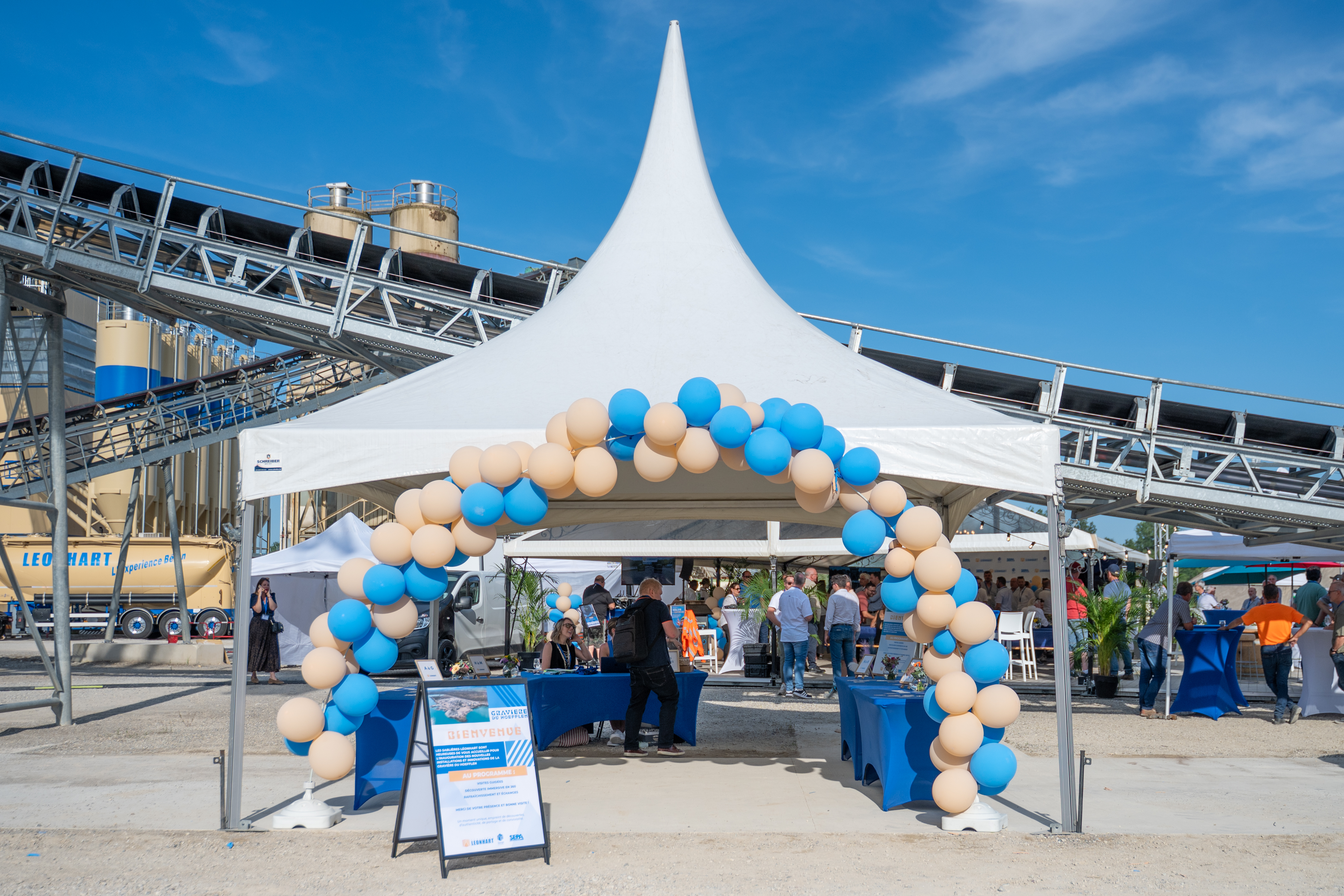
Real Estate Showing for corporate decision-makers: sell, lease, or reposition assets with confidence
INNOV'events is an international event agency delivering Real Estate Showing programmes across Spain, typically for 30 to 400 guests (investors, tenants, brokers, press and internal stakeholders).
We manage venue readiness, guest journey, staffing, permits, supplier coordination, security and on-site execution so your teams can focus on negotiations and relationships.
Table of contents
A Real Estate Showing is not a “nice-to-have”: it is a controlled commercial environment where perception, timing and operational discipline directly influence occupancy, pricing power and investor confidence.
When the asset is premium, the event must be equally premium—without slowing down your deal cycle or creating compliance risk.
Executives and communication teams expect a showing that protects the brand, respects neighbours, and keeps conversations private while maintaining a high-quality guest experience.
HR and internal stakeholders also expect safe operations, clear roles for staff, and a programme that reflects company culture.
From Madrid CBD office floors to Barcelona mixed-use developments, logistics in Spain are specific: building rules, community requirements, local suppliers, and peak-hour mobility.
INNOV'events brings field-tested processes in Madrid, Barcelona, Valencia, Seville and Málaga to deliver consistent outcomes under real operational pressure.
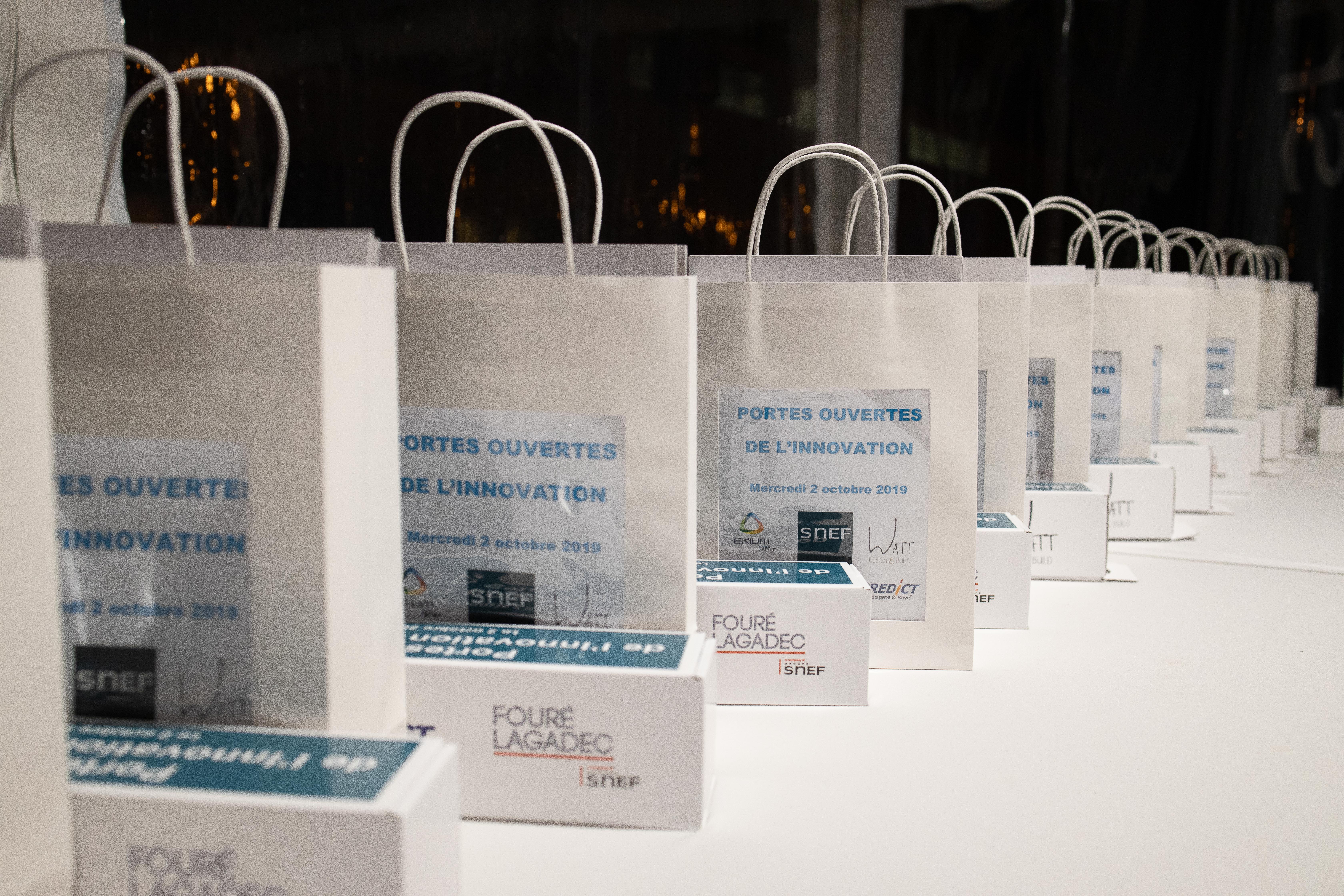
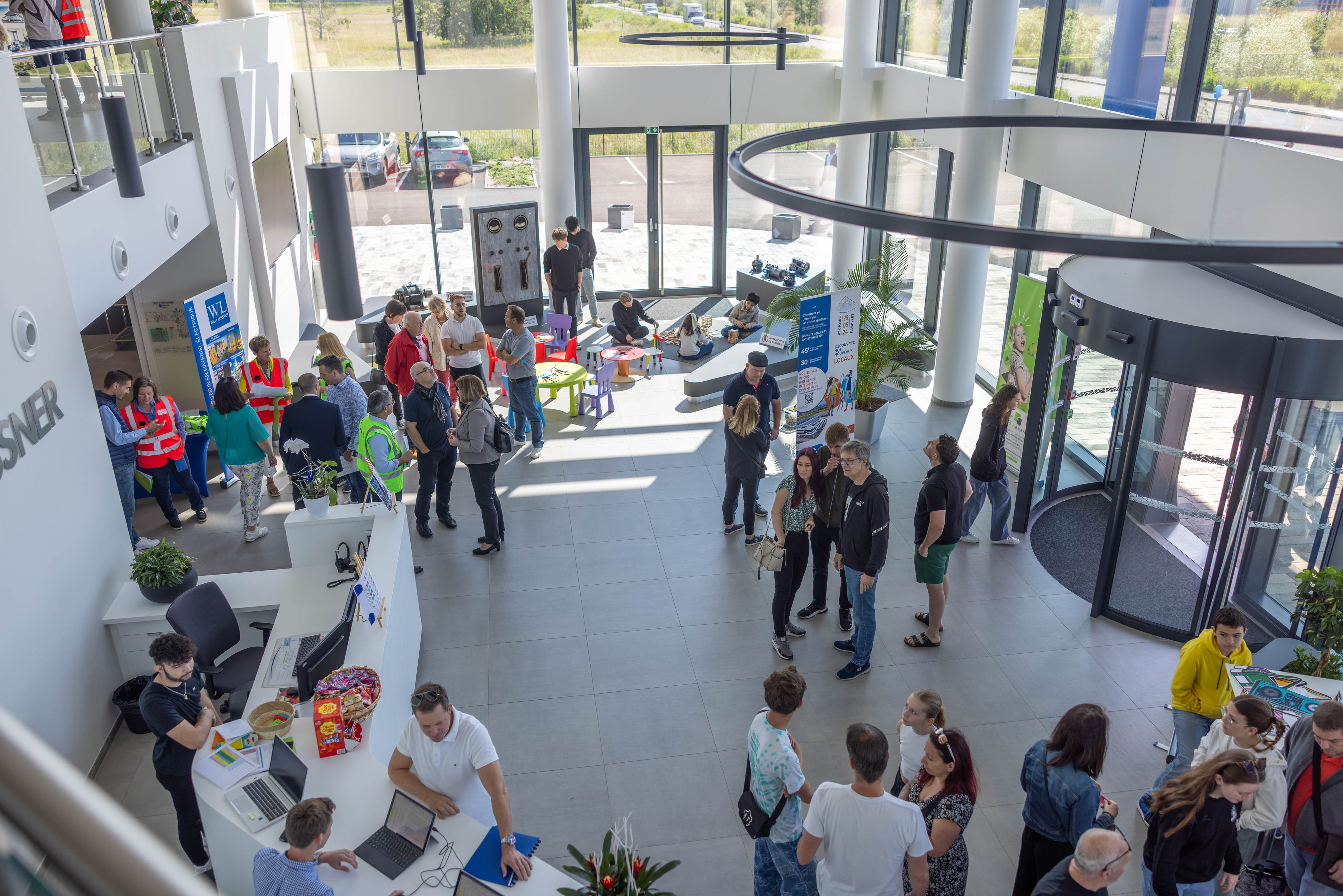
Operational credibility in Spain, with international standards
5 key cities covered with local production capacity: Madrid, Barcelona, Valencia, Seville and Málaga.
24–72 hours turnaround for rapid site assessment and initial concept options when a deal timeline is tight.
1 single point of contact and an on-site producer for show day, with vendor coordination, run-of-show and incident management.
Multi-stakeholder readiness: we routinely align building management, security, brokers, legal/brand teams, and VIP assistants.
How to organize a professional event ?
- Define the objective (cohesion, announcement, fidelity, performance).
- Set date, format and size (20–1 000 people).
- Secure the venue and accommodation according to seasonality.
- Lock down technical, suppliers and logistics.
- Drive the day J (timing, scene, entrance, flow).
We send you a first proposal within 24h.
What business outcomes can a Real Estate Showing deliver?
A Real Estate Showing is often the fastest way to compress decision cycles: it turns a PDF into a physical experience, reduces uncertainty, and creates structured time with the right people in the same place. In Spain, where mobility, building access rules and stakeholder availability can delay viewings, a professionally run showing can replace weeks of scattered tours with one day (or a two-day sequence) of high-quality meetings.
Accelerate leasing or sales discussions by turning technical features into tangible proof points (layout, natural light, acoustics, loading access, amenities, neighbourhood connectivity).
Control the narrative with a guided guest journey: arrival, welcome, key messages, technical corner, amenities tour, and negotiation zones—rather than letting visitors “wander” and build their own interpretation.
Improve investor and tenant confidence through operational excellence: punctuality, clear signage, safety, knowledgeable hosts, and a well-briefed security posture.
Protect the asset and your brand with access control, supervision of sensitive areas, rules for photography, and discreet management of press or social media.
Enable internal alignment by involving property, legal, ESG, and communications teams around consistent talking points, avoiding contradictions that later create negotiation friction.
Generate qualified leads with a structured RSVP process, segmentation by profile (tenant, investor, broker, institutional), and on-site data capture compliant with corporate privacy standards.
Support employer branding when the asset is a workplace: HR can showcase wellbeing, inclusivity, and corporate culture in a credible, lived environment.
In Spain’s major markets—Madrid and Barcelona in particular—competition for prime tenants and capital is intense. A well-run showing is a practical way to demonstrate seriousness and readiness, while respecting budget discipline and governance. The objective is not spectacle; it is frictionless decision-making.
Which open house event ideas actually help close real estate deals?
In a corporate context, activities are only useful if they improve understanding, time-on-site, and decision confidence. For a business open house event, we prioritise formats that support conversations and reduce technical uncertainty—without turning the showing into entertainment that distracts from the asset.
Interactive animations
Guided micro-tours every 15–20 minutes (3–5 key stops): ideal when stakeholders are busy and arrive at different times. Keeps the narrative consistent.
“Ask the experts” technical corner with scheduled availability (MEP, sustainability/ESG, workplace strategy, mobility): prevents ad-hoc Q&A from blocking tours.
Before/after fit-out visualisation station (rendering boards or tablets): useful for shell & core assets where imagination is a bottleneck.
Tenant use-case boards (logistics, HQ office, flexible workspace, retail): accelerates relevance by showing what the building is designed to support.
Art animations
Light-touch ambient music (low dB, curated playlist or small acoustic set) to reduce the “empty building” effect while keeping conversation quality high.
Architectural storytelling moments led by the project architect or design lead for VIP groups: credible and content-rich, especially for repositioning projects.
Innovative animations
High-throughput coffee bar designed for peak arrivals (two service points when guest waves are expected): avoids queues that damage the first impression.
Grab-and-go breakfast or light lunch with labelled allergens: supports tight schedules and reduces catering waste.
Networking lounge with simple, premium service (water, soft drinks, small bites): encourages longer conversations without operational complexity.
Gourmand animations
AR/VR or 3D model walkthrough for future amenities or phased works: effective when the asset is partially completed or when rooftop/technical areas cannot be visited.
Smart badge scanning to measure dwell time by zone and capture interests (ESG, amenities, transport, technical specs): creates usable post-event follow-up intelligence.
Quiet content capture (controlled photo/video windows): enables communications teams to produce compliant content without disrupting guest flow.
We select “animation” elements only if they reinforce the company’s positioning and the asset story. A high-end finance tenant tour in Madrid calls for discretion and clarity; a mixed-use development in Málaga may benefit from a more social flow. Consistency with brand image is not a design detail—it is a negotiation signal.
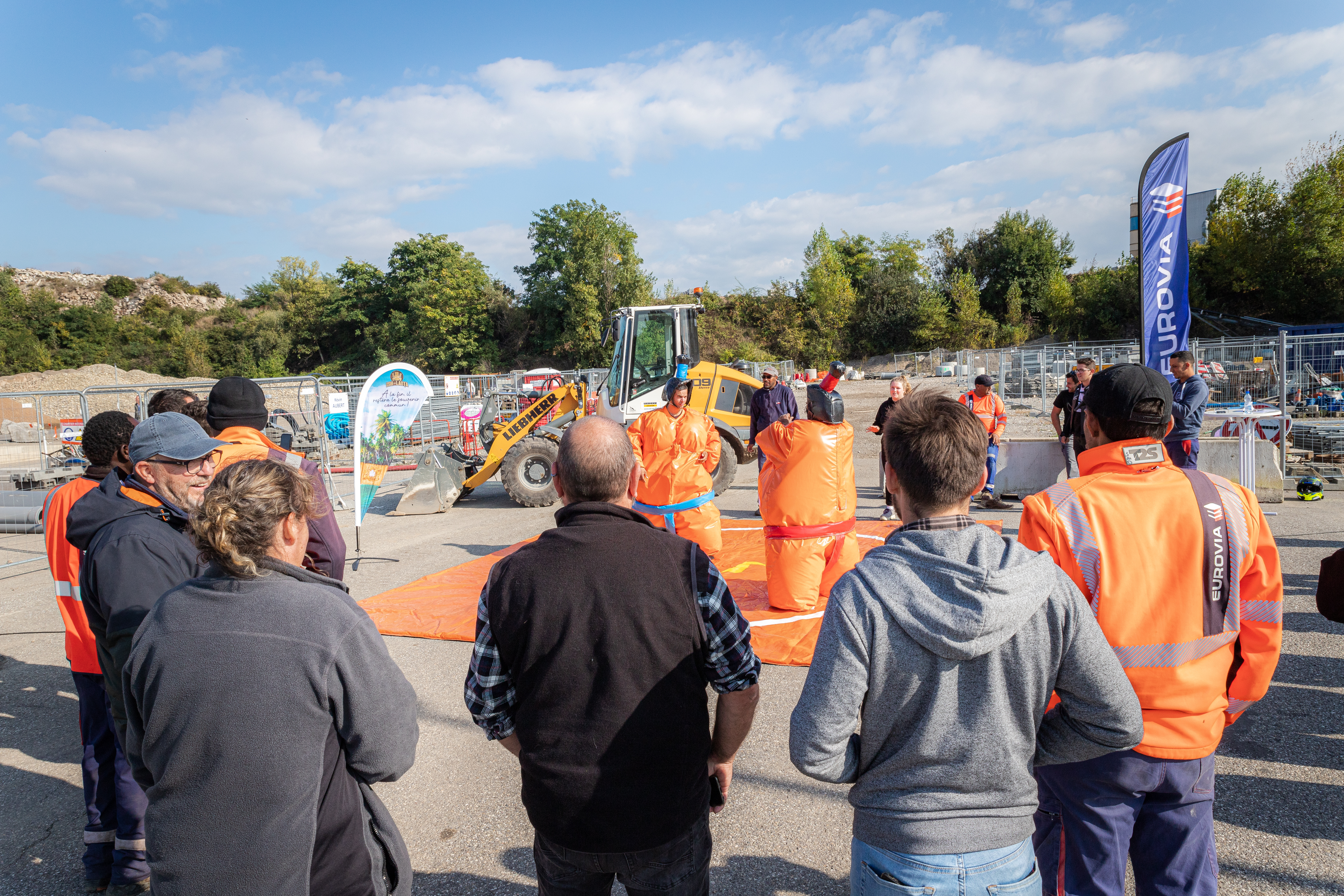
Where can you host a Real Estate Showing in Spain without losing control of logistics?
In corporate real estate, the best location is often the asset itself—but only if access, safety, and guest comfort are feasible. When the building is under works, fully occupied, or restricted, we propose alternatives that keep the commercial objective intact: a nearby showroom, a serviced meeting floor, or a branded hospitality suite.
We help you choose based on guest profile (investors vs tenants vs internal), confidentiality needs, accessibility, and how much of the asset can be demonstrated safely.
- Madrid: CBD office floors, refurbished lobbies, nearby hospitality suites for VIP negotiations; focus on timed arrivals due to traffic and building security protocols.
- Barcelona: mixed-use developments and design-led spaces; careful neighbour and community management is often required, with strict building rules on deliveries and noise.
- Valencia: strong option for daylight-focused showings and efficient guest flow; we plan for seasonal heat and ensure indoor comfort and hydration points.
- Seville: mobility and access planning is critical in central zones; we build clear transfer instructions and contingency for narrow access points.
- Málaga: excellent for investor and international guest attendance; we plan around airport transfer windows and create bilingual-ready operational signage if needed (without changing your corporate language policy).
Across all cities, we validate building permissions early: temporary signage approval, lift reservation, catering rules, waste removal, and emergency procedures. This is where many open house organization efforts fail when done internally—because building constraints are discovered too late.
What does a Real Estate Showing cost in Spain?
Budgeting for a Real Estate Showing is about matching spend to commercial risk and guest profile. A showing for 40 institutional guests in Madrid with confidentiality requirements will not be priced like a high-footfall corporate open house event for 250 brokers in Barcelona. We cost based on measurable parameters and provide options (base / enhanced / flagship) so executives can choose with clarity.
Guest count and format: 30–80 VIP slot-based tours vs 150–400 open house flow; more guests usually means more staffing, registration capacity and security.
Asset readiness: completed and clean vs under construction; works-in-progress increase safety measures, cleaning, supervision and restrictions.
Access control and security: badge printing, QR scanning, dedicated security personnel, restricted zones, CCTV coordination with building security.
Catering model: coffee station vs continuous service vs hosted lounge; the biggest cost driver is often staffing and service style, not food alone.
Production and branding: signage, wayfinding, temporary furniture, lighting, sound, staging of key areas (lobby, lounge, meeting rooms, terrace).
Staffing and hosting: registration team, floor managers, tour guides, runners, technical experts coordination, VIP concierge.
Permits and compliance: depending on the site and city, you may need additional approvals for outdoor elements, music, or temporary installations.
Timing: short lead times increase costs due to supplier availability and accelerated production cycles.
We always connect cost to return: faster decision cycles, improved lead quality, and reduced reputational risk. In practice, the ROI often comes from what you avoid—missed prospects due to poor guest flow, negative feedback from building management, or last-minute cancellations caused by operational uncertainty.













What types of Real Estate Showing projects do we deliver?
Our projects range from discreet VIP investor previews to high-footfall broker open houses and internal stakeholder tours. We often operate in complex environments: partially occupied buildings where tenant experience must be protected, assets under refurbishment with strict safety boundaries, and sites with limited lift capacity or tight delivery windows.
Examples of situations we regularly manage include: a morning investor sequence with private meeting rooms followed by an afternoon broker flow; a multi-floor tour where the route must avoid sensitive operational areas; or a two-city schedule (Madrid then Barcelona) where brand consistency matters and leadership expects the same level of control in both locations.
Regardless of format, the deliverable is the same: a reliable guest journey, clear messaging, and an operation that looks effortless because it has been engineered.
Common mistakes that damage a corporate open house event
No capacity planning: lifts, narrow corridors and reception areas become bottlenecks, creating queues that signal poor management.
Unclear hosting roles: brokers, internal teams and suppliers each assume someone else is guiding tours, resulting in inconsistent messaging.
Late alignment with building management: access hours, deliveries, security rules and waste removal are discovered last minute and force compromises.
Underestimating privacy needs: uncontrolled photography, visible guest lists, or open conversations in public areas can create confidentiality issues.
Catering that blocks the flow: a single coffee point at peak arrival times can cause 15–20 minute queues and reduce tour time.
Over-production in the wrong places: spending on decorative items while neglecting signage, staffing and meeting zones that actually influence decisions.
No contingency plan: a lift outage, rain, or a last-minute VIP arrival derails the schedule because there is no escalation process.
Our role is to engineer the showing to withstand real-world conditions—late arrivals, surprise stakeholders, building constraints, and executive time pressure—so the event supports your commercial goal instead of creating new issues to manage.
Why corporate clients stay with the same event agency for showings
In corporate real estate, repeatability is value. Once a partner understands your governance, brand standards, and stakeholder ecosystem, delivery becomes faster and safer across assets and cities. Clients come back because they want fewer variables on critical dates: the same discipline on guest flow, the same clarity on budgets, and the same calm on-site leadership when pressures rise.
Repeatable formats: the same “showing playbook” can be reused (VIP tour + broker open house + internal tour), reducing preparation time on subsequent projects.
Shorter approval cycles: once your procurement and legal teams validate our processes (insurance, vendor onboarding, privacy handling), approvals tend to move faster.
Operational continuity: the same producer-led methodology reduces supplier churn and limits show-day surprises.

Loyalty is not about habit; it is about risk management. If your showings consistently start on time, protect brand image, and generate qualified follow-ups, staying with the same partner is a rational executive decision.
Our step-by-step method for a Real Estate Showing in Spain
👉 Step 1: Commercial objective and stakeholder mapping
We define what success means (leasing leads, investor confidence, broker engagement, internal alignment) and map decision-makers and constraints: building management, security, brokers, legal, comms, HR, and technical teams. This step prevents contradictory priorities on show day.
👉 Step 2: Site diagnostic and risk plan
We conduct a site walk-through (or fast remote assessment when time is tight) focusing on access points, lift capacity, restricted areas, safety boundaries, acoustic conditions, and signage needs. We produce a risk and mitigation plan covering crowd management, confidentiality, medical incidents and supplier access.
👉 Step 3: Guest journey, schedule and RSVP system
We design the run-of-show and guest flow with timed slots when needed, including VIP routing. We set up RSVP capture with segmentation and confirmation rules, then define check-in, badge/QR process, and data handling aligned with corporate privacy standards.
👉 Step 4: Production, suppliers and brand implementation
We source and coordinate AV, furniture, catering, staffing and security. We implement brand touchpoints that support navigation and messaging (wayfinding, key message points, tour prompts) rather than decorative elements with no business function.
👉 Step 5: Briefings and rehearsal
We run a supplier call and a host briefing, then validate the route on-site with building management. We confirm escalation rules: who decides on schedule changes, how VIP arrivals are handled, and how issues are communicated internally without alarming guests.
👉 Step 6: Show-day delivery and incident management
On-site, our producer leads timing, guest flow and supplier coordination. We supervise bottlenecks, manage meeting zones, maintain service standards, and handle issues discreetly (late deliveries, technical faults, unexpected attendance).
👉 Step 7: Post-event reporting and follow-up support
We deliver a clear debrief: attendance vs RSVP, profile breakdown, flow observations, and actionable recommendations for the next showing. If required, we provide lead export, zone interest indicators (where captured), and content assets produced during the event.
FAQ sobre la organización Real Estate Showing
How far in advance should we plan a Real Estate Showing in Madrid or Barcelona?
Plan for 3–6 weeks for a standard corporate showing (guest journey design, suppliers, building coordination). If the asset is under works, requires special permissions, or includes VIP security, allow 6–10 weeks. We can execute faster (sometimes 10–15 days) but options and pricing become more constrained.
What is a realistic guest count for a business open house event without overcrowding?
For comfort and conversation quality, we often target 40–80 guests for VIP or investor-led formats, and 120–300 guests for broker-focused open houses—split into arrival waves or timed slots. The real limit depends on lift capacity, tour route width, and the number of simultaneous “touchpoints” (tour guides, meeting zones, catering points).
Can we host a corporate open house event in a partially occupied building?
Yes, but you need strict zoning and coordination with building management. We define restricted areas, plan separate routes to avoid tenant disruption, set delivery windows, and implement access control so guests do not enter occupied floors. For occupied sites, we typically recommend timed slots and a higher staff-to-guest ratio.
How do you handle confidentiality when competitors or press may attend?
We use controlled invitations, pre-approval lists, and check-in verification (ID check where appropriate). On-site, we designate no-photo zones, provide discreet signage, and create private meeting rooms away from public circulation. If press is invited, we plan a separate schedule and a controlled statement pack approved by communications.
What makes company open house animation useful rather than distracting?
We only include “animation” that supports decisions: micro-tours, expert Q&A corners, fit-out visualisation, and data-backed ESG demonstrations. If an activity does not improve understanding or keep stakeholders in meaningful conversation, we remove it. The goal is a stronger pipeline, not entertainment.
Request your presupuesto gratuito for a Real Estate Showing in Spain
If you are comparing agencies, we are comfortable with that: a Real Estate Showing should be chosen on operational reliability, stakeholder management and commercial impact—not on generic promises. Share your asset location (Madrid, Barcelona, Valencia, Seville or Málaga), target guest profiles, and timeline. We will come back with a structured plan (format options, flow concept, key risks and a clear budget range) so you can decide quickly.
Contact INNOV'events to schedule a short briefing call and secure dates before supplier availability tightens—especially for weekday mornings and peak business seasons.