Networking cocktail event organisation in Spain that delivers real business conversations
INNOV'events is an international event agency delivering high-standard Networking cocktail event formats across Madrid, Barcelona, Valencia, Seville and Málaga.
Typical formats range from 40 to 400 guests; we manage venue sourcing, guest flow, catering, staffing, A/V, branding, and compliance so your teams can focus on relationships.
Table of contents
A Networking cocktail event is not “just drinks”: it is a controlled environment to accelerate introductions, unblock stakeholder access, and create deal-ready conversations in 90–120 minutes.
For leadership, it is one of the most cost-efficient ways to move a pipeline, support a market entry, or align internal teams after change or growth.
Executives and HR/Comms teams typically expect three things: the right people meet each other, the company looks credible, and the evening runs on time with zero friction.
That requires deliberate guest journey design—arrival pacing, conversation triggers, sound levels, service speed, and clear hosting—so networking happens naturally, not awkwardly.
As an event management company, we operate with operational precision: staffing plans, supplier SLAs, risk registers, and run-of-show discipline.
We also integrate business outcomes—lead capture options, discreet VIP handling, and reporting—so the event is accountable to commercial and employer-brand objectives.
Numbers decision-makers ask for before trusting an event partner
5 key Spanish hubs covered (Madrid, Barcelona, Valencia, Seville, Málaga) with proven local supplier networks and bilingual on-site teams.
40–400 guests is our most common range for a professional networking event; scalable staffing and service ratios keep quality consistent.
2–4 weeks typical delivery window for a standard corporate cocktail organization when venue availability is reasonable; 5–10 business days for urgent formats when requirements are clear.
1 production lead + 1 client lead structure for decision clarity, plus dedicated roles (venue, catering, A/V, branding) depending on complexity.
How to organize a professional event ?
- Define the objective (cohesion, announcement, fidelity, performance).
- Set date, format and size (20–1 000 people).
- Secure the venue and accommodation according to seasonality.
- Lock down technical, suppliers and logistics.
- Drive the day J (timing, scene, entrance, flow).
We send you a first proposal within 24h.
Why organise a networking cocktail event for your company in Spain?
A Networking cocktail event works when you need high-quality conversations without the overhead of a full conference. The cocktail format is short, flexible, and socially natural—ideal for executive agendas and for audiences who will not commit to a half-day programme. In Spain’s major business cities, it is also a culturally accepted way to open doors and build trust quickly.
Commercial acceleration without heavy programming: create a concentrated window for introductions between prospects, partners, investors, and your senior leadership—especially effective after a product milestone, funding announcement, or market expansion.
Employer brand and HR impact: bring candidates, alumni, and internal talent together in a setting that feels human while still controlled; useful for leadership visibility and retention narratives after reorganisations or rapid growth.
Stakeholder management with minimal risk: a cocktail reception can host VIPs discreetly (private arrivals, reserved areas, security) while keeping the main space lively and inclusive.
Internal alignment across locations: for teams split between Madrid and Barcelona, or spread across Iberia, a focused after-work corporate event can rebuild cross-functional trust faster than virtual initiatives.
Brand credibility in a competitive market: well-executed logistics (sound, lighting, signage, service) signal maturity. In many industries, operational detail is read as a proxy for business reliability.
Data and follow-up readiness: with the right check-in, badge/guest list logic, and follow-up processes, you leave with structured contacts—not a vague sense that “people met”.
In Spain, business relationships still rely heavily on trust built face-to-face. A disciplined cocktail format respects that culture while remaining efficient for international executives who need outcomes, not ceremony.
Which business networking cocktail animation options improve participation (without looking gimmicky)?
Activities are useful when they reduce social friction and create legitimate reasons to move, ask questions, or join a small group. The best business networking cocktail animation is subtle: it protects the professional tone while increasing connection density. We recommend selecting 1–2 strong devices rather than scattering too many distractions.
Interactive animations
Hosted introductions (light-touch matchmaking): trained hosts identify isolated guests, connect them based on role/industry, and keep the exchange moving. This is particularly effective when executives must meet specific stakeholders within a limited time.
Conversation prompts integrated into the space: discreet table cards or wall prompts linked to the theme (innovation, ESG, recruitment, partnerships). It sounds simple, but it materially improves the first question beyond “So, what do you do?”.
Speed networking blocks (optional, 12–18 minutes): a structured mini-session for attendees who opt in, with clear rules. Works well for association evenings or when you must guarantee cross-company interactions.
Guided tasting stations: short explanations by a sommelier or mixologist act as a natural “anchor” where people gather and start talking without feeling they are interrupting.
Art animations
Low-volume live music (jazz trio, acoustic set): chosen for sound discipline, not spectacle. It maintains energy while preserving conversation—critical for a professional networking event.
Live illustration of key themes: a visual artist summarises the company narrative or panel highlights (if paired with a brief talk). This creates a focal point for discussion and content for internal communications.
Innovative animations
Chef-led bite moments: timed releases of signature canapés prevent the common issue where guests arrive and find little food. It also creates a natural movement pattern across the room.
Alcohol-free craft bar: increasingly requested by HR and Duty of Care stakeholders. It supports inclusivity and helps keep conversations sharp for after-work schedules.
Regional pairing corners: when hosting international visitors in Madrid, Barcelona, Valencia, Seville or Málaga, a curated local pairing station can be a respectful nod to place—without turning the event into a tourist performance.
Gourmand animations
Smart check-in with tags that respect privacy: role-based colour coding (e.g., partner, client, candidate) can help hosts facilitate introductions without printing job titles. Designed carefully, it improves networking while protecting personal data.
Opt-in lead capture via QR touchpoints: rather than pushing app downloads, we place a few QR stations for those who want follow-up content or meetings. This reduces friction and increases the quality of captured contacts.
Micro-talks (2–4 minutes) with strict timing: one executive insight, one client perspective, one cultural note. Short talks can “reset” the room without killing momentum—if the audio is right and the content is genuinely relevant.
Every activity must align with brand posture. A listed company, a law firm, and a fast-growth tech scale-up can all run a cocktail—but the tone, sound level, and visual language must be consistent with how the company wants to be perceived in Spain’s business community.
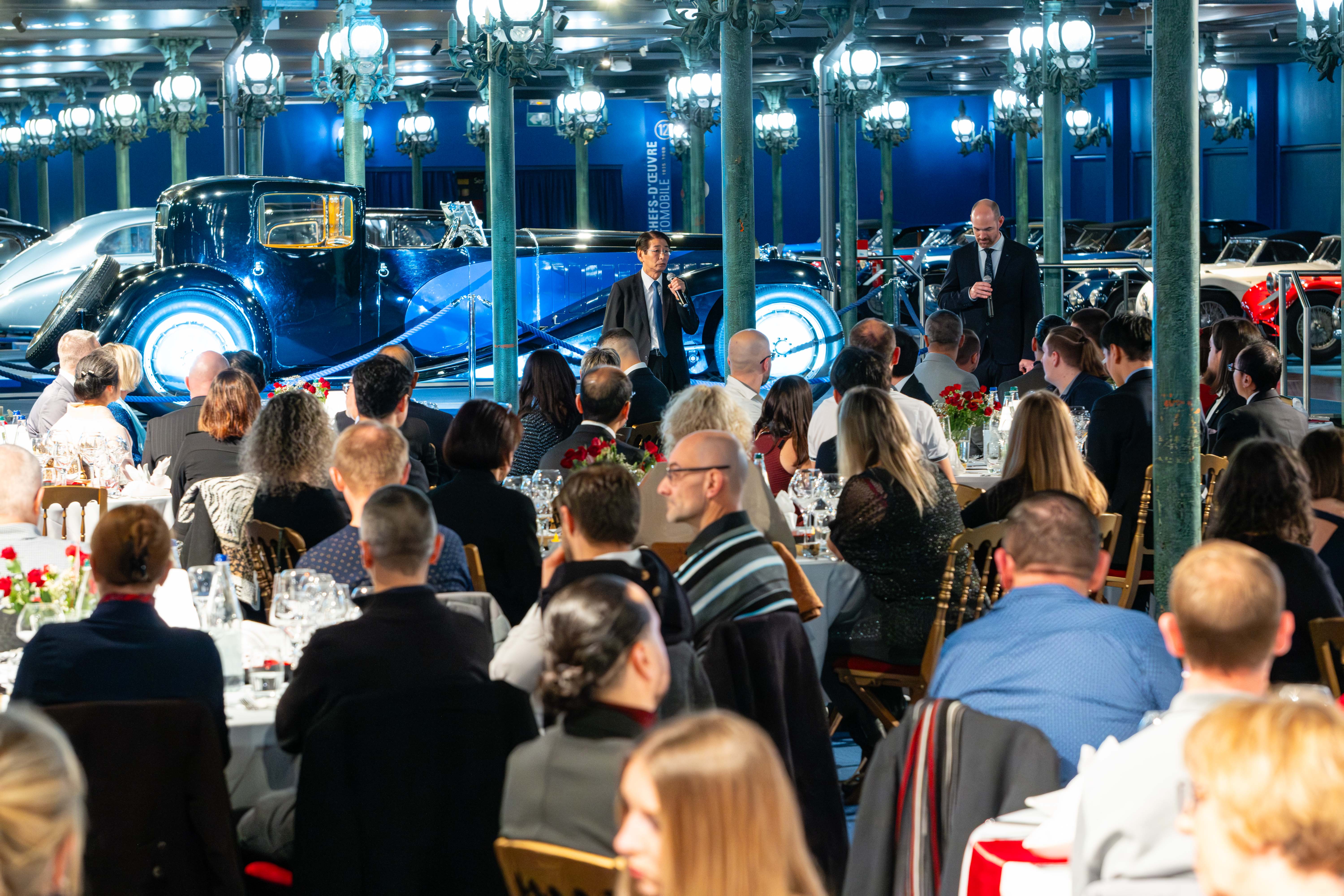
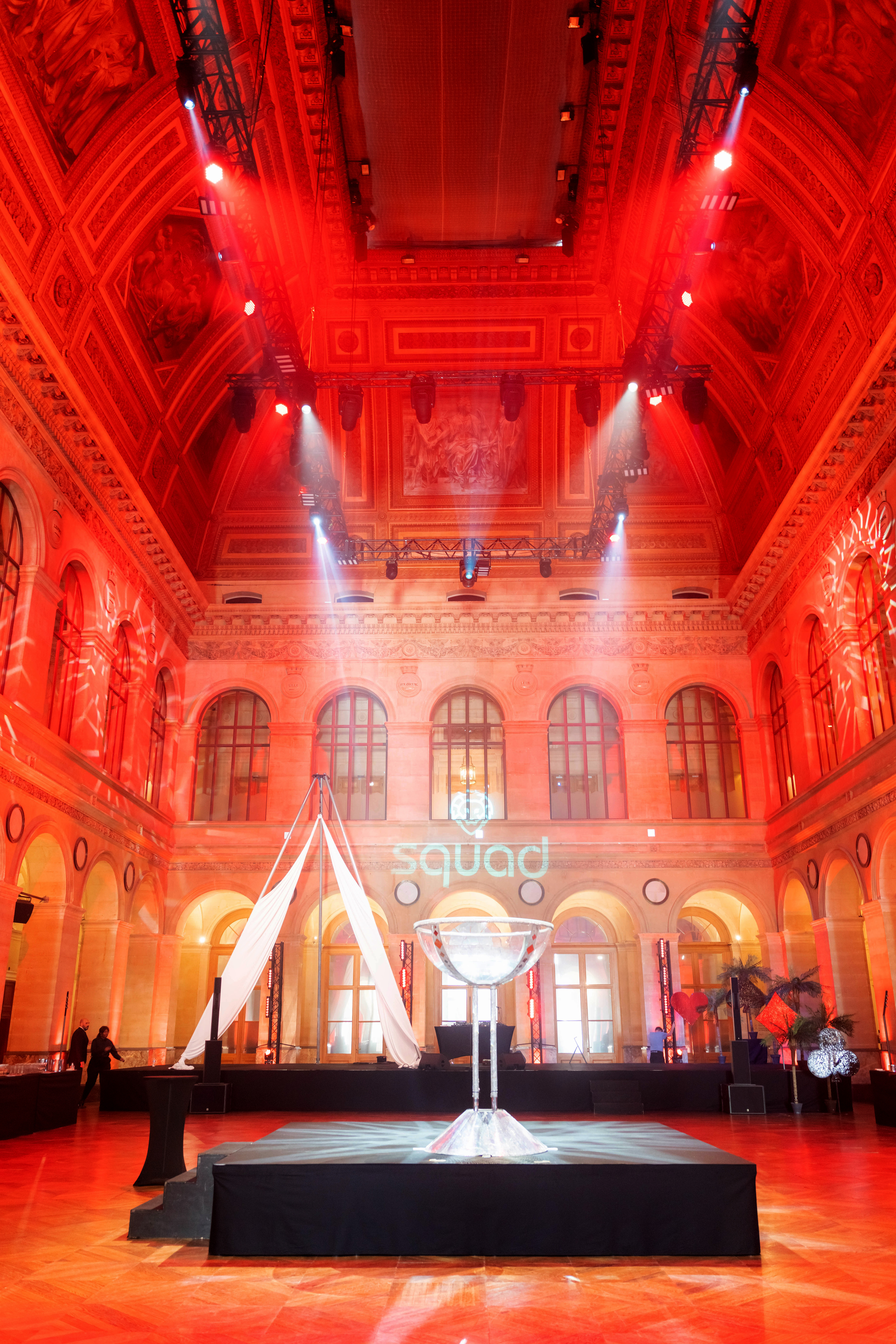
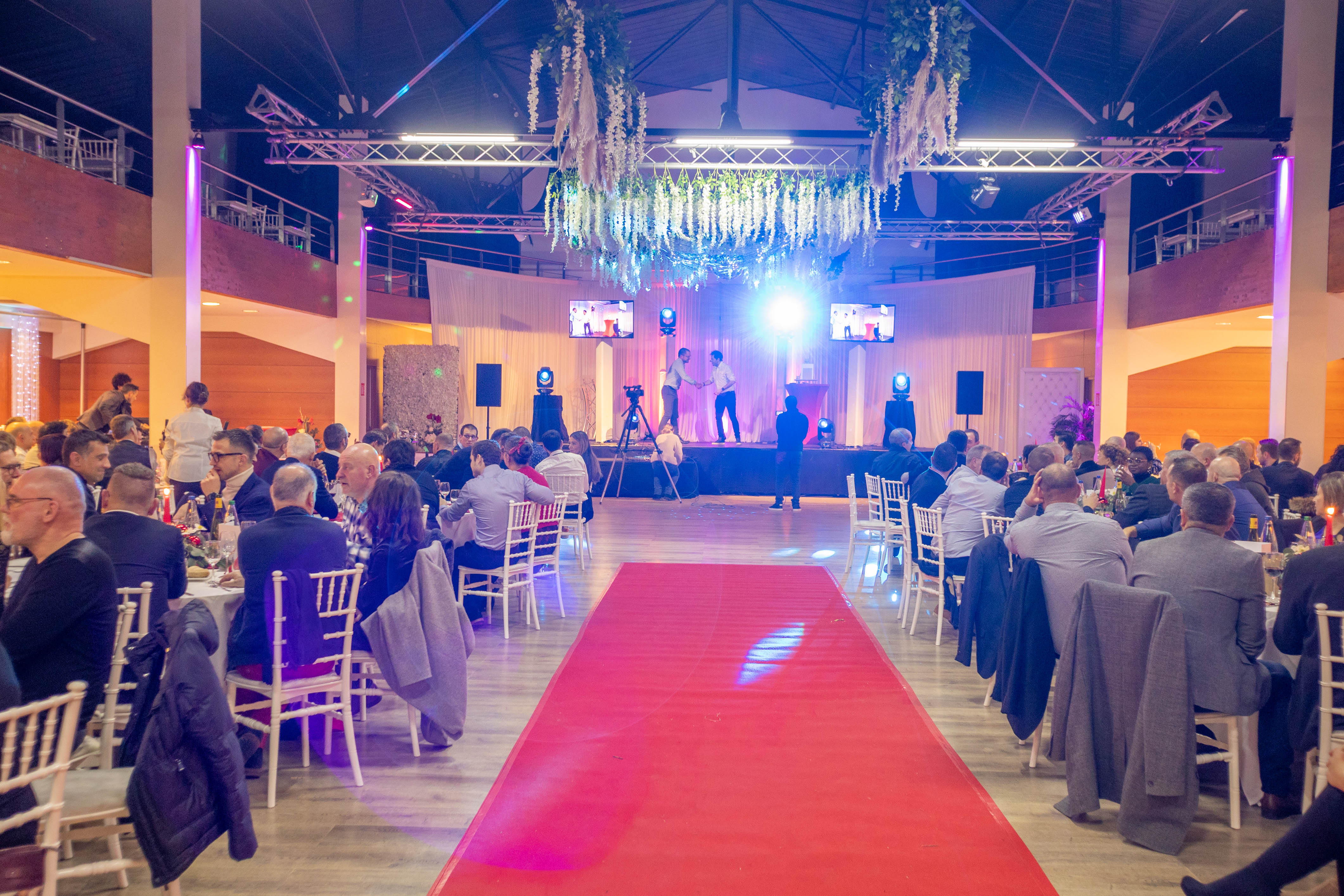
Where to host a networking cocktail event in Madrid, Barcelona, Valencia, Seville or Málaga
Venue choice is a strategic decision: it affects attendance, perceived status, sound control, catering performance, and the ease of networking. We shortlist venues based on access (public transport and taxis), arrival experience, acoustic conditions, contingency plans, and operational constraints (loading, kitchen capacity, curfew, licensing).
Madrid: Central business locations near premium hotels and transport links for international visitors. We prioritise venues with strong acoustics and clear zoning to avoid “one-room echo” issues that hurt conversations.
Barcelona: Spaces that balance design with functionality. Many visually striking venues require careful technical planning for sound and service—especially for 150+ guests.
Valencia: Venues that support indoor/outdoor flow are excellent for an after work corporate event, but we always plan weather-proofing and lighting so the evening remains professional if conditions change.
Seville: Beautiful settings can be operationally complex (access, heritage constraints). We focus on guest comfort, service logistics, and respectful branding so the company remains the centre of attention.
Málaga: Strong option for executive offsites and partner evenings, especially when combining business with a relaxed atmosphere. We pay particular attention to transport timing and end-of-event dispersal to avoid bottlenecks.
Venue selection criteria we use across Spain: 1) speech intelligibility, 2) service points and kitchen capacity, 3) VIP routing and privacy, 4) accessibility, 5) licensing and curfew, 6) supplier compatibility, 7) photo angles and brand placement opportunities.
We propose venues with a clear rationale and operational notes (risks, constraints, and mitigation). This makes internal approvals faster and avoids surprises during production.
Networking cocktail event budget in Spain: what drives the cost and where to invest
Budgeting for a Networking cocktail event is mainly about scale, service level, and risk reduction. Price depends on guest count, venue requirements, catering style, technical needs, staffing ratios, branding expectations, and the amount of on-site coordination required. We build budgets that are defensible internally, with clear line items and options.
Guest count and format length: 60 vs 250 guests changes staffing, bar capacity, and space needs. Most networking cocktails run 2 to 3 hours, with an additional 60–120 minutes for setup and supplier access constraints.
Venue hire and restrictions: premium locations may require preferred suppliers, additional security, or earlier cut-off times. Heritage or rooftop venues often increase technical and contingency costs.
Catering and beverage level: the key is service speed and consistency. Passed canapés plus stations can outperform a buffet for networking flow, but it requires more staff and careful replenishment.
Staffing ratios and supervision: experienced floor managers prevent small issues from escalating. For corporate cocktail organization, we typically recommend dedicated roles for VIP handling and supplier coordination when attendance exceeds 150.
A/V and ambient production: even without a stage, you may need distributed sound, microphones for a brief address, and lighting adjustments to keep the room flattering for conversations and photos.
Branding and content capture: signage, step-and-repeat backdrops, discreet wayfinding, photographer/videographer, and approvals cycles for corporate brand standards.
Risk management: weather plan (if outdoor), additional security, medical support depending on profile, and cancellation/force majeure clauses aligned with corporate procurement.
Return on investment is easier to protect when you spend on the elements that directly influence conversation quality: arrival flow, sound control, service speed, and hosting. We help you prioritise those lines before spending on visible but low-impact extras.














What we deliver in practice: examples of networking cocktail event formats
Our projects range from compact leadership receptions to larger partner cocktails with multiple stakeholder groups. A typical example in Madrid: a 140-guest client-and-prospect evening scheduled after a trade fair day, with strict timing constraints and leadership speeches limited to 4 minutes total. We designed a dual-entry flow (VIP discreet arrival and main arrival), two service points to remove bar queues, and a sound plan that kept music energy high while preserving conversation. The measurable goal was a defined list of priority introductions completed by hosts before the midpoint of the evening.
In Barcelona, we often manage design-led venues where acoustics and service logistics require extra planning. For a 200-guest after-work corporate event, we built micro-zones to avoid one dense crowd, used timed food releases to keep guests circulating, and set a short, high-clarity address with proper microphone and speaker placement to avoid the common “people keep talking and nobody hears” situation.
In Valencia, Seville and Málaga, we frequently combine networking with light experiential elements (tasting stations or micro-talks) while staying within corporate tone. The key is consistency: every element—from check-in to signage to staffing language—must reinforce that this is a business environment with relaxed social codes, not a party.
Common mistakes that weaken a networking cocktail event (and how we prevent them)
Bar queues that dominate the room: caused by a single service point or slow drink build. We design service capacity and menu simplicity to keep waiting under control.
Music too loud for business conversation: a frequent issue when venues push “atmosphere.” We set sound limits and assign responsibility for real-time adjustments.
No hosting system: guests stay with colleagues and networking becomes superficial. We deploy trained hosts with a clear introduction plan.
Overlong speeches: people disengage and leave early. We prepare speakers with strict timing, cueing, and technical checks.
Food timing mistakes: not enough food early or all at once. We schedule replenishment and manage kitchen pass timing.
Underestimating VIP requirements: senior leaders and key clients need discreet routing, reserved space, and clear contact points.
Last-minute approvals on branding and photography: leads to inconsistent visuals. We lock brand assets and shot lists in advance.
Unclear success measurement: teams feel the event was “nice” but cannot justify it. We define outputs and deliver post-event summaries.
Our role as an event agency is to remove these predictable risks before they appear, and to keep the event stable even when variables change on the day.
Why clients repeat with INNOV'events for cocktail and networking formats
Clients come back when an agency behaves like an extension of their leadership team: proactive, discreet, and accountable. For recurring networking moments—quarterly partner cocktails, annual stakeholder evenings, leadership visits—consistency matters as much as creativity.
Repeat-format advantage: once the core format is validated, production time and internal approvals typically decrease by 20–40% because venue logic, brand assets, and supplier standards are already established.
Operational stability: fewer last-minute changes when roles and escalation paths are clear; we standardise run-of-show and staffing plans to reduce day-of stress.
Supplier performance tracking: we document what worked (service speed, acoustics, guest flow) and adjust each iteration, instead of restarting from zero.

Loyalty is not a promise; it is evidence that the event delivered business value while protecting time, reputation, and internal bandwidth.
Our delivery process for networking cocktail event organisation in Spain
👉 Step 1: Brief alignment and success criteria
We confirm the objective (sales, HR, comms, stakeholder management), guest profile, city (Madrid/Barcelona/Valencia/Seville/Málaga), date constraints, brand rules, and the non-negotiables (VIPs, privacy, speeches, data handling). We translate “networking” into measurable outputs and define what a successful evening looks like for each stakeholder.
👉 Step 2: Venue shortlist with operational rationale
We provide a curated shortlist with pros/cons: access, acoustics, zoning, service points, curfew, supplier restrictions, and budget impact. We flag risks early (e.g., rooftop weather exposure, limited load-in) and propose mitigations so you can approve confidently.
👉 Step 3: Format design (guest journey, hosting, and flow)
We build the run-of-show and the hosting system: arrival pacing, check-in logic, coat handling, first-contact moments, speech timing (if any), and how guests move through the space. We also define staffing roles and escalation paths so the event does not rely on ad-hoc decisions.
👉 Step 4: Supplier contracting and production planning
We manage catering, beverage, A/V, furniture, branding, photography, and security as needed. You receive a clear budget with options. We validate compliance items (allergens, accessibility, responsible service), and align contracts with corporate procurement expectations where possible.
👉 Step 5: On-site delivery and real-time control
On the day, our team coordinates suppliers, monitors service speed, manages sound levels, and ensures VIP handling is discreet and reliable. We keep the client team free for hosting—because your presence is the point of the evening.
👉 Step 6: Post-event reporting and follow-up support
We provide final attendance confirmation, key operational notes, and—if requested—lead capture outputs and recommended follow-up timing. For recurring formats, we document improvements for the next edition, turning one event into a repeatable business tool.
FAQ sobre la organización Networking cocktail event
How long should a networking cocktail event last to keep executives engaged?
Most corporate formats perform best at 2 to 3 hours. Under 90 minutes feels rushed for meaningful introductions; beyond 3 hours, drop-off increases and the room loses energy. If you include speeches, keep total stage time to 3–8 minutes and schedule it after guests have a drink in hand (typically 25–40 minutes after doors open).
What guest count is ideal for a professional networking event?
For high-quality conversation density, 60–180 guests is a strong range. Below 50, the room can feel empty unless the space is right. Above 200, you need stronger hosting, more service points, and clearer zoning; otherwise attendees stay in familiar circles and networking becomes superficial.
How do you prevent awkward networking where people stay with colleagues?
We combine three levers: space design (micro-zones that encourage movement), hosted introductions (trained hosts connecting guests based on defined priorities), and service choreography (timed food/drink moments that create natural regrouping). This is more effective than forcing icebreakers that feel inappropriate for senior audiences.
Can you organise an after work corporate event with short notice in Madrid or Barcelona?
Yes, depending on venue availability and decision speed. For a straightforward cocktail (no complex staging), we can often deliver within 5–10 business days if the brief is clear, the guest count is stable, and approvals are quick. For premium venues and high-profile attendance, plan 3–6 weeks to secure the best options and reduce risk.
What should we budget per person for corporate cocktail organization in Spain?
It varies by city, venue, and service level. As a working range for a professionally managed cocktail with quality catering and staffing, many companies plan €70–€160 per person. Premium venues, complex A/V, high-end beverage, or extensive branding can push higher. We provide an itemised budget with options so you can adjust scope without losing the elements that protect networking quality.
Request your presupuesto gratuito for a networking cocktail event in Spain
If you are comparing agencies, we can quickly tell you what will make your event succeed in your city, for your guest profile, and under your brand constraints. Share your target date, estimated guest count, and business objective (sales, HR, communications, stakeholder management), and we will respond with a structured proposal approach: venue direction, recommended format, key risks to manage, and a clear budget range.
Contact INNOV'events to plan your Networking cocktail event in Madrid, Barcelona, Valencia, Seville or Málaga—and keep the evening both socially natural and operationally controlled.