
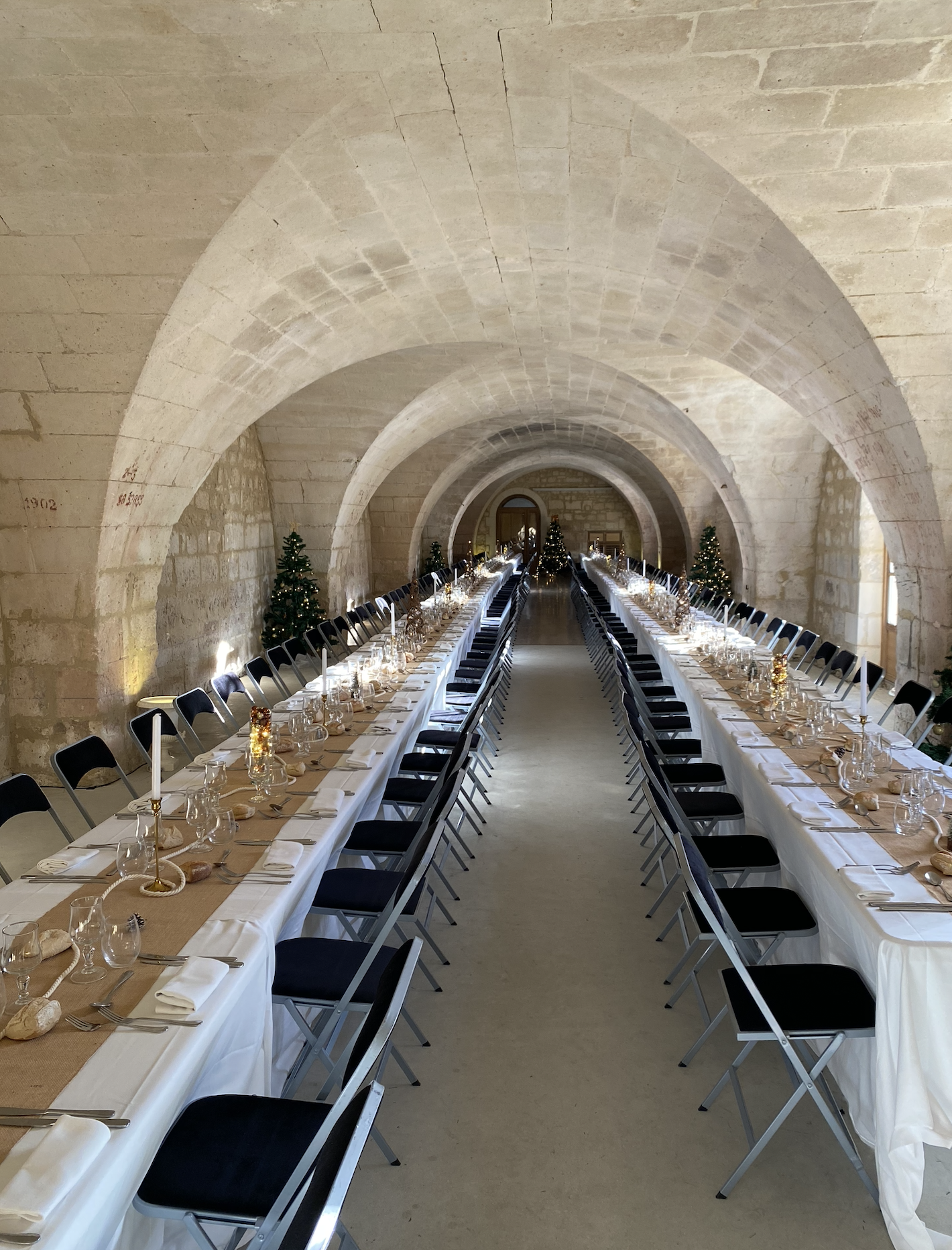
Venue rental in Spain that protects your brand, budget and timelines
INNOV'events supports executives, HR and communication teams with end-to-end venue rental for corporate events across Spain, typically from 20 to 2,000 participants. We source, qualify, negotiate and contract venues, then coordinate production, compliance and on-the-day operations. Expect clear options, realistic budgets and a delivery plan that stands up to internal scrutiny.
Table of contents
A venue is not “just a location”: it sets the risk profile, guest flow, technical possibilities and even the credibility of your message. When the venue underperforms (acoustics, access, permits, load-in restrictions), the event becomes harder to run and more expensive to fix. A structured event space rental process reduces last-minute surprises and protects stakeholder confidence.
Corporate organisations typically need three things at once: predictable cost, brand-safe execution, and a venue that works for mixed audiences (executives, employees, clients, media). That means strong transport links, reliable AV infrastructure, clean contracting, and operational realism about timings, security, catering and accessibility. We translate those constraints into venue requirements that vendors can actually deliver.
We operate in Madrid, Barcelona, Valencia, Seville and Málaga with a vetted network of hotels, conference centres, industrial venues and cultural spaces. As an event agency and event management company, we combine venue sourcing with production planning, supplier coordination and on-site management, so the venue you sign is the venue you can run.
Fast facts for decision-makers
5 key Spanish hubs covered weekly: Madrid, Barcelona, Valencia, Seville and Málaga, with national reach for multi-city roadshows.
20–2,000+ attendees per project, from board-level offsites to all-hands and client conferences.
48–72 hours to deliver a first curated shortlist when requirements are clear (availability dependent).
Supplier network across Spain: venues, AV, staging, security, catering, hostesses, photographers and interpreters, coordinated under one operational plan.
How to organize a professional event ?
- Define the objective (cohesion, announcement, fidelity, performance).
- Set date, format and size (20–1 000 people).
- Secure the venue and accommodation according to seasonality.
- Lock down technical, suppliers and logistics.
- Drive the day J (timing, scene, entrance, flow).
We send you a first proposal within 24h.
Why venue rental decisions directly impact business outcomes
In corporate environments, the venue choice is not cosmetic. It influences attendance, punctuality, energy levels, content comprehension, and the credibility of senior leadership in front of employees and clients. A well-selected corporate event venue also makes teams more efficient: fewer workarounds, fewer emergency costs, and fewer compromises on the message.
Risk control for executives: choosing a venue with proven compliance, safe capacity and workable load-in reduces reputational and operational exposure on the day.
Higher attendance and punctuality: venues near major transport nodes in Madrid, Barcelona and Valencia typically reduce late arrivals for after-work events and training days.
Better message delivery: proper sightlines, acoustics and lighting matter. A venue that supports the format (plenary, breakout, networking) improves comprehension and engagement.
Stronger internal alignment: leadership offsites and all-hands benefit from spaces that allow both formal sessions and informal collaboration without constant room resets.
Brand protection: privacy, controlled access and consistent aesthetics help avoid awkward social media moments, unauthorised filming, or “off-brand” backdrops.
Budget predictability: a disciplined venue rental organisation approach identifies hidden costs early (security, cleaning, overtime, technical exclusivity) and avoids last-minute premium rates.
Procurement-friendly documentation: clear comparison grids, contract summaries and supplier compliance reduce approval cycles and internal friction.
In Spain’s major business cities, the best venues are often booked far in advance around trade fairs, sporting calendars and peak corporate seasons. Treating event venue hire as an early strategic decision is simply good business hygiene: it protects timelines, reduces cost inflation and keeps your teams focused on content and stakeholders rather than damage control.
Which activities make sense in a corporate venue (and which are risky)
Activities are not decoration; they are tools to influence behaviour: networking density, participation in content, and energy management. The venue constraints should drive the activity design. For example, in a heritage building in Barcelona you may have sound restrictions; in an industrial venue in Valencia you may need extra heating or acoustic treatment. We propose activities that respect your risk appetite, brand guidelines and schedule.
Interactive animations
Facilitated networking formats: structured introductions in 6–8 minute rounds to help cross-department mixing without forcing “games” that executives dislike.
Live polling and Q&A moderation: useful for town halls and leadership updates; requires strong Wi‑Fi and a moderation plan to manage sensitive questions.
Breakout labs: small-group problem solving with clear outputs; works well in hotels and conference centres in Madrid and Málaga when room acoustics are controlled.
Art animations
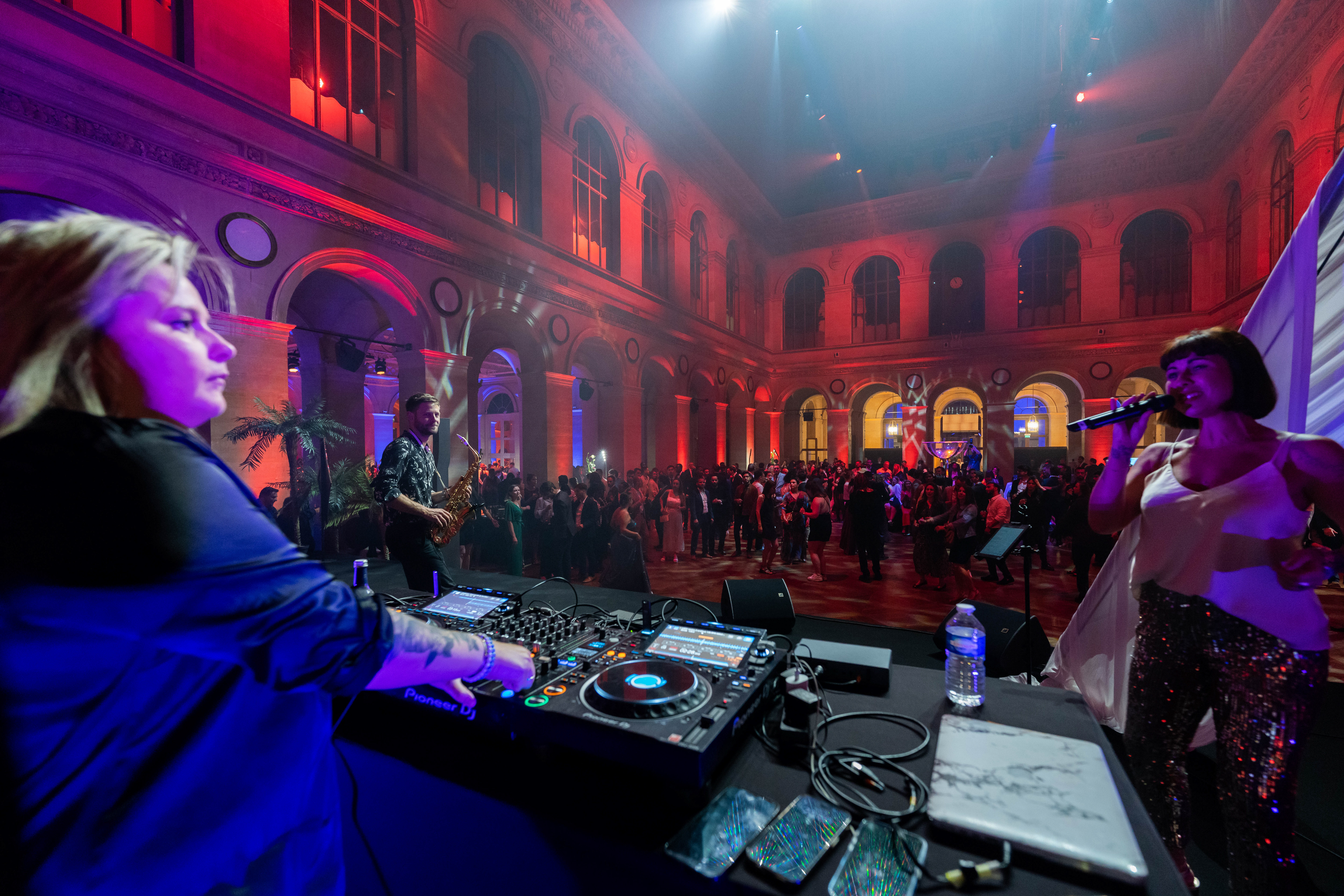
Ambient live music: controlled volume to protect conversation; ideal for client cocktails where you want energy without losing acoustics.
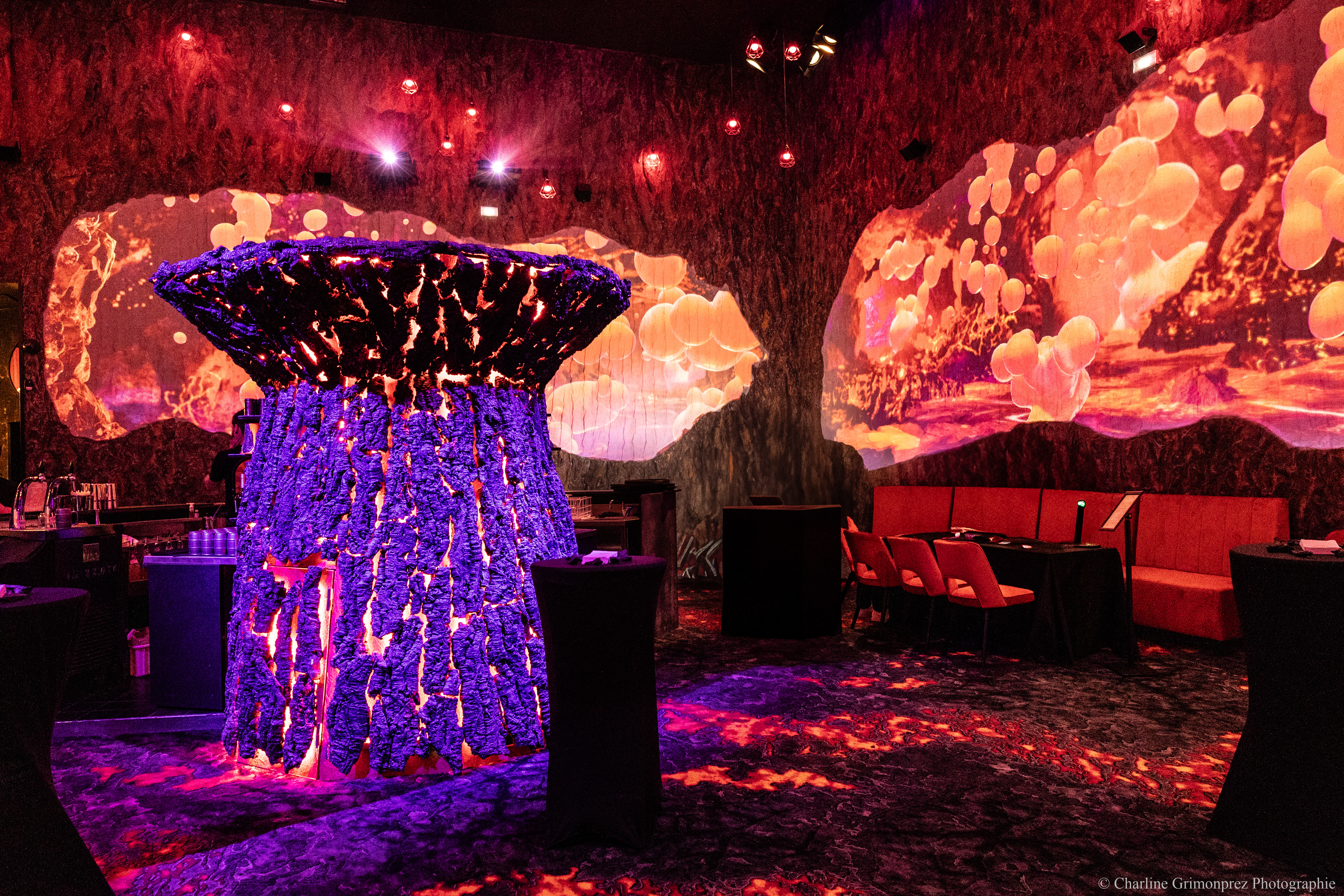
Branded сценography and lighting design: not “flashy”, but functional: wayfinding, stage focus, and consistent brand colour temperature for photo/video.
Short performance moments: 3–6 minute interludes to reset attention during long plenaries; requires careful timing and rehearsal.
Innovative animations
Operationally efficient catering: multiple service points to reduce queueing; menu engineering to keep service within 20–30 minutes for tight agendas.
Food stations aligned with flow: placing coffee and snacks where you want movement supports networking and avoids crowding near entrances.
Allergen and dietary governance: clear labelling, separate prep where needed, and a plan for VIP/leadership meals without disrupting the main service.
Gourmand animations
Hybrid-ready setups: camera positions, stage lighting for broadcast, and an internet plan (primary plus backup) suitable for live streaming.
Product demo zones: controlled sound bleed, power distribution, and visitor routing; critical in tech launches and partner days.
Confidentiality-focused experiences: closed areas, restricted access badges and no-photo policies when content is market-sensitive.
The best activity plan is the one that supports your objective and fits your venue contract. We ensure every proposal is consistent with brand image requirements, corporate culture, and the practical limits of the selected event space rental—so you do not pay for ideas that cannot be executed safely or on time.
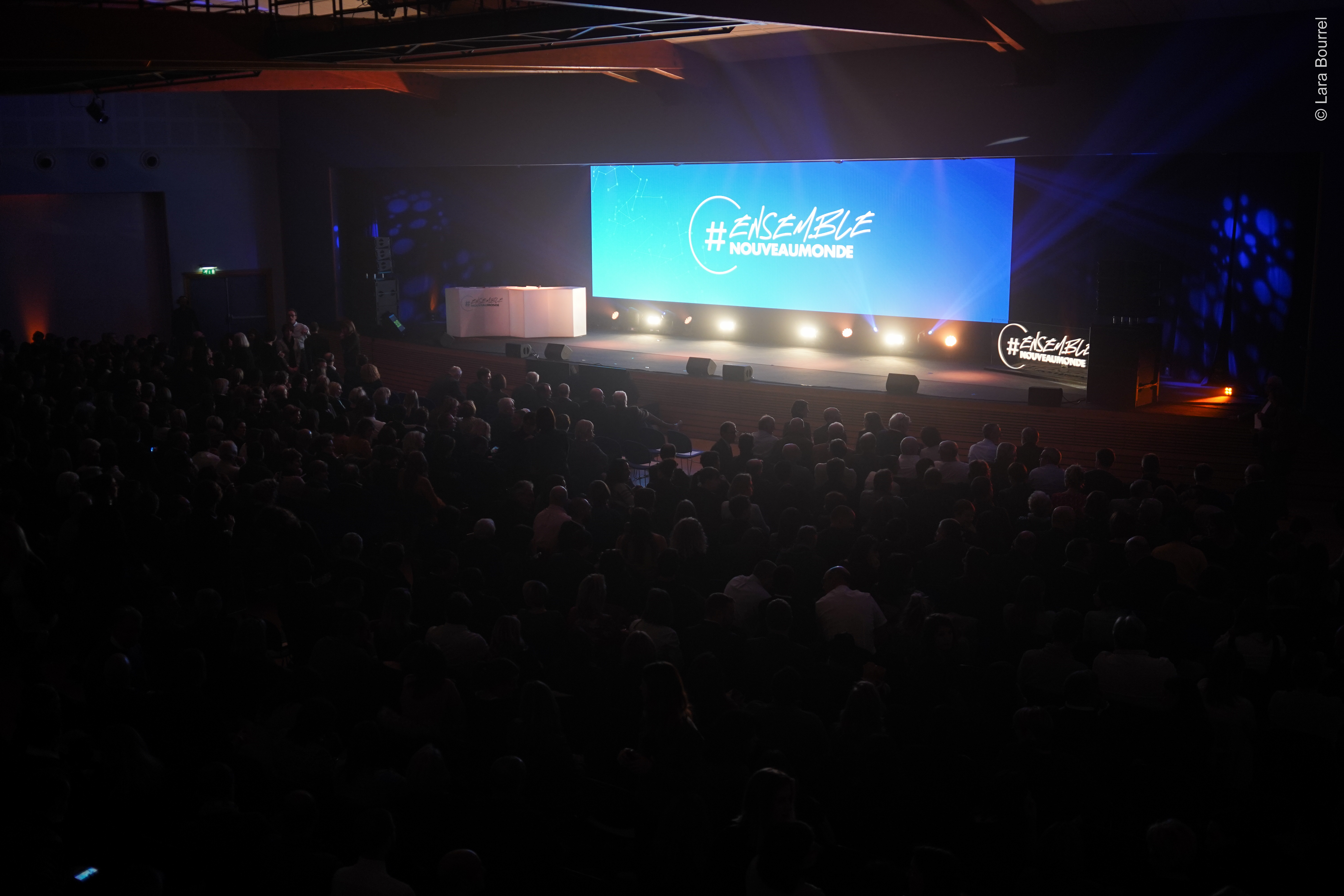
Which venue type should you rent for your corporate event in Spain?
Decision-makers often compare venues on aesthetics, but the real differentiators are operational: room proportions, technical freedom, staffing quality, and contract transparency. Below is a practical guide to common venue categories we use for venue rental in Madrid, Barcelona, Valencia, Seville and Málaga. We help you choose based on your format, your risk tolerance, and your stakeholder expectations.
Hotels (business districts and city centres)
Best for: conferences, trainings, multi-day meetings, leadership offsites.
Strengths: predictable service, built-in catering, rooms for out-of-town guests, clear safety standards.
Watch-outs: AV exclusivity fees, limited branding in public areas, simultaneous events affecting privacy.
Conference centres
Best for: 300–2,000+ attendees, exhibitions, plenary + multiple breakouts.
Strengths: scale, loading infrastructure, professional rigging/power, crowd management.
Watch-outs: more formal atmosphere, additional cost for “warmth” (scenic, lounges), longer walk distances between areas.
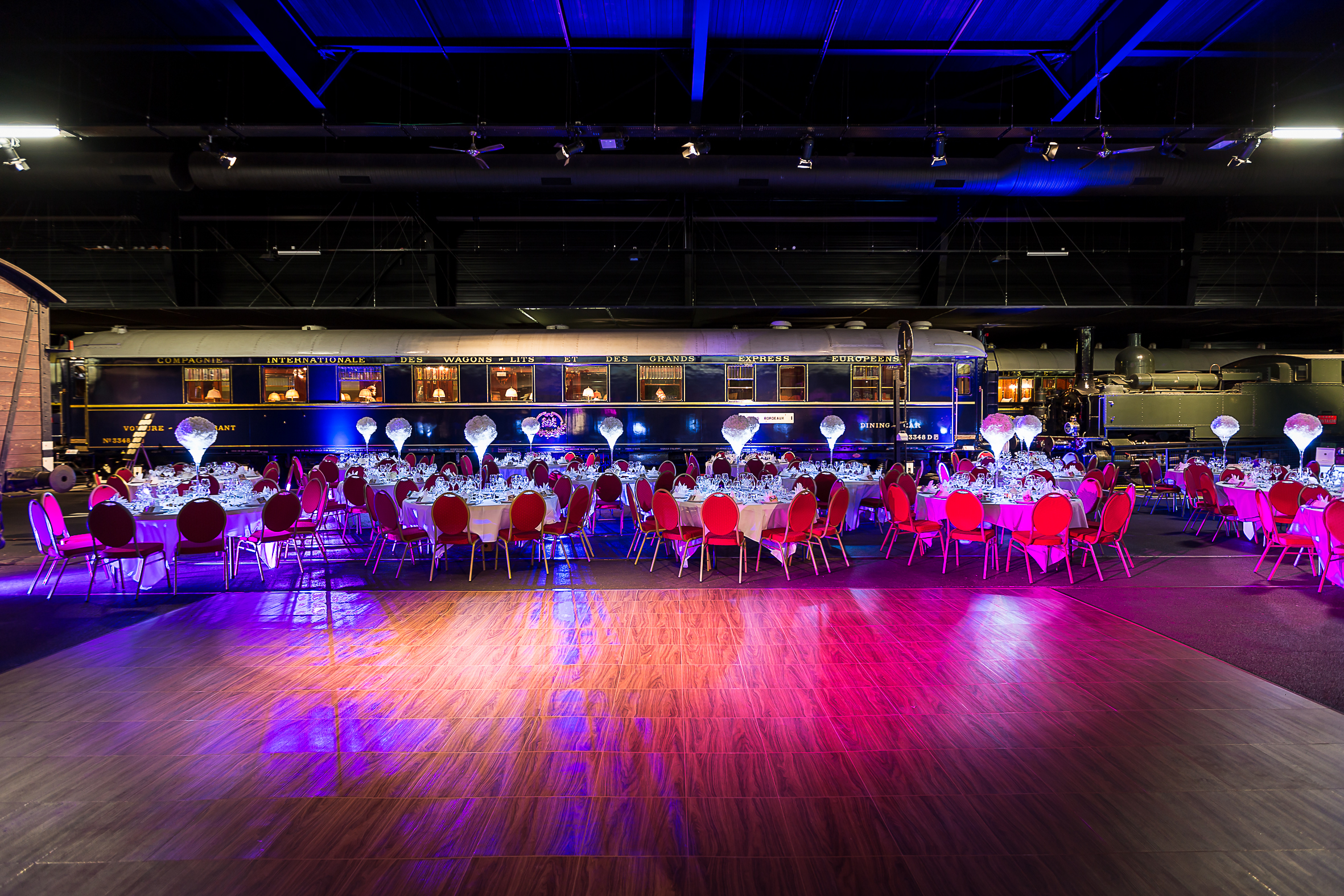
Industrial venues and warehouses
Best for: product launches, large dinners, brand showcases, creative formats.
Strengths: technical freedom, branding possibilities, high ceilings and flexible layouts.
Watch-outs: you must build infrastructure (toilets, heating/cooling, acoustics), stricter permitting, higher production management needs.
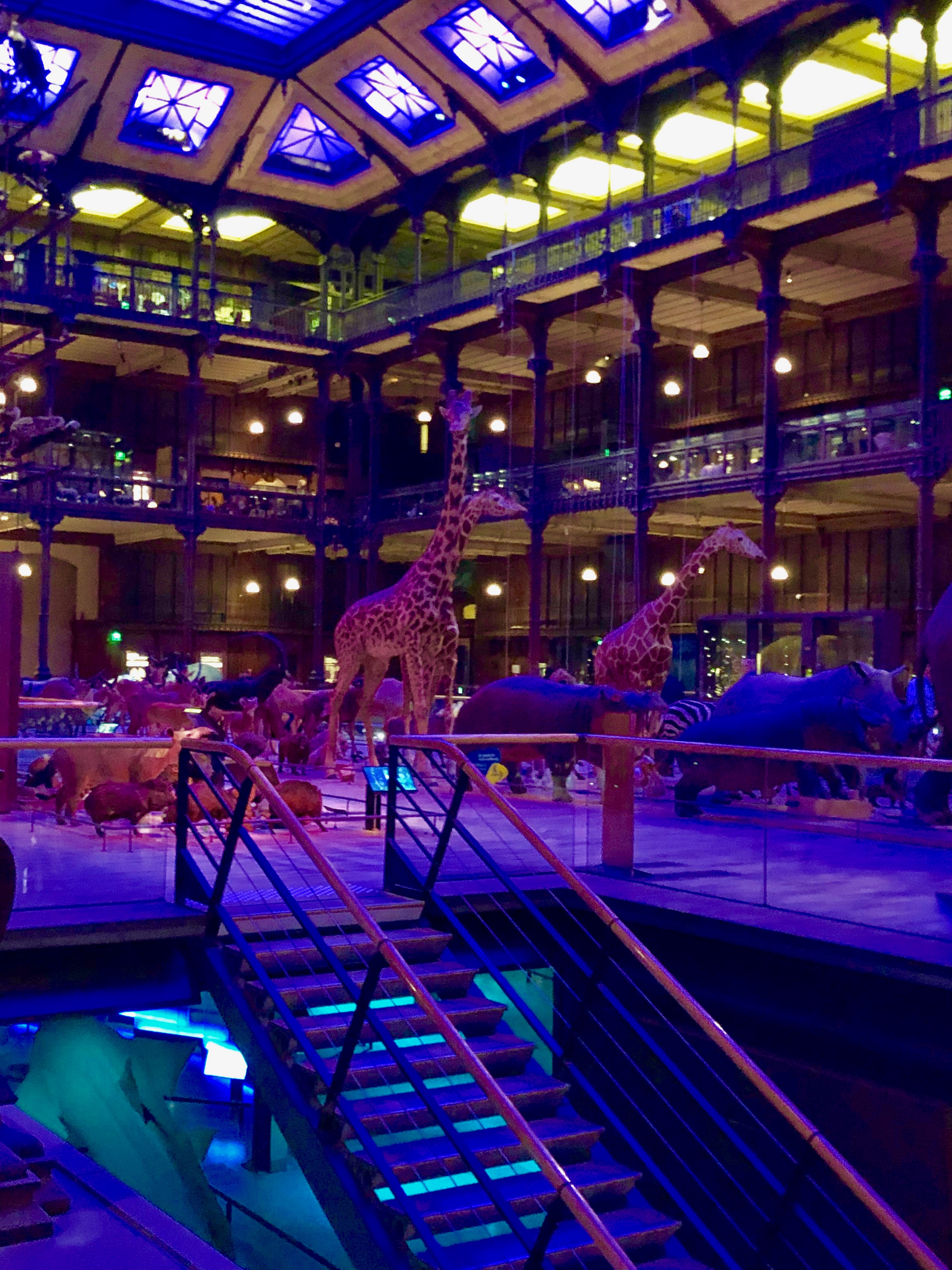
Cultural venues (museums, theatres, heritage spaces)
Best for: VIP events, press moments, executive dinners, awards.
Strengths: instant prestige, strong visual impact, memorable backdrops for content.
Watch-outs: strict rules (no tape, limited load-in, sound restrictions), early curfews, higher insurance requirements.
Restaurants with private areas
Best for: client entertainment, board dinners, smaller team celebrations.
Strengths: strong experience per guest, easy planning, high satisfaction when service is excellent.
Watch-outs: limited AV, less control over branding, noise levels can hurt business conversation.
Outdoor terraces and rooftop spaces
Best for: summer cocktails, networking, brand moments in Málaga, Valencia and Barcelona.
Strengths: natural atmosphere, good for short formats and social content.
Watch-outs: weather contingencies, wind impacts on staging, sound limits and neighbour complaints.
We do not push a “signature” venue type. We shortlist what is operationally viable for your agenda, then validate it with site inspections and technical checks so your event venue hire choice is defensible to leadership, procurement and brand stakeholders.
How much does venue rental cost for a corporate event in Spain?
Venue cost is a combination of rental fee and the operational conditions attached to the space. Two venues with the same capacity can have very different total costs once you include mandatory staffing, technical exclusivity, load-in restrictions, and catering minimums. Our job is to estimate total venue impact early, not just the headline price, so you can make an informed selection.
City and seasonality: Madrid and Barcelona peak periods (trade fairs, autumn and spring) increase rates and reduce negotiation room; Valencia, Seville and Málaga can offer better value depending on dates.
Attendance and room configuration: theatre for 500 is simpler than cabaret for 350 with a stage and camera platforms; the latter requires more square meters and higher production spend.
Duration and access hours: a half-day meeting can become a full-day bill when venues charge for setup, rehearsal, and load-out time.
Included vs. excluded services: some spaces include basic furniture and in-house technicians; others charge separately for chairs, tables, security, cleaning, and even power usage.
Technical requirements: dedicated internet lines, streaming, translation booths, and complex lighting can trigger venue technical fees and supplier restrictions.
Catering commitments: minimum spend per person, corkage, service ratios, and overtime. Catering can represent a significant share of total cost and must be managed like a project, not a menu.
Compliance and insurance: public liability coverage, additional insured clauses, and specific venue policies (especially in cultural venues) can add cost and lead time.
We frame venue spend in terms of risk reduction and business impact: punctual starts, content quality, attendee comfort and brand safety. A slightly higher venue fee can be a better investment if it prevents overtime, avoids technical failures, and reduces staffing complexity. That is the practical ROI logic behind disciplined venue rental organisation.














Examples of venue rental projects we manage across Spain
Our projects vary because corporate reality varies. We support leadership teams who need privacy and precision, HR teams who need reliable flow for large groups, and communication teams who need visually consistent spaces for content capture.
Examples of situations we regularly handle:
- Madrid conference day: plenary + breakouts + partner corner. Key focus: arrival flow from multiple transport modes, strict run-of-show, and controlled sound bleed between rooms.
- Barcelona executive evening: VIP dinner with a short presentation. Key focus: confidentiality, discreet security, premium service, and a contract that clearly defines access hours and overtime.
- Valencia product showcase: demo areas needing reliable power and robust Wi‑Fi. Key focus: technical build schedule, safety, and visitor routing so demos do not bottleneck.
- Seville training programme: multiple sessions across a day with tight breaks. Key focus: room turnover, catering speed, and comfort (temperature, acoustics, seating quality).
- Málaga incentive-style corporate gathering: social format with outdoor components. Key focus: weather contingencies, noise limits, and guest transport planning.
What these projects share is disciplined venue qualification: we select spaces that can actually deliver the agenda, then we manage the operational details so your team is not firefighting.
Common venue rental mistakes that create cost and risk
Signing before the technical check: discovering power limits, rigging restrictions or poor connectivity after signature leads to expensive workarounds.
Underestimating access and load-in: city-centre venues in Madrid or Barcelona may have limited truck access and narrow time windows; this affects staging, AV and décor costs.
Ignoring sound and neighbour constraints: music levels, speeches and entertainment can be restricted, especially in heritage areas and rooftops.
Assuming capacity equals comfort: “500 capacity” might be standing cocktail, not seated plenary with cameras, translation and accessibility space.
Missing hidden fees: mandatory in-house technicians, cleaning, security, furniture rental, corkage, cloakroom staff, and overtime can materially change the total.
No plan for arrivals: insufficient queue space, lack of badge printing areas, or poor signage can create a first impression of disorganisation.
Overlooking privacy: parallel events, shared lobbies and uncontrolled access can be a serious issue for leadership communications or confidential announcements.
Our role as an event management company is to remove these risks before they impact your stakeholders. We do it through structured shortlisting, site inspections, technical validation and contract clarity—so the venue you rent is the venue you can run.
Why corporate clients keep INNOV'events for venue rental year after year
Loyalty in corporate events is rarely about “liking” an agency; it is about reliability under pressure. Clients return when an agency protects them in front of leadership: budgets are controlled, timelines are respected, suppliers perform, and problems are handled calmly without escalating internally.
Repeatable delivery across cities: the same quality standard for Madrid, Barcelona, Valencia, Seville and Málaga, with local operational knowledge.
Decision-ready documentation: comparison grids, risk notes, and contract summaries that reduce back-and-forth with procurement and finance.
Fewer last-minute cost spikes: by surfacing constraints early (access, staffing minimums, exclusivity), we reduce unplanned spend.

When clients renew, it is a practical signal: the venue rental process was controlled, and the event execution met corporate standards. Loyalty is the most concrete proof that our work stands up to scrutiny.
Our venue rental organisation process (from brief to signature to event day)
👉 Step 1: Align the internal brief and non-negotiables
We clarify the objective, audience profile, date flexibility, city, budget range and approval path. We also define operational non-negotiables: accessibility, privacy level, AV baseline, branding constraints, catering expectations, and compliance requirements. This avoids the classic corporate problem of changing requirements after venues have been approached.
👉 Step 2: Build a curated shortlist, not a catalogue
We propose a shortlist typically aligned to your format and risk profile (hotel, conference centre, cultural venue, industrial space). Each option includes capacity assumptions, access constraints, inclusions, preliminary costs and notes that matter to decision-makers (exclusivity, curfews, technical limitations, parallel events).
👉 Step 3: Site inspections and technical validation
We organise visits with the right people (your team, venue manager, technical lead). We check guest flow, speaker holding areas, backstage routes, loading dock, power distribution, internet options, acoustics and contingency spaces. We document constraints and propose solutions before you commit.
👉 Step 4: Commercial negotiation and contracting
We negotiate rate structure, what is included, deposit schedule, cancellation terms, overtime, staffing minimums, and technical exclusivity. We align the contract with your procurement standards and ensure the operational plan (setup/rehearsal/strike) is compatible with the venue’s access rules.
👉 Step 5: Convert the venue into an executable production plan
We finalise floorplans, run-of-show, supplier schedules, security and registration flow, signage plan, catering timing and technical specs. This is where professional event venue rental becomes real: responsibilities are assigned, escalation contacts are defined, and contingencies are planned.
👉 Step 6: On-site delivery and post-event closure
On the day, we manage venue coordination, supplier load-in, timing, guest flow and issue resolution. After the event, we oversee strike, damage checks, final invoicing verification and lessons learned. Corporate teams value this closure because it prevents billing surprises weeks later.
FAQ sobre la organización Venue rental
How early should we book a corporate event venue in Madrid or Barcelona?
For 200–800 attendees, plan for 3–6 months minimum in busy seasons; for 800–2,000+ or high-demand dates, 6–12 months is safer. If your date is fixed and close, we can still help, but choices narrow and costs can rise due to limited availability.
What are the most common hidden costs in venue rental contracts?
The most frequent are mandatory in-house AV technicians, technical exclusivity fees, overtime for venue staff, security and cleaning, furniture rental, corkage, cloakroom staffing, and charges linked to extended access hours (setup/strike). We surface these items early so total cost is predictable.
Can you manage venue rental and full event production together?
Yes. Many clients prefer a single owner for venue rental, AV, staging, catering coordination, registration flow and on-site management. It reduces gaps between contracts and operations, and it makes accountability clear if timelines or technical requirements change.
How do you ensure the venue fits our agenda (plenary, breakouts, networking)?
We validate with a space plan and timing test: room dimensions and ceiling height, sightlines, sound bleed risk, pre-function capacity, catering points, and realistic turnover times. We also confirm access routes for speakers, VIPs and suppliers, because a venue can look perfect and still fail operationally.
Do you support venue searches in Valencia, Seville and Málaga as well as Madrid and Barcelona?
Yes. We run venue sourcing and event venue hire projects across Spain, with frequent operations in Valencia, Seville and Málaga. We also support multi-city formats and roadshows, using consistent quality and documentation standards so internal approvals are straightforward.
Request your presupuesto gratuito for venue rental in Spain
If you are comparing venues or need a structured shortlist you can take to leadership and procurement, we can help. Share your city (Madrid, Barcelona, Valencia, Seville or Málaga), date range, estimated headcount, format and any non-negotiables (privacy, streaming, vehicle access, branding). We will respond with practical options, transparent assumptions and a clear path to contract and delivery.
Early planning gives you better availability, stronger negotiating power and fewer operational compromises. Contact INNOV'events to start your venue rental process with a plan you can defend.