
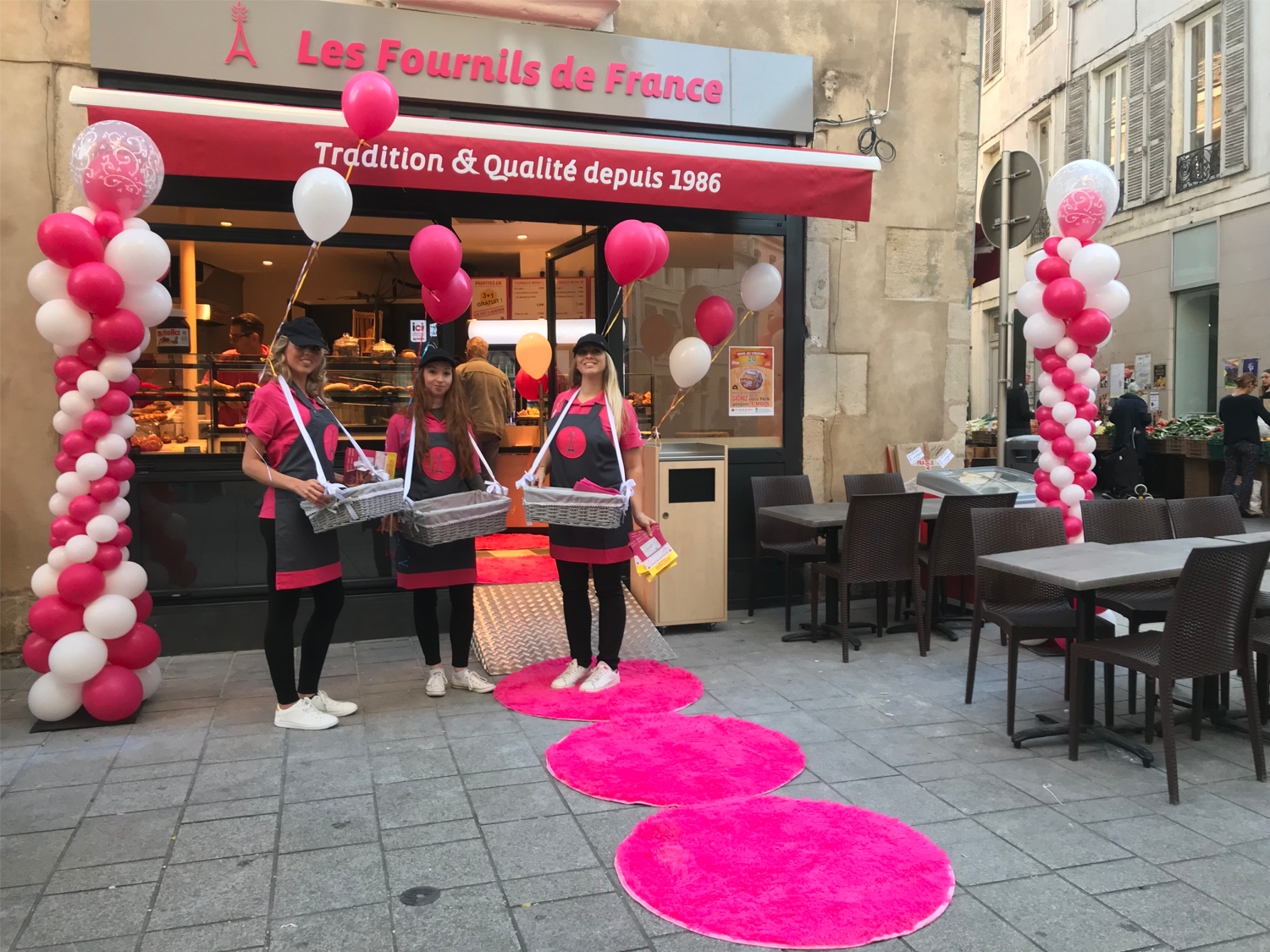
Brand Activation Event in Spain that drives measurable demand
INNOV'events designs and delivers Brand Activation Event programmes across Madrid, Barcelona, Valencia, Seville and Málaga for 50 to 10,000+ participants (public or invitation-only). We manage strategy, venues, permits, staffing, production, and on-site operations. You get brand-safe experiences with clear KPIs, reliable execution, and post-event reporting you can use internally.
Table of contents
A Brand Activation Event is a commercial moment, not a “nice-to-have”: it turns brand promise into behaviour through live product experience, human interaction and controlled messaging. Done well, it accelerates awareness-to-trial, shortens decision cycles and generates first-party data that supports sales and CRM.
Executives, HR leaders and communication teams typically expect three things: brand consistency under operational pressure, flawless public-facing execution (permits, safety, staffing) and evidence of impact. They also need predictable budgets and a partner who can defend decisions with practical reasoning, not creative slogans.
INNOV'events operates as your event agency and execution partner in Spain, coordinating production, logistics and field teams with senior-level oversight. We are used to corporate approval chains, legal constraints, and day-of realities in high-traffic environments—from shopping centres in Barcelona to central locations in Madrid.
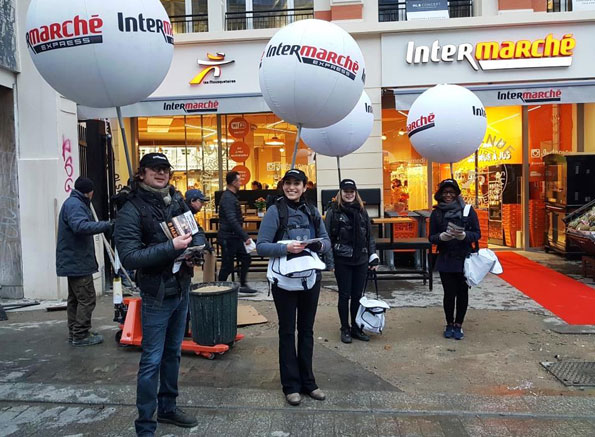
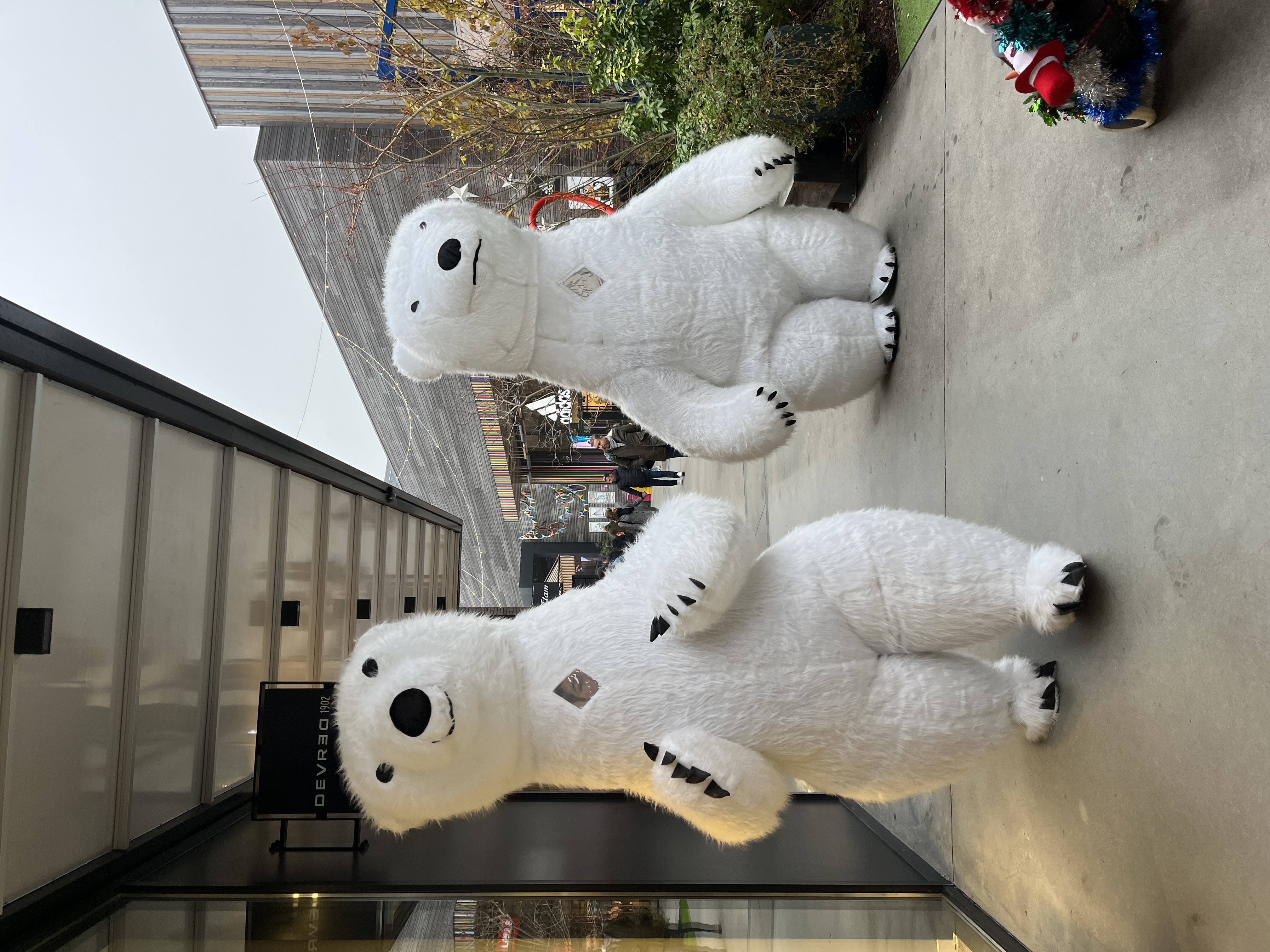
Operational credibility in Spain, not just creative ideas
5 major Spanish hubs covered: Madrid, Barcelona, Valencia, Seville and Málaga, with scalable local supplier networks.
Multi-format delivery: pop-ups, roadshows, retail takeovers, press-facing demos, employee ambassador activations, and VIP product launches.
Compliance-first execution: risk assessments, public space coordination, insurance guidance, and documented on-site protocols.
KPI discipline: footfall estimation, interaction counts, sampling conversion, lead capture rates, and qualitative feedback summarised for management.
How to organize a professional event ?
- Define the objective (cohesion, announcement, fidelity, performance).
- Set date, format and size (20–1 000 people).
- Secure the venue and accommodation according to seasonality.
- Lock down technical, suppliers and logistics.
- Drive the day J (timing, scene, entrance, flow).
We send you a first proposal within 24h.
Why organise a Brand Activation Event in Spain now?
Digital reach is easy to buy; trust and trial are not. A Brand Activation Event creates a controlled environment where your audience can experience the product, ask questions, and associate the brand with competence and credibility. In Spain, where high-footfall urban zones and strong social sharing behaviours can amplify a live experience, a well-structured activation can deliver both immediate commercial results and long-term brand equity.
Accelerate product trial and reduce friction: live demos, guided tastings, hands-on testing and “how it works” explanations remove uncertainty—especially for new categories or premium pricing.
Create sales-ready leads with context: compared to generic digital leads, event-captured contacts come with interaction history (what they tested, what questions they asked, which product variant interested them).
Improve message discipline in the field: you control claims, comparisons and FAQs through scripted staff training and compliance checks—critical for regulated or technical sectors.
Strengthen retailer and channel relationships: co-branded activations can increase shelf visibility and help secure better in-store placement or promotional support.
Engage employees as credible ambassadors: internal “preview” sessions and ambassador programmes raise adoption, confidence and consistent messaging—useful for companies with customer-facing teams.
Generate content with a real narrative: not “pretty images”, but use-case content: objections answered, product features demonstrated, and customer reactions captured in a brand-safe way.
From a management perspective, activation is a disciplined investment: it links brand strategy to measurable behaviours (trial, opt-in, purchase intent). In a cost-conscious environment, the best activations are designed like a commercial project—with clear hypotheses, controlled variables, and a reporting framework that supports decision-making.
What activation formats work best for field marketing events?
Engagement is created when the activity supports a business objective: trial, education, opt-in, retailer push or employer branding. Below are formats we frequently implement for experiential marketing event programmes in Spain, selected for throughput, brand control and measurable outcomes.
Interactive animations
Guided product demo stations: timed demos (2–4 minutes) with a standard script, enabling consistent messaging and predictable capacity per hour.
Challenge-based interactions: short tasks that reveal a product benefit (speed, durability, taste preference). Works well when results can be displayed live to create social proof.
Data-driven lead capture: QR-based forms with qualifying questions (role, purchase timeframe, current supplier). Staff support improves completion and reduces low-quality entries.
Micro-talks and expert corners: scheduled 10-minute “ask an expert” sessions for technical products, reducing misinformation and improving perceived authority.
Art animations
Brand-safe live illustration or customisation: artists create personalised items that carry product messages. Useful when you need dwell time and a tangible takeaway.
Sound design and controlled MC hosting: professional hosting drives flow and participation without turning the activation into noise pollution—important in shared commercial spaces.
Installation-based storytelling: structured visual journey that explains benefits in sequence, effective for complex propositions and premium positioning.
Innovative animations
Sampling with conversion tracking: controlled sampling points, batch management, hygiene protocol, and a clear “next step” (coupon, opt-in, store locator).
Pairing experiences: food and beverage pairing aligned with product attributes, designed to create a memorable proof point rather than just free distribution.
VIP tasting slots: bookable sessions for influencers, press, partners or key clients—separating high-value conversations from public throughput.
Gourmand animations
Mobile roadshow units: a branded vehicle or modular pop-up allowing multi-city deployment across Madrid–Valencia–Seville with consistent build quality and lower re-production costs.
Retail takeover + live activation: synchronised window visuals, staff scripting, and in-store demo zones to directly connect brand experience to purchase.
Lightweight guerilla marketing event tactics (compliance-first): high-impact street teams and micro-installations designed to be fast to deploy while respecting permissions, safety and brand reputation.
Content capture with governance: shot lists, brand approval rules, and participant consent management so content is publishable without legal or reputational risk.
The best activations are consistent with your brand image and constraints: tone of voice, claims compliance, sustainability requirements, and the reality of your customer. We help you choose formats that your teams can defend internally and that can be replicated across Spanish cities without quality loss.
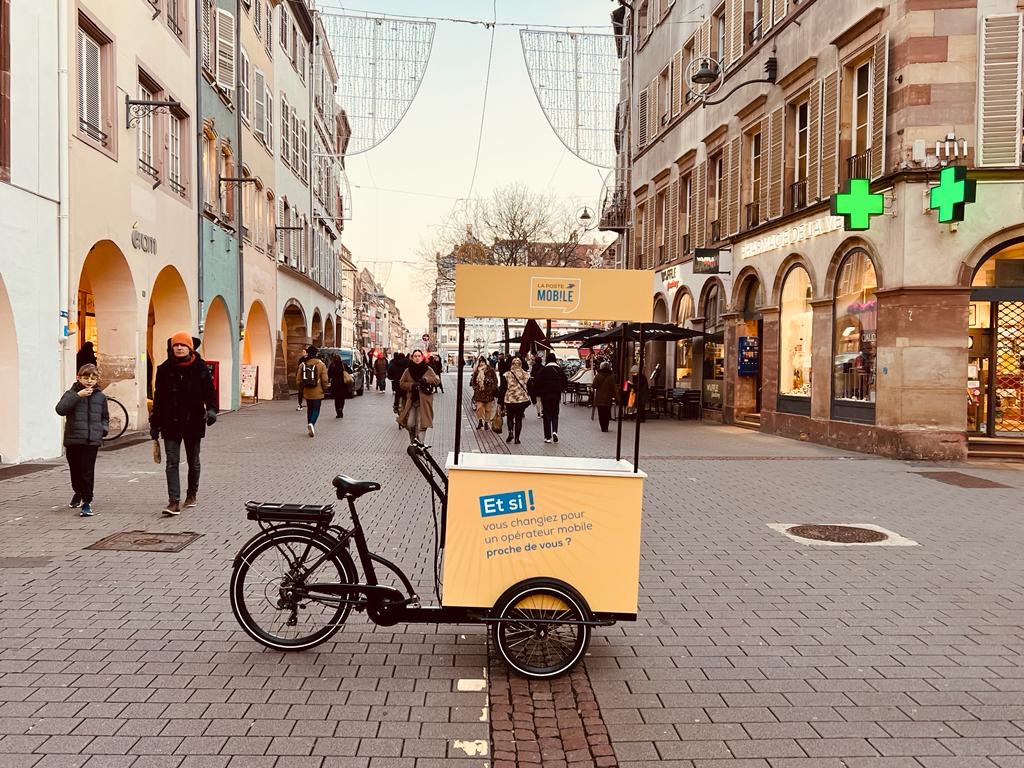
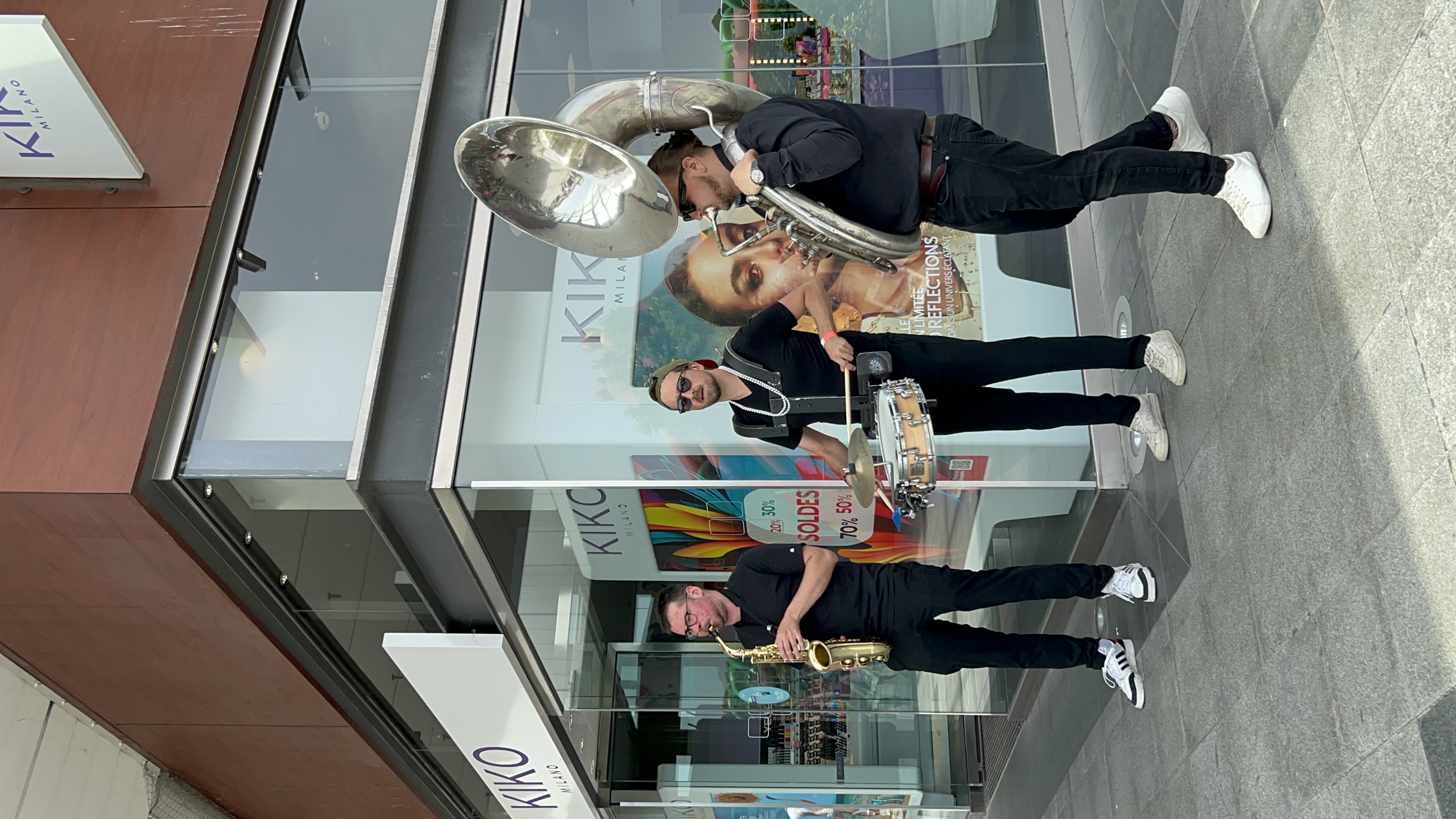
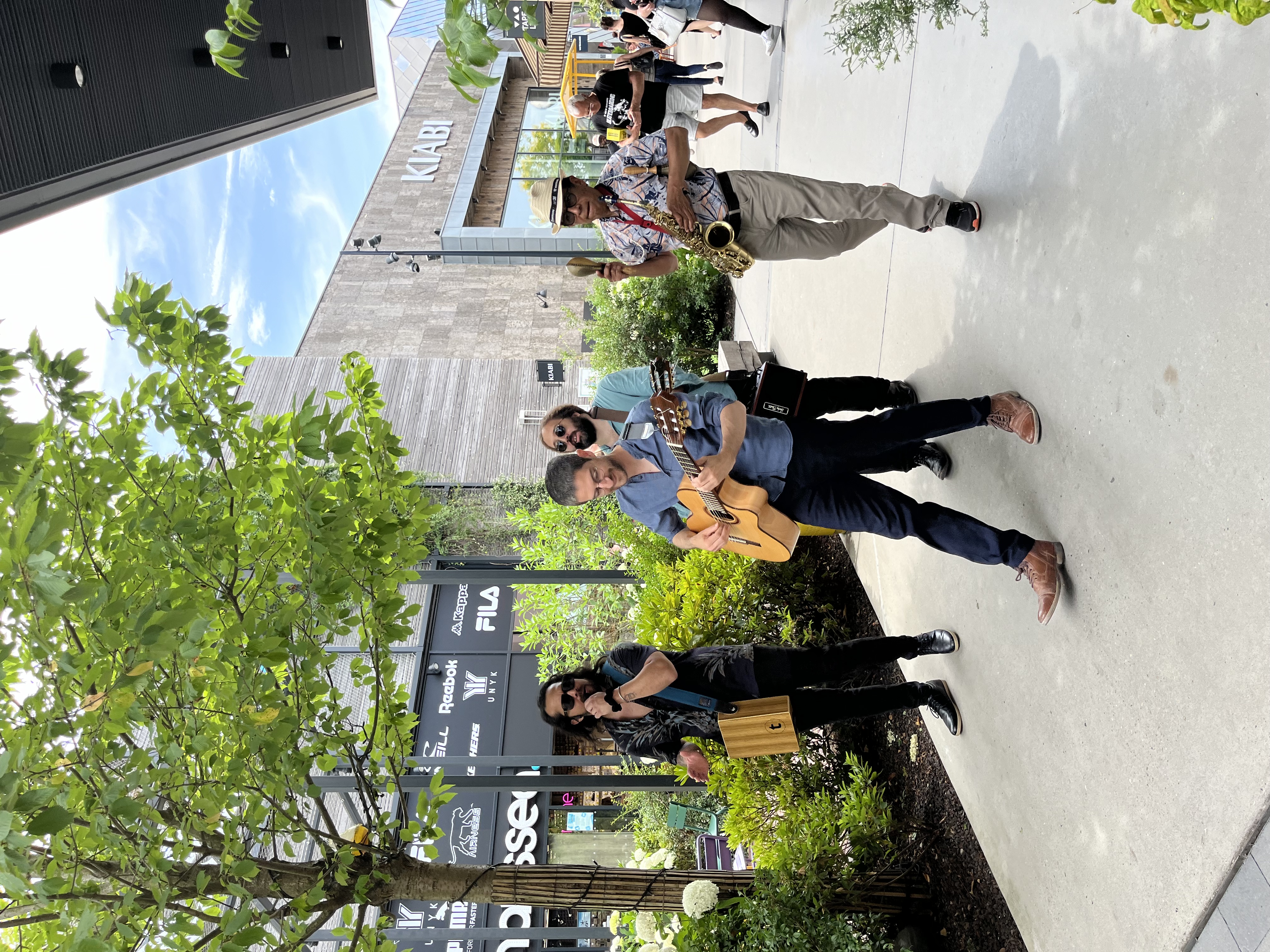
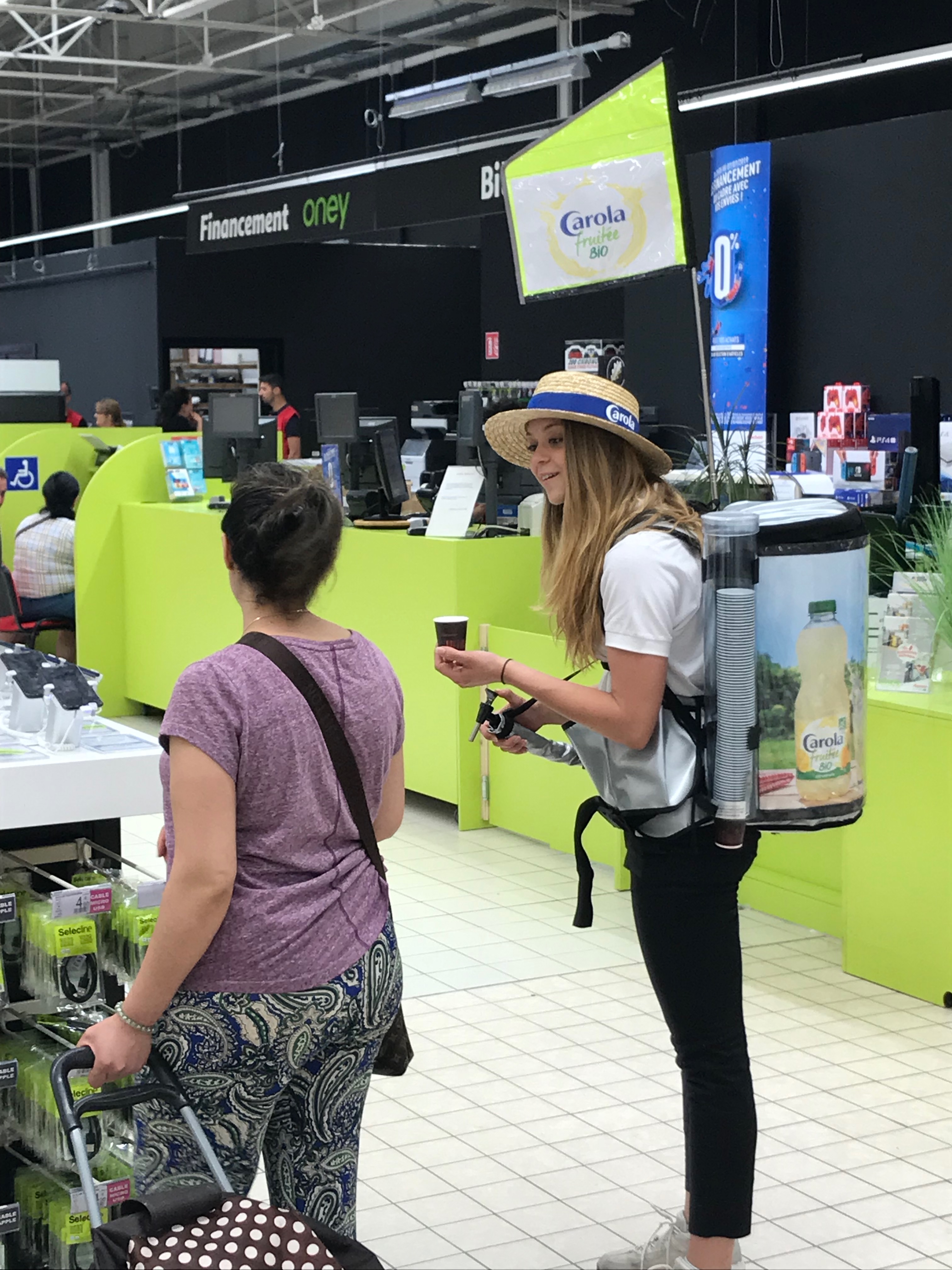
Where to host a Brand Activation Event in Madrid, Barcelona, Valencia, Seville or Málaga
Location selection is a performance decision. We evaluate venues and public-facing locations based on audience density and profile, access and load-in constraints, brand adjacency, permit feasibility, and the ability to run the activation safely at peak times. For corporate teams, we also consider stakeholder visibility: how easily leadership or partners can visit and understand the concept in minutes.
Madrid: High-footfall business districts and retail zones for B2C; premium hospitality venues for VIP demos; conference-adjacent activations for B2B lead capture.
Barcelona: Strong tourism and lifestyle audiences; shopping centres and brand districts work well for product trial; careful planning needed for shared public spaces and noise control.
Valencia: Excellent for roadshow stops and community engagement; reliable logistics and strong weekend footfall in commercial areas; good balance of cost and visibility.
Seville: High engagement in city-centre environments; formats must consider heat seasonality and scheduling; ideal for culturally grounded storytelling and partner events.
Málaga: Great for tech, lifestyle and seasonal audiences; strong potential for outdoor concepts with weather contingencies; effective for combining activation with networking.
Once the city and zone are selected, we confirm operational feasibility: power, access hours, storage, security, waste management, and the paperwork pathway. This is where an experienced event management company protects your timeline and prevents last-minute redesigns.
What does a Brand Activation Event cost in Spain?
The price of a Brand Activation Event depends on format, footprint, duration, staffing intensity, and compliance requirements. A one-day pop-up with basic demo stations is a different project from a multi-city field marketing event roadshow with a build, warehouse handling, and daily team rotations. We budget to avoid “surprise costs” that typically appear in permits, overtime, last-minute technical needs, or underestimated staffing.
City and location constraints: access hours, load-in limitations, security requirements, and operational rules can affect labour, transport and build choices.
Build and production level: modular stands vs custom builds; AV needs; lighting; weatherproofing; storage; and whether the set must be reused across multiple dates.
Staffing model: number of brand ambassadors, supervisors, technical crew, security, and any specialist roles (mixologist, product expert, host). Staffing is often the largest driver for multi-day activations.
Permits, insurance and compliance: public space coordination, risk assessments, documentation, and on-site safety measures (barriers, first aid, crowd management).
Content and data capture: professional photo/video, live editing, consent management, CRM integration, and reporting requirements for corporate governance.
Volume of consumables: sampling quantities, packaging, refrigeration, hygiene materials, waste management, and replenishment logistics.
Timeline: rushed projects can increase costs due to expedited production, premium supplier fees, and reduced negotiation time.
We build budgets around return logic: expected qualified interactions, cost per lead, sampling conversion, or retail uplift. If the numbers do not make sense, we adjust the design (duration, footprint, staffing or route) rather than pushing an overbuilt concept.





What we deliver as a brand activation agency in Spain
Our projects range from compact pop-ups in high-footfall areas to multi-week roadshows and retail-linked activations. We adapt to different realities: strict brand governance in multinational groups, fast timelines for product launches, or stakeholder-heavy approvals involving legal, procurement and corporate communications.
Examples of situations we routinely manage include: aligning a demo script with regulated claims; redesigning a stand to fit access constraints without losing brand impact; scaling staffing models for weekend peaks; and creating reporting that separates “footfall” from genuinely qualified engagement. This is where field experience matters: it is easy to design an activation on slides, but performance is decided on-site, minute by minute.
Common risks in field marketing events—and how we prevent them
Underestimating throughput: long queues reduce conversion and create safety issues. We plan capacity per hour and adjust flow, staffing and station reset times.
Overpromising with unclear KPIs: if success is not defined, the debrief turns political. We set measurable targets and tracking methods before production starts.
Inconsistent brand messaging: untrained staff improvise, especially under pressure. We implement scripts, FAQ sheets, role-playing and supervisor checks.
Permit and compliance gaps: last-minute location changes or restrictions can compromise the concept. We validate feasibility early and keep a documented compliance trail.
Weak contingency planning: weather, power, delayed deliveries or staff no-shows happen. We build redundancy for critical items and define escalation protocols.
Beautiful build, poor usability: if the stand is hard to operate, it will fail at peak time. We design for reset speed, storage, cleaning, and staff ergonomics.
Your role internally is to protect the brand and deliver results; our role is to prevent these risks with an execution system designed for real-world conditions in Spain.
Why corporate clients keep INNOV'events as their long-term partner
Loyalty in corporate events is rarely emotional; it is operational. Clients return when they can predict quality: the same clarity in budgeting, the same discipline on-site, and the same ability to scale across cities without losing control. We aim to become the partner your teams trust when the activation is visible, time-sensitive, and politically important internally.
Repeatable delivery framework: reusable documentation (runbooks, staffing guides, KPI templates) that improves performance with each rollout.
Multi-city scalability: consistent standards across Madrid, Barcelona, Valencia, Seville and Málaga, reducing rework for corporate teams.
Post-event intelligence: actionable recommendations, not just photos—what to keep, what to change, and where to invest next.

When clients come back, it is because the work holds up under scrutiny: internally (procurement and leadership) and externally (public audiences). Loyalty is a practical proof of quality.
Our process for Brand Activation Event organisation in Spain
👉 1) Brief alignment and success definition
We clarify audience, business objective, non-negotiables (brand, legal, sustainability), and what “success” means in measurable terms. We also identify internal stakeholders (marketing, comms, HR, legal, procurement, sales) and set a decision calendar to avoid last-minute approvals.
👉 2) Concept design based on operational reality
We propose 1–3 activation routes with a clear rationale: expected throughput, staffing model, flow, and production approach. We show what is scalable to multiple cities and what is specific to a single flagship location in Madrid or Barcelona.
👉 3) Budgeting, value engineering and supplier lock
You receive a structured budget with options (good/better/best) and clear trade-offs: build level vs reuse, staffing intensity vs throughput, content capture vs data capture. Once approved, we contract suppliers, confirm timelines and freeze the critical path.
👉 4) Permits, compliance and risk management
We manage the practical requirements: documentation, insurance guidance, safety planning, and on-site rules. We prepare operational plans and contingency scenarios appropriate to the location and season (heat, rain, wind, peak crowd periods).
👉 5) Staffing, training and scripting
We recruit and brief brand ambassadors and supervisors (or align with your internal teams). Training includes product knowledge, objection handling, data capture quality, escalation rules and brand tone. We also run a rehearsal where possible to validate timing and flow.
👉 6) Event delivery and on-site leadership
On-site, we manage build, technical checks, staff call times, live troubleshooting and brand governance. We monitor KPIs during the day (interaction rate, lead quality, peak-hour bottlenecks) and adjust operations without disrupting the brand experience.
👉 7) Reporting, insights and rollout recommendations
Within an agreed timeline, we deliver KPI results, qualitative insights, content assets (if included) and operational learnings. For roadshows or multi-date programmes, we provide a clear optimisation plan for the next city and a decision-ready summary for leadership.
FAQ sobre la organización Brand Activation Event
How long should a Brand Activation Event run to generate results?
For a single location, many programmes run 1–3 days to balance setup costs with enough data to judge performance. For roadshows, 2–6 cities over 2–6 weeks is common, allowing optimisation after the first dates. The right duration depends on required sample size (interactions/leads) and seasonality in the chosen city.
What KPIs do executives usually track for a field marketing event?
Typical KPIs include: qualified interactions per hour, demo completion rate, sampling-to-opt-in conversion, cost per qualified lead, and content outputs (usable assets, not raw footage). For retail-linked activations, we also track uplift indicators such as voucher redemption and store traffic during activation windows.
Can you run a guerilla marketing event without risking the brand?
Yes—if it is designed as a controlled operation. We recommend lightweight tactics with clear behavioural rules, supervisor oversight, defined locations, and documented compliance steps. The objective is impact with governance: fast deployment without improvisation that could trigger complaints or reputational issues.
How do you ensure brand ambassadors represent the brand correctly?
We use role-based staffing (greeter, demo specialist, lead capture, supervisor) and structured training: product briefing, scripted claims and FAQs, objection handling, data quality rules, and escalation paths. On-site supervisors perform spot checks and real-time coaching, especially during peak hours.
What information do you need to quote a Brand Activation Event in Spain?
We can provide an initial range with: city (Madrid/Barcelona/Valencia/Seville/Málaga), dates, target audience, desired format (pop-up, roadshow, retail takeover), expected data capture needs, and any constraints (brand, legal, sustainability). For a fixed quote, we also confirm location feasibility, operating hours, production level, and staffing model.
Request your presupuesto gratuito for a Brand Activation Event in Spain
If you are comparing agencies, we can help you make a decision quickly with a clear plan: recommended format, realistic operational approach, KPI framework and a transparent budget. Share your city, dates, audience and objectives, and we will respond with a structured proposal designed for corporate approval—whether your activation is in Madrid, Barcelona, Valencia, Seville or Málaga.