Booth activation that turns trade show traffic into qualified leads
Table of contents
At a trade show, you do not compete on product alone—you compete on attention, speed of interaction, and the quality of follow-up. A well-executed booth activation is a commercial system: it creates controlled traffic, qualifies visitors in minutes, and feeds your pipeline with usable data.
Executives, HR leaders and communication teams expect predictability: clear brand messaging, consistent visitor experience, measurable outputs, and zero operational surprises. They need a stand that works under pressure—peak hours, VIP visits, media requests, and last-minute agenda changes.
We deliver booth activation organisation in Madrid, Barcelona, Valencia, Seville and Málaga, coordinating design intent with on-site reality. Our strength is field execution: staffing, scripts, tech setup, risk management, and real-time optimisation to hit lead and visibility targets.
Operational credibility in Spain, built on repeat delivery
5 key Spanish hubs covered: Madrid, Barcelona, Valencia, Seville and Málaga, with local supplier coordination and on-site supervision.
End-to-end delivery: creative concept, trade show stand animation, staff training, lead capture stack, logistics, and day-of run-of-show.
Typical throughput targets: 120–600 meaningful booth interactions per day for mid-size stands, depending on sector, footfall, and qualification depth.
Operational resilience: contingency planning for late freight, AV failures, staffing no-shows, and venue constraints (noise limits, rigging rules, power caps).
How to organize a professional event ?
- Define the objective (cohesion, announcement, fidelity, performance).
- Set date, format and size (20–1 000 people).
- Secure the venue and accommodation according to seasonality.
- Lock down technical, suppliers and logistics.
- Drive the day J (timing, scene, entrance, flow).
We send you a first proposal within 24h.
Why invest in booth activation instead of “just having a stand”?
A stand without an activation is often a passive asset: it looks good, but it does not structure conversations or capture data at the required pace. Booth activation is the operational layer that transforms design into performance—traffic management, engagement mechanics, qualification logic, and follow-up readiness.
For leadership teams, the question is rarely “Was it nice?” but “Did it deliver pipeline, employer branding, and stakeholder visibility with controlled risk and cost?” A professional trade show organization approach answers that question with a plan, metrics, and execution discipline.
Higher quality conversations per hour: scripted micro-interactions (30–90 seconds) filter visitors so sales teams spend time on decision-makers rather than general footfall.
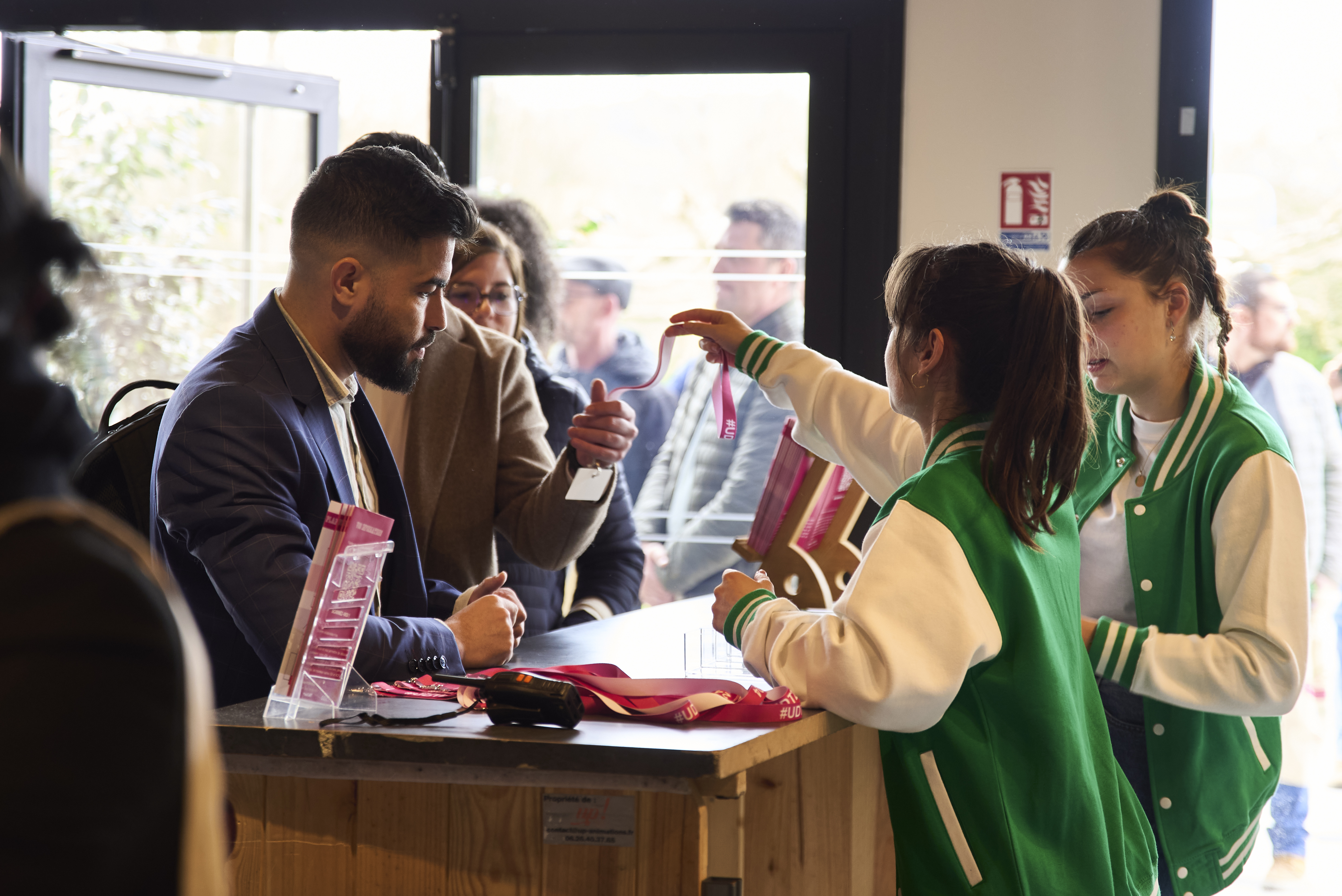
Measurable lead capture: scanning/QR workflows mapped to qualification fields (budget, timeline, role, interest area) so CRM import is clean and actionable.
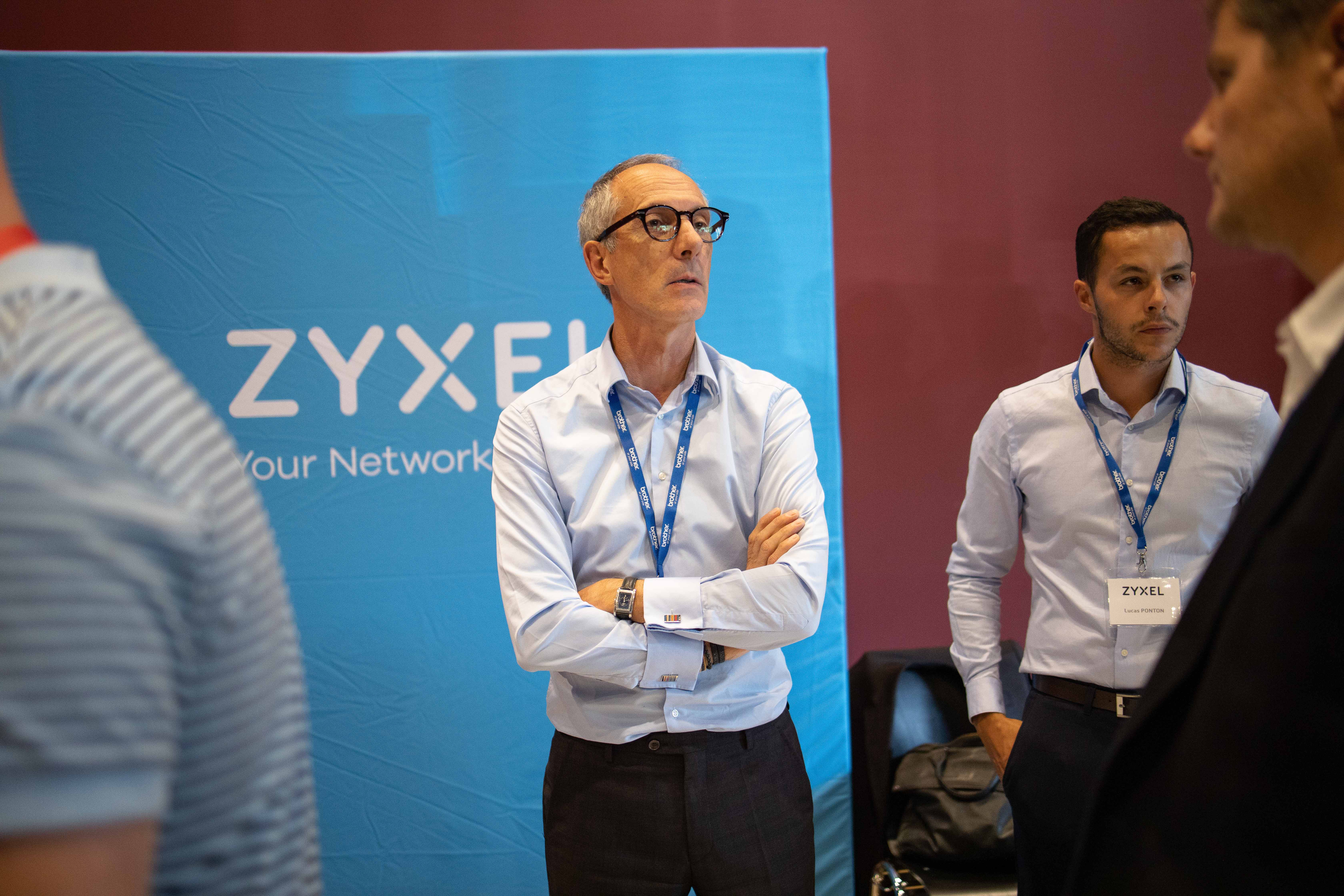
Brand consistency under pressure: unified messaging across booth animator event staff, product experts, executives, and any partner co-exhibitors.
Better stakeholder handling: dedicated flow for VIPs, press, and key accounts, with meeting slots, private corner management, and host/hostess protocols.
Employer branding that is not generic: HR-friendly activations (skills demos, career-path “speed chats”, structured Q&A moments) that create qualified candidate interest without disrupting sales activity.
Risk reduction: compliance with venue rules, insurance requirements, safety management for interactive elements, and clear ownership for suppliers and timelines.
Internal alignment: one operational plan shared by marketing, sales, HR and leadership—reducing last-minute conflicts about priorities and messaging.
In Spain’s major trade show circuits, leadership teams increasingly evaluate events like any other investment: objectives, cost control, and conversion. A strong booth activation program is not an “extra”—it is how you translate spend into outcomes.
Which booth activities work best for trade show stand animation?
Activities are not decoration—they are tools to start conversations quickly and to keep the stand “alive” across the day. The best trade show booth animation balances three variables: speed (how fast you can engage), quality (how relevant it is to your offer), and operational load (how hard it is to run reliably).
Interactive animations
Guided micro-demos (3–5 minutes): timed demonstrations with a clear start signal, a single use case, and a call-to-action (book a meeting, request a trial, schedule an onsite visit). Works well for B2B tech and industrial solutions.
Qualification kiosks: a fast self-assessment on a tablet or QR (“Which solution fits your role?”) that routes visitors to the right expert. Reduces random conversations and improves conversion.
Live problem-solving corner: bring one real client problem (sanitised) and show your method in 10 minutes. This positions expertise and gives communication teams strong content for social posts.
Appointment booking wall: a visible schedule screen with remaining slots, managed by a host. Creates urgency and helps sales teams control their day.
Art animations
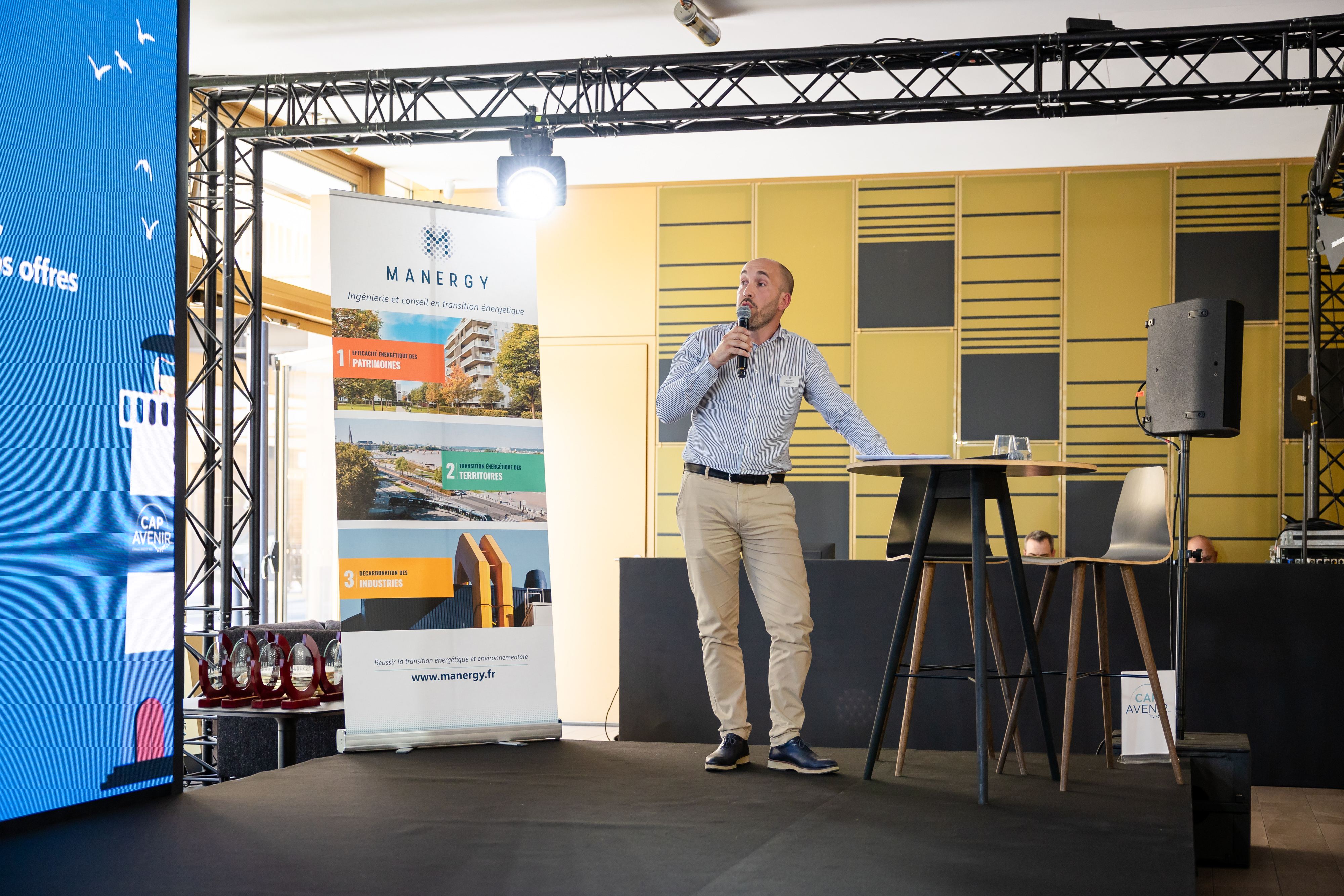
Illustration and graphic recording: an illustrator captures key messages from mini-talks. This is effective for thought leadership stands and creates assets for post-event communication.
Brand-safe performance moments: short, scheduled interventions that attract footfall without creating chaos. We align timing with your demo rhythm and venue noise rules.
Innovative animations
Structured tasting with qualification: food and beverage can be effective if it is operationally controlled. We design it as a “hosted tasting” with a 30-second intro and a scan/QR at entry to avoid becoming a free bar with no leads.
Meeting hospitality: a discreet coffee service for pre-booked meetings improves executive hosting and keeps high-value conversations longer, especially in busy halls.
Gourmand animations
AR/VR with a single business purpose: immersive demos are powerful when they replace something impossible on-site (factory tour, equipment operation, before/after). We plan throughput (people/hour), sanitation, and queue management.
AI-assisted lead routing: on-tablet forms that propose next steps based on answers (schedule demo, request pricing, recruitment info). Helps scale when senior experts are limited.
Content capture studio: a small booth corner for short interviews with executives, partners, or clients. Communication teams leave with usable video, not just photos.
Every activity must reinforce your positioning. If your brand is premium and consultative, an aggressive game mechanic can dilute perception. If your priority is recruitment, a loud sales-driven activation can repel candidates. We align trade show stand animation with brand guidelines, audience expectations, and operational constraints of Spanish venues.
Where to run booth activation in Spain: practical venue considerations
Spain offers world-class trade show infrastructure, but each city and venue has operational specifics that impact booth activation organisation: access hours, rigging permissions, sound limitations, loading bays, and the availability of nearby meeting spaces. We plan activations with these realities in mind to avoid day-of compromises.
Madrid: Ideal for large-scale B2B events with international attendance. Plan early for freight timing, badge scanning compatibility, and meeting space demand during peak seasons.
Barcelona: Strong for tech, industrial, and international congress formats. Expect tight scheduling and strict venue rules for AV, hanging points, and sound; rehearsals and documentation matter.
Valencia: Efficient for regional and national industry events. Great for activations requiring space and controlled flow; confirm power requirements early for interactive installations.
Seville: Excellent for sector-specific fairs and corporate visibility. Consider staffing logistics and travel buffers; build a clear run-of-show to keep energy consistent.
Málaga: Strong for innovation, digital and high-growth ecosystems. Great for content-driven activations and executive networking; plan for premium hospitality and meeting handling.
When you brief an event management company, ask how they adapt activation mechanics to each city’s venue realities. The activation should not be “copy-pasted”; it should be engineered to perform in the specific hall, with the specific audience flow you will face.
How much does booth activation cost in Spain? What drives the budget?
The cost of booth activation depends on the mechanics you choose, the staffing model, and the reliability level required. A simple traffic driver with basic lead capture is not priced like a multi-day activation with tech installations, content production, and executive hosting. We budget transparently so finance and leadership understand what they are paying for and what levers exist.
Event duration and opening hours: 1 day vs 3–5 days changes staffing rotations, supervision needs, and consumables.
Staffing and talent: number of hosts, brand ambassadors, product specialists, and a dedicated floor manager. Rates vary by seniority, language requirements, and schedule (evenings, weekends).
Complexity of the activity: a guided demo is low risk; AR/VR, studios, or mechanical installations require additional equipment, technicians, safety planning, and insurance.
Lead capture stack: badge scanning, tablets, offline redundancy, CRM mapping, and post-event reporting. The difference is often not the device cost, but the workflow design and data cleanliness.
Build and logistics interface: if the stand is complex, activation must coordinate with stand builder, AV, power, and storage. Time on site for rehearsal and testing impacts cost.
Compliance and risk controls: data protection notices, queue management, safety signage, sanitation for headsets, and venue permissions.
Content production: scripts, mini-talk decks, video loops, demo assets, and on-site capture (photo/video). This is frequently the difference between “busy stand” and “usable brand content”.
We encourage clients to evaluate ROI in operational terms: cost per qualified lead, cost per booked meeting, pipeline influenced, and recruitment outcomes. A cheaper activation that captures unusable data or overwhelms sales teams often costs more once you include missed opportunities and internal dissatisfaction.




Examples of booth activation delivery: different sectors, same discipline
Our activations are designed around business constraints, not trends. For a B2B technology client, we built a rhythm of 5-minute demos every 30 minutes, supported by a host who controlled entry and ensured lead capture completion before handover. The result was not “more scans”, but cleaner qualification and fewer wasted sales conversations.
For an industrial group exhibiting equipment that could not be transported, we structured an immersive walkthrough using a single, repeatable storyline (problem, process, result) supported by a product expert and a scheduler. This avoided technical overload and increased meeting bookings with distributors.
For an employer branding-focused presence, we designed a low-noise activation with scheduled “career speed chats” and a clear candidate routing path. HR teams left with structured candidate lists and notes, rather than a pile of CVs with no context.
Across Madrid, Barcelona, Valencia, Seville and Málaga, the constant is delivery discipline: staffing, scripts, lead capture reliability, and a floor manager who protects the plan while adapting to reality.
Common booth activation mistakes that cost leads (and how we prevent them)
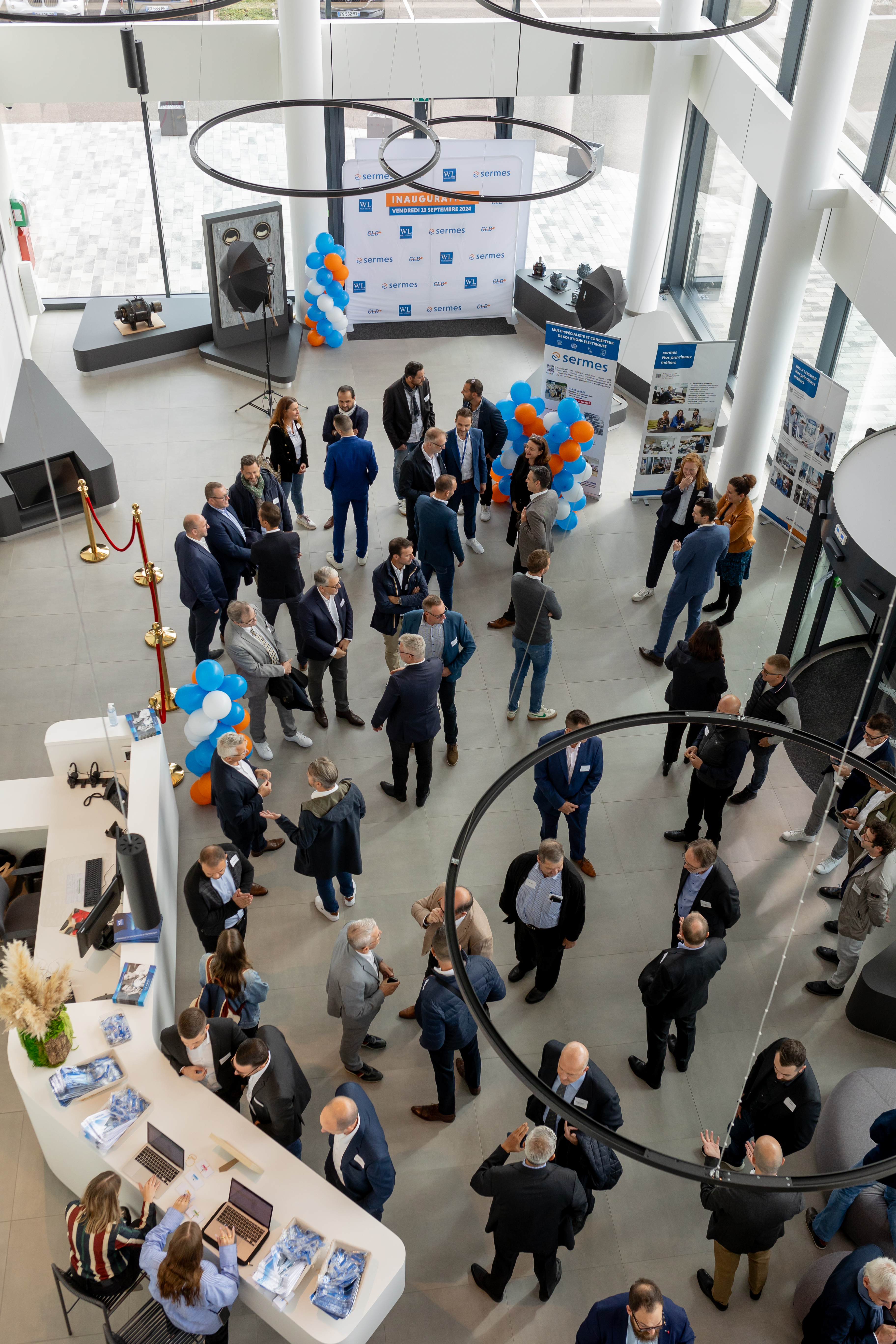
Overcrowding without qualification: a popular game brings footfall but blocks access to product experts. We design flow and enforce “attract vs qualify” separation.
No script, no handover: staff improvises and visitors repeat their story three times. We train short scripts and clear internal transfers.
Lead capture that breaks: Wi‑Fi fails, tablets die, or fields are inconsistent. We implement offline-capable workflows and daily checks.
Too much tech, not enough throughput: VR looks impressive but serves 10 people per hour. We model throughput targets and choose the right mechanic.
Mismatch with brand image: loud booth animator event tactics can damage premium positioning. We align activity level, tone, and visuals with brand standards.
Ignoring venue constraints: sound limits, power caps, rigging restrictions, and access windows cause last-minute downgrades. We validate feasibility early and document requirements.
No post-event ownership: leads sit in inboxes for a week. We set a handover plan: same-day export, tagging, and follow-up SLA recommendations.
Your internal teams should not have to learn these lessons on the show floor. Our role in booth activation organisation is to anticipate the failure points and build a setup that performs reliably in real trade show conditions.
Why corporate teams stay with the same event management company
Client loyalty in events is rarely emotional—it is operational. Teams return when they feel safe: the activation runs on time, the brand is protected, data is usable, and senior stakeholders are supported without constant escalation.
We focus on the elements that create trust: consistent staffing standards, clear documentation, proactive supplier management, and measurable outputs that can be reported to leadership.
Repeatable frameworks: the same qualification logic and reporting structure can be deployed across multiple shows and cities, improving performance quarter after quarter.
Reduced internal workload: fewer last-minute decisions, fewer vendor calls, and fewer escalations for marketing and HR managers during critical weeks.
Better year-over-year conversion: continuity enables optimisation of scripts, stand flow, and meeting booking strategy rather than starting from zero.

Loyalty is evidence that the activation delivers in real conditions—peak hours, executive visits, supplier surprises, and the constant pressure to justify spend.
Our booth activation delivery process in Spain
👉 Step 1: Objectives, audience, and success metrics
We start with a short working session to clarify what “success” means for your leadership team: pipeline, strategic accounts, partner discussions, recruitment, visibility, or product education. We define practical KPIs (qualified leads/day, meetings booked, demo completions) and the target audience segments you want to prioritise.
Deliverable: a one-page activation brief that aligns marketing, sales, HR and communications.
👉 Step 2: Activation concept built for throughput and brand control
We propose activation mechanics that match your positioning and operational limits. We explicitly model throughput (people/hour), staffing needs, and the stand layout impact. This is where we decide whether you need a host-led rhythm, a self-serve mechanic, scheduled micro-talks, or a hybrid.
Deliverable: concept note with visitor journey, staffing map, and operational assumptions.
👉 Step 3: Staffing, scripts, and lead capture workflow
We recruit or coordinate the right profiles (hosts, product specialists, brand ambassadors, technicians) and set roles per zone. We write practical scripts: opening line, discovery questions, qualification criteria, and handover rules. We configure lead capture fields and define data export routines aligned with your CRM needs.
Deliverable: staffing plan, run-of-show, and lead capture specification.
👉 Step 4: Production, supplier coordination, and venue compliance
We manage production schedules and coordinate with stand builders, AV, content suppliers, and catering if relevant. We validate venue rules (sound, rigging, power, access windows) and build contingency measures for critical paths. This is also where we plan storage, replenishment, and on-site logistics to keep the activation stable across the day.
Deliverable: production timeline, compliance checklist, and contingency plan.
👉 Step 5: On-site execution and real-time optimisation
On the day, a floor manager runs the activation: timing, staff breaks, queue control, VIP handling, and issue resolution. We monitor performance indicators (interaction rate, drop-off points, meeting bookings) and adjust scripts or positioning when needed. The objective is to keep the stand effective from opening to close, not only during peak moments.
Deliverable: daily recap and action list for the next day (multi-day shows).
👉 Step 6: Post-event reporting and handover
We provide a structured wrap-up: lead file export, segmentation notes, what worked/what did not, and concrete recommendations for the next event. If needed, we support the internal handover between event teams and sales/HR follow-up owners so leads are acted on quickly.
Deliverable: post-event report focused on performance and next steps.
FAQ sobre la organización booth activation
What is booth activation in a corporate trade show context?
Booth activation is the planned set of engagement mechanics that turns a stand into a working commercial and brand tool: attracting the right visitors, qualifying them quickly, capturing usable data, and routing them to the right internal expert. It includes staffing, scripts, lead capture, run-of-show, and operational control—not only “entertainment”.
How many staff do we need for a professional trade show stand animation?
As a working range: 4–6 people for a small-to-mid stand with steady traffic, 7–12 for higher footfall or multiple zones (demo + meetings + activation), and more if you run scheduled talks or high-throughput interactions. The key is role separation: at least one greeter/flow controller, one lead capture owner, and enough experts to avoid queues.
How do you measure ROI for booth activation?
We track metrics that executives can report: qualified leads (not just scans), meetings booked, conversion to next step (demo request, proposal, site visit), and cost per outcome. For HR-led stands, we measure qualified candidate conversations and follow-up actions. A practical benchmark is to aim for a lead file with complete fields (role, need, timeframe) for the majority of captured contacts.
Can you combine lead generation and recruitment on the same stand?
Yes, but only with clear zoning and routing. We typically separate flows: one entry point for commercial conversations and one for career discussions, with distinct scripts and lead capture tags. Without separation, teams compete for the same space and visitors receive mixed messages, reducing both sales conversion and employer brand credibility.
How early should we start planning booth activation in Madrid or Barcelona?
For standard activations, start 6–10 weeks before the show to secure staffing and align with stand build timelines. For complex tech installations, executive content programs, or multi-city roadmaps, plan 10–16 weeks ahead. Earlier planning reduces rush costs and increases the chance to secure the best on-site talent and suppliers.
Request your presupuesto gratuito for booth activation in Spain
If you are comparing agencies, we can provide a clear proposal with an activation concept, staffing model, lead capture approach, and a realistic production timeline for Madrid, Barcelona, Valencia, Seville or Málaga.
Share your event name, stand size, objectives (leads, meetings, recruitment, visibility), and any constraints (brand guidelines, compliance, tech requirements). We will respond with concrete options and budget ranges so you can decide quickly and confidently.