
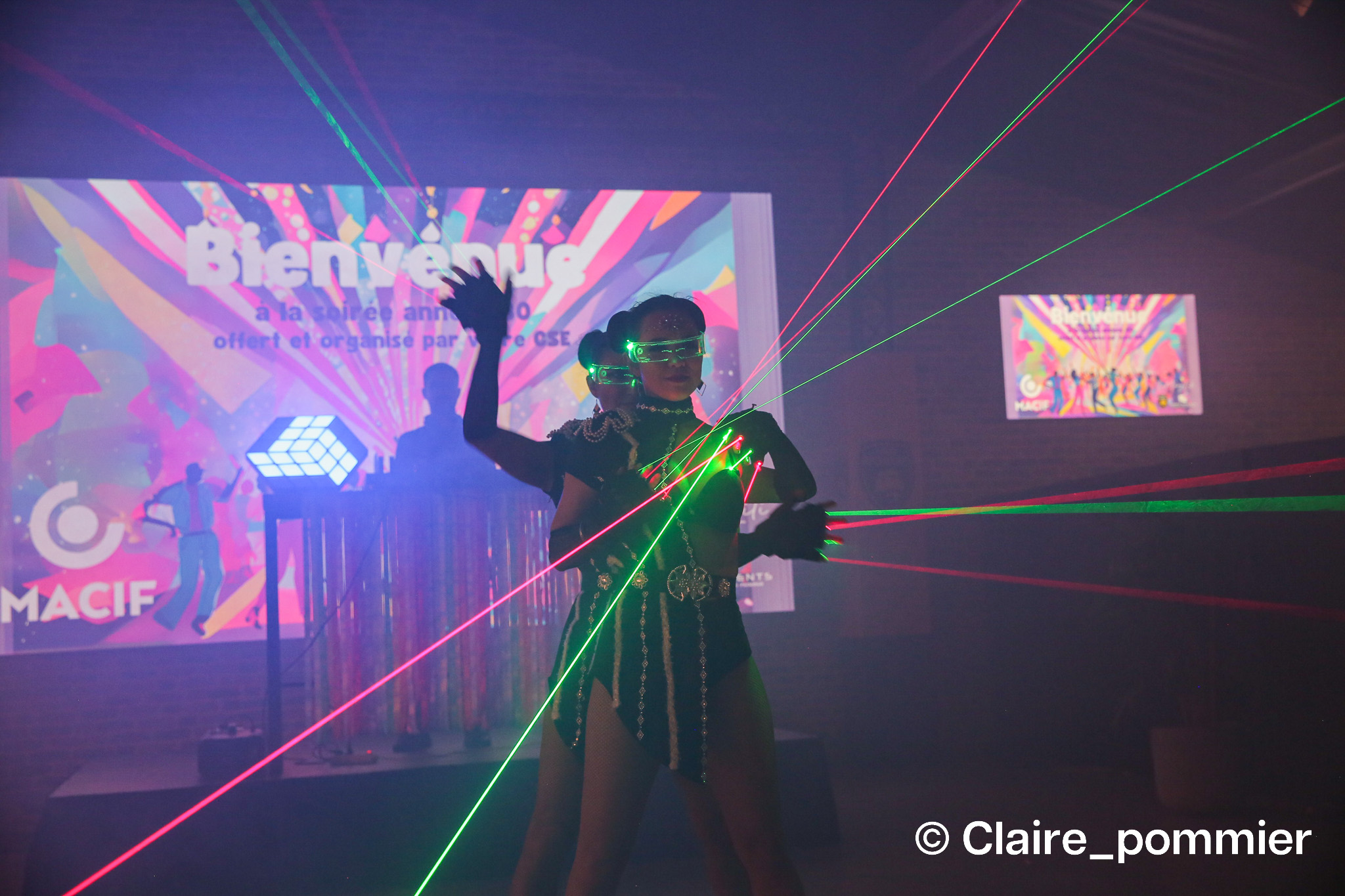
Audio-visual production event delivery that protects your message and your brand
INNOV'events is an event agency supporting executive teams, HR and Communications with reliable Audio-visual production event organisation in Madrid, Barcelona, Valencia, Seville and Málaga.
From 30-person leadership meetings to 3,000+ attendee conventions, we manage sound, lighting, video, staging, streaming, rehearsals and show-calling.
You get one accountable project lead, transparent technical specs, and an operations plan designed to work under real corporate pressure.
Table of contents
In corporate environments, audiovisual is not “production”; it is operational risk management for your message. When a CEO address, product announcement or change programme depends on intelligibility, camera framing and timing, the technical layer becomes a strategic enabler—or a reputational liability.
Organisations typically expect three things: flawless comprehension in the room, consistent brand presentation across every screen, and a run-of-show that stays on time despite last-minute stakeholder changes. They also need compliance with venue rules, safety standards and internal procurement requirements.
INNOV'events works as an event management company with local production partners across Spain, delivering scalable sound-and-light, video and streaming solutions with senior-level coordination. We speak both “boardroom priorities” and “backstage reality”.
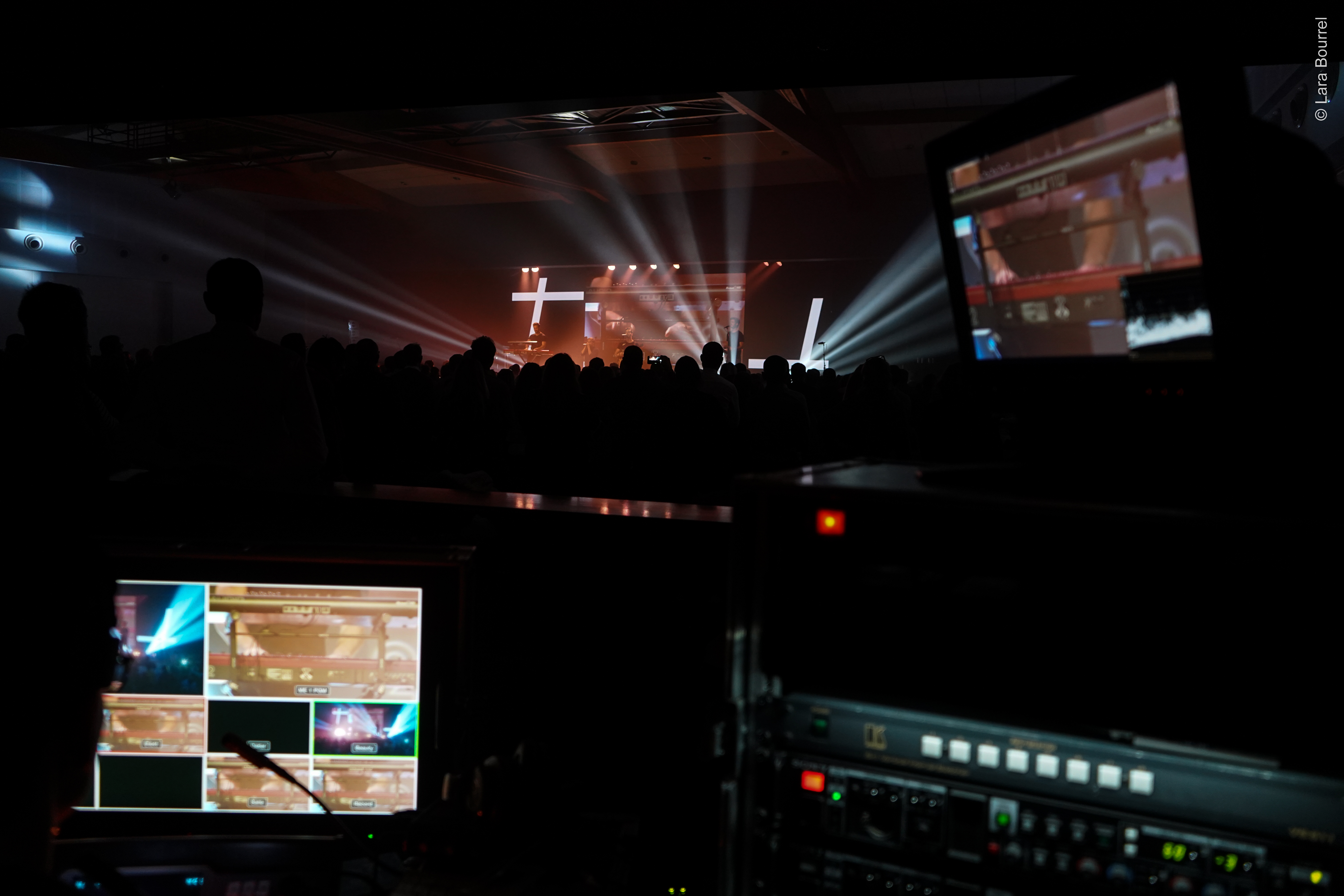
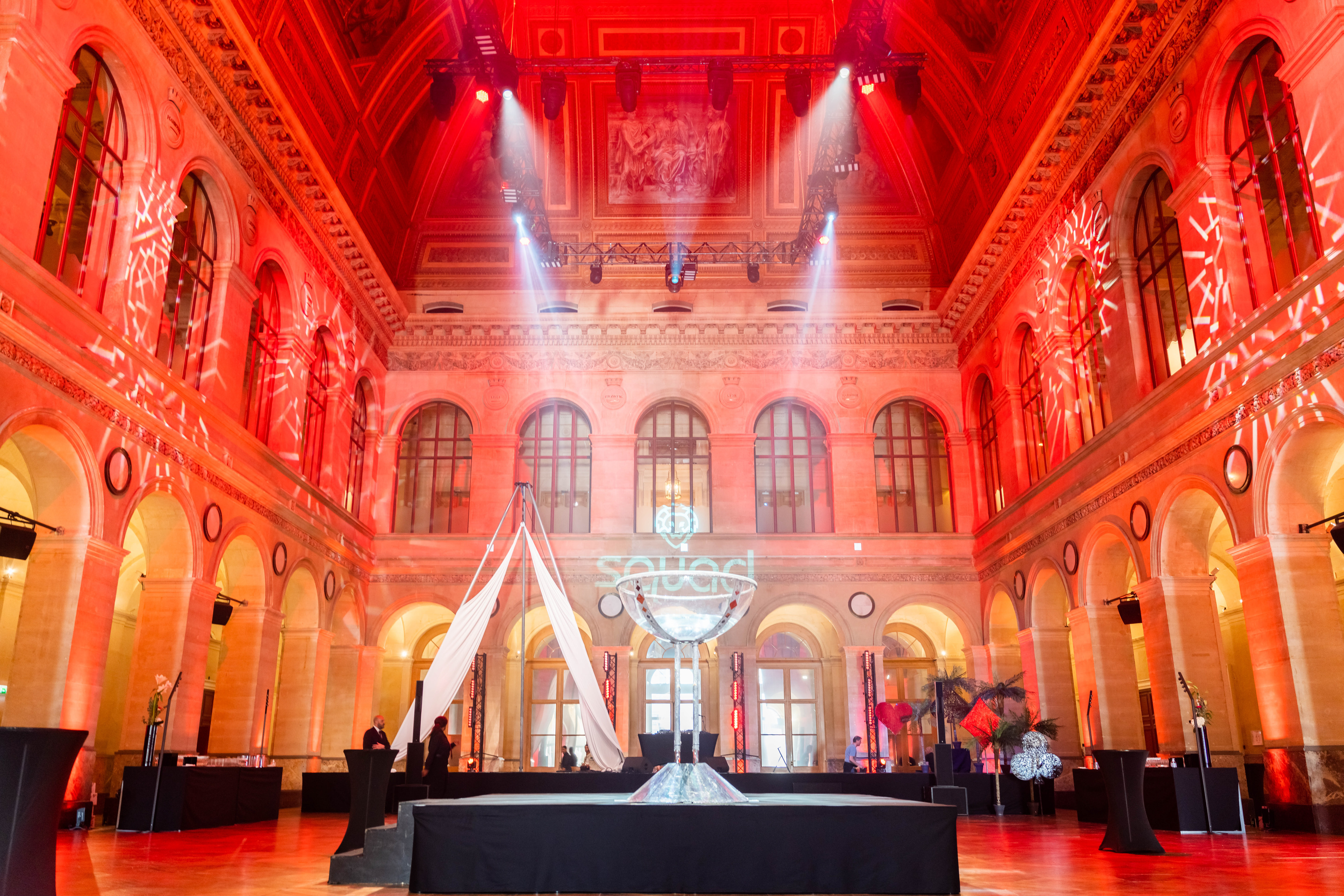
Operational proof, not promises
5 key hubs in Spain: Madrid, Barcelona, Valencia, Seville and Málaga, with on-the-ground production coverage for corporate schedules and short lead times.
48-hour quoting standard for most corporate audiovisual scopes (when agenda, venue and headcount are confirmed).
Multi-format capability: in-room production, hybrid, and multi-site broadcasts with central show control.
Documented methods: risk register, technical rider, run-of-show, cue sheets and rehearsal plan provided as standard for executive-facing programmes.
How to organize a professional event ?
- Define the objective (cohesion, announcement, fidelity, performance).
- Set date, format and size (20–1 000 people).
- Secure the venue and accommodation according to seasonality.
- Lock down technical, suppliers and logistics.
- Drive the day J (timing, scene, entrance, flow).
We send you a first proposal within 24h.
Why invest in a corporate audiovisual production instead of “basic AV”
A corporate event can succeed with an average venue—but it cannot succeed with poor sound, uncontrolled lighting or unreliable video. Audiovisual production is the layer that turns content into understanding, and understanding into alignment. For HR and Communications, it is also the layer that makes the employer brand visible in a credible way.
Protect executive communication: clear speech reinforcement, controlled stage lighting for facial visibility, and confident teleprompter support when needed—so leaders can deliver complex messages without technical friction.
Reduce reputational risk: backup microphones, redundancy on critical playback, and contingency plans for streaming prevent the classic “we lost audio” moment that employees remember more than the message.
Increase engagement and retention: correct screen sizing, camera work and room acoustics keep attention high—especially in long-format internal events like strategy updates or transformation programmes.
Enable hybrid participation without compromising in-room quality: a well-designed hybrid setup avoids the common pitfall where online viewers get a poor mix and in-room attendees feel secondary.
Provide measurable governance: technical documentation, run-of-show discipline and clear responsibilities help Communications and HR demonstrate professional control to leadership and procurement.
Scale across locations: consistent production standards allow you to replicate the same “look and sound” across Madrid, Barcelona, Valencia, Seville and Málaga, which matters for multinational consistency.
In Spain’s business culture, credibility is earned through execution. A strong Audio-visual production event is not a luxury line: it is a practical investment in clarity, authority and operational control.
What activities work best with corporate audiovisual production
Activities create engagement when they are designed for the room and the agenda, not added as entertainment. In an audiovisual context, the right activity uses the technical setup to support participation, simplify facilitation and produce usable content for internal communications.
Interactive animations
Live polling with moderated Q&A: ideal for town halls and HR forums. We build the on-screen flow (questions, voting, results) and define moderation rules so leaders are not exposed to inappropriate questions while keeping authenticity.
Executive fireside with audience mic runners: a structured format that keeps pace. We design the mic strategy (handhelds, catch boxes where appropriate, or floor mics) to avoid the classic “we can’t hear the question” problem.
Breakout rooms with consistent AV packs: useful for leadership offsites and strategy days. We standardise small-room kits (screen, clicker, audio, confidence monitor) and a support model so sessions start on time.
Art animations
Branded opening sequence with light and music cues: a controlled way to set tone without extending the agenda. We time it to walk-in music, stage looks and the first speaker’s entrance.
Short-form performance between segments: effective when used as a reset after dense content. We plan stage plot, monitor needs, and changeover timing so it does not create delays.
Innovative animations
Audio-supported tasting stations: in networking zones, we manage zoned audio levels so conversation remains comfortable while maintaining atmosphere—especially important in venues with reflective surfaces.
Chef moment on camera: for client events, a short on-stage culinary segment can work if cameras, lighting and microphones are planned like a broadcast, not like a casual demo.
Gourmand animations
Hybrid panel with remote guest on LED wall: we design return video, audio mix-minus and latency management so on-stage speakers can interact naturally with remote guests.
Real-time content capture for internal comms: multi-camera recording, clean audio feeds and branded lower-thirds produce clips that Communications can publish quickly after the event.
AI-assisted live captioning: useful for accessibility and for multilingual audiences. We plan screen real estate and verify terminology (product names, leadership titles) in advance.
The key is coherence: every activity must align with the company’s brand image, tone and risk profile. A regulated industry will not use the same interaction model as a tech scale-up, and your audiovisual design should reflect that.
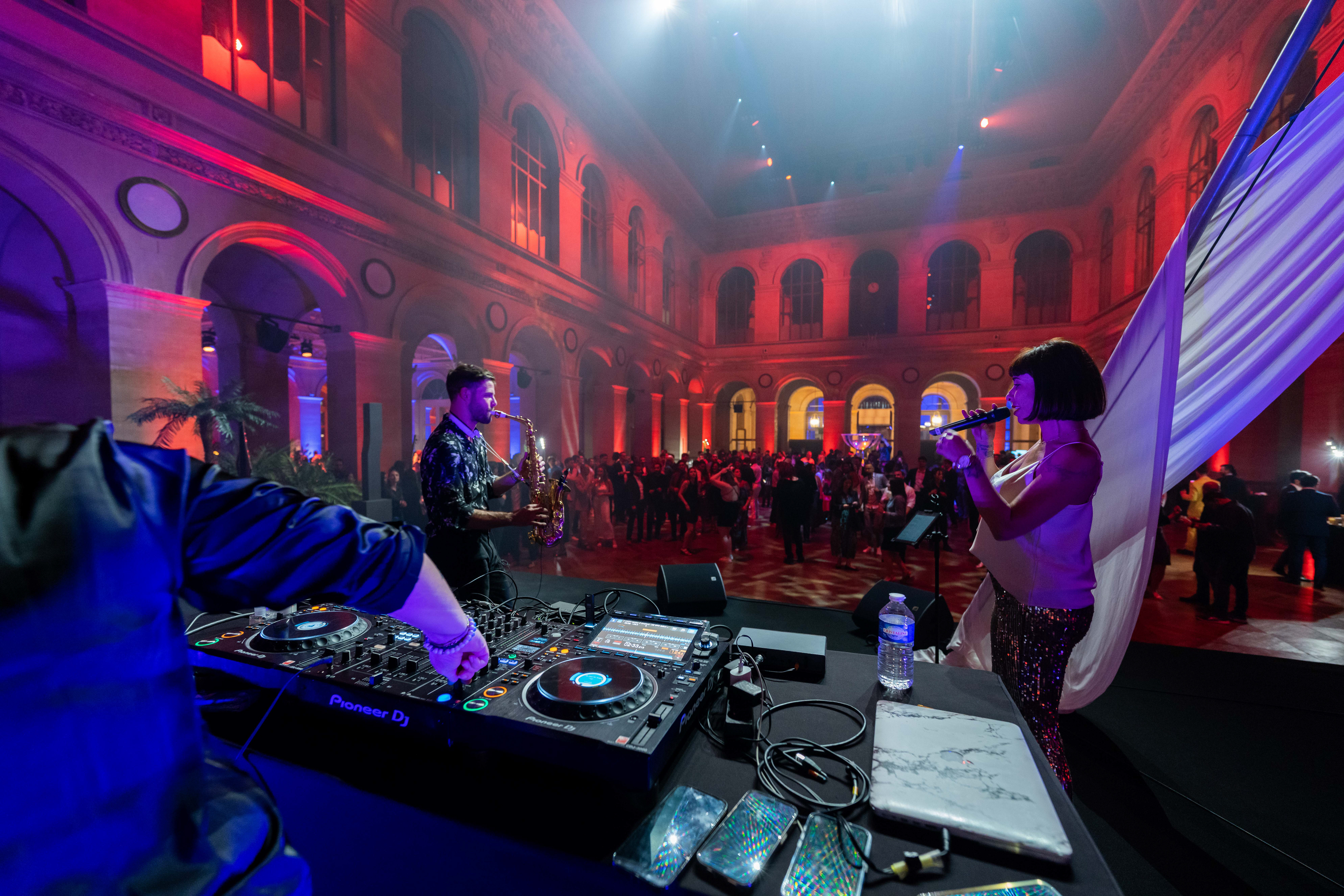
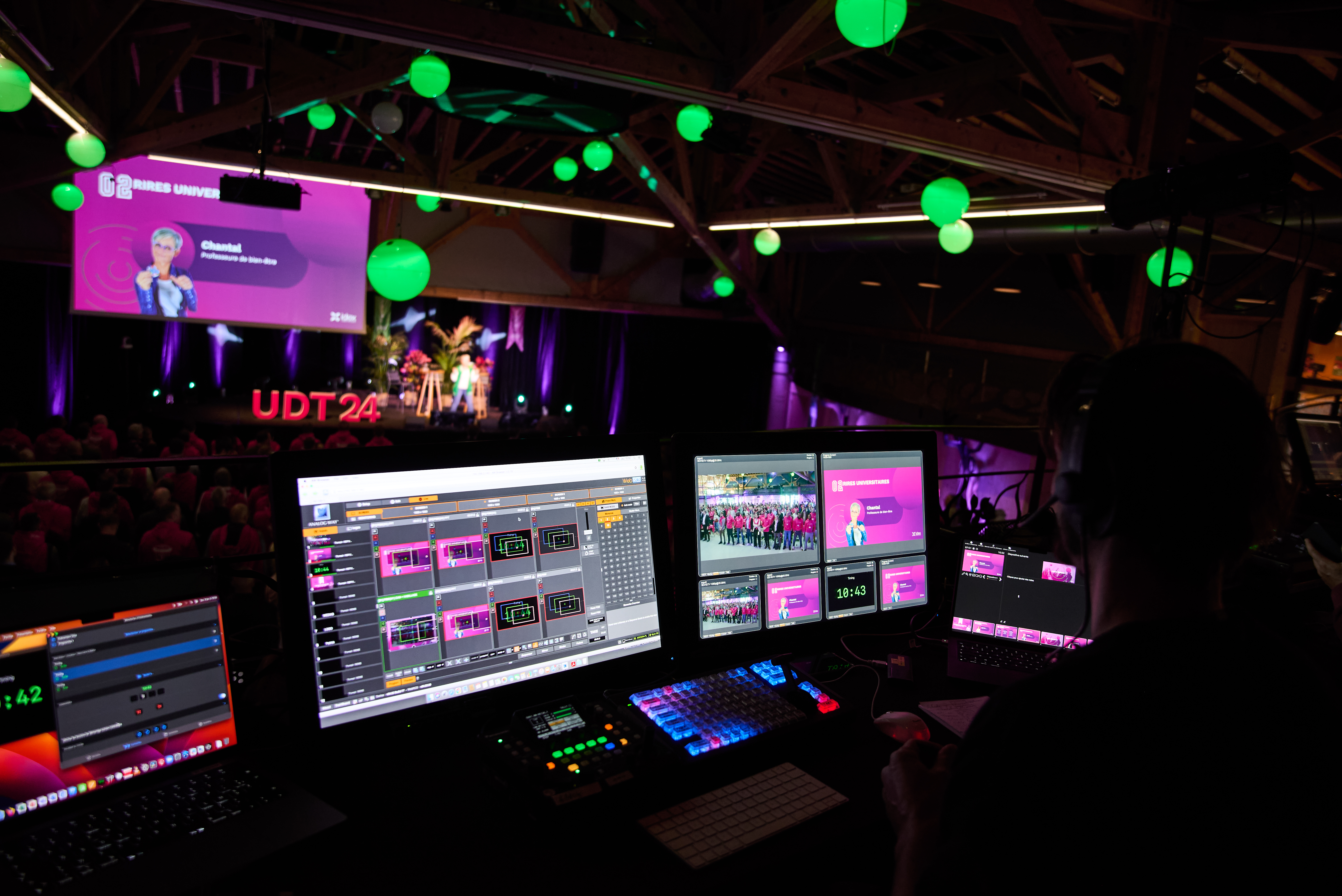
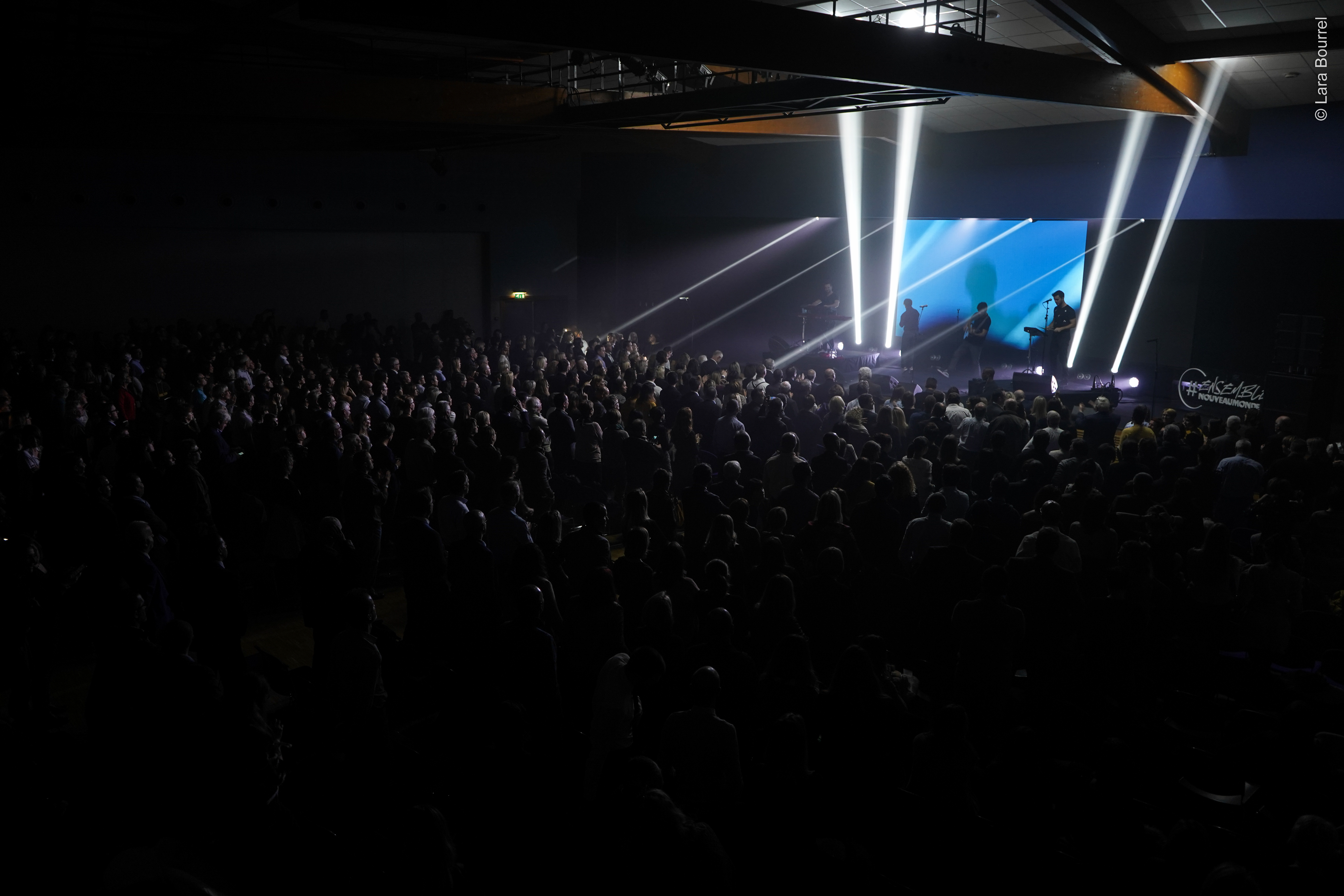
Which venues in Spain are best suited for corporate audiovisual production
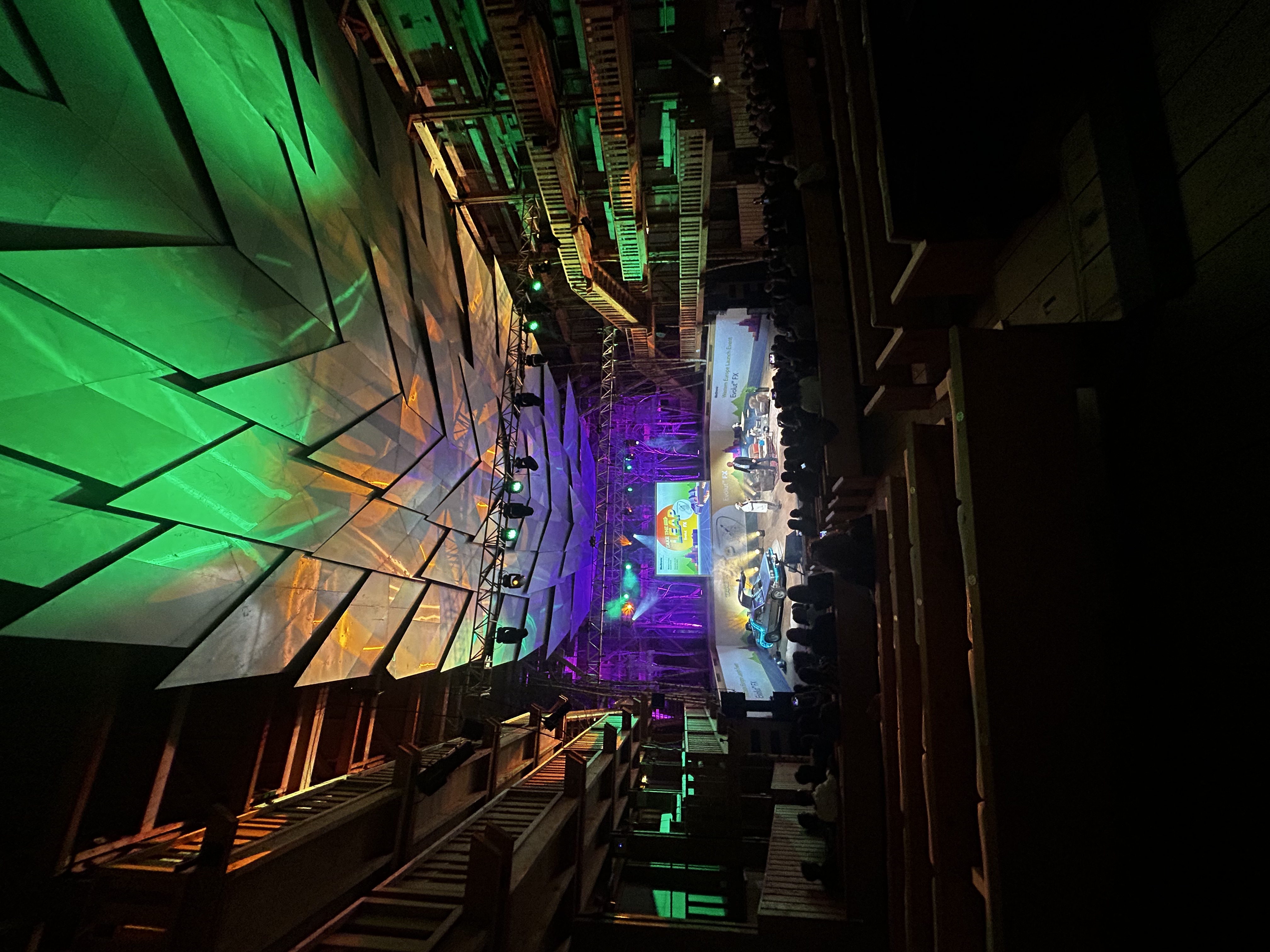
Venue choice determines what is technically possible and how much contingency you need. We evaluate venues not only on aesthetics and location, but on rigging permissions, ceiling height, acoustic behaviour, loading access, power distribution, curfews and internet reliability—elements that directly affect budget and risk.
Madrid: Large plenary conventions and leadership meetings benefit from venues with professional rigging points, generous loading docks and reliable power. If you plan LED walls or multi-camera streaming, prioritise venues with clear technical policies and sufficient backstage space for control.
Barcelona: For product and brand-focused events, modern venues often support advanced video setups, but you must plan early for access schedules and union or venue staffing rules where applicable. Hybrid events also require careful network planning.
Valencia: Strong option for corporate gatherings combining plenary content and networking. We frequently pay attention to room acoustics in glass-heavy architecture and plan distributed audio to maintain speech clarity.
Seville: Historic or character venues can elevate a programme, but they can also restrict rigging, fixings and sound levels. We adapt with ground-supported truss, discrete cable routing and carefully designed lighting to respect the space.
Málaga: Ideal for meetings linked to incentives, partner summits and executive offsites. For hybrid formats, we validate internet paths and plan backup connectivity to avoid disruptions during global connections.
As your event agency, we can shortlist venues based on your production needs, not the other way around—saving time, avoiding technical dead ends, and stabilising your budget.
How much does corporate audiovisual production cost in Spain
Audiovisual budgets are driven by scope, risk level and production ambition—not by a single “price per day”. A well-structured quote separates equipment rental, labour, pre-production, transport, rehearsals and contingency, so Finance and Procurement can compare options fairly.
Audience size and room geometry: 150 people in a compact room may require less than 150 in a wide, acoustically difficult space. Sound coverage design impacts speaker counts and system type.
Video requirements: projection vs LED wall, screen size, number of displays, and resolution. LED walls increase cost but provide higher brightness and flexibility in bright rooms.
Content and playback complexity: simple slide decks vs timed keynote videos, multi-source switching, live graphics, lower-thirds and remote contributions.
Hybrid / streaming level: a basic stream of a lectern is not the same as a broadcast-style multi-camera production. Costs vary with camera count (often 2–6), encoder redundancy, platform integration, and moderation.
Labour and schedule: load-in constraints, overnight work, multiple rooms, rehearsal time, and show duration. Labour is usually the largest cost driver after video.
Venue constraints: restricted access, long carry distances, limited power, or mandatory in-house suppliers may increase logistics and staffing.
Risk mitigation and redundancy: backup playback, spare microphones, duplicate critical signal paths, and secondary internet are not “extras” in executive events—they are insurance.
Event sound system rental vs full production: renting speakers and a mixer is a subset. Full sound and light event production includes design, engineering, rehearsals, cueing and show-calling.
We frame budget decisions around return on investment: fewer agenda overruns, fewer technical incidents, better content reuse, and higher message comprehension. For many organisations, the avoided reputational risk alone justifies a robust audiovisual production corporate event approach.













Examples of Audio-visual production event delivery we handle
Our projects range from high-focus executive meetings to high-capacity conventions. The common thread is operational discipline and production choices that serve the message.
Leadership town hall (500–1,500 attendees)
Typical challenge: tight agenda, sensitive Q&A, and leadership changes minutes before stage time. We design clear speech reinforcement, multi-screen support for visibility, and a moderated Q&A workflow. We also plan rehearsal windows that respect executive calendars while still allowing cueing and content validation.
Sales kickoff with multi-room breakouts (300–900 attendees)
Typical challenge: parallel sessions, frequent presenter changes, and sponsor or partner content arriving late. We deploy standardised breakout AV kits, on-call technicians per zone, and a content desk with file naming rules and last-minute rendering capability.
Hybrid investor or partner update
Typical challenge: broadcast reliability and brand control. We implement multi-camera coverage, dedicated audio mix for the stream, stable encoder configuration, and backup internet paths. We also structure speaker comms (IFB where appropriate) and remote guest checks to reduce live-call risk.
Awards and recognition night
Typical challenge: fast cues, walk-ups, music, videos and award stings. We build a cue sheet, rehearsal plan, backstage comms and a show-caller role so pace stays tight and winners are handled smoothly.
Common mistakes in corporate audiovisual production (and how we prevent them)
Underestimating speech intelligibility: choosing equipment by brand or power rather than room coverage. We run a sound design based on geometry and use proper mic selection and processing for speech.
No redundancy for critical moments: single laptop playback, no spare mic, no backup clicker. We plan duplicates where failure would be visible to the entire audience.
Content not tested on the real system: videos that play without audio, fonts missing, wrong aspect ratio. We implement a content checklist and scheduled tech check with the actual switching setup.
Hybrid audio mixed “for the room” only: online participants hear echo or room noise. We provide a dedicated streaming mix and manage echo cancellation pathways correctly.
Insufficient backstage management: speakers miss cues, walk-on timing drifts, award presenters are not ready. We assign stage management and show-calling roles with comms headsets.
Ignoring venue constraints: rigging not authorised, access times restricted, power insufficient. We confirm venue technical rules early and design accordingly.
Overcomplicating the setup: too many technical elements for the timeline and budget. We prioritise what materially improves comprehension and brand impact, and simplify the rest.
Our role is to eliminate these predictable failure points through documented preparation and disciplined on-site execution—so your leadership can focus on content, not cables and contingency.
Why Communications and HR teams keep INNOV'events on their shortlist
Repeat collaboration is usually driven by two things: reliability under pressure and ease of governance. Corporate teams return when they know the agency can absorb complexity—late changes, internal approvals, and cross-department expectations—without drama on event day.
Planning rhythm that matches corporate reality: we schedule decision checkpoints (agenda freeze, content freeze, technical rehearsal) with clear owners, which reduces last-minute escalations.
Post-event documentation: we provide wrap notes on what worked, what to improve, and updated technical baselines so the next event is faster and more cost-effective.
Vendor continuity: consistent crew leadership and documented setups reduce relearning and ensure stable quality across multiple editions.

Loyalty is not a slogan; it is a consequence of risk reduction and predictable delivery. If your stakeholders felt safe on stage and your programme stayed on time, the relationship tends to continue.
Our delivery process for Audio-visual production event organisation
👉 Step 1: Briefing that translates business goals into technical choices
We start with your agenda, audience profile, stakeholder list and risk sensitivity (internal, external, regulated). We confirm what must be perfect (CEO speech audio, brand reveal timing, hybrid reliability) and what can be simplified. Output: a clear scope statement and first technical direction.
👉 Step 2: Venue recce or technical validation
We validate rigging points, power, access, acoustic constraints, screen sightlines and network options. If the venue has in-house AV, we clarify responsibilities and integration early. Output: a venue constraints report and a preliminary production layout.
👉 Step 3: Technical design and supplier alignment
We design the system (audio, lighting, video, staging, intercom, streaming) and confirm equipment availability. Output: a technical rider, line-item quote, and responsibilities matrix covering the venue, our team and any third parties.
👉 Step 4: Content workflow and rehearsal planning
We set file specifications, naming conventions and deadlines, then schedule a content check and rehearsal windows. Output: a content checklist, run-of-show draft, cue sheet framework, and speaker logistics plan.
👉 Step 5: On-site build, testing and show-calling
We manage load-in, rigging, cabling, system tuning and full testing (including backup paths). During the event, we run the show using a cue-based approach with stage management and comms headsets. Output: controlled execution, fast incident response, and a stable attendee experience.
👉 Step 6: Derig, debrief and next-step recommendations
We close the event cleanly, coordinate venue sign-off, and deliver a debrief with improvement actions. If you plan a series across Spain, we propose a repeatable production baseline to stabilise quality and cost.
FAQ sobre la organización Audio-visual production event
What is the difference between event sound system rental and full audiovisual production?
Event sound system rental typically covers equipment delivery (speakers, mixer, microphones) with limited design and minimal show management. Full Audio-visual production event delivery includes technical design, room tuning, lighting and video integration, content checks, rehearsals, cue sheets, stage management and on-site show-calling. For executive programmes, the difference is usually the difference between “it worked” and “it was controlled”.
How far in advance should we book corporate audiovisual equipment in Madrid or Barcelona?
For standard corporate meetings (up to 300 people), 2–4 weeks is often workable if the venue is confirmed. For conventions, LED walls, multi-camera hybrid, or peak periods (September–November and May–June), plan 6–12 weeks. If you need a specific venue or complex rigging, 3–6 months is safer.
What budget range should we expect for a hybrid corporate event in Spain?
As a broad reference, a simple hybrid setup (single camera, basic graphics, reliable audio feed) often starts around €6,000–€15,000. A broadcast-style hybrid production (2–6 cameras, vision mixing, streaming redundancy, graphics package, dedicated audio mix, rehearsals) is commonly €18,000–€60,000+. Final cost depends on venue constraints, show length, and content complexity.
How do you ensure reliable streaming for an executive announcement?
We prioritise three controls: network validation (dedicated wired connection when possible), redundancy (backup connectivity and critical signal backups), and production discipline (remote guest checks, cue-based run-of-show, and a dedicated streaming audio mix). For high-risk announcements, we can also record locally in parallel so you always have a clean master file.
Can you manage multi-city events across Madrid, Valencia and Málaga with consistent production quality?
Yes. We define a production baseline (stage look, audio standard, screen format, camera framing rules, graphics package) and deploy it through our partner network with central project governance. Expect 1 lead producer, local technical teams per city, and shared documentation (technical rider, run-of-show, content specs) to keep results consistent while respecting each venue’s constraints.
Request your presupuesto gratuito for Audio-visual production event delivery
If you are comparing agencies for a high-stakes corporate programme, we can help you make a decision based on facts: technical scope, risk level, rehearsal needs and a transparent cost structure. Share your date, city (Madrid, Barcelona, Valencia, Seville or Málaga), estimated attendance, and agenda draft, and we will revert with a practical production proposal and budget options.
The earlier we align on venue and format (in-room, hybrid, multi-site), the more we can protect your timeline and avoid last-minute cost increases. Contact INNOV'events to discuss your Audio-visual production event and receive a detailed quote within 48 hours when inputs are confirmed.