
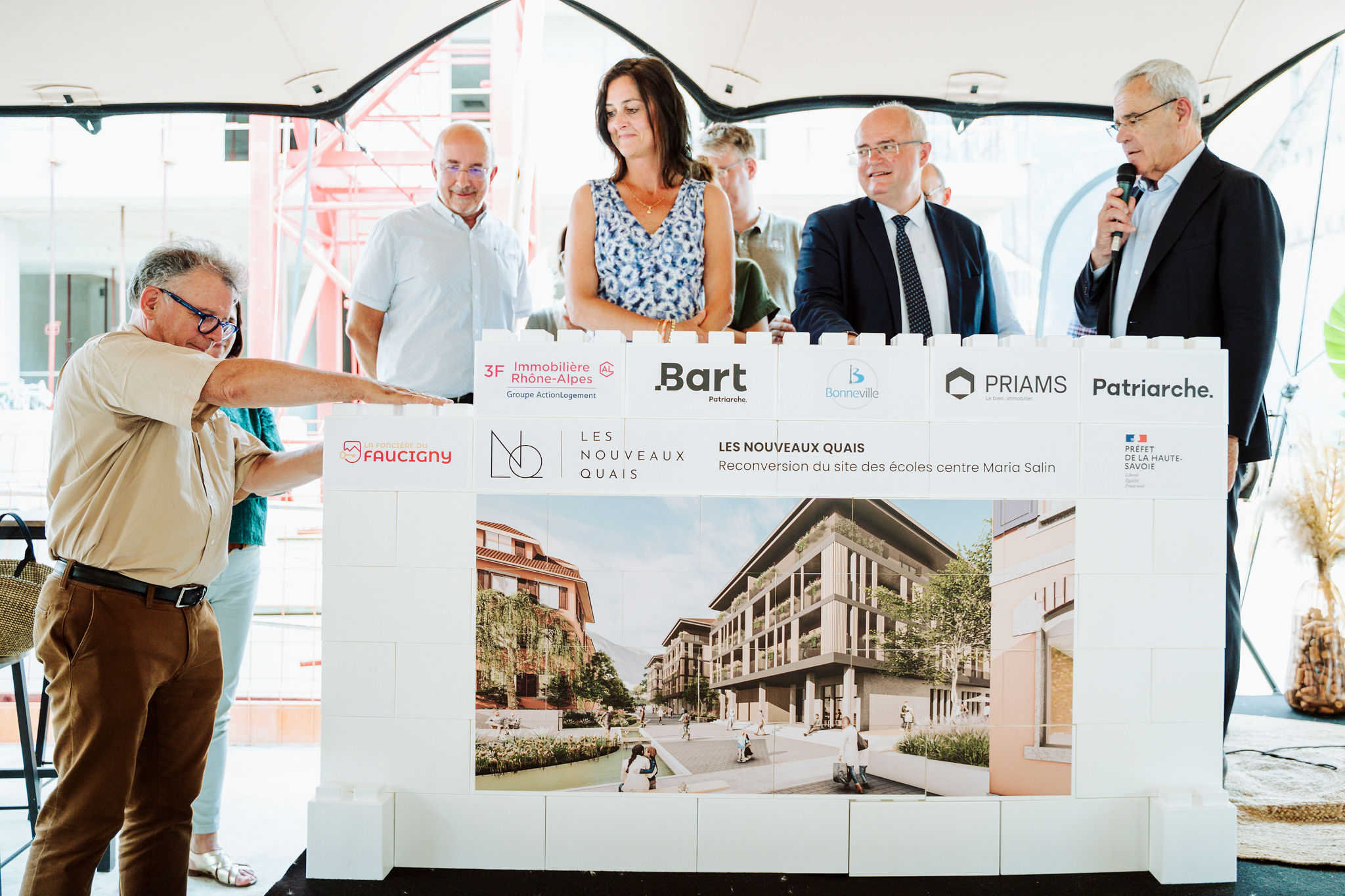
Corporate event planning in Spain that protects your brand and delivers measurable outcomes
INNOV'events is an international event management company supporting executives, HR and communication teams across Madrid, Barcelona, Valencia, Seville and Málaga. We plan and deliver corporate events from 30 to 3,000+ participants, with rigorous logistics and controlled budgets. You get one accountable partner for venue sourcing, production, suppliers, run-of-show, compliance and event communication management.
Table of contents
A corporate event is not “a nice moment”; it is a management tool that accelerates alignment, decision-making and reputation. When a company invests in an internal convention, a customer summit or an investor day, the real objective is clarity: what changes on Monday, who owns it, and how the organisation will execute.
Organisations expect reliability under pressure: accurate guest management, clear speaker support, on-time sessions, flawless audiovisual, controlled risk and a consistent brand image. They also expect leadership: proactive scenario planning, honest budget trade-offs, and a communication plan that drives attendance and engagement.
Our teams operate on the ground in Spain with structured governance, detailed production schedules and supplier networks in major business hubs. As an event agency used to executive environments, we anticipate what can go wrong (and prevent it) so your leadership team can focus on content and stakeholder relationships.
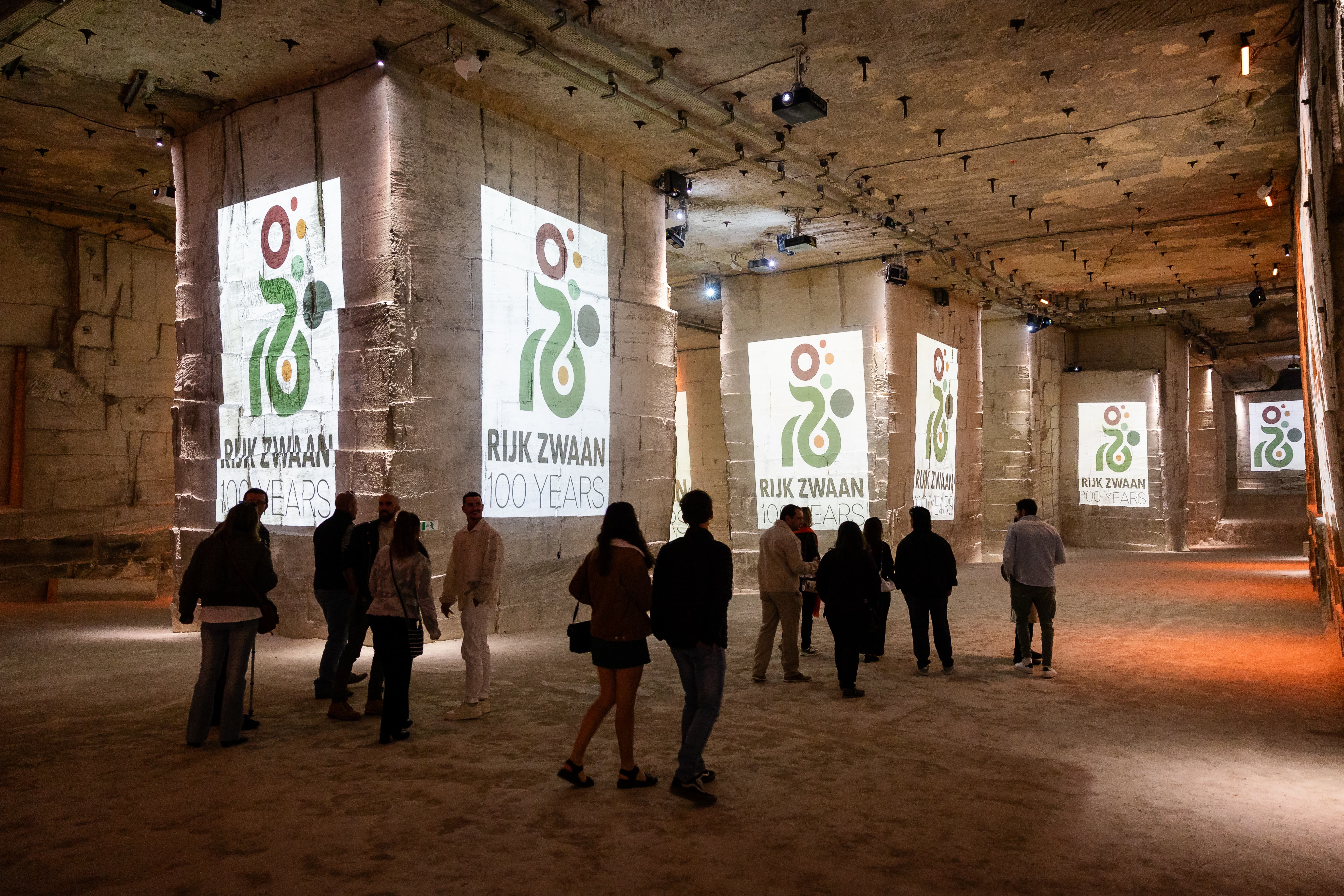
Operational credibility in numbers (Spain-ready delivery)
5 major Spanish hubs covered: Madrid, Barcelona, Valencia, Seville and Málaga, with reliable vendor pools and venue relationships.
30–3,000+ attendees managed across internal and external corporate formats, including multi-track agendas and hybrid set-ups.
6–12 weeks typical delivery window for standard corporate events, with accelerated options when decision cycles are tight.
End-to-end scope: venue sourcing, contracting support, production, catering, registration, transport coordination, speaker logistics, security and contingency planning.
How to organize a professional event ?
- Define the objective (cohesion, announcement, fidelity, performance).
- Set date, format and size (20–1 000 people).
- Secure the venue and accommodation according to seasonality.
- Lock down technical, suppliers and logistics.
- Drive the day J (timing, scene, entrance, flow).
We send you a first proposal within 24h.
Why organise a corporate event in Spain: what executives actually gain
Executives do not need more meetings; they need moments that move the organisation. A well-structured corporate event creates a controlled environment where information is credible, decisions are accelerated and culture is reinforced—especially in distributed teams and fast-changing markets.
Leadership alignment in hours, not weeks: a leadership offsite with strong facilitation and an agenda designed around decisions (not presentations) can unblock cross-functional topics that email threads never resolve.
HR impact on engagement and retention: internal conventions and team events help managers deliver clear messages on priorities, performance expectations and career pathways. This is particularly effective after reorganisations, acquisitions or leadership changes.
Commercial acceleration: customer summits and partner days provide concentrated time with decision-makers. With a clear content architecture and event communication planning, you can generate qualified follow-ups within days, not months.
Brand credibility: a consistent stage design, speaker coaching and precise show-calling protect your brand when you are in front of customers, media or investors. The operational details are what make the message believable.
Change management support: product rollouts, new ways of working, or policy updates land better when people can ask questions live, interact with leadership, and receive the same information at the same time.
Cross-site cohesion: bringing teams together in Madrid, Barcelona, Valencia, Seville or Málaga can reduce silos and create shared standards—if the programme is designed to mix functions and not just “sit and listen”.
In Spain’s relationship-driven business culture, the way you bring people together matters. A professional event reinforces trust internally and externally, provided it is executed with operational discipline and a clear communication objective.
Which activities work in corporate events (and which are risky)
Activities are not decoration; they are tools to drive behaviour: networking, learning retention, collaboration, recognition or feedback. The right choice depends on culture, seniority mix, and how much “energy” your agenda can absorb without becoming chaotic.
Interactive animations
Facilitated roundtables with outputs: small groups (8–12 people) with a moderator, a clear question, and a defined deliverable (top 3 actions, risks, or customer insights). Works well for leadership, sales and transformation topics.
Live pulse polling: structured questions tied to the agenda (not “fun polls”) to surface alignment gaps in real time. Results can feed Q&A, leadership responses and post-event action plans.
Guided networking: curated matchmaking by role, industry or project. Particularly effective in customer/partner events in Madrid and Barcelona where attendance is high but time is limited.
Art animations
Corporate storytelling support: spoken-word or visual facilitation (graphic recording) that turns key messages into memorable, shareable assets for internal comms.
Low-disruption live music moments: short sets used as transitions (arrival, break, closing) to maintain energy without compromising conversation and schedule discipline.
Innovative animations
Structured tasting with a business purpose: use food or beverage stations as networking architecture (timed rotations, assigned groups) rather than unstructured “buffet wandering”.
Dietary and compliance planning: clear labelling, allergen management, and service pacing that protects both attendee experience and corporate duty of care.
Gourmand animations
Hybrid studio segments: a controlled broadcast set inside the venue for remote teams, with rehearsed speaker transitions and reliable audio design (the most frequent hybrid failure point).
Interactive demo zones: product or innovation showcases with timed slots, staff briefing scripts and lead capture compliant with privacy requirements.
Micro-learning stations: 10-minute practical modules (tools, customer scenarios, compliance updates) that make internal events genuinely useful rather than purely inspirational.
Every activity must match your brand posture and risk tolerance. A bank, a listed company or a regulated sector cannot run the same on-stage improvisation as a start-up—and your corporate communication event must feel coherent from invitation to closing remarks.
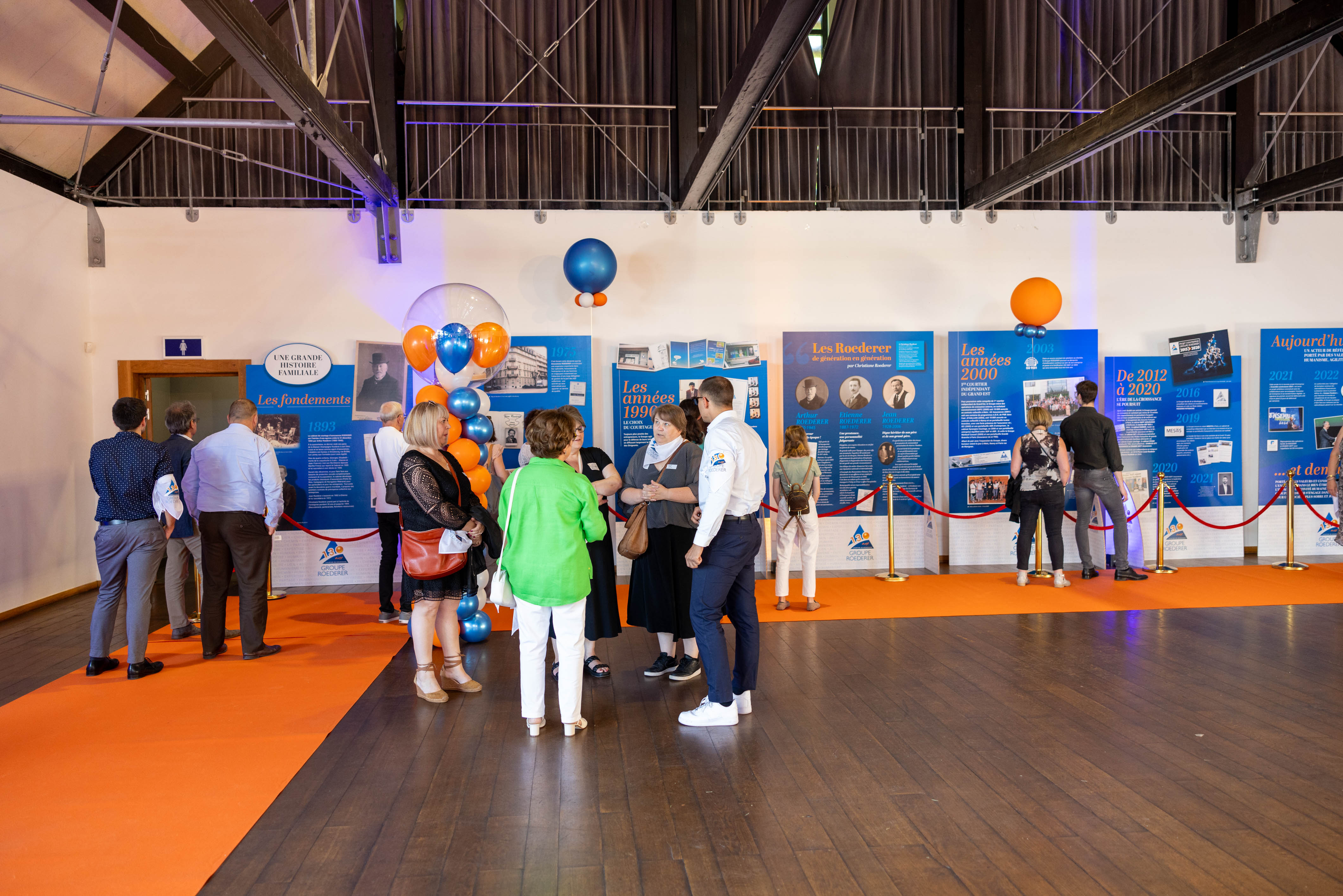
How to choose venues in Madrid, Barcelona, Valencia, Seville and Málaga
Venue choice is a strategic decision because it affects budget, schedule, speaker comfort and attendee perception. We look beyond capacity and aesthetics: load-in constraints, acoustic treatment, rigging permissions, breakout proximity, public transport access, hotel inventory, and contingency options if your agenda changes.
Madrid: Strong for leadership events, customer summits and large conventions due to transport links and hotel capacity. Key considerations: traffic timing, supplier access windows, and balancing central prestige with operational ease.
Barcelona: Excellent for international audiences and innovation themes. Key considerations: seasonal demand, venue exclusivity clauses, and controlling guest flows in high-traffic areas.
Valencia: Great value for mid-to-large corporate events, with good infrastructure and more budget-friendly options versus Madrid/Barcelona. Key considerations: aligning venue location with hotel clusters and transfer plans.
Seville: Ideal for executive retreats, recognition events and partner gatherings where atmosphere supports relationship-building. Key considerations: climate planning for outdoor components and strict timing for historic venues.
Málaga: A strong option for leadership offsites and international meetings, particularly with coastal hotel and resort formats. Key considerations: airport peak times and creating a programme that remains business-focused in a leisure context.
We provide shortlists with operational notes (not just photos): technical constraints, indicative F&B costs, minimum spends, cancellation terms, and a realistic view of what the venue can deliver without last-minute surprises.
Corporate event budgets in Spain: what drives cost and how to control it
Corporate event pricing is not a fixed menu because it depends on format, risk level and production complexity. The fastest way to control spend is to define priorities early: audience size, venue category, technical ambition, and what must be premium versus what can be standardised.
Headcount and hospitality level: catering style (cocktail, seated, stations), service ratios, dietary requirements and alcohol policy significantly influence cost.
Venue economics: room rental versus minimum spend, exclusivity, overtime fees, and how much in-house AV you must use.
Audiovisual and staging: screen size, sound design, lighting, cameras for IMAG/streaming, rehearsal time and crew days. For conferences, AV is often one of the top two cost lines.
Content complexity: number of speakers, remote contributors, panels, demos, awards, translations and rehearsal requirements. Speaker support and show-calling time are frequently underestimated.
Guest management and access control: registration platforms, badge printing, host staffing, VIP flows, security posture and data handling. This is central for public-facing events and regulated industries.
Branding and scenic build: stage set, signage, wayfinding, printing, on-site branding and sustainability requirements (reusable builds, digital signage).
Logistics: transfers, parking, accommodation blocks, staff travel, and contingency buffers for schedule shifts.
Event communication management: save-the-date and invitation workflows, reminders, speaker kits, on-site content capture, and post-event follow-up assets for sales and internal communications.
We design budgets around return: which spend increases attendance, improves message retention, reduces operational risk, or generates qualified follow-up. A controlled budget is not the cheapest; it is the one that buys the outcomes you actually need.












What we deliver: formats we manage across Spain
Our work spans the full range of corporate formats, each with different operational and communication demands. Internal conventions require tight agenda pacing, robust rehearsal discipline and sensitive change messaging. Customer events need lead capture, brand consistency and flawless hospitality. Leadership offsites demand confidentiality, facilitation support and decision-focused structures. Hybrid and multi-site town halls require broadcast-grade audio, speaker coaching and real-time moderation.
We adapt to corporate realities: last-minute executive availability, approvals that change after legal review, and budgets that must be defended line-by-line. As an event management company, we do not only “run the day”; we build a planning framework that allows you to report progress internally, secure approvals faster, and reduce the noise that corporate teams face around major milestones.
Common corporate event planning mistakes (and how we prevent them)
Starting with the venue before locking objectives: this creates misaligned formats and expensive last-minute changes. We begin with outcomes, audience and agenda architecture.
Underestimating rehearsal needs: executive speakers often have limited time; without structured run-throughs, timings break and AV stress increases. We schedule rehearsals with realistic buffers.
Weak ownership between departments: HR, Communications, Sales and Leadership may each expect different outcomes. We implement a decision log and a single approval route.
Hybrid without broadcast discipline: “We’ll just add a camera” leads to poor sound and low engagement. We treat hybrid as a production with audio-first design and moderation.
Registration and data handled too late: last-minute guest list changes cause queueing, badge errors and VIP friction. We set cut-offs, exception rules and clear escalation paths.
Budget drift due to unclear scopes: small add-ons accumulate (extra screens, last-minute branding, additional hosts). We lock scopes early and manage change requests formally.
Ignoring on-site movement and capacity flows: networking areas, coffee breaks and room changes can create bottlenecks. We map flows and build timings that work in real spaces.
Our role is to absorb operational complexity and reduce risk. You should not have to learn these lessons with your CEO on stage and 800 people in the room.
Why clients stay with us: predictability, transparency, accountability
Repeat business happens when your internal stakeholders feel safe: the event is under control, decisions are documented, suppliers deliver, and the agency tells the truth early. We prioritise clarity over promises, because corporate teams need defensible decisions and reliable delivery.
Standardised reporting: weekly status updates with budget tracking, risks, decisions required and next milestones.
Operational documentation: production schedules, staffing plans, run-of-show, cue sheets and venue compliance notes shared in advance.
Post-event debrief within 5–10 working days: what worked, what to adjust, supplier feedback, and recommendations for the next edition.

Loyalty is earned when an agency behaves like an extension of your team: structured, calm under pressure, and accountable to the same standards you apply internally.
Our corporate event planning process (from brief to debrief)
👉 Step 1: Business brief, stakeholders and success metrics
We confirm the objective, audience, constraints and decision-makers. We define success metrics early (attendance rate, engagement actions, meeting volume, lead capture, internal alignment outputs) and agree governance: who approves what, and by when. This is where we align HR, Communications and business leadership so the event does not become a compromise that satisfies nobody.
👉 Step 2: Format design and agenda architecture
We propose formats that match your objective: plenary + breakouts, workshops with deliverables, leadership panels with moderated Q&A, demo zones, awards, networking structures, or hybrid components. We build an agenda that is realistic for people’s attention spans, venue movement and speaker availability, including buffer times and contingency slots.
👉 Step 3: Venue sourcing and contracting support
We deliver a shortlist with operational notes and transparent trade-offs: capacity, access, technical constraints, F&B economics, accommodation proximity, and cancellation terms. We support your procurement and legal teams with clear scopes and risk flags so contracts are signed without hidden surprises.
👉 Step 4: Budget build, cost control and change management
We structure the budget by workstream (venue, AV, catering, staffing, branding, logistics, digital, communications). We identify cost drivers, offer options at different levels, and implement a change-control approach to prevent budget drift. You see what each upgrade buys and what risks it reduces.
👉 Step 5: Production planning and supplier coordination
We run technical planning: stage design, screen plan, audio coverage, lighting states, camera plan for hybrid/recording, power requirements and rigging approvals. We coordinate all vendors with a single production schedule, define responsibilities, and ensure load-in/load-out plans are compatible with venue rules.
👉 Step 6: Event communication planning and guest journey
We set up invitations, reminders and registration flows, including VIP handling. We support your event communication planning with message hierarchy, speaker toolkits, FAQs for attendees, and on-site signage and wayfinding. For external events, we align with your sales or account teams to ensure follow-up is structured and timely.
👉 Step 7: Rehearsals, show-calling and day-of delivery
We manage rehearsals, speaker timing, slide collection and version control. On the day, we run the show with clear cues, stage management, host briefing, technical supervision and issue escalation. If something changes (and it often does), we execute pre-agreed contingency plans without disrupting the audience experience.
👉 Step 8: Debrief, reporting and next-edition improvements
We deliver a post-event report: attendance and engagement data, feedback highlights, supplier performance, budget reconciliation and recommended improvements. For recurring programmes, we create a planning roadmap for the next edition to shorten timelines and strengthen consistency.
FAQ sobre la organización Corporate event planning
How far in advance should we start corporate event planning in Spain?
For 100–300 attendees, plan on 6–10 weeks for venue, suppliers, and communications. For 500–1,500+ attendees or hybrid production, 10–16 weeks is more realistic. If you must deliver faster, it is possible, but choices (venues, AV crews, hotels) will be more limited and costs can rise.
What budget range should we expect for a corporate event in Madrid or Barcelona?
As a working range, many corporate events fall between €150–€450 per person depending on venue category, hospitality level, and technical production. Leadership offsites with fewer attendees can be lower per person on production but higher on accommodation and meeting space. Hybrid or high-production conferences can exceed €500+ per person when broadcast-grade AV and content capture are included.
What are the main cost drivers that create budget overruns?
The most common drivers are: last-minute AV upgrades (extra screens, cameras, crew overtime), changes in headcount after catering deadlines, unclear branding scopes, and venue overtime due to agendas running late. Tight change management and realistic rehearsal planning are the two most effective controls.
Can you support corporate event communication strategy as well as logistics?
Yes. We can operate as an event communications agency partner for invitations, registration flows, internal alignment messages, speaker toolkits, and post-event content. We integrate communications with operations so what you promise in the invite matches what happens on-site, and follow-up actions are planned before the event day.
How do you manage risk and contingency on the day of the event?
We build a practical risk plan: named owners, triggers, and actions (not generic checklists). Typical contingencies include backup microphones and playback, duplicate presentation storage, speaker replacement protocols, alternative room plans, weather scenarios for outdoor components, and clear escalation routes with the client. For higher-profile events, we also recommend security posture reviews and controlled VIP flows.
Request a presupuesto gratuito for corporate event planning in Spain
If you are comparing agencies, we can provide a structured proposal with clear options, realistic timelines and transparent budgets for Madrid, Barcelona, Valencia, Seville or Málaga. Share your target date, city, estimated headcount and objective, and we will respond with a practical plan and an initial cost range. Early planning improves venue availability, reduces supplier risk and gives your team time to build a stronger corporate event communication strategy.