
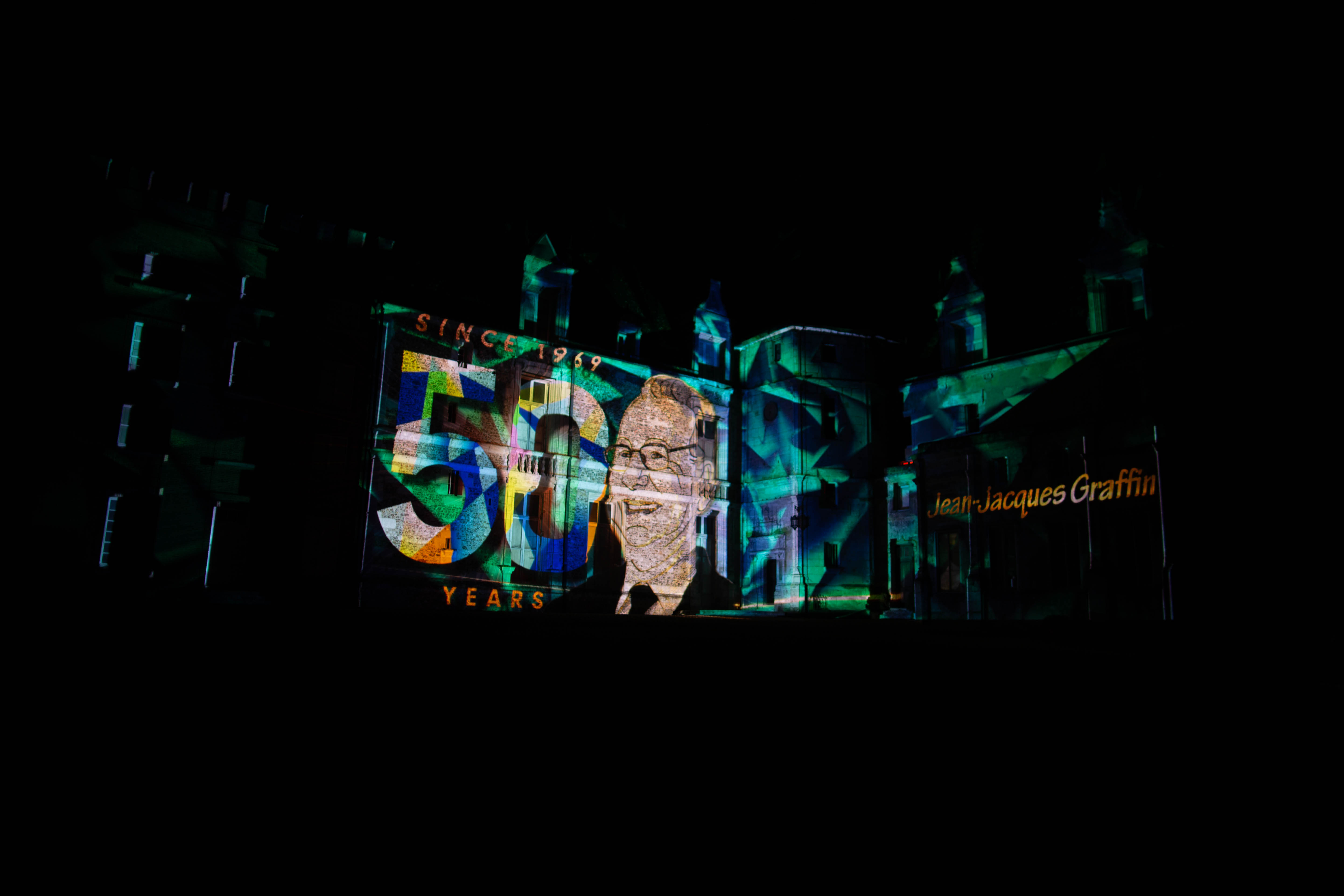
Grand Opening organisation in Spain with executive-grade control
INNOV'events is an event agency specialised in Grand Opening delivery for corporate sites, flagships, offices, industrial facilities and retail networks across Spain. From 50 to 2,000+ guests, we manage the full chain: concept, permits, production, talent, AV, security, catering, RSVP and on-site operations. You get one accountable team, clear timelines, and a plan built for brand exposure without operational risk.
Table of contents
A Grand Opening is not “a party”: it is a controlled public statement that your company is ready—commercially, operationally and reputationally. Executives use it to accelerate market entry, reassure stakeholders, and convert attention into sales pipeline, recruitment, or partner commitments.
Organisations typically expect three things at once: flawless logistics, a brand-consistent narrative, and measurable outcomes (attendance rate, media coverage, partner attendance, sales leads). They also expect zero disruption to business continuity—especially when the opening happens inside a working store, office or plant.
We operate in Madrid, Barcelona, Valencia, Seville and Málaga with local supplier networks and permit know-how. Our teams are built around real corporate constraints: legal approvals, procurement rules, HSE requirements, VIP protocols and last-minute changes from leadership.
Operational credibility you can verify
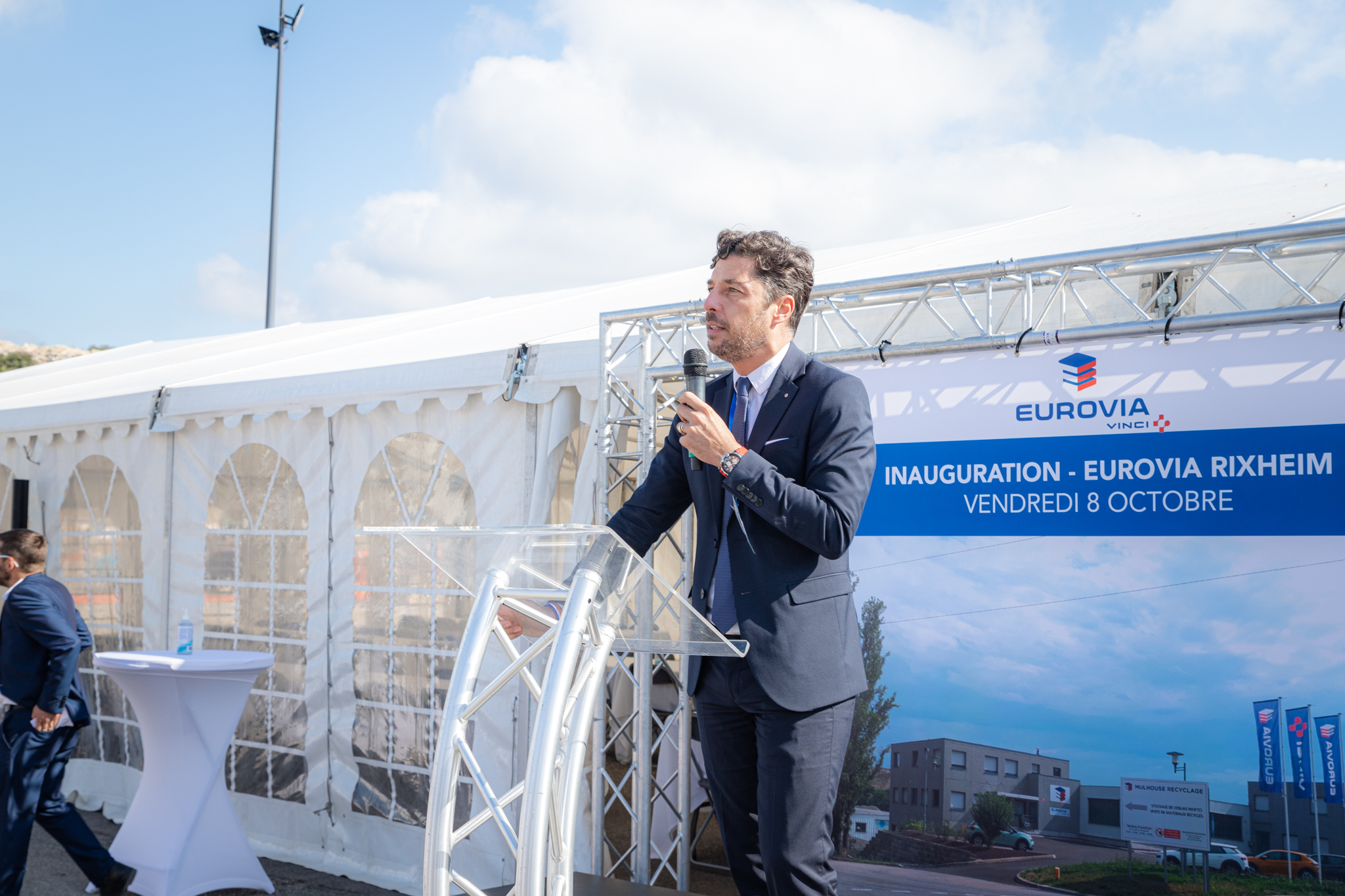
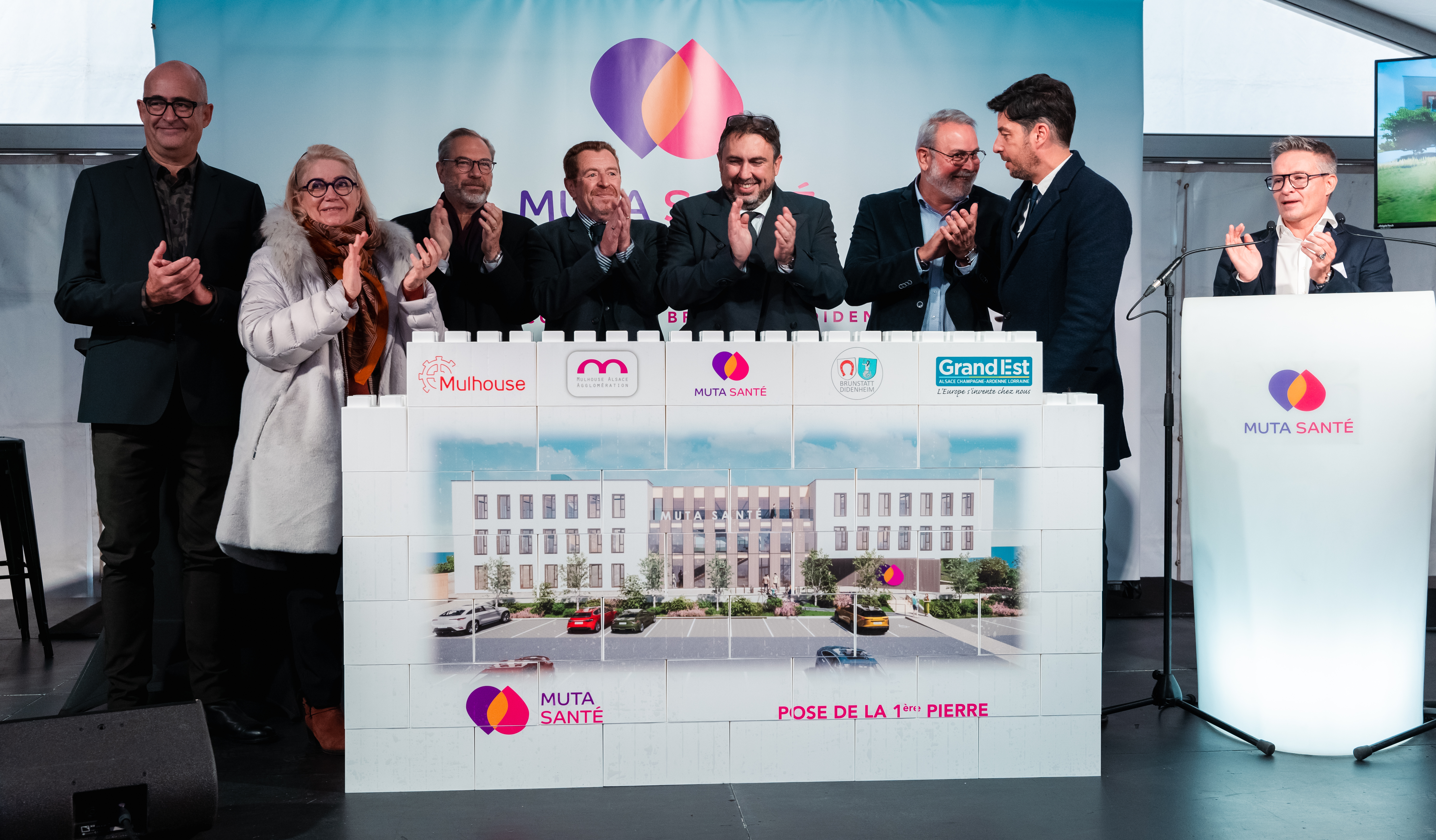
5 key Spanish hubs covered: Madrid, Barcelona, Valencia, Seville, Málaga—plus national delivery through our partner network when you open multiple locations.
50 to 2,000+ participants managed, including mixed audiences (employees + partners + press + public) with separate flows and access control.
End-to-end delivery: from the first site walk-through to show-calling, security, and post-event reporting—one accountable event management company.
Multi-stakeholder governance: we routinely coordinate CEO/GM agendas, HR constraints, Facilities, Legal/Compliance, Communications, and Retail/Operations under one master schedule.
How to organize a professional event ?
- Define the objective (cohesion, announcement, fidelity, performance).
- Set date, format and size (20–1 000 people).
- Secure the venue and accommodation according to seasonality.
- Lock down technical, suppliers and logistics.
- Drive the day J (timing, scene, entrance, flow).
We send you a first proposal within 24h.
Why organise a business Grand Opening in Spain now?
A business grand opening is a leverage moment because it concentrates attention. You have a short time window where stakeholders are predisposed to listen: employees want clarity, partners want confidence, media wants a story, and local authorities want reassurance that you will operate responsibly. When structured correctly, this is one of the fastest ways to turn a physical location into a brand asset.
We often see companies underestimate the managerial value of the opening. Executives focus on speeches and visuals, but the real impact comes from stakeholder segmentation, the right sequence of moments (internal first, external after, or the opposite), and operational discipline that protects the day-to-day business.
Accelerate commercial traction: convert guests into leads with a pre-defined journey (registration questions, guided tours, demos, QR lead capture, follow-up scripts) rather than hoping “people will talk”.
Control the narrative of a new site: communicate why you opened here, what it changes for customers, and what commitments you make locally (jobs, sustainability, service levels). This is especially relevant for openings in city centres such as Madrid or Barcelona, where community sensitivity can be high.
Strengthen employer brand and retention: combine the official opening ceremony with internal recognition (team awards, manager spotlights, safety milestones). HR teams use this to reduce early churn after rapid hiring waves.
De-risk VIP and protocol moments: when mayors, industry associations, or C-level leaders attend, the event becomes a protocol exercise. We plan arrival windows, photo moments, speaking order, security perimeters and press handling so the leadership experience remains smooth and controlled.
Align cross-functional teams: the opening forces Operations, Sales, HR, Facilities and Communications to agree on what “ready” looks like. A structured event plan becomes a readiness checklist: signage, customer journey, staffing, safety, IT and contingency.
Increase partner and investor confidence: for industrial sites, offices or innovation hubs, the opening is a credibility signal. A well-run tour with real data (capacity, quality controls, ESG actions) is more convincing than a slide deck.
Generate measurable media and social proof: communications teams can secure press attendance, controlled interview points, media kits, and embargoed announcements to avoid uncontrolled messaging.
In Spain, opening events are also closely linked to local economic culture: relationships matter, and in-person trust is built quickly when the experience is organised with rigor. Done properly, the opening can reduce friction with local stakeholders and speed up your first months of operation.
Which activities work for a store inauguration event or corporate site opening?
Activities are not decoration; they are tools to guide attention, create interaction, and support the message of your opening. The right choice depends on your audience mix, brand tone, and operational constraints (noise limits, footfall, privacy). We design activities to serve a purpose: lead generation, product education, community acceptance, employee pride, or media capture.
Interactive animations
Guided micro-tours with expert hosts: 8–12 people per group, scripted stops, timed rotations. Ideal for offices, innovation hubs and industrial sites where you need to explain value quickly and protect sensitive zones.
Product or service demo stations: designed like operational counters (queue logic, scripts, sanitisation plan if needed). We integrate lead capture via QR forms and assign staff roles to avoid “idle stands”.
Executive Q&A corner: a controlled 15-minute slot for partners or key clients with a moderator and pre-screened questions—useful when communications teams want transparency without risk.
Community window: for openings in residential areas (e.g., Valencia or Málaga), a short “meet the manager” moment with clear messaging around operating hours, delivery management and local hiring can reduce friction.
Art animations
Live music with acoustic control: curated to match brand positioning and venue constraints. We manage sound checks, noise restrictions, and transition cues so speeches remain audible.
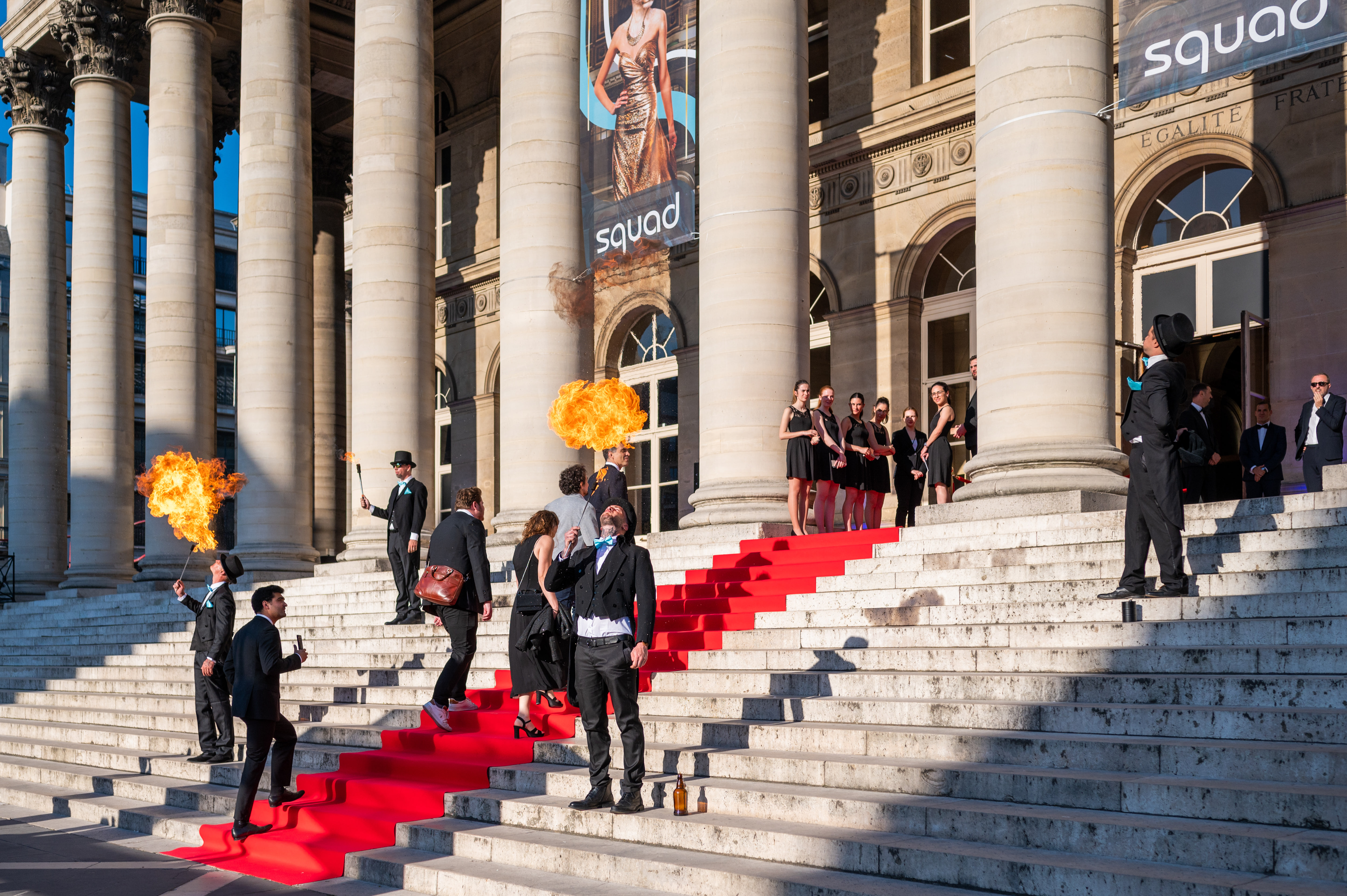
Brand-led performance moments: short-format acts (5–8 minutes) that create a media-friendly capture point without turning the event into entertainment-first. Suitable for flagship openings in Barcelona or Madrid.
Visual craft demonstrations: relevant for premium retail or design brands; the “making of” becomes content and supports storytelling.
Innovative animations
Service formats aligned to footfall: passed canapés for cocktail formats, chef stations for longer dwell time, or pre-packed premium options when speed and hygiene are priorities.
Non-alcoholic excellence: high-quality mocktail bars and coffee concepts are increasingly expected at corporate openings where compliance and inclusivity matter.
Timed tasting moments: short, scheduled tastings help structure the flow and can be paired with a product reveal or speech.
Gourmand animations
Real-time content capture: a dedicated content team capturing executives, partners, and product moments with pre-defined shot lists for LinkedIn and press kits. This avoids the common issue of “we had a photographer but missed the key moments”.
Digital RSVP and smart check-in: segmentation by audience type (VIP, staff, press, public), automated reminders, and on-site scanning to track attendance rate and peak arrival times.
Interactive storytelling screens: not a generic slideshow—structured narratives (timeline, impact metrics, project milestones) that help guests understand the investment behind the opening.
Consistency is decisive: activities must reinforce your positioning. A luxury flagship in Madrid requires different pacing and talent than an industrial facility opening near Seville. We validate every idea against brand guidelines, operational constraints, and stakeholder expectations before it enters the plan.
How to choose the right venue and format in Madrid, Barcelona, Valencia, Seville or Málaga
Your opening format should start with the site reality: Is the location already operational? Are you opening a store, office, showroom, plant or logistics hub? Can you host inside, or do you need an external venue for the ceremony and keep the site for tours only?
We typically recommend one of three setups: (1) on-site ceremony + on-site experience, (2) nearby venue for speeches + controlled site tours, or (3) split events (internal first, external later) when operational readiness or confidentiality requires it. Below is a practical decision guide we use with executives and communication teams.
Format: On-site opening (store/office)
Best when: the site is camera-ready and you want immediacy.
Operational requirements: zoned access, sound limits, separate staff lanes, security at entrances.
Typical challenge: balancing trading activity with VIP flow.
Good fit cities: Madrid and Barcelona for flagship visibility; Málaga and Valencia for community-friendly openings.
Format: Nearby venue + site tour
Best when: speeches need comfort, acoustics and seating; site is tight or sensitive.
Operational requirements: shuttles or walking routes, timed groups, insurance coverage across locations.
Typical challenge: time discipline to keep tours on schedule.
Good fit cities: Barcelona and Madrid (traffic planning), Seville (historic areas with access constraints).
Format: Hybrid internal/external sequence
Best when: you need employee alignment first or when external messaging must be staged.
Operational requirements: two invitation strategies, separate content, different security levels.
Typical challenge: ensuring both events feel equally “official” without doubling cost unnecessarily.
Good fit cities: all—especially when multiple stakeholders must be satisfied.
Format: Public-facing activation day (retail/network rollouts)
Best when: lead generation and footfall are core objectives.
Operational requirements: local permits, crowd management, brand ambassadors, queue control, point-of-sale readiness.
Typical challenge: preventing operational overload on opening day.
Good fit cities: Valencia and Málaga (outdoor-friendly), Madrid and Barcelona (higher permit scrutiny and crowd control needs).
We start with a site visit and a constraints map (access, loading, noise, neighbours, power, brand visibility points). From there, we propose the most efficient format for your objectives, with a plan that protects your teams and your image.
Grand Opening budget: what drives cost and what you can control
Pricing for a Grand Opening depends on format, guest count, technical needs, and risk level. A high-visibility official opening ceremony in central Madrid is not costed like a controlled partner opening in an industrial zone near Valencia. We work with corporate procurement constraints and provide transparent budget structures: clear production lines, options, and cost drivers.
To help decision-makers plan, we usually build budgets in three layers: (1) non-negotiables (safety, permits, core AV), (2) brand-critical elements (scenography, signage, content capture), and (3) optional enhancements (talent, extra activations). This prevents over-spending on “nice-to-haves” while under-funding operations.
Guest volume and segmentation: 80 VIPs seated is different from 600 mixed guests in cocktail format. Segmentation adds needs (separate entry, staff, signage, security).
Venue vs. on-site constraints: bringing AV, staging and catering into a working site can increase labour and logistics. External venues add rental but can reduce technical complexity.
Technical production: sound intelligibility, lighting for video/photography, screens, streaming, translation if needed. Under-specifying AV is one of the most expensive mistakes because it damages leadership messaging.
Catering format and service speed: seated, cocktail, stations, or mixed. Service ratios and timing drive staffing and equipment.
Security and crowd management: required when you have VIPs, press, public access, or high footfall. This includes bag checks, perimeter staff, and incident response procedures.
Permits and compliance: local authorisations, noise restrictions, street occupancy where applicable, insurance coverage, and documentation required by venues or municipalities.
Branding and signage: from basic wayfinding to full scenography. We often recommend investing in clear, functional signage first (guest flow + brand consistency) before costly decorative builds.
Content and PR support: photographer/videographer teams, media wall, press kits, interview corner, and social-first edit turnaround (often same-day or within 48 hours).
Timing and lead time: short deadlines increase costs due to rush fees, limited supplier choice and additional coordination effort.
Return on investment is easiest to defend when measurement is designed upfront: expected attendance rate, number of partner meetings secured, leads captured, press outputs, and internal engagement. We set tracking methods before the event so your post-event report supports decisions, not just memories.












Examples of Grand Opening projects we deliver in Spain
We deliver openings across different corporate realities, from retail flagships to B2B facilities. While the format changes, our core approach remains the same: clarify objectives, map constraints, design a controlled guest journey, and execute with rehearsed operations.
Retail flagship opening in Madrid: mixed audience (VIP clients, press, partners, public). We created separate invitation tiers, implemented timed arrivals to protect the store experience, and built a media-friendly moment without blocking customer flow. The operational focus was queue management, sound discipline, and fast escalation paths for store management.
Office relocation opening in Barcelona: internal-first sequence to align employees, followed by an external partner evening. We designed two different run-of-shows: one emphasising leadership alignment and culture, the other focusing on client reassurance and capabilities. The key constraint was ensuring IT and workplace services stayed stable while guests toured the space.
Industrial site inauguration near Valencia: controlled tours with HSE compliance, PPE management, and strict route design. We coordinated technical briefings with short executive messaging and planned a press corner with pre-approved facts and visuals. The operational priority was safety, confidentiality and timing discipline.
Regional hub opening in Seville: community-sensitive messaging, local stakeholder invitations, and a short protocol segment. We planned parking and access to avoid neighbourhood disruption, and we prepared spokespersons for questions around hiring and local impact.
Showroom launch in Málaga: lead-generation focus with demo stations and pre-scheduled partner appointments. We built a registration flow that captured qualification data and supported the sales team’s follow-up within 24–72 hours.
Common Grand Opening risks we prevent for corporate teams
Overloading the agenda: too many speeches, unclear transitions, and no time buffers. We keep speaking blocks short, rehearse cues, and protect the critical moments.
Inviting “everyone” without segmentation: mixed audiences require different routes, access levels and messaging. We design invitation tiers, time slots and zones.
Underestimating check-in and arrival peaks: long queues at the entrance immediately damage brand perception. We size staffing, define arrival windows, and deploy scanning tools.
Weak AV planning: poor sound, bad lighting for cameras, or screens placed where half the room cannot see. We specify production based on the venue and the content, not on generic packages.
Permits and neighbour constraints ignored: noise restrictions, street occupancy rules, loading limits or local schedules can derail the day. We confirm constraints early and build the plan around them.
No contingency plan: weather, supplier delays, leadership running late, or technical failure. We create Plan B scenarios and assign an escalation chain.
Unclear responsibilities on site: when internal teams and vendors do not know who decides what, small issues grow. We run a show-calling structure with clear roles.
No measurement: without tracking attendance, leads or media outputs, the event becomes hard to justify. We define KPIs and implement simple measurement tools.
Our role is to anticipate these risks before they become visible. A Grand Opening should feel effortless to guests, while being tightly managed behind the scenes.
Why corporate clients stay with INNOV'events for multiple openings
Repeat business is rarely about “creativity”; it is about reliability under pressure. Clients come back when they feel their brand is protected, their internal workload is reduced, and the event outcomes are measurable. We earn loyalty by documenting, standardising and improving each opening so the next one is faster to approve and easier to deliver.
When a company is rolling out multiple locations, consistency becomes a leadership concern: the CEO and Communications team need the same level of control in Barcelona as in Madrid, and the same guest experience in Valencia as in Málaga. We maintain playbooks (branding rules, run-of-show templates, supplier standards, safety checklists) and adapt locally without restarting from zero.
Multi-city scalability: the same governance model can be deployed in Madrid, Barcelona, Valencia, Seville and Málaga with local adjustments.
Operational documentation: shared run-of-show, contact trees, and checklists that reduce internal meeting load and approval cycles.
Post-event debrief discipline: what worked, what failed, and what changes for the next opening—captured and actioned, not just discussed.

Loyalty is the most practical proof of quality in event delivery: teams return when the agency consistently performs under real corporate constraints.
Our Grand Opening delivery process (from first brief to post-event report)
👉 Step 1: Decision-maker brief and success criteria
We start with a structured call with the sponsor (country director, GM, HR, Communications) to define: primary audience, business objectives, must-have messages, non-negotiables (brand, compliance, safety), and what would be considered a failure. We also confirm stakeholder list and approval chain to avoid late surprises.
👉 Step 2: Site visit and constraints mapping
We perform a site walk-through (or venue recce) to map access points, loading, power, acoustics, capacities, neighbour sensitivities, and operational zones. For a store inauguration event, we also review trading constraints and customer flow. For industrial or logistics sites, we integrate HSE rules, PPE needs and restricted areas.
👉 Step 3: Concept, format and run-of-show design
We propose 1–2 formats with practical implications: guest journey, speaking sequence, tours, and activation points. We build a detailed run-of-show including timings, cues, responsibilities and contingency buffers. Communications receives a message map and content requirements (screens, scripts, talking points).
👉 Step 4: Budget build with options and trade-offs
We present a transparent budget with line items, alternatives and “value levers” (what changes cost most, and where you can optimise without degrading outcomes). We align early on technical production needs, security levels, and service formats so procurement and leadership can approve with confidence.
👉 Step 5: Supplier sourcing, permits and production planning
We source and contract suppliers, manage permit coordination where applicable, and produce technical documents: floor plans, production schedule, staffing plan, signage plan, and safety documentation required by venues or corporate standards. We coordinate with Facilities and Security to ensure compliance.
👉 Step 6: RSVP management and guest communications
We deploy RSVP tools, segmentation, reminder cadence and guest support. We can include registration questions to support seating plans, dietary needs, and lead qualification. For VIPs and press, we implement dedicated contact points and tailored arrival instructions.
👉 Step 7: Rehearsal and final readiness check
We run a technical rehearsal when relevant (especially for speeches, reveal moments and press segments). We validate timings, sound, lighting, and transitions. We also run a readiness checklist with internal teams to confirm the site is “camera-ready” and operationally safe.
👉 Step 8: On-site execution and show-calling
On the day, our producer runs show-calling, supplier coordination, guest flow and escalation. We manage VIP handling, press moments, and timing discipline. After close, we supervise breakdown and ensure the site is returned as agreed, with minimal disruption to next-day operations.
👉 Step 9: Post-event reporting and follow-up support
We deliver a post-event recap: attendance vs. RSVPs, peak arrival times, content deliverables, media outputs if applicable, and operational learnings. If lead capture is included, we provide structured outputs for Sales/CRM follow-up within agreed timelines.
FAQ sobre la organización Grand Opening
How far in advance should we plan a Grand Opening in Madrid or Barcelona?
Plan for 6–10 weeks for a standard corporate opening (100–400 guests) and 10–16 weeks if you need permits, significant technical production, or press coordination. It can be done faster, but costs and risk increase due to limited supplier availability and reduced rehearsal time.
What is a realistic attendance rate for an official opening ceremony?
For invited corporate audiences, typical attendance is 60–80% depending on lead time, reminder cadence and audience type. VIP/partner segments can reach 75–90% when invitations are personal and time slots are managed. Public-facing openings require different metrics (footfall, conversion, lead capture) rather than RSVP attendance.
Do we need permits for a store inauguration event in Spain?
It depends on the setup. If you use public space (street occupancy), amplified sound outdoors, large signage, or crowd-control barriers, permits may apply. Venue rules can also require specific documentation (insurance, safety plans). We confirm requirements during the site visit and build the compliance plan accordingly.
How do you manage VIP, press and public guests at the same Grand Opening?
We separate the experience by time (staggered arrivals), space (zones and access levels), and service (dedicated hosts, holding areas, and controlled interview points). This avoids the common failure mode where VIPs wait at the entrance or press blocks operational areas.
What budget range should we expect for Grand Opening organisation?
Budgets vary widely by scope. As a working range, a corporate opening with professional AV, catering and staffing often starts around €20,000–€40,000 for smaller formats (approx. 80–150 guests) and can reach €60,000–€150,000+ for high-visibility openings (300–1,000+ guests), complex production, security, content teams and multiple zones. We provide options so you can prioritise what truly drives impact and risk reduction.
Request your presupuesto gratuito for a Grand Opening in Spain
If you are planning a Grand Opening in Madrid, Barcelona, Valencia, Seville or Málaga, we recommend locking the format and key suppliers early—especially AV, venue (if external), security and catering. Share your date window, site type, estimated guest mix and business objectives, and we will revert with a structured proposal: format recommendations, a realistic timeline, and a transparent budget with options.
Contact INNOV'events to request your presupuesto gratuito and a first operational review of your opening constraints (guest flow, permits, technical needs and risk points). We will tell you what is feasible, what needs decision, and what should be avoided—so your leadership team can approve with confidence.