
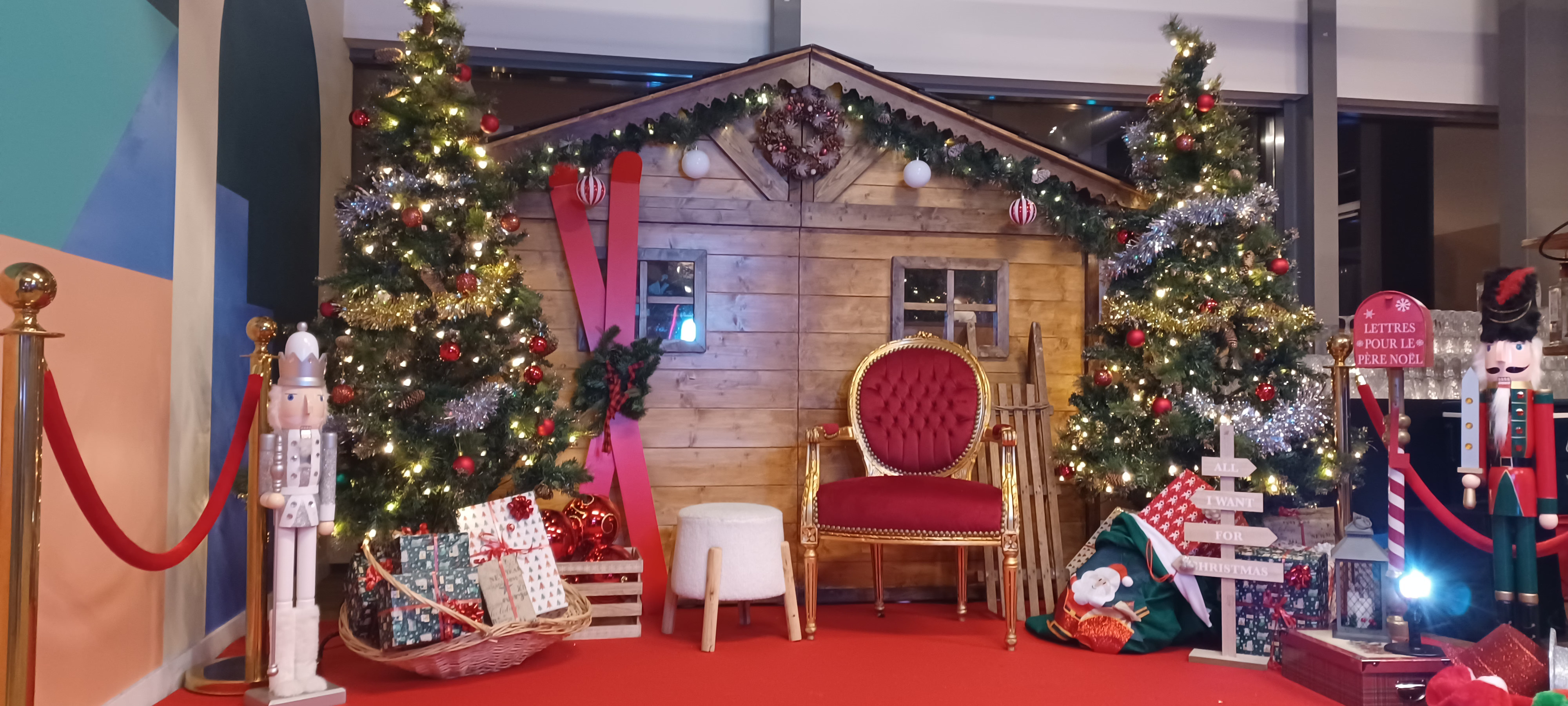
Corporate Christmas party in Spain that supports culture, retention and brand
INNOV'events is an event management company delivering professional Corporate Christmas party organisation across Madrid, Barcelona, Valencia, Seville and Málaga.
We manage events from 30 to 2,000+ guests, including venue sourcing, catering, entertainment, technical production, transport, security and on-site operations.
Our focus is simple: protect your brand, your people’s experience and your leadership team’s time—while keeping full control of budget and risk.
Table of contents
A Corporate Christmas party is not “just a celebration”: it is one of the rare moments where leadership can reinforce culture, recognise performance and close the year on a clear narrative—especially after a demanding Q4.
HR and Comms teams typically need three things at once: high attendance, zero operational issues, and an experience aligned with company values (inclusion, safety, brand consistency) without overspending.
INNOV'events brings field-tested execution in Spain: venue negotiation, supplier control, run-of-show discipline and contingency planning so your teams can host confidently in any of the major business hubs.
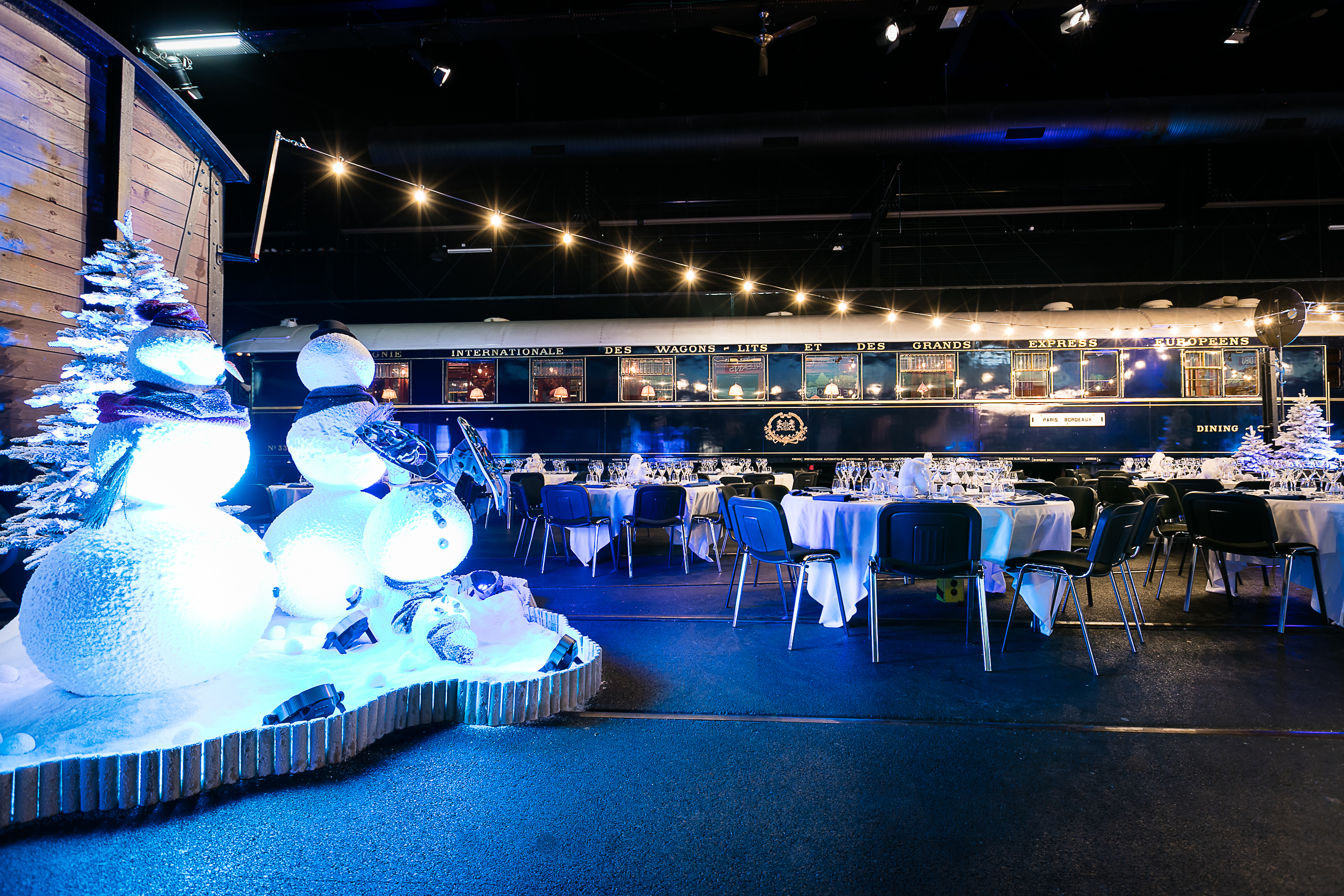
Operational credibility in numbers
5 key hubs in Spain covered with on-the-ground supplier networks: Madrid, Barcelona, Valencia, Seville and Málaga.
30 to 2,000+ participants managed for year-end events, from executive dinners to multi-site celebrations.
24/7 event-day supervision with a named production lead, incident log, and escalation plan shared in advance.
Single point of contact for venue, catering, AV, entertainment and transport, reducing internal coordination time and approval loops.
How to organize a professional event ?
- Define the objective (cohesion, announcement, fidelity, performance).
- Set date, format and size (20–1 000 people).
- Secure the venue and accommodation according to seasonality.
- Lock down technical, suppliers and logistics.
- Drive the day J (timing, scene, entrance, flow).
We send you a first proposal within 24h.
Why invest in a company Christmas party when budgets are tight?
Most leadership teams in Spain face the same year-end equation: high workload, talent retention pressure and the need to close the year with clarity. A well-structured Corporate Christmas party is one of the few initiatives that can deliver cultural impact in a single evening—if it is designed with intent, not as a routine tradition.
When the format is right, you can reinforce employer brand, reduce internal friction after a busy year, and bring visibility to teams that usually sit outside the spotlight (operations, customer service, logistics, shared services).
Retention and engagement: year-end events can reduce “silent churn” by restoring connection between teams and leaders, especially in hybrid environments where people have fewer informal touchpoints.
Recognition that feels credible: structured recognition moments (short, specific, consistent) land better than long speeches. We help create a format that avoids awkwardness while still feeling personal.
Cross-team cohesion: by designing seating, activities and timing, you can avoid the classic pattern where departments stay in silos and new joiners feel isolated.
Employer brand in practice: inclusion and accessibility are tested in real life—dietary needs, mobility, alcohol policies, safe transport, respectful entertainment. A well-run event proves your values.
Leadership visibility without overload: executives can be present, deliver a short message, and spend time with people—without being dragged into operational decisions or last-minute supplier issues.
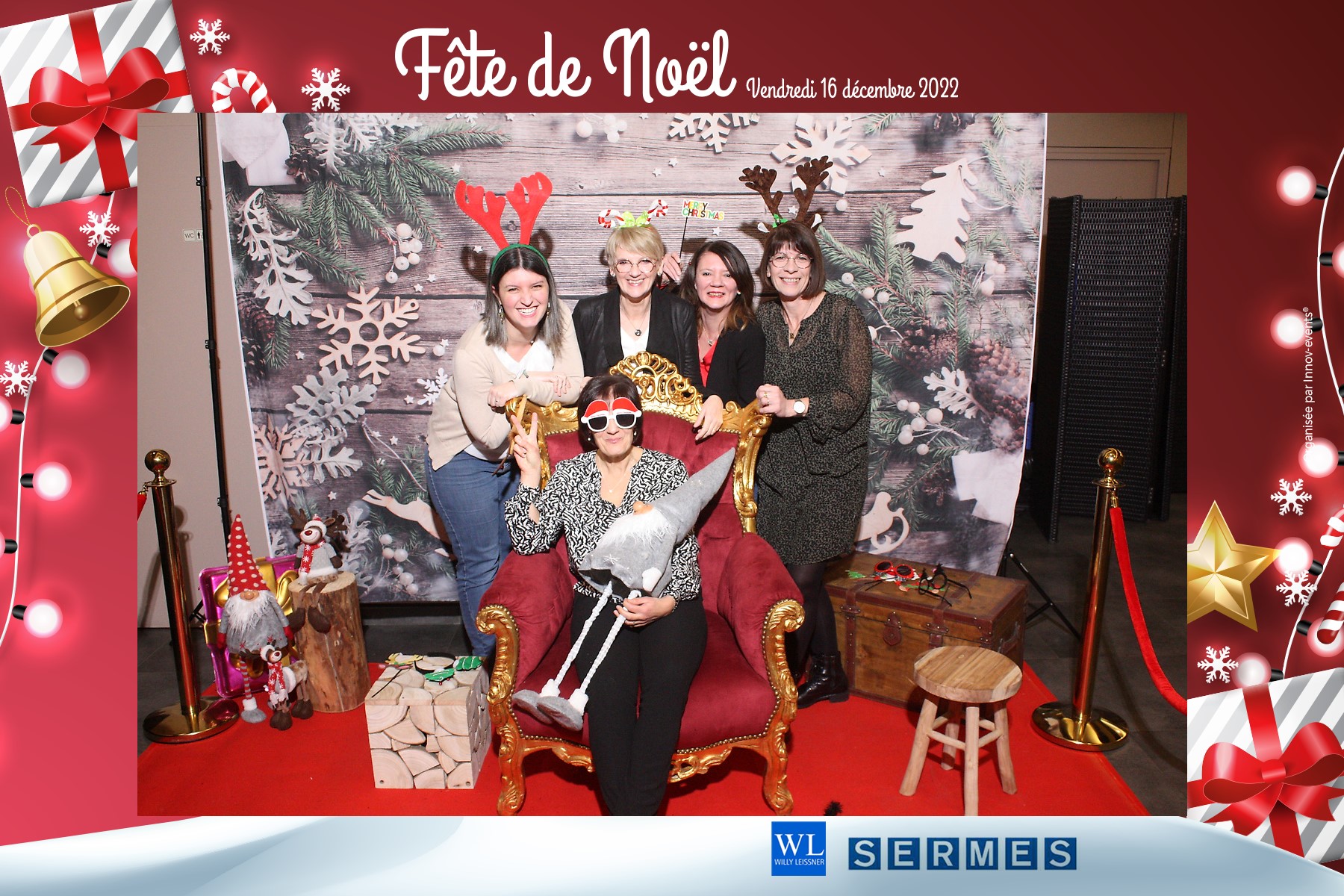
Internal communications leverage: planned content moments (photo zones, branded backdrops, controlled lighting, short interviews) create usable assets for internal channels without turning the event into a marketing set.
In many Spanish organisations, the year-end celebration is part of economic culture: it signals stability, appreciation and direction. Done professionally, it is a high-impact management tool—not a cost line that disappears the next day.
Corporate holiday party animation ideas that work for real teams
Entertainment should solve a business problem: increase participation, create shared talking points, and keep energy stable across the evening. The wrong entertainment creates discomfort (too loud, too long, culturally off-brand) or divides the room. We design corporate holiday party animation around your audience profile and the venue’s technical reality.
Interactive animations
Team-based light challenges: short formats (10–15 minutes) between courses or during cocktail time—designed so people can join without feeling put on the spot. Useful when you want cross-department mixing.
Guided networking prompts: small “conversation stations” with structured questions that fit corporate culture. Effective for companies with many new hires or international staff based in Madrid or Barcelona.
Photo and content zones with governance: well-lit photo corner, optional badges/props aligned with brand tone, and clear guidance on internal vs external sharing. This avoids the typical uncontrolled phone chaos while still creating memories.
Art animations
Live music with controlled volume: jazz trio during cocktail, transitioning to a party band or DJ later. We schedule sound checks and align stage placement so speeches remain intelligible.
Short-format stage moments: a 12–18 minute performance works better than a 45-minute show for mixed corporate audiences. It respects attention spans and keeps the evening moving.
Branded projection or light design: subtle visual identity on walls or screens can elevate the space without turning it into a product launch. Particularly effective in large venues in Valencia or Barcelona.
Innovative animations
Chef stations to reduce queueing: live carving, dessert assembly, or regional tasting points distribute guests and reduce bottlenecks at buffets.
Inclusive menu engineering: clear allergen labelling, substantial non-alcoholic options, and vegetarian/vegan choices that feel like main options rather than afterthoughts.
Late-night snack strategy: a small second service (90–120 minutes after dinner) reduces early drop-off and supports responsible alcohol consumption.
Gourmand animations
Data-light gamification: QR-based participation with minimal personal data collection. Good for companies with strict compliance and privacy expectations.
Micro-experiences in zones: instead of one central stage, we create 3–4 “zones” (music, tasting, interactive corner, calm lounge) so introverts and extroverts both enjoy the evening.
Hybrid recognition elements: short video messages from remote teams, displayed in a controlled sequence. Works for companies with multi-city presence across Spain.
Consistency matters: entertainment must match your brand image and internal culture. A conservative finance team in Madrid will not respond to the same format as a creative studio in Barcelona. We help you choose options that feel natural for your people and safe for your reputation.
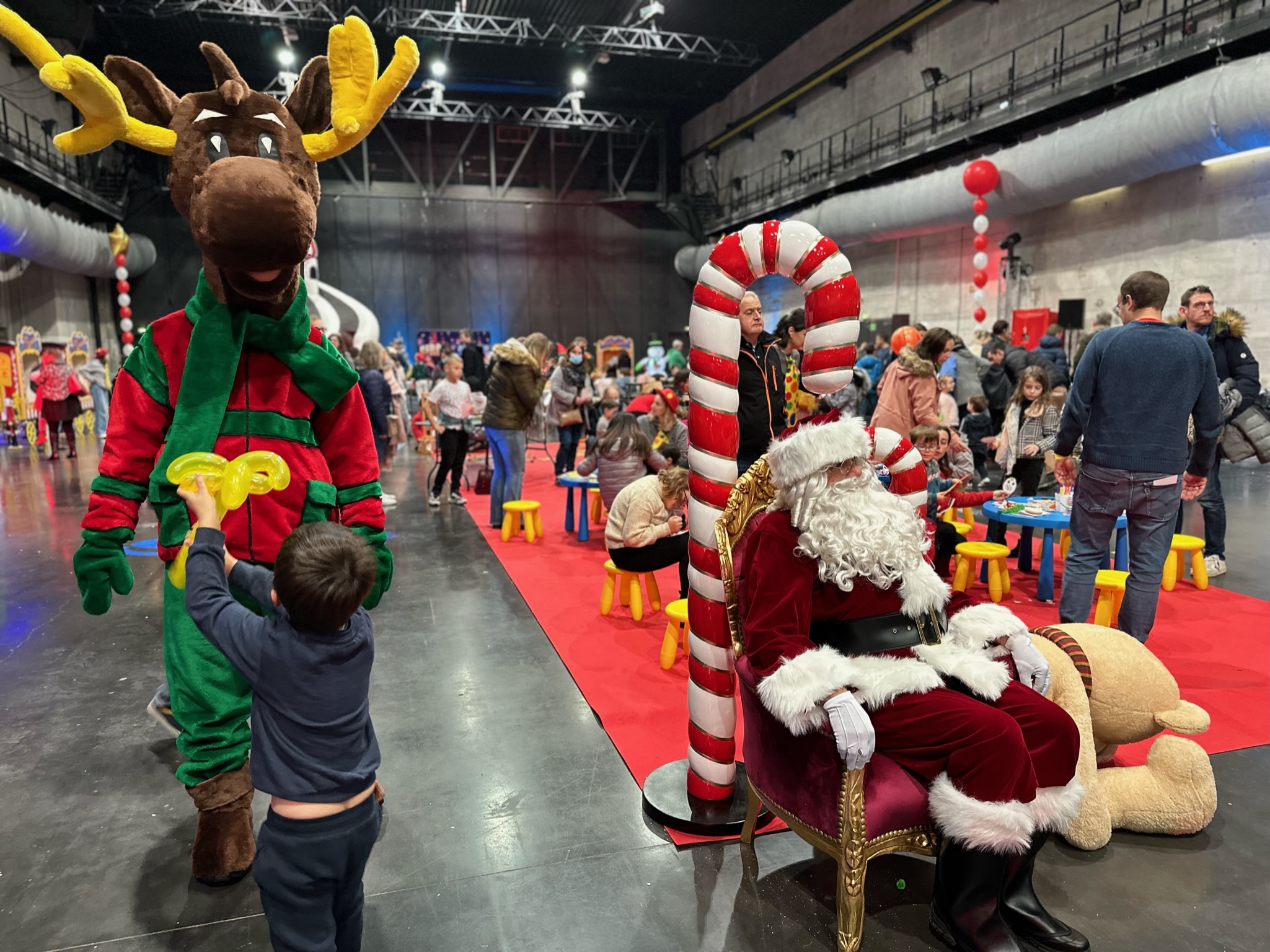

How to choose a venue for a business Christmas party event in Spain
Venue choice is where most year-end events win or lose. In Spain, December calendars fill quickly, and venues may impose strict timing, noise limits, or supplier exclusivity. We shortlist venues based on operational fit: guest flow, acoustics, accessibility, transport and the real cost of “mandatory extras”.
Below are typical venue categories we use across Madrid, Barcelona, Valencia, Seville and Málaga, with practical considerations to support executive decision-making.
Hotel ballroom (Madrid, Barcelona, Valencia)
Best for: 150–800 guests, formal dinners, strong logistics.
Watch-outs: package rigidity, branding restrictions, hidden costs for AV upgrades, limited party extensions.
Rooftop or terrace venue (Málaga, Barcelona, Madrid)
Best for: cocktails, leadership drinks, modern atmosphere.
Watch-outs: weather contingency, sound limits, neighbour constraints, coat check capacity.
Industrial or warehouse-style event space (Barcelona, Madrid, Valencia)
Best for: high production value, zones, strong brand staging.
Watch-outs: additional costs for heating, power distribution, flooring, and more complex load-in/out.
Restaurant buyout (Seville, Valencia, Madrid)
Best for: 30–180 guests, executive dinners, high food quality.
Watch-outs: limited AV, speeches competing with service, tight layouts that reduce networking.
Cultural venue or private hall (Seville, Madrid)
Best for: prestige, structured programme, awards moments.
Watch-outs: strict rules on catering, security, timing, and limited flexibility for party formats.
We always validate the venue against your priorities: arrival experience, speech intelligibility, comfort (temperature and seating), and how people leave at the end. These details determine whether your leadership team is remembered for hosting well—or for an evening that felt disorganised.
Corporate Christmas party cost in Spain: what drives the budget?
The cost of a Corporate Christmas party depends on format, city, date, and production level. Prices move significantly between early December peak dates and less competitive weekdays. We build budgets transparently, separating fixed costs (venue, production) from variable costs (F&B per person) so Finance and HR can make informed trade-offs.
As a practical benchmark for Spain, many corporate events land between €90 and €250 per person all-in, depending on expectations. Executive dinners can be higher per head; large-scale parties can reduce per-head cost but increase fixed production.
Date and demand: Thursdays and Fridays in mid-December are premium. Earlier dates or midweek can reduce venue and supplier rates.
City pricing: Madrid and Barcelona generally carry higher venue and technical production costs than Seville, Valencia or Málaga, especially for late-night events.
Food and beverage model: plated dinner vs cocktail; open bar duration; premium vs standard spirits; inclusion of non-alcoholic options and coffee service.
Technical production: sound, lighting, stage, screens, microphones, operator hours, rehearsal time. Under-budgeting AV is a common reason for last-minute stress.
Entertainment and talent: DJ vs live band; short show vs headline act; licensing requirements; backstage needs.
Staffing and control: host/MC, registration staff, cloakroom, security, floor managers, runners. Staffing protects flow and brand perception.
Branding and content capture: photo/video, backdrop printing, lighting for content, editing scope for internal comms.
Transport and duty of care: shuttle buses, taxi agreements, accessibility needs, safe transport communications.
Return on investment is measured in operational terms: higher attendance, fewer incidents, stronger internal feedback, and reduced leadership time spent on execution. A controlled budget is not the cheapest event; it is the event where spend directly supports your objectives and eliminates avoidable risk.













Examples of Corporate Christmas party formats we deliver in Spain
Our year-end projects range from high-level executive dinners to large employee celebrations and multi-office formats. The common thread is operational discipline: clear decisions, controlled suppliers, and a guest experience designed for mixed audiences.
Example 1: 450-guest end-of-year party in Madrid (mixed workforce)
Challenge: broad seniority mix, strong expectation for leadership visibility, and a tight timing window after office hours. Solution: structured arrival with high-capacity cloakroom, cocktail networking zone, 8-minute leadership message with proper audio coverage, followed by a staged transition into dinner and a DJ set. We redesigned bar placement to remove queueing and added a late-night snack to support comfort and responsible consumption.
Example 2: 120-guest executive and managers dinner in Barcelona (international group)
Challenge: multilingual group, strict brand positioning, and low tolerance for “forced fun”. Solution: restaurant buyout with discreet branding, short moderated recognition moments, and a calm lounge setup for business conversations. We implemented a pre-approved run-of-show so executives could focus on hosting rather than timing.
Example 3: 800-guest celebration in Valencia (high production, multi-zone)
Challenge: maintain energy without losing control of flow. Solution: three zones (live music, tasting stations, lounge) and a central stage for a short show. Technical production focused on clear audio and safe cabling; staffing was increased at key pinch points (registration, bars) to keep the experience smooth.
Example 4: 250-guest company holiday party in Seville (strong cultural tone)
Challenge: deliver an elegant evening while respecting venue constraints. Solution: careful schedule management, sound-level compliance, and entertainment that supported the audience profile. We ensured accessibility and clear dietary labelling to align with HR commitments.
Example 5: 300-guest coastal event in Málaga (semi-outdoor)
Challenge: weather and temperature risk in the evening. Solution: confirmed indoor fallback, heating plan, and a layout that preserved atmosphere without relying on outdoor comfort.
Common mistakes in business Christmas party event planning (and how we prevent them)
Booking the venue before defining flow: a beautiful space can fail due to bottlenecks at registration, bars or toilets. We map guest flow early and validate capacity realistically.
Underestimating AV and speech intelligibility: executives remember when nobody can hear. We specify microphones, speaker placement and operator time, and we schedule sound checks.
No governance on alcohol and duty of care: reputational risk increases when there is no clear policy or transport guidance. We implement practical safeguards aligned with HR guidelines.
Over-programming the evening: long speeches and too many stage moments reduce energy. We keep key moments short, well-timed and rehearsed.
Ignoring inclusion details: dietary needs, accessibility and non-drinker experience are often handled late. We design them from the start so no one feels like an exception.
Last-minute supplier chaos: unclear responsibilities lead to late starts and cost overruns. We use a single master schedule, technical specs, and on-site command structure.
Our role is to remove these risks before they become event-day problems. That is what clients pay for: predictability, control, and a professional hosting experience.
Why clients renew their Corporate Christmas party with the same partner
When a company reappoints the same partner for year-end celebrations, it is usually because internal teams want fewer approvals, less supplier management and a predictable result. Loyalty is earned through operational consistency, not through changing themes every year.
We build long-term relationships by documenting what happened, measuring what mattered, and improving the format without forcing unnecessary reinvention.
Year-on-year optimisation: shorter decision cycles because we keep your venue preferences, brand constraints, and stakeholder expectations documented.
Lower operational noise: fewer last-minute escalations thanks to established supplier playbooks and clearer governance.
More reliable budgeting: better forecasting because we understand your attendance behaviour and the real cost drivers for your preferred format.

Repeat collaboration is the clearest indicator of quality in corporate events: it means the event delivered value internally, and the process respected leadership time.
Our Corporate Christmas party organisation process in Spain
👉 Step 1: Brief alignment and non-negotiables
We run a structured briefing with HR, Comms and an executive sponsor to confirm objectives, audience, tone, and constraints. We define non-negotiables early (budget ceiling, duty-of-care rules, speech timing, brand requirements, accessibility) to avoid rework later.
👉 Step 2: Concept, format and decision options
We propose 2–3 feasible formats with clear trade-offs (dinner vs cocktail, single zone vs multi-zone, DJ vs live act). Each option includes a draft schedule and a first budget range so stakeholders can decide quickly.
👉 Step 3: Venue sourcing and contracting
We shortlist venues in Madrid, Barcelona, Valencia, Seville or Málaga based on capacity, logistics and constraints. We negotiate terms, clarify what is included, and protect you from common hidden costs (mandatory suppliers, overtime, security, technical minimums).
👉 Step 4: Supplier booking and production planning
We lock catering, AV, entertainment, staffing, décor and transport. We produce technical specs, contact sheets, and a master timeline. For complex setups, we organise a site visit and a technical walkthrough to confirm power, load-in and sound limits.
👉 Step 5: Guest journey and communications support
We help you design the guest journey: invitations and RSVP logic, arrival management, cloakroom, signage, seating approach, and key messaging moments. If needed, we coordinate internal content capture so you obtain usable assets without disrupting the event.
👉 Step 6: Event delivery and on-site command
On event day, a production lead runs the operation with floor managers and supplier leads. We manage timing, cues, transitions, and issue resolution. You get real-time updates only when decisions are required—everything else is handled through our command structure.
👉 Step 7: Post-event debrief and next-year improvements
Within days, we share a concise debrief: attendance, budget finalisation, incidents (if any), supplier performance, and recommended improvements. This is what makes next year faster, safer and more cost-efficient.
FAQ sobre la organización Corporate Christmas party
How early should we book a Corporate Christmas party venue in Madrid or Barcelona?
For peak dates in December, plan 8–12 weeks in advance for mid-size events and 12–16 weeks for 500+ guests. If you want a Thursday/Friday, specific neighbourhood, or late-night permissions, earlier is safer.
What is a realistic per-person budget for a company Christmas party in Spain?
Most corporate events fall between €90 and €250 per person all-in. The lower end is typically cocktail-style with controlled production; the upper end includes premium venues, full dinner, open bar, live entertainment and higher staffing.
Can you handle a Christmas party for multiple offices (Madrid, Valencia, Seville)?
Yes. We can run a consistent format across cities or adapt to each office size. We centralise concept, branding and governance, then execute locally with the right suppliers in each city, keeping reporting and budget tracking unified.
How do you manage alcohol-related risk and duty of care at corporate holiday parties?
We align on a clear policy (bar duration, drink tokens if required, strong non-alcoholic offer), ensure food pacing, and implement practical controls (security, clear incident escalation, transport guidance). For higher-risk profiles, we recommend additional staffing and a defined cut-off plan.
What information do you need to send a quote for Corporate Christmas party organisation?
At minimum: city, preferred date range, estimated headcount, desired format (dinner/cocktail/mixed), budget target, and any non-negotiables (brand rules, accessibility, alcohol policy, timing). With that, we can return a scoped proposal within 3–7 business days depending on complexity.
Request your presupuesto gratuito for a Corporate Christmas party in Spain
December calendars in Madrid, Barcelona, Valencia, Seville and Málaga move quickly. If you want strong venue options, reliable suppliers and enough time for approvals, start planning now.
Share your city, date range, estimated headcount and format preferences. INNOV'events will come back with a practical proposal, budget range and next steps—so you can confirm internally with confidence and keep leadership time protected.