
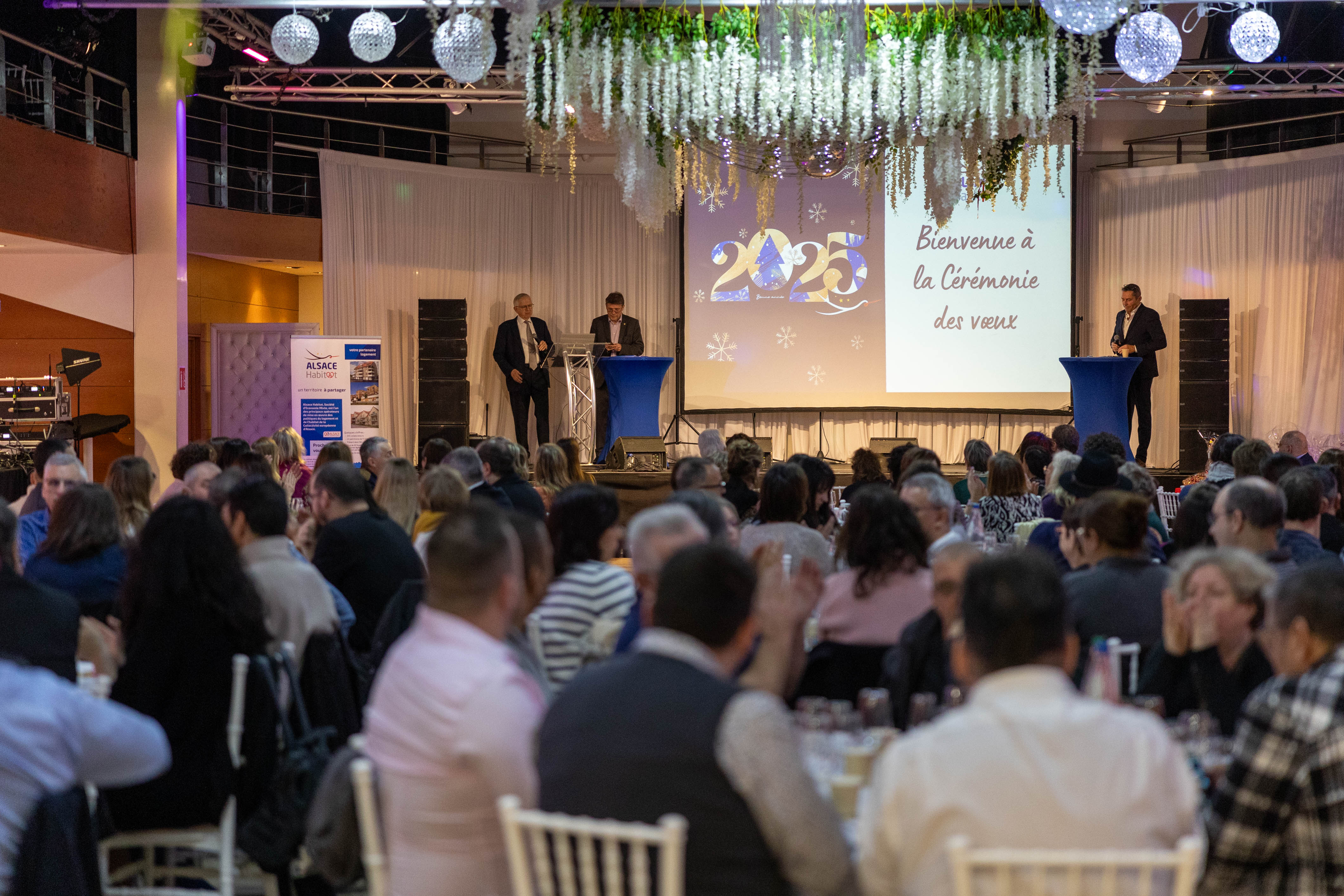
Corporate Employee Party planning in Spain that protects culture, budget and brand
INNOV'events is an event management company delivering Corporate Employee Party organisation across Madrid, Barcelona, Valencia, Seville and Málaga for 50 to 2,000+ employees.
We manage venue sourcing, suppliers, production, guest flow, security, compliance and on-the-day operations—so HR and Comms can focus on people, not logistics.
Table of contents
A well-run Corporate Employee Party is not “just a celebration”: it is a controlled cultural moment where leadership presence, recognition and internal narrative are experienced in real time.
For executives, it is one of the few occasions that visibly reinforces retention priorities, employer brand and cross-team alignment without adding another meeting.
Organisations expect the event to be inclusive, brand-safe and frictionless: clear timings, fast entry, reliable catering, good acoustics, and a programme that works for different profiles (HQ, operations, sales, tech, factory shifts).
They also need predictable cost control, a risk plan, and the certainty that everyone gets home safely—especially in cities like Madrid and Barcelona where transport patterns and venue regulations can be demanding.
INNOV'events brings operational depth: venue capacity engineering, supplier benchmarking, technical production, and stakeholder management with HR, Facilities, Security and Finance.
We operate through established partner networks in Spain and deliver the same standards whether your company staff party event is a 200-person dinner in Valencia or a 1,500-person annual gathering near Madrid.
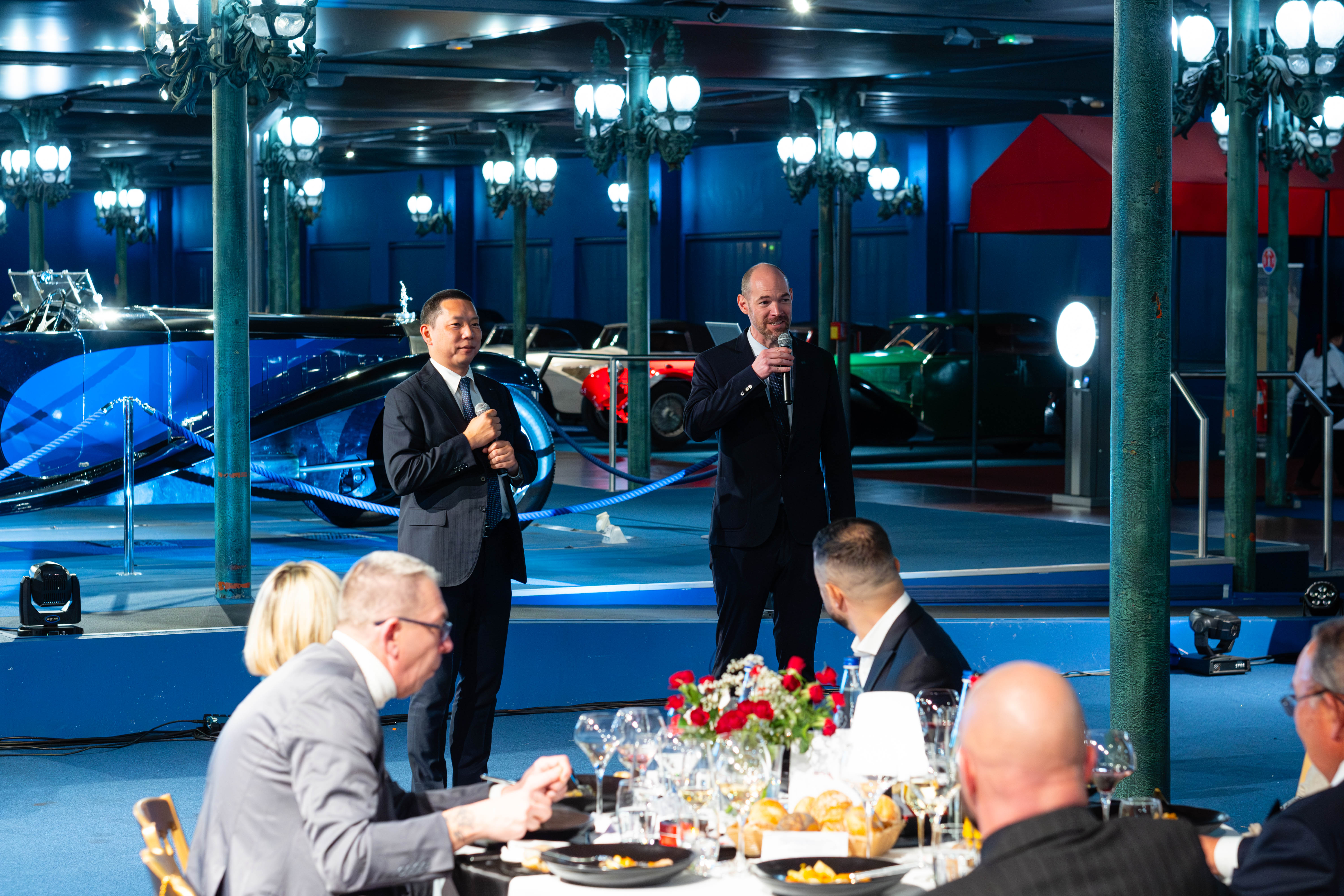
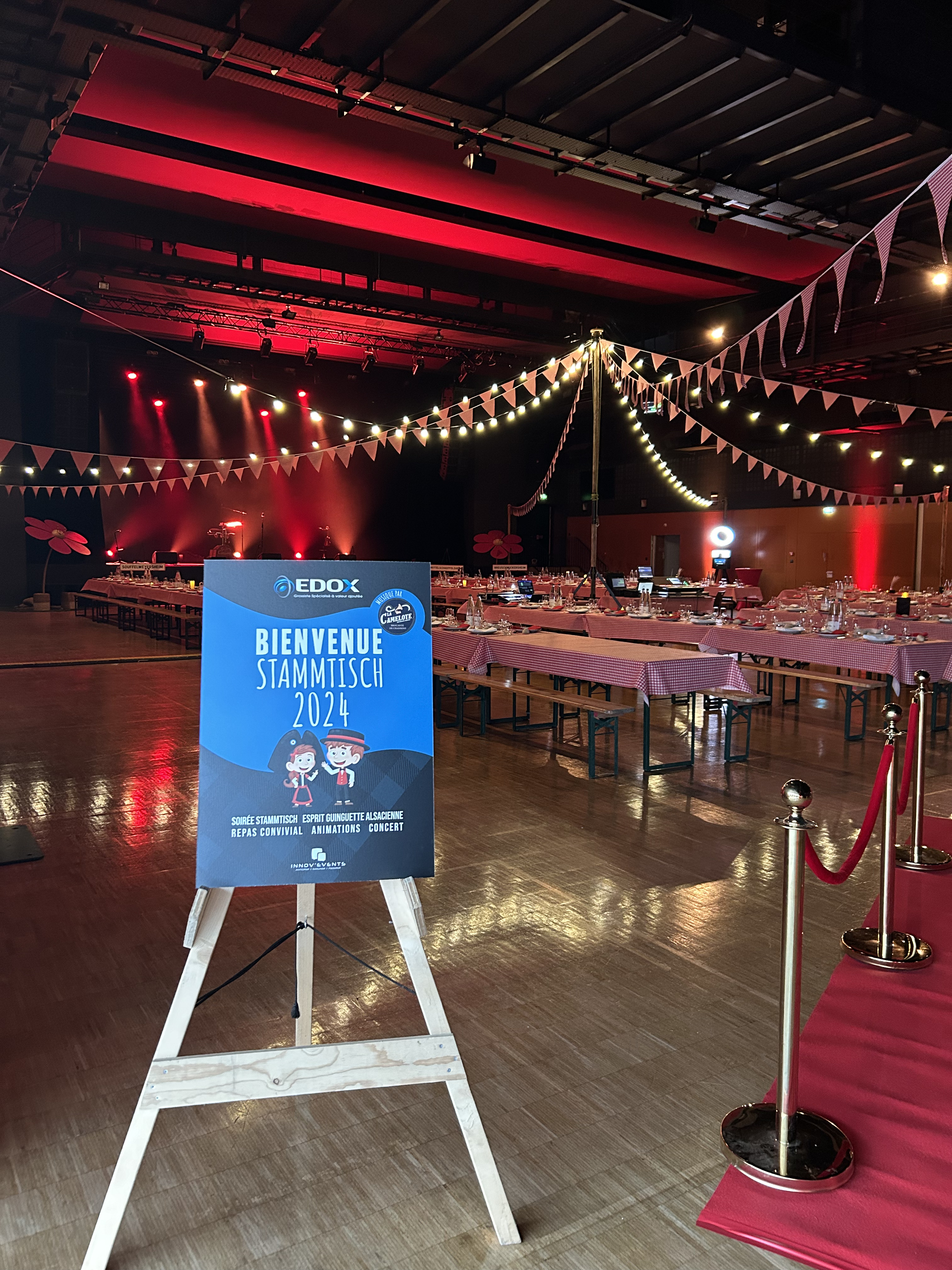
Operational credentials you can validate
5 key hubs in Spain: Madrid, Barcelona, Valencia, Seville and Málaga, with local supplier ecosystems and venue knowledge.
50 to 2,000+ attendees regularly managed, with scalable crowd flow, F&B service design and technical production.
One accountable project lead per event, coordinating all suppliers and internal stakeholders end-to-end.
24/7 on-event availability during the execution window for decision-makers and venue/security contacts.
Multi-site readiness: ability to deploy parallel staff parties (e.g., Madrid + Barcelona on the same week) with shared brand guidelines and budget consistency.
How to organize a professional event ?
- Define the objective (cohesion, announcement, fidelity, performance).
- Set date, format and size (20–1 000 people).
- Secure the venue and accommodation according to seasonality.
- Lock down technical, suppliers and logistics.
- Drive the day J (timing, scene, entrance, flow).
We send you a first proposal within 24h.
Why organise a Corporate Employee Party when calendars and budgets are tight?
Corporate leaders rarely have many “shared moments” that include the whole organisation. A Corporate Employee Party is one of the few formats where you can create visibility, recognition and connection across departments without forcing people into a workshop.
In Spain, where teams are often distributed between head offices and regional operations, the annual employee party can become a practical instrument of cohesion—if it is designed with intent and executed with discipline.
Retention and engagement, measured in behaviours: you see who networks, who feels included, who avoids the event, and which teams are siloed—useful signals for HR beyond survey data.
Leadership visibility without “stage fatigue”: a short, well-produced recognition moment (6–12 minutes total) is often more impactful than a long speech; it signals respect for employees’ time.
Cross-team trust building: structured mingling formats (mixed seating, low-pressure icebreakers, team showcases) help sales, operations and support teams recognise interdependencies.
Employer brand you can operationalise: values are translated into tangible choices—accessibility, inclusive menus, alcohol policy, transport solutions, and respectful music/volume levels.
Internal communication clarity: a staff party is a high-attention moment for celebrating milestones (project deliveries, safety records, anniversaries) without turning the event into a town hall.
A controlled alternative to informal celebrations: unmanaged after-parties create reputational and HR risks; a professionally designed staff party organization reduces that exposure.
In practice, the “return” is cultural and operational: smoother collaboration, lower friction between departments, and stronger pride in belonging. The companies that treat the annual employee party as an operational project—rather than a last-minute social plan—tend to see the best outcomes.
Employee party event ideas that engage different profiles (without forcing participation)
Activities work when they create optional interaction and shared conversation starters. The best corporate employee party planning avoids “mandatory fun” and instead designs multiple engagement paths: social, competitive, creative and low-key.
We also check practicality: noise levels, venue constraints, union/employee relations context, leadership presence, and brand alignment. A good idea that is operationally fragile becomes a risk on the day.
Interactive animations
Structured networking prompts: table cards or digital prompts tied to company milestones (new markets, product releases) to spark conversation beyond small talk.
Team recognition stations: short, rotating micro-moments where departments present a “win of the year” in 90 seconds; works well for large organisations with multiple sites.
Friendly competitions with inclusive mechanics: quiz formats where participation can be via mobile and teams are mixed to reduce cliques; prizes kept symbolic to avoid controversy.
Photo and video content corner: branded but discreet set-ups for internal channels; we plan usage rights and approval workflows with Comms beforehand.
Art animations
Compact live sets: a 30–45 minute band or DJ hybrid after dinner, preceded by sound checks and volume compliance for urban venues.
Roaming performers: subtle formats during cocktail hour (close-up magic, acoustic trio) to avoid turning networking time into a show-only experience.
Storytelling through staging: a short “year in highlights” segment supported by professional AV so leadership messages are clear, not improvised.
Innovative animations
Service formats that reduce queues: dual-sided buffets, satellite bars, and late-night bite stations to keep the room moving.
Dietary clarity without friction: visible labelling for allergens, vegetarian/vegan, and non-alcoholic options; crucial for inclusion and risk reduction.
Local touch, corporate discipline: integrating regional products (e.g., from Valencia or Málaga) while maintaining consistent quality and service speed.
Gourmand animations
Multi-zone party design: dance zone + lounge + quiet conversation zone; this is often the single biggest driver of perceived inclusiveness.
Smart badge or QR interactions: simple check-in and optional engagement tracking (e.g., participation in activations) without intrusive data collection.
Micro-learning corner (optional): short demos of internal innovations or CSR initiatives presented informally—useful for organisations that want meaning without turning the event into a conference.
The strongest programmes feel coherent because every choice supports the employer brand: how you welcome people, what you celebrate, how you handle alcohol, and whether introverts feel respected. We help you choose ideas that are not only attractive, but operationally safe and consistent with your corporate image.
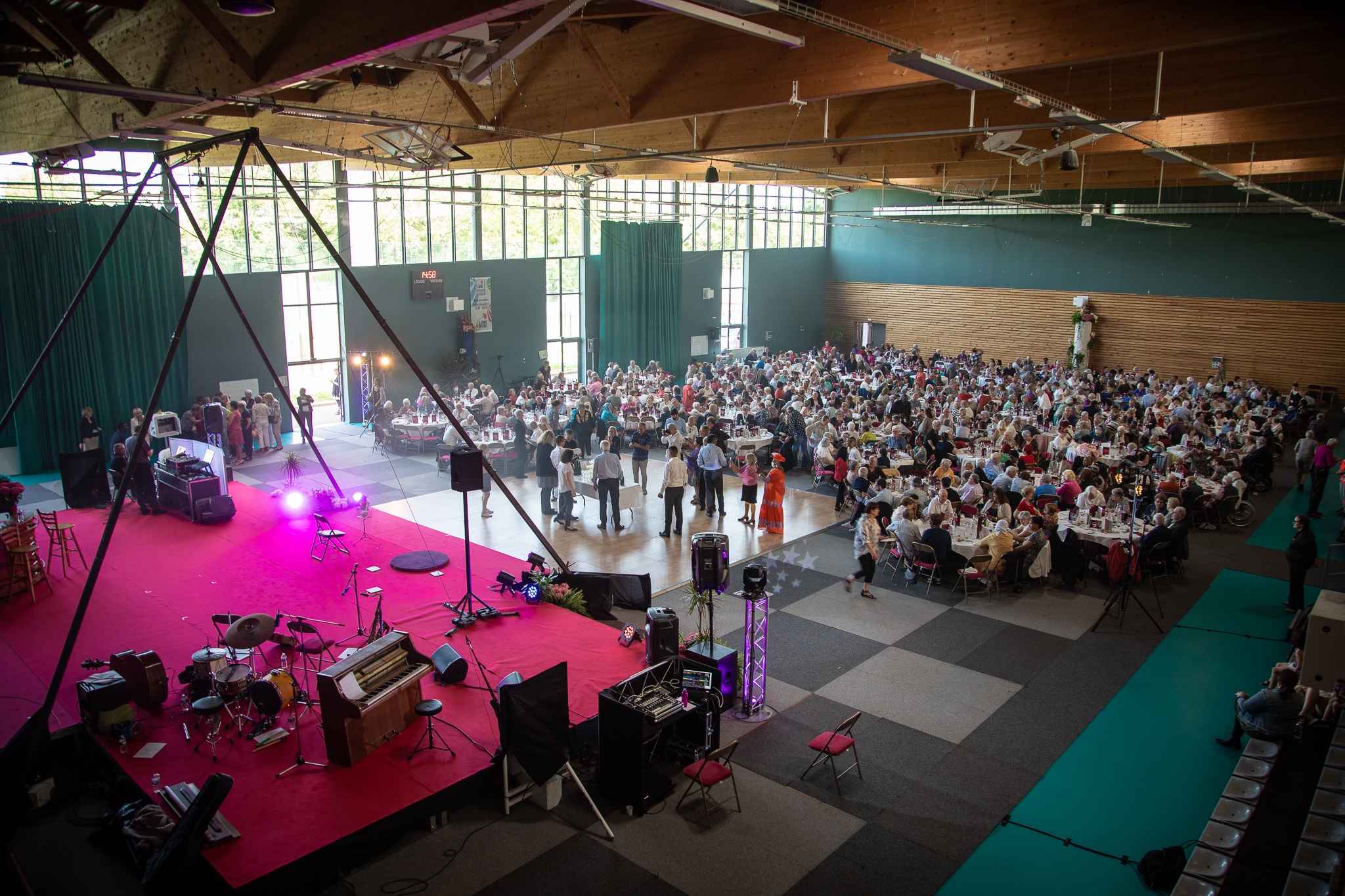
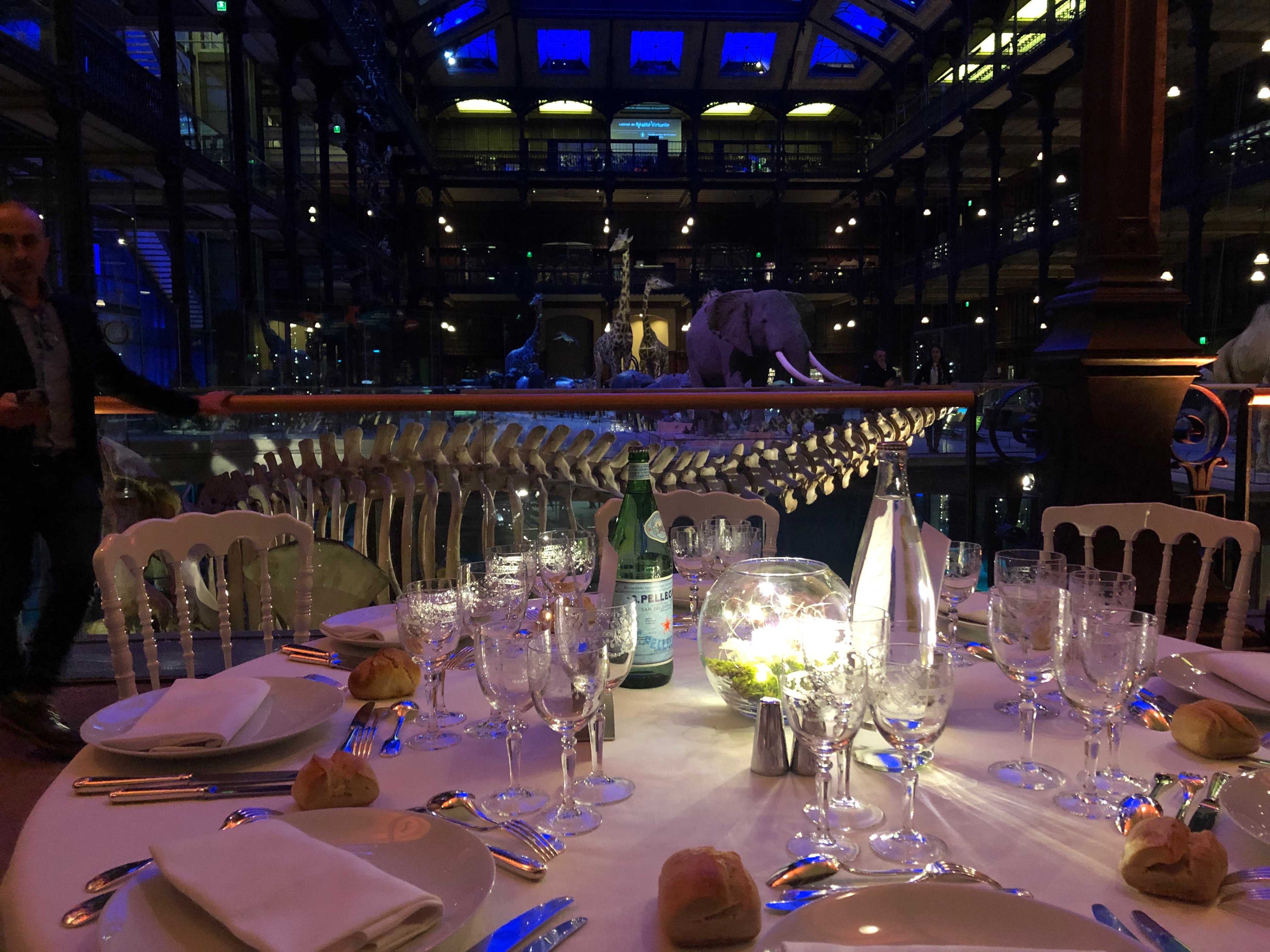
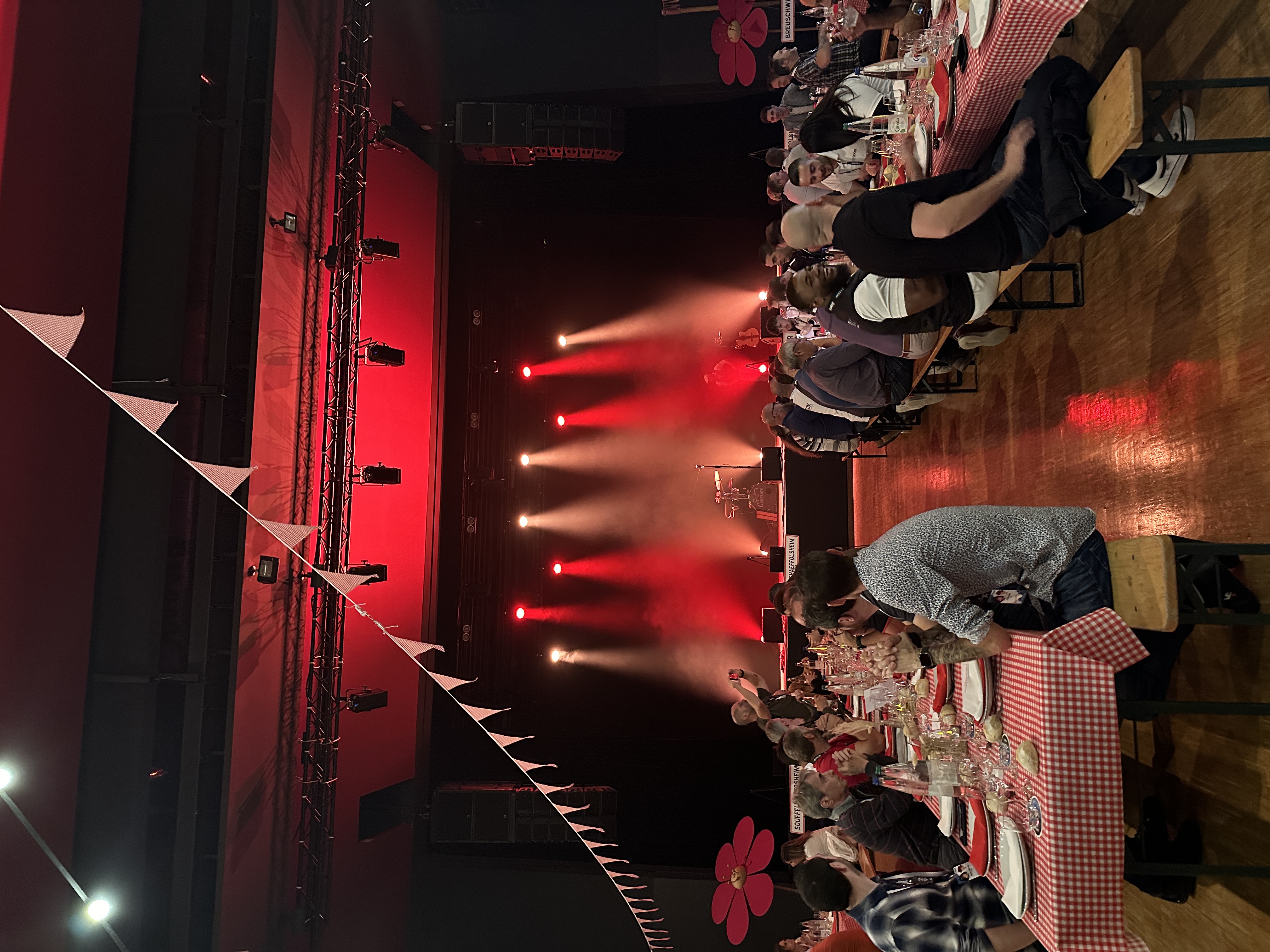
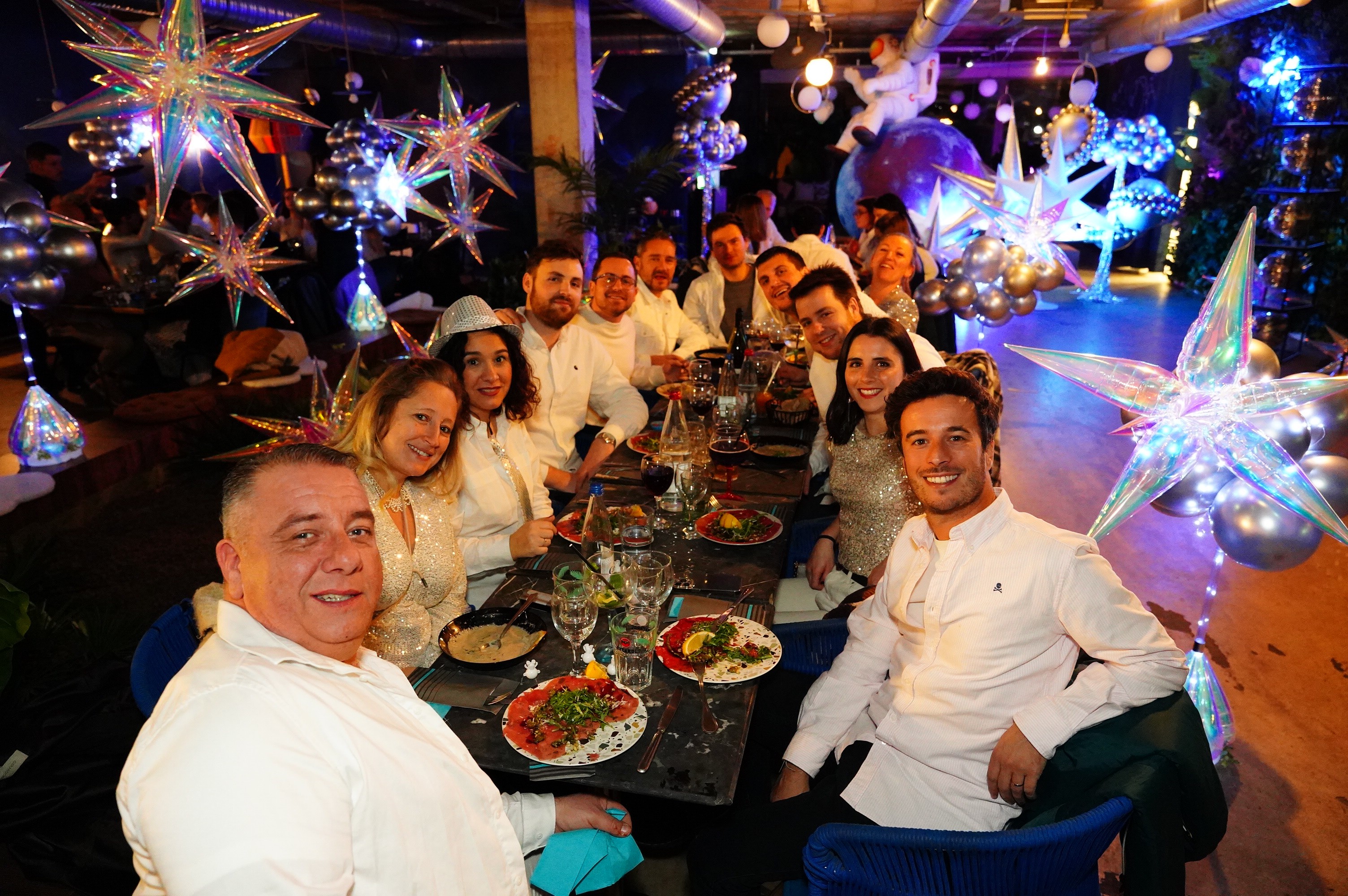
How to choose the right venue in Madrid, Barcelona, Valencia, Seville or Málaga
Venue selection is where many staff party projects succeed or fail. Capacity on paper is not enough: you need to validate access hours, noise limitations, logistics for suppliers, public transport proximity, cloakroom sizing, and whether the layout supports your programme (stage visibility, bar distribution, and breakout zones).
We shortlist venues based on your attendee profile, desired format (seated dinner, cocktail, mixed), leadership visibility needs, and the type of entertainment planned. We also check hidden constraints early: curfews, rigging limits, union rules for venue staff, and loading dock scheduling.
Madrid — Best for: large-capacity venues and executive-friendly accessibility. Watch-outs: strict loading schedules, neighbour noise constraints in central areas, and higher demand peaks in Q4. Recommended approach: early technical recce and pre-booked transport pickup zones.
Barcelona — Best for: modern spaces with strong design value and AV potential. Watch-outs: venue permits, hotel capacity during major trade fairs, and access restrictions for trucks in certain districts. Recommended approach: lock dates early and confirm supplier access passes.
Valencia — Best for: excellent value-to-quality ratio and versatile venues for 150–800 guests. Watch-outs: seasonal peaks and outdoor/indoor contingency planning. Recommended approach: hybrid layouts with indoor backup and clear weather decision points.
Seville — Best for: strong atmosphere and hospitality-led venues for formal recognition dinners and cocktail formats. Watch-outs: heat management in warmer months and late-night transport planning. Recommended approach: climate comfort plan and shuttle options.
Málaga — Best for: social, relaxed formats and end-of-year celebrations with strong F&B. Watch-outs: weekend congestion and limited large indoor capacity in peak periods. Recommended approach: staggered arrivals and smart bar placement to avoid crowding.
We do not push a “one venue fits all” shortlist. We match venue physics to your operational plan, then negotiate on your behalf with clear deliverables: exclusivity areas, service standards, technical windows and cancellation terms.
Corporate employee party budget: what drives cost and how to control it
Pricing for a Corporate Employee Party depends on format, city, date, production level and service intensity. The goal is not to spend more; it is to spend where it protects employee experience and reduces operational risk.
We build budgets with transparent lines (venue, catering, AV, entertainment, staffing, security, transport, branding), plus a contingency reserve. For Finance teams, this structure makes approvals and post-event reconciliation straightforward.
Headcount and service style: 200 guests seated dinner vs 200 guests cocktail can be similar in cost if service is premium, but the operational plan differs significantly (staffing ratios, tableware, clearing).
City and seasonality: Madrid and Barcelona can carry higher venue and supplier costs in peak corporate months (typically November–December). Valencia and Seville may offer stronger value, but outdoor risk must be budgeted if relevant.
Venue package vs external suppliers: all-inclusive venues simplify management but can limit flexibility. External sourcing can optimise quality and brand alignment but requires stronger production coordination.
Audio-visual and staging: speeches and awards fail if audio is weak. We prioritise intelligibility, screen visibility and lighting before adding “wow effects”.
Entertainment and licensing: live acts, DJs, and performance requirements impact sound checks, technical riders and rehearsal time; these have cost and scheduling implications.
Staffing, security and duty of care: hosts, cloakroom, security, first aid, and transport options are often underestimated in internal budgets but directly affect risk and guest satisfaction.
Branding and content: signage, stage backdrops, photo/video coverage and internal content approval workflows can be cost-effective if planned early, expensive if rushed.
Return on investment is practical: fewer HR incidents, better participation, stronger internal sentiment and more predictable delivery year after year. A disciplined budget with the right operational priorities typically reduces total waste—especially last-minute spend driven by avoidable problems.











What we deliver in real corporate contexts (examples of typical briefs)
Annual employee party for a multi-department organisation (700 guests, Madrid): The brief was to celebrate performance while avoiding a “corporate lecture”. We designed a three-zone format: cocktail networking, seated recognition segment, and optional after-dinner entertainment. Operational focus was on fast entry, cloakroom throughput and sound clarity for a short executive message. Result: strong participation across levels and fewer complaints linked to waiting times.
Company staff party event after a merger (350 guests, Barcelona): The risk was social fragmentation between legacy teams. We used mixed seating logic, a short shared “year in highlights” moment, and light activities designed to start conversations without forcing participation. The programme was built to avoid sensitive comparisons and keep leadership messaging concise and factual.
End-of-year celebration with high operational teams (500 guests, Valencia): Attendance had to accommodate shift patterns. We structured a predictable timeline, ensured substantial food service early, and planned transport options with defined pickup points. This reduced early departures and increased perceived fairness for non-HQ teams.
Recognition evening with conservative brand constraints (220 guests, Seville): The company wanted elegance without extravagance. We focused budget on service quality, acoustics and lighting, with understated branding and a controlled stage segment. The event delivered a premium feel through execution discipline rather than expensive spectacle.
Summer staff party with strong duty-of-care requirements (600 guests, Málaga): Key risks were heat comfort and late-night returns. We prioritised climate management, hydration points, and a clear alcohol policy aligned with HR guidelines. A pre-arranged transport plan reduced incidents and improved the post-event HR debrief.
Common mistakes in staff party organization (and how we prevent them)
Choosing a venue by aesthetics only: attractive spaces often have poor acoustics, limited loading access, or restrictive curfews. We validate operational feasibility before any deposit.
Underestimating entry and cloakroom flow: queues at the start set a negative tone. We design check-in throughput, staffing and signage like an airport—not like a restaurant.
Over-programming the evening: too many speeches or forced activities create fatigue. We protect social time and keep leadership moments short and well-produced.
Weak AV planning: the most important message is wasted if the room cannot hear. We prioritise intelligibility, sightlines and rehearsal time.
Food service that does not match the crowd pattern: one bar for 600 people or late food delivery leads to frustration. We engineer service points and replenishment plans.
No clear alcohol and safety framework: incidents become HR problems the next day. We align policy, security, transport, and escalation procedures before invitations go out.
Late changes with no governance: last-minute scope creep inflates costs. We use approval checkpoints and contingency budgets to keep control.
Our role is to remove predictable risks, not to “sell ideas”. A professional Corporate Employee Party feels effortless to guests because the underlying operations are tightly managed.
Why clients renew their annual employee party with INNOV'events
Repeat business is earned through reliability under pressure. The reality of corporate events is that changes happen: leadership schedules shift, headcount moves, and venues impose new constraints. Clients come back when an agency stays calm, documents decisions, and protects the brand while keeping the event enjoyable.
High renewal patterns for annual cycles: many organisations prefer to keep a stable production partner once governance, brand standards and stakeholder habits are aligned.
Reduced internal workload: HR and Comms teams typically report fewer internal coordination hours in year two because templates, suppliers and approval flows are already validated.
Continuous improvement: year-on-year enhancements based on post-event debriefs (queue reduction, menu tweaks, better zoning, stronger technical rehearsals).

Loyalty is not about routine; it is about controlled evolution. We keep what works, fix what created friction, and document learnings so each next Corporate Employee Party is easier to approve and safer to deliver.
Our delivery process for Corporate Employee Party organisation
👉 Step 1: Brief alignment and decision mapping
We confirm objectives, constraints and governance: attendee profile, desired tone, leadership involvement, alcohol position, accessibility needs, brand rules, and approval owners. We also validate your planning calendar and procurement requirements to avoid late-stage blocks.
👉 Step 2: Concept and format that fits your culture
We propose 2–3 practical formats (e.g., seated + short stage segment + optional entertainment; heavy cocktail with zones; awards-led dinner). Each option includes implications for guest flow, service, sound, and staffing so you can choose with operational visibility.
👉 Step 3: Venue sourcing and technical feasibility checks
We shortlist venues in Madrid, Barcelona, Valencia, Seville or Málaga based on capacity engineering, access, curfews, acoustics, and layout. We organise site visits and technical recces, then negotiate clear deliverables and cancellation terms.
👉 Step 4: Budget build, supplier selection and contracting
We build a transparent budget with line items and options. Suppliers are selected for reliability and service capacity, not just price. Contracts include technical riders, staffing ratios, delivery times, insurance requirements and contingency expectations.
👉 Step 5: Production planning and run-of-show
We create the event bible: floor plans, timelines, staffing plan, cue sheets, signage plan, and risk register. We coordinate catering schedules, technical rehearsals, and stakeholder roles (HR, Comms, Security, venue management).
👉 Step 6: Guest management and communications support
We support RSVP logic, check-in method, dietary collection, and clear attendee communications (timings, dress code guidance, transport options). This reduces no-shows and prevents day-of confusion.
👉 Step 7: On-site execution and escalation control
On the day, we manage supplier load-in, setup, sound checks, rehearsals, and live operations. We run the show in real time, monitor guest flow, adjust service points if needed, and maintain an escalation path for rapid decisions.
👉 Step 8: Post-event reconciliation and debrief
We deliver final cost reconciliation, supplier performance notes and improvement actions. For annual cycles, we propose a “next year” plan while the learnings are fresh and measurable.
FAQ sobre la organización Corporate Employee Party
How far in advance should we plan a Corporate Employee Party in Madrid or Barcelona?
For 300+ attendees, plan 10–16 weeks ahead as a baseline. For Q4 peak dates or premium venues, 4–6 months is safer. This timeline protects venue availability, technical production windows and catering capacity.
What is a realistic budget per person for a company staff party event in Spain?
Ranges vary by city, date and production level. For many corporate events, a workable planning range is €90–€180 per person for venue + catering + basic AV in a controlled format. Higher production, premium venues, live entertainment, transport and heavy branding can move the total to €200–€350+ per person. We provide itemised budgets so Finance can validate assumptions.
How do you keep the party inclusive for different ages, roles and comfort levels?
We design multiple engagement zones (social lounge, activity corner, dance/energy zone), keep stage time short, and ensure the food and non-alcoholic offering is generous. We also manage acoustics so conversation is possible. Inclusion is operational: layout, timing, service and clear behavioural expectations.
Can you manage transport and duty-of-care for late finishes?
Yes. Depending on location and headcount, we propose a mix of coach shuttles, defined taxi pickup zones, and pre-negotiated voucher solutions. We also align alcohol policy, security staffing and escalation procedures with HR guidelines. The objective is a clear, documented duty-of-care plan.
What do you need from HR and Communications to start corporate employee party planning?
We typically need: target date range, estimated headcount, preferred city (Madrid/Barcelona/Valencia/Seville/Málaga), objectives (recognition, integration, end-of-year), any non-negotiables (venue type, curfew, dress code), and budget guidance or ceiling. If you do not have a budget yet, we can propose scenarios based on format and service expectations.
Request your presupuesto gratuito for a Corporate Employee Party in Spain
If you need a reliable partner for your Corporate Employee Party, we will respond with a structured proposal: recommended format, venue shortlist options in Madrid, Barcelona, Valencia, Seville or Málaga, an itemised budget, and a realistic timeline.
Contact INNOV'events early—especially for Q4 dates—so you can secure the right venue and production resources, and so HR and Finance can approve with full visibility. Share your headcount, preferred city and target date range, and we will build a clear plan you can take to internal stakeholders.