
Corporate summer party in Spain that protects your brand and keeps teams engaged
INNOV'events is an event management company specialising in corporate summer party organisation across Madrid, Barcelona, Valencia, Seville and Málaga. We deliver end-to-end planning for 80 to 2,000+ participants, including venue sourcing, supplier contracting, technical production, staffing and on-site operations.
We build summer events that work in real corporate conditions: heat, mobility constraints, diverse employee expectations, tight approval cycles and strict brand and safety requirements.
Table of contents
A well-run corporate summer party is not “just a social event”: it is a controlled environment to reinforce culture, recognise performance and reduce friction after demanding quarters and reorganisations. Done properly, it improves internal sentiment without risking brand exposure.
Executives and HR teams typically expect three things at once: high attendance (including hard-to-engage populations), predictable spend, and zero operational surprises on the day—especially around heat, transport, noise limits and supplier reliability.
Our teams manage summer events on the ground across Spain, with a proven delivery method and a vetted supplier network. You get a single accountable partner for production, compliance and guest experience—without losing control of the message.
Quick facts that matter for corporate delivery in Spain
5 operational hubs in Spain: Madrid, Barcelona, Valencia, Seville and Málaga—local sourcing, faster site visits, and reliable day-of troubleshooting.
80 to 2,000+ guests managed regularly for corporate summer formats (afterwork terraces, beach clubs, finca days, rooftop receptions, and multi-activity festivals).
48-hour first budget range available after a structured brief (headcount, city, date, objectives, constraints).
Single-contract approach possible: venue + catering + AV + entertainment + staffing under one coordinated project plan to reduce internal workload.
Operational documentation included: run-of-show, staffing plan, supplier contact grid, risk assessment, and contingency plans for heat and weather.
How to organize a professional event ?
- Define the objective (cohesion, announcement, fidelity, performance).
- Set date, format and size (20–1 000 people).
- Secure the venue and accommodation according to seasonality.
- Lock down technical, suppliers and logistics.
- Drive the day J (timing, scene, entrance, flow).
We send you a first proposal within 24h.
Why organise a corporate summer party in Spain right now?
In many companies, the summer moment is the last opportunity to align teams before holidays and Q3 execution. It is also the easiest high-attendance format of the year—if you respect local realities: heat, city traffic, family logistics and diverse work schedules.
A corporate summer party event becomes strategic when it has a clear purpose (recognition, integration, retention, employer brand, leadership visibility) and when logistics are engineered to prevent drop-offs in attendance and energy.
Retention and engagement without heavy HR programs: teams often interpret a summer event as a tangible signal of stability and care—especially after restructures, rapid growth, or intense delivery cycles.
Faster integration of new hires: in companies with quarterly onboarding waves, a summer party creates informal networks that shorten ramp-up time and reduce “silo” behaviour between departments.
Leadership visibility in a controlled setting: a short, well-timed leadership segment (5–7 minutes, scripted, AV-tested) can land key messages more effectively than a long town hall.
Cross-site cohesion: for teams split across Madrid/Barcelona/Valencia, a well-designed program reduces the “HQ vs. satellite office” dynamic by balancing representation on stage and in activity design.
Employer brand content creation: with consent management and a planned content shot list, you can secure usable assets (not random phone footage) for recruitment and internal comms.
Recognition with operational discipline: awards or milestone recognition can be delivered with clear pacing and production standards—so it feels credible, not improvised.
Spain has a strong social culture, but corporate expectations are high: comfort, safety, and professionalism matter. A summer event that looks effortless is usually the result of strict planning—supplier coordination, permits, crowd flow, heat mitigation and contingency thinking.
Which activities work best for a modern corporate summer party?
Activities are not decoration; they are tools to shape behaviour: mixing departments, reducing social friction, and keeping energy consistent across a long summer evening. The key is to offer parallel options for different comfort levels—without turning the event into a noisy fairground.
Below are formats we commonly deploy for corporate outdoor event programmes in Spain, chosen based on venue constraints, corporate culture and the audience mix.
Interactive animations
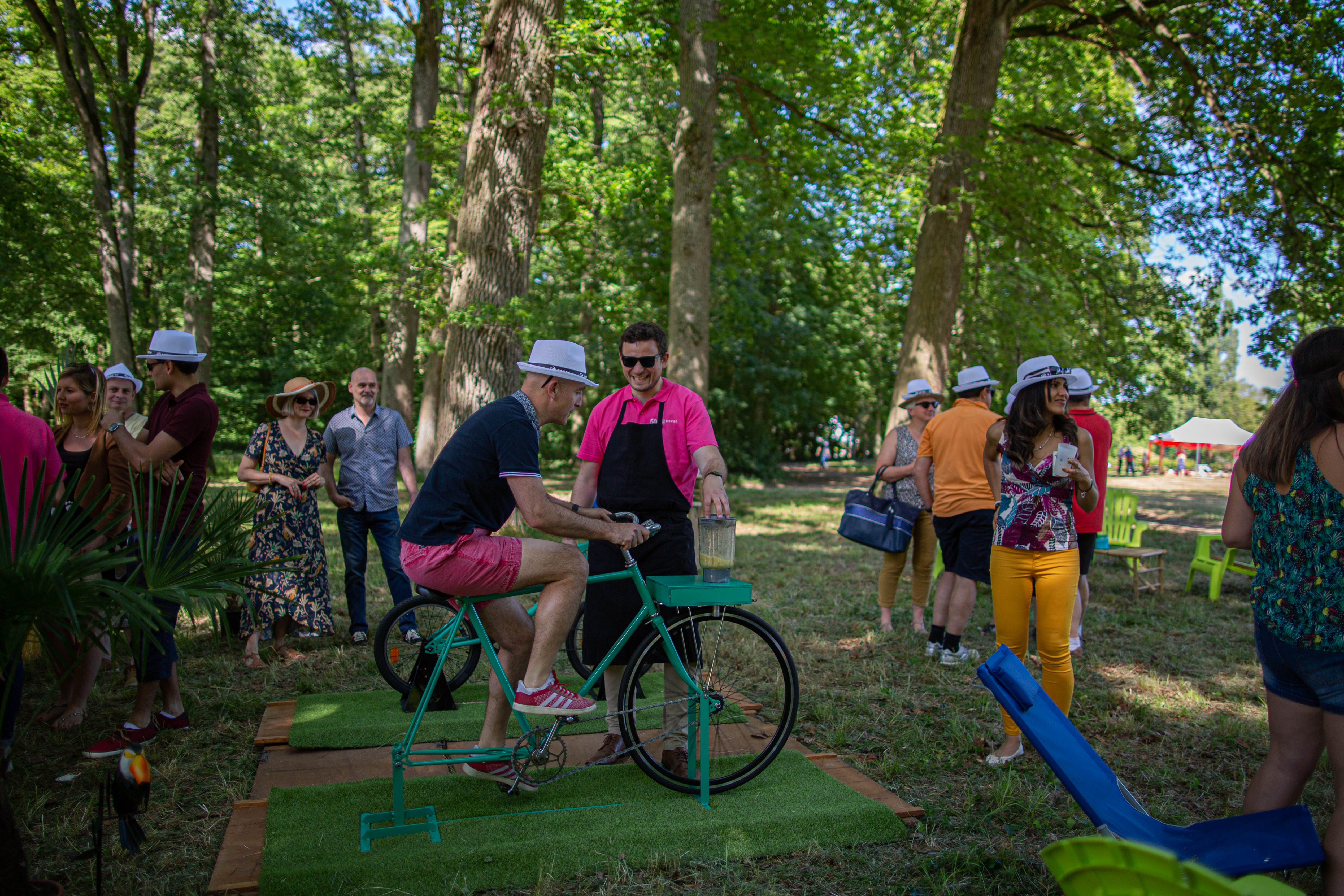
Team mini-challenges with timed rotations: short, structured formats (10–12 minutes) that keep people moving without forcing participation. Works well for 150–600 guests when you need cross-team mixing.
Guided social mix zones: a host runs light prompts (not “icebreakers”) at designated areas. Useful when you have leadership, remote employees meeting for the first time, or international staff.
Quiet networking corners: shaded lounge areas with low music and table service. This is critical for inclusivity—many employees avoid events when there is no calm space.
Brand or product stations (subtle, not salesy): especially relevant for tech, industrial or services firms launching internal tools or new ways of working. Done as demos with short guided walkthroughs and clear opt-in.
Art animations
Live band or acoustic sets with sound compliance: we select line-ups that can deliver atmosphere within local noise limits (common in rooftops and urban terraces). We plan sound checks to avoid last-minute volume disputes.
DJ with programmed peaks: we build a musical arc matched to the event phases: arrival, dinner, speeches, post-program celebration. This avoids the typical mistake of “party music” too early.
Short stage moments that respect attention spans: 5–7 minutes for leadership, 3 minutes for awards per segment. We script, rehearse, and AV-test to prevent delays and feedback issues.
Innovative animations
Heat-smart catering design: for summer, we favour formats that keep quality stable: live cooking stations, plated starters with controlled service, and desserts designed to withstand warm conditions. We avoid long buffet exposure when temperatures are high.
Zero-proof cocktail bars and hydration points: a strong non-alcoholic offer is now expected for inclusive culture and safe commuting. We plan service ratios to keep queues under control.
Dietary compliance at scale: we implement pre-tagging from RSVP data and clear on-site labelling to reduce risk and stress for guests with allergies or dietary restrictions.
Gourmand animations
Data-light engagement tools: QR-based polls for quick sentiment capture (with privacy considerations). Useful for HR and Communications teams that need proof points after the event.
Content capture with consent management: a planned shot list, designated filming zones, and clear signage for opt-out. This is essential for corporate governance and prevents post-event legal issues.
Micro-experiences instead of one big show: several small, high-quality touchpoints (live illustrator, short interactive corners, curated lounge design) often work better than an expensive central spectacle—especially in venues with sound restrictions.
Sustainable operations: reusable cups where permitted, measured ordering to reduce waste, and logistics plans that minimise last-minute transport. This supports ESG reporting with concrete actions, not claims.
Good summer staff party animation is consistent with your brand image and internal culture. A regulated environment (financial services, healthcare, industrial groups) requires a different level of tone, security and alcohol policy than a creative or startup environment. Our role is to propose options that energise the event while protecting reputational and compliance expectations.
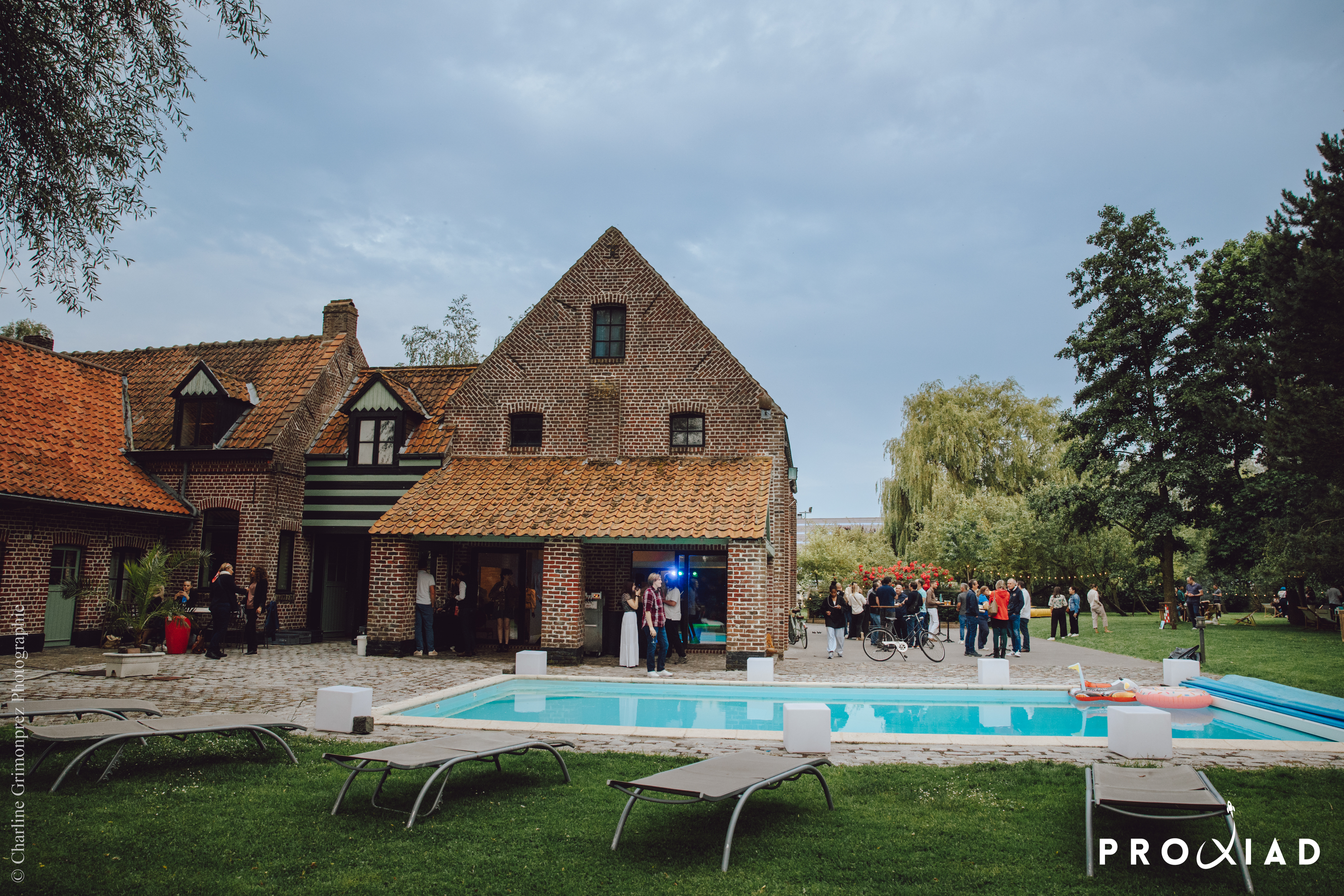
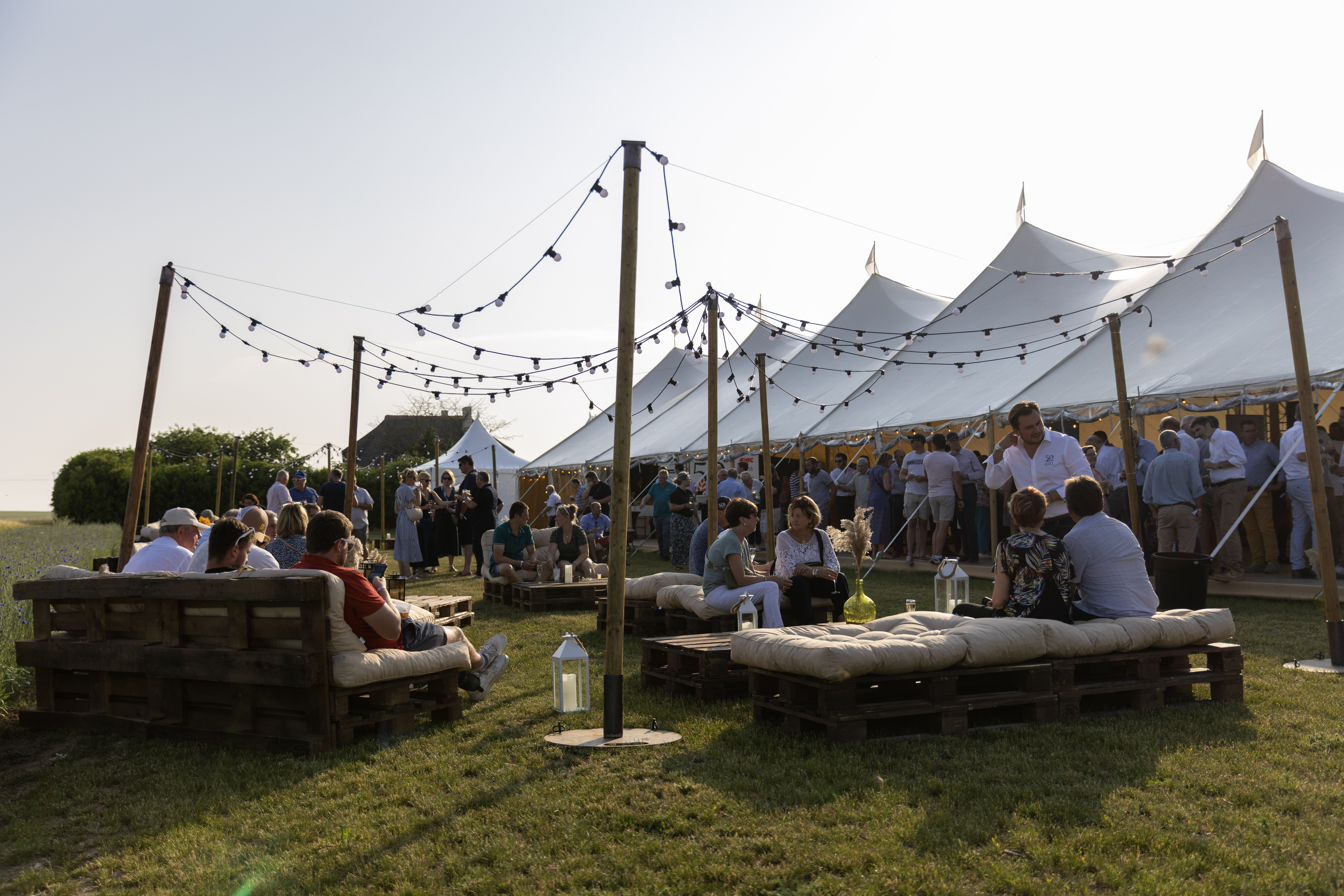
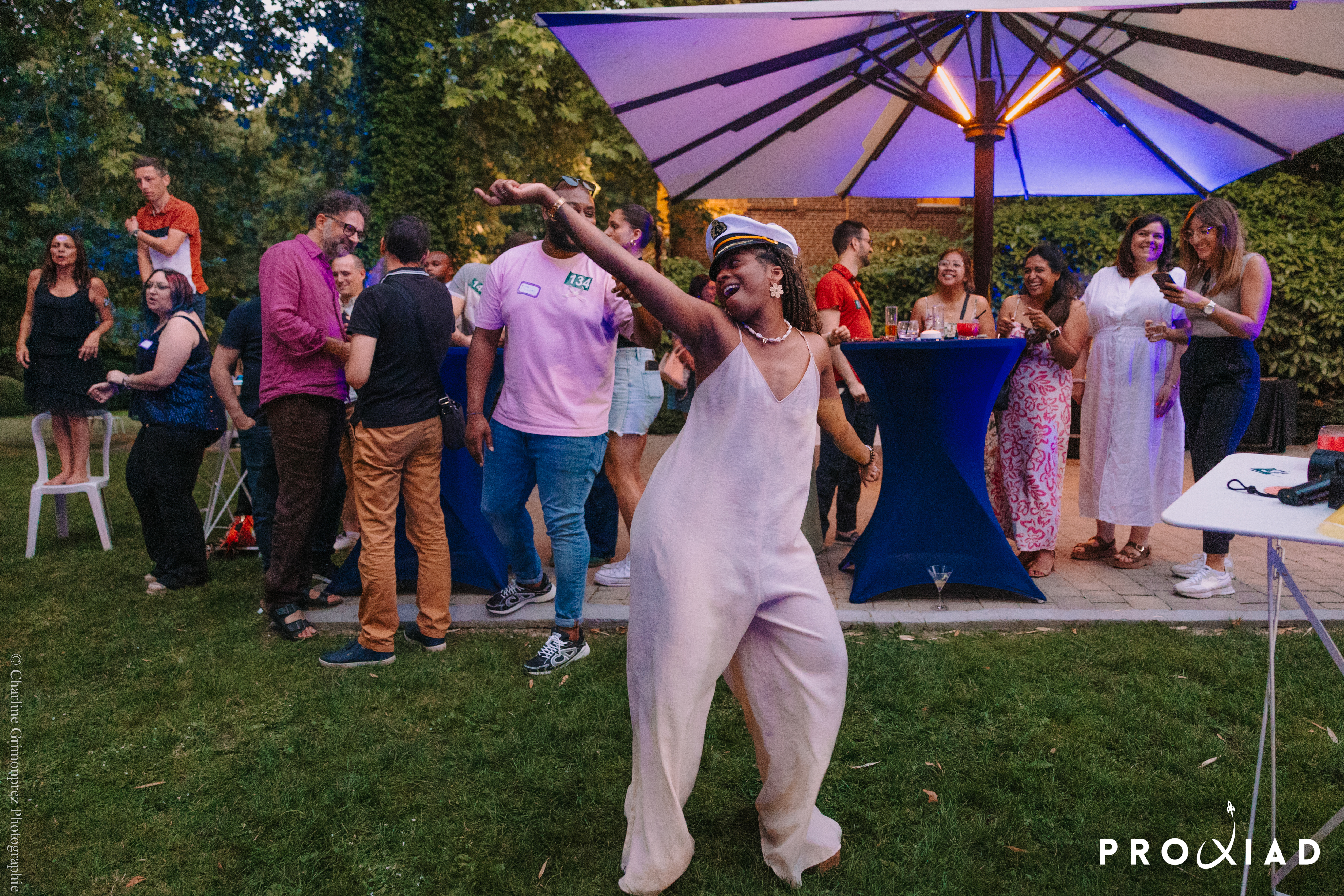
Where to host an outdoor company party in Madrid, Barcelona, Valencia, Seville or Málaga?
Venue selection in Spain is where most corporate summer events succeed or fail. The right place is not only about aesthetics; it must support guest flow, heat strategy, sound restrictions, and transport. We shortlist venues based on your headcount, timing, noise constraints, accessibility needs, and the kind of atmosphere your leadership is comfortable endorsing.
Below is a practical overview of venue types that perform well for corporate summer event organization in Spain.
City rooftops (Madrid, Barcelona, Valencia): Best for 80–250 guests, executive-friendly, easy public transport. Watch-outs: strict noise limits, limited load-in times, weather exposure. Ideal for afterwork formats and leadership messaging.
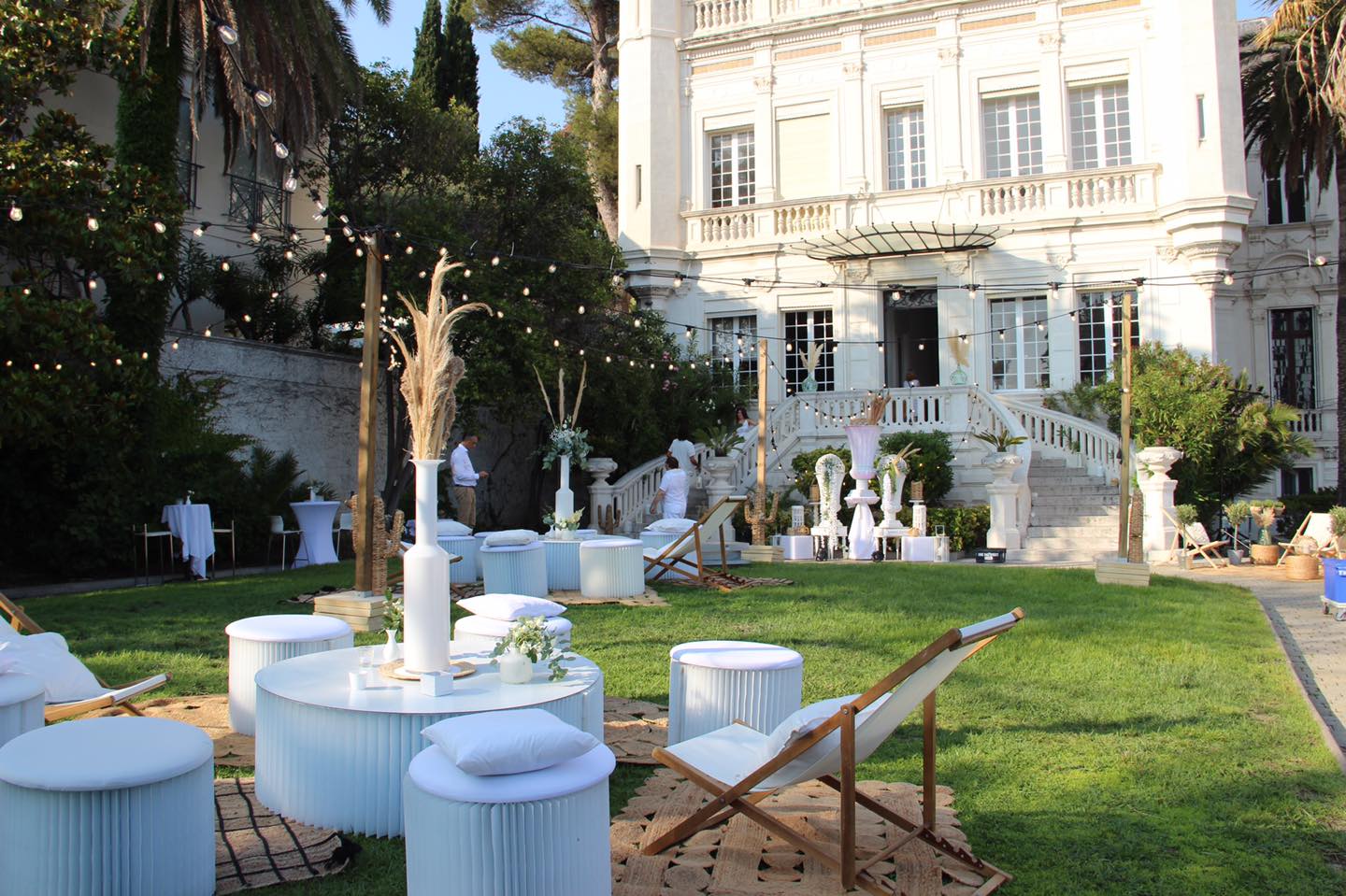
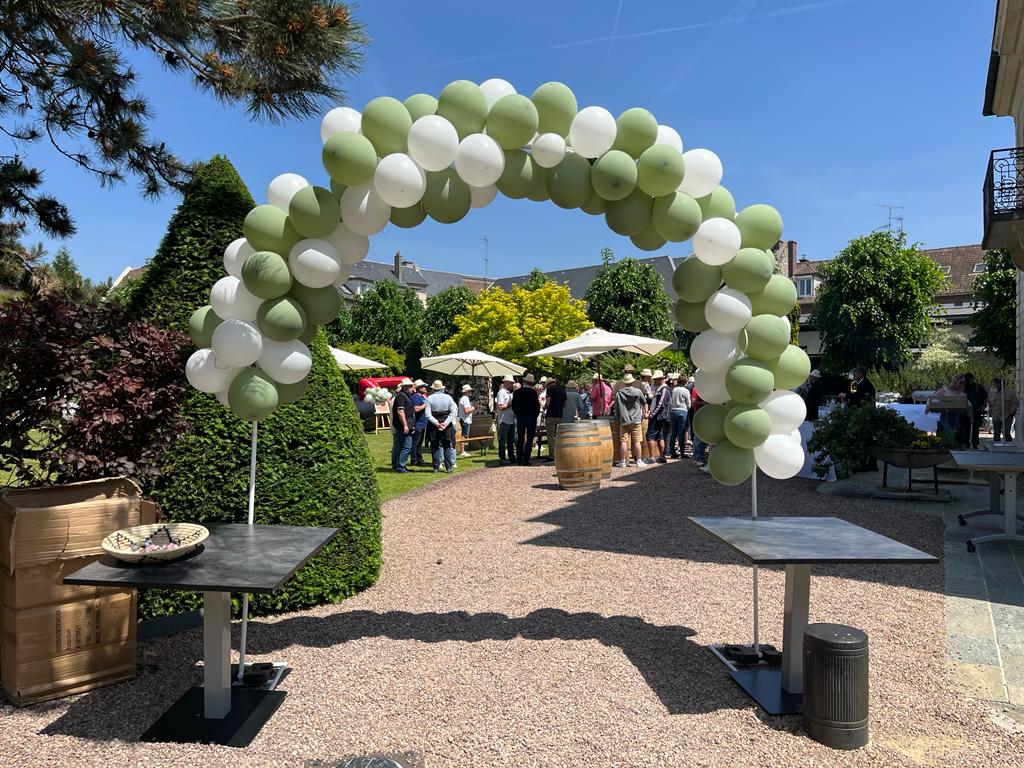
Urban terraces and garden venues (Madrid, Seville, Málaga): Best for 150–600 guests, good for mixed programs (networking + activities). Watch-outs: neighbour noise, licensing, and shading. Requires a clear plan for arrival and bar service to avoid crowding.
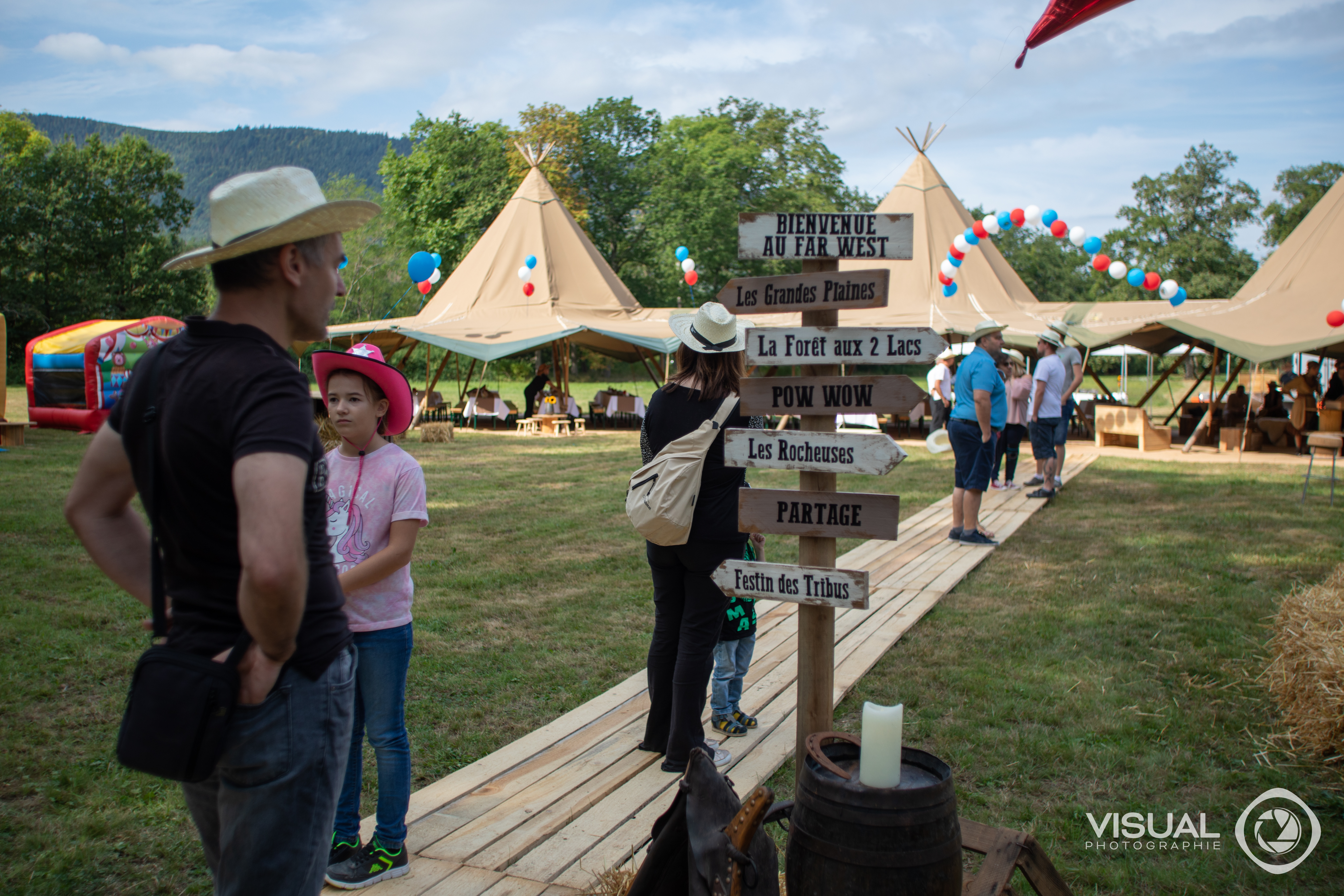
Fincas and countryside estates (Madrid area, Valencia hinterland, Seville province): Best for 300–2,000+ guests, strong privacy, flexible production, good for festival-style layouts. Watch-outs: transport logistics and late-night return plan. Works well when you want a “company day” feeling.
Beach clubs and coastal venues (Málaga, Valencia, Barcelona coast): Best for 120–800 guests, relaxed mood, natural scenic value. Watch-outs: wind, sand logistics, and tight operational rules. Requires precise supplier coordination for staging and power.
Hotels with outdoor spaces (all key cities): Best for 100–700 guests, operational reliability, built-in contingency indoors. Watch-outs: less “destination” feel unless production is enhanced. Strong choice for risk-averse organisations.
Industrial-chic spaces with courtyards (Barcelona, Madrid): Best for 150–700 guests, brand-friendly for tech and creative sectors, good production infrastructure. Watch-outs: sound reflections and curfew constraints; requires solid acoustic planning.
When directors compare agencies, a key differentiator is the quality of venue due diligence. We visit and document venues with operational eyes: entry points and security, back-of-house routes, power capacity, stage positioning, shade and cooling potential, restroom ratios, and taxi/bus logistics. This is how we avoid the classic “great photos, complicated reality” scenario.
How much does a corporate summer party cost in Spain?
There is no single price for a corporate summer party; the budget depends on scope, risk level and the experience standard required by your leadership. What we can do quickly is give you a realistic range once we have the essentials: city, date, headcount, venue type, catering style, and whether transport and production are included.
As a practical reference, many corporate summer events in major Spanish cities land between €90 and €220 per person for mid-range delivery. Premium formats with high production, complex entertainment, or exclusive venues can move to €250–€450+ per person. For large headcounts, per-person cost can decrease, but staffing, security, transport and infrastructure often increase.
Venue model: minimum spend vs. venue hire, exclusivity, curfew, and noise restrictions. Rooftops and premium coastal venues often require early commitment.
Catering and service style: cocktail, buffet, seated dinner, food stations, open bar duration, and service ratios. Queue management is a cost driver—more points of service means more staff and equipment.
Technical production: sound within legal limits, lighting, staging, screens, microphones, and power distribution. Outdoor setups often require additional power and backup solutions.
Heat and weather mitigation: shade structures, fans, permitted misting, extra water points, and optional indoor fallback. These are not “nice to have” in summer.
Entertainment and activities: artist fees, licensing where applicable, rehearsal time, hosts, and activity supervisors. A structured program typically costs more but performs better.
Transport and mobility: shuttle buses, taxi coordination, parking management, and access for reduced mobility. Transport can be the difference between 60% and 85% attendance.
Compliance and safety: security staff, first aid, insurance levels, and permits. Corporate governance often demands higher coverage and documentation.
Branding and communications: signage, stage visuals, branded zones, content capture, and post-event asset delivery. Useful when the event must support internal comms KPIs.
Return on investment is not abstract: you can track it through attendance, internal pulse results, participation rates, and manager feedback about cross-team connections. We help you define measurable indicators upfront so the spend is defendable in front of Finance and leadership.








Examples of corporate summer party formats we deliver in Spain
Corporate summer events vary widely, and our production approach adapts to the audience and governance level. We regularly deliver:
- Executive rooftop receptions (80–180 guests) in Madrid and Barcelona with strict timing, discreet security, and high service standards. Common challenge: creating energy without a “club” atmosphere; solution: structured pacing, acoustic-friendly music, and premium but efficient catering.
- Company garden parties (200–600 guests) in Seville and Valencia with parallel activity zones, staged leadership messaging, and strong heat planning. Common challenge: queue management; solution: multiple bar points, timed food service, and clear signage.
- Finca festival-style days (600–2,000+ guests) near Madrid with shuttle plans, registration flows, shaded lounge infrastructure, and robust technical production. Common challenge: transport and timing; solution: staggered departures, real-time bus tracking, and dedicated mobility coordinators.
- Coastal evening events (150–800 guests) in Málaga and Valencia where wind, humidity and venue rules can complicate AV and staging. Common challenge: sound compliance and equipment protection; solution: site-specific technical design and controlled stage programming.
Across formats, we focus on the same fundamentals: guest comfort, consistent brand tone, predictable budgets, and operational control. That is what decision-makers actually compare when evaluating an event management company.
Common corporate summer party mistakes (and how we prevent them)
Underestimating heat impact: guests leave early, hydration becomes an issue, and the program loses momentum. Prevention: late start options, shade mapping, water staffing, and adjusted menus.
Choosing a venue for photos, not operations: poor access, weak back-of-house, insufficient restrooms, and noise conflicts. Prevention: operational site visits and documented capacity planning.
Overloading the agenda: too many speeches or activities creates fatigue. Prevention: a run-of-show with clear peaks, short leadership segments, and optional activity zones.
Queue failure: long waits at bars or food stations damage perception more than any design element. Prevention: service ratios, multiple points of service, and timed releases.
Unclear alcohol policy: creates liability, reputational risk, and uneven guest experience. Prevention: defined bar schedule, strong zero-proof offer, security alignment, and transport planning.
Last-minute supplier changes: typically driven by budget panic or late approvals, often leading to quality drops. Prevention: early decision gates and budget scenarios.
No plan for content and privacy: footage becomes unusable or creates internal complaints. Prevention: consent signage, designated filming zones, and a planned shot list aligned to Communications.
Our role is to run your corporate summer party like a production project—anticipating points of failure and building simple, practical safeguards. This is what allows your leadership and HR teams to be present with employees instead of managing vendors.
Why corporate clients stay with INNOV'events year after year
Repeat business is common in corporate events, but it is earned. Clients return when the agency delivers predictable results, protects internal stakeholders, and improves each edition with concrete changes—not just a new theme.
Our long-term relationships are built on operational reliability, transparency in budgeting, and a collaborative way of working with HR, Communications, Facilities and Procurement.
Typical planning windows: 8–16 weeks for 150–500 guests; 12–24 weeks for 600–2,000+ guests depending on city and venue availability.
Decision efficiency: most projects can be validated with 2–3 structured option sets (venue + catering + production tiers) instead of endless iterations.
Operational staffing: we commonly deploy 1 senior producer + 1–3 coordinators on-site for mid-size events, plus dedicated supplier leads (AV, catering, security) depending on complexity.

Loyalty is a by-product of risk reduction: when an event runs smoothly, internal stakeholders look good, and the organisation feels the benefit, the relationship naturally continues. That is the standard we work to.
Our corporate summer event delivery process (from brief to day-of control)
👉 Step 1: Structured brief and risk scan
We start with a 30–45 minute working session with HR/Comms and the executive sponsor. We confirm objectives, audience profile, preferred tone, governance constraints, and non-negotiables (budget ceiling, accessibility, brand rules, alcohol policy). We also identify critical risks early: heat exposure, neighbour noise, mobility constraints, and approval timelines.
👉 Step 2: Venue and format shortlisting by city
We propose a shortlist that matches headcount and operational needs in Madrid, Barcelona, Valencia, Seville or Málaga. For each option, we provide practical notes: capacity reality, curfew, production feasibility, transport constraints, and recommended timing. This stage prevents costly late changes.
👉 Step 3: Budget scenarios and trade-offs
You receive clear budget tiers (for example: essential / enhanced / premium) with what changes in each. We highlight where spend actually affects outcomes: service ratios, shade/cooling, transport, and technical production. This gives Finance-friendly transparency and protects your internal decision-makers.
👉 Step 4: Supplier contracting and compliance pack
We contract and coordinate catering, AV, entertainment, staffing, security and transport. We prepare documentation for internal approvals: insurance certificates, permits where needed, supplier contacts, H&S notes, and production schedules.
👉 Step 5: Guest management and communications support
We support RSVP structure, guest data fields needed for dietary and accessibility planning, and arrival time recommendations. If required, we align with Communications on leadership messaging, stage visuals, signage tone, and content capture plan.
👉 Step 6: Production planning and rehearsal
We produce the run-of-show, staffing plan, load-in/load-out schedule, and contingency plans for heat and weather. Where stage moments exist, we schedule a technical rehearsal and ensure microphones, screens, and cueing are tested in real conditions.
👉 Step 7: On-site operations and post-event reporting
On the day, our team runs supplier coordination, timing control, and issue resolution. After the event, we deliver a concise debrief: what worked, what to improve, attendance indicators if available, and recommendations for next year’s edition.
FAQ sobre la organización corporate summer party
When should we start planning a corporate summer party in Madrid or Barcelona?
For 150–500 guests, plan 8–16 weeks ahead. For 600–2,000+ guests or premium venues (rooftops, exclusive fincas, beach clubs), start 12–24 weeks ahead. High-demand Thursdays in June/July often sell out first.
What is a realistic budget per person for a corporate summer party in Spain?
Most corporate formats land around €90–€220 per person for mid-range delivery (venue + catering + basic production). Premium concepts with high production, complex entertainment, and exclusive venues are often €250–€450+ per person. Transport, shade/cooling, and staffing are frequent add-ons that materially change totals.
How do you manage heat risk for an outdoor company party?
We plan timing (often later start), shade layout, hydration strategy, and menus that hold quality. Operationally, we add water points and staff, define a heat escalation protocol, and align first aid coverage to headcount and venue conditions. If the venue allows, we design an indoor fallback or partial covered areas.
Can you run a corporate summer party that includes clients and employees without brand risk?
Yes. We separate zones and moments: a controlled welcome and networking period for clients, followed by broader employee engagement later. We manage access control, tone of entertainment, alcohol policy, and content capture rules. The key is a clear program and staffing plan so the event does not drift into an uncontrolled “open party” format.
What information do you need to provide a quote quickly?
We need: city (Madrid/Barcelona/Valencia/Seville/Málaga), preferred date range, estimated headcount and attendee profile, desired venue style, time window, catering preference, whether you need transport, and any non-negotiables (budget cap, branding rules, accessibility, noise constraints). With that, we can usually provide a first range within 48 hours.
Request your presupuesto gratuito for a corporate summer party in Spain
If you are comparing agencies, we recommend starting with a short constraints-led call. In 30–45 minutes we can validate feasibility, identify the key risks (heat, noise limits, transport, approvals), and propose a clear route to a controlled, professional corporate summer party.
Contact INNOV'events for a presupuesto gratuito. You will receive a structured proposal with venue options, budget scenarios, and a delivery plan designed for Madrid, Barcelona, Valencia, Seville or Málaga.